
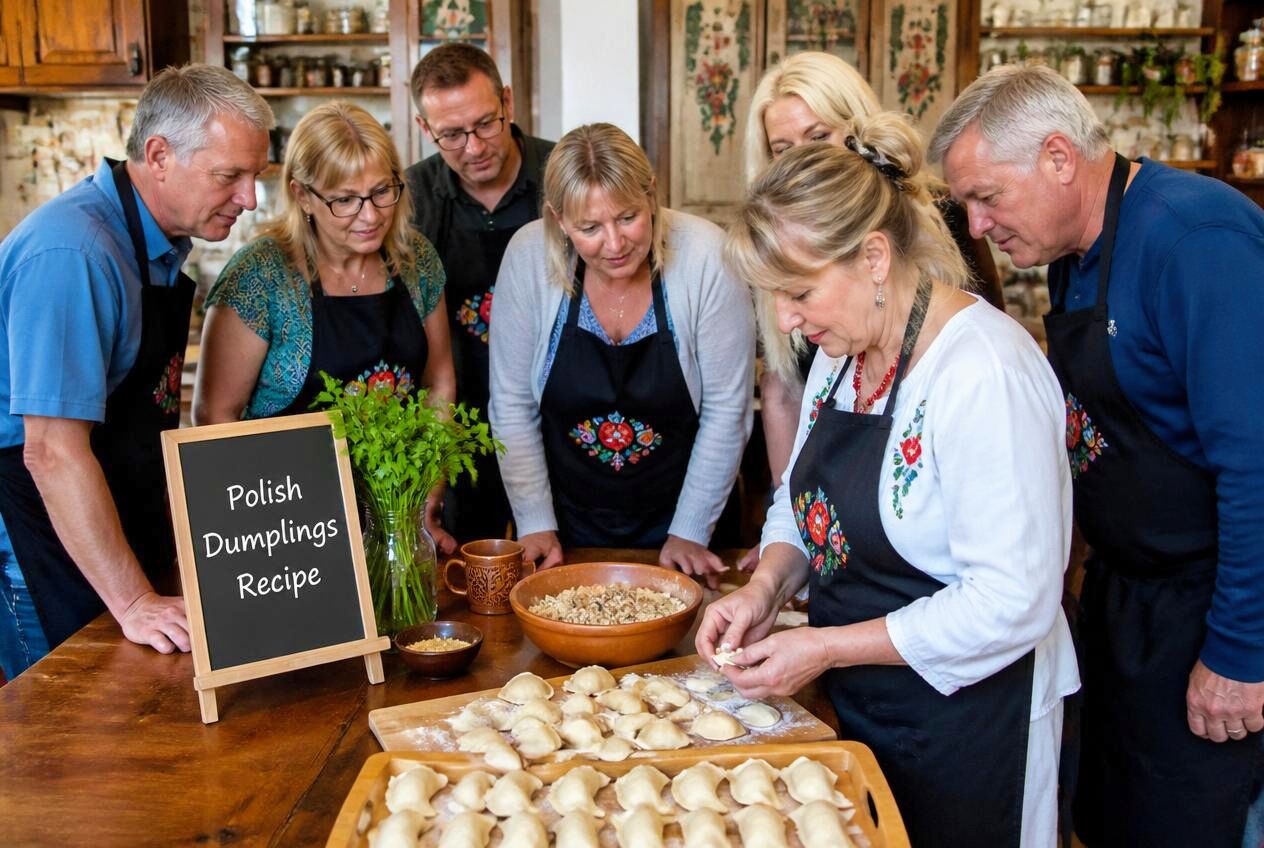
Polish dumplings recipes like Pierogi made from unleavened dough wrapped around savory or sweet fillings, then boiled and often pan-fried for added texture. These half-moon shaped pockets have been a cornerstone of Polish cuisine since at least the 13th century, with widespread documentation in the first Polish cookbook from 1682. The Polish dumplings recipe stands out as one of the most versatile comfort foods in Eastern European cooking, with fillings ranging from creamy mashed potatoes and cheese to sauerkraut, mushrooms, and even fruit.
Pierogi serve as both everyday comfort food and celebratory dishes for weddings, holidays, and family gatherings. The most popular variety, pierogi ruskie, features a potato and cheese filling that delivers a creamy, satisfying bite with every forkful. The Polish dumplings recipe can be customized to suit any taste preference or dietary need.
Making pierogi from scratch requires time and patience, but the process connects you to generations of Polish home cooks who shaped these dumplings by hand. Properly prepared dough creates a pillowy exterior that holds the filling without being too thick or doughy. Serving them with caramelized onions and butter creates the perfect balance of flavors in a classic Polish dumplings recipe.
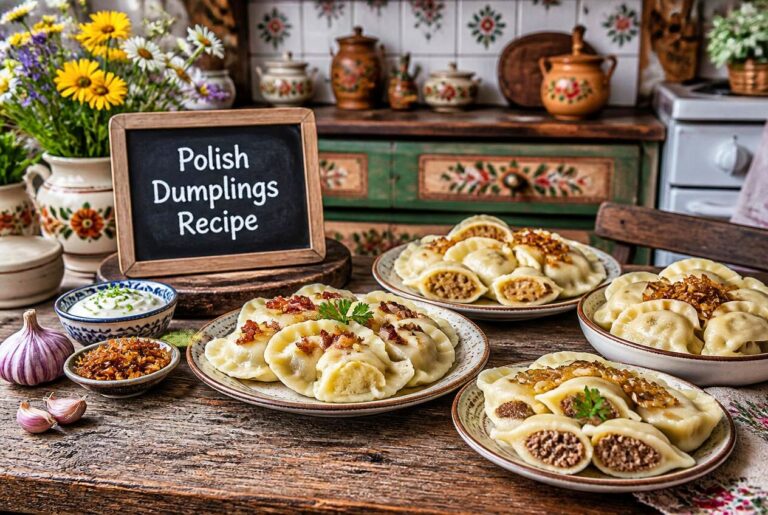
Polish Dumplings Recipe
Key Takeaways
- Pierogi are Polish dumplings with unleavened dough wrapped around various fillings, boiled and often pan-fried
- The most traditional filling combines mashed potatoes with cheese and onions, known as pierogi ruskie
- Making pierogi at home allows for customization of fillings and creates a connection to traditional Polish cooking methods
Polish Dumplings Recipes Description And History
Pierogi are traditional Polish dumplings made from unleavened dough and filled with various savory or sweet ingredients. The word “pierogi” comes from the Proto-Slavic root pirъ, meaning “feast,” which reflects their importance in Polish celebration meals and everyday comfort food. The Polish dumplings recipe has evolved over centuries, adapting to regional tastes and traditions.
These dumplings consist of a tender dough pocket that encases fillings like mashed potatoes with cheese, sauerkraut and mushrooms, ground meat, or fruit preserves. Boiling the dumplings first, then pan-frying them in butter, creates a golden, slightly crispy exterior that many enjoy in a Polish dumplings recipe.
Common Traditional Fillings:
- Potato and farmer’s cheese with onions
- Sauerkraut and forest mushrooms
- Ground meat (beef or pork)
- Sweet cheese with sugar
- Seasonal fruits or berry preserves
Pierogi represent authentic Polish food with distinct characteristics shaped by centuries of culinary tradition. The exact origins remain debated, but cooks have made these dumplings a staple of Polish cuisine for generations.
Pierogi hold special significance during Polish festivals and family gatherings, particularly on Christmas Eve when meat-free versions are served. Making pierogi often brings multiple family members together, passing down the Polish dumplings recipe through hands-on experience.
Today, people in Poland and Polish communities worldwide continue to enjoy pierogi. They appear at holiday celebrations, family dinners, and even as street food, demonstrating the versatility of the Polish dumplings recipe as traditional comfort food that adapts to various occasions while maintaining its authentic character.
Chef’s Tips
I always prepare my mise en place before starting the pierogi-making process. Having my dough rolled, fillings ready, and workspace organized keeps the dough from drying out while I gather ingredients for my Polish dumplings recipe.
Work with room temperature dough for easier handling. Cold dough tears more easily and becomes difficult to seal properly. Letting the dough rest for at least 30 minutes before rolling improves the Polish dumplings recipe.
When sealing the edges, I make sure they’re completely dry before pinching. Moisture creates weak seals that open during boiling. Pressing firmly and crimping with a fork ensures a secure seal for the Polish dumplings recipe.
Don’t overcrowd the pot when boiling. I cook pierogi in batches of 6-8 to maintain consistent water temperature. Overcrowding causes them to stick together and cook unevenly, which can affect the Polish dumplings recipe.
I test my water with one pierogi first. This helps me adjust the heat and timing before committing an entire batch. The pierogi should float to the surface within 3-4 minutes for the best results in a Polish dumplings recipe.
For the best texture, I transfer boiled pierogi directly to a heated pan with butter. This step adds flavor and prevents them from becoming gummy as they cool. The light golden crust creates an appealing contrast to the tender filling in a Polish dumplings recipe.
Freezing works wonderfully for advance preparation. I freeze uncooked pierogi on a parchment-lined tray until solid, then transfer them to freezer bags. They cook directly from frozen, requiring just 1-2 extra minutes in boiling water, making the Polish dumplings recipe convenient for busy days.
Make-Ahead Instructions
I recommend making pierogi in large batches since they freeze exceptionally well. This approach allows you to enjoy the Polish dumplings recipe for several months with minimal effort.
Freezing Uncooked Pierogi:
- Arrange the assembled pierogi in a single layer on a baking sheet lined with parchment paper
- Place the baking sheet in the freezer for 2-3 hours until the dumplings are solid
- Transfer the frozen pierogi to freezer-safe bags or containers
- Label with the date and store for up to 3 months
When I cook frozen pierogi, I drop them directly into boiling water without thawing and add 2-3 extra minutes to the cooking time. This method preserves the quality of the Polish dumplings recipe.
Refrigerating Prepared Pierogi:
For short-term storage, I place uncooked pierogi on a floured baking sheet, cover them with plastic wrap, and refrigerate for up to 24 hours. I make sure they don’t touch each other to prevent sticking and maintain the integrity of the Polish dumplings recipe.
Cooked Pierogi Storage:
I store fully cooked pierogi in an airtight container in the refrigerator for up to 3 days. To reheat, I pan-fry them in butter until warmed through and slightly crispy, which enhances the Polish dumplings recipe.
Dough Preparation:
I prepare the pierogi dough up to 2 days in advance. I wrap it tightly in plastic wrap and refrigerate it. Before rolling, I let the dough sit at room temperature for 30 minutes to make it easier to work with and ideal for the Polish dumplings recipe.
Variations
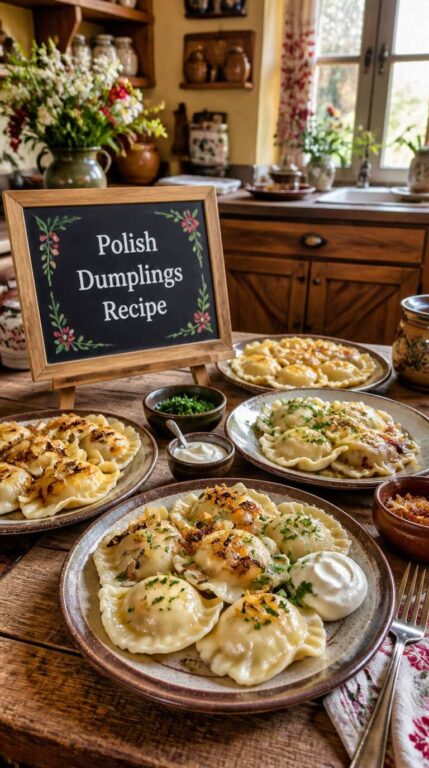
Pierogi come in countless variations across Poland, with each region and family having their own cherished Polish dumplings recipe. The fillings span from savory to sweet, making these dumplings suitable for any meal or occasion.
The most traditional savory version is ruskie pierogi, filled with mashed potatoes, cheese, and onions. This classic Polish dumplings recipe serves as the cornerstone of Polish potato recipes. Cabbage and mushroom pierogi are another classic, particularly popular during Christmas Eve when meat is traditionally avoided.
Polish Christmas recipes often feature pierogi filled with sauerkraut and forest mushrooms, while some families prepare sweet versions with prunes or poppy seeds. During Easter, many Polish households serve pierogi filled with fresh white cheese and herbs as part of their holiday spread, using their favorite Polish dumplings recipe.
Other common variations include:
- Meat pierogi – ground pork or beef with onions
- Cabbage pierogi – fresh or fermented cabbage with mushrooms
- Cheese pierogi – farmer’s cheese sweetened with sugar
- Fruit pierogi – strawberries, blueberries, or cherries
- Spinach pierogi – spinach with cheese or garlic
Regional differences also exist. In some areas, buckwheat kasha fills the dumplings, while coastal regions sometimes use fish. The dough itself rarely changes, but preparation methods vary—some families boil them exclusively, while others prefer to fry boiled pierogi in butter until golden and crispy, following their unique Polish dumplings recipe.
During Polish holidays, the choice of pierogi often carries symbolic meaning, with meatless versions dominating religious observances and heartier meat-filled options appearing at celebrations. The Polish dumplings recipe adapts to every occasion, bringing families together.
Related Recipes
Several pierogi variations complement the traditional potato and cheese filling beautifully. These recipes showcase the versatility of the Polish dumplings recipe and offer options for different occasions and tastes.
Savory Pierogi Fillings:
- Sauerkraut and Mushroom Pierogi – A classic combination often served during Christmas and Easter
- Meat Pierogi – Filled with seasoned ground beef or pork for a heartier option
- Cabbage and Onion Pierogi – A simple, traditional filling with caramelized vegetables
- Blueberry Pierogi – Fresh or frozen blueberries create a dessert-style dumpling
- Sweet Cheese Pierogi – Made with farmer’s cheese and sugar, sometimes with a hint of vanilla
- Plum Pierogi – Whole prunes wrapped in dough and served with butter and sugar
Try the sauerkraut and mushroom version if you’re preparing pierogi for a festive gathering. The earthy flavors pair wonderfully with the tender dough in a classic Polish dumplings recipe.
If you are new to making pierogi, start with the traditional potato and cheese filling to master the dough and folding technique before experimenting with other fillings. Once you are comfortable with the basic process, explore meat-filled varieties or sweet options, all based on the Polish dumplings recipe.
Each recipe follows similar preparation methods, so once you make one type, adapting to different fillings becomes straightforward. The dough typically remains the same across all variations, making it easy to prepare multiple filling types in one cooking session using your favorite Polish dumplings recipe.
For more inspiration and detailed instructions on pierogi and other Polish dishes, visit Polish Housewife for authentic recipes and tips.
Recipe Comparison
I’ve noticed that pierogi recipes across Eastern European and Slavic traditions share fundamental elements while offering distinct variations. The basic dough typically consists of flour, eggs, sour cream, and water, though some recipes use only flour and water for a simpler approach. When you search for a Polish dumpllings recipe, you’ll find that the dough is the foundation of every version.
The most significant differences appear in the fillings. Traditional Polish pierogi ruskie feature mashed potatoes mixed with farmer’s cheese and onions. Other Slavic recipes incorporate sauerkraut, ground meat, mushrooms, or sweet fillings like fruit and cheese, but every Polish dumpllings recipe highlights the potato-cheese combination as a classic.
| Element | Traditional Polish | Regional Variations |
|---|---|---|
| Dough | Flour, eggs, sour cream, salt | Flour, water, oil (simpler version) |
| Classic Filling | Potato and cheese | Meat, sauerkraut, mushrooms |
| Cooking Method | Boiled, then pan-fried | Boiled only or baked |
| Topping | Fried onions, butter | Sour cream, bacon bits |
Using sour cream in dough recipes produces more tender dumplings compared to water-based versions. The sour cream adds richness and creates a softer texture that holds up well during boiling. Any authentic Polish dumpllings recipe will recommend sour cream for this reason.
Eastern European recipes often emphasize specific potato-to-cheese ratios. Some cooks prefer equal parts, while others use three parts potato to one part cheese. The onion preparation also varies—some recipes use raw onions mixed into the filling, while others caramelize the onions for deeper flavor. Every Polish dumpllings recipe encourages experimenting with these proportions for the best results.
Most cooks boil pierogi until they float, then pan-fry them in butter for added texture and flavor. This method is a hallmark of the Polish dumpllings recipe tradition, giving the dumplings their signature taste and appearance.
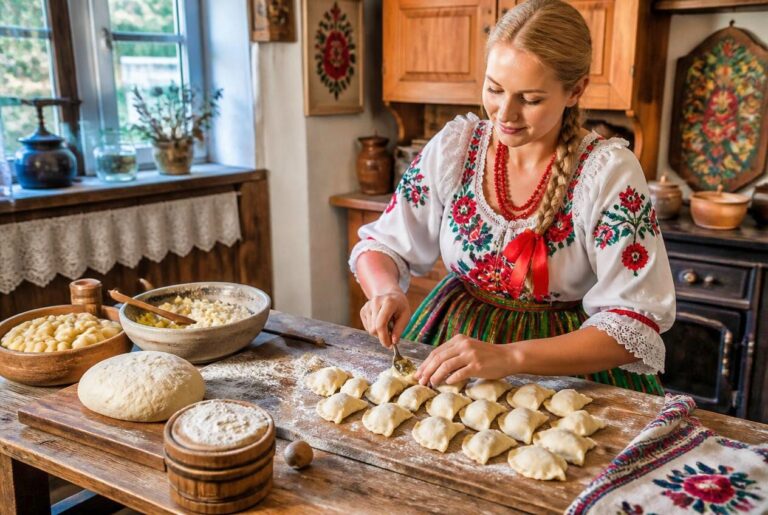
Polish Dumplings Recipe Cooking Tips
Polish Dumplings Recipe Cooking Tips
• Polish Dumplings, known as Pierogi, are one of Poland’s most beloved traditional foods, featuring tender dough wrapped around a variety of savory or sweet fillings.
• A smooth, elastic dough is essential for creating dumplings that are easy to shape and resistant to tearing.
• Use warm water and mix the dough until it becomes soft and pliable.
• Allow the dough to rest before rolling to improve elasticity and ease of handling.
• Roll the dough evenly to achieve a consistent thickness throughout the dumplings.
• Avoid rolling the dough too thin, which can cause tearing during cooking.
• Traditional savory fillings include potato and cheese, sauerkraut and mushrooms, meat, or cabbage.
• Sweet fillings may include fruit, sweet cheese, or berries.
• Ensure fillings are cooled before assembly to make shaping easier and maintain dough integrity.
• Avoid overfilling the dumplings, which can make sealing difficult.
• Press the edges firmly to prevent the filling from escaping during cooking.
• A fork or decorative crimping technique can be used to enhance sealing and appearance.
• Cook the dumplings in gently boiling water rather than a vigorous boil.
• Stir carefully after adding them to the pot to prevent sticking.
• Dumplings are generally ready shortly after floating to the surface.
• Butter, sautéed onions, bacon, sour cream, or fresh herbs are popular accompaniments.
• Some cooked pierogi are pan-fried afterward to create a crisp golden exterior.
• The flavor should balance tender dough, flavorful filling, and complementary toppings.
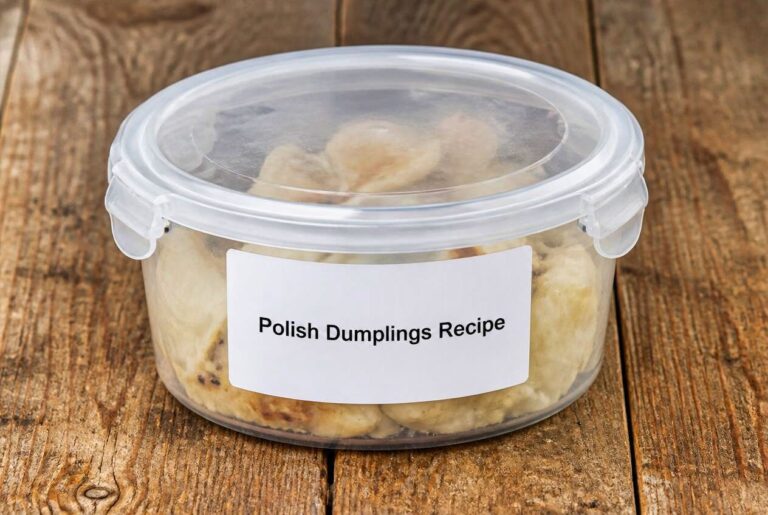
Polish Dumplings Recipe Storage Tips
Polish Dumplings Recipe Storage Tips
• Allow the dumplings to cool before transferring them into storage containers.
• Store refrigerated in airtight containers to preserve freshness and prevent drying.
• Lightly coat cooked dumplings with butter or oil to help prevent sticking.
• Refrigeration often allows the filling flavors to become more pronounced.
• Reheat gently in simmering water, a skillet, microwave, or steamer until thoroughly heated.
• Pan-frying leftover dumplings can restore texture and add a crisp exterior.
• Avoid overcooking during reheating, which can toughen the dough.
• Store toppings such as sour cream, onions, or sauces separately when possible.
• Freeze cooked or uncooked dumplings in airtight freezer-safe containers if desired.
• Arrange dumplings in a single layer before freezing to help prevent sticking.
• Wrap tightly to help prevent freezer burn and preserve quality.
• Frozen dumplings can often be cooked directly from frozen with minimal adjustment.
• Defrost cooked dumplings gradually in the refrigerator before reheating if preferred.
• Use clean utensils when handling leftovers to help maintain freshness.
• Keep away from strongly scented foods because dumplings readily absorb surrounding odors.
• Label storage containers with the preparation date for easier inventory management.
• Avoid repeated freezing and reheating cycles, which can negatively affect texture and flavor.
• Check for signs of spoilage such as sour odors, mold, unusual discoloration, or texture changes before consuming leftovers.
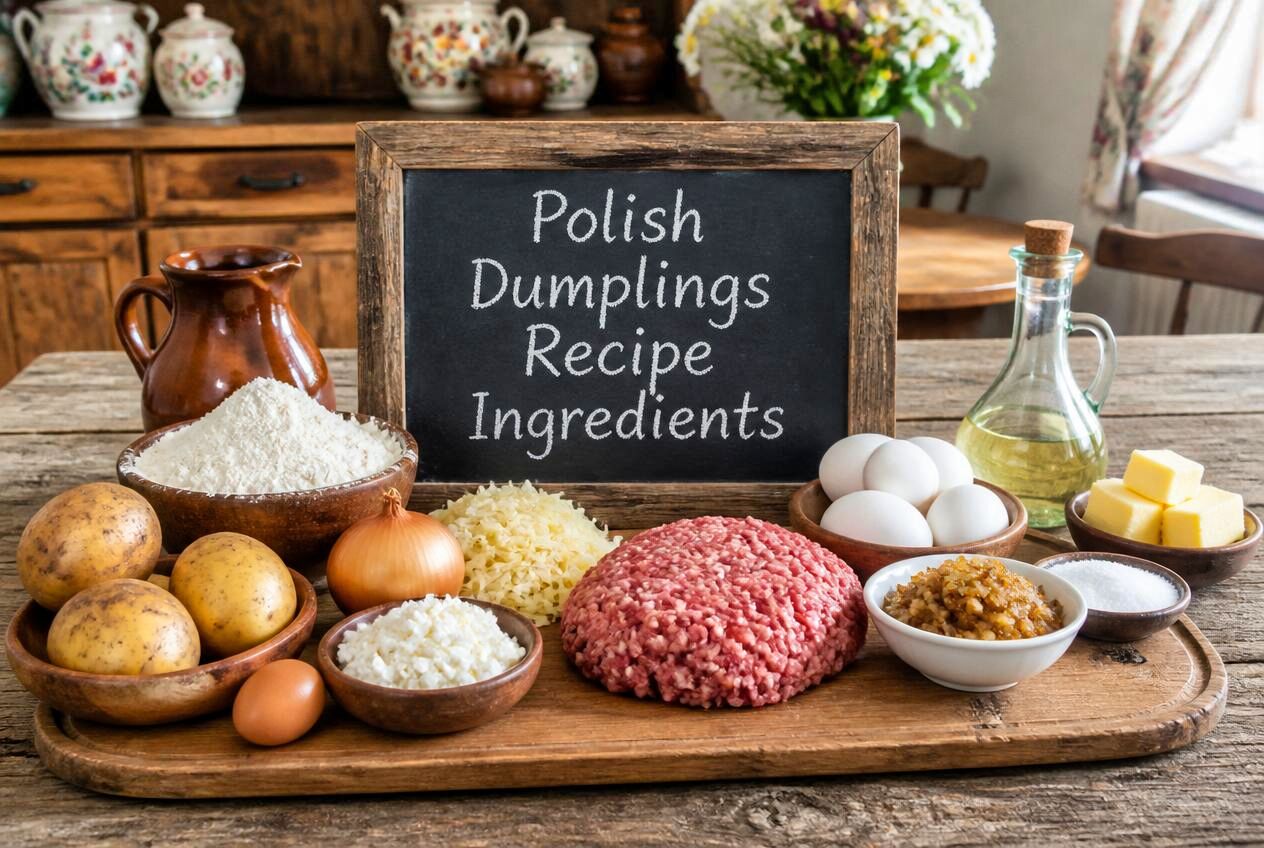
Polish Dumplings Recipes
Ingredients
- 1 pound potatoes
- 1/ 2 teaspoon salt
- 1 egg
- 2 cups flour
Instructions
- Begin by placing the potatoes, with their skins still on, into a large pot of water.
- Bring the water to a boil and cook the potatoes until they are completely tender when pierced with a fork. Cooking them in their skins helps prevent them from absorbing excess water and preserves their natural potato flavor.
- Once tender, drain the potatoes and allow them to cool enough to handle comfortably. Peel away the skins and discard them.
- While the potatoes are cooling, bring a separate large pot of generously salted water to a boil. This will be used later for cooking the dumplings.
- Mash the peeled potatoes thoroughly until smooth, or for the best texture, pass them through a potato ricer.
- Transfer the potatoes to a large mixing bowl and stir in the egg and salt until evenly incorporated.
- Gradually add flour, mixing gently after each addition. Continue adding just enough flour to form a smooth, workable dough.
- Be careful not to overmix. Excess handling develops gluten in the flour, which can make the dumplings dense and tough instead of light and tender.
- The finished dough should be soft, smooth, and easy to shape without being sticky.
- Lightly flour your work surface.
- Take a portion of the dough and roll it gently with your hands into a rope approximately ¾ inch in diameter. Try to maintain an even thickness throughout the rope so the dumplings cook uniformly.
- Using a knife or dough scraper, cut the rope diagonally into pieces approximately ½ inch wide. The angled cuts create the traditional shape and provide more surface area for butter, gravy, or other toppings.
- Continue rolling and cutting the remaining dough until all of the dumplings have been formed.
- Carefully drop the dumplings into the pot of boiling salted water.
- Do not overcrowd the pot. Cook the dumplings in several batches if necessary, allowing them enough room to move freely in the water.
- Once added, stir gently to prevent them from sticking to the bottom.
- Cook the dumplings for approximately 4 minutes, or until they float to the surface and are fully cooked through.
- Using a slotted spoon, carefully remove the cooked dumplings and transfer them to a serving dish.
- Repeat the process with the remaining batches until all of the dumplings have been cooked.
- Serve the dumplings immediately while they are still warm and tender.
- Traditionally, they can be topped with buttery toasted breadcrumbs, rich pan drippings, or savory gravy. For a sweeter presentation, they may also be sprinkled with sugar and served as a comforting dessert or side dish.
Polish Dumplings Recipe Frequently Asked Questions
Making pierogi at home raises common questions about dough preparation, filling options, cooking techniques, and storage methods. Understanding the differences between pierogi and other dumplings helps clarify what makes these Polish creations unique. Every Polish dumpllings recipe focuses on these distinctions to guide home cooks.
How do you make traditional dumpling dough for this dish?
I combine all-purpose flour with eggs, sour cream, and a pinch of salt to make the basic dough. The sour cream creates a tender texture that distinguishes this dough from other dumpling varieties. Resting the dough for 20-30 minutes allows the gluten to relax, making it easier to work with and preventing shrinkage. A reliable Polish dumpllings recipe will always include this step.
What are the most popular fillings, both savory and sweet?
The most traditional savory filling combines mashed potatoes with farmer’s cheese, known as pierogi ruskie. I also frequently use sauerkraut with mushrooms, ground meat, or caramelized onions with potatoes. The Polish dumpllings recipe tradition also includes sweet fillings, such as berries or sweetened cheese, making them versatile for any occasion.
For sweet varieties, I fill pierogi with fresh berries, sweetened farmer’s cheese, or fruit preserves. Blueberries and strawberries work particularly well during summer months. Every Polish dumpllings recipe offers options for both savory and sweet fillings, ensuring variety for every taste.
What is the difference between these dumplings and other dumplings in general?
Pierogi originate specifically from Eastern European cuisine and feature distinctive fillings like potato-cheese combinations and sauerkraut. The dough typically incorporates sour cream, which creates a different texture compared to Asian dumpling wrappers. A traditional Polish dumpllings recipe always highlights this unique dough.
I boil pierogi first, then often pan-fry them in butter for serving. This two-step cooking process differs from steamed or solely boiled dumplings found in other cultures. The Polish dumpllings recipe method gives the dumplings a unique flavor and texture combination.
How do these dumplings differ from Japanese gyoza in ingredients and cooking method?
I use sour cream and eggs in pierogi dough, while gyoza wrappers contain only flour and water, resulting in a thinner, more delicate skin. Polish dumpllings recipe dough is heartier and more flavorful.
Gyoza fillings typically feature finely minced cabbage and pork with Asian seasonings like ginger and soy sauce. Pierogi contain heartier ingredients like whole mashed potatoes and cheese. Gyoza are primarily pan-fried to create a crispy bottom, whereas I boil pierogi completely before optionally frying them in butter. The Polish dumpllings recipe method produces a different texture and taste profile.
What are the most common regional varieties and styles found in Poland?
Pierogi ruskie, filled with potato and cheese, remain the most recognized variety throughout Poland. I’ve encountered pierogi leniwe, which translates to “lazy pierogi,” combining the cheese directly into the dough rather than using it as a filling. Every region has its own take on the Polish dumpllings recipe.
Uszka are smaller, tortellini-shaped versions traditionally served in clear borscht during Christmas Eve dinner. Some regions specialize in meat-filled varieties, while others prefer mushroom and sauerkraut combinations. Each Polish dumpllings recipe reflects local ingredients and traditions, making the dish a beloved staple throughout Poland.
For more inspiration and tips on making your own Polish dumplings, visit Polish Your Kitchen for authentic Polish dumpllings recipe ideas and techniques.
How should they be cooked, stored, and reheated for the best texture?
I cook pierogi by dropping them into boiling salted water and waiting until they float to the surface, which takes 3-5 minutes. After draining, I often pan-fry them in butter until slightly crispy. This method brings out the best texture and flavor in any Polish dumpllings recipe.
For storage, I place uncooked pierogi on a floured baking sheet in the freezer until solid, then transfer them to freezer bags. They keep well for up to three months frozen. Following this process ensures your Polish dumpllings recipe stays fresh and ready to use whenever you crave homemade comfort food.
I reheat refrigerated pierogi in a skillet with butter over medium heat until warmed through and slightly crisp. Frozen pierogi can go directly into boiling water without thawing, requiring just 1-2 minutes longer than fresh ones. Using this approach guarantees your Polish dumpllings recipe maintains its delicious texture and taste.
When sharing your favorite Polish dumpllings recipe, always mention the importance of proper cooking and reheating techniques. Many people find that pan-frying after boiling adds an extra layer of flavor to their Polish dumpllings recipe. For more tips and authentic ideas, check out Polish Your Kitchen for inspiration on perfecting your Polish dumpllings recipe.
Experiment with fillings to personalize your Polish dumpllings recipe, from classic potato and cheese to savory meats or sweet fruits. No matter your choice, the right Polish dumpllings recipe will become a staple at your table. Remember, every Polish dumpllings recipe benefits from fresh ingredients and careful preparation.
When you master the Polish dumpllings recipe, you can impress guests with your skills and share a delicious piece of Polish heritage. Try making a large batch of your favorite Polish dumpllings recipe to freeze for later enjoyment. With each Polish dumpllings recipe you try, you’ll discover new flavors and techniques to make your pierogi even better.

Recipes are gathered in person and written for real-world cooking conditions.
- 10 Hungarian Dessert Recipes Passed Down Through Generations - July 25, 2026
- 11 Easy English Recipes Anyone Can Make - July 25, 2026
- Hungarian Kifli Recipe - July 25, 2026