
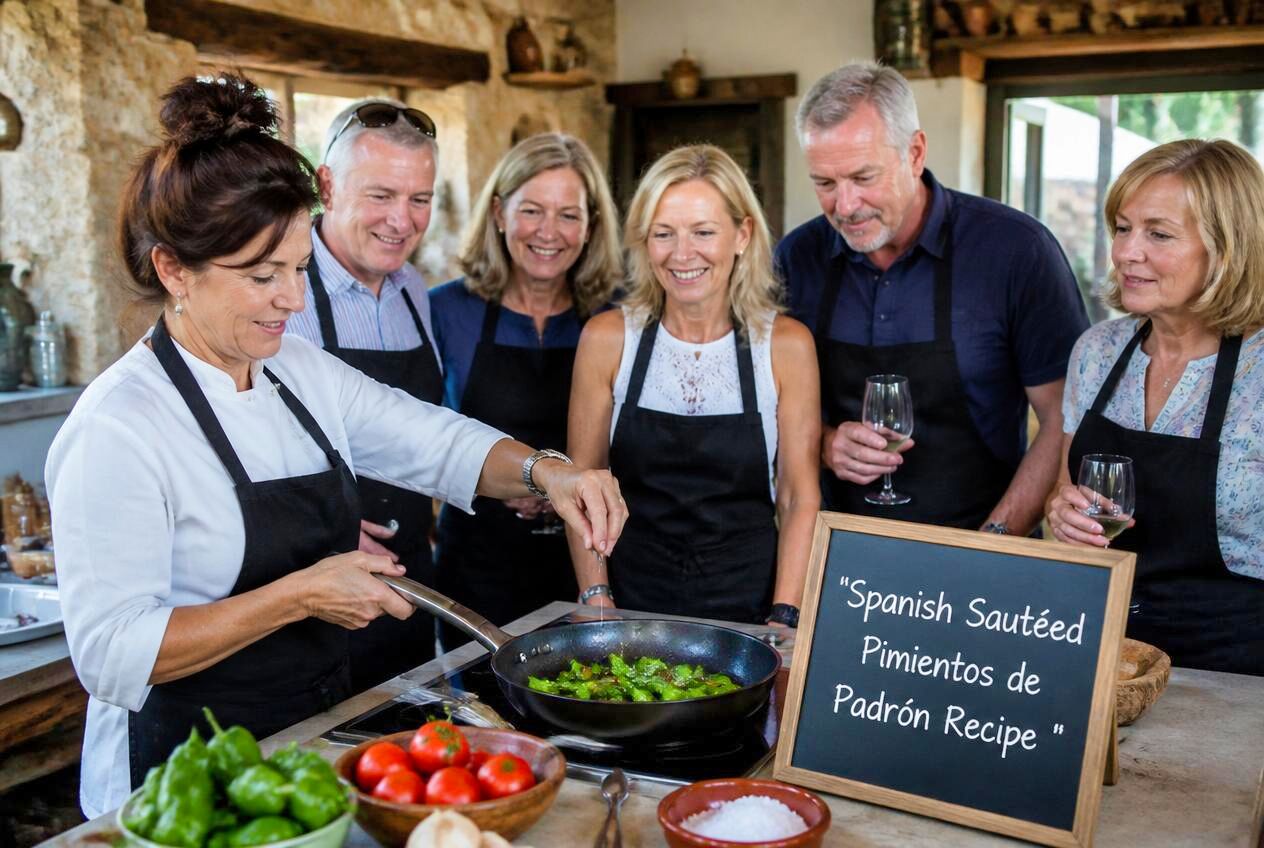
You’ll love how quickly Spanish sauteed pimientos de Padrón recipe comes together and how reliably it delivers bright, smoky flavor with almost no effort. Pan-seared with good olive oil and a sprinkle of flaky sea salt, these small green peppers make a bold, authentic Spanish tapas dish you can prepare in minutes.
I guide you through simple steps, share small chef’s tricks to blister peppers evenly, and offer quick variations so you can match heat and texture to your taste. Expect tips for making Spanish sauteed pimientos de Padrón recipe ahead, easy swaps if you can’t find padrón peppers, and pairing ideas that keep this dish rooted in traditional Spanish cuisine.
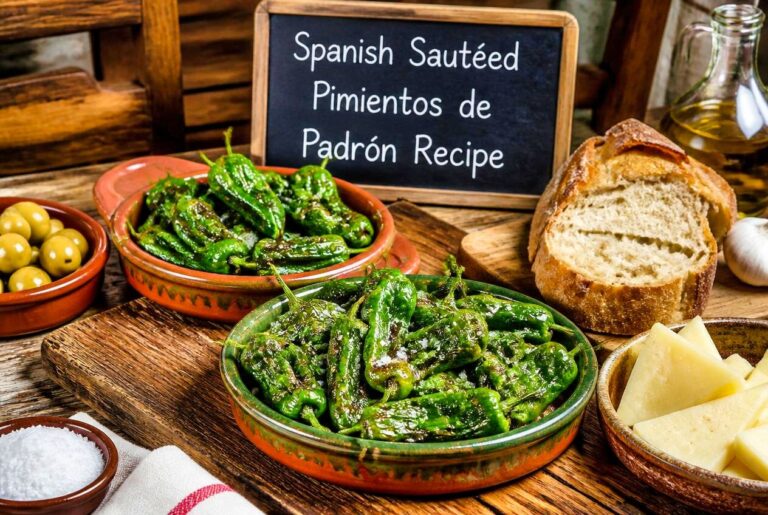
Spanish Sautéed Pimientos de Padrón Recipe
Key Takeaways
- Classic Spanish technique yields an authentic, fast tapas dish.
- Small chef tips help you blister peppers perfectly every time.
- Simple make-ahead and swap options keep the recipe flexible.
Description and Historical Information
Spanish sauteed pimientos de Padrón recipe features small, blistered green peppers that exemplify traditional Spanish food. I first tasted them in a tapas bar and noticed how simply frying in olive oil and finishing with coarse salt highlights fresh produce. These peppers come from Galicia, in northwestern Spain, and their name links directly to the town of Padrón.
Their fame grew from regional foods of Spain into national and international recognition through tapas culture. This Spanish sauteed pimientos de Padrón recipe fits easily within Mediterranean Spanish cuisine because of the olive oil, minimal seasoning, and emphasis on seasonal vegetables. I often contrast these peppers with more complex traditional Spanish recipes to show how simplicity can be equally emblematic.
Spanish culinary traditions shine when you prepare them: quick sautéing or blistering preserves texture and allows occasional spicy surprises to appear. Pair Spanish sauteed pimientos de Padrón recipe with other regional Spanish cuisine recipes for a balanced tapas spread, reflecting how these peppers function in communal, casual eating across Spain.
Chef’s Tips
Start with dry peppers and a very hot pan to prevent steaming and achieve the perfect blistered skin. Use a heavy skillet—cast iron works best—for even heat retention. Season simply; sprinkle coarse sea salt after cooking so the crystals stay crunchy and highlight the peppers’ natural flavor.
Drizzle good Spanish olive oil before serving to add depth without masking the peppers. If you’re new to Spanish sauteed pimientos de Padrón recipe, try a small test batch. Taste one or two peppers to adjust time and temperature and prevent overcooking.
For variations, substitute shishito peppers if padróns are unavailable; they give a similar mild-with-surprises character. If you prefer more heat, use small jalapeños, but adapt cooking time since thicker skins cook differently. Keep a single-layer surface in the pan and cook in batches to avoid overcrowding, which causes soggy peppers. Finish with a squeeze of lemon or a light sprinkle of smoked paprika for a subtle twist.
Make-Ahead Instructions
Prepare Spanish sauteed pimientos de Padrón recipe a few hours ahead when hosting, which allows you to focus on plating and other dishes. Blistered Padrón peppers taste best when served soon after cooking, but you can still save time without sacrificing much flavor. For short-term storage, cool the cooked peppers to room temperature, then transfer them to an airtight container and refrigerate for up to 24 hours.
Reheat gently in a hot skillet with a splash of olive oil for 1–2 minutes to revive the blistered skin and crisp the stems. If prepping earlier in the day, wash and dry the peppers thoroughly and keep them whole on a paper towel-lined tray in the fridge; this prevents excess moisture and preserves texture. Avoid cutting or seasoning them ahead of time because salt draws out moisture and reduces the final blistering.
When transporting to a gathering, pack the peppers wrapped in foil with a small paper towel to absorb steam. Reheat them directly from the wrapped state in a hot pan or under a broiler for 2–4 minutes, shaking occasionally to re-blister.
Quick reference:
- Refrigerate cooked peppers: up to 24 hours.
- Reheat: hot skillet 1–2 minutes or broiler 2–4 minutes.
- Prep ahead: wash and dry; don’t salt or cut until cooking.
Variations
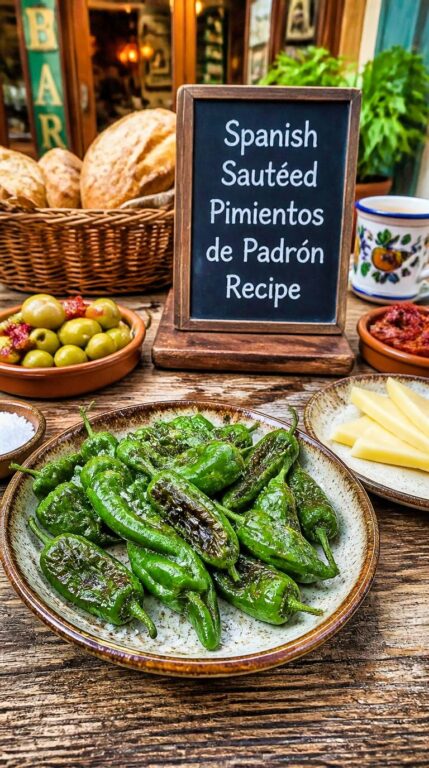
Adapt Spanish sauteed pimientos de Padrón recipe to suit different occasions, from casual family dinners to more formal Spanish recipes for special occasions. The classic treatment—olive oil and coarse sea salt—works for everyday meals and pairs well with grilled fish or crusty bread. For a tapas spread, add a touch of garlic and a splash of sherry vinegar for depth.
For a larger family gathering, toss in thinly sliced chorizo or chopped jamón; the fat renders and flavors the peppers, making the dish heartier. This variation suits Spanish family dinner recipes where you want a shared, satisfying plate. Try seasonal twists: grilled Padrón peppers finished with toasted almonds and a drizzle of honey make a refined option for special occasions.
If Pimientos de Padrón are unavailable, substitute mild shishito or small green finger peppers, accepting a slight difference in texture and heat. For technique tips and traditional methods, reference recipes that focus on authentic preparation and quick blistering to retain that characteristic snap. Spanish sauteed pimientos de Padrón recipe adapts easily to these changes while maintaining its Spanish roots.
Related Recipes
Pair Spanish sauteed pimientos de Padrón recipe with other classic Spanish dishes that balance texture and flavor. A simple plate of crusty bread and a chilled Spanish rosé makes the peppers feel like part of a full tapas spread. Try a classic tortilla española alongside the peppers for a comforting, homey combo.
The potato omelet’s gentle starch cuts the heat of any spicy surprises and complements other popular Spanish dishes. For a heartier meal, make garlic shrimp (gambas al ajillo) or patatas bravas. Both are among the best Spanish recipes to prepare at home and work well with the peppers’ blistered, salty profile.
For a shared meal, serve a mixed tapas selection: marinated olives, manchego cheese, and chorizo. These are some of the best homemade Spanish dishes to assemble quickly and impress guests. Try a seafood paella for a weekend project. Paella is one of the classic Spanish meals to make at home and pairs nicely with lighter sides like Spanish sauteed pimientos de Padrón recipe. If you prefer vegetables, prepare roasted piquillo peppers or escalivada.
Recipe Comparison
I compare the classic Spanish sauteed pimientos de Padrón recipe—olive oil, sea salt, quick blistering—with small variations that appear in popular Spanish comfort foods. One common alternative from tapas cooks adds a light sprinkle of smoked paprika or a splash of sherry vinegar; that echoes flavors you find alongside dishes like tortilla española and chorizo tapas.
Texture and heat are the main variables. High heat gives a crisp blister and slightly charred skin, matching the rustic bite of pan-fried potatoes. Lower heat keeps peppers tender, which pairs better with creamy comfort plates such as arroz con pollo. When Padrón peppers are unavailable, shishito peppers work well for the same mild-with-an-occasional-spicy profile, while small jalapeños increase heat—useful if you want to echo the bolder spices common in some Spanish stews.
For a tapas spread, serve blistered peppers simply on a platter with coarse salt, aligning them with olives and manchego. For a home comfort course, add garlic and diced jamón to make the peppers heartier and more filling. Keep the technique straightforward because simplicity is central to many Spanish comfort foods. Three quality ingredients and a hot pan usually produce the most authentic results for Spanish sauteed pimientos de Padrón recipe.
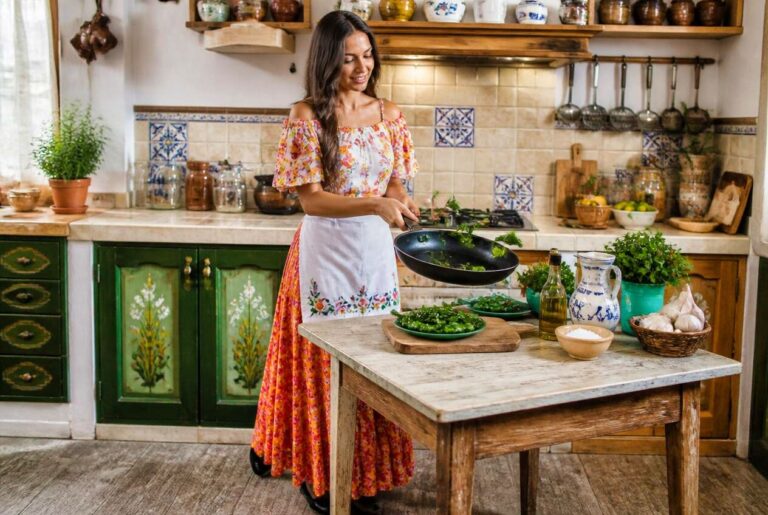
Spanish Sautéed Pimientos de Padrón Recipe Cooking Tips
Spanish Sautéed Pimientos de Padrón Recipe Cooking Tips
• Spanish Pimientos de Padrón are a classic tapas dish known for their blistered skin, mild pepper flavor, and occasional pleasantly spicy surprise.
• Fresh Padrón peppers are traditionally used and should be firm, bright green, and free of blemishes.
• Wash and dry the peppers thoroughly before cooking to minimize splattering and promote proper blistering.
• Use a heavy skillet that can retain high heat for even cooking.
• High-quality olive oil contributes authentic flavor and helps the peppers blister properly.
• Cook the peppers over high heat to develop the characteristic charred spots and tender texture.
• Stir or toss the peppers frequently to ensure even blistering on all sides.
• Avoid overcrowding the pan, which can cause steaming instead of sautéing.
• The peppers should soften slightly while maintaining some structure.
• Flaky sea salt is traditionally sprinkled over the peppers immediately after cooking.
• Minimal seasoning allows the natural pepper flavor to remain the focus.
• Some cooks add a small squeeze of lemon for additional brightness.
• Serve immediately after cooking for the best texture and flavor.
• Expect occasional peppers to be noticeably spicier than others, which is part of the traditional experience.
• Properly prepared peppers should be lightly charred on the outside and tender inside.
• The flavor should balance mild sweetness, subtle bitterness, olive oil richness, and sea salt.
• Serve as a tapa, appetizer, or accompaniment to grilled meats and seafood.
• Freshly cooked Pimientos de Padrón are best enjoyed while still warm.
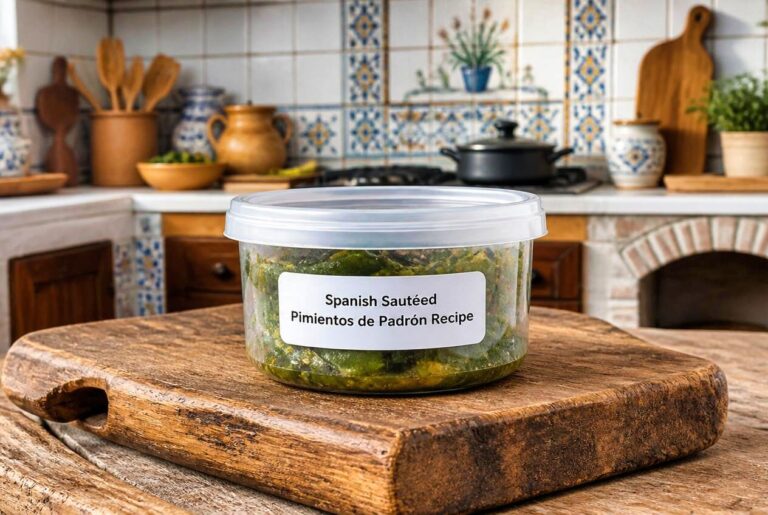
Spanish Sautéed Pimientos de Padrón Recipe Storage Tips
Spanish Sautéed Pimientos de Padrón Recipe Storage Tips
• Pimientos de Padrón are best enjoyed immediately after cooking.
• Allow leftovers to cool before transferring them into storage containers.
• Store refrigerated in airtight containers to preserve freshness.
• Refrigeration may soften the peppers and reduce their blistered texture.
• Reheat quickly in a hot skillet to help restore some of their original character.
• Avoid excessive microwave reheating, which can make the peppers overly soft.
• Store any lemon wedges or garnishes separately until serving.
• Keep the peppers tightly covered to prevent moisture loss and odor absorption.
• Use clean utensils when serving leftovers to help maintain freshness.
• Freezing is possible but may significantly alter the texture after thawing.
• If freezing is necessary, use airtight freezer-safe containers.
• Wrap tightly to help prevent freezer burn and preserve quality.
• Defrost frozen peppers gradually in the refrigerator before reheating.
• Reheat only until warmed through to avoid over-softening.
• Keep away from strongly scented foods because peppers readily absorb surrounding odors.
• Label storage containers with the preparation date for easier inventory management.
• Check for signs of spoilage such as sour odors, slime, mold, unusual discoloration, or texture changes before consuming leftovers.
• For best quality, enjoy refrigerated portions while the peppers retain their flavor and as much texture as possible.
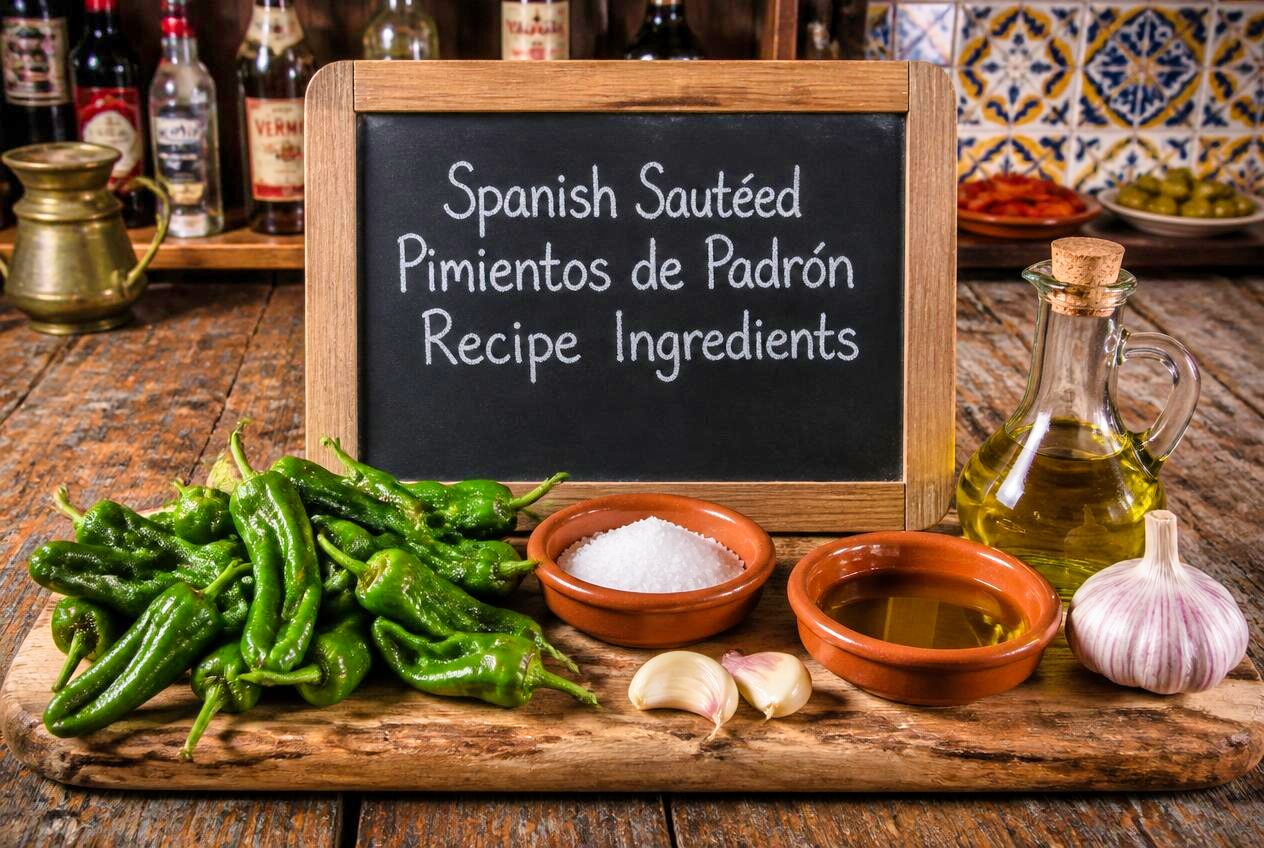
Spanish Sauteed Pimientos de Padron Recipe
Ingredients
- 1 tablespoon oil like canola or grapeseed
- 12 ounces peppers Padrón
- salt Coarse sea
- 2 tablespoons olive oil extra virgin
Instructions
- Choose a cast-iron skillet or another heavy-bottomed pan large enough to hold the peppers in a single layer.
- Pour in the oil and place the skillet over high heat.
- Allow the oil to become very hot, just until it begins to lightly smoke. This high heat is essential for creating the characteristic blistered skin that makes these peppers so delicious.
- Carefully add the peppers to the hot skillet in a single layer.
- Do not move them immediately. Allow them to cook undisturbed for about 30 seconds, or until the side touching the pan develops dark blisters and charred spots.
- Once the first side is blistered, flip the peppers and shake the pan occasionally as they continue to cook.
- Cook for approximately 1½ minutes total, turning the peppers as needed so they blister evenly on all sides.
- The peppers should remain slightly firm and crisp while becoming tender enough to eat whole.
- Their skins should be beautifully charred and blistered throughout.
- While the peppers are still hot, sprinkle them with coarse salt.
- The heat from the peppers helps the salt adhere to the skin and enhances their natural flavor.
- Transfer the blistered peppers to a serving platter.
- Drizzle lightly with good-quality extra virgin olive oil.
- Finish with another small sprinkle of coarse sea salt for extra flavor and texture.
- Serve immediately while still hot.
- These classic Padrón Peppers (Pimientos de Padrón) are one of Spain's most beloved tapas. Their preparation is wonderfully simple, allowing the natural flavor of the peppers to shine.
- Most peppers are mild and slightly sweet, but traditionally one in every handful may be surprisingly spicy, which adds to the fun and charm of the dish.
- With their smoky blistered skin, fruity olive oil, and crunchy sea salt, they make a perfect appetizer, tapas plate, or side dish to accompany grilled meats, seafood, cheeses, and wine.
Spanish Sautéed Pimientos de Padrón Recipe Frequently Asked Questions
Find practical cooking steps, recommended ingredients, alternative equipment methods, purchasing options, and the peppers’ name and heat variability. Each answer gives exact times, temperatures, and ingredient choices you can use immediately for the Spanish sauteed pimientos de Padrón recipe.
How do you cook Padrón peppers so they blister evenly without turning soggy?
Use a heavy cast-iron skillet and heat it until it’s very hot before the peppers touch the pan. High, dry heat creates quick blistering; cook in a single layer and avoid crowding the pan. Toss the peppers with minimal oil—just enough to coat them lightly—so moisture doesn’t steam them. Shake the pan or turn peppers frequently for 4–6 minutes until evenly blistered and slightly wrinkled.
What is the best oil and salt to use for authentic Spanish-style Padrón peppers?
Choose extra-virgin Spanish olive oil for flavor and smoke stability in this dish. Use only a tablespoon for 12–16 ounces of peppers to keep them dry enough to blister. For finishing salt, use a flaky sea salt such as Maldon or fleur de sel; it gives a clean crunch and brightens the peppers without overpowering them. Add the salt immediately after cooking while the peppers are hot so it adheres.
Can Padrón peppers be made in an air fryer, and what time and temperature work best?
Yes. Preheat the air fryer to 400°F (200°C), arrange peppers in a single layer with a light spray or a teaspoon of oil, and cook for 8–10 minutes. Shake or turn them halfway through to promote even blistering. Check at 6–7 minutes; cooking time varies by air-fryer model and pepper size. Finish with flaky sea salt right after removing them. This method works well for Spanish sauteed pimientos de Padrón recipe when you want convenience and less oil.
How can you make Padrón peppers in the oven, and will they still blister properly?
Roast them on a hot baking sheet under the broiler or at 475°F (245°C). For the oven method, spread peppers in a single layer on a preheated heavy baking tray and roast 10–15 minutes, turning once, until blistered and charred in spots. Broiling works faster: position the tray 4–6 inches from the broiler and watch closely for 6–10 minutes, turning once. The texture will be slightly less blistered than stovetop but still excellent for Spanish sauteed pimientos de Padrón recipe.
For more Spanish tapas inspiration, visit Spanish Sabores for additional recipes and serving ideas.
Enjoy experimenting with Spanish sauteed pimientos de Padrón recipe and make it a staple in your tapas repertoire. Spanish sauteed pimientos de Padrón recipe offers simplicity, bold flavor, and versatility for any gathering. Whether you’re a beginner or seasoned cook, Spanish sauteed pimientos de Padrón recipe delivers authentic Spanish taste in every bite. Try Spanish sauteed pimientos de Padrón recipe for your next dinner party, and let Spanish sauteed pimientos de Padrón recipe transport you to the heart of Spain.
Where can you buy Padrón peppers, and what are the best substitutes if they are unavailable?
I find fresh Padrón peppers at Spanish or well-stocked grocery stores, farmers’ markets, and some online produce retailers. These peppers often appear seasonally in spring and summer. If you want to make an authentic Spanish sauteed pimientos de Padrón recipe, sourcing the freshest peppers is ideal.
Good substitutes include shishito peppers for similar size and mild heat, or small Hungarian wax peppers if you want more consistent spice. Choosing the right substitute helps you get close to the original Spanish sauteed pimientos de Padrón recipe experience. Remember, using substitutes will change the traditional flavor profile, but you can still enjoy a delicious Spanish sauteed pimientos de Padrón recipe at home.
When preparing a Spanish sauteed pimientos de Padrón recipe, always use high-quality olive oil and coarse salt for the best results. The Spanish sauteed pimientos de Padrón recipe is simple, but the quality of ingredients makes a significant difference. Many home cooks love this Spanish sauteed pimientos de Padrón recipe for its quick preparation and bold flavors.
If you are looking to expand your Spanish sauteed pimientos de Padrón recipe repertoire, consider visiting Spanish Sabores for more inspiration. Whether you use authentic peppers or substitutes, the Spanish sauteed pimientos de Padrón recipe remains a favorite for tapas lovers. Try making a Spanish sauteed pimientos de Padrón recipe for your next gathering and impress your guests with this classic Spanish dish.
The Spanish sauteed pimientos de Padrón recipe works well as an appetizer or a side dish. For the best Spanish sauteed pimientos de Padrón recipe, serve the peppers hot and sprinkle them with flaky sea salt right before serving. Enjoy experimenting with the Spanish sauteed pimientos de Padrón recipe and discover why it’s a staple in Spanish cuisine.
What does “Pimientos de Padrón” mean, and why are some peppers spicy while others are mild?
“Pimientos de Padrón” means “peppers from Padrón,” a town in Galicia, Spain, where the peppers originated. The name highlights their geographic origin rather than a single cultivated heat level. The Spanish sauteed pimientos de Padrón recipe showcases these unique peppers and their intriguing flavor profile.
Genetics and growing conditions determine the heat variability; some peppers develop capsaicin, while others remain mild. I love how the Spanish sauteed pimientos de Padrón recipe always brings a fun surprise—most peppers taste mild, but a few pack a spicy punch. If you want to learn more about these peppers, you can visit [Spanish Sabores](https://spanishsabores.com/pimientos-de-padron-recipe/) for additional information.
The Spanish sauteed pimientos de Padrón recipe uses simple ingredients and quick cooking techniques. When you prepare this dish, you only need olive oil, sea salt, and fresh pimientos de Padrón. The Spanish sauteed pimientos de Padrón recipe works perfectly as a tapa or side dish, delighting guests with its unpredictability.
Many Spanish restaurants feature the Spanish sauteed pimientos de Padrón recipe as a classic offering. The Spanish sauteed pimientos de Padrón recipe remains popular because of its simplicity and bold flavors. For anyone interested in Spanish cuisine, trying a Spanish sauteed pimientos de Padrón recipe is essential.
Once you master the Spanish sauteed pimientos de Padrón recipe, you can serve it at gatherings or family meals. The Spanish sauteed pimientos de Padrón recipe never fails to entertain, as everyone anticipates which pepper might be spicy. You can experiment with the Spanish sauteed pimientos de Padrón recipe by adjusting the amount of salt or pairing it with different dips.
In summary, the Spanish sauteed pimientos de Padrón recipe captures the spirit of Spanish tapas. The Spanish sauteed pimientos de Padrón recipe offers a delicious blend of mild and spicy flavors that keep everyone guessing. Enjoy preparing and sharing the Spanish sauteed pimientos de Padrón recipe with friends and family for an authentic taste of Spain.

Recipes are gathered in person and written for real-world cooking conditions.
- 10 Hungarian Dessert Recipes Passed Down Through Generations - July 25, 2026
- 11 Easy English Recipes Anyone Can Make - July 25, 2026
- Hungarian Kifli Recipe - July 25, 2026