
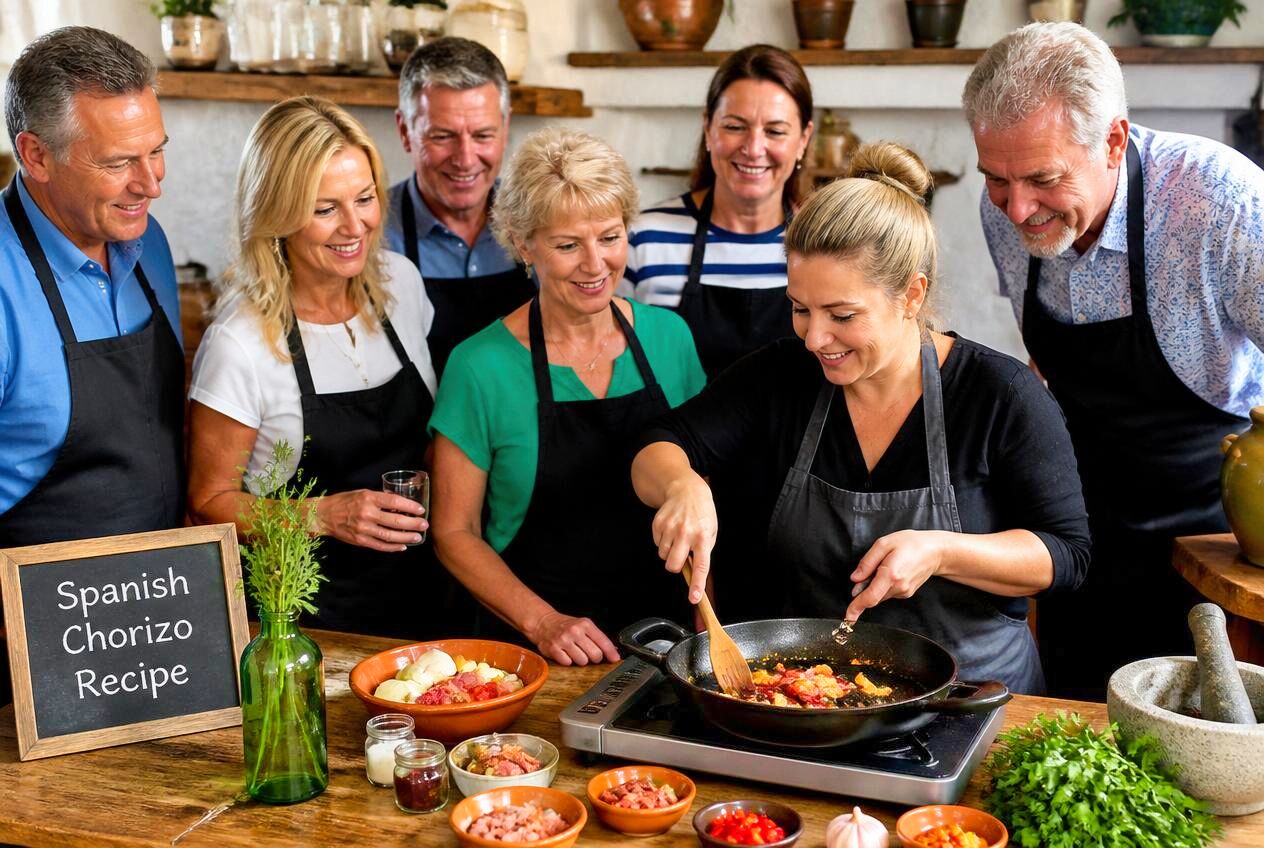
Bring bold, smoky flavor to your kitchen with a Spanish chorizo recipe you make yourself, using simple pork, garlic, and smoked paprika. This homemade Spanish chorizo recipe gives you a quick path to an authentic, versatile sausage you can grill, slice for tapas, or add to stews and paella. With this Spanish chorizo recipe, you can enjoy traditional Spanish flavors at home, whether you’re preparing for a casual meal or a festive gathering.
Follow these essential ingredients, short curing tips for fresh or dry-cured versions, and practical chef hacks that keep the process manageable. Expect clear instructions, time-saving make-ahead options, and easy variations that keep the Spanish chorizo recipe true to classic Spanish cuisine while fitting your pantry. This Spanish chorizo recipe is perfect for cooks of all levels who want to explore authentic Spanish flavors.
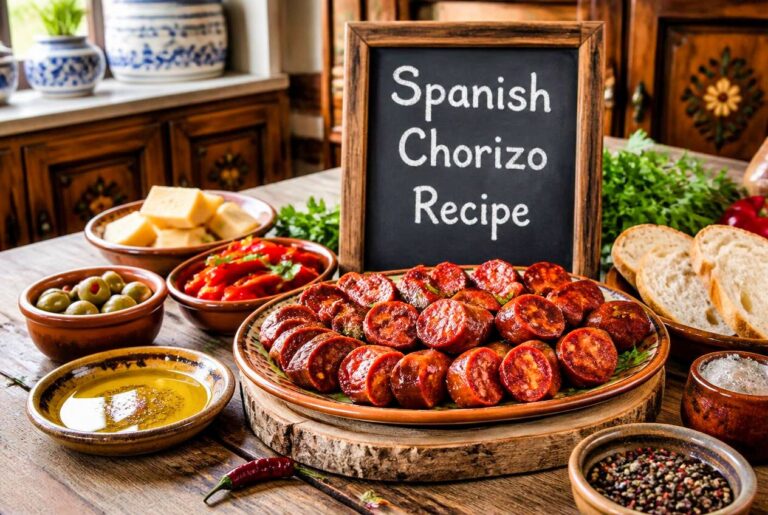
Spanish Chorizo Recipe
Key Takeaways
- Learn a straightforward method for making authentic Spanish chorizo at home with this Spanish chorizo recipe.
- Find practical chef tips and simple make-ahead options to save time using this Spanish chorizo recipe.
- Use variations to adapt this classic Spanish chorizo recipe for grilling, tapas, or stews.
Description and Historical Information
Spanish chorizo is a cured pork sausage seasoned primarily with smoked paprika (pimentón), garlic, and salt. Its deep red color and smoky flavor make it a hallmark of Mediterranean Spanish cuisine and a staple in traditional Spanish food. This Spanish chorizo recipe reflects centuries of culinary tradition and regional adaptation.
Chorizo’s defining change came in the 16th century when New World peppers arrived in Spain. That introduction transformed regional Spanish cuisine recipes, and villages across Spain developed unique chorizos flavored with local herbs, wine, or additional spices. The Spanish chorizo recipe evolved to include these regional touches, making every batch unique.
Chorizo holds a special place within Spanish culinary traditions as both a preserved meat for rural households and a versatile ingredient in modern kitchens. Use it thinly sliced for tapas, diced into stews, or added to casseroles—practices rooted in authentic Spanish chorizo recipe traditions and regional foods of Spain.
Regional variety is key: northern smoked, cured styles contrast with softer, fresh chorizos found elsewhere. These differences reflect local techniques, available ingredients, and long-standing traditional Spanish recipes from Spain. This Spanish chorizo recipe allows you to experiment with regional variations at home.
Chorizo embodies how Mediterranean Spanish cuisine balances preservation and flavor. Its role in daily meals and festive dishes connects cooks to broader Spanish culinary traditions and regional Spanish chorizo recipe variations that change from village to village.
Chef’s Tips
Organize your workspace before starting any Spanish chorizo recipe to save time and reduce mistakes. Mise en place helps when preparing this easy traditional Spanish recipe; prepare spices, meat, and casings ahead so the process flows smoothly. This approach ensures your Spanish chorizo recipe yields the best results.
Use smoked Spanish paprika (pimentón) for an authentic Spanish chorizo recipe. Mix sweet and hot paprika to control heat; taste the seasoning in a small cooked patty before stuffing the casings. This step ensures your Spanish chorizo recipe matches your preferred spice level.
Monitor temperature and humidity closely when curing chorizo. A consistent, cool curing environment limits spoilage and produces the best homemade Spanish chorizo recipe results; use a dedicated curing chamber or a well-regulated fridge. This step is crucial for a safe and delicious Spanish chorizo recipe.
Balance fat content for flavor and texture. Aim for about 20–30% pork fat; lean meat yields dry, crumbly sausage, while too much fat causes greasiness. This balance is essential for any Spanish chorizo recipe.
Start with simple tools: a reliable grinder, sausage stuffer, and natural casings. For a quicker route, buy quality pre-made chorizo and use it in classic Spanish meals like stews, paella, or tapas. This Spanish chorizo recipe works for both homemade and store-bought sausage.
Label batches with date and spice mix to reproduce successful versions. Trial and error refine your Spanish chorizo recipe technique; keep notes on spice ratios and curing time for consistent results. Continuous improvement ensures your Spanish chorizo recipe is always top-notch.
Make-Ahead Instructions
Prepare the chorizo filling up to 48 hours before stuffing to let the flavors meld. Mix the pork, garlic, oregano, and pimentón, then refrigerate in a covered bowl; this short resting time deepens the paprika and garlic notes without risking fermentation. This step enhances the Spanish chorizo recipe’s depth of flavor.
For dry-curing, hang the sausages after stuffing and allow at least 4–8 weeks for proper curing depending on diameter and humidity. Monitor weight loss and texture; when the sausage has lost about 30% of its initial weight, it typically reaches the desired firmness. Patience pays off when following a Spanish chorizo recipe for dry-cured sausage.
Freeze fresh chorizo patties or links for longer storage. Wrap them tightly in plastic and foil and label with the date; frozen chorizo keeps well for 3 months and thaws overnight in the refrigerator before cooking. This method lets you enjoy your Spanish chorizo recipe anytime.
Use this quick checklist before making ahead:
- Refrigerate mixed meat: 24–48 hours
- Fresh/uncured sausage in fridge: up to 3 days
- Frozen fresh sausage: up to 3 months
- Dry-cured sausage: 4–8 weeks (or longer, monitored)
Always maintain strict hygiene: chill tools, clean casings, and keep fridge temps under 40°F (4°C). Avoid shortcuts during curing and freezing to ensure a safe, flavorful Spanish chorizo recipe.
Variations
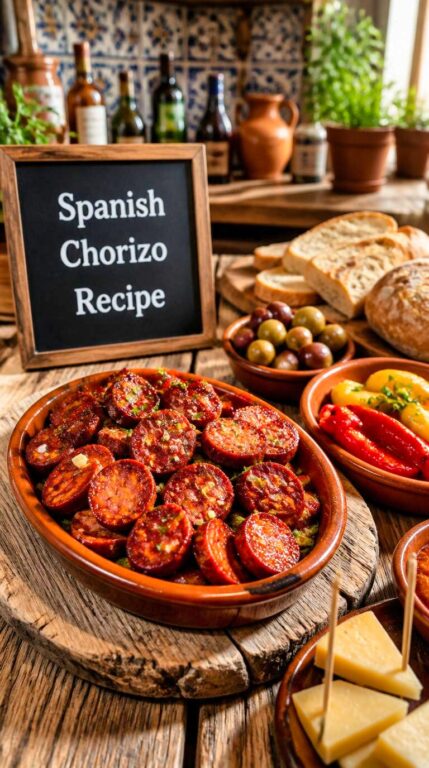
Adapt the Spanish chorizo recipe for different occasions by changing ingredients to suit the event. For casual tapas nights, use sliced dry-cured chorizo tossed with roasted peppers and olives for a quick, flavorful plate. This Spanish chorizo recipe remains flexible for all your entertaining needs.
For a festive gathering, make a paella-style dish by adding chorizo, saffron, seafood, and short-grain rice to create a centerpiece that feeds a crowd. This approach turns your Spanish chorizo recipe into a show-stopping main course with room for seasonal produce.
For comfort, swap paella rice for potatoes and simmer chorizo into a stew with white beans and spinach. The result is hearty and family-friendly, ideal for weeknight dinners or relaxed weekend meals. This Spanish chorizo recipe adapts to any comfort food craving.
Experiment with heat and smoke levels by mixing sweet and smoked chorizo or blending in extra smoked paprika for depth. For guests who prefer milder flavors, use fresh (uncured) chorizo and dial back the spice. The Spanish chorizo recipe lets you personalize every batch.
For a lighter, modern take, crumble cooked chorizo over salads or stuff it into roasted peppers and serve with a squeeze of lemon. That keeps the distinctive chorizo character while presenting a dish appropriate for brunches or formal starters. This Spanish chorizo recipe is endlessly versatile.
Follow guidance on regional styles to honor tradition; for examples and recipes, consult curated collections of Spanish chorizo dishes like those that feature tapas, stews, and paellas. For more inspiration, check out this Spanish chorizo recipe collection from Visit Southern Spain.
Related Recipes
Pair Spanish chorizo with other classic dishes to build a full menu. For a centerpiece, prepare a saffron-scented Spanish paella recipe that blends chorizo with seafood and short-grain rice for depth and color. This Spanish chorizo recipe works beautifully in paella, creating a vibrant and flavorful meal.
For lighter starters, turn to popular Spanish tapas recipes. Patatas bravas deliver crispy potatoes with a spicy tomato sauce, and Spanish croquettes make a creamy, crunchy contrast to chorizo’s spice. Gambas al ajillo, or Spanish garlic shrimp, provides a quick, flavorful seafood option that pairs well with crusty bread and any Spanish chorizo recipe.
Cold and comforting choices balance the menu. Make an authentic gazpacho recipe for a chilled, veg-forward starter. Spanish tortilla and pisto offer hearty, home-style bites—tortilla for eggs and potato, pisto for a ratatouille-like vegetable stew. These pairings complement the Spanish chorizo recipe perfectly.
For rich, traditional fare, choose dishes like fabada asturiana or a Spanish bean stew recipe that use beans and cured meats for slow-cooked comfort. Albóndigas (Spanish meatballs) provide a saucy, satisfying main that complements chorizo-based plates. The Spanish chorizo recipe fits into any classic Spanish meal.
For dessert, include a traditional churros recipe for frying and dipping. To explore more chorizo-friendly ideas and variations, Teresa’s Recipes and The Mediterranean Fork offer helpful collections on Spanish chorizo and related dishes (https://teresasrecipes.com/recipe/spanish-chorizo, https://themediterraneanfork.com/recipes/spain/chorizo/). These resources provide further Spanish chorizo recipe inspiration.
Recipe Comparison
Compare practical differences that matter when you cook: ingredients, curing method, spice balance, and time. Focus on what changes in technique or flavor you should expect and how those changes affect your Spanish chorizo recipe for everyday use.
Comparison to Recipe 1
Swap smoked Spanish paprika for a blend of sweet and hot paprikas to increase heat control and deepen the red color without adding liquid smoke. Recipe 1 uses a coarser grind and more pork fat; use a medium-coarse grind to balance texture and bind during stuffing. Add a short fermentation/rest period (24–48 hours) before drying to develop tang and aroma; Recipe 1 skips fermentation and moves straight to drying. This Spanish chorizo recipe adjustment creates a more complex flavor and firmer bite.
Your Spanish chorizo recipe will take slightly longer but yields a more complex flavor and a firmer bite after drying. If you want faster results for cooking fresh, Recipe 1’s method is better; if you prefer sliced, cured sausage with nuanced smoke and mild acidity, these adjustments produce that profile in your Spanish chorizo recipe.
Comparison to Recipe 2
Recipe 2 emphasizes a fresh, cook-and-eat Mexican-style chorizo with vinegar and a looser texture for crumbling; the Spanish chorizo recipe uses curing salt, no vinegar, and a tighter pack for slicing. Rely on pimentón de la Vera (smoked paprika) as the primary seasoning and keep garlic and salt at traditional Spanish ratios, whereas Recipe 2 increases chile powder and uses fresh chiles for immediate heat.
This changes handling: Recipe 2’s mixture cooks quickly and integrates into stews or scrambled eggs, while the Spanish chorizo recipe benefits from a controlled cure and slow drying for charcuterie use. For daily cooking flexibility, choose Recipe 2; for serving whole slices, tapas, or gifting, the Spanish chorizo recipe produces a stable, sliceable chorizo.
Spanish Bacalao Recipe Cooking Tips
Spanish Chorizo Recipe Cooking Tips
• Spanish Chorizo is a traditional sausage known for its rich pork flavor, smoky paprika seasoning, and distinctive red color.
• Pork is the most common meat used and should contain a balanced ratio of lean meat and fat.
• Fresh, well-chilled meat helps maintain proper texture during preparation.
• Smoked paprika is the signature ingredient and provides the characteristic color and flavor.
• Sweet or hot paprika can be used depending on the desired level of spice.
• Garlic is traditionally included and contributes depth and complexity.
• Mix the seasonings thoroughly with the meat to ensure even flavor distribution.
• Allow the seasoned meat mixture to rest before stuffing if desired to enhance flavor development.
• Natural casings are commonly used and provide a traditional appearance and texture.
• Avoid overstuffing the casings, which can increase the risk of bursting during cooking or curing.
• Twist or tie links evenly to promote consistent sizing.
• Some varieties are cured and dried, while others are intended for cooking before serving.
• Cook fresh chorizo thoroughly before consumption.
• Grilling, pan-frying, roasting, and braising are all popular preparation methods.
• Moderate cooking temperatures help preserve moisture and prevent excessive fat loss.
• Allow cooked chorizo to rest briefly before slicing.
• The flavor should balance savory pork, smoky paprika, garlic, and gentle spice.
• Serve with bread, potatoes, beans, eggs, or as part of tapas and traditional Spanish dishes.
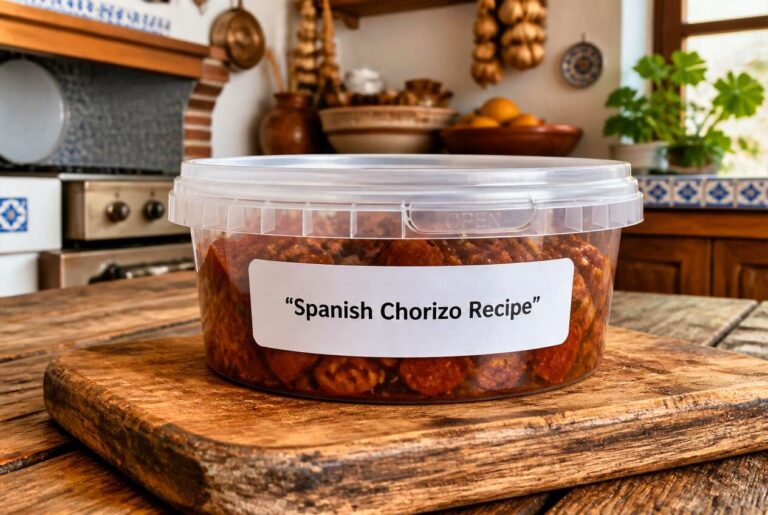
Spanish Chorizo Recipe Cooking Tips
Spanish Chorizo Recipe Storage Tips
• Allow cooked chorizo to cool before transferring it into storage containers.
• Store refrigerated in airtight containers to preserve freshness and flavor.
• Fresh uncooked chorizo should remain refrigerated until ready for cooking.
• Keep sausage tightly wrapped to minimize moisture loss and odor transfer.
• Refrigeration often allows the seasonings to become more integrated and pronounced.
• Reheat cooked chorizo gently in a skillet, oven, or microwave until thoroughly heated.
• Avoid prolonged reheating, which can dry out the sausage.
• Store accompanying sauces, breads, or side dishes separately when possible.
• Freeze cooked or uncooked chorizo in airtight freezer-safe containers if desired.
• Wrap tightly to help prevent freezer burn and preserve quality.
• Freeze individual portions for easier thawing and meal preparation.
• Defrost frozen chorizo gradually in the refrigerator before cooking or reheating.
• Use clean utensils when handling sausage to help maintain freshness.
• Keep away from strongly scented foods because meats can absorb surrounding odors.
• Label storage containers with the preparation date for easier inventory management.
• Avoid repeated freezing and thawing cycles, which can negatively affect texture and flavor.
• Check for signs of spoilage such as sour odors, slime, mold, unusual discoloration, or texture changes before consuming leftovers.
• For best quality, enjoy refrigerated and frozen portions while the chorizo remains juicy, flavorful, and properly stored.
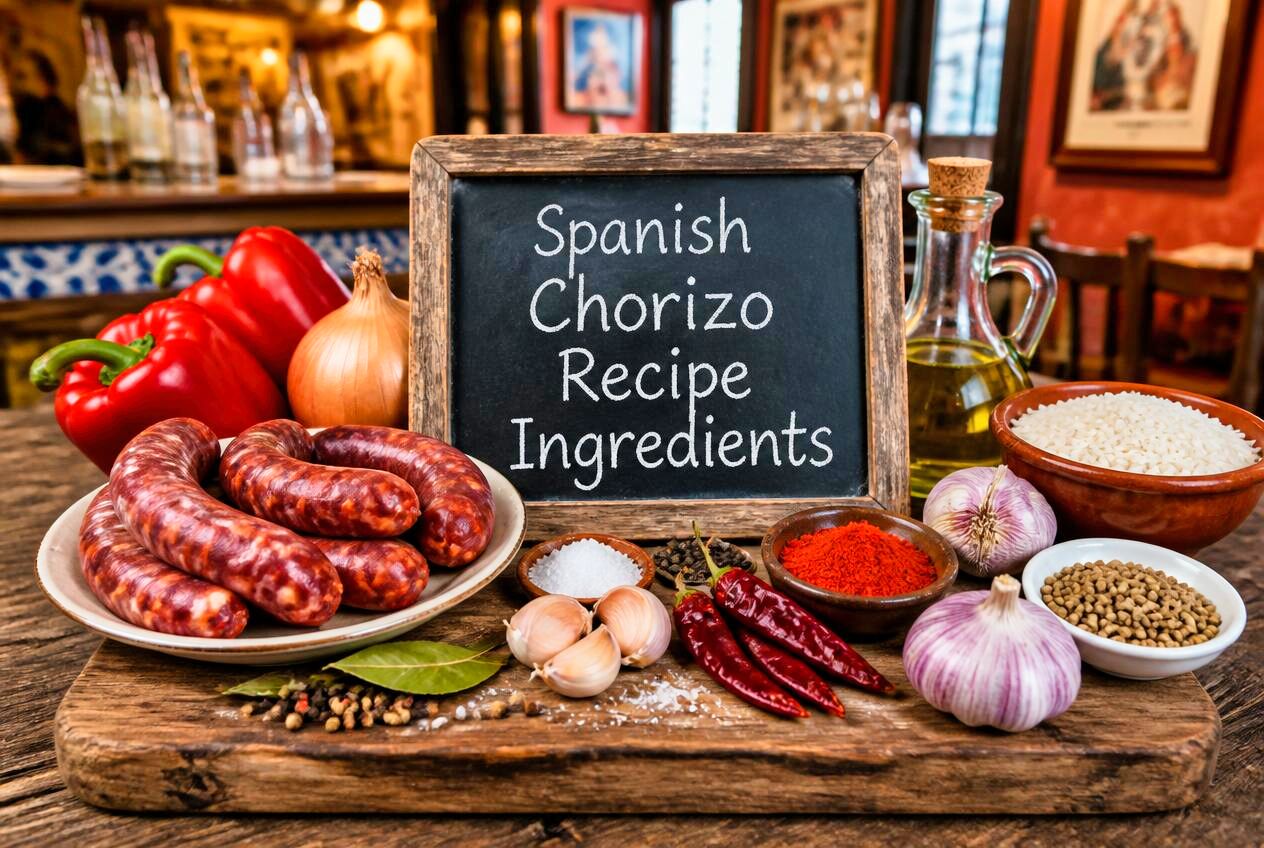
Spanish Chorizo Recipe
Ingredients
- 2 1/2 pounds pork cubed shoulder
- 1/2 pound pork cubed fat back
- 6 tablespoons chile powder ancho
- 1 1/2 tablespoons salt kosher
- 2 teaspoons garlic minced
- 1 teaspoon oregano dried Mexican
- 1/2 teaspoon cinnamon ground
- 1/2 teaspoon cumin ground
- 1/2 teaspoon black pepper freshly ground
- 1/8 teaspoon cloves ground
- 1/3 cup vinegar cider chilled
- Natural hog casings soaked in lukewarm water for at least 30 minutes and rinsed
Instructions
- Begin by placing the pork and pork fat into a large mixing bowl.
- Add the chile powder, salt, garlic, oregano, cinnamon, cumin, black pepper, and cloves. Toss everything together thoroughly until all of the meat is evenly coated with the seasonings.
- The spice blend is what gives chorizo its distinctive flavor, so take the time to distribute it well throughout the meat and fat.
- Cover the bowl and refrigerate the mixture until thoroughly chilled and ready to grind. Keeping the meat cold is essential for achieving the proper texture and ensuring clean grinding.
- Prepare your meat grinder with the small grinding plate (small die).
- Place a bowl nested inside another bowl filled with ice beneath the grinder to keep the meat mixture cold during processing.
- Feed the seasoned pork and fat through the grinder, collecting the ground mixture in the chilled bowl.
- The resulting grind should be evenly mixed with visible flecks of fat distributed throughout the meat.
- Transfer the ground meat to the bowl of a stand mixer fitted with the paddle attachment.
- Mix on low speed for approximately 1 minute to begin combining the ingredients.
- Slowly pour in the vinegar while the mixer is running.
- Increase the speed to medium and continue mixing for about 1 additional minute, or until the vinegar is fully incorporated and the sausage develops a cohesive, slightly sticky texture.
- This mixing process helps create the protein bind that gives the finished sausage its proper structure and juicy texture.
- Once mixed, refrigerate the sausage until ready to test and stuff.
- Before stuffing the sausage, cook a small sample to check the seasoning.
- Form a small patty from the sausage mixture and fry it in a skillet over medium heat until fully cooked.
- Taste the cooked sample carefully.
- If necessary, adjust the seasoning by adding more salt, spices, or vinegar to suit your preference. Mix thoroughly after making any adjustments.
- Taking the time to test the seasoning ensures the finished sausage will be perfectly balanced.
- Prepare the hog casings according to package directions, rinsing and soaking them thoroughly if necessary.
- Load the sausage mixture into your sausage stuffer and carefully thread the casings onto the stuffing tube.
- Stuff the casings evenly, being careful not to overfill them.
- Twist the filled sausage into 6-inch links, creating uniform portions.
- Inspect the links for any visible air pockets and prick them with a sterilized needle if needed.
- Once all of the sausage has been linked, refrigerate until ready to cook. The links may also be frozen for longer storage.
- Light a full chimney of charcoal.
- When the coals are fully ignited and covered with a light gray ash, spread them evenly across the charcoal grate.
- Position the cooking grate, cover the grill, and allow it to preheat for approximately 5 minutes.
- Clean and lightly oil the grill grate to help prevent sticking.
- The grill should be set up for medium-high direct heat.
- Place the chorizo links directly over the hot coals.
- Cook the sausages, turning occasionally, until they are evenly browned and cooked through.
- Use an instant-read thermometer to check for doneness. The internal temperature should reach 160°F (71°C) when inserted into the center of a sausage link.
- The outside should be beautifully browned with slight char marks, while the inside remains juicy and flavorful.
- Transfer the cooked sausages to a platter and allow them to rest for approximately 5 minutes.
- This brief resting period allows the juices to redistribute throughout the sausage, resulting in a more tender and flavorful bite.
- Serve the grilled chorizo hot from the grill.
- These flavorful sausages pair wonderfully with grilled vegetables, roasted potatoes, crusty bread, beans, rice dishes, or simply served on a bun with your favorite toppings.
- This homemade chorizo combines richly seasoned pork, aromatic spices, and vinegar to create a sausage packed with bold flavor. Grinding your own meat, developing the proper sausage texture, and grilling the links over charcoal results in a chorizo that is far superior to most store-bought versions.
- Juicy, smoky, and deeply flavorful, these sausages are perfect for backyard grilling, family gatherings, or adding authentic flavor to a wide variety of dishes.
Spanish Chorizo Recipe Frequently Asked Questions
Here I answer common technical and cooking questions about Spanish chorizo, including differences between fresh, smoked, and dry-cured types, ideal pork cuts and fat ratios, essential spices and paprika amounts, curing time and environment, safety when omitting curing salt, and best cooking methods and pairings for family dinners. Whether you’re a beginner or experienced home cook, these Spanish chorizo recipe tips will help you achieve authentic results. For even more inspiration, check out this guide to homemade chorizo.
What is the difference between fresh, smoked, and dry-cured Spanish chorizo?
Fresh chorizo is uncooked, moister, and intended to be cooked before eating; it often appears in Spanish family dinner recipes like stews or grilled on a plancha. Smoked chorizo receives a cold or hot smoke after stuffing, gaining a pronounced smoky flavor and firmer texture. You can slice or cook it further depending on the style of Spanish chorizo recipe you choose.
Dry-cured chorizo ferments and dries until it loses moisture, becomes sliceable, and is safe to eat without cooking. This style of Spanish chorizo develops concentrated flavors from paprika and garlic. Use dry-cured chorizo for tapas and sandwiches, smoked for rustic stews, and fresh for sautés and rice dishes.
Which cut of pork and fat ratio produces the best texture for Spanish chorizo?
Use pork shoulder (Boston butt) as the primary meat for its balance of flavor and connective tissue in your Spanish chorizo recipe. Add pork back fat or leaf lard to reach about 25–30% fat by weight; that ratio delivers a juicy, cohesive texture in both fresh and cured chorizo. Trim excessively tough silverskin but keep some marbling for your Spanish chorizo recipe; too little fat yields dry sausage, while too much makes it greasy and hard to bind.
For dry-cured batches of Spanish chorizo recipe, aim slightly higher at 28–30% fat to account for moisture loss during drying. Proper fat content ensures your chorizo recipe results in a flavorful and satisfying sausage. Consistent fat distribution is key for the best texture in every Spanish chorizo recipe.
Which spices are essential for authentic Spanish chorizo, and how much paprika should be used?
Essential spices for a Spanish chorizo recipe include smoked or sweet Spanish paprika (pimentón), garlic, coarse salt, and black pepper. Optional additions include white wine, oregano, or cayenne for heat. Paprika is the dominant flavor and color contributor in any Spanish chorizo recipe; typical ranges are 15–30 g paprika per kilogram of meat (1.5–3.0% by weight).
For unmistakable pimentón character in your Spanish chorizo, use 20–25 g/kg of smoked paprika for balanced color and smokiness. If you want a spicier Spanish chorizo recipe, add 2–5 g/kg of hot paprika or ground chili in addition to the base paprika. Balancing these spices will give your chorizo recipe an authentic and bold flavor.
How long should Spanish chorizo be cured or dried, and what temperature and humidity are recommended?
Curing or drying time for a Spanish chorizo varies with diameter: small links (20–30 mm) often need 3–6 weeks; larger salamis and whole chorizos typically need 6–12 weeks. Target a drying room at 10–15°C (50–59°F) and 70–80% relative humidity to allow steady moisture loss without case hardening. Monitor weight loss for your Spanish recipe: aim for 30–40% weight loss for dry-cured chorizo to reach safe texture and concentrated flavor.
Use an initial fermentation phase at ~20–24°C (68–75°F) for 24–72 hours if using starter cultures to lower pH, then move to the cooler drying environment. These steps ensure your chorizo recipe develops the best flavor and texture. Consistent temperature and humidity control are crucial for a successful Spanish chorizo.
Can Spanish chorizo be made without curing salt, and what are the food-safety considerations?
You can make fresh chorizo without curing salt because you will cook it before eating; follow strict refrigeration and cook to an internal temperature of 71°C (160°F) for your Spanish chorizo recipe. For dry-cured chorizo, do not omit curing salt (nitrite/nitrate) because it prevents growth of Clostridium botulinum and stabilizes color and flavor in your Spanish chorizo recipe. If you choose no-cure dry curing, use validated recipes, longer controlled fermentation, and starter cultures to reliably achieve safe pH and water activity levels in your Spanish chorizo recipe.
What are the best ways to cook Spanish chorizo for dinner, and which dishes pair well with it?
Slice and pan-fry Spanish chorizo for 4–6 minutes until browned, then add it to rice dishes like paella, stews, or a Spanish-style bean casserole for hearty family dinners. Grill or roast fresh Spanish chorizo links for a charred exterior, and include them in tapas plates alongside manchego and olives. For more inspiration on Spanish chorizo recipe ideas, visit Serious Eats.
Use sliced dry-cured Spanish chorizo cold on a charcuterie board, or briefly warm it in a skillet for croquetas, tortilla Española with chorizo, or bean stews. Smoked Spanish chorizo enhances rustic casseroles, lentil stews, and potato dishes. Pair any Spanish chorizo recipe with crusty bread, roasted peppers, and a simple green salad for balanced family meals.

Recipes are gathered in person and written for real-world cooking conditions.
- 10 Hungarian Dessert Recipes Passed Down Through Generations - July 25, 2026
- 11 Easy English Recipes Anyone Can Make - July 25, 2026
- Hungarian Kifli Recipe - July 25, 2026