
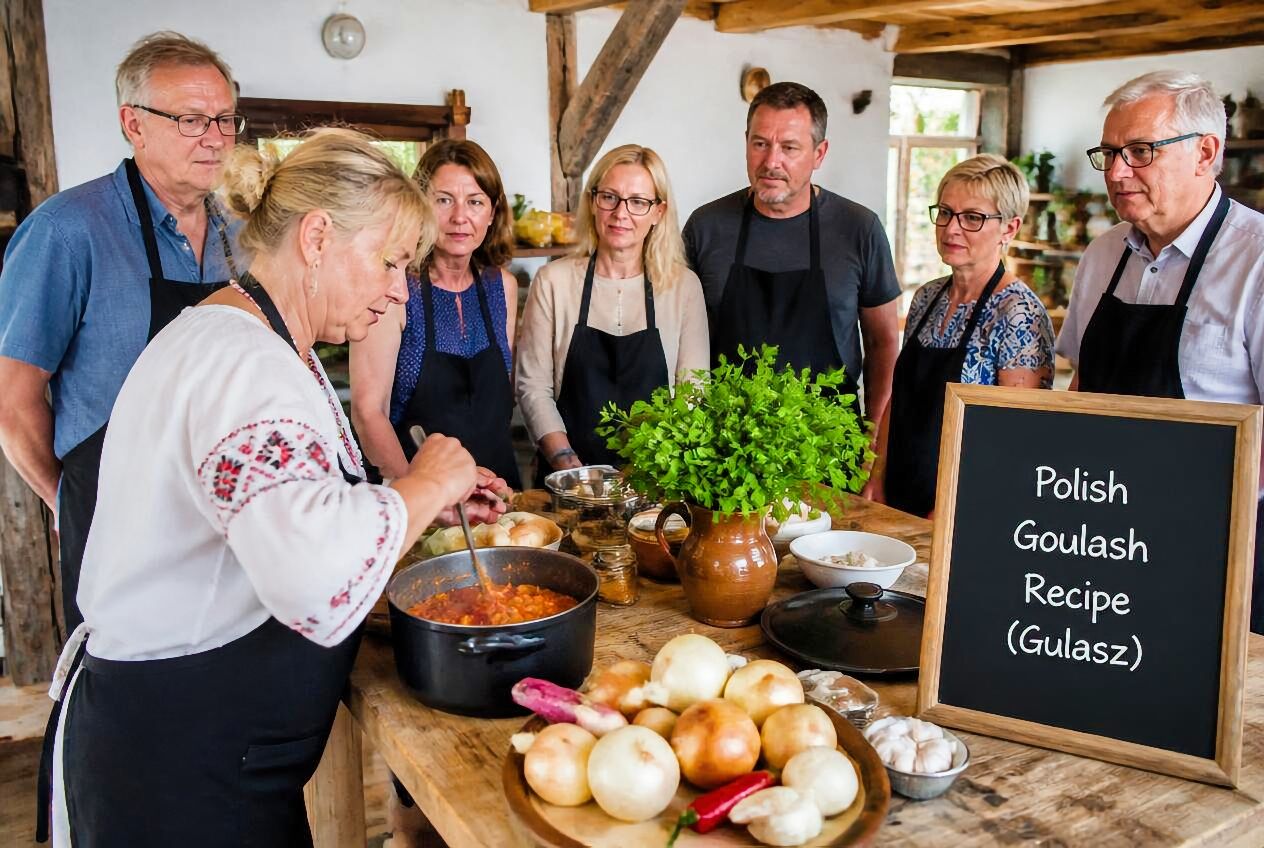
Polish goulash recipe, or gulasz, is a hearty pork stew that has earned its place as one of Poland’s most beloved comfort foods. Unlike its Hungarian cousin that relies heavily on paprika, the Polish goulash recipe features tender chunks of pork slow-cooked with onions, mushrooms, and bell peppers, then finished with a rich gravy often thickened with sour cream and flour. Allspice berries and bay leaves give the Polish goulash recipe its distinctive character, infusing the meat with warm, fragrant notes.
I’ve found that the key to an exceptional Polish goulash recipe is choosing pork shoulder with a bit of marbling, as the fat renders during cooking to create incredibly tender, fall-apart meat in a deeply flavorful sauce. The beauty of the Polish goulash recipe lies in its simplicity and adaptability. It pairs wonderfully with boiled potatoes, noodles, potato pancakes, or even kasha, making it a versatile centerpiece for any meal.
This Polish goulash recipe is straightforward, requiring minimal hands-on time while delivering maximum comfort. I’ll share tips for achieving the perfect texture, make-ahead options for busy weeknights, and variations to suit different tastes and dietary needs.
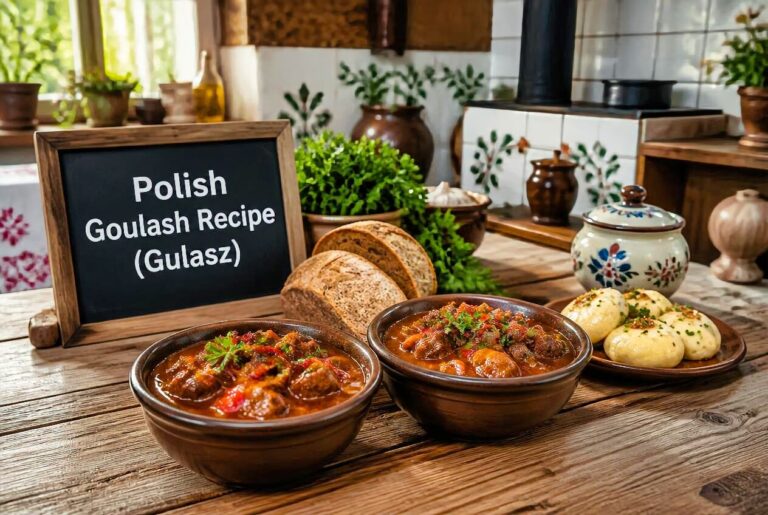
Polish Goulash Recipe (Gulasz)
Key Takeaways
- Polish goulash recipe is a comforting pork stew flavored with allspice and bay leaves, distinguished from Hungarian goulash by its Polish spice profile.
- Using well-marbled pork shoulder and slow cooking creates the most tender, flavorful results in the Polish goulash recipe.
- The Polish goulash recipe is versatile and pairs well with various sides while offering easy make-ahead options for convenient meal planning.
Description and Historical Information
Polish goulash recipe, known as gulasz in Poland, is a hearty meat stew that holds an important place among foods from Poland. While the dish originated in Hungary as gulyás, Polish cooks have thoroughly adapted it into their cuisine over generations, turning it into one of the old-fashioned Polish goulash recipe favorites passed down through families.
The Polish goulash recipe differs from its Hungarian predecessor in several key ways. I prepare the Polish goulash recipe using either pork or beef as the primary protein, with pork being the most common choice in Polish households. I slowly simmer the meat with onions until tender, creating a thick, rich stew rather than the soup-like consistency of traditional Hungarian goulash.
Key characteristics of the Polish goulash recipe include:
- Chunks of meat (typically pork or beef) cooked until tender
- Sweet paprika for flavor and color
- Onion-based gravy, often thickened with flour or sour cream
- Optional vegetables like peppers and carrots
- Thick, stew-like consistency
The name gulasz comes directly from the Hungarian word gulyás, reflecting the dish’s cross-cultural journey through Central Europe. Polish cooks transformed this imported recipe into something distinctly their own. While Hungarian goulash traditionally uses beef and emphasizes paprika, the Polish goulash recipe often features pork and incorporates local ingredients like sour cream for a creamier texture.
This adaptation shows how culinary traditions evolve as they cross borders, with each culture adding its own preferences and available ingredients to create regional variations of the Polish goulash recipe.
Chef’s Tips
When I make Polish goulash recipe at home, I have learned that patience is the most important ingredient. I always brown the meat in small batches to develop a deep, caramelized crust that adds complexity to the final Polish goulash recipe.
For the best results in your Polish goulash recipe, keep these points in mind:
- I use a heavy-bottomed pot or Dutch oven to ensure even heat distribution.
- I never rush the simmering process; I allow at least 90 minutes for the meat to become tender in the Polish goulash recipe.
- I taste and adjust the seasoning near the end of cooking rather than at the beginning.
The quality of paprika makes a significant difference in the rustic Polish goulash recipe. I recommend using fresh, high-quality sweet paprika and storing it in a cool, dark place. If my paprika has been sitting in the cupboard for over six months, I replace it.
I add a splash of red wine or beef stock to deglaze the pan and capture all the flavorful browned bits. For thickening the Polish goulash recipe sauce, I use a small amount of flour or potato starch mixed with cold water to avoid lumps.
My favorite accompaniments for the Polish goulash recipe include:
- Fresh crusty bread for soaking up the sauce
- Boiled potatoes or Polish kopytka dumplings
- A dollop of sour cream on top
For Polish goulash recipe leftovers, I always prepare extra portions. This goulash tastes even better the next day after the flavors have had time to meld together. I store leftovers in airtight containers in the refrigerator for up to three days.
Make-Ahead Instructions
I find that the Polish goulash recipe is an ideal make-ahead dish because the flavors deepen and improve after resting. The meat becomes more tender and the sauce develops a richer taste when stored overnight.
Advance Preparation Options for Polish goulash recipe:
- Full recipe ahead: Cook the Polish goulash recipe completely, let it cool to room temperature, then refrigerate in an airtight container for up to 3 days.
- Freeze for later: Store cooled Polish goulash recipe in freezer-safe containers for up to 3 months.
- Prep ingredients: Cut the meat and vegetables 1 day ahead and store separately in the refrigerator.
When I prepare the Polish goulash recipe in advance, I undercook it slightly if planning to reheat within a day or two. This prevents the meat from becoming overly soft during reheating.
Reheating Instructions for Polish goulash recipe:
From refrigerator: Place the Polish goulash recipe in a pot over medium-low heat, stirring occasionally until heated through (about 15-20 minutes). Add a splash of water or broth if the sauce has thickened too much.
From frozen: Thaw overnight in the refrigerator first, then reheat as above. I do not recommend reheating from frozen as it can result in uneven heating and overcooked meat around the edges.
The sour cream component can sometimes separate upon reheating. I often hold back the sour cream when making the Polish goulash recipe ahead and stir it in fresh during the final reheating process for the smoothest texture. This extra step takes minimal effort but makes a noticeable difference in the final presentation of the Polish goulash recipe.
Variations
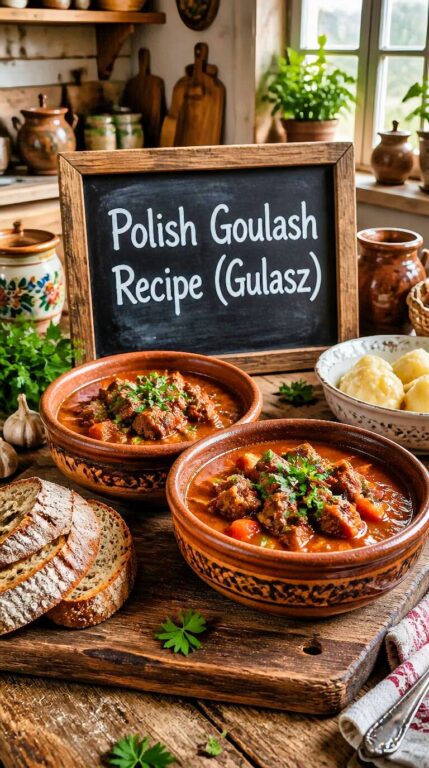
The Polish goulash recipe adapts beautifully to different proteins and ingredients based on what I have available. While pork shoulder remains the most traditional choice in Poland, I frequently prepare the Polish goulash recipe with beef chuck, chicken thighs, or turkey pieces.
Common Protein Variations for Polish goulash recipe:
- Pork Goulash – The most authentic Polish goulash recipe, using shoulder or neck
- Beef Goulash – Made with chuck or stewing beef for a richer flavor
- Chicken Goulash – A lighter option using thighs or breast pieces
- Turkey Goulash – Lean and healthy alternative
I adjust the vegetables in the goulash recipe depending on the season and my preferences. Bell peppers and mushrooms are standard, but sometimes I add carrots for sweetness or celery for depth. Some traditional Polish goulash recipe versions incorporate potato directly into the stew, while others keep it as a side dish.
The sauce base in the Polish goulash offers room for creativity. I have made versions with more tomato for acidity, extra paprika for warmth, or a touch of marjoram for an herbal note. Adding a spoonful of mustard creates a tangy variation that pairs well with beef.
For thickening the Polish goulash recipe, I use either flour mixed with water or potato starch. The starch produces a glossier finish that I prefer for special occasions.
Regional differences exist across Poland as well. Some families include bacon or smoked meat for additional flavor, while others keep the goulash recipe simple with just the main protein and vegetables. Each variation maintains the hearty, comforting quality that makes the Polish goulash recipe perfect for Polish meal ideas throughout the year. For more inspiration, visit Polish Housewife for authentic recipes.
Related Recipes
If you enjoyed making the Polish goulash recipe, I recommend exploring other traditional Polish dishes that pair beautifully with gulasz or share similar hearty, comforting qualities.
Pierogi recipes are an essential part of Polish cuisine that I often serve alongside the Polish goulash recipe. These dumplings can be filled with potatoes and cheese, sauerkraut and mushrooms, or even meat. They complement the rich sauce of the Polish goulash recipe perfectly, and you can boil or pan-fry them for different textures.
Kielbasa recipes offer another excellent addition to your Polish cooking repertoire. This smoked sausage works well grilled, pan-fried, or simmered in various dishes. I like preparing kielbasa with sauerkraut and potatoes, or incorporating it into soups and casseroles alongside the Polish goulash recipe.
Here are some dishes I suggest trying with your Polish goulash recipe:
- Bigos – A hunter’s stew made with sauerkraut, fresh cabbage, and various meats
- Kopytka – Small potato dumplings similar to gnocchi, ideal for soaking up Polish goulash recipe sauce
- Placki ziemniaczane – Potato pancakes that serve as a traditional base for the Polish goulash recipe
- Żurek – A sour rye soup with sausage and hard-boiled eggs
- Kasha – Buckwheat groats that make an excellent side dish for Polish goulash recipe
These recipes share the same emphasis on simple ingredients, robust flavors, and satisfying portions that characterize Polish home cooking. Many use similar preparation techniques to the Polish goulash recipe, such as slow cooking and building layers of flavor. Include the Polish goulash recipe in your regular meal rotation for a true taste of Poland.
Recipe Comparison
I’ve noticed that Polish gulasz differs significantly from other goulash variations across Central Europe. While Hungarian goulash tends to be soupier and relies heavily on paprika, Polish gulasz is thicker and more stew-like in consistency. The Polish goulash stands out for its use of unique spices and preparation techniques.
Key Differences:
| Aspect | Polish Gulasz | Hungarian Gulyás | American Goulash |
|---|---|---|---|
| Meat | Pork (most common) | Beef | Ground beef |
| Consistency | Thick stew | Soup-like | Pasta casserole |
| Spices | Allspice, bay leaves, moderate paprika | Heavy paprika | Mild seasoning |
| Thickener | Flour or potato starch | Minimal | Tomato sauce |
The Polish goulash recipe typically features pork shoulder rather than beef, which makes it more affordable and authentic to Polish cuisine. The aromatic blend of allspice berries and bay leaves gives Polish goulash recipe its distinctive character. These elements combine to create a hearty, flavorful dish that exemplifies traditional Polish cooking.
Another notable difference is the use of sour cream in some goulash recipes, creating a rich, creamy gravy. This contrasts with Hungarian versions that focus on clear, paprika-infused broth. The Polish goulash recipe favors a creamy, thick sauce that clings to every bite.
The meat preparation also varies. I brown all ingredients in goulash recipes, not just the meat, which builds deeper flavor layers. Hungarian goulash often skips this step for vegetables, but the Polish goulash recipe relies on this technique to enhance its complexity.
People can make Polish goulash with beef, pork, or chicken, though pork remains the traditional choice. The cooking method emphasizes long, slow simmering until the meat becomes fall-apart tender. This slow process, central to the Polish goulash recipe, allows flavors to meld and the sauce to thicken beautifully.
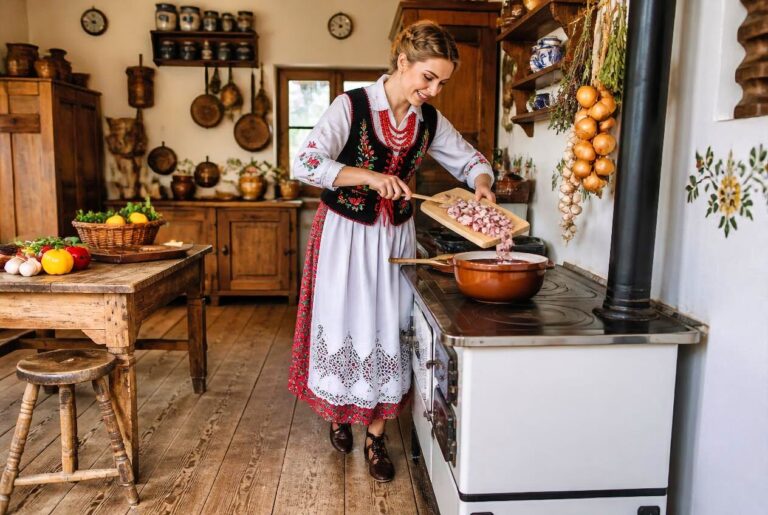
Polish Goulash Recipe (Gulasz) Cooking Tips
Polish Goulash Recipe Cooking Tips
• Polish Goulash is a hearty stew known for its tender meat, rich gravy, and deeply developed savory flavor.
• Beef is commonly used, although pork or a combination of meats may also appear in regional variations.
• Choose well-marbled cuts such as chuck or shoulder because they become tender during slow cooking.
• Cut the meat into uniform pieces to promote even cooking.
• Brown the meat thoroughly before stewing to develop deeper flavor and a richer sauce.
• Onions are a key ingredient and contribute sweetness and body to the gravy.
• Garlic enhances the savory flavor and complements the meat.
• Paprika is an essential seasoning that provides color and characteristic flavor.
• Carrots, bell peppers, and mushrooms may be added for additional texture and complexity.
• Beef broth or stock creates a flavorful cooking liquid.
• Bay leaves, marjoram, black pepper, and caraway seeds are commonly used seasonings.
• Simmer the goulash slowly over low heat to allow the meat to become tender.
• Avoid rapid boiling, which can toughen the meat and reduce tenderness.
• Stir occasionally to prevent sticking and ensure even cooking.
• Allow the sauce to reduce naturally for a richer consistency if desired.
• Taste and adjust seasonings near the end of cooking.
• Fresh parsley provides a traditional garnish and fresh flavor contrast.
• The flavor should balance tender meat, savory gravy, sweet onions, paprika, and aromatic herbs.
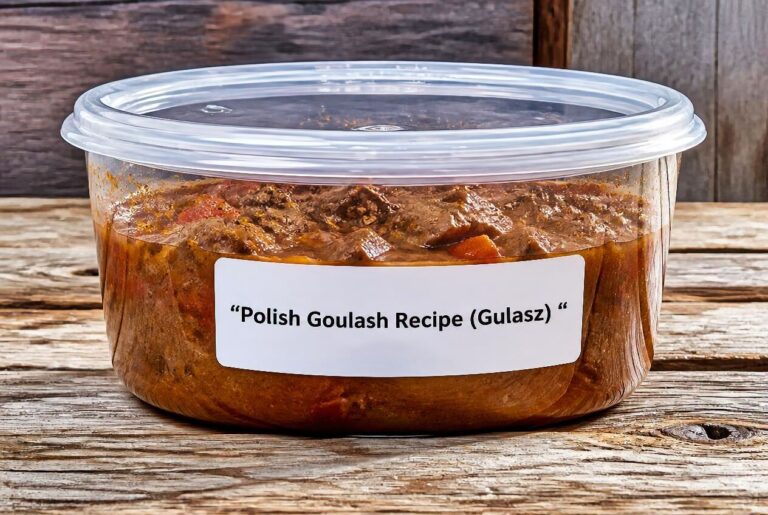
Polish Goulash Recipe (Gulasz) Storage Tips
Polish Goulash Recipe Storage Tips
• Allow the goulash to cool before transferring it into storage containers.
• Store refrigerated in airtight containers to preserve freshness and flavor.
• Refrigeration often improves the flavor as the meat, gravy, and seasonings continue to meld together.
• Reheat gently on the stovetop or in the microwave until thoroughly heated.
• Stir occasionally during reheating to maintain an even consistency.
• Add a small amount of broth or water if the sauce becomes too thick during storage.
• Meat and spice flavors often become more developed after overnight refrigeration.
• Store accompanying noodles, dumplings, potatoes, or bread separately when possible.
• Individual portions can be stored for convenient reheating.
• Freeze portions in airtight freezer-safe containers if desired.
• Wrap tightly to help prevent freezer burn and preserve quality.
• Defrost frozen portions gradually in the refrigerator before reheating.
• Use clean utensils when serving leftovers to help maintain freshness.
• Keep away from strongly scented foods because stews readily absorb surrounding odors.
• Label storage containers with the preparation date for easier inventory management.
• Avoid repeated freezing and reheating cycles, which can negatively affect texture and flavor.
• Check for signs of spoilage such as sour odors, slime, mold, unusual discoloration, or texture changes before consuming leftovers.
• For best quality, enjoy refrigerated and frozen portions while the goulash retains its rich flavor and tender texture.
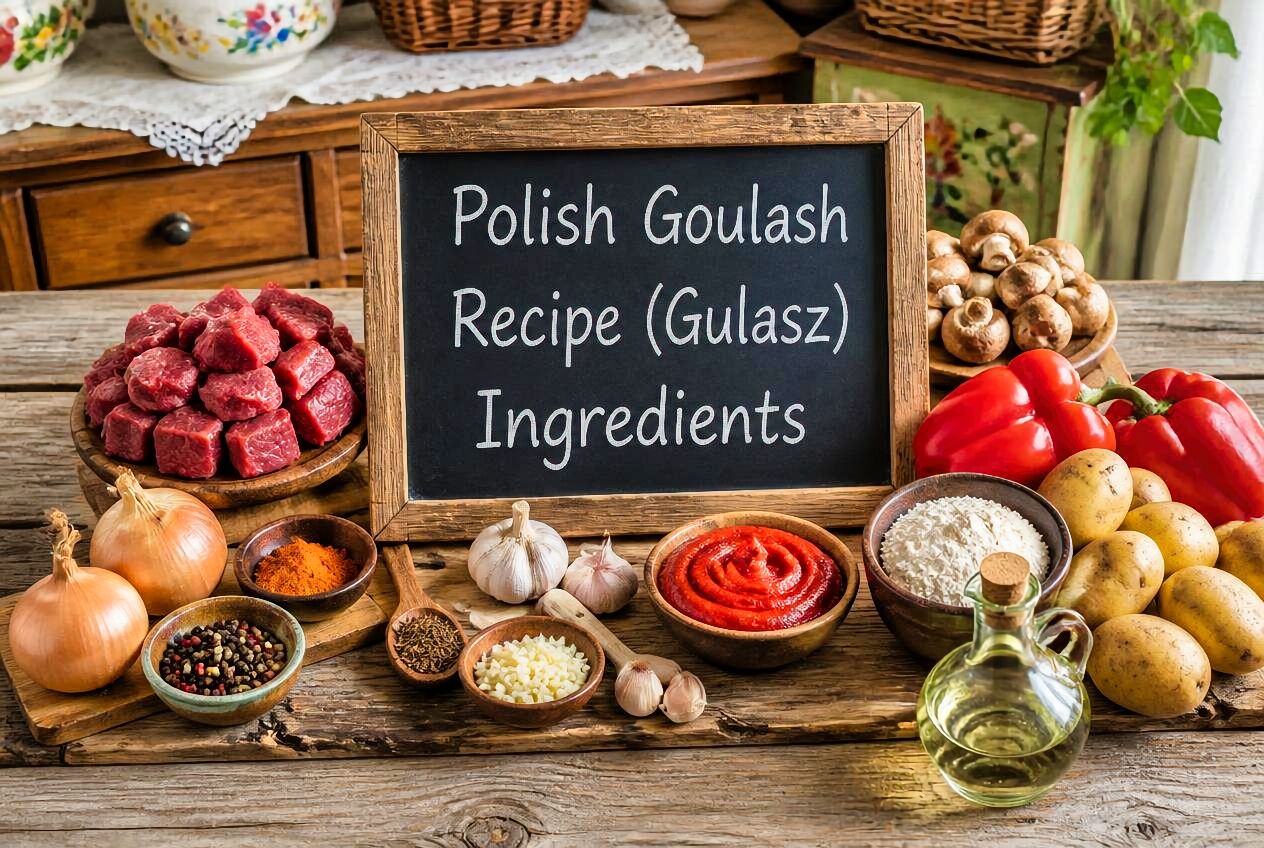
Polish Goulash Recipe (Gulasz)
Ingredients
- 2 pounds pork trimmed and diced
- 3/4 cup flour
- Kosher salt
- Black pepper
- 3 tablespoons olive oil
- 1 cup onion chopped
- 2 bell peppers cut into thin strips (I used red and yellow)
- 2 cloves garlic minced
- 14 ounces broth I used veal reconstituted bullion cubes
- 2 tablespoons tomato paste
- 2 tablespoons paprika
- 1/4 teaspoon black pepper
- 6 whole allspice
- 1/4 cup wine dry red
- 1/3 cup water cold
- 3 tablespoons flour
- Potato pancakes cooked according to directions
Instructions
- Begin by cutting the pork into bite-sized cubes if it has not already been prepared.
- In a shallow bowl, combine flour with a generous amount of salt and freshly ground black pepper. Toss the pork cubes in the seasoned flour until they are evenly coated on all sides.
- Heat oil in a large heavy saucepan or Dutch oven over medium-high heat.
- Working in batches, brown the pork cubes on all sides. Avoid overcrowding the pan, as this will cause the meat to steam rather than develop a rich brown crust.
- As each batch finishes browning, transfer the pork to a plate and continue until all of the meat has been browned.
- The flour coating will help create a flavorful crust on the pork and will also contribute to thickening the finished sauce.
- Using the same pan, add the onions and peppers.
- Cook them over medium heat until softened and lightly browned, stirring occasionally. As the vegetables cook, they will begin loosening some of the browned bits left behind by the meat.
- Just before the vegetables are finished cooking, add the garlic and sauté for about 1 minute, until fragrant.
- Do not worry if a dark brown crust has formed on the bottom of the pan. These caramelized bits are packed with flavor and will dissolve into the cooking liquid, creating a richer and deeper sauce.
- Return the browned pork to the saucepan.
- Add the broth, tomato paste, paprika, black pepper, allspice, and wine.
- Stir well, scraping the bottom of the pan to release any remaining browned bits into the liquid.
- As everything comes together, the broth will take on a deep reddish color from the paprika and tomato paste while the wine adds richness and complexity.
- Bring the mixture to a gentle simmer.
- Reduce the heat to low and cover the pan.
- Allow the pork to simmer gently for 60 to 90 minutes, or until the meat is exceptionally tender and easily pierced with a fork.
- During this time, the pork absorbs the flavors of the broth and spices while becoming increasingly tender.
- Check occasionally and stir if needed, adding a little additional broth if the liquid reduces too much.
- Once the pork is tender, prepare a flour slurry.
- In a small bowl, whisk together the water and 3 tablespoons flour until completely smooth and free of lumps.
- Slowly stir the slurry into the simmering pork mixture.
- Continue cooking uncovered for 15 to 30 minutes, stirring occasionally, until the sauce thickens into a rich gravy-like consistency.
- The finished sauce should coat the meat beautifully without becoming overly thick.
- Taste and adjust the seasoning if necessary, adding additional salt or pepper to suit your preference.
- Traditionally, this rich pork stew is served over crispy potato pancakes.
- Place freshly cooked potato pancakes on serving plates and spoon the tender pork and generous amounts of sauce over the top.
- The combination of the savory paprika-infused gravy and the crisp potato pancakes creates a hearty and satisfying meal that is deeply rooted in Central and Eastern European cooking traditions.
- This comforting pork stew features fork-tender meat slowly simmered in a flavorful broth enriched with onions, peppers, paprika, wine, and warm allspice. The long cooking time develops remarkable depth of flavor, while the thickened sauce creates a rich finish that pairs perfectly with crispy potato pancakes.
- The contrast between the crunchy pancakes and the silky sauce makes this a memorable dish, ideal for family dinners, cold-weather meals, and special gatherings where traditional comfort food is at its very best.
Polish Goulash Recipe Frequently Asked Questions
Polish goulash recipe differs from its Hungarian counterpart in consistency and preparation methods. The choice of pork shoulder and proper simmering techniques ensures optimal results. Mastering the Polish goulash means understanding traditional spices and the best accompaniments for an authentic meal.
What is the difference between Polish goulash and Hungarian goulash?
Polish goulash is notably thicker and more stew-like compared to Hungarian goulash, which has more liquid and resembles a hearty soup. The goulash recipe is often thickened with flour or potato starch to create a rich, dense consistency that clings to the meat. Over time, the Polish goulash evolved from Hungarian roots but transformed into a robust stew that stands apart from the soup-like original.
Which cut of pork is best for making a rich, tender goulash?
Pork shoulder works best for making Polish goulash because it contains the right amount of marbling and connective tissue that breaks down during long cooking. This cut becomes exceptionally tender when simmered slowly and contributes to the rich, satisfying texture of the finished dish. The goulash recipe benefits from the fat content, which keeps the meat moist and adds depth to the sauce.
How long should goulash simmer to achieve tender meat and a thick sauce?
I typically simmer my goulash recipe for 90 minutes to 2 hours on low heat to achieve properly tender meat. The slow cooking process allows the flavors to meld together and develop complexity while the connective tissue in the meat breaks down completely. The sauce thickens as it reduces, especially when I add flour or potato starch to the Polish goulash recipe.
Can goulash be made in a slow cooker, and what changes are needed for best results?
I’ve successfully adapted Polish goulash for the slow cooker by browning the meat and sautéing the vegetables first in a separate pan. This initial step develops the deep flavors that would normally come from stovetop simmering and creates the characteristic rich color. I cook the goulash recipe on low for 6 to 8 hours in the slow cooker and reduce the liquid by about 25% compared to stovetop recipes since less evaporation occurs.
What are the essential spices and seasonings used in a traditional goulash?
Sweet paprika is the cornerstone spice in Polish goulash, providing both color and a mild, slightly sweet flavor profile. I use it generously, as it defines the character of the Polish goulash more than any other single ingredient. Beyond paprika, I include bay leaves, marjoram, and black pepper for depth, and sometimes add caraway seeds for an authentic goulash recipe touch.
What are the best side dishes to serve with goulash?
I often serve my gulasz with boiled potatoes or mashed potatoes, which are classic Polish side dishes that soak up the rich sauce beautifully. Buttered egg noodles also make a great addition and provide a neutral base that highlights the flavors of the Polish goulash recipe. If you want more inspiration for sides, check out this Polish goulash recipe resource for traditional ideas.
For a traditional Polish meal, I pair Polish goulash with simple steamed cabbage or pickled cucumbers to balance the richness. Fresh crusty bread is essential for mopping up every last bit of sauce from the plate. The Polish goulash also tastes fantastic with roasted root vegetables or a crisp green salad for added freshness.

Recipes are gathered in person and written for real-world cooking conditions.
- 10 Hungarian Dessert Recipes Passed Down Through Generations - July 25, 2026
- 11 Easy English Recipes Anyone Can Make - July 25, 2026
- Hungarian Kifli Recipe - July 25, 2026