
This Moroccan vegetable stew recipe brings together warm spices, tender vegetables, and hearty legumes for a comforting vegetarian meal. If you’re looking for a Moroccan Vegetable Stew recipe that’s both authentic and easy enough for a weeknight, this one’s got you covered. You get deep, real-deal flavor using basic pantry spices and whatever veggies are hanging around, so you don’t need to overthink it—just toss things in and let it work its magic.
I’ll walk you through the Moroccan Vegetable Stew recipe step by step, with a quick nod to its roots and some tips that make sure your veggies stay tender and your spices don’t get lost. I’ll throw in some swaps, timing ideas, and storage hacks too—because, honestly, who doesn’t want leftovers that taste even better the next day?
Description, Recipe and Historical Information
Moroccan cuisine’s all about those warm, fragrant spices and the way sweet and savory play together. This Moroccan Vegetable Stew recipe starts with onions and garlic, then you’ll toss in ground cumin, coriander, cinnamon, and just a pinch of cayenne or chilli flakes. If you like things bold, a spoonful of harissa turns up the heat.
The classic Moroccan Vegetable Stew recipe calls for sweet potatoes, red and yellow peppers, leeks, and chickpeas, plus split red lentils for a bit of protein and heft. You’ll simmer everything—chopped tomatoes, stock, the works—until the veggies get soft and the lentils kind of melt in. At the end, fresh cilantro and a little orange zest wake up the whole dish. That’s one of those details that makes you go, “Wait, why does this taste so good?”
Here’s the gist: sauté onion and garlic, add your spices and toast them for a minute, then stir in tomatoes, peppers, sweet potato, chickpeas, lentils. Pour in your stock, cover, and let the Moroccan Vegetable Stew recipe simmer for 30–45 minutes. Taste, adjust, and serve with couscous or some good bread. Nothing fancy, just real food.
Moroccan stews go way back, with roots in tagine cooking and influences from Berber, Arab, Andalusian, and Mediterranean kitchens. You’ll sometimes find preserved lemons or citrus in traditional recipes—the orange peel in this Moroccan Vegetable Stew recipe is a little nod to that history.
Want your Moroccan Vegetable Stew recipe to stand out? Brown your onions for a richer base. Add spices early so they wake up. Adjust harissa or cayenne for the right amount of kick. And don’t stress about making it ahead—this Moroccan Vegetable Stew recipe actually gets better after a night in the fridge. Trust me, you’ll be glad you made extra. If you’re still on the fence, just try the Moroccan Vegetable Stew recipe once; it might just become your go-to for cozy nights. Remember, the Moroccan Vegetable Stew recipe is as flexible as you want it to be—swap veggies, tweak spices, make it yours. It’s a keeper, honestly.
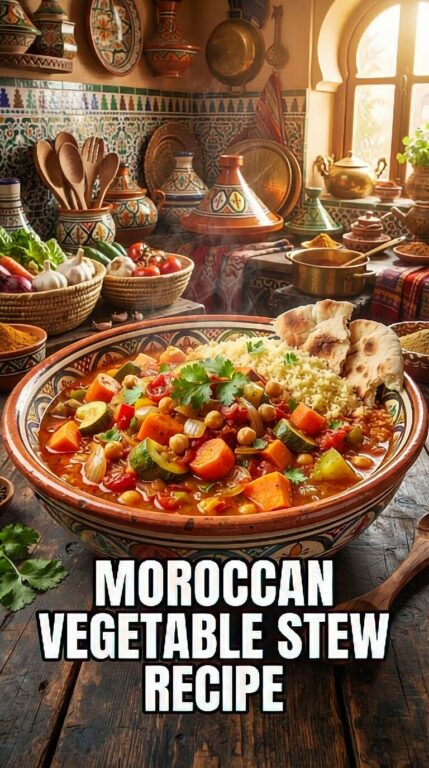
Cooking Tips
Grab a heavy flameproof casserole or Dutch oven if you want your Moroccan Vegetable Stew recipe to cook evenly and simmer without fuss. A wide, solid pan really helps those veggies brown up before you pour in any liquid—honestly, that’s where a lot of the stew’s flavor comes from.
Pick a neutral oil with a high smoke point for your first sauté. Cold-pressed rapeseed oil gives a cleaner flavor, but if you like things hotter, regular rapeseed (or canola) oil won’t let you down. The Moroccan Vegetable Stew recipe does best when you don’t skimp on this step.
Whatever you do, don’t rush the simmer. Get the stew bubbling gently, then turn the heat way down so it just barely bubbles. That’s how you coax out the most flavor—plus, your veggies won’t fall apart before their time. If you’re following a Moroccan Vegetable Stew recipe, patience is honestly key here.
Tweak the texture by timing your add-ins. Toss in quick-cooking vegetables near the end, and let hardy roots go in first. Each piece stays distinct, which is what you want. If the stew thickens up too much, just splash in some warm stock or water bit by bit. The Moroccan Vegetable Stew recipe is forgiving—just listen to your instincts.
Season as you go. Seriously, don’t dump in all your salt and spices at the start. Wait till the veggies are tender, then taste and adjust—maybe you’ll want a little more salt, a squeeze of lemon, or even a hint of honey. Sometimes a splash of lemon juice or a touch of sweetness makes all the difference. The Moroccan Vegetable Stew recipe really shines when you play with the flavors.
If you’re thinking about reheating or freezing, undercook things a bit at first. Moroccan Vegetable Stew recipe flavors get even better overnight, and finishing the simmer after reheating keeps the texture just right. Honestly, it’s even tastier the next day—if you can wait that long.
Don’t forget, the Moroccan Vegetable Stew recipe is flexible. Try it once, and you’ll probably start riffing on it every time you make it. There’s no single right way, and sometimes the best results come from a little improvisation. If you ask me, that’s half the fun.
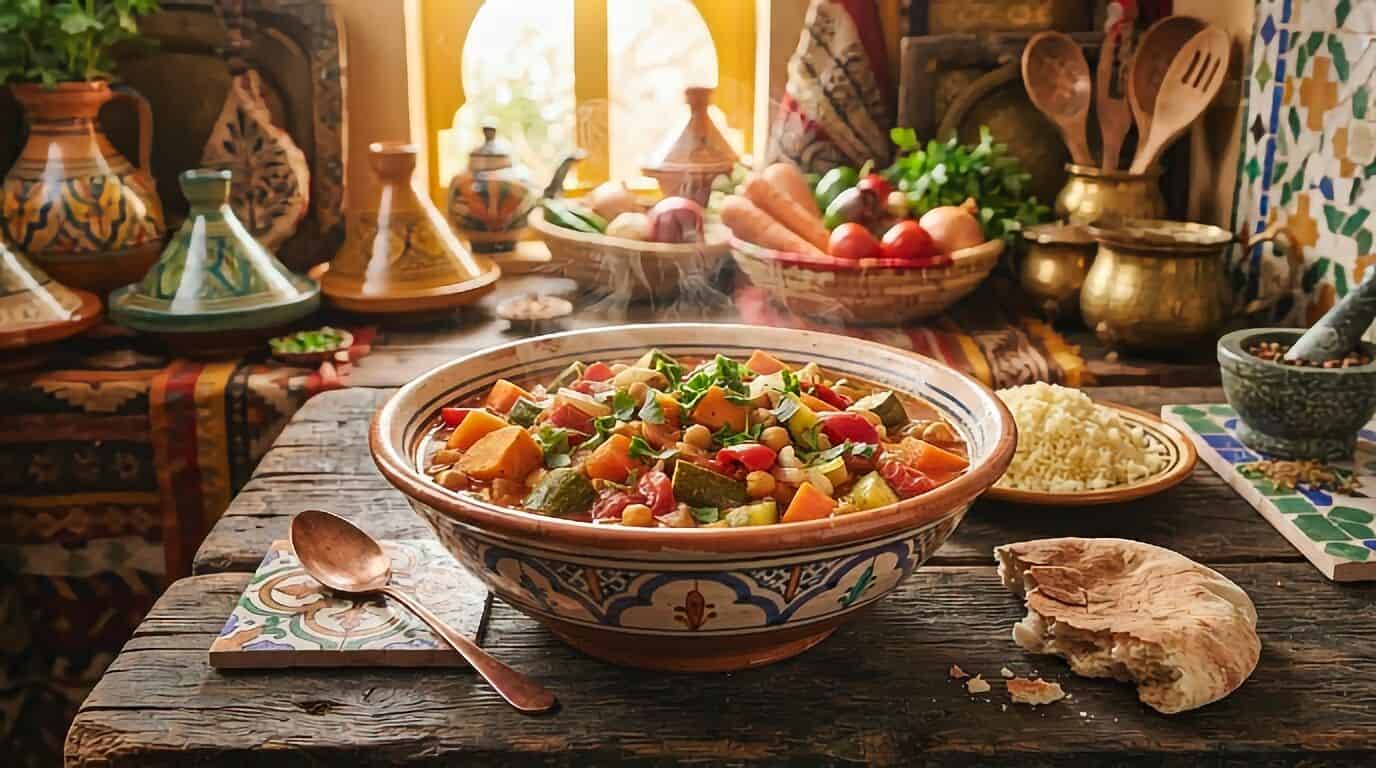
Moroccan Vegetable Stew
Ingredients
- 2 tablespoons olive oil
- 1 large onion chopped
- 3 garlic cloves minced
- 1 tablespoon grated fresh ginger
- 1 tablespoon ras el hanout
- 1 teaspoon ground cumin
- 1 teaspoon ground coriander
- 1/2 teaspoon ground cinnamon
- 1/2 teaspoon ground turmeric
- 1/2 teaspoon paprika
- 1/4 teaspoon cayenne pepper
- 3 cups vegetable or chicken broth
- 1 14.5-ounce can diced tomatoes, undrained
- 2 medium sweet potatoes peeled and chopped
- 2 medium zucchini chopped
- 1 15-ounce can chickpeas, drained and rinsed
- 1/2 cup dried apricots chopped
- 1/4 cup honey
- Salt and pepper to taste
- Fresh cilantro leaves for garnish
Equipment
- large pot or Dutch oven (6 quarts or larger)
- cutting board
- Sharp knife
- Stirring spoon
Instructions
- Heat the olive oil in a large pot or Dutch oven over medium heat.
- Add the onion and cook until softened, about 5 minutes.
- Add the garlic and ginger and cook for another minute.
- Add the ras el hanout, cumin, coriander, cinnamon, turmeric, paprika, and cayenne pepper, and cook for another minute, stirring constantly.
- Add the broth, diced tomatoes (with juices), sweet potatoes, zucchini, chickpeas, dried apricots, and honey.
- Bring the stew to a boil, then reduce the heat and simmer for 30-40 minutes, or until the vegetables are tender.
- Season with salt and pepper to taste.
- Serve the stew in bowls, garnished with fresh cilantro leaves.
Notes
Tips and Tricks
Cut all the vegetables into similar-sized pieces to ensure even cooking. To save time, you can use canned chickpeas instead of cooking them from scratch. If you don't have fresh ginger, you can use ground ginger instead. You can prepare the spices and herbs in advance and store them in a small bowl, so you have everything ready when it's time to cook.Whether you’re cooking for a crowd or just making a batch for yourself, the Moroccan Vegetable Stew recipe deserves a spot in your regular rotation. It’s hearty, adaptable, and honestly, it’s hard to mess up. Give it a shot, and let your taste buds guide you.

Recipes are gathered in person and written for real-world cooking conditions.
- 10 Hungarian Dessert Recipes Passed Down Through Generations - July 25, 2026
- 11 Easy English Recipes Anyone Can Make - July 25, 2026
- Hungarian Kifli Recipe - July 25, 2026