
Iceland Flatbread recipe—let’s talk about it. Locals call it flatkaka, and it’s about as straightforward as bread gets: rye flour, water, salt. For centuries, this Icelandic flatbread recipe has anchored Iceland’s kitchen tables. This traditional Iceland Flatbread only needs a handful of ingredients, and you can throw it onto a stovetop griddle or pan—no fancy oven required. It’s honestly one of the most approachable recipes from the whole Icelandic food scene. Back before anyone had an oven, folks would flip pots upside down and cook this Iceland flatbread recipe over hot embers. They called it pottbrauð, and you can almost picture the smoky kitchens.
Making this authentic flatkaka at home? It’s like a direct line to generations of Icelandic cooks. The thin, soft rounds from this Iceland flatbread recipe are perfect with butter, smoked fish, or lamb. Even today, you’ll find this Iceland flatbread recipe everywhere in Iceland—people just can’t seem to get enough.
Let’s walk through the Iceland recipe step by step, from mixing up the dough to nailing that perfect texture on your pan. I’ll throw in some tips I’ve picked up—because nobody wants flatbread that’s dry or crumbles apart. The goal? A soft, pliable Iceland flatbread recipe that tastes like it came out of a Reykjavik grandma’s kitchen, not a science lab.
Description, Recipe, and Historical Information
Flatkaka (sometimes you’ll see it as flatkökur if you’re talking about more than one) is the Iceland flatbread recipe everyone in Iceland knows by heart. It’s a traditional Icelandic rye flatbread—thin, soft, and round—with that signature dark look and those little pan marks that just feel right. You know an Iceland flatbread recipe when you see it.
Historically, the traditional Icelandic flatbread stuck with just rye flour and water. These days, people sometimes toss in whole wheat, all-purpose flour, or oats for a different vibe. The best part? This Iceland flatbread recipe uses ingredients you probably already have kicking around your pantry.
Back in the day, people would bake flatkaka on hot stones or right over fire embers. To keep the bread nice and soft, dip it in hot water and stash it under a damp towel. That’s a trick that keeps this Iceland flatbread recipe from turning into a cracker.
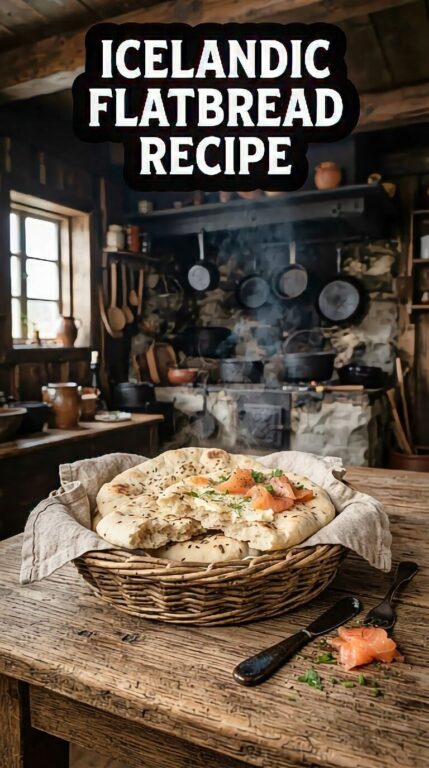
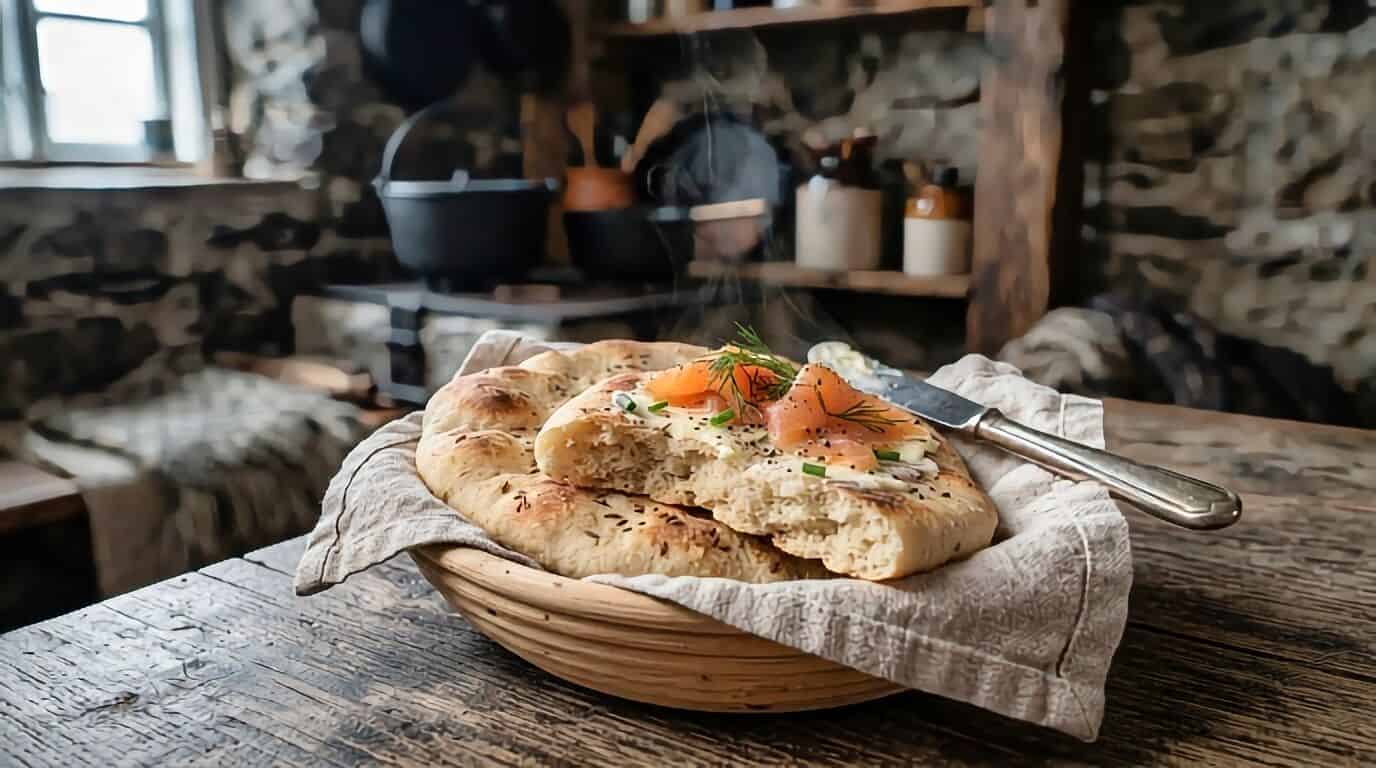
This Iceland Flatbread goes with all the classics—pickled herring, hangikjöt (that’s smoked lamb), you name it. You’ll spot the Iceland Flatbread recipe in grocery stores all over Iceland, and honestly, it’s not going anywhere. There’s just something about a good Iceland Flatbread recipe that never gets old. If you haven’t tried making your own Iceland Flatbread yet, maybe it’s time. Who knows? It might just become your new favorite.
Cooking Tips
If you’re making an Iceland Flatbread, work with the dough while it’s still warm—trust me, it’s much easier. The boiling water gives it that soft, bendy feel, but if you wait too long, it gets tough and stubborn.
For a classic Iceland Flatbread recipe, split your dough into equal portions before you start rolling. I usually go for golf ball-sized pieces, which seems about right for the authentic Icelandic flatkaka. Take a rolling pin and press each one into a thin, round disc—shoot for about 6-8 inches across, but don’t stress if they’re not perfect circles. That’s part of the charm in any Iceland Flatbread recipe, honestly.
Key rolling techniques for the Iceland recipe:
- Lightly dust your surface with rye flour—no one likes sticky dough
- Roll from the center out, using steady, even pressure
- After a few rolls, spin the dough a quarter turn to keep things even
- Try to get it to about 2-3mm thick—thin, but not paper-thin. That’s the sweet spot for an Iceland Flatbread recipe
Heat up your pan to medium-high before you start. Don’t add oil or butter; with any Iceland Flatbread recipe, you want a dry surface, just like they do for traditional flatkaka. Each flatbread cooks up in about 1-2 minutes per side. You’ll see those classic brown spots—looks great, smells even better.
Watch for bubbles popping up on the surface; that’s your cue to flip. The bread should stay soft and flexible, not turn into a cracker. If your Iceland Flatbread recipe gives you hard, crunchy bread, you probably rolled it too thin or left it on the pan too long. Happens to the best of us.
Right after cooking, stash your Iceland Flatbread recipe results under a damp kitchen towel. This keeps them soft and easy to fold. Some folks dip each one quickly in hot water before stacking—kind of an old-school trick, but it works for keeping your Iceland Flatbread recipe nice and tender.
Honestly, the Flatbread recipe isn’t fussy, but a little attention to these details makes all the difference. Try a few batches and see what works for you. There’s something satisfying about nailing an Iceland Flatbread , even if they’re a bit rustic. And if you’re sharing, folks always ask for the Iceland Flatbread recipe, so keep it handy. It’s one of those things you end up making again and again, tweaking each time. Isn’t that half the fun?
Flatkaka or Icelandic Flatbread Recipe
Ingredients
- 2 cups flour
- 1/4 cup flour Manitoba
- 3/4 cup Ølands flour If you can get it if not use either plain flour or Manitoba
- 1 1/4 cup rye finely ground
- 1/2 cup flour whole wheat use corsely ground
- 1/2-1 tsp salt
- 1/2 tsp baking soda
- 1/2 tsp baking powder
- 1 1/2 tsp sugar
- 1/2 cup oats the same thing you use to make oatmeal
- 1 tbsp malt syrup you can use whatever form of syrup or molasses ou want
- 2 cups boiling water
- 1 tbsp vegetable oil use a oil that is taste nutral
Equipment
- large mixing bowl
- Skillet or griddle
- Rolling Pin
- Spoon for mixing
- Measuring cups and spoons
- Flat surface for kneading and rolling out dough
Instructions
- a. In a large mixing bowl, combine 2 cups plain flour, 1/4 cup Manitoba flour, 3/4 cup Ølands flour (or substitute with plain flour or Manitoba), 1 1/4 cups finely ground rye, 1/2 cup coarsely ground whole wheat flour.
- b. Add 1/2-1 tsp of salt, 1/2 tsp baking soda, 1/2 tsp baking powder, and 1 1/2 tsp sugar to the dry ingredients.
- c. Mix these dry ingredients thoroughly until well combined.
- a. Add 1/2 cup oats to the dry mixture.
- b. Drizzle 1+ tbsp of malt syrup (you can use your preferred syrup or molasses) into the mixture.
- c. Stir these ingredients together until they are evenly distributed.
- a. Pour 2 cups of boiling water into the dry ingredients.
- b. Mix the ingredients with a spoon until they form a cohesive dough.
- a. Once the dough is cool enough to handle, transfer it to a floured surface.
- b. Knead the dough for about 5 minutes until it becomes smooth and elastic.
- a. Divide the dough into 8 equal portions.
- b. Shape each portion into a small ball.
- a. Take one dough ball and flatten it with your hands.
- b. Roll it out on a floured surface into a thin circle, about 6-8 inches in diameter.
- c. Repeat this process for all 8 portions of dough.
- a. Heat a non-stick skillet or griddle over medium-high heat.
- b. Place one flatbread in the skillet and cook for about 2-3 minutes on each side, or until it puffs up and turns golden brown.
- c. Repeat this step for the remaining flatbreads, cooking one at a time.
- a. Serve the Flatkaka warm as a side dish or accompaniment to other Icelandic dishes.
- b. Enjoy your homemade Icelandic Flatbread!
Notes

Recipes are gathered in person and written for real-world cooking conditions.
- 10 Hungarian Dessert Recipes Passed Down Through Generations - July 25, 2026
- 11 Easy English Recipes Anyone Can Make - July 25, 2026
- Hungarian Kifli Recipe - July 25, 2026