
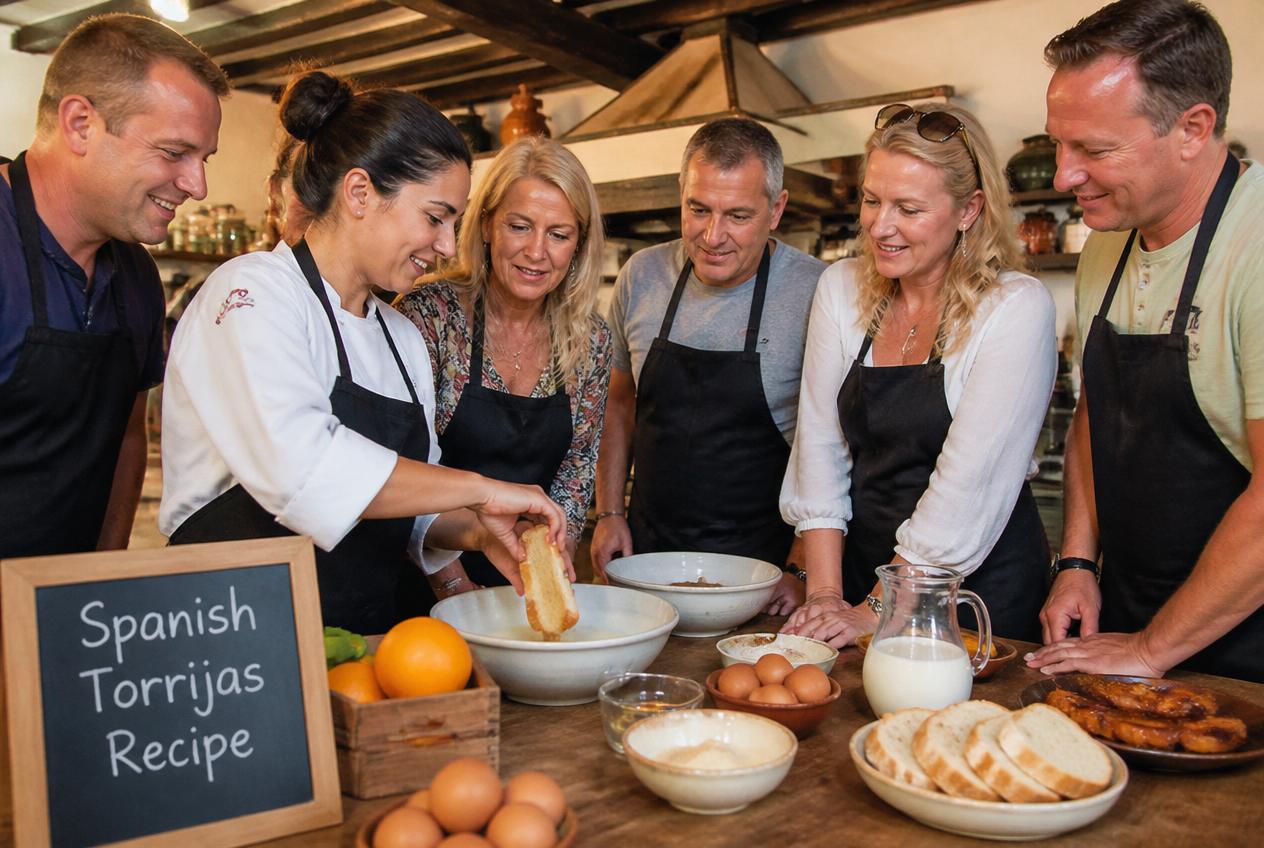
You’ll love how simple Spanish torrijas recipes transform stale bread into a tender, cinnamon-scented dessert that feels both homey and special. This easy Spanish torrijas recipe yields authentic torrijas—milk- or wine-soaked slices, fried to golden perfection, and finished with cinnamon sugar or honey—so you can make a classic Spanish treat at home.
I’ll walk you through the traditional technique and share practical tips so you can recreate an authentic Spanish torrijas recipe without fuss. Expect quick make-ahead options, small variations for different tastes, and comparisons to other French-toast–style dishes to help you choose the version that suits your kitchen and gatherings. The Spanish torrijas recipe makes a perfect addition to any festive table, especially during Easter.
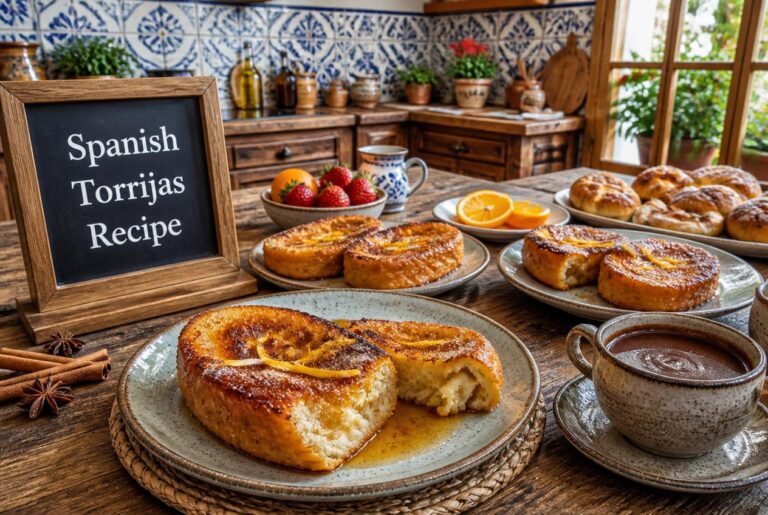
Spanish Torrijas Recipe
Key Takeaways
- I explain what torrijas are and why they matter in Spanish culinary tradition.
- I offer chef-tested tips and simple make-ahead advice to save time.
- I present easy variations and comparisons so you can customize this classic dish.
Description and Historical Information
I describe torrijas as a simple, comforting slice of Spanish culinary tradition that sits alongside classic Spanish dishes like paella and churros. Spanish torrijas recipe uses stale bread, milk or wine, sugar or honey, and egg—ingredients common in many traditional Spanish recipes.
Torrijas date back to at least the 15th century, when early cookbooks mention bread soaked, flavored, and fried as a way to extend food during Lent and Semana Santa. This links the Spanish torrijas recipe to Mediterranean Spanish cuisine and regional foods of Spain, where resourceful cooking created many popular Spanish comfort foods.
Regional variations across Spain appear: some areas soak the bread in milk and cinnamon, others use sweet wine or anise. Andalusian versions tend to be richly spiced. These differences reflect how traditional Spanish food adapts local tastes, making the Spanish torrijas recipe both a national and regional favorite.
Torrijas belong to broader Spanish culinary traditions that emphasize simple techniques and bold flavor from modest ingredients. The Spanish torrijas recipe joins other popular Spanish dishes in showing how everyday cooking in Spain blends practicality with celebration. Explore regional recipes to see how the Spanish torrijas recipe fits into the wider tapestry of Spanish cuisine and Mediterranean influences.
Chef’s Tips
I use day-old bread for the Spanish torrijas recipe; it soaks without disintegrating and yields a creamier interior. If you bake your own, let the loaf rest overnight to make a sturdier, more absorbent slice.
For the milk infusion, I heat milk with a strip of lemon peel and a cinnamon stick. A splash of sweet wine such as Pedro Ximénez adds depth for a more authentic Spanish torrijas recipe.
After soaking, I pat the slices lightly before dipping in beaten egg to prevent splatter during frying. Use a shallow pan and enough oil to coat the base for even browning without excessive greasiness.
When frying, I keep the temperature steady—medium heat lets the interior set while the outside turns golden. Cooking too hot burns the exterior before the center warms through.
I finish some batches with a dusting of cinnamon sugar and others with a drizzle of honey for variety. For gatherings, I make several traditional Spanish recipes together so guests can sample different homemade Spanish dishes.
If you’re new to authentic Spanish recipes, start simple: follow exact soaking times and don’t rush the frying. My final tip—taste and adjust. Small changes to infusion aromatics or finishing sweeteners let you tailor the Spanish torrijas recipe to your preferred balance.
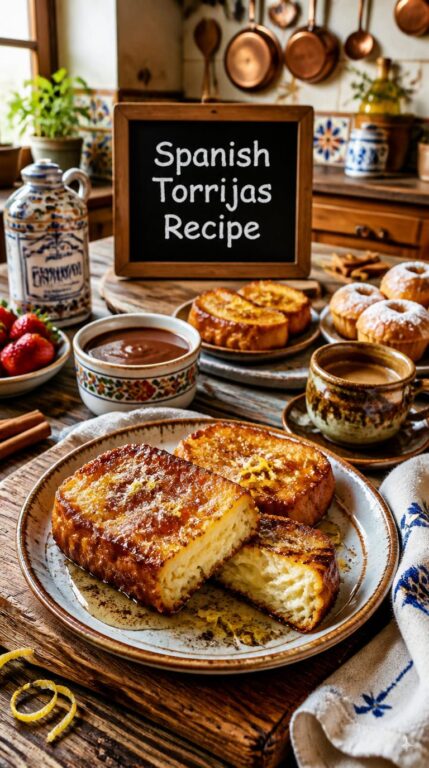
Make-Ahead Instructions
I prepare the milk soak and custard base a day ahead to let flavors meld. Chill the vanilla- and cinnamon-infused milk in a covered container for up to 24 hours to deepen aroma without extra work on serving day. This step enhances the Spanish torrijas recipe’s flavor.
I slice and store the bread separately to keep edges from softening prematurely. Place thick slices of slightly stale bread in a single layer inside an airtight container or a resealable bag for up to 24 hours.
When I want fully ready-to-fry torrijas, I assemble through to the egg dip the night before. After dipping in custard and egg, arrange slices on a baking sheet lined with parchment, cover lightly with plastic wrap, and refrigerate up to 8–12 hours; they’ll hold shape and fry evenly.
For longer storage, I flash-freeze the dipped slices first. Lay dipped slices on a baking sheet, freeze until firm (about 1 hour), then transfer to a freezer bag; they keep well for 1 month and you can pan-fry them straight from frozen with a few extra minutes per side.
Quick checklist:
- Infused milk: refrigerate up to 24 hours.
- Sliced bread: airtight, up to 24 hours.
- Egg-dipped slices: refrigerated 8–12 hours.
- Frozen dipped slices: flash-freeze, store up to 1 month.
Bring refrigerated items to a cool room temperature for 10–15 minutes before frying so the interior heats through without overbrowning the exterior. This method ensures your Spanish torrijas recipe comes out perfect every time.
Variations
I tweak the Spanish torrijas recipe depending on the occasion and mood. For Semana Santa, I soak the bread in spiced milk with cinnamon and lemon peel for a traditional, festive flavor.
For a richer dessert, I swap milk for red wine or sherry, soaking the slices briefly before dipping in beaten egg. This wine-soaked approach adds depth and pairs well with a drizzle of honey or a dusting of cinnamon sugar.
I make a dairy-free Spanish torrijas recipe using almond or oat milk; the texture stays custardy if I use slightly stale, dense bread. Vegan egg replacers work for coating, and frying gently helps avoid a rubbery crust.
For a brunch-style twist, I finish torrijas with fresh fruit and a squeeze of citrus. I also experiment with savory versions—less sugar, more herbs, and a sprinkle of Manchego—for a tapas-friendly plate.
Try these quick formatting cues I use to plan variations:
- Base liquids: milk, wine, sherry, almond/oat milk
- Finishings: cinnamon sugar, honey, citrus, fresh fruit
- Occasions: Semana Santa, brunch, dessert, tapas
Adjust soaking time and frying temperature for each variation to preserve a custardy interior and crisp exterior. For traditional inspiration and regional twists, reference classic Spanish recipes for special occasions such as those enjoyed during Holy Week (Semana Santa). For more Spanish torrijas recipe ideas and tips, visit Spanish Sabores.
Related Recipes
I pair the Spanish torrijas recipe with savory Spanish dishes to balance the meal and highlight regional flavors. For a show-stopping main, I turn to a classic Spanish paella recipe that showcases saffron-scented rice and mixed seafood or meats for hearty contrast.
I keep a chilled, authentic gazpacho recipe on hand in warmer months. Its bright tomato and cucumber notes refresh the palate before sweeter desserts like the Spanish torrijas recipe.
I include small plates. Spanish tortilla and patatas bravas work well as comforting, starchy tapas, while Spanish croquettes and gambas al ajillo provide creamy and garlicky small bites that guests love.
For richer, rustic options, I recommend albóndigas and fabada asturiana. Albóndigas (meatballs in tomato sauce) pair with crusty bread, and fabada asturiana offers a slow-cooked Spanish bean stew that’s deeply satisfying.
I explore vegetable-focused dishes too. Pisto brings a ratatouille-like mix of peppers and tomatoes that contrasts nicely with fried sweets. For seafood-focused menus, I rely on Spanish seafood recipes and Spanish rice dishes to tie flavors together.
I compile tapas menus by mixing traditional Spanish tapas ideas—garlic shrimp, croquettes, tortilla—and a simple dessert. This approach keeps the meal varied and rooted in authentic Spanish flavors, and the Spanish torrijas recipe fits perfectly as a sweet finish.
Recipe Comparison
I compare the Spanish torrijas recipe against other fried, bread-based sweets to highlight technique and flavor differences. Torrijas soak stale bread in milk or wine, then I dip them in egg and pan-fry; that contrasts with a traditional churros recipe, which pipes choux-like dough and deep-fries for a crisp, tubular result.
Texture is a key distinction. The Spanish torrijas recipe yields a custardy interior with a tender exterior when fried in olive oil, while churros deliver an all-over crispness and hollow chew from deep frying and piped dough. Cooking fat, temperature, and bread choice determine torrijas’ final mouthfeel.
Flavoring methods diverge too. I typically finish the Spanish torrijas recipe with cinnamon and honey or sugar, giving a warm, syrupy note; churros are often rolled in cinnamon sugar straight out of the fryer and served with chocolate dipping sauce. Torrijas may include infused milk or a splash of wine for aromatic depth.
Preparation time and equipment vary. The Spanish torrijas recipe requires simple pantry staples and a skillet, making them accessible for quick home cooks. By contrast, churros need a piping bag and a deep pot or fryer, which adds setup but delivers a distinctive shape and crunch.
Choose based on desired texture, available equipment, and flavor profile. For a custardy, comforting dessert, the Spanish torrijas recipe is ideal; for crunchy, shareable finger food, a churros recipe fits better.
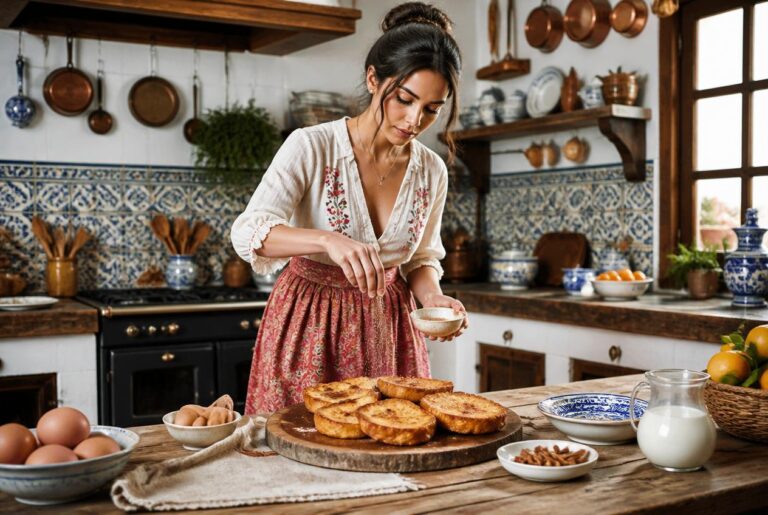
Spanish Torrijas Recipe Cooking Tips
Spanish Torrijas Recipe Cooking Tips
• Spanish Torrijas are a traditional dessert often enjoyed during Holy Week, known for their custardy interior, golden exterior, and sweet cinnamon flavor.
• Day-old bread is traditionally used because it absorbs the milk mixture without falling apart.
• Thick slices of sturdy bread work best and help maintain structure during soaking.
• Whole milk is commonly infused with cinnamon sticks, citrus peel, or vanilla to create a flavorful soaking mixture.
• Lemon or orange peel adds a classic Spanish citrus aroma.
• Allow the infused milk to cool slightly before soaking the bread.
• Soak the bread thoroughly but avoid oversaturating it to the point of breaking apart.
• Beaten eggs create the characteristic golden coating during frying.
• Handle the soaked bread carefully to maintain its shape.
• Use hot oil to achieve an evenly golden exterior.
• Fry until both sides are lightly golden brown and crisp.
• Drain briefly on paper towels to remove excess oil.
• Cinnamon sugar is a traditional finishing touch and enhances the flavor.
• Some variations are finished with honey syrup for added sweetness and richness.
• Allow the torrijas to rest briefly so the flavors can settle before serving.
• The flavor should balance creamy bread, warm cinnamon, citrus notes, and gentle sweetness.
• Properly prepared torrijas should be soft and custardy inside while lightly crisp outside.
• Serve warm, at room temperature, or chilled depending on personal preference.
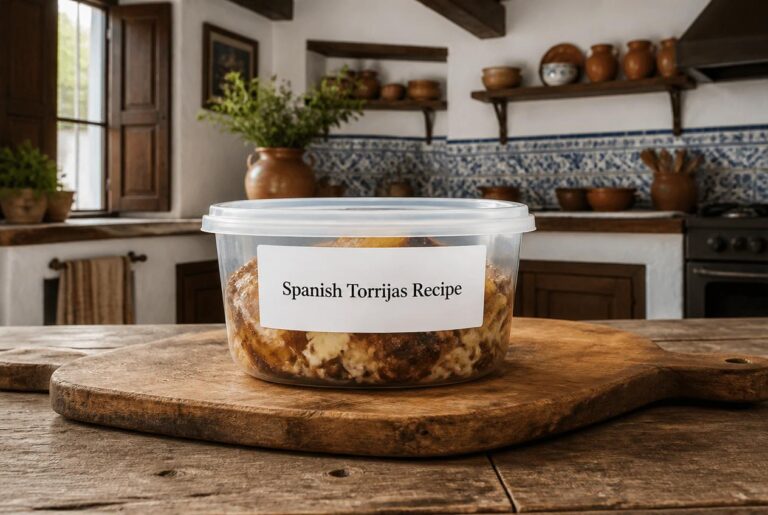
Spanish Torrijas Recipe Storage Tips
Spanish Torrijas Recipe Storage Tips
• Allow the torrijas to cool before transferring them into storage containers.
• Store refrigerated in airtight containers to preserve freshness and moisture.
• Layer parchment paper between pieces if stacking multiple torrijas.
• Refrigeration often allows the cinnamon, citrus, and sweet flavors to become more pronounced.
• Serve chilled, at room temperature, or gently reheated according to preference.
• Reheat carefully in the oven or microwave to avoid drying out the interior.
• Honey-coated torrijas may become softer during storage.
• Store additional syrup separately when possible.
• Avoid leaving torrijas at room temperature for extended periods because they contain dairy and eggs.
• Individual portions can be stored for convenient serving.
• Freezing is possible, although the texture may become softer after thawing.
• Use airtight freezer-safe containers if freezing is necessary.
• Wrap tightly to help prevent freezer burn and preserve quality.
• Defrost frozen torrijas gradually in the refrigerator before serving or reheating.
• Use clean utensils when handling leftovers to help maintain freshness.
• Keep away from strongly scented foods because the bread readily absorbs odors.
• Check for signs of spoilage such as sour odors, mold, unusual discoloration, or texture changes before consuming leftovers.
• For best quality, enjoy refrigerated portions while the torrijas remain moist, flavorful, and properly stored.
Spanish Torrijas Recipe
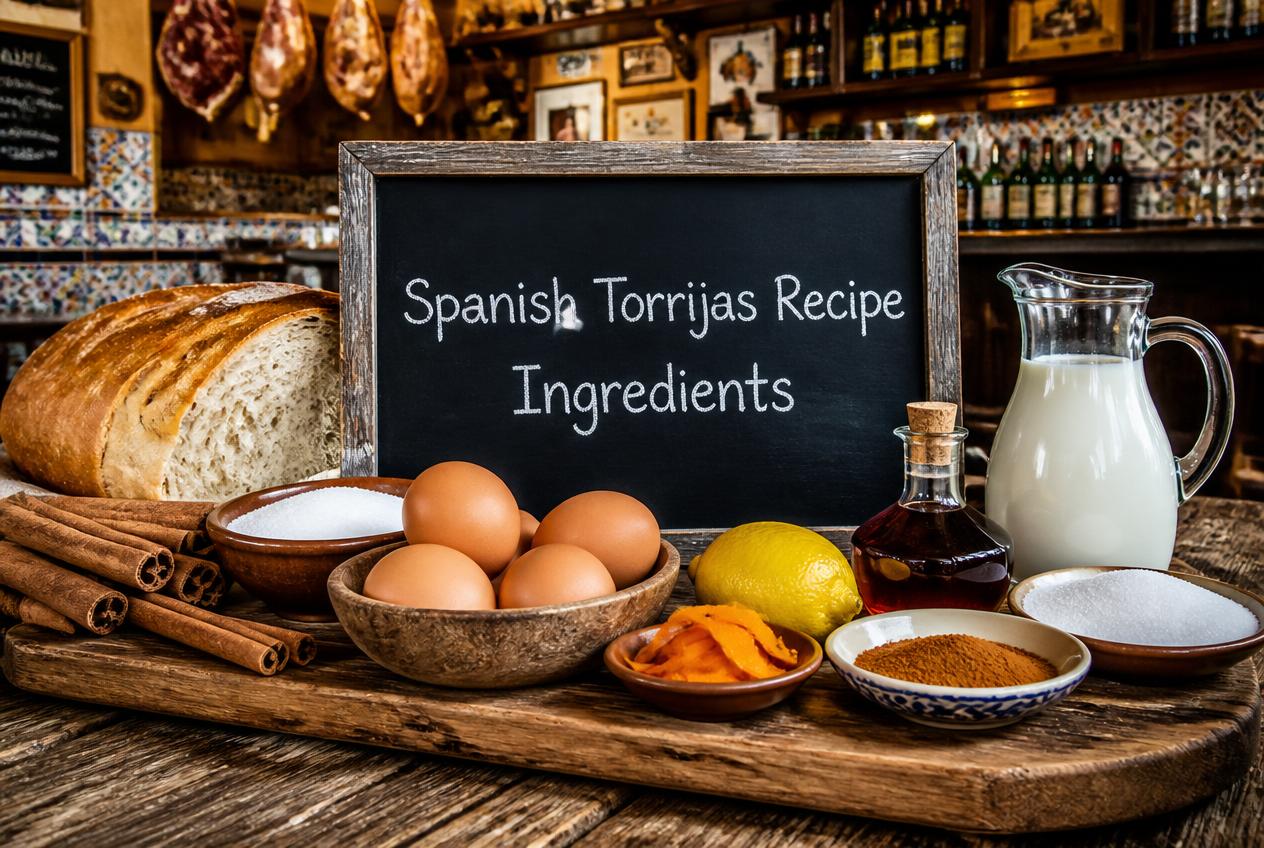
Ingredients
- 1 loaf bread loaf stale French sliced into 1.5 inch thick slices (about 12-15 slices)*
- 1 1/2 cups milk warm
- 1 teaspoon vanilla extract
- 3 large eggs
- Oil canola or vegetable for frying
- 2 Tablespoons sugar granulated
- 1/2 teaspoon cinnamon ground
Instructions
- Begin by pouring the warm milk into a shallow bowl. Add the vanilla extract and stir until combined.
- In a second shallow bowl, crack the eggs and beat them thoroughly until completely smooth and uniform.
- Having both mixtures prepared and ready will make assembling and frying the torrijas much easier.
- In a small bowl, combine the granulated sugar and ground cinnamon.
- Mix well until the cinnamon is evenly distributed throughout the sugar.
- Set this mixture aside. It will be used to coat the warm torrijas after frying, giving them their classic sweet finish.
- Pour enough oil into a large skillet to lightly cover the bottom of the pan.
- Place the skillet over medium heat and allow the oil to heat until hot but not smoking.
- The oil should be hot enough to immediately begin frying the bread while allowing it to cook evenly and develop a beautiful golden crust.
- Working with one slice at a time, dip a slice of stale French bread into the warm milk mixture.
- Allow the bread to soak on both sides so it absorbs plenty of liquid without completely falling apart.
- The stale bread acts like a sponge, creating the soft, custard-like interior that makes torrijas so delicious.
- Once soaked, transfer the bread directly into the beaten eggs, coating both sides thoroughly.
- The egg coating will create a delicate golden crust during frying.
- Carefully place the soaked bread into the hot skillet.
- Cook for several minutes on the first side until golden brown, then gently flip and fry the second side.
- Continue cooking until both sides are beautifully browned and crisp on the outside while remaining soft and creamy inside.
- Work in batches as necessary, avoiding overcrowding the pan.
- Add additional oil if needed between batches.
- As each torrija finishes cooking, transfer it to a plate lined with paper towels or place it on a wire rack.
- Allow any excess oil to drain briefly.
- While the torrijas are still warm, generously sprinkle them with the prepared cinnamon sugar mixture.
- The warmth helps the sugar adhere to the surface, creating a sweet and aromatic coating.
- For a more traditional variation, you may drizzle the torrijas with honey instead of using cinnamon sugar.
- Torrijas can be served either warm or chilled.
- For a freshly made dessert, serve them slightly warm while the exterior is still lightly crisp.
- Alternatively, refrigerate them for several hours and serve cold, which allows the flavors to meld and the texture to become even more custardy.
- Enjoy
- Torrijas are one of Spain's most beloved traditional desserts, especially during Holy Week and Easter celebrations. Often compared to French toast, they are richer and more indulgent thanks to the generous soaking of milk and the sweet cinnamon coating.
- The contrast between the crisp golden exterior and the soft, creamy interior makes every bite comforting and satisfying. Whether served warm with cinnamon sugar or drizzled with honey, torrijas are a simple yet timeless dessert that transforms humble stale bread into something truly special.
Spanish Torrijas Recipe Frequently Asked Questions
I answer practical questions about ingredients, technique, and storage so you can make the Spanish torrijas recipe that holds together, browns well, and keeps its cinnamon-milk flavor. The Q&A covers bread choice, milk infusion, frying vs baking, toppings, and reheating methods.
What are torrijas and how do they differ from French toast?
Torrijas are slices of day-old bread soaked in a scented milk (often with cinnamon, lemon peel, or wine), then I dip them in egg and fry in oil until golden. I finish the Spanish torrijas recipe with sugar, cinnamon, or a honey/wine syrup rather than maple syrup, which is common on American-style French toast.
Unlike classic French toast, the Spanish torrijas recipe usually starts with a milk soak before the egg stage and uses olive oil for frying. The texture leans toward a dessert-like custardy interior and a slightly crisper exterior. Torrijas have a strong association with Lent and Holy Week in Spain, making the Spanish torrijas recipe a seasonal favorite.
Which type of bread works best for making torrijas?
I prefer dense, day-old bread that soaks up liquid without falling apart. Traditional “pan de torrija” or a sturdy Italian loaf works well for the Spanish torrijas recipe. Enriched breads like brioche or challah give richer flavor but require careful soaking to avoid collapse. Avoid very soft sandwich loaves unless you first dry them thoroughly for your Spanish torrijas recipe.
How do you prepare the milk infusion for traditional torrijas?
Simmer whole milk gently with a cinnamon stick and a strip of lemon or orange peel for 5–10 minutes to extract aroma. Remove from heat and let the milk steep for a few minutes. Sweeten lightly with sugar and, if desired, finish with a splash of sweet wine or honey mixed into the warm milk for your Spanish torrijas recipe.
Cool the infusion slightly before pouring over the bread so it soaks evenly, and press slices down briefly to help them absorb liquid without disintegrating. This step is essential for achieving the perfect Spanish torrijas recipe texture. The milk infusion enhances the overall flavor and aroma of the Spanish torrijas recipe.
Should torrijas be fried or baked for the best texture and flavor?
Frying in olive oil creates the classic exterior crispness and flavor I expect from a Spanish torrijas recipe. Pan-frying in a shallow layer of oil gives good control and uses less fat than deep-frying, making it a popular choice for the Spanish torrijas recipe. Baking offers a lower-fat alternative and can work if you brush slices with oil or butter to promote browning, but the texture will be less rich and slightly drier than fried torrijas.
What are the most common toppings and coatings for torrijas?
I commonly dust torrijas with a cinnamon-sugar blend immediately after frying for a quick, classic finish in the Spanish torrijas recipe. Another traditional option is to drizzle them with honey or a syrup made from wine and sugar for a glossy, sweet coating. Some people also serve them with whipped cream, dulce de leche, or fruit compotes for added richness and contrast in their Spanish torrijas recipe.
For more ideas and tips on authentic Spanish desserts, visit Spanish Sabores.
When preparing your Spanish torrijas recipe, choose toppings that complement the flavors and textures you prefer. Each topping creates a unique experience and elevates the Spanish torrijas recipe to new heights. Experiment with different coatings to discover your favorite Spanish torrijas recipe variation.
How should torrijas be stored and reheated to keep them from getting soggy?
Store cooled torrijas in an airtight container in the refrigerator for up to 3 days, and separate layers with parchment to avoid sticking. If you use a syrup topping, keep the syrup separate and add it when serving to prevent sogginess. The Spanish torrijas recipe creates a delicious treat, but proper storage ensures the best texture and flavor.
Reheat the torrijas in a 350°F (175°C) oven or in a skillet over medium heat to crisp the exterior while warming the interior. Avoid microwaving unless you plan to finish with a quick pan or oven crisp to restore texture. Following these steps will keep your Spanish torrijas recipe tasting fresh and delicious.
When preparing a Spanish torrijas recipe, always store leftovers properly to maintain quality. The syrup should remain separate until serving to avoid sogginess. For more tips on the Spanish torrijas recipe, visit Spanish Sabores for inspiration.
The Spanish torrijas recipe stands out for its unique texture and flavor, which you can preserve with correct storage. Always keep the syrup and torrijas apart until you are ready to serve. Using these methods, your Spanish torrijas recipe will remain delicious even after storing and reheating.
Many people love the Spanish torrijas recipe for its rich flavor and comforting qualities. Proper storage and reheating make sure you enjoy the best version of this classic dessert. Remember, keeping the syrup separate is key to a successful Spanish torrijas recipe.
If you want to enjoy your Spanish torrijas recipe over several days, refrigerate them properly and reheat as described. This helps maintain the crisp exterior and soft interior that define a great Spanish torrijas recipe. With these tips, your Spanish torrijas recipe will always impress family and friends.
Using the right reheating method is essential for the Spanish torrijas recipe. Oven or skillet reheating brings back the original texture and flavor. Follow these steps, and your Spanish torrijas recipe will always turn out perfectly.
Many home cooks rely on these methods to keep their Spanish torrijas recipe fresh. The combination of proper storage and reheating helps preserve the dessert’s unique qualities. Enjoy your Spanish torrijas recipe any time with confidence.
By following these guidelines, you can savor your Spanish torrijas recipe for days after making it. The process is simple and ensures the best results. The Spanish torrijas recipe remains a favorite thanks to its wonderful taste and easy storage methods.
For anyone who loves Spanish desserts, the Spanish torrijas recipe is a must-try. Store and reheat as described to experience the full flavor and texture. With these tips, you’ll always enjoy a perfect Spanish torrijas recipe.
Sharing the Spanish torrijas recipe with friends and family is easy when you know how to store and reheat it. Use these methods for the best results. The Spanish torrijas recipe will continue to delight everyone who tries it.
Explore new variations of the Spanish torrijas recipe by experimenting with different toppings and syrups. No matter how you serve it, proper storage keeps your Spanish torrijas recipe tasting fresh. Enjoy this classic treat any time by following these simple steps.

Recipes are gathered in person and written for real-world cooking conditions.
- 10 Hungarian Dessert Recipes Passed Down Through Generations - July 25, 2026
- 11 Easy English Recipes Anyone Can Make - July 25, 2026
- Hungarian Kifli Recipe - July 25, 2026