
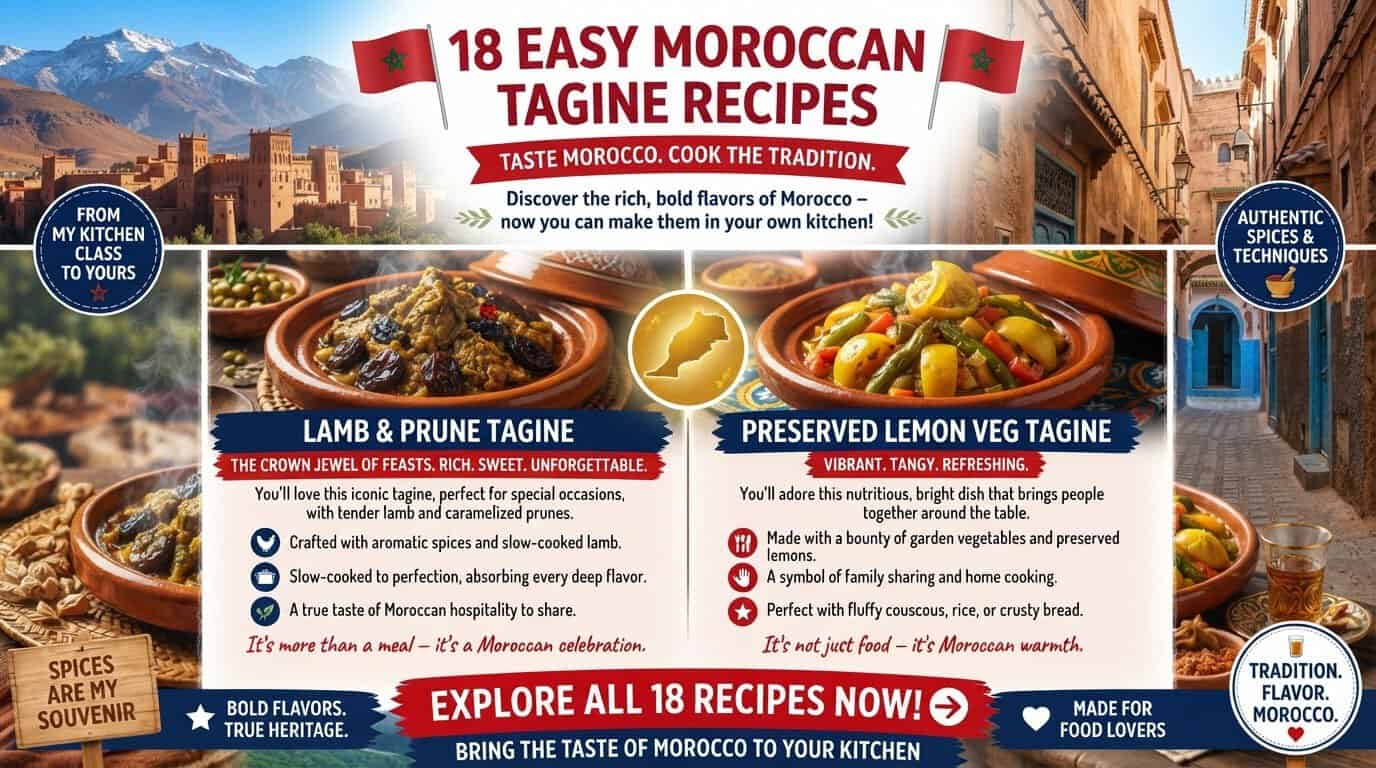
Moroccan Tagine recipes combine slow cooking with vegetables, meats, dried fruits, olives, herbs, and carefully balanced spices. The name “tagine” refers to both the finished dish and the distinctive clay or ceramic pot used to prepare it. Moroccan Tagine recipes can differ greatly depending on the region, season, and ingredients available. Coastal cooks may prepare tagines with fish, while inland and mountain communities often use chicken, lamb, beef, or vegetables.
This Moroccan Tagine recipes collection gives home cooks several ways to explore Morocco’s best-known slow-cooked dishes. Some Moroccan Tagine recipes pair savory meats with prunes, apricots, or dates. Others combine poultry with preserved lemons and olives or place seasonal vegetables in carefully arranged layers. Although Moroccan Tagine recipes look impressive at the table, their preparation often relies on patient cooking rather than complicated techniques. These easy Moroccan Tagine recipes offer an approachable introduction to the cooking methods, ingredients, and regional combinations that have shaped Moroccan home meals for generations.
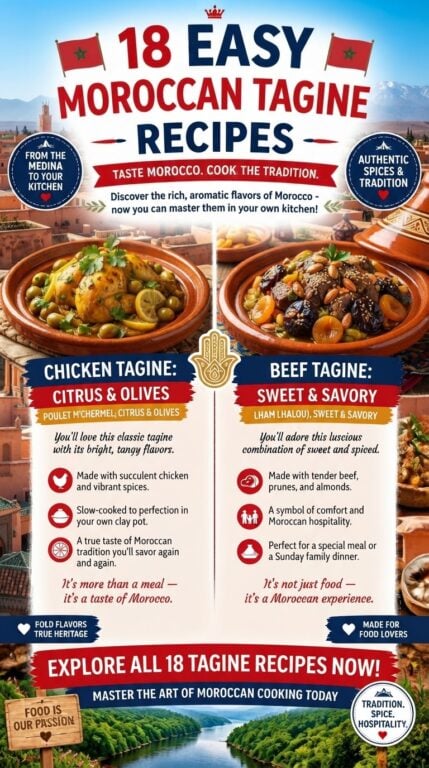
History Behind Moroccan Tagine Recipes
Many people are surprised to learn that the word “tagine” describes both a cooking vessel and the food prepared inside it. Moroccan Tagine recipes take their name from the shallow earthenware base and tall, cone-shaped lid traditionally used across North Africa. The precise origin of the vessel is uncertain, although it is closely associated with the Indigenous Amazigh people of the region. Nomadic communities could use a tagine as a practical portable oven over a low fire.
The shape of the pot helped make early Moroccan Tagine recipes practical in dry environments. As food cooks, moisture rises into the conical lid, cools, and returns to the ingredients below. This continuous circulation allows Moroccan Tagine recipes to cook slowly with relatively little added liquid. Tougher cuts of meat can soften over time, while vegetables, spices, and cooking juices form a concentrated sauce.
Moroccan Tagine recipes also show how cooks adapted their meals to geography. Communities near the Atlantic and Mediterranean coasts had access to fish and seafood. Inland areas used more lamb, poultry, grains, dried fruit, and preserved ingredients. Preserved lemons and olives became especially valuable because they could be stored and used to add sharp, salty notes to Moroccan Tagine recipes throughout the year.
Trade added more layers to Moroccan Tagine recipes. Morocco’s position between the Mediterranean, the Middle East, Europe, and sub-Saharan Africa brought spices and cooking ideas through markets and caravan routes. Cumin, ginger, cinnamon, saffron, coriander, and regional spice blends gradually became closely associated with Moroccan cooking. Marrakech itself remained an important center of the spice trade for centuries.
Today, Moroccan Tagine recipes are prepared in traditional clay vessels, modern ceramic tagines, Dutch ovens, and heavy cooking pots. The equipment may change, but the method remains recognizable. Moroccan Tagine recipes still depend on gentle heat, layered ingredients, trapped moisture, and enough time for the sauce and seasonings to come together.
19 Easy Moroccan Tagine Recipes
1
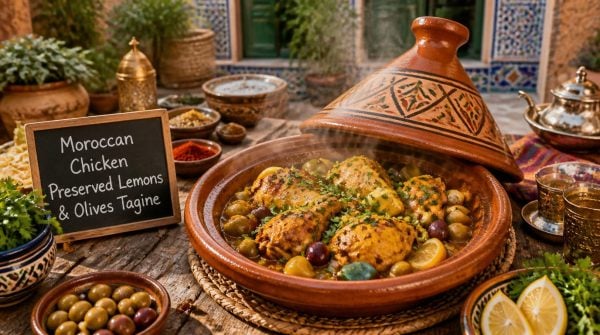
2
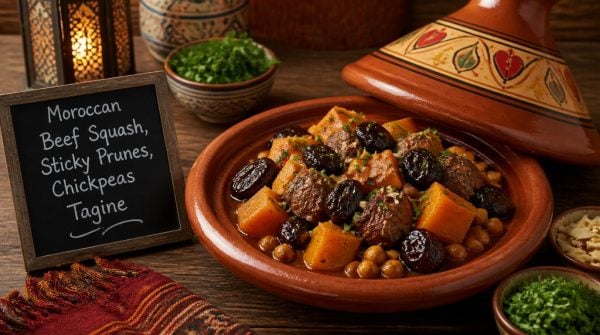
3
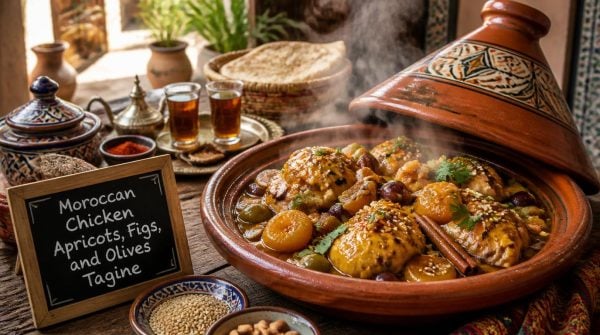
4
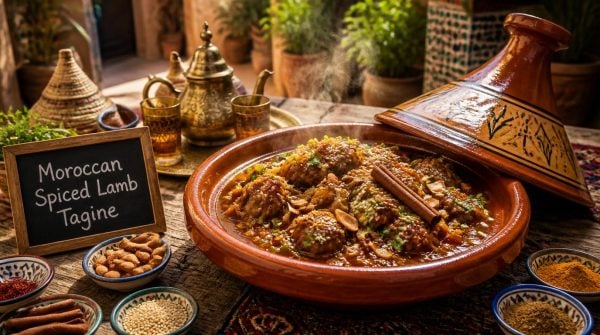
5
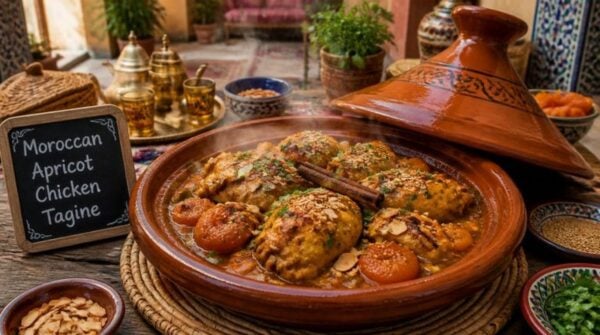
6
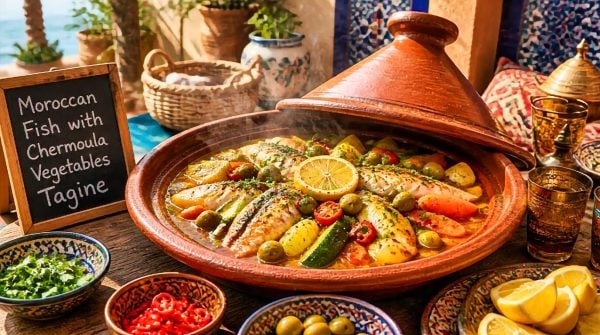
7
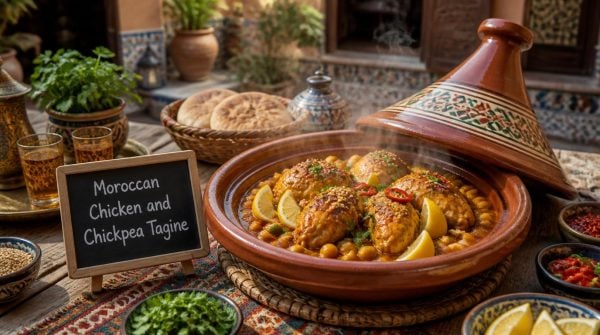
8
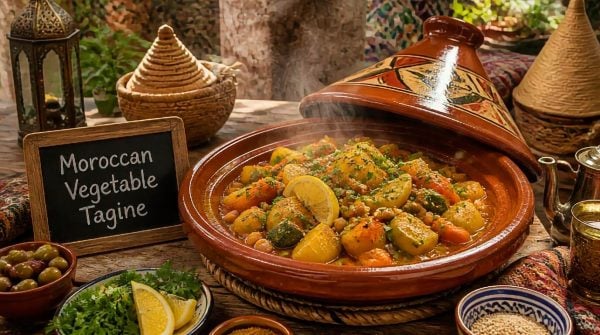
9
10
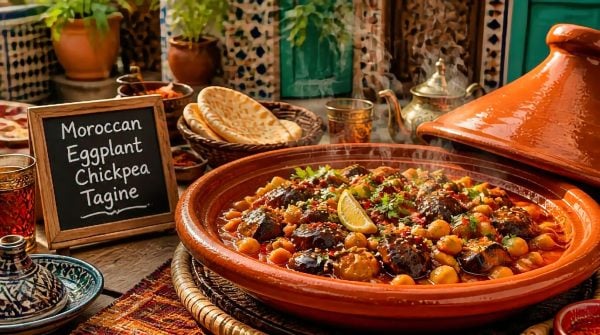
11
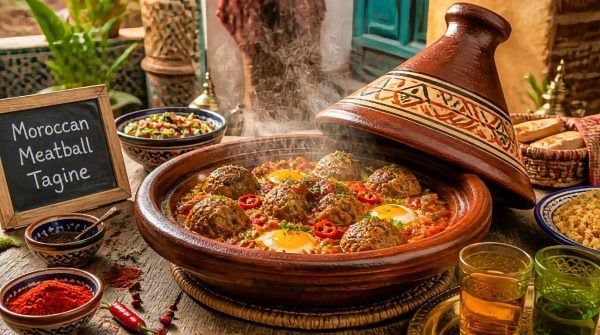
12
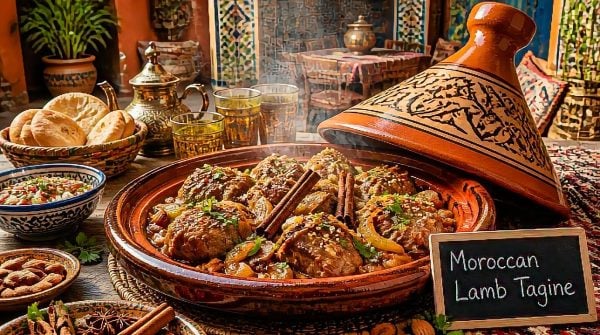
13
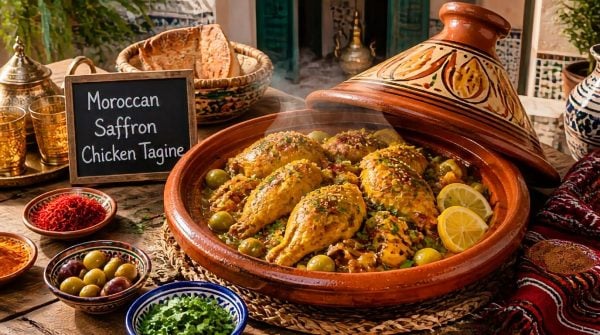
14
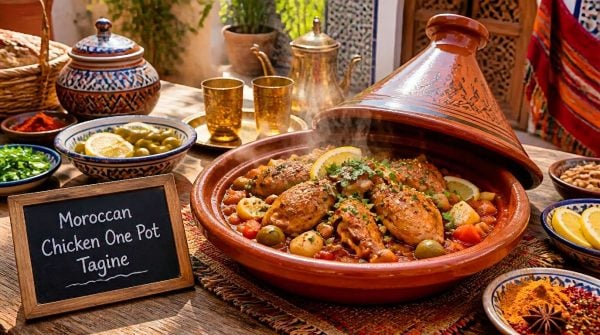
15
16
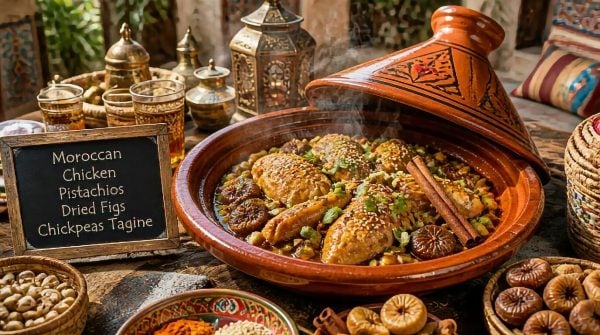
17
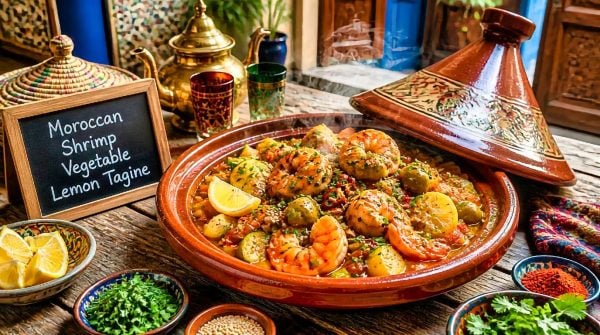
18
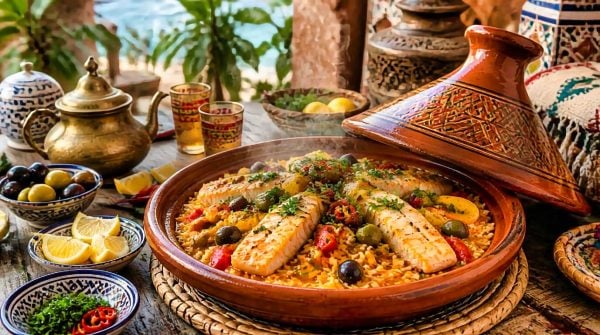
19

Recipes are gathered in person and written for real-world cooking conditions.
- 10 Hungarian Dessert Recipes Passed Down Through Generations - July 25, 2026
- 11 Easy English Recipes Anyone Can Make - July 25, 2026
- Hungarian Kifli Recipe - July 25, 2026