
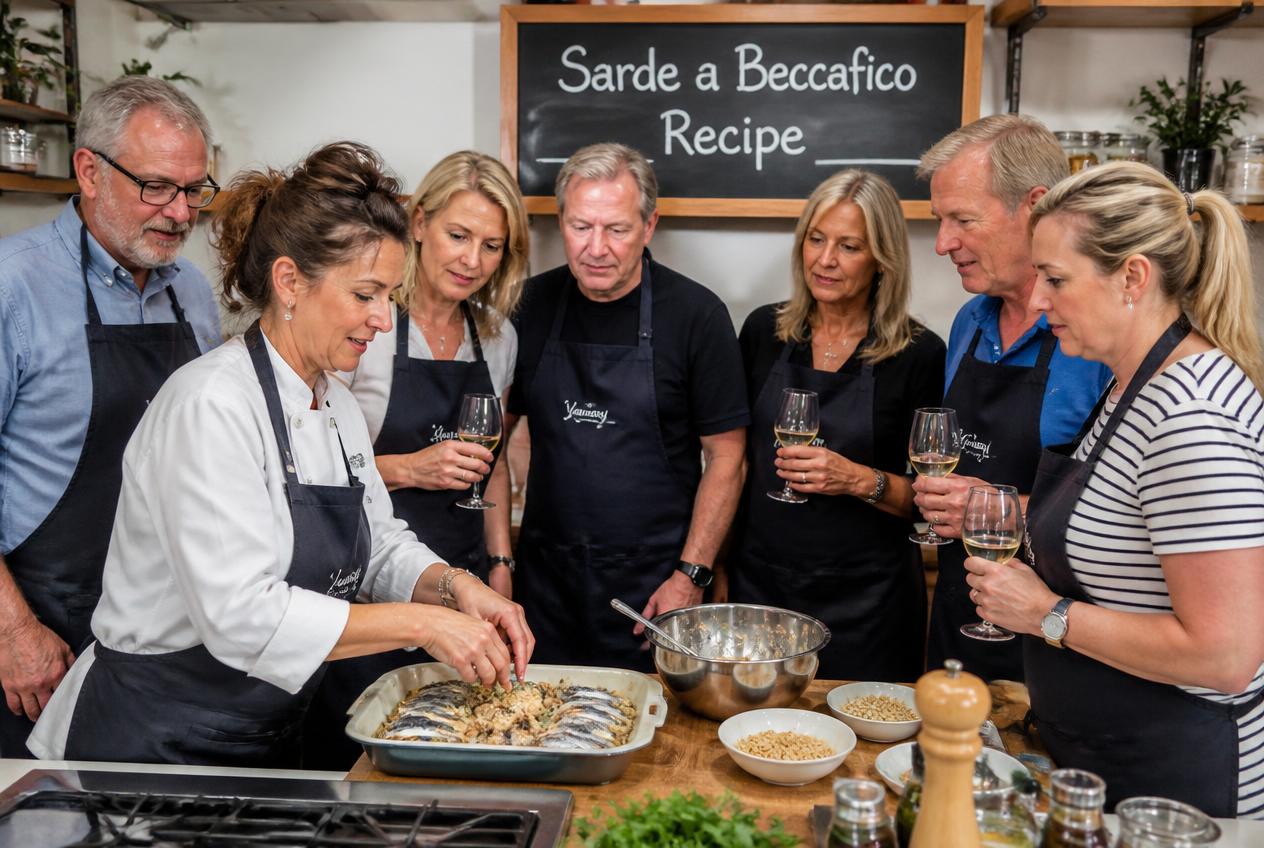
Traditional Sicilian dish Sarde a Beccafico recipe combines sweet and savory flavors to capture the essence of Mediterranean cuisine. The dish features butterflied sardines filled with breadcrumbs, pine nuts, raisins, and herbs, then baked until golden. I’ve prepared the Sarde a Beccafico recipe many times, and it always transports me straight to the coastal kitchens of Palermo.
Sarde a Beccafico gets its name from a small bird called the beccafico, which was once considered a delicacy among Sicilian nobility. The poor communities created this sardine version to imitate the stuffed birds that wealthy families enjoyed, with the rolled sardines resembling the appearance of the cooked birds. This clever adaptation turned an inexpensive fish into an elegant dish that honored both tradition and resourcefulness, and the Sarde a Beccafico recipe became a symbol of Sicilian ingenuity.
I find that this Sicilian stuffed sardine recipe works beautifully as a main course or as part of a larger spread. The combination of textures and flavors makes the Sarde a Beccafico recipe memorable, and the preparation is simpler than it might appear. Once you master the basic technique of butterflying and rolling the sardines, you’ll have a Sarde a Beccafico recipe that impresses guests while staying true to authentic Sicilian cooking methods.
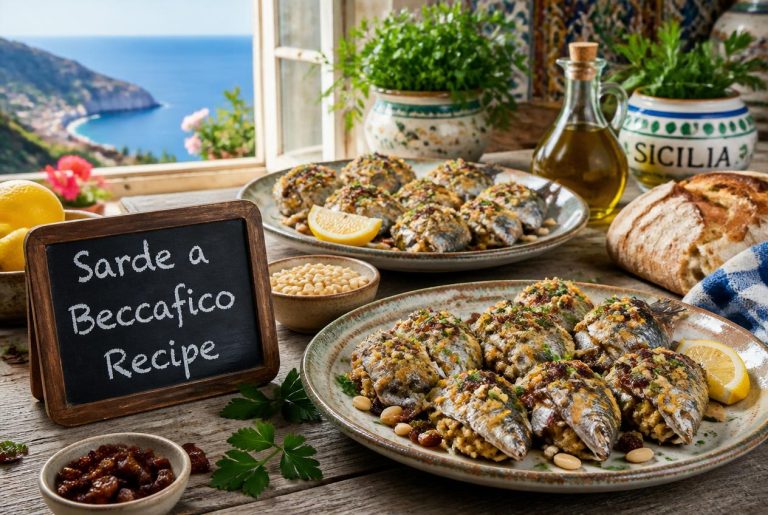
Sarde a Beccafico Recipe
Key Takeaways
- Sarde a Beccafico recipe is a Sicilian dish of stuffed sardines with breadcrumbs, pine nuts, and raisins that balances sweet and savory flavors
- The Sarde a Beccafico recipe originated as an affordable alternative to a nobleman’s dish, making it both elegant and accessible
- Proper butterflying technique and quality ingredients are essential for achieving authentic Sarde a Beccafico recipe results
Cultural Significance and Origins
I find Sarde a Beccafico recipe to be one of the most fascinating dishes in Sicilian cuisine because it tells a story of social class and culinary ingenuity. The name comes from beccafico, small birds that fed on ripe figs and were considered an aristocratic delicacy in 19th-century Sicily. Sarde a Beccafico recipe reflects the heritage of Sicilian people who transformed simple ingredients into a celebrated dish.
Since common people couldn’t afford these prized birds, they created their own version using sardines—a fish they had in abundance. I’ve learned that Sicilian cooks stuffed sardines to mimic the appearance and presentation of the noble dish, with the tails positioned upward to resemble the birds. The Sarde a Beccafico recipe quickly spread throughout Palermo and became a staple in local households.
This transformation represents the resourcefulness of Sicilian peasant food at its finest. The Sarde a Beccafico recipe emerged primarily in Palermo, where it became deeply embedded in local tradition. Sicilians passed down the Sarde a Beccafico recipe through generations, preserving its cultural importance.
Key Historical Elements:
- Noble origins: Wealthy families enjoyed roasted beccafico birds with stuffing
- Creative adaptation: Working-class Sicilians substituted abundant sardines
- Visual mimicry: The rolled presentation copied aristocratic plating
I appreciate how this Sarde a Beccafico recipe has been officially recognized in the list of traditional Italian food products by Italy’s Ministry of Agricultural, Food, and Forestry Policies. The combination of breadcrumbs, pine nuts, raisins, and citrus in the Sarde a Beccafico recipe reflects Sicily’s historical position as a Mediterranean crossroads where Arab, Norman, and Italian influences merged. The Sarde a Beccafico recipe stands as a testament to the island’s unique blend of flavors and cultures.
Expert Preparation Tips
I always start by ensuring my sardines are properly butterflied and deboned for the Sarde a Beccafico recipe. The fish should lie flat with the skin side down, making it easier to add the filling and roll them tightly. Preparing the sardines correctly sets the foundation for a perfect Sarde a Beccafico recipe.
For the stuffing, I toast the breadcrumbs lightly in olive oil until golden. This creates a better texture and prevents the filling from becoming soggy during baking. I also soak the raisins in warm water for about 10 minutes before adding them to the mixture, which plumps them up nicely. These steps ensure the Sarde a Beccafico recipe delivers the right balance of texture and flavor.
When rolling the sardines, I place about a tablespoon of the breadcrumb mixture with pine nuts and raisins near the head end of each fillet. I roll them toward the tail and secure them with a toothpick if needed. This technique is essential for a successful Sarde a Beccafico recipe.
Key preparation techniques:
- Pat the sardines completely dry with paper towels before stuffing
- Season both sides of the fish with salt before adding filling
- Arrange the rolled sardines standing upright in the baking dish
- Alternate each sardine with bay leaves for authentic presentation
- Drizzle generously with olive oil and fresh orange or lemon juice
I maintain an oven temperature of 350°F to 375°F for even cooking in the Sarde a Beccafico recipe. The sardines typically need 20 to 25 minutes until the breadcrumbs are crispy and golden. The Sarde a Beccafico recipe rewards careful attention to timing and temperature.
For authentic Sicilian preparation, I sometimes add chopped anchovies to the stuffing for extra depth. I’ve found that using fresh parsley rather than dried makes a noticeable difference in flavor and elevates the Sarde a Beccafico recipe.
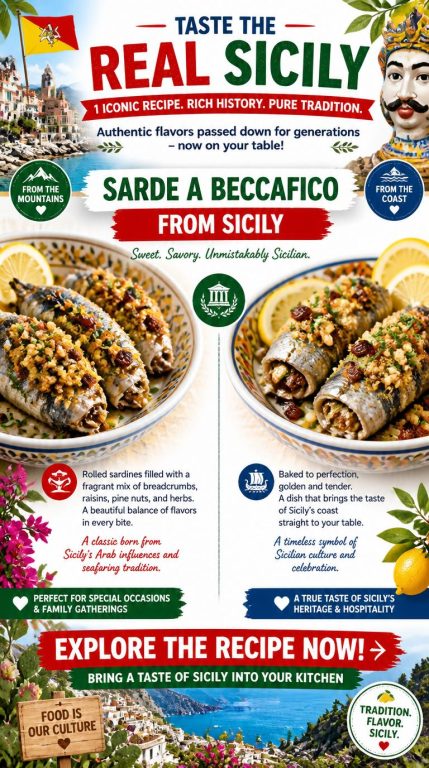
Creative Adaptations
While I respect the traditional Sicilian preparation of Sarde a Beccafico recipe, I’ve found that this dish lends itself well to modern interpretations. The classic combination of breadcrumbs, pine nuts, and raisins creates a foundation that home cooks can build upon. The Sarde a Beccafico recipe remains versatile and inviting for experimentation.
I sometimes substitute pistachios for pine nuts to add a distinctly Sicilian flavor while reducing costs. Dried cranberries or chopped dried apricots can replace raisins for those who prefer less sweetness. For guests who avoid anchovies, I use capers to maintain the salty, umami element in the Sarde a Beccafico recipe.
Modern Twists I’ve Tried:
- Adding fresh orange zest to the breadcrumb mixture
- Incorporating chopped sun-dried tomatoes for depth
- Using panko breadcrumbs for extra crispiness
- Drizzling with lemon-infused olive oil instead of plain olive oil
The two main preparation styles offer flexibility as well. While Palermo-style baking remains my preferred method for the Sarde a Beccafico recipe, I’ve pan-fried smaller sardines for appetizers with excellent results. The Sarde a Beccafico recipe adapts well to different occasions and preferences.
I’ve also adapted the Sarde a Beccafico recipe for different fish when sardines aren’t available. Mackerel works particularly well due to its similar oily texture and robust flavor. Fresh anchovies, though smaller, can be stuffed using the same technique with reduced cooking time, making the Sarde a Beccafico recipe accessible in various regions.
For a lighter Sarde a Beccafico recipe, I reduce the breadcrumbs and increase the fresh herbs, particularly parsley and mint. This creates a filling that’s less dense while maintaining the sweet and savory balance that defines the Sarde a Beccafico recipe.
Complementary Sicilian Dishes
When I serve Sarde a Beccafico recipe, I like to pair it with other traditional Sicilian preparations that enhance the meal without overwhelming the delicate flavors of the stuffed sardines. The Sarde a Beccafico recipe shines when accompanied by complementary dishes.
Caponata makes an excellent accompaniment. This sweet and sour eggplant dish provides a vegetable-based contrast to the rich sardines. I often serve it at room temperature as an antipasto or side dish alongside the Sarde a Beccafico recipe.
For a complete Sicilian seafood experience, I recommend these complementary dishes:
- Pasta con le Sarde – A pasta dish featuring sardines, wild fennel, pine nuts, and raisins
- Insalata di Mare – A refreshing seafood salad with octopus, squid, and shrimp
- Arancini – Fried rice balls that work well as a starter
- Pane Cunzatu – Sicilian seasoned bread with tomatoes, olive oil, and oregano
I find that involtini di pesce spada (swordfish rolls) pair beautifully with Sarde a Beccafico recipe when I want to create a larger seafood spread. Both dishes share similar flavor profiles with breadcrumbs, citrus, and Mediterranean herbs, making the Sarde a Beccafico recipe the centerpiece of the table.
Sicilian side dishes I frequently choose include:
| Dish | Type | Temperature |
|---|---|---|
| Insalata di Arance | Orange salad | Cold |
| Parmigiana di Melanzane | Eggplant bake | Hot |
| Patate al Forno | Roasted potatoes | Hot |
My go-to approach involves selecting one or two complementary items rather than overwhelming the table. The goal is to let the traditional stuffed sardines and the Sarde a Beccafico recipe remain the star of the meal. Creating a balanced spread allows the Sarde a Beccafico recipe to stand out and delight guests.
Comparison With Related Recipes
When I compare sarde a beccafico with other classic Sicilian dishes, I notice distinct similarities in the use of sweet and savory ingredients. This combination appears frequently across Southern Italian recipes, particularly in Sicily’s culinary tradition. The Sarde a Beccafico recipe stands out for its creative use of these flavors.
The stuffing technique in the Sarde a Beccafico recipe shares common ground with involtini, another rolled preparation popular in Mediterranean cuisine. Both involve carefully wrapping ingredients around a flavorful filling. However, sarde a beccafico uses sardines instead of meat, making it more accessible and economical. The Sarde a Beccafico recipe highlights the versatility of sardines in Sicilian cooking.
Key Differences:
| Recipe | Main Protein | Sweet Element | Cooking Method |
|---|---|---|---|
| Sarde a Beccafico | Sardines | Raisins, orange juice | Baked |
| Pasta con le Sarde | Sardines | Raisins, fennel | Boiled/sautéed |
| Involtini di Pesce Spada | Swordfish | Minimal or none | Grilled/baked |
Pasta con le sarde shares the most ingredients with the Sarde a Beccafico recipe. Both incorporate pine nuts, raisins, and sardines, yet pasta con le sarde adds wild fennel and serves everything over bucatini pasta rather than as a standalone fish course. The Sarde a Beccafico recipe focuses on the stuffed fish as the main highlight.
The breadcrumb topping on the Sarde a Beccafico recipe resembles the gratinata technique used throughout Southern Italian recipes. This creates a crispy texture that contrasts with the tender fish beneath. The Sarde a Beccafico recipe uses this method to perfection for a delightful finish.
What sets the Sarde a Beccafico recipe apart from similar Mediterranean recipes is its presentation. The sardines are rolled and arranged upright, creating an elegant visual that reflects its aristocratic inspiration. The Sarde a Beccafico recipe not only tastes delicious but also looks impressive on the table.
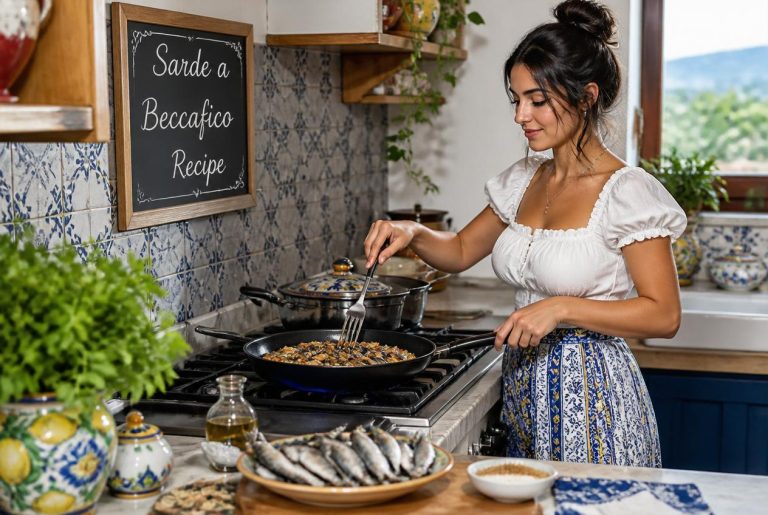
Sarde a Beccafico Recipe Cooking Tips
Sarde a Beccafico Recipe From Sicily Cooking Tips
• Sarde a Beccafico is one of Sicily’s most famous seafood dishes, known for its stuffed sardines, sweet-and-savory filling, and distinctive Mediterranean flavors.
• Fresh sardines are essential and should be cleaned, butterflied, and deboned carefully.
• The traditional filling often includes breadcrumbs, pine nuts, raisins, parsley, garlic, and olive oil.
• Sicilian cuisine frequently combines sweet and savory ingredients, making raisins and pine nuts key elements of the dish.
• Toasting the breadcrumbs lightly before mixing can enhance flavor and texture.
• Fresh parsley adds brightness and balances the richness of the sardines.
• Lemon juice contributes freshness and complements the seafood beautifully.
• High-quality extra-virgin olive oil is an important ingredient throughout the recipe.
• Roll the sardines carefully around the filling to help them hold their shape during cooking.
• Arrange the rolls snugly in the baking dish to prevent them from unrolling.
• Bay leaves are traditionally placed between the sardine rolls for added aroma and presentation.
• A light topping of breadcrumbs helps create a delicate golden crust.
• Bake just until the sardines are cooked through to avoid drying them out.
• Serve warm, room temperature, or slightly chilled according to family tradition.
• The flavor should balance tender sardines, sweet raisins, nutty pine nuts, citrus, herbs, and olive oil.
• Sarde a Beccafico is especially associated with Palermo and western Sicily.
Sarde a Beccafico Recipe Storage Tips
Sarde a Beccafico Recipe From Sicily Storage Tips
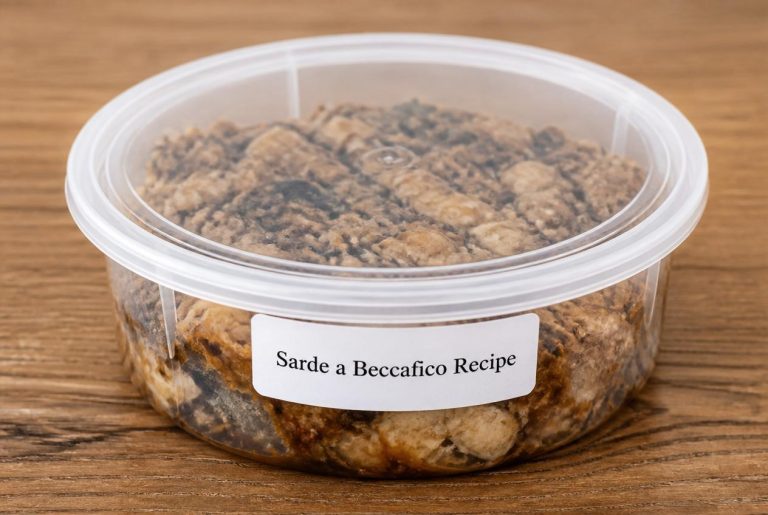
• Allow the sardines to cool before transferring them into storage containers.
• Store refrigerated in airtight containers to preserve freshness.
• Refrigeration often allows the sweet-and-savory flavors to blend even further.
• The dish is frequently enjoyed cold or at room temperature the following day.
• Reheat gently if serving warm to avoid overcooking the fish.
• Keep the sardines covered to help retain moisture.
• Lemon and herb flavors often deepen after overnight refrigeration.
• Freezing is possible, though the texture of the sardines may soften slightly after thawing.
• Wrap portions carefully in airtight freezer-safe containers if freezing.
• Defrost frozen portions gradually in the refrigerator before serving or reheating.
• Use clean utensils when handling leftovers to help maintain freshness.
• Seafood dishes are generally best enjoyed within a shorter refrigerated storage period for ideal quality and safety.
• Keep away from strongly scented foods because fish readily absorbs odors.
• Slight softening of the breadcrumb topping during storage is normal.
• Discard leftovers if the sardines develop sour odors, slime, mold, or unusual discoloration.
Sarde a Beccafico Recipe From Sicily
Ingredients
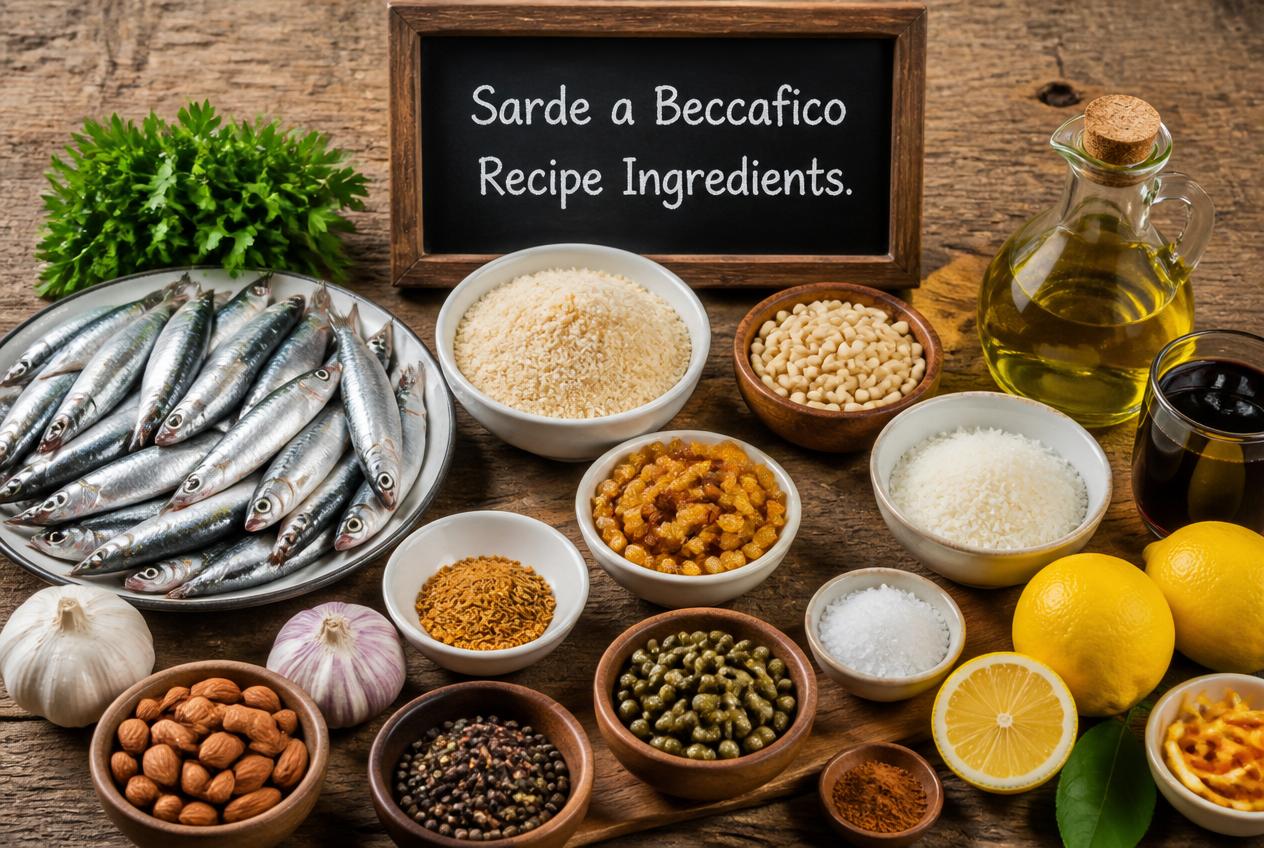
- 1.1 pound sardines
- 5 oz breadcrumbs
- 1 teaspoon sugar
- 2 oz raisins
- 2 oz pine nuts
- 1 bunch parsley
- 2 oranges
- 5 tablespoons extra virgin olive oil
- salt - to taste
- bay leaves
Instructions
- Working with one sardine at a time, place it on a cutting board. Using a sharp knife, carefully slit open the belly and remove the entrails.
- Cut off the head, then gently separate and remove the backbone while keeping the tail attached. Open the fish like a book, taking care not to tear the flesh.
- Rinse the cleaned sardines under cold running water, then pat them completely dry with paper towels. Set aside while preparing the filling.
- Heat 1 tablespoon extra virgin olive oil in a frying pan over medium heat.
- Add the breadcrumbs and a pinch of fine salt. Toast the breadcrumbs, stirring frequently, until they become lightly golden and fragrant. Be careful not to let them burn.
- Transfer the toasted breadcrumbs to a large mixing bowl.
- The filling should hold together when pressed. If it seems too dry, add a little more orange juice until the mixture becomes slightly compact and cohesive.
- Lay each sardine open on your work surface with the skin side down.
- Place a small spoonful of filling near the end where the head was removed.
- Starting from that end, gently roll the sardine toward the tail, leaving the tail exposed. The finished roll should resemble a small spiral with the tail standing upright.
- Repeat until all sardines have been filled and rolled.
- Lightly grease a baking dish or baking sheet with approximately 2 tablespoons extra virgin olive oil.
- Arrange the sardine rolls upright in the baking dish, placing them close together so they maintain their shape during cooking.
- Pour the juice from the remaining ½ orange over the sardines and drizzle lightly with additional olive oil.
- Season with a small pinch of fine salt.
- Tuck fresh bay leaves and very thin orange slices between the rows of sardine rolls.
- These aromatics add fragrance and are characteristic of traditional Sicilian Sarde a Beccafico.
- If you have any leftover filling, sprinkle it over the tops of the sardines. If not, scatter a small amount of additional breadcrumbs over the surface.
- Place the dish in the preheated oven and bake for approximately 20 minutes.
- The sardines should be cooked through, lightly golden on top, and fragrant with citrus, herbs, and toasted breadcrumbs.
- Cool Slightly and Serve
- Remove the dish from the oven and allow it to cool for a few minutes.
- Sarde a Beccafico is traditionally served warm or at room temperature rather than piping hot. Allowing it to rest helps the sweet-and-savory flavors fully develop.
- This classic Sicilian dish combines fresh sardines with a filling of toasted breadcrumbs, raisins, pine nuts, parsley, and orange, creating the signature sweet-and-sour balance that defines much of Sicilian cuisine. The bay leaves and orange slices add aromatic depth, while the exposed tails create the distinctive presentation that makes Sarde a Beccafico one of Sicily's most iconic seafood dishes.
Sarde a Beccafico Recipe Frequently Asked Questions
Understanding the traditional preparation methods and ingredient choices helps ensure success when making the Sarde a Beccafico recipe. The name references a small bird, while the stuffing combines sweet and savory elements that define Sicilian cuisine. The Sarde a Beccafico recipe captures the essence of Sicilian culinary heritage.
What is the meaning of “beccafico” in the context of Sicilian cuisine?
The beccafico refers to a small sparrow-like bird that feeds on sweet ripe figs. Historically, only the nobility hunted these birds, cooking them with stuffing and serving them with beak and tail feathers pointing upward. The Sarde a Beccafico draws inspiration from this tradition.
Common Sicilians created the Sarde a Beccafico recipe to imitate the aristocratic preparation. The rolled sardines resemble the small birds in both appearance and presentation, making this a dish born from culinary resourcefulness. The Sarde a Beccafico showcases Sicilian ingenuity in the kitchen.
How do you prepare and butterfly fresh sardines for stuffing?
I start by removing the head of each sardine and making a cut along the belly. After opening the fish flat, I carefully remove the backbone and internal organs while keeping the fillet intact. This step is crucial for the Sarde a Beccafico recipe.
The goal is to create a flat piece of fish that can be rolled after stuffing. I rinse the butterflied sardines under cold water and pat them completely dry before proceeding with the Sarde a Beccafico Preparing the sardines properly ensures the Sarde a Beccafico recipe turns out perfectly.
What ingredients are traditionally used in the breadcrumb stuffing for Sicilian stuffed sardines?
The traditional stuffing combines breadcrumbs, pine nuts, raisins, and herbs as the foundation. I also include anchovies in my mixture to add depth and umami flavor. This combination makes the Sarde a Beccafico recipe unique and flavorful.
This sweet and savory combination defines many traditional Sicilian recipes. I toast the breadcrumbs lightly and mix in chopped parsley for freshness, creating a filling that balances the rich sardine flavor. The Sarde a Beccafico depends on this balance for its signature taste.
What is the best method for baking stuffed sardines so they stay moist and hold their shape?
I arrange the rolled sardines tightly in a baking dish so they support each other and maintain their shape. Drizzling extra virgin olive oil and orange juice over the top keeps the fish moist during cooking. This method is essential for a successful Sarde a Beccafico.
Baking at a moderate temperature, typically around 350-375°F, prevents the sardines from drying out. I place bay leaves between the rolls and bake for approximately 20-25 minutes until the fish is cooked through and the breadcrumbs turn golden. The Sarde a Beccafico benefits from this careful baking process.
Can canned sardines be used as a substitute for fresh sardines in stuffed sardine dishes?
I don’t recommend using canned sardines for the Sarde a Beccafico recipe because they lack the structural integrity needed for rolling and stuffing. Fresh sardines provide the proper texture and firmness required to hold the breadcrumb filling. The Sarde a Beccafico relies on fresh sardines for authentic results.
Canned sardines are already cooked and would fall apart during preparation. The dish relies on 16-20 fresh sardines to achieve the authentic texture and presentation that defines this Sicilian specialty. For the best Sarde a Beccafico recipe, always choose fresh sardines.
What side dishes or wines pair well with Sicilian-style stuffed sardines?
I serve these sardines with simple sides that don’t compete with the complex sweet and savory flavors of the Sarde a Beccafico A light arugula salad dressed with lemon and olive oil complements the richness of the Sarde a Beccafico recipe. The salad’s peppery freshness works well with the Sarde a Beccafico balancing the bold tastes and providing a refreshing contrast.
For wine, I prefer a crisp Sicilian white such as Grillo or Catarratto, which pairs beautifully with the Sarde a Beccafico These wines have enough acidity to cut through the oily fish, and their citrus notes enhance the orange elements in the Sarde a Beccafico recipe. When you prepare the Sarde a Beccafico serving it with these wines elevates the entire meal and brings out the best in the dish.
The Sarde a Beccafico recipe also goes well with roasted vegetables or a simple tomato salad. These sides allow the Sarde a Beccafico to shine without overwhelming the palate. When planning your menu, consider how each element will support the Sarde a Beccafico for a harmonious dining experience.
Many people find that the Sarde a Beccafico recipe works well for both casual gatherings and special occasions. The Sarde a Beccafico offers a taste of Sicily that guests will remember. Including the Sarde a Beccafico recipe in your meal ensures an authentic and delicious experience every time.

Recipes are gathered in person and written for real-world cooking conditions.
- 10 Hungarian Dessert Recipes Passed Down Through Generations - July 25, 2026
- 11 Easy English Recipes Anyone Can Make - July 25, 2026
- Hungarian Kifli Recipe - July 25, 2026