
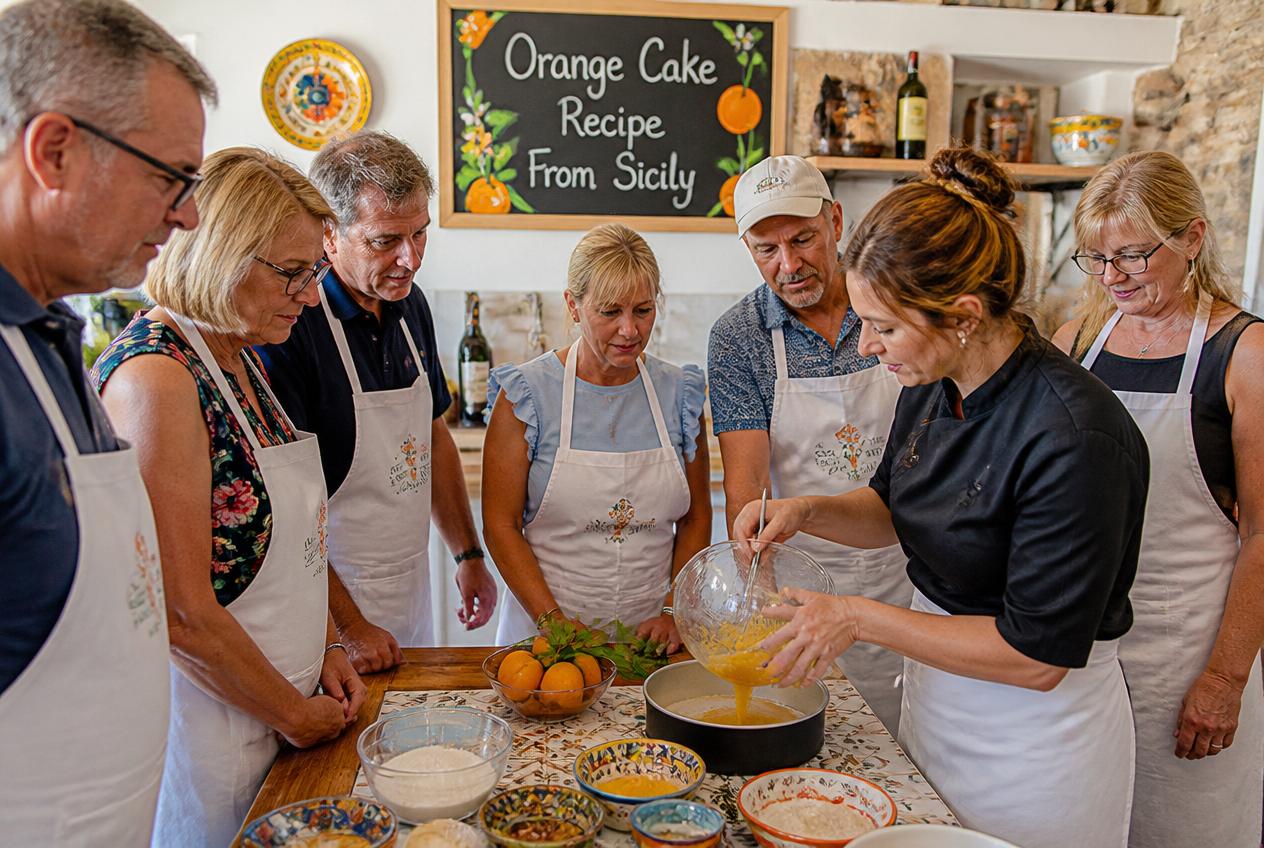
Pan d’Arancio, the traditional Sicilian orange cake recipe, uses an entire orange—peel, seeds, and all—blended into a moist, aromatic dessert that transforms simple pantry ingredients into something remarkable. I discovered this Orange Cake recipe captures the essence of Sicily’s abundant citrus harvests in a way that’s both surprisingly easy and deeply satisfying.
Unlike typical cakes that rely on butter, this authentic Sicilian recipe uses olive oil to create a dense, pudding-like texture that stays tender for days. The method eliminates the need for zesting or juicing because you simply purée the whole orange and fold it into the batter. This Orange Cake recipe not only saves time but also delivers an intense citrus flavor that permeates every bite.
Whether you want to explore Sicilian desserts or need a cake that pairs perfectly with morning coffee, this Italian orange cake offers a taste of Mediterranean tradition. I will guide you through the cultural significance, preparation techniques, and creative variations that make this rustic Orange Cake recipe a favorite across Italy and beyond.

Orange Cake Recipe From Sicily
Key Takeaways
- Sicilian orange cake uses the entire orange to create an intensely flavored, moist dessert with Mediterranean roots
- The cake relies on olive oil instead of butter and maintains its tender texture for several days
- Variations include adding almond flour for enhanced texture and serving with complementary citrus desserts
Cultural Background and Culinary History
Sicily’s citrus orchards have shaped the island’s dessert traditions for centuries. The Sicilian orange cake reflects Sicily’s agrarian heritage, born from a culture that values using every part of an ingredient. This Orange Cake recipe exemplifies resourcefulness and zero-waste cooking.
This cake, known locally as Pan d’Arancio, represents more than just a sweet treat. It embodies the resourcefulness of Sicilian cuisine, where nothing goes to waste. The Orange Cake recipe truly honors that tradition.
The traditional foods from Sicily often showcase the island’s abundant citrus harvests. Orange groves thrive in Sicily’s Mediterranean climate, making oranges a cornerstone ingredient in both savory and sweet dishes.
Key characteristics of this traditional dessert:
- Uses the entire orange, including peel and pulp
- Originated in Southern Italy’s citrus-growing regions
- Reflects zero-waste cooking philosophy
- Tastes best during fall and winter when oranges are in season
This Italian dessert has its roots in Sicilian tradition, connecting modern bakers to generations of island cooks. The method of pureeing whole oranges distinguishes this Orange Cake recipe from other citrus cakes.
This cake captures Sicily’s culinary prowess through its innovative preparation. Sicily’s sun-drenched soil produces exceptional blood oranges and sweet oranges that give the Orange Cake recipe its distinctive flavor profile.
The dessert remains popular year-round, though its connection to winter citrus harvests links it to seasonal eating patterns. Traditional Sicilian cuisine values fresh, local ingredients, and this Orange Cake recipe exemplifies that principle perfectly.
Expert Preparation Tips
When I make Sicilian orange cake, I always start by selecting the right oranges. I choose organic oranges whenever possible since the entire fruit goes into the batter, including the peel. The Orange Cake recipe benefits from the freshest produce.
Before blending, I wash the oranges thoroughly under warm running water and scrub the skin gently to remove any waxy coating or residue. Every part of the orange contributes to the final flavor in this Orange Cake recipe.
Key Temperature Considerations:
- I bring eggs to room temperature before mixing
- I preheat my oven to the exact temperature specified
- I let the blended orange mixture rest for 5 minutes before combining with other ingredients
When preparing my pan, I grease it well and line the bottom with parchment paper. This prevents sticking and ensures the whole orange cake releases cleanly. The Orange Cake recipe always benefits from careful pan preparation.
I remove all seeds from the orange chunks before blending. Seeds can add bitterness and create an unpleasant texture in the finished cake.
For the smoothest batter, I blend the orange pieces until completely pureed. I check that no large chunks of peel remain, as these can create uneven spots in the cake texture for this Orange Cake recipe.
Mixing Tips I Follow:
- I fold dry ingredients gently to avoid overmixing
- I scrape down the bowl sides frequently
- I pour batter into the center of the pan and tap it gently to release air bubbles
I test doneness with a toothpick inserted into the center. When it comes out clean or with just a few moist crumbs, my traditional Sicilian dessert is ready. The Orange Cake recipe delivers a perfectly moist crumb every time.
Creative Adaptations
I’ve discovered that this traditional Sicilian cake lends itself beautifully to creative variations. The base Orange Cake recipe accommodates different flavors and ingredients while maintaining its signature moist texture.
Flour Substitutions
I often swap in almond flour for half the all-purpose flour to create a denser, nuttier crumb. For gluten-free versions, I use a 1:1 gluten-free flour blend with excellent results. Ground pistachios can replace up to one-third of the flour for a distinctly Sicilian twist in the Orange Cake recipe.
Flavor Variations
Adding spices transforms the cake’s character entirely. I incorporate:
- 1 teaspoon of cardamom for a Middle Eastern touch
- ½ teaspoon of vanilla extract to enhance sweetness
- 2 tablespoons of Grand Marnier or Cointreau for adult gatherings
- Fresh rosemary sprigs for an herbaceous note
Alternative Citrus Options
While oranges are traditional, I’ve experimented with other citrus fruits. Blood oranges create a stunning pink hue and slightly berry-like flavor. Meyer lemons produce a sweeter, less acidic cake. I sometimes combine one orange with one lemon for a balanced citrus profile in the Orange Cake recipe.
Topping Ideas
Beyond candied orange slices, I enjoy topping the cake with different finishes. A simple orange glaze made from powdered sugar and fresh juice adds sweetness. Whipped mascarpone cream provides richness. A dusting of powdered sugar keeps things minimal yet elegant in the Orange Cake recipe.
I sometimes fold chocolate chips or dried cranberries into the batter for added texture and flavor contrast.

Complementary Dishes
When I serve Pan d’Arancio, I pair it with beverages and light accompaniments that enhance its citrus profile. The dense, moist texture works well alongside strong espresso or cappuccino for breakfast or an afternoon break. This Orange Cake recipe truly shines with the right pairing.
I recommend serving this Sicilian cake with these complementary items:
- Whipped cream or mascarpone – The richness balances the bright orange flavor
- Fresh berries – Strawberries or raspberries add tartness
- Vanilla gelato – Creates a delightful temperature contrast
- Candied orange peel – Amplifies the citrus notes
- Toasted almonds – Adds textural variety
For a traditional Sicilian experience, I often pair the Orange Cake recipe with a glass of sweet Marsala wine or limoncello. These liqueurs complement the orange without overpowering it.
This Italian dessert also works well as part of a larger dessert spread. It sits nicely alongside biscotti, cannoli, or panna cotta at gatherings. The Orange Cake recipe’s simplicity allows it to shine without competing with more elaborate desserts.
During warmer months, I serve thin slices with mint tea or sparkling water infused with citrus. The refreshing combination highlights the Orange Cake recipe’s natural moisture and aromatic qualities. In winter, I prefer pairing it with hot chocolate or spiced tea.
I avoid serving heavy cream-based desserts alongside this cake since its olive oil base already provides richness. Instead, I focus on light, complementary flavors that enhance rather than mask the whole orange flavor profile in this Orange Cake recipe.
Related Mediterranean Cakes
Southern Italy offers numerous citrus-based cakes similar to the Sicilian Orange Cake recipe. The traditional Sicilian dessert tradition extends throughout the Mediterranean region with variations using local ingredients.
Popular Mediterranean Citrus Cakes:
- Lemon Polenta Cake – A rustic cake from Northern Italy that combines cornmeal with fresh lemon zest
- Torta Caprese – A flourless chocolate and almond cake from the Amalfi Coast
- Greek Revani – A semolina cake soaked in orange or lemon syrup
- Spanish Almond Cake – A moist cake featuring ground almonds and citrus
- Maltese Honey Rings – Orange-scented pastries glazed with honey
Regional Italian recipes often incorporate local citrus fruits, olive oil, and nuts. These ingredients create moist, flavorful cakes that stay fresh for several days. The Orange Cake recipe shares these qualities.
Southern Italian recipes typically feature almonds prominently. Many traditional Mediterranean cooking methods involve blending whole fruits into batters, similar to the pan d’arancio technique. This approach maximizes flavor while reducing waste in the Orange Cake recipe.
The recipes from Southern Italy often use olive oil instead of butter, which contributes to the distinctive texture and extended shelf life. Mediterranean recipes embrace simplicity, allowing the natural ingredients to shine without excessive decoration or complex techniques, just like the Orange Cake recipe.
These cakes pair beautifully with espresso or sweet wine. They’re perfect for afternoon gatherings or as a light dessert after Mediterranean meals featuring fresh seafood and vegetables.

Orange Cake Recipe From Sicily Cooking Tips
Orange Cake Recipe From Sicily Cooking Tips
• Sicilian Orange Cake is known for its moist texture, bright citrus flavor, and simple rustic elegance.
• Sicily is famous for its oranges, making citrus desserts a cherished part of the region’s culinary tradition.
• Fresh oranges provide the best flavor, aroma, and natural sweetness.
• Many traditional recipes use both the orange juice and zest to maximize citrus flavor.
• Some authentic Sicilian versions use whole oranges, including the peel, for a deeper and more complex taste.
• Choose fragrant, ripe oranges with thin skins for the best results.
• Room-temperature eggs help create a lighter, more evenly mixed batter.
• Olive oil is often used instead of butter, adding moisture and a subtle Mediterranean character.
• Avoid overmixing the batter to keep the cake tender.
• A springform pan is commonly used for easy removal after baking.
• Bake until the cake is golden and a tester inserted into the center comes out clean.
• Allow the cake to cool before glazing or dusting with powdered sugar.
• A simple orange glaze can intensify the citrus flavor.
• Candied orange slices make an attractive traditional garnish.
• The flavor should balance sweet orange, fragrant zest, tender crumb, and subtle richness.
• Sicilian Orange Cake is often enjoyed with coffee, tea, or as a light dessert after meals.
Orange Cake Recipe From Sicily Storage Tips
Orange Cake Recipe From Sicily Storage Tips
• Allow the cake to cool completely before storing.
• Store in an airtight container to help maintain moisture and freshness.
• Room-temperature storage works well for short-term enjoyment.
• Refrigeration may extend freshness but can slightly firm the texture.
• Bring refrigerated cake to room temperature before serving for the best flavor.
• Citrus flavors often deepen after a day of storage.
• If glazed, allow the glaze to set completely before covering the cake.
• Freeze whole cakes or individual slices in airtight freezer-safe wrapping if desired.
• Wrap slices individually for convenient serving after freezing.
• Defrost frozen cake at room temperature while wrapped.
• Dust with fresh powdered sugar after thawing if desired.
• Use clean dry utensils when serving to help maintain freshness.
• Citrus cakes are generally best enjoyed within a moderate storage period for ideal texture and flavor.
• Keep away from strongly scented foods because cakes readily absorb odors.
• Discard leftovers if the cake develops mold, sour odors, or unusual texture changes.
Orange Cake Recipe From Sicily
Ingredients
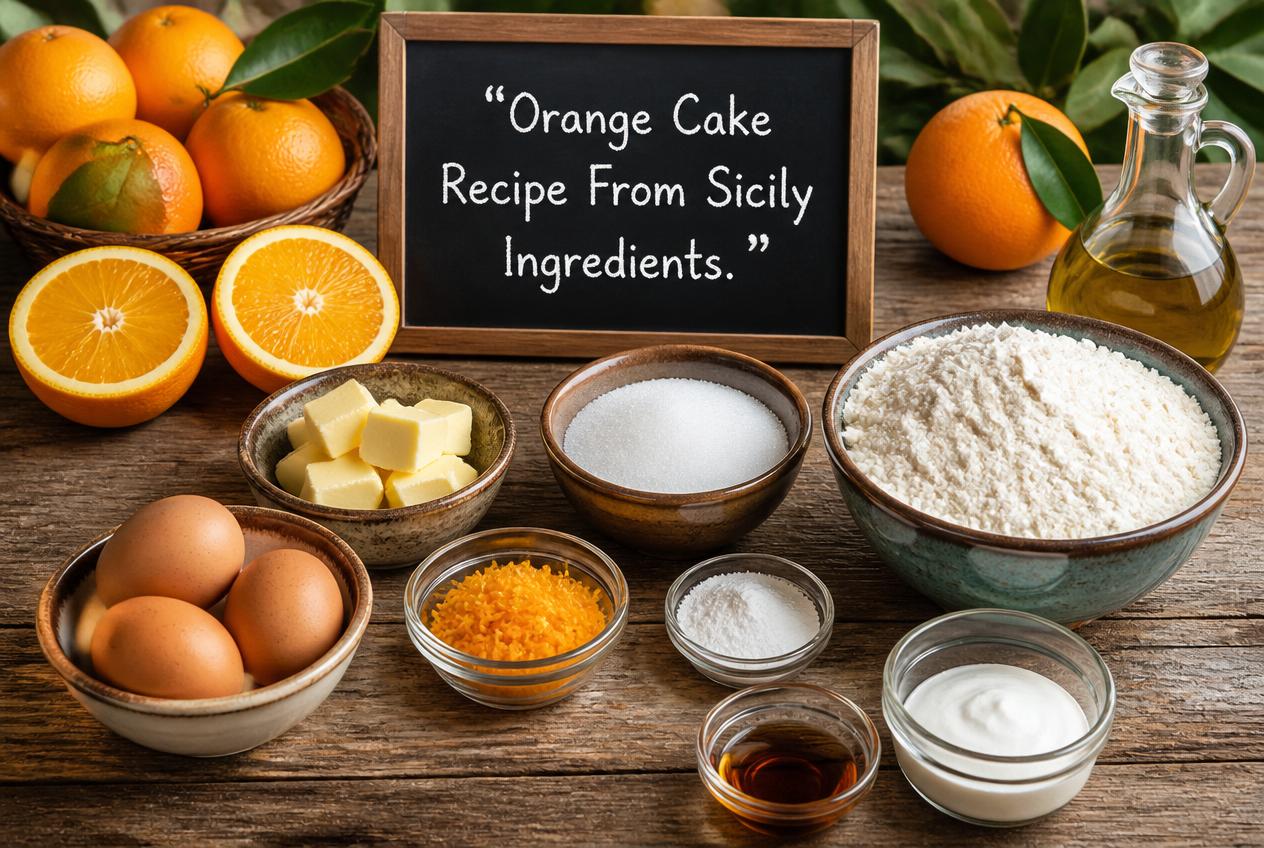
- 1 ⅛ cups sugar
- 2 cups all purpose flour
- 2 ½ tsp baking powder OR 1 packet Italian Pane Degli Angeli vanilla baking powder
- ⅓ cup butter salted softened
- ⅓ cup Greek yogurt plain yes, sour cream works, too
- 1 orange approximately 1 large fresh sweet, organic: washed and cut into pieces (keep the rind, but remove the seeds)
- 1 tsp vanilla extract ONLY USE IF USING PLAIN BAKING POWDER
- 2 oz orange juice freshly squeezed juice of one large organic orange
- 2 Tbsp sugar
Instructions
- Begin by preheating your oven to 350°F (175°C). Proper preheating ensures the cake bakes evenly and rises correctly from the moment it enters the oven.
- Prepare an 8-inch springform pan by lightly greasing the bottom and sides. Line the bottom with a circle of parchment paper, then grease the parchment as well. If you prefer especially neat sides on the finished cake, you can also line the sides of the pan with parchment, although this step is optional.
- Once the pan is prepared, set it aside while you make the batter.
- Place the sugar and eggs into a large mixing bowl. Using an electric mixer, beat the mixture until it becomes pale, thick, and fluffy. This step incorporates air into the batter, helping to create a lighter texture despite the richness of the whole orange.
- In a separate bowl, sift together the flour and baking powder. If using Paneangeli baking powder, sift it together with the flour as well. Gradually add the dry ingredients to the egg mixture, alternating with the softened butter. Continue mixing until everything is fully incorporated and no streaks of flour remain.
- Once the flour and butter have been combined, stir in the yogurt. The yogurt adds moisture and tenderness to the cake while complementing the bright citrus flavor of the orange.
- Mix just until the batter is smooth and evenly blended.
- Wash the orange thoroughly, as the entire fruit will be used, including the peel.
- Cut the orange into pieces, removing any seeds if necessary. Place the pieces into a food processor and process until the orange is almost completely pureed. The mixture should be smooth but may still retain a little texture from the peel.
- Using the entire orange is what gives this cake its distinctive flavor and moist texture. The peel contributes a wonderful citrus aroma and slight bitterness that balances the sweetness of the cake.
- Add the processed orange to the batter. If you used plain baking powder rather than Paneangeli, add the vanilla at this stage as well.
- Stir gently until the orange is evenly distributed throughout the mixture.
- Pour the batter into the prepared springform pan and smooth the top with a spatula.
- Place the pan in the preheated oven and bake for approximately 50 to 60 minutes. Baking times can vary slightly depending on your oven, so begin checking for doneness near the end of the baking time.
- To test the cake, insert a cake tester, skewer, or toothpick into the center. If it comes out clean or with only a few moist crumbs attached, the cake is ready.
- Once baked, remove the cake from the oven and place it on a wire rack. Allow it to cool in the pan for about 15 minutes before carefully removing the sides of the springform pan.
- Leave the cake on the rack while you prepare the glaze.
- While the cake is cooling, prepare the glaze.
- Combine the orange juice and sugar in a small saucepan and place over medium heat. Stir until the sugar has completely dissolved.
- Bring the mixture to a gentle simmer and cook for several minutes, allowing it to reduce slightly. As it cooks, the glaze will begin to thicken and develop a light syrupy consistency.
- The finished glaze should be pourable but thick enough to lightly coat the back of a spoon.
- Remove the saucepan from the heat and allow the glaze to cool slightly before using.
- While the cake is still slightly warm, spoon and brush the orange glaze generously over the top surface.
- Work slowly, allowing the glaze to soak into the cake while also creating a glossy finish on top. The glaze enhances the fresh orange flavor and helps keep the cake wonderfully moist.
- Continue brushing until all of the glaze has been used.
- Allow the cake to cool completely before slicing. As it cools, the glaze will set and the flavors will continue to develop.
- Once completely cooled, transfer the cake to a serving platter and slice into wedges.
- This whole orange cake is wonderfully moist, fragrant, and intensely citrusy thanks to the use of the entire fruit. The combination of fresh orange, yogurt, and the sweet orange glaze creates a cake that is both rustic and elegant, making it equally suitable for afternoon coffee, dessert, or a special occasion.
- Serve on its own, with a dusting of powdered sugar, or alongside whipped cream for an extra treat. Each bite delivers bright orange flavor balanced by a tender crumb and a delicate citrus glaze that makes this cake truly memorable.
Orange Cake Recipe From Sicily Frequently Asked Questions
Traditional Sicilian orange cake requires specific ingredients and techniques to achieve its characteristic moist texture and bright citrus flavor. The Orange Cake relies on preparing the oranges and selecting the right flour to impact the final result.
What are the essential ingredients for a traditional Sicilian orange cake?
I use whole oranges, eggs, sugar, flour, and a leavening agent as the foundation for authentic Sicilian orange cake. The eggs provide structure and richness while binding the ingredients together in the Orange Cake recipe.
Some recipes incorporate almond flour alongside all-purpose flour to enhance texture and add a subtle nutty flavor. Butter or oil keeps the cake moist, though oil tends to produce a more tender crumb. Using quality fresh oranges makes the most noticeable difference in the Orange Cake recipe.
Should the oranges be peeled, zested, or used whole when making an orange cake?
I use the entire orange—peel, pulp, and juice—which distinguishes this Orange Cake from other citrus desserts. I boil the whole orange until soft, then purée it completely before mixing it into the batter for the Orange Cake recipe. The Orange Cake recipe benefits from the natural oils and deep flavor in the peel, which infuses the cake with a rich citrus taste.
This method for the Orange Cake recipe eliminates the need for zesting or juicing. I boil the oranges for about an hour until they’re completely tender and easy to blend for the Orange Cake. The result is an Orange Cake recipe with a fragrant, flavorful crumb that stands out from other cakes.
How can I achieve a moist crumb without making the cake dense or gummy?
I ensure the boiled oranges are completely cooled before puréeing them for the Orange Cake recipe to prevent the eggs from cooking when mixed. Balancing the ratio of wet to dry ingredients is crucial for the Orange Cake recipe because too much orange purée can create a gummy texture. I fold the dry ingredients gently into the wet mixture just until combined, which helps the Orange Cake stay light and moist.
Baking at the correct temperature, typically around 350°F, allows the Orange Cake recipe to set properly without drying out. I test for doneness with a toothpick inserted in the center, which should come out with a few moist crumbs for the perfect Orange Cake recipe. Allowing the Orange Cake recipe to cool completely in the pan helps it firm up to the right consistency.
What type of flour and leavening agent works best for an authentic Sicilian-style orange cake?
I use all-purpose flour as the base for the Orange Cake, though combining all-purpose flour with almond flour creates excellent texture and authentic flavor. Self-raising flour works well if I want to simplify the Orange Cake recipe since it already contains leavening agents. Baking powder serves as the primary leavening agent when using plain flour in the Orange Cake recipe, and I typically use 1 to 2 teaspoons per cup of flour, depending on the desired rise.
Some bakers add a small amount of baking soda when using significant citrus to neutralize acidity in the Orange Cake recipe. The almond flour addition keeps the Orange Cake recipe tender and adds moisture without making it heavy. This combination creates an Orange Cake recipe with a delicate crumb and balanced flavor.
How do I adapt the recipe for a simple, beginner-friendly method without compromising flavor?
I simplify the Orange Cake recipe by using a food processor or blender to purée the boiled oranges completely smooth. This easy Sicilian dessert comes together in one bowl after the oranges are prepared for the Orange Cake recipe. I recommend weighing ingredients rather than using volume measurements for more consistent Orange Cake recipe results.
Starting with room temperature eggs helps them incorporate more easily into the Orange Cake recipe batter. If I’m short on time, I use a pressure cooker to soften the oranges in about 15 minutes instead of boiling them for an hour for the Orange Cake recipe. Using a standard round cake pan eliminates the need for specialty equipment, and I line the bottom with parchment paper and grease the sides well to ensure easy removal of the Orange Cake recipe.
What are the best serving suggestions and finishing touches (glaze, syrup, or powdered sugar) for an orange cake?
I serve the Orange Cake recipe plain with a simple dusting of powdered sugar, which allows the orange flavor to shine through. A light orange glaze made from powdered sugar and fresh orange juice adds extra sweetness and visual appeal to the Orange Cake recipe. The Orange Cake recipe becomes even more delicious when you drizzle the glaze generously over the top.
Some people brush the warm Orange Cake recipe with an orange syrup made from equal parts sugar and orange juice. This technique keeps the Orange Cake recipe incredibly moist and intensifies the citrus flavor. The Orange Cake recipe pairs perfectly with whipped cream or mascarpone on the side, adding a creamy element to each slice.
You can enjoy the Orange Cake at room temperature or slightly warm. I store the Orange Cake recipe covered at room temperature for up to three days. The Orange Cake recipe remains fresh and flavorful, making it ideal for gatherings or family treats. The Orange Cake also works well as a dessert centerpiece, and you can easily add a sprinkle of powdered sugar before serving. For an extra special touch, try serving the Orange Cake recipe with a scoop of vanilla ice cream. The Orange Cake is versatile, making it a favorite for many occasions.

Recipes are gathered in person and written for real-world cooking conditions.
- 10 Hungarian Dessert Recipes Passed Down Through Generations - July 25, 2026
- 11 Easy English Recipes Anyone Can Make - July 25, 2026
- Hungarian Kifli Recipe - July 25, 2026