
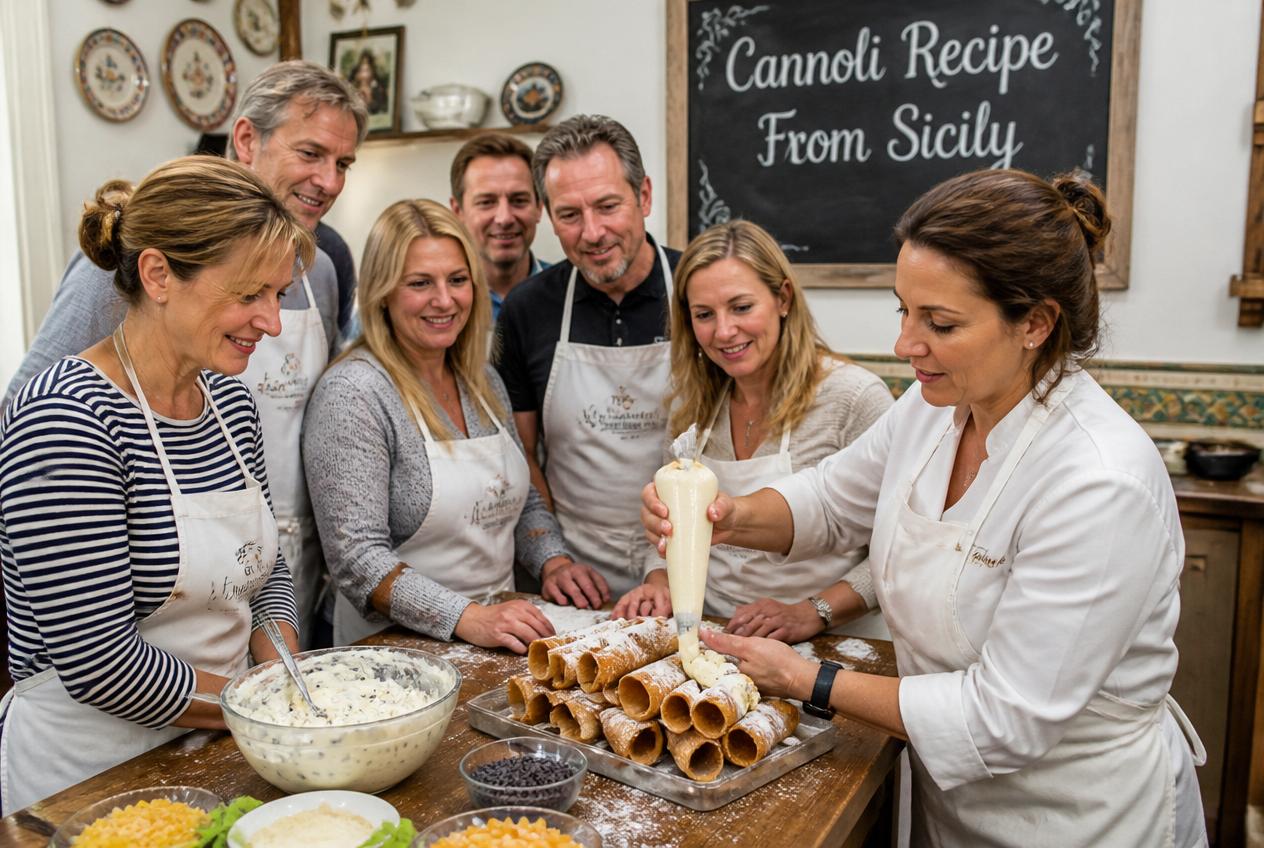
Cannoli recipes from Sicily represent one of Italy’s most celebrated pastries, and I’m excited to share how you can master this iconic dessert in your own kitchen. A traditional Sicilian cannoli consists of crispy fried pastry shells filled with sweetened ricotta cream, often enhanced with chocolate chips, candied fruit, or pistachios. The name comes from “canna,” meaning reed, as the original shells were wrapped around small reed tubes before frying. This Cannoli recipe stands out as a symbol of Sicilian tradition and culinary art.
I’ve discovered that making authentic Cannoli recipe at home is more accessible than most people think. While the process involves creating both the golden shells and the creamy ricotta filling, the techniques are straightforward once you understand the fundamentals. The key lies in achieving that perfect contrast between the crunchy exterior and the smooth, sweet interior that makes Sicilian cannoli so irresistible.
Whether you’re preparing these traditional Sicilian sweets for a special occasion or simply want to bring a taste of Sicily to your table, this guide will walk you through every step. I’ll cover everything from selecting the right ingredients to achieving the ideal texture and exploring creative variations that honor the dessert’s rich heritage. This Cannoli recipe brings Sicilian flavor directly to your home kitchen.
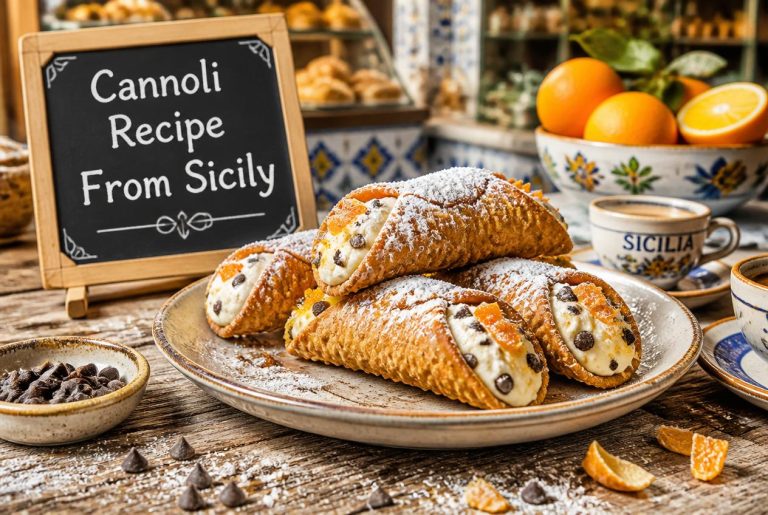
Cannoli Recipe From Sicily
Key Takeaways
- Authentic Sicilian cannoli combine crispy fried shells with sweetened ricotta cream for a perfect textural contrast
- The dessert originated in Palermo and can be customized with chocolate chips, pistachios, or candied fruit toppings
- Making cannoli at home requires attention to both shell preparation and filling techniques but delivers bakery-quality results
Background and Historical Context
Cannoli originated in Sicily and have become one of the most recognizable elements of Sicilian cuisine worldwide. The dessert’s development spans centuries, with roots in Arab-influenced medieval kitchens rather than a single inventor. The Cannoli recipe has evolved while maintaining its authentic essence.
The Arab occupation of Sicily from the 9th to the 11th century introduced key ingredients that transformed traditional Sicilian recipes. Sugar cane, citrus fruits, and nuts arrived during this period and became fundamental components of authentic Sicilian food, including cannoli. These influences remain central to any Cannoli recipe today.
I find it fascinating that cannoli evolved from a carnival treat into a year-round staple in Italian recipes from Sicily. The dessert initially appeared during specific celebrations but gained such popularity that it became part of everyday Sicilian family recipes. This Cannoli recipe now features in celebrations and daily life alike.
Key Traditional Elements:
- Shell (scorza): Fried pastry tube, traditionally prepared in lard for maximum crunchiness
- Filling: Fresh ricotta cheese as the base
- Additions: Chocolate chips, candied fruit, or pistachios
Cannoli are woven into Sicily’s cultural fabric, representing home and family for Sicilians. These old-fashioned Sicilian recipes have maintained their authenticity while spreading globally. Every Cannoli recipe carries a sense of Sicilian identity.
The pastry represents more than just traditional foods from Sicily—it embodies centuries of cultural exchange and culinary innovation. While you might encounter cannoli as Sicilian street food today, the history behind this iconic dessert reveals a complex evolution of techniques and ingredients passed down through generations. The Cannoli recipe remains a testament to this rich history.
Expert Preparation Tips
When I make authentic Sicilian cannoli, I focus on temperature control for success. I rest the dough in the refrigerator for at least one hour before rolling, which allows the gluten to relax and makes it easier to achieve paper-thin shells. This step is essential for any Cannoli recipe.
I always fry my cannoli shells at a consistent temperature between 170-180°C (338-356°F). If the oil is too cool, the shells absorb excess grease and become soggy. If it’s too hot, they brown before becoming properly crisp.
Key Techniques I Follow:
- Roll the dough as thin as possible without tearing it
- Seal the edges with egg white to prevent shells from opening during frying
- Remove shells from cylinders while still warm to avoid sticking
- Never fill shells more than 30 minutes before serving
I prepare my ricotta filling by draining excess liquid from the cheese overnight in cheesecloth. This step prevents soggy shells and ensures a thick, creamy texture. I mix the ricotta gently to avoid breaking down its structure, a tip that elevates any Cannoli recipe.
For homemade Sicilian recipes, I use Marsala wine in the dough rather than white wine. The Marsala creates distinctive bubbles in the shell during frying, resulting in that characteristic crispy texture. Every Cannoli recipe benefits from this traditional touch.
I always wait until just before serving to pipe the filling into the shells. Pre-filled cannoli lose their crunch within hours as moisture from the ricotta softens the pastry. My guests deserve that perfect contrast between crispy shell and smooth filling. This Cannoli recipe ensures the ideal texture every time.
Creative Variations
While traditional Sicilian cannoli remain timeless, I’ve discovered that experimenting with creative twists can bring new life to this classic dessert. The beauty of any Cannoli recipe lies in its versatility and adaptability.
I recommend starting with flavor variations in the ricotta filling. Adding lemon zest creates a bright, citrusy note that cuts through the richness. Chocolate chips remain the most popular mix-in, but I also enjoy folding in chopped pistachios or candied orange peel for authentic Sicilian flair. These additions make every Cannoli recipe unique.
For the shells, I’ve seen bakers create chocolate-dipped versions that add another layer of indulgence. Some coat just the ends, while others dip the entire shell in dark or white chocolate. This Cannoli recipe variation is always a hit at gatherings.
Modern Presentation Ideas:
- Deconstructed cannoli served in individual cups
- Mini cannoli bites for parties
- Cannoli cake with layers of shell pieces and ricotta cream
- Phyllo dough alternatives for lighter shells
I’ve noticed that gourmet reinterpretations often present the same traditional ingredients in unexpected ways. This approach maintains authentic flavors while offering visual appeal. Every Cannoli recipe can be adapted for modern tastes.
Seasonal variations work beautifully too. In fall, I add pumpkin spice to the ricotta. Summer calls for fresh berry compotes alongside the cream. Winter holidays invite peppermint or eggnog-flavored fillings. Each Cannoli recipe can reflect the season.
The key is respecting the foundation while allowing creativity to shine. I always ensure the ricotta remains well-drained and the shells stay crispy, regardless of which variation I choose. This Cannoli recipe principle guarantees delicious results.
Complementary Dishes
When I serve authentic Sicilian cannoli, I like to pair them with dishes that balance their rich sweetness. These complementary options create a well-rounded Italian dining experience. A Cannoli recipe pairs beautifully with both traditional and modern sides.
Traditional Sicilian Pairings
I recommend serving cannoli alongside these classic dishes:
- Espresso or cappuccino – The bitter notes cut through the sweet ricotta filling
- Arancini – These fried rice balls provide a savory contrast before dessert
- Caponata – A sweet and sour eggplant dish that prepares the palate
- Sfincione – Sicilian pizza offers a savory component to the meal
Light Options for Balance
Since cannoli are quite indulgent, I often pair them with lighter fare. A simple mixed green salad with lemon vinaigrette cleanses the palate between courses. Fresh fruit like figs, oranges, or grapes also complement the creamy ricotta filling and crispy shells. This balance enhances any Cannoli recipe experience.
Beverage Selections
I find that the right drink enhances the cannoli experience. Sweet dessert wines like Marsala or Moscato d’Asti match the dessert’s sweetness. Limoncello serves as an excellent digestif after enjoying these pastries. The Cannoli recipe truly shines with the right beverage pairing.
For a complete Sicilian feast, I structure my menu to include pasta as a first course, followed by a protein like grilled fish or chicken. This progression allows the traditional Sicilian pastry to shine as the final course without overwhelming guests. The Cannoli recipe provides a memorable finish to any meal.
Comparative Analysis of Similar Sweets
When I examine cannoli alongside other Italian pastries, I notice distinct patterns in regional Italian recipes that set each dessert apart. Cannoli shares its heritage with several other fried pastries, yet maintains unique characteristics. The Cannoli recipe stands out for its shell and filling combination.
I find that sfogliatelle, another iconic southern Italian dessert, differs primarily in its shell-pastry layers create a crispy, flaky texture rather than the smooth tube of cannoli. The filling also varies, as sfogliatelle typically contains semolina custard with citrus notes instead of ricotta cream. This difference sets the Cannoli recipe apart from other regional sweets.
Cassata, another traditional Sicilian sweet, transforms similar ingredients into a completely different dessert experience. I observe that cassata uses ricotta filling layered within sponge cake and covered with marzipan, creating a denser, more elaborate presentation. The Cannoli recipe, by contrast, focuses on simplicity and texture.
Key Differences:
| Dessert | Shell Type | Primary Filling | Preparation Method |
|---|---|---|---|
| Cannoli | Fried tube | Sweet ricotta | Individual portions |
| Sfogliatelle | Layered pastry | Semolina custard | Individual portions |
| Cassata | Sponge cake | Layered ricotta | Whole cake sliced |
I also recognize parallels with pizelle and other Italian fried pastries in southern Italian recipes. These desserts share the Arab influence that brought sugar, almonds, and advanced pastry techniques to Sicily. The ricotta element appears repeatedly throughout southern Italian desserts, though each region applies it differently. The Cannoli recipe, however, remains a unique expression of Sicilian pastry tradition.
What strikes me most is how cannoli maintains its identity through the signature crispy shell and fresh ricotta combination, even as neighboring regions created their own variations. The Cannoli recipe endures as an iconic symbol of Sicilian cuisine and creativity.
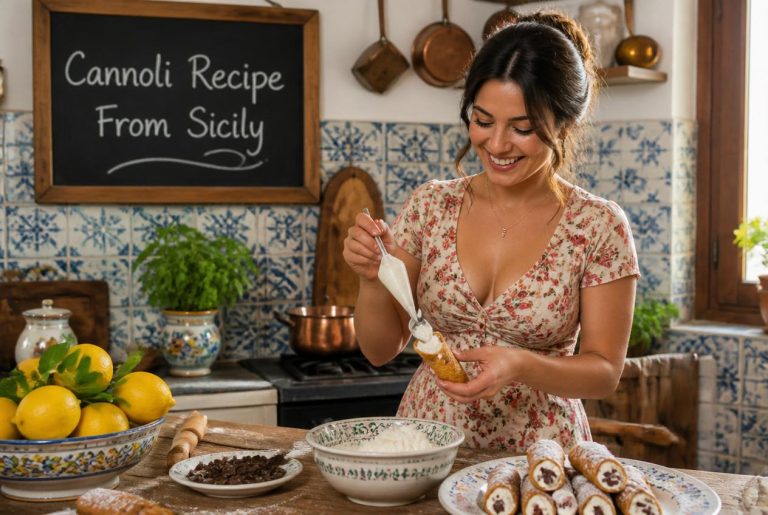
Cannoli Recipe From Sicily Cooking TIps
Cannoli Recipe From Sicily Cooking Tips
• Cannoli are Sicily’s most famous pastry, known for their crisp fried shells and sweet, creamy ricotta filling.
• Traditional cannoli originated in Sicily and remain a symbol of Sicilian pastry-making throughout the world.
• The shell dough is typically made with flour, sugar, fat, and a small amount of wine, which helps create a crisp texture.
• Marsala wine is commonly used to add flavor and improve the shell’s crispness.
• Roll the dough very thin to achieve the characteristic light, crunchy shell.
• Wrap the dough around metal cannoli tubes before frying.
• Fry at a consistent temperature to produce evenly golden shells without excess oil absorption.
• Allow the shells to cool completely before filling.
• Whole-milk ricotta is essential for an authentic Sicilian filling.
• Drain the ricotta thoroughly to create a smooth, thick filling.
• Powdered sugar sweetens the filling without making it grainy.
• Chocolate chips, candied orange peel, candied citron, or chopped pistachios are traditional additions.
• Fill the shells shortly before serving to preserve their crisp texture.
• Dust with powdered sugar just before serving for a classic finish.
• Chopped pistachios on the ends provide both flavor and visual appeal.
• The flavor should balance crisp pastry, creamy ricotta, delicate sweetness, and subtle citrus notes.
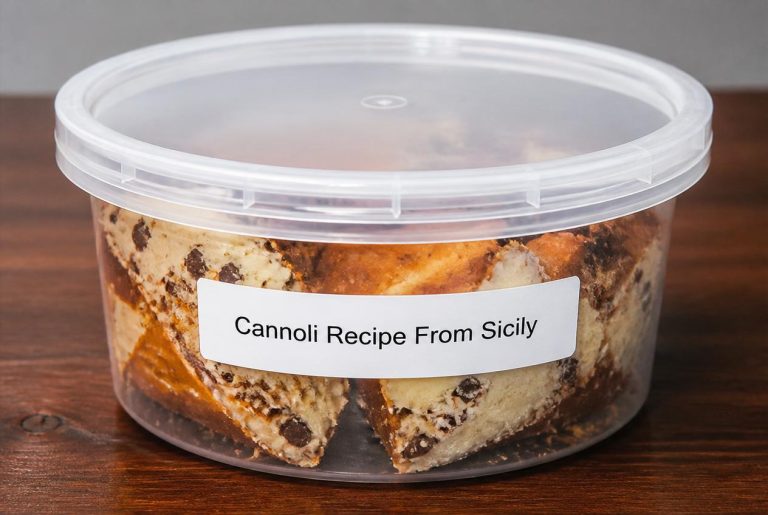
Cannoli Recipe From Sicily Storage Tips
Cannoli Recipe From Sicily Storage Tips
• Store unfilled shells and ricotta filling separately whenever possible.
• Keep the ricotta filling refrigerated in an airtight container.
• Store unfilled shells in an airtight container at room temperature.
• Humidity can soften the shells, so keep them dry until serving.
• Fill the cannoli immediately before serving for the best texture.
• Filled cannoli should be refrigerated because of the dairy filling.
• Refrigeration may soften the shell over time, which is normal.
• Ricotta filling flavors often improve after several hours of chilling.
• Freezing filled cannoli is generally not recommended because the shell can lose its crispness.
• The filling may be frozen separately if necessary, though slight texture changes may occur after thawing.
• Defrost frozen filling gradually in the refrigerator before use.
• Dust with fresh powdered sugar after storage if needed.
• Use clean utensils when handling the filling to help maintain freshness.
• Ricotta-filled pastries are generally best enjoyed within a short refrigerated storage period for ideal quality and safety.
• Discard leftovers if the filling develops sour odors, mold, separation, or unusual texture changes.
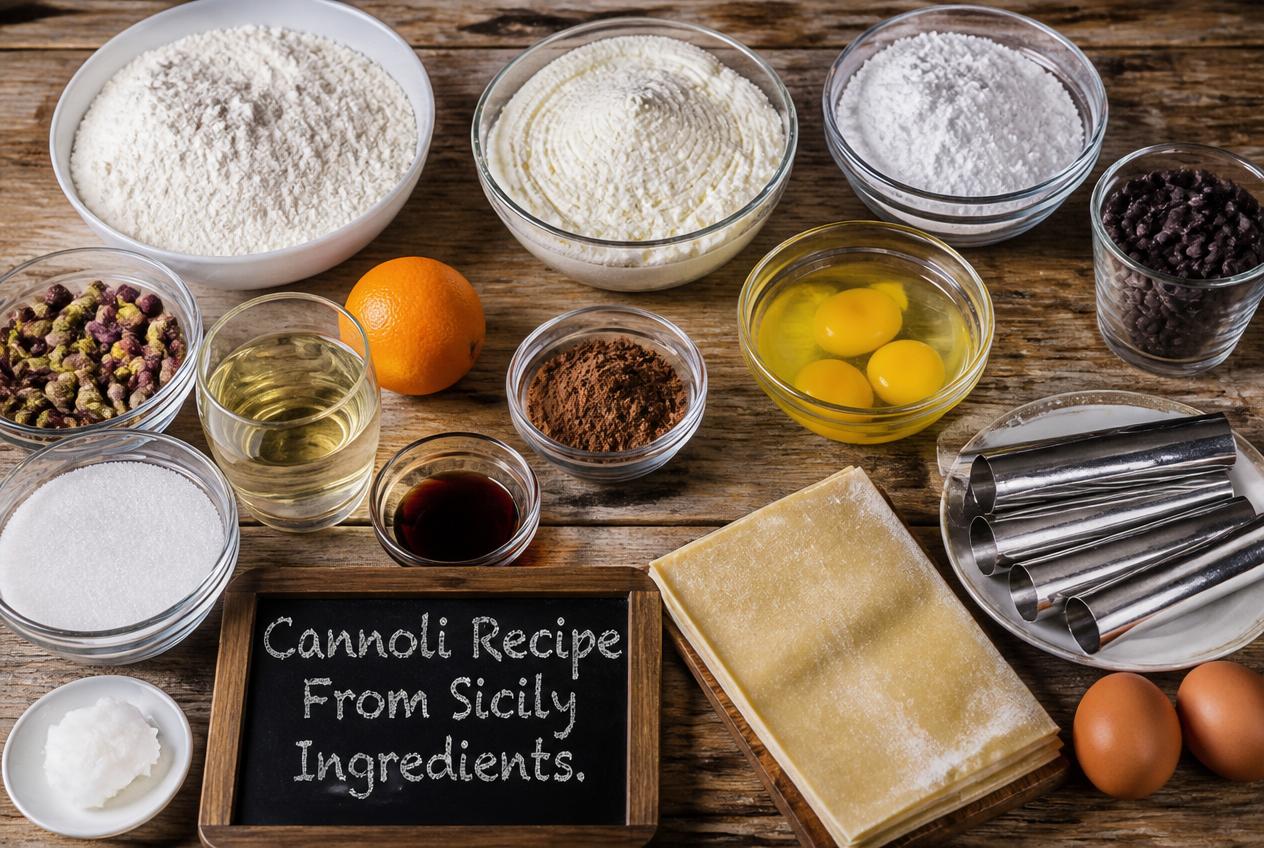
Cannoli Recipe From Sicily
Ingredients
- 1 ⅓ cups flour
- 1 teaspoon cocoa powder unsweetened
- 1 teaspoon cinnamon powder
- 1 ½ tablespoons lard
- 1 teaspoon coffee powder You can use instant coffee
- 4 ½ tablespoons powdered sugar
- 1 teaspoon salt
- 1 egg
- ¼ cup Marsala wine
- ¼ cup oil canola or peanut oil
- 1.1 pound ricotta
- 1 cup granulated sugar
- ½ cup chocolate chips
- pistachios chopped candied cherries (or any other candied fruit you like) for decoration
- powdered sugar for decoration
Instructions
- Begin by placing the flour into a large mixing bowl. Add the icing sugar, ground cinnamon, unsweetened cocoa powder, coffee powder, and fine salt. Stir everything together with a wooden spoon until the dry ingredients are evenly combined. The cocoa and coffee add subtle depth to the shells without making them taste strongly of chocolate or coffee, while the cinnamon contributes the characteristic warmth found in traditional Sicilian cannoli.
- Add the room-temperature lard or butter and work it into the dry ingredients until it is evenly distributed. Stir in the egg, mixing until the dough begins to come together. Finally, pour in the Marsala wine and continue mixing.
- Once the dough starts forming larger clumps, switch to using your hands and knead the mixture directly in the bowl. When it forms a fairly compact ball, transfer it to a lightly floured work surface and continue kneading for about 5 minutes. The dough should become smooth, elastic, and uniform in texture. Proper kneading develops the structure needed to create crisp, blistered shells when fried.
- Shape the dough into a loaf or disk, wrap it tightly in plastic wrap, and refrigerate for approximately 30 minutes. This resting period allows the gluten to relax, making the dough easier to roll out while also improving the texture of the finished shells.
- Remove the chilled dough from the refrigerator and place it on a lightly floured work surface. Using a rolling pin, roll the dough out as thinly as possible, aiming for a thickness of about 3 mm (1/10 inch). Thin dough is essential for achieving the crisp, delicate texture that makes authentic cannoli shells so appealing.
- Using a pastry cutter, cookie cutter, or even the rim of a glass, cut the dough into circles approximately 4 to 5 inches in diameter. Carefully lift each circle from the work surface and wrap it around a cannoli tube.
- Before sealing the shell, lightly moisten one edge of the dough with a small amount of cold water. Press the overlapping edges firmly together to create a secure seal. This simple but important step prevents the shells from opening while frying and helps them maintain their classic tube shape.
- Continue shaping the remaining dough until all the cannoli tubes are wrapped and ready for frying.
- Heat a generous amount of oil in a deep fryer or heavy pot until it reaches approximately 350°F (175°C). Maintaining the correct temperature is important because oil that is too cool will result in greasy shells, while oil that is too hot can cause them to brown before becoming crisp.
- Carefully lower a few cannoli into the hot oil, taking care not to overcrowd the pot. Fry them for 1 to 2 minutes, turning occasionally, until they are beautifully golden brown and crisp all over.
- Remove the shells using a slotted spoon and place them on paper towels or a wire rack to drain excess oil. Allow them to cool completely before carefully sliding the metal tubes out from the center. The shells will continue to crisp slightly as they cool.
- Set the cooled shells aside while preparing the filling.
- The quality and texture of the ricotta are crucial to making exceptional cannoli. Begin by thoroughly draining the ricotta to remove excess moisture. Traditionally, sheep's milk ricotta is preferred because it is naturally thicker and richer. If using cow's milk ricotta, it should ideally be drained for at least 24 hours in the refrigerator.
- Place the drained ricotta into a mixing bowl and add the sugar. Stir until the sugar is fully incorporated and the mixture becomes smooth and creamy. The filling should be thick enough to hold its shape when piped.
- Add the chocolate chips and stir until evenly distributed throughout the ricotta mixture. Once combined, cover the bowl and refrigerate until ready to assemble the cannoli. Chilling allows the flavors to meld and helps the filling maintain the perfect consistency.
- Shortly before serving, transfer the ricotta filling into a pastry bag fitted with a large tip. Filling the cannoli at the last moment helps preserve the crispness of the shells and prevents them from becoming soggy.
- Pipe the filling into one end of each shell, then pipe from the opposite end until the entire shell is filled. The cream should be visible at both ends and evenly distributed throughout the center.
- Working just before serving ensures the perfect contrast between the crunchy shell and the creamy filling.
- Once filled, decorate the ends of the cannoli with chopped pistachios, candied fruit, or a combination of both. These traditional garnishes add color, texture, and additional flavor while giving the pastries their unmistakable Sicilian appearance.
- Arrange the cannoli on a serving platter and dust them generously with icing sugar just before bringing them to the table.
- Serve the cannoli immediately while the shells are still crisp and the filling is cool and creamy. The contrast between the delicate fried pastry and the rich ricotta filling is what has made cannoli one of Sicily's most beloved desserts.
- With their lightly spiced shells, sweet ricotta cream, chocolate chips, and colorful garnishes, homemade cannoli capture the authentic flavors of Sicilian pastry shops and festive family celebrations. Though they require a little patience, the results are well worth the effort, delivering a dessert that is both elegant and unforgettable.
Cannoli Recipe From Sicily Frequently Asked Questions
Authentic Sicilian cannoli require specific ingredients and techniques to achieve their signature crispy shells and creamy filling. Understanding traditional methods helps ensure success when making these classic Sicilian pastries at home. If you want to master a Cannoli recipe, knowing the basics is essential.
What ingredients are traditionally used in authentic Sicilian cannoli shells?
I use flour, sugar, butter or lard, eggs, and white wine to create traditional Sicilian cannoli shells. The wine creates the characteristic blistered, bubbly texture on the fried shells. For a Cannoli recipe with extra flavor, I add a pinch of salt and sometimes cinnamon to the dough.
Some Cannoli recipe variations include cocoa powder or coffee for a darker shell, though this is less traditional. Experimenting with your Cannoli recipe can help you find your preferred flavor profile. Always use high-quality ingredients for the best results.
How do you make a classic Sicilian ricotta filling that is thick and not runny?
I start with high-quality ricotta cheese, preferably sheep’s milk ricotta for a richer flavor, though cow’s milk ricotta works well too. The traditional filling consists of lightly sweetened ricotta mixed with powdered sugar and sometimes vanilla extract. For a successful Cannoli recipe, I drain the ricotta in a fine-mesh strainer lined with cheesecloth for several hours or overnight to remove excess moisture and create a thick, creamy consistency.
I fold in mini chocolate chips, candied orange peel, or chopped pistachios just before filling the shells. These additions make the Cannoli recipe more authentic and delicious. Always fill the shells just before serving for the best texture.
What is the best way to fry cannoli shells so they turn out crisp and blistered?
I heat vegetable oil or lard to 350-375°F in a deep pot or fryer for optimal results. The oil must be hot enough to create the signature bubbles and blisters on the shell surface. For a perfect Cannoli recipe, I wrap the dough around metal cannoli tubes, sealing the edges with beaten egg white to prevent them from opening during frying.
I fry the shells for about 2-3 minutes until golden brown, turning them occasionally for even cooking. Sicilian shells are made with wine for blistering, which creates steam during frying and produces the characteristic texture. After frying, I drain the shells on paper towels and carefully remove them from the tubes while still warm to complete the Cannoli recipe.
How far in advance can you prepare cannoli shells and filling without losing freshness?
I make cannoli shells several days in advance and store them in an airtight container at room temperature. The shells remain crispy for up to a week when properly stored away from moisture. In my Cannoli recipe, I prepare the ricotta filling up to two days ahead and keep it refrigerated in a covered container.
However, I never fill the shells until just before serving, as the moisture from the filling will quickly make the shells soggy. The traditional rule for any Cannoli recipe is to fill cannoli fresh, ideally within minutes of serving. This preserves the contrast between the crispy shell and creamy filling that makes cannoli so appealing.
What is the difference between Sicilian cannoli and other Italian-style cannoli?
The main difference lies in the shell preparation, as Sicilian shells use wine to create a blistered texture, while non-traditional versions often use water or milk. This gives authentic Sicilian cannoli their distinctive appearance and crunch. If you want to follow a true Cannoli recipe, always use wine in the dough.
Sicilian cannoli traditionally feature a ricotta-based filling, while some Italian-American versions use mascarpone or even pastry cream. The size can also vary, with Sicilian cannoli often being smaller and more delicate than their American counterparts. Each Cannoli recipe can reflect regional traditions, so you may find small differences from one Sicilian town to another.
Regional variations exist even within Sicily, with different areas favoring specific toppings or flavor additions. Palermo cannoli tend to be the most recognized style, though each Sicilian town has its own slight variations. Whichever Cannoli recipe you choose, focusing on authentic techniques will yield the best results.
Which toppings and garnishes are most traditional for Sicilian cannoli?
I garnish the filled cannoli with chopped pistachios on the ends, which is one of the most classic Sicilian decorations. Candied orange peel or candied citron also provide traditional choices that add color and flavor to any Cannoli recipe. These toppings help create the authentic look and taste that define a true Cannoli recipe.
Mini chocolate chips enhance the filling or press into the ricotta at the shell openings, making the Cannoli recipe even more irresistible. I dust the finished cannoli with powdered sugar just before serving for a simple, elegant presentation. This finishing touch completes the Cannoli recipe and delivers a beautiful dessert.
Some bakers dip the ends of the shells in melted chocolate before filling them, introducing a modern twist to the classic Cannoli recipe. Candied cherries appear in some versions, especially in Italian-American adaptations, but remain less common in Sicily itself. No matter which garnish you choose, each Cannoli recipe offers a delicious celebration of Sicilian tradition.

Recipes are gathered in person and written for real-world cooking conditions.
- 10 Hungarian Dessert Recipes Passed Down Through Generations - July 25, 2026
- 11 Easy English Recipes Anyone Can Make - July 25, 2026
- Hungarian Kifli Recipe - July 25, 2026