
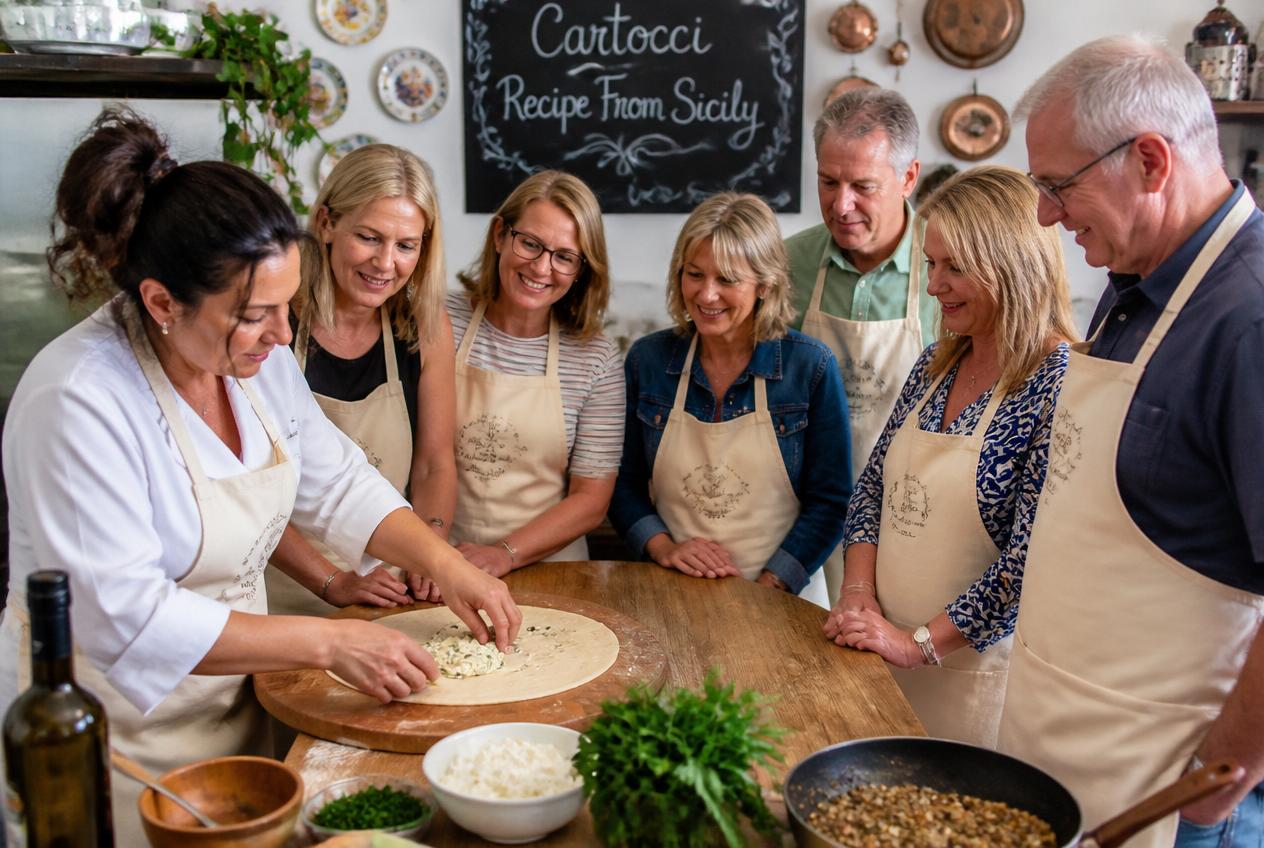
Cartocci recipe pastries are traditional Sicilian fried treats that showcase the island’s love of simple ingredients and bold flavors. The Cartocci uses a soft brioche-like dough wrapped around metal tubes, fried until crispy, and filled with sweet ricotta cream, chocolate chips, or custard. Cartocci recipe pastries use a leavened dough similar to brioche, shaped like cannoli, fried until golden, and filled with sweet ricotta and chocolate or velvety custard cream.
I first encountered the Cartocci during my research into Sicilian street food, where locals enjoy them for breakfast or as an afternoon snack. The characteristic shape resembles cannoli, but the Cartocci recipe dough feels lighter and airier due to the yeast-based preparation. While traditionally served during Sunday family lunches and festive occasions, Cartocci pastries have become popular year-round in Sicilian bakeries.
The Cartocci recipe I share combines techniques from both home cooks and traditional pastry shops, focusing on achieving the perfect texture where the fried brioche melts in your mouth. Whether you choose a ricotta filling with chocolate chips or a smooth custard cream, the Cartocci delivers an authentic taste of Sicily.
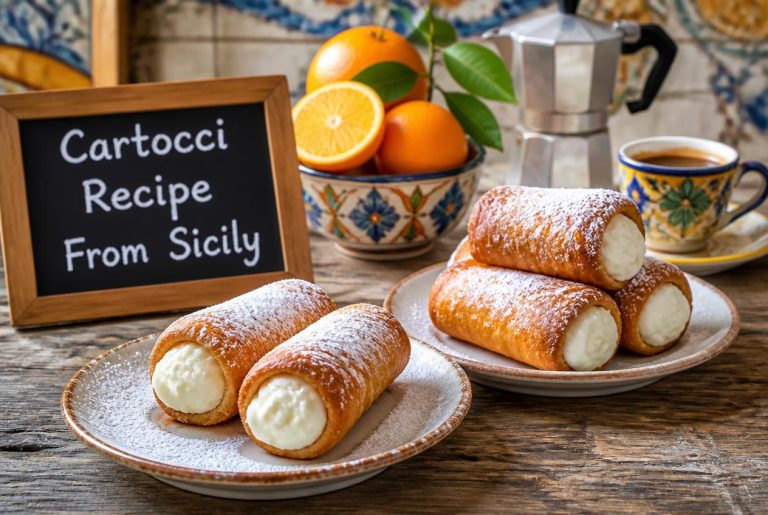
Cartocci Recipe From Sicily
Key Takeaways
- Cartocci recipe pastries use Sicilian fried brioche dough filled with sweet ricotta or custard
- The Cartocci recipe requires proper leavening and frying technique for a light, cloud-like texture
- Traditional Cartocci recipe fillings include ricotta with chocolate chips or custard cream, though variations exist
Description and Historical Information
The Cartocci recipe holds a special place in Sicily’s rich culinary heritage. I find Cartocci pastries fascinating because they represent the perfect marriage of technique and indulgence that defines Sicilian desserts.
These fried brioche pastries are shaped like cannoli, with soft yeasted dough wrapped around metal tubes before frying. The golden exterior gets dusted with granulated sugar while the interior holds a creamy filling of sweetened ricotta cheese mixed with chocolate chips.
Key Characteristics:
- Texture: Soft, cloud-like fried dough with a slightly crisp exterior
- Filling: Sweet ricotta cream with chocolate chips
- Coating: Granulated sugar
- Shape: Cylindrical, similar to cannoli
The Cartocci recipe originated in Palermo, though people now enjoy it throughout Sicily. Sicilians traditionally eat Cartocci recipe pastries for breakfast, making them a beloved morning treat in pastry shops across the island.
I consider the Cartocci recipe an important part of Sicilian street food culture. They’re especially popular during Carnival season, though bakeries serve the Cartocci recipe year-round. The pastries are also known as macallè in some regions, particularly around Palermo.
What makes the Cartocci recipe unique among traditional foods from Sicily is its approachable nature. Unlike more delicate pastries, these substantial treats work well for breakfast, snacks, or festive occasions. The combination of fried dough and rich ricotta filling exemplifies the generous spirit of Sicilian cuisine and makes the Cartocci recipe a favorite among locals and visitors alike.
Recipe Tips
When I make the Cartocci recipe at home, I let the brioche dough rise patiently so it develops a soft, cloud-like texture. The Cartocci stands out when the dough gets enough time to rise and become airy.
I always use fresh ricotta for the Cartocci filling instead of watery supermarket varieties. Draining the ricotta overnight in cheesecloth prevents the cream from becoming runny and leaking out during frying. This simple step transforms the Cartocci recipe filling from good to exceptional.
Key preparation tips I follow:
- Keep oil temperature between 350-375°F for even frying
- Don’t overfill the dough tubes or the filling will spill out
- Use metal cannoli tubes or cylindrical molds for shaping
- Let fried Cartocci recipe pastries cool slightly before removing from tubes
Adding chocolate chips to the ricotta just before filling keeps them from sinking to the bottom of the Cartocci. The traditional Sicilian approach uses mini chocolate chips for better distribution in the Cartocci recipe.
Maintaining proper oil temperature is crucial for a successful Cartocci recipe. I use a thermometer to monitor this throughout frying. Too cool and the Cartocci recipe absorbs excess oil; too hot and they brown before cooking through.
I dust the Cartocci recipe pastries with granulated sugar immediately after frying while they’re still warm. This helps the sugar stick better than waiting until they cool completely.
Variations
While the traditional Cartocci recipe features ricotta and chocolate chips, I’ve discovered numerous delicious variations throughout Sicily. The Cartocci recipe offers filling options far beyond the classic version.
Custard cream is a popular alternative to ricotta in the Cartocci. Cartocci alla crema pasticcera offer a velvety custard center instead of the ricotta-chocolate combination.
The Cartocci recipe dough itself can be adapted in several ways:
- Plain ricotta filling without chocolate chips for a less sweet version
- Pistachio cream mixed with ricotta for a Sicilian twist
- Nutella combined with mascarpone for a modern interpretation
- Candied fruit folded into the ricotta cream
The exterior coating in the Cartocci also varies by region and personal preference. Some people roll the fried Cartocci recipe in granulated sugar immediately after frying, while others prefer powdered sugar. Versions with cinnamon sugar add warmth and spice to the Cartocci recipe.
The Cartocci recipe shape can differ as well. While many are wrapped around metal cannoli tubes to create the classic cone shape, some bakers prepare the Cartocci recipe as filled brioche without the tubular form, creating a softer texture throughout.
Regional differences affect Cartocci preparation methods. Palermo claims the origins of macallè, but variations exist across Sicily with slight differences in dough sweetness, frying temperature, and filling consistency.
Related Recipes
After mastering the Cartocci, I recommend exploring other traditional Sicilian recipes that showcase the island’s rich culinary heritage. These authentic recipes from Sicily share similar techniques or ingredients with the Cartocci recipe.
Cannoli Siciliani are the most obvious connection, as both pastries use fried dough shells filled with sweetened ricotta. The main difference is that cannoli use a crisp, wine-based dough while the Cartocci recipe features soft brioche dough.
Sfince di San Giuseppe are another beloved fried pastry in my Sicilian recipe collection. These leavened fritters are typically filled with ricotta cream and represent must-try Sicilian recipes during March festivities.
I also suggest trying Iris Siciliani, fried rice balls filled with either sweet ricotta or chocolate cream. They’re favorite Sicilian dishes that appear in bakeries throughout Palermo and demonstrate the island’s love for fried comfort foods.
For those interested in expanding beyond fried pastries, Cassata Siciliana uses similar ricotta filling but in a completely different format. This elaborate cake layers sponge cake, ricotta, marzipan, and candied fruits.
Pignolata represents another category of Sicilian comfort food recipes. These tiny fried dough balls are coated in honey or chocolate glaze and served during Carnival season, just like the Cartocci recipe.
| Recipe | Key Similarity | Difficulty |
|---|---|---|
| Cannoli | Fried shell, ricotta filling | Medium |
| Sfince | Fried leavened dough | Medium |
| Iris | Fried, sweet filling | Easy |
| Cassata | Ricotta cream | Advanced |
These best foods from Sicily all celebrate the island’s traditions and connect with the Cartocci recipe in their use of fried dough and sweet fillings.
Similar Recipes
Sicilian cuisine offers several delightful pastries that share similarities with the recipe. These treats often feature fried dough and sweet ricotta fillings, making them perfect alternatives when I want to explore more traditional desserts from the region and revisit the Cartocci recipe in a new way.
Iris are among my favorite Sicilian-inspired recipes that closely resemble the Cartocci recipe. These fried rice balls contain sweet ricotta and chocolate chip fillings, offering a similar texture and flavor profile. The main difference lies in their round shape rather than the cylindrical form of the Cartocci.
I also recommend trying traditional cannoli siciliani, which use a crispier shell made from a different dough recipe. While cannoli shells are baked or fried until crunchy, the Cartocci recipe features a softer brioche-like texture that melts in your mouth.
Sfinge represent another excellent option when I’m craving Sicilian fried pastries. These doughnuts can be filled with ricotta cream or custard, similar to how I prepare the Cartocci recipe with various fillings.
For those interested in exploring custard variations, I suggest Cartocci alla crema pasticcera. This Cartocci version replaces the ricotta filling with velvety custard cream, creating a different but equally delicious experience.
Zeppole di San Giuseppe make wonderful companions to the Cartocci recipe during festive occasions. These fried or baked pastries topped with custard and cherries share the same celebratory spirit found in traditional Sicilian desserts and the Cartocci recipe.
Each of these recipes allows me to appreciate the rich pastry tradition that Sicily offers while maintaining the essence of fried, filled treats found in the Cartocci recipe.
Cartocci Recipe From Sicily Cooking Tips
Cartocci Recipe From Sicily Cooking Tips
• Cartocci Siciliani are known for their soft fried pastry dough, creamy ricotta filling, and festive bakery-style presentation.
• These Sicilian treats are often compared to cream-filled doughnuts but feature a richer ricotta-based filling.
• A yeast dough is traditionally used to create a light, airy texture.
• Warm milk helps activate the yeast and encourages a good rise.
• Butter or lard contributes tenderness and authentic flavor.
• Knead the dough until smooth and elastic for the best structure.
• Allow the dough to rise fully to achieve a light, fluffy interior.
• Traditionally, the dough is wrapped around metal tubes before frying.
• Fry at a steady temperature to ensure the pastry cooks evenly without becoming greasy.
• Drain thoroughly after frying to maintain a light texture.
• Whole-milk ricotta provides the creamiest and most authentic filling.
• Drain the ricotta well before mixing to prevent a runny filling.
• Powdered sugar is commonly added to sweeten the ricotta.
• Chocolate chips, candied citrus peel, or chopped pistachios are popular additions.
• Fill the pastries shortly before serving to help preserve their texture.
• The flavor should balance light pastry, creamy ricotta, gentle sweetness, and traditional Sicilian accents.
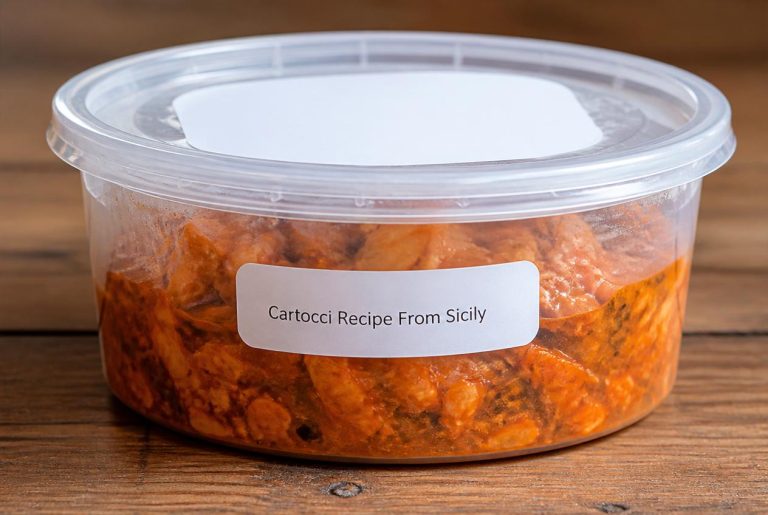
Cartocci Recipe From Sicily Storage TIps
Cartocci Recipe From Sicily Storage Tips
• Store unfilled pastry shells and ricotta filling separately whenever possible.
• Keep the ricotta filling refrigerated in an airtight container.
• Unfilled pastry shells can be stored at room temperature in an airtight container.
• Fill the pastries just before serving for the best texture and freshness.
• Refrigeration may soften the pastry slightly once filled, which is normal.
• Filled Cartocci should be kept refrigerated because of the dairy filling.
• Ricotta flavors often improve after several hours of chilling.
• Freezing the ricotta filling is possible, though texture may change slightly after thawing.
• Freezing filled pastries is generally not recommended because the shell may become soft.
• Defrost frozen filling gradually in the refrigerator before use.
• Dust with powdered sugar immediately before serving for the best appearance.
• Use clean utensils when handling the filling to help maintain freshness.
• Ricotta-filled pastries are generally best enjoyed within a short refrigerated storage period for ideal quality and safety.
• Keep away from strongly scented foods because ricotta easily absorbs odors.
• Discard leftovers if the filling develops sour odors, separation, mold, or unusual texture changes.
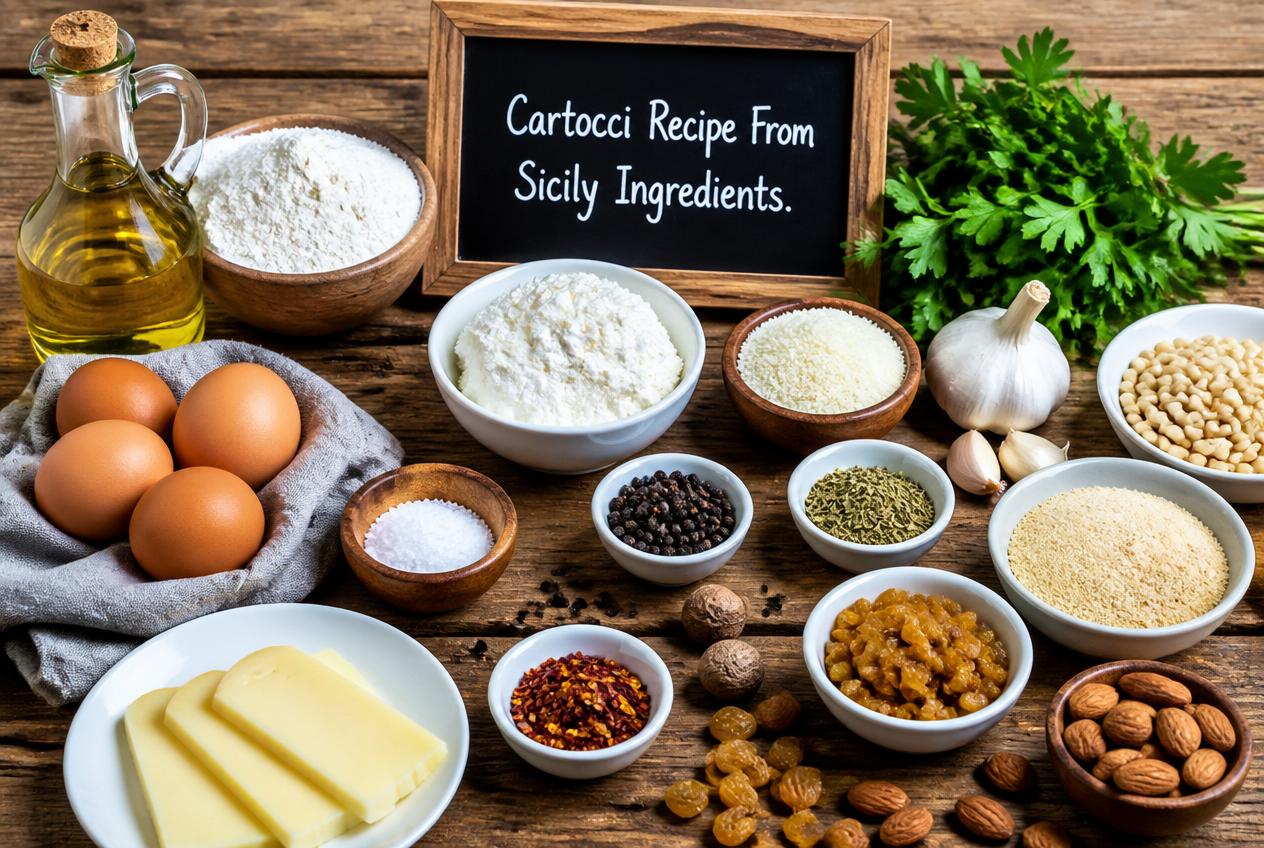
Cartocci Recipe From Sicily
Ingredients
- 1 cup milk
- 1/4 cup sugar
- 4 tablespoon butter
- 1 pkg yeast
- 1 teaspoon Vanilla extract
- 1 Egg
- 3 cups All purpose flour
- 1/2 teaspoon Salt
- Vegetable oil
- 1/2 cup sugar Granulated
Instructions
- Begin by placing the flour, butter, sugar, and lemon zest in the bowl of a stand mixer. Mix on low speed until the butter is completely incorporated into the flour mixture and no large pieces remain. The mixture should resemble fine crumbs and the lemon zest should be evenly distributed throughout the dough.
- Add the yeast and continue mixing briefly to combine. Next, add the egg and mix until incorporated. With the mixer running on low speed, gradually add enough milk to form a smooth, workable dough. The finished dough should be soft and pliable, but not sticky. You are looking for a consistency that can easily be rolled out later without being either too wet or too stiff.
- Once the dough comes together, knead briefly until smooth and elastic.
- Transfer the dough to a lightly greased bowl and cover it with a clean kitchen towel or plastic wrap.
- Place the bowl in a warm, draft-free area and allow the dough to rise for approximately 1½ hours, or until noticeably puffed and nearly doubled in size. This slow rise develops flavor and gives the finished Cartocci their light, airy texture.
- Turn the risen dough out onto a lightly floured work surface and gently deflate it.
- Using a rolling pin, roll the dough into a flat sheet approximately ¼ inch thick. With a sharp knife or pastry cutter, cut the dough into strips about 1 inch wide and 8 inches long.
- Working with one strip at a time, wrap the dough around a cannoli tube in a spiral pattern, slightly overlapping the dough as you work your way from one end to the other. Press the ends gently to secure them and prevent unraveling during frying.
- Continue until all of the dough has been shaped.
- Arrange the wrapped dough tubes on a lightly floured tray or baking sheet.
- Cover them loosely and allow them to rise for another 1 hour in a warm location. During this second rise, the dough will become lighter and expand slightly, resulting in a softer interior once fried.
- Heat several inches of oil in a deep fryer or heavy pot to approximately 350°F (175°C).
- Carefully lower the Cartocci into the hot oil, working in batches to avoid overcrowding the pan. Fry until they are evenly golden brown on all sides, turning as needed to ensure uniform coloring.
- Once fully cooked, transfer them to a wire rack or paper towel-lined tray to drain excess oil.
- Allow the Cartocci to cool completely before removing the cannoli tubes.
- Once cooled, carefully slide the metal tubes out of the pastries.
- Fill each Cartoccio using a pastry bag fitted with your desired filling. Traditional Sicilian fillings include sweetened ricotta cream, rich custard cream, or Nutella mousse. Pipe the filling generously into both ends so that each pastry is completely filled.
- Serve immediately or shortly after filling for the best texture and flavor.
- These traditional Sicilian Cartocci combine a light, slightly sweet fried pastry shell with a rich creamy filling. Whether filled with ricotta cream, custard, or chocolate-hazelnut mousse, they are a beloved Sicilian pastry often enjoyed during celebrations, holidays, and special family gatherings. The contrast between the crisp exterior and smooth filling makes them an irresistible treat that is best enjoyed fresh.
Cartocci Recipe From Sicily Frequently Asked Questions
The Cartocci recipe is known by multiple names and involves specific techniques for both the dough preparation and ricotta filling. Understanding the pronunciation and cultural context helps appreciate this traditional Palermo street food and the unique qualities of the Cartocci recipe.
What are Sicilian cartocci, and how do they differ from other Sicilian pastries?
Sicilian cartocci are fried pastries made with yeasted dough that bakers wrap around metal cannoli tubes, then fry until golden and fill with sweetened ricotta cream. Unlike cannoli, which use a crisp shell, cartocci feature a soft, brioche-like texture. The Cartocci creates a pastry with a distinct contrast between the tender interior and the slightly crisp exterior.
The dough contains lard as a key ingredient, which creates the characteristic crispness on the outside while maintaining a tender interior. This combination of textures truly sets the Cartocci recipe apart from other Sicilian fried desserts. When you try a Cartocci, you will notice how the dough’s flavor and texture differ from other pastries found in Sicily.
How do you pronounce “cartocci” correctly?
Say cartocci as “car-TOH-chee” with the emphasis on the second syllable. The double “c” before the “i” creates a soft “ch” sound in Italian. When sharing your Cartocci recipe, use the correct pronunciation to honor its Sicilian roots.
What is the meaning of “cartocci” in Sicilian cuisine?
In Sicilian cuisine, cartocci refers to cone-shaped or cylindrical fried pastries. The term describes the distinctive rolled shape created when the dough is wrapped around cannoli forms before frying. A Cartocci recipe always focuses on achieving this signature look and texture.
What is another name commonly used for cartocci?
Cartocci are also known as macallè, particularly in Palermo where they originated. Both names refer to the same pastry throughout Sicily. No matter the name, the Cartocci recipe remains a beloved tradition.
What are the essential ingredients and steps for making an easy cartocci pastry dough at home?
The essential ingredients for a Cartocci include flour, eggs, sugar, yeast, lard, and milk. The dough requires fermentation time, similar to making brioche. Bakers using a Cartocci recipe always allow the dough to rise until it doubles in size before shaping.
Mix the ingredients until a soft dough forms, then let it rise until doubled in size. After rising, roll the dough into thin strips and wrap them around metal cannoli tubes or cylindrical forms. This shaping step is crucial for an authentic Cartocci.
Balancing the fermentation time and working the lard properly are crucial steps for achieving the right texture. Deep-fry the wrapped forms in hot oil until golden brown, remove them from the tubes while still warm, and dredge them in sugar. For the best results, follow a traditional Cartocci recipe and fill the pastries with sweetened ricotta cream after frying.
Whether you call them cartocci or macallè, mastering the Cartocci brings a taste of Sicily to your kitchen. Share your Cartocci with friends and family to celebrate Sicilian pastry traditions. Every Cartocci delivers a unique combination of softness, crispness, and sweet ricotta filling that makes these pastries unforgettable.
How is the traditional cartocci filling made, and can it be adapted with different flavors?
I make the traditional Cartocci filling by combining fresh ricotta cheese with sugar and dark chocolate chips. Sheep’s milk ricotta is the authentic choice for the most genuine Cartocci flavor. This Cartocci recipe method brings out the creamy texture and rich taste that define the dessert.
I manage moisture levels in the ricotta to prevent it from making the fried shell soggy. I strain the ricotta well and mix it with powdered sugar just before filling to maintain the proper consistency for the Cartocci recipe. This step ensures the Cartocci shell stays crisp and delicious when served.
While the classic Cartocci contains only ricotta and chocolate chips, I adapt the filling with additions like candied citrus peel or pistachios. I always pipe the Cartocci filling into the shells just before serving to keep the Cartocci crisp. Experimenting with flavors allows the Cartocci to suit different tastes and occasions, making the Cartocci a versatile treat for any gathering.

Recipes are gathered in person and written for real-world cooking conditions.
- 10 Hungarian Dessert Recipes Passed Down Through Generations - July 25, 2026
- 11 Easy English Recipes Anyone Can Make - July 25, 2026
- Hungarian Kifli Recipe - July 25, 2026