
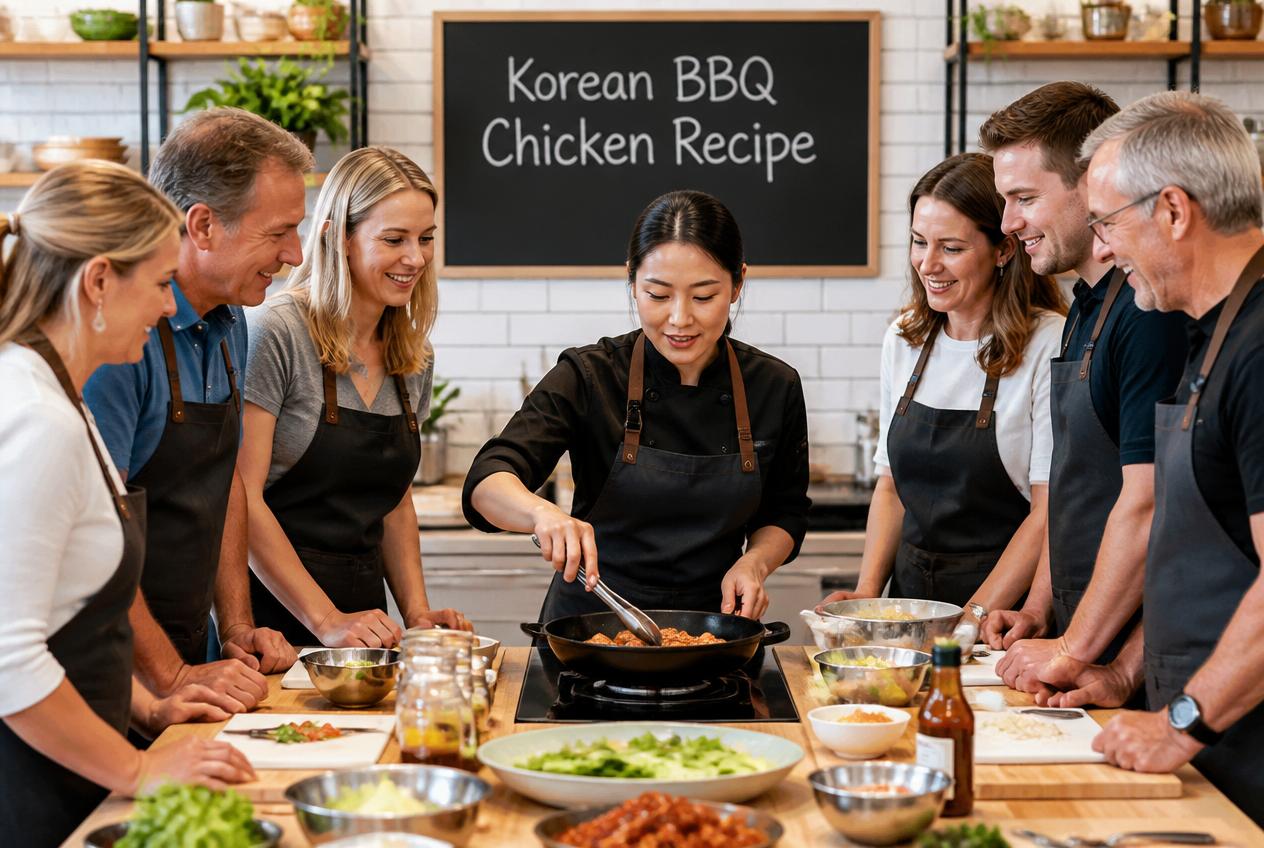
Korean BBQ chicken, also known as chicken bulgogi or dak bulgogi, is this sweet, savory grilled chicken dish that you can whip up in under 30 minutes—and honestly, it tastes way better than takeout. I’ll walk you through making flavor-packed Korean BBQ chicken at home with a simple marinade of soy sauce, garlic, ginger, and a few other magic ingredients. It’ll turn plain chicken into something you’ll crave weekly. While traditional bulgogi uses thinly sliced beef, the chicken version gives you the same addictive sweet-savory taste, just without the red meat. Korean BBQ Chicken is one of those dishes I never get tired of.
The best part about this chicken bulgogi recipe? Most of the work happens while you’re off doing something else. Mix up the marinade, let the chicken soak up all those flavors, then cook it fast in a hot pan or under the broiler. I love prepping it in the morning and having dinner ready in less time than it takes to finish a K-drama episode. Korean BBQ Chicken really is that easy.
Whether you’re new to Korean cooking or you’ve been making kimchi in your sleep, Korean BBQ Chicken is about to be your new go-to weeknight meal. The marinade creates these caramelized edges on the chicken that make it hard to stop eating. It’s perfect in rice bowls, lettuce wraps, or just piled on a plate with some veggies. Korean BBQ Chicken can do it all.
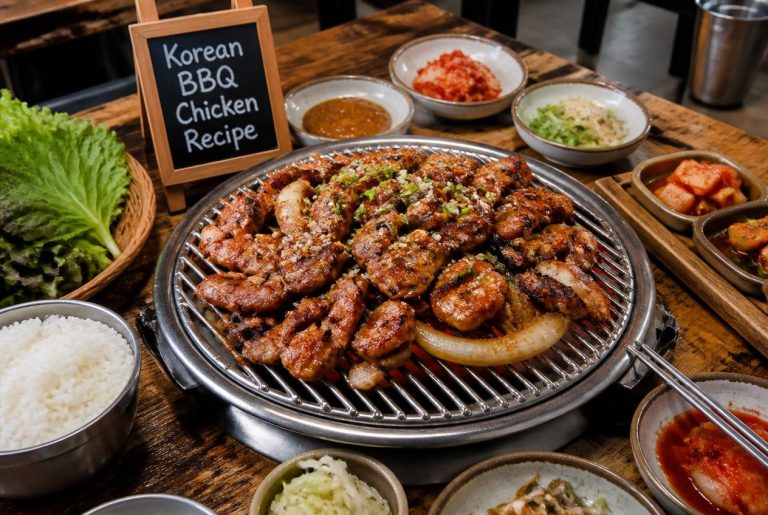
Korean BBQ Chicken Recipe
Key Takeaways
- Chicken bulgogi is a quick Korean BBQ dish with a sweet and savory marinade that cooks in under 30 minutes
- You can prep the marinated chicken ahead of time and cook it fast when you’re ready to eat
- The recipe works for grilling, pan-searing, or broiling and tastes great in bowls, wraps, or on its own
History: The Juicy Backstory Of Chicken Bulgogi
Here’s a fun fact: bulgogi originally meant beef, not chicken. The name literally means “fire meat” in Korean, and for ages, this iconic Korean dish was all about thinly sliced marinated beef sizzling over an open flame. Korean BBQ Chicken came later, but honestly, I think it’s just as good.
Things changed as bulgogi evolved over the past 100 years and Korean cuisine adapted to new tastes and budgets. The dish started as neobiani, a royal court treat, before becoming the bulgogi I know and love today.
Chicken bulgogi (or dak bulgogi in Korean) is the younger, more rebellious sibling. When beef prices got too high or folks wanted a lighter option, cooks started using that sweet and savory marinade on chicken instead. Honestly, genius move.
The switch wasn’t just about changing up the protein. Korean BBQ methods also changed, influenced by everything from Japanese occupation to Korea’s fight for independence. What I love most? Korean BBQ Chicken keeps the fire-grilled tradition alive and makes Korean flavors more accessible to all kinds of eaters.
Now, both Korean beef bulgogi and Korean BBQ Chicken have a spot on Korean BBQ menus everywhere. Not bad for a dish that went from royal tables to weeknight dinners, right?
Kitchen Shenanigans: Tips For Korean Cooking Success
When I marinate chicken for Korean BBQ Chicken, patience really pays off. Give it at least 2 hours in the fridge, or even overnight if you can wait it out. Trust me, it’s worth it.
Here’s my cheat sheet for avoiding rookie mistakes:
Essential Korean Cooking Moves
- Don’t skip the sesame oil—it’s the secret handshake of Korean BBQ Chicken
- Use toasted sesame oil for a deeper flavor (regular just doesn’t hit the same)
- Toast your sesame seeds before sprinkling them on top for extra crunch
- Pat your chicken dry before cooking to get those beautiful caramelized edges
I always mess up mirin measurements, so here’s what I stick to:
| Ingredient | Amount Per Pound | Why It Matters |
|---|---|---|
| Mirin | 2-3 tablespoons | Adds sweetness and shine |
| Sesame Oil | 1-2 tablespoons | Brings nutty depth |
| Toasted Sesame Seeds | 1 tablespoon | Perfect finishing touch |
The trick to restaurant-level grilled chicken with charred edges is high heat and not moving it around too much. I know it’s tempting to flip it, but let it sit and get that gorgeous char. That’s what makes Korean BBQ Chicken so good.
Biggest tip? Prep everything before you start cooking. Korean BBQ Chicken cooks fast, and scrambling for ingredients while your chicken burns is just not the vibe.
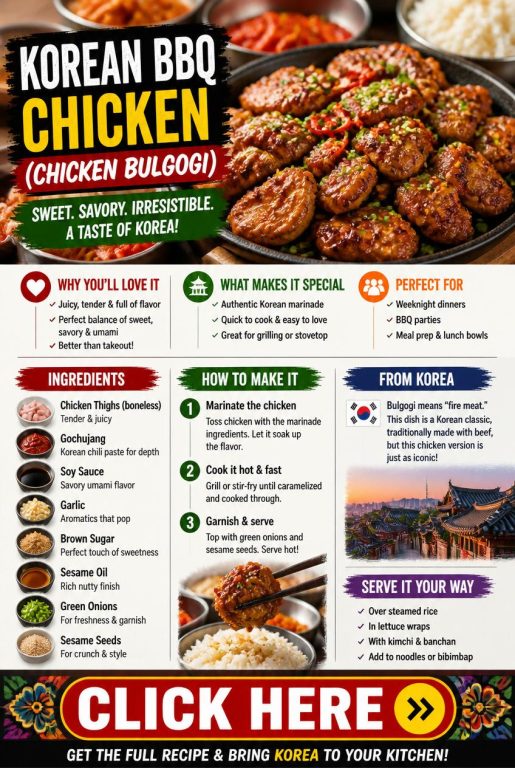
Unlocking Creativity: Wild And Wonderful Korean Variations
I’ve found that chicken bulgogi is basically a blank canvas for whatever you’re craving. Want more heat? I toss in extra gochugaru and make my Korean BBQ Chicken spicy enough to wake up my taste buds. Sometimes I regret it, but in a good way.
My favorite way to eat Korean BBQ Chicken is in lettuce wraps. Grab some crisp romaine or butter lettuce, pile on the chicken, and add a spoonful of ssamjang for that perfect nutty, spicy punch. If I’m feeling fancy, I use perilla leaves—they add this cool, minty flavor that makes me feel like a Korean BBQ Chicken pro.
Popular Serving Styles:
- Rice bowl – I load chicken over steaming rice with a fried egg on top
- Lettuce wraps – Fresh, crunchy, and way less guilt than eating straight from the pan
- Korean tacos – Yeah, I tried it, and honestly, no regrets
The real magic happens when I serve Korean BBQ Chicken with Korean side dishes. Kimchi is a must. I also love tossing in oi muchim (Korean cucumber salad) for something cool and tangy to balance out the rich, caramelized chicken.
Sometimes I go all out with a bunch of different banchan, so a regular dinner turns into a mini-feast. The cucumber salad takes five minutes, and suddenly it looks like I put way more effort into this Korean BBQ Chicken spread than I actually did.
Leftover Longevity: Storing Korean BBQ Chicken Without Tears
I’ve learned (sometimes the hard way) that properly storing BBQ chicken makes all the difference between a killer lunch and a fridge disaster. My marinated chicken masterpiece deserves better than ending up as a science experiment in the back of the fridge. Korean BBQ Chicken leftovers are gold if you treat them right.
The golden rule? Get that chicken into an airtight container within two hours of cooking. I know the couch calls, but bacteria don’t care if you’re tired.
Here’s my storage routine:
Refrigerator Storage:
- Keep at 40°F (4°C) or lower
- Use airtight containers to lock in moisture
- It’s good for 3 to 4 days
- Store sauce separately if you can
Freezer Storage:
- Freeze for up to 3 months
- Wrap tightly in plastic wrap first
- Stick it in freezer bags and squeeze the air out
- Label with the date (trust me, mystery meat isn’t fun)
I’ve found that leftover Korean BBQ chicken makes amazing quick meals later. The flavors get even better after a night in the fridge. Just don’t leave it out on the counter while you overthink what to do with it.
One mistake I made? Thinking marinated chicken would last forever because of all the gochujang and soy sauce. Nope. The marinade is for flavor, not for making Korean BBQ Chicken immortal.
When I reheat, I add a splash of water to keep it juicy. Nobody wants jerky when they’re craving juicy Korean BBQ Chicken.
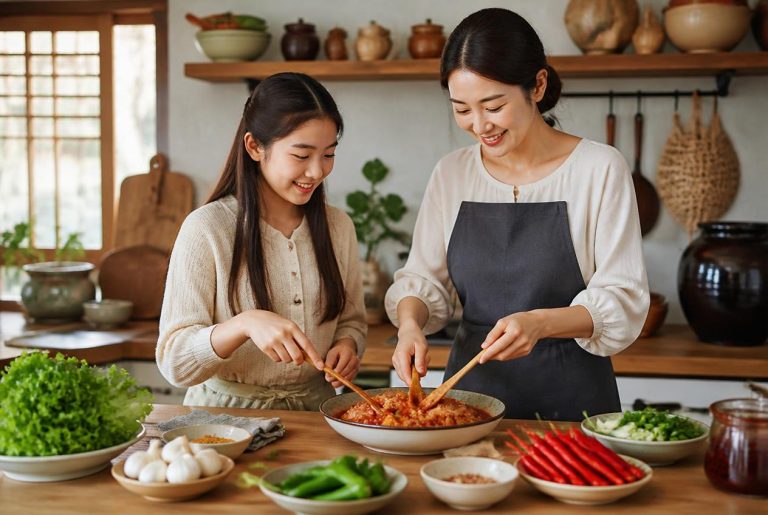
Korean BBQ Chicken Recipe – Prep
Cooking Tips For the Korean BBQ Chicken (Chicken Bulgogi)
• Slice the chicken into evenly sized pieces so it cooks consistently throughout the dish.
• Marinate the chicken long enough so the flavors distribute evenly into the meat.
• Cook over medium-high heat for better browning and caramelization.
• Avoid overcrowding the grill or pan because excess moisture reduces searing.
• Stir or turn the chicken frequently for even cooking and color.
• Add vegetables in stages if included so they maintain proper texture.
• Taste before serving and adjust seasoning carefully if needed.
• Serve the chicken bulgogi immediately while hot and tender.
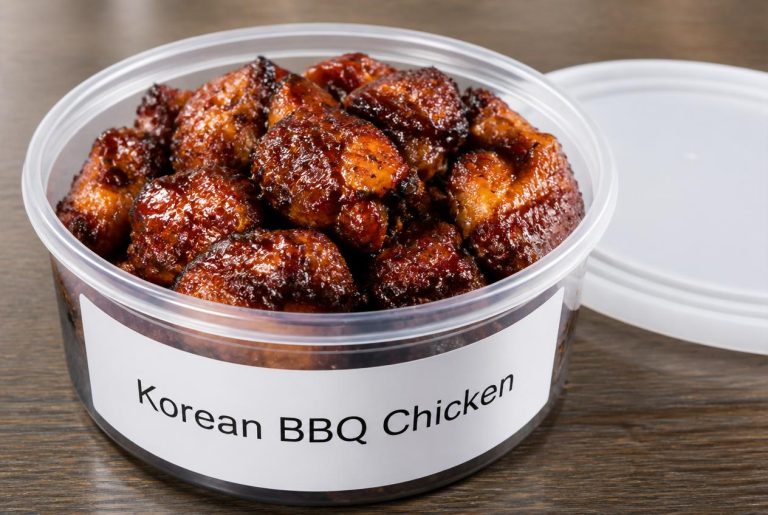
Korean BBQ Chicken Recipe – Storage
Storage Tips For the Korean BBQ Chicken (Chicken Bulgogi)
• Allow the chicken to cool slightly before transferring it into storage containers.
• Store leftovers in airtight containers to help retain moisture and flavor.
• Refrigerate leftovers within 2 hours of cooking for proper food safety.
• Reheat gently over medium-low heat while stirring occasionally.
• Add a small splash of broth or water during reheating if the chicken becomes dry.
• Keep rice, lettuce wraps, and garnishes separate until serving time.
• Freeze cooked chicken in freezer-safe containers for up to 3 months if needed.
• Wrap portions tightly before freezing to help reduce freezer burn and moisture loss.
• Thaw frozen chicken bulgogi overnight in the refrigerator before reheating.
• Discard the chicken if it develops a sour smell, slimy texture, discoloration, mold, or unusual taste.
Korean BBQ Chicken (Chicken Bulgogi)
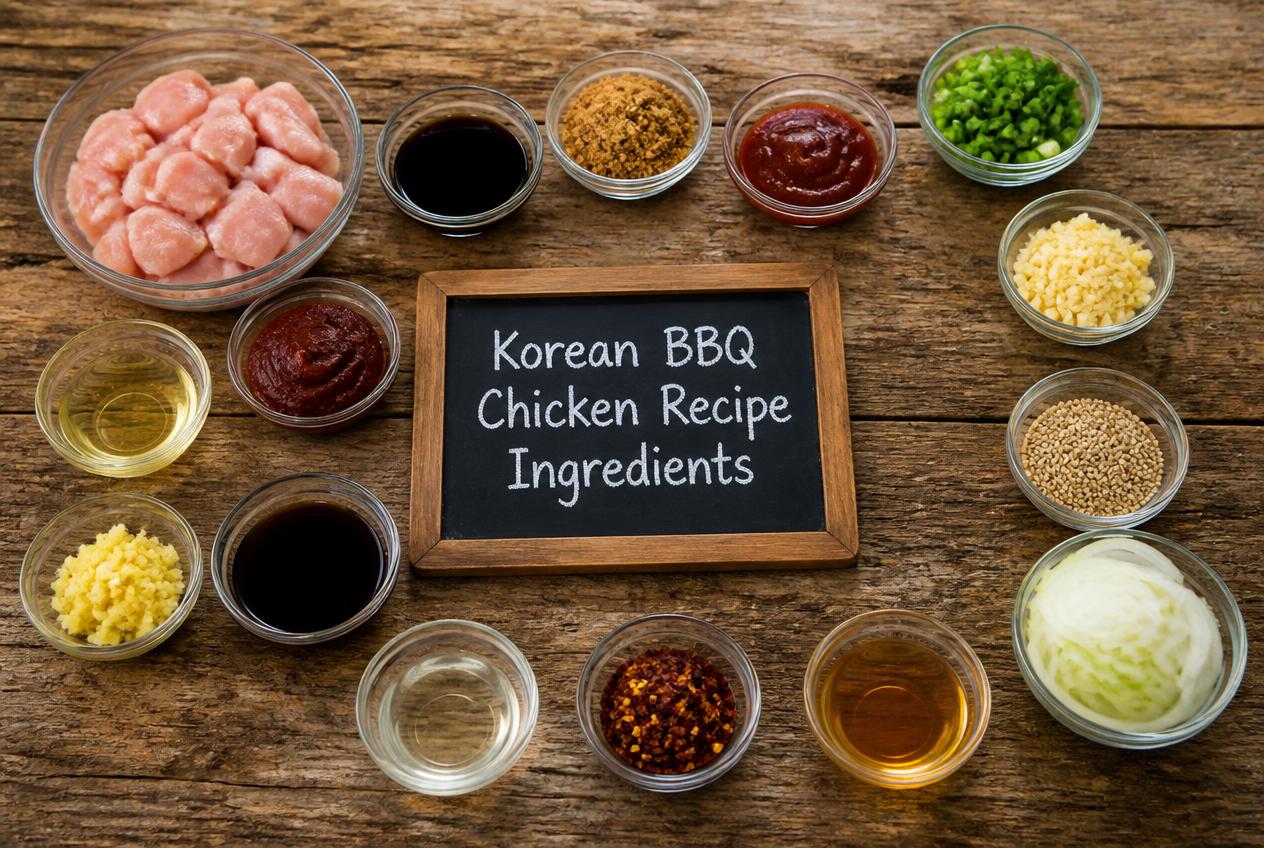
Ingredients
- 6 chicken thighs boneless & skinless
- 3 tbsp chili paste gochujang
- 1 tbsp chili flakes gochugaru, optional
- 1 tbsp soy sauce
- 2 tbsp brown sugar light
- 1 tbsp garlic minced
- 1 tsp ginger paste
- 1 tbsp corn syrup mulyeot
- 1 tbsp rice wine sweet, mirim, optional
- 1 tbsp sesame oil
- 1/2 tsp black pepper
Instructions
- Place a sheet of plastic wrap over the chicken thighs and gently pound them with a meat mallet until they are an even thickness. This helps the chicken cook more evenly and promotes consistent browning during cooking. Set the prepared chicken aside.
- In a large mixing bowl, combine the gochujang, gochugaru if using, soy sauce, brown sugar, garlic, ginger, corn syrup, rice wine, sesame oil, and black pepper. Mix until the marinade is smooth and well combined. Add the chicken thighs and toss thoroughly to ensure every piece is evenly coated. Allow the chicken to marinate at room temperature for 10 to 30 minutes so it can absorb the flavors.
- Preheat the oven to the broil setting and position the oven rack about 5 to 6 inches below the heat source. Lightly coat a cooling rack with cooking spray and place it over a foil-lined sheet pan. This setup allows excess juices to drip away while helping the chicken develop a lightly charred exterior.
- Arrange the marinated chicken in a single layer on the prepared rack, making sure the pieces do not overlap. Broil for 4 to 5 minutes, or until the tops begin to char lightly. Carefully flip the chicken and continue broiling for another 4 to 5 minutes, or until the chicken is fully cooked through. Keep a close eye on the chicken during this stage, as the sugars in the marinade can brown quickly.
- Transfer the cooked chicken to a cutting board and let it rest briefly. Slice it into bite-sized pieces and arrange it on a serving platter. Garnish with thinly sliced perilla leaves and toasted sesame seeds for added texture and flavor.
- Serve the chicken bulgogi hot with steamed rice. The spicy, savory glaze pairs especially well with simple side dishes and fresh vegetables.
Notes
1 tbsp toasted sesame seeds to garnish
Frequently Asked Questions for the Korean BBQ Chicken (Chicken Bulgogi)
Making Korean BBQ Chicken at home brings up questions about marinades, chicken cuts, spice, and cooking methods. The trick is nailing that sweet-savory balance and keeping the chicken tender and juicy. Korean BBQ Chicken is forgiving, but it helps to know a few basics.
How do I make a ridiculously easy bulgogi-style chicken marinade without a PhD in soy sauce?
I just mix soy sauce, brown sugar, minced garlic, grated ginger, and sesame oil in a bowl. That’s the base of any chicken bulgogi marinade that brings those sweet and savory flavors you want in Korean BBQ Chicken.
For extra heat, I add gochujang (Korean chili paste) for a spicy gochujang marinade. Some people use mirin or even a splash of soju to tenderize the chicken.
I whisk everything until the sugar dissolves, then pour it over the chicken and let it sit in the fridge for at least 30 minutes. Overnight is even better, but I’m not always that patient when Korean BBQ Chicken is on the line.
What’s the best cut of chicken for maximum sizzle and minimum sadness?
Honestly, I always reach for boneless skinless chicken thighs when making my bulgogi recipe. They just stay juicy, even if I crank up the heat on the grill or in the pan. Korean BBQ Chicken really shines with thighs.
Boneless chicken thighs have more fat than breast meat, so they’re a lot more forgiving if you get distracted and leave them on a bit too long. I like to chop each thigh into bite-sized pieces—makes it way easier for the marinade to get into every nook and cranny. Korean BBQ Chicken just tastes better this way.
If I only have chicken breasts, I’ll use them, but I’m way more careful. I’ll pound them out so they cook evenly and basically hover over the pan. But trust me, for Korean BBQ Chicken, thighs are where it’s at.
Is this dish actually spicy, or is it just talking tough?
The spice level? That’s totally up to me and my mood. Sometimes I go for a sweeter, soy-based marinade, and other times I reach for the gochujang sauce. Traditional dak bulgogi isn’t really that spicy—Korean BBQ Chicken can be as mellow or as fiery as you want.
When I add Korean chili paste, I get a gentle heat that sneaks up on me, but it’s never the kind of spice that makes me regret my life choices. Korean BBQ Chicken with gochujang is just the right amount of kick.
If I want more heat, I’ll toss in some gochugaru (Korean red pepper flakes). I just eyeball it, depending on who’s eating. Korean BBQ Chicken is super flexible like that.
Can I make it as a stir-fry if I don’t own a grill (or outdoor courage)?
Absolutely. I make Korean BBQ Chicken in a hot skillet or wok all the time. How to make chicken bulgogi on the stove is honestly easier because I can actually control the heat.
I crank my pan up until it’s almost smoking, then toss in the marinated chicken in one layer. The sugar in the marinade caramelizes and gives Korean BBQ Chicken those crispy, golden edges everyone loves.
I try not to fuss with it too much—just let it sit for a minute or two so it gets that nice sear before flipping. If you stir constantly, you’ll miss out on that magic.
What should I serve with it besides rice—asking for my carb-curious friend?
Lettuce wraps are my go-to. I pile Korean BBQ Chicken into a leaf, add a little extra gochujang, maybe some pickled veggies, and it’s crunchy and fresh. It somehow makes me feel like I’m eating healthier, even when I’m not.
I love pairing Korean BBQ Chicken with classic sides like kimchi, cucumber salad, or seasoned spinach. Sometimes I’ll sauté some bell peppers, onions, or mushrooms and serve those on the side too.
Noodles totally work. I’ll toss Korean BBQ Chicken with glass noodles or even udon for a fun twist—try it if you’re bored with rice. Or check out how to make dak bulgogi for more ideas.
How do I keep the chicken juicy instead of turning it into edible regret?
Honestly, I just refuse to overcook my boneless skinless chicken thighs. That’s the number one crime against poultry, right? I pull them off the grill as soon as they hit 165°F inside. If you’re making Korean BBQ Chicken, this step is non-negotiable.
The marinade works some magic too. Thanks to all the sugar and fat, it really helps keep things moist. When I make Korean BBQ Chicken, I always save a bit of marinade before tossing the raw chicken in, then simmer it on its own for a sauce. Trust me, you want that extra flavor on your Korean BBQ Chicken.
After cooking, I let the chicken rest for a few minutes. That way, the juices don’t just run all over the cutting board—they actually stay in the chicken. If you want juicy Korean BBQ Chicken, don’t skip this part. There’s just something about letting it sit that makes all the difference. That’s how I get my Korean BBQ Chicken to turn out right every single time.

Recipes are gathered in person and written for real-world cooking conditions.
- 10 Hungarian Dessert Recipes Passed Down Through Generations - July 25, 2026
- 11 Easy English Recipes Anyone Can Make - July 25, 2026
- Hungarian Kifli Recipe - July 25, 2026