
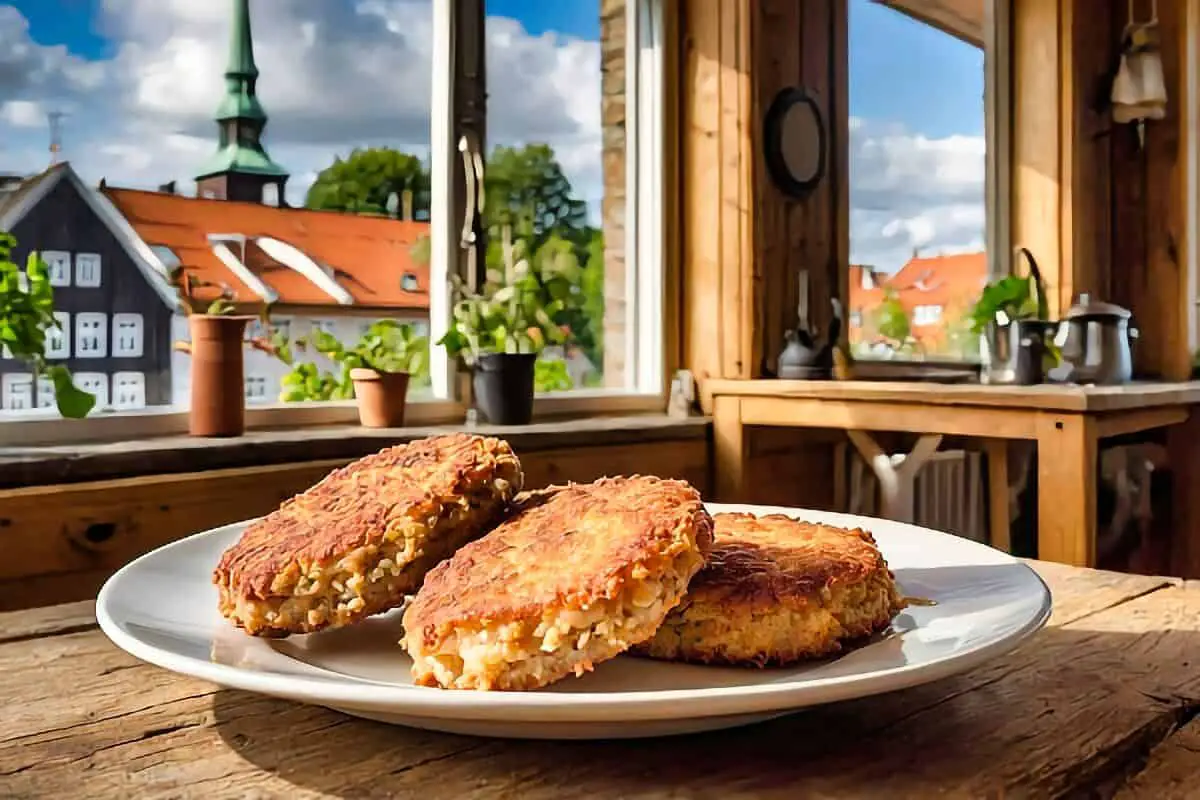
When I started outlining 20 Top Traditional Danish Recipes, I kept running into the same quick summary: “meat, potatoes, gravy, and rye bread.” That is part of the story, but everyday Danish food has more range than that. A typical lunch often means slices of dense rye bread topped with things like chicken salad, roast beef, liver pâté, or pickled herring. Dinner usually shifts to a hot plate built around pork or fish with potatoes on the side, which matches what many Danes still cook at home.
In 20 Top Traditional Danish Recipes, you will see the dishes that come up again and again in guides written by locals. Open-faced smørrebrød on rye bread appears in several forms, stacked with toppings from pickled herring to roast beef and egg with shrimp. Stegt flæsk med persillesovs—crispy slices of pork served with boiled potatoes and a creamy parsley sauce—shows up too, because it was voted Denmark’s national dish and still feels like the textbook “after work” plate. You will also meet frikadeller pork-and-beef meatballs, simple fish dishes, and soups such as gule ærter made from yellow split peas cooked with pork and vegetables.
The list in 20 Top Traditional Danish Recipes does not stop at one style of cooking. Some entries lean toward slow pans and stews: bean and pea soups, pork with apples known as æbleflæsk, and sausages like medisterpølse that are fried and served warm. Others reflect the way people eat in towns and cities today, from hot dog stand classics like red sausages and bøfsandwich burgers to more structured meals of roast pork with crackling (flæskesteg) and gravy. Altogether, the recipes help you see how meat, potatoes, cabbage, root vegetables, and grains are used across seasons.
20 Top Traditional Danish Recipes also makes space for the sweets that fill bakery windows and Christmas tables. You will find wienerbrød pastries such as kanelsnegle cinnamon spirals, spherical æbleskiver cooked in a special pan and dusted with sugar, and risalamande, a cold rice-and-cream dessert served with cherry sauce at Christmas.(VisitDenmark) Taken together, these recipes give you enough building blocks to put a Danish-style day on the table at home—from rye bread lunch to pork-and-potato dinner and a plate of pastries or rice pudding to finish.

Our Top 20 Traditional Danish Recipes
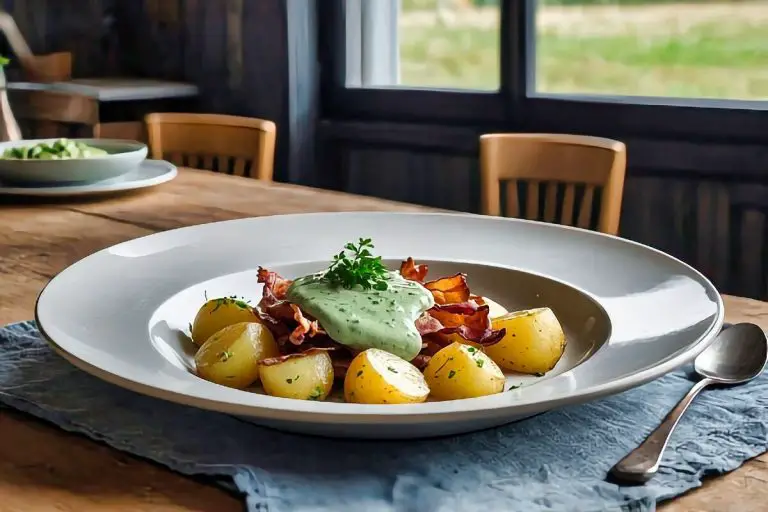
1. Stegt Flæsk med Persillesovs – Crispy Thick Bacon With Potatoes And Parsley Sauce Danish Recipe
When I first tried the Danish Stegt Flæsk med Persillesovs recipe, I was immediately struck by the contrast between the crispy, salty pork belly and the creamy, slightly tangy parsley sauce. The pork belly had a rich, savoury flavour, and the parsley sauce added a fresh and smooth note that balanced out the dish. The potatoes, served alongside, were soft and light, providing a perfect base for the meat and sauce.
The Danish Stegt Flæsk med Persillesovs recipe is popular with locals, and it’s not hard to see why. It’s a simple yet fulfilling dish, easy to prepare and perfect for a cold day. It’s also a great representation of Danish comfort food, often enjoyed in casual settings with friends or family.
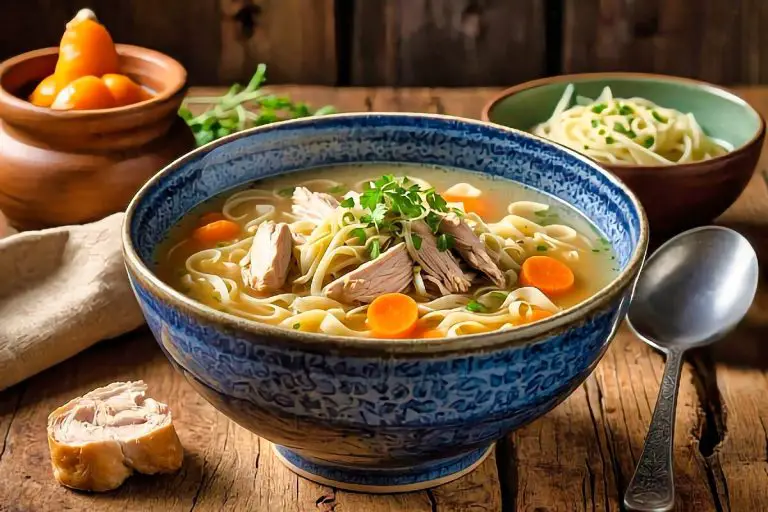
2. Hønsekødssuppe – Chicken Broth Soup with Double Dumplings
The name Hønsekødssuppe is misleading because a literal translation is “hens soup.” But, there are no poultry chunks included in the recipe. Instead, Danes boil a whole chicken carcass to create a delicious broth. Then they add in different Danish foods like frikadeller (meatballs) and dumplings.
There is a lovely relationship between many classic Danish dishes. When a chicken is boiled to make stock, the meat of the bird is often used for creamy chicken and asparagus tartlets, while the broth is turned into this delicious chicken soup with both pork and dough dumplings. While we used some of the locally available baby vegetables in this soup, it is just as delicious served with the vegetables used to make the stock.
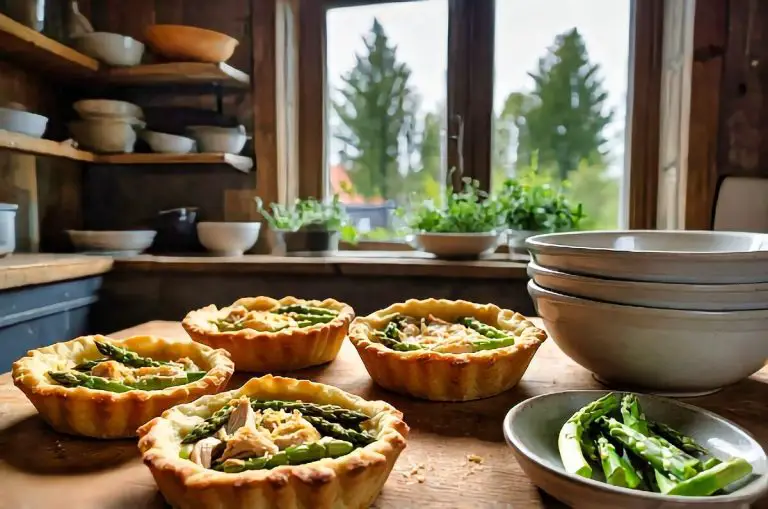
3. Chicken and Asparagus Tartlets Danish Recipe
When I first tasted the Danish Chicken and Asparagus Tartlets, I was impressed by the combination of textures. The pastry was crispy and light, while the filling was creamy and savoury, with the chicken and asparagus providing a balance of flavours. The chicken was tender, and the asparagus added a fresh, slightly earthy taste to the dish. It was simple, yet it had a satisfying richness that made it perfect for a casual meal.
The recipe is a popular dish in Denmark, particularly in Aalborg, where it is commonly served in homes and cafés. It is a great option for a quick yet delicious meal, and it reflects the Danish approach to food—simple, wholesome, and full of flavour. The dish is easy to make and often served during spring when asparagus is in season, making it a seasonal favourite.

4. Forloren Hare med Hasselback Kartofler – Danish Meatloaf w Hasselbaked Potatoes
The Danish Forloren Hare med Hasselback Kartofler recipe was the highlight of my cooking class in Esbjerg, Denmark. Esbjerg is a vibrant town located on the southwestern coast of Denmark. It’s known for its rich maritime history, which is visible in its attractions such as the Fisheries and Maritime Museum.
The city is also home to the striking Men at Sea sculpture, which stands tall along the coastline. On my trip, I had the chance to explore Esbjerg’s modern and historic parts, from its clean, wide streets to its picturesque harbour.
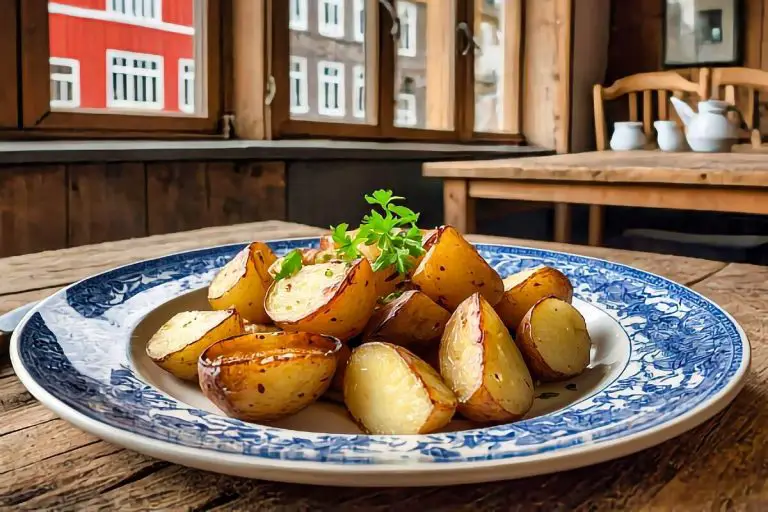
5. 4. Brunede Kartofler – Caramelized Browned Potatoes
Caramelized food not only looks appealing but tastes fantastic, and it’s all because of science. A unique chemical process called Maillard Reaction happens when making caramelized dishes.
The town’s picturesque streets are lined with traditional Danish architecture, and places like the Randers Regnskov, an indoor rainforest zoo, offer a unique experience. The town also boasts a number of cultural sites, including the Memphis Mansion, which is dedicated to Elvis Presley, and the Randers Art Museum, showcasing Danish art.
As for this Danish recipe, this dish is a staple in Danish cuisine, often served during the Christmas season or special family gatherings. The dish consists of small, boiled potatoes that are caramelized in sugar and butter. The result is a rich, glossy, and slightly crispy exterior with a soft, creamy interior. I was excited to learn how to prepare this dish as it is both simple and beloved by locals.
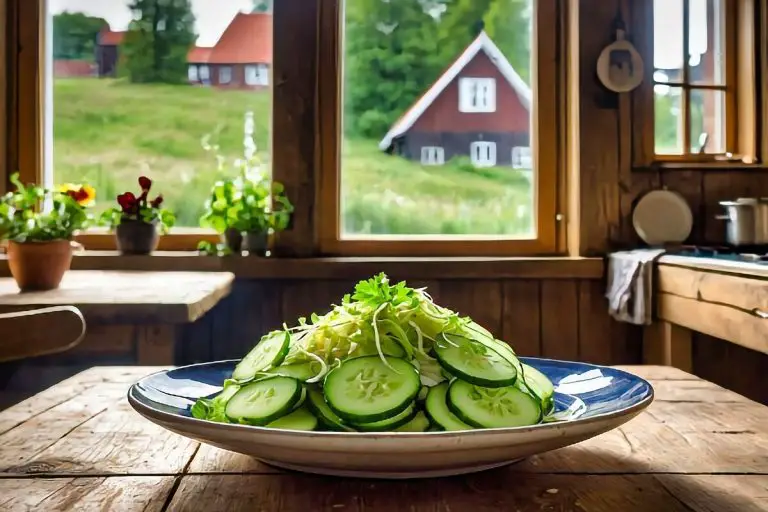
6. Agurkesalat – Danish Recipe for Cucumber Salad
After tasting the finished dish, I was struck by its crisp texture and refreshing flavour. The cucumbers retained a pleasant crunch, complemented by the tangy and slightly sweet marinade. It was easy to understand why this dish holds such popularity in Denmark, particularly in Horsens, where traditional foods are embraced with enthusiasm. Many restaurants and cafes in the area include Danish recipe choices like Agurkesalat as a standard side dish.
Beyond the cooking class, my time in Horsens provided opportunities to explore its history and culture. A visit to the Horsens Prison Museum offered a glimpse into the town’s past, while the nearby Bygholm Park provided a peaceful escape with its manicured gardens and walking trails. The experience of learning the Danish Agurkesalat recipe in this context made it not just a culinary lesson but also a deeper connection to Danish traditions.
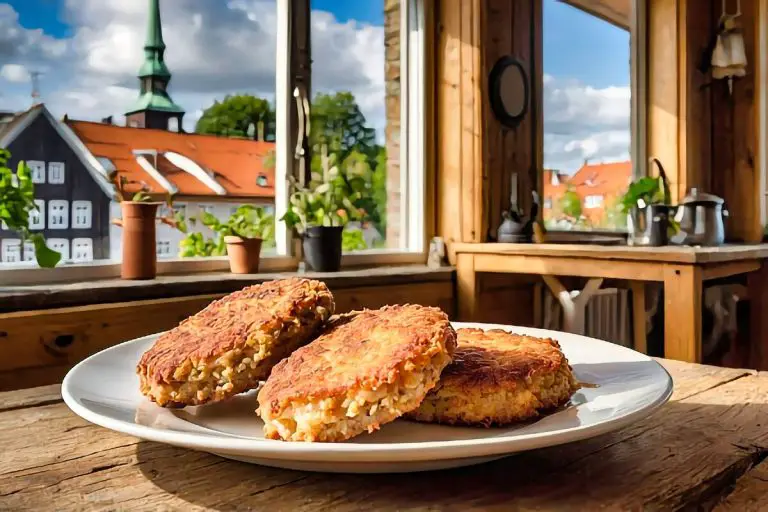
7. Karbonader – Danish Recipe for Breaded Pork Patties
The Vegetarian Danish Karbonader recipe was the focus of a cooking class I attended during a visit to Kolding, Denmark. Located in southern Jutland, Kolding is a town with a mix of historical charm and modern design. It is known for its medieval Koldinghus Castle, a striking red-brick fortress that now serves as a museum showcasing art and Danish history.
The town also features Geografisk Have, a botanical garden filled with unique plant collections and peaceful walking paths. Kolding’s streets are lined with contemporary architecture, shops, and cafes, making it a well-rounded destination for visitors.
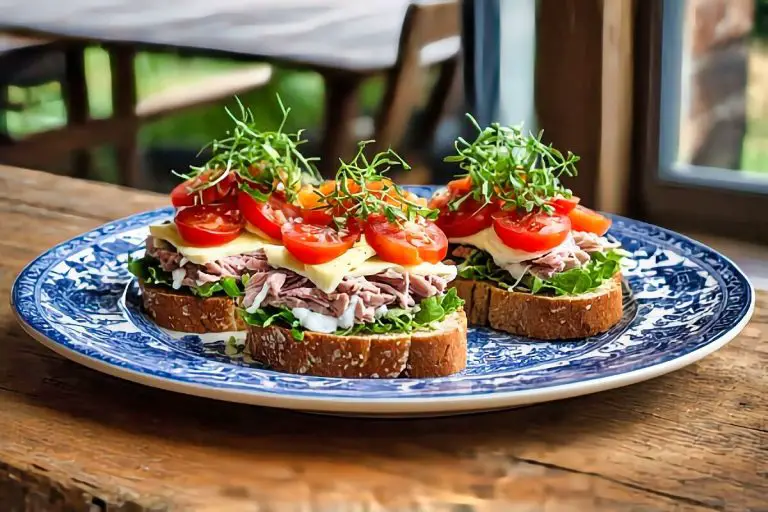
8. Smørrebrød – ‘Open Faced’ Sandwiches
The Danish Smørrebrød recipe was the focus of a cooking class I attended during a trip to Roskilde, Denmark. Roskilde, located west of Copenhagen, is a town known for its historical landmarks and cultural significance. The Roskilde Cathedral, a UNESCO World Heritage Site, stands prominently with its impressive Gothic and Romanesque architecture. The Viking Ship Museum is another key attraction, showcasing well-preserved Viking ships and offering insights into Denmark’s maritime history. The town itself features cobblestone streets, a bustling central square, and a scenic harbour, making it an appealing destination for visitors.

9. Rugbrød – Danish Rye Bread
The Danish recipe for Rugbrød was the centrepiece of a cooking class I attended in Copenhagen, Denmark. Copenhagen is a vibrant city known for its blend of historic landmarks and modern design. Nyhavn, the picturesque waterfront district, features colourful buildings and boats along the canal, making it a must-see spot. Other key attractions include the Tivoli Gardens, an iconic amusement park, and the impressive Christiansborg Palace, home to the Danish Parliament. Walking through the city, cobblestone streets and stylish urban architecture provide a mix of charm and functionality.
The cooking class focused on making the Danish Rugbrød recipe, a traditional rye bread that is a staple in Denmark. Rugbrød is dark, dense, and often filled with grains and seeds. The instructor explained its cultural importance, highlighting that it serves as the base for popular dishes like Smørrebrød. The process involved mixing rye flour, whole grains, and sourdough starter, followed by a long fermentation period to develop the bread’s distinct flavour.

10. Brændende Kærlighed Danish Recipe – Burning Love
Outside the cooking class, Copenhagen offered numerous activities. I visited the Designmuseum Denmark to explore the country’s design heritage and walked through the vibrant Nørrebro district to see its eclectic shops and cafes. The city’s green spaces, like the King’s Garden at Rosenborg Castle, provided a peaceful retreat.
Learning the Danish Brændende Kærlighed recipe added depth to my experience in Copenhagen, connecting me to the local food culture and traditions. The simplicity and flavour of the dish reflect the city’s balance of tradition and practicality, making it a memorable part of my trip.

11. Mørbradgryde – Pork Tenderloin Stew
The Danish Mørbradgryde recipe was the highlight of my cooking class during my trip to Odense, Denmark. Odense is a charming city located on the island of Funen, known for its historical significance and connection to Hans Christian Andersen, the famous fairy tale author.
The city offers various attractions, such as the Hans Christian Andersen Museum, where you can explore his life and works, and the beautiful Odense Zoo, home to a wide range of animals. Strolling through the cobblestone streets of the town centre, you’ll find a mix of old buildings and modern shops. The city is also known for its parks and green spaces, such as Munke Mose Park, perfect for a leisurely walk.

12. Rødkål – Danish Red Cabbage
When tasting the Danish Rødkål recipe, I found it to be a perfect side dish. The sweetness from the apples and sugar balanced the tartness of the vinegar, making it a great contrast to the savoury main dishes it typically accompanies. The texture was pleasantly tender, with the cabbage absorbing the flavours of the other ingredients.
This dish is a staple in Danish cuisine and is especially popular in Aalborg, where it is often served at family gatherings and festive occasions. It’s a dish that pairs well with hearty meats, and its popularity with locals is a testament to its satisfying and simple flavour profile. After the cooking class, I had the chance to walk around Aalborg, enjoying the lively atmosphere and the beautiful blend of old and new architecture.
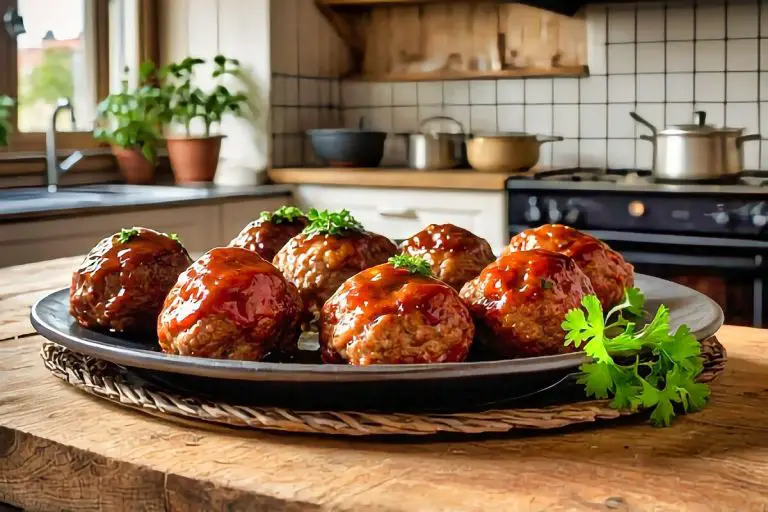
13. Frikadeller – Danish Meatballs
During my stay in Esbjerg, I participated in a cooking class where I learned how to prepare the Danish Frikadeller recipe, a traditional Danish dish consisting of pan-fried meatballs made from a mixture of ground pork and beef. The dish is a staple in Danish cuisine, often served with potatoes, gravy, and pickled vegetables. The cooking class focused on the importance of seasoning and achieving the right texture in the meatballs. My first impression of the Danish Frikadeller recipe was that it seemed like a simple and comforting dish, but the preparation required attention to detail to get the right balance of flavours.
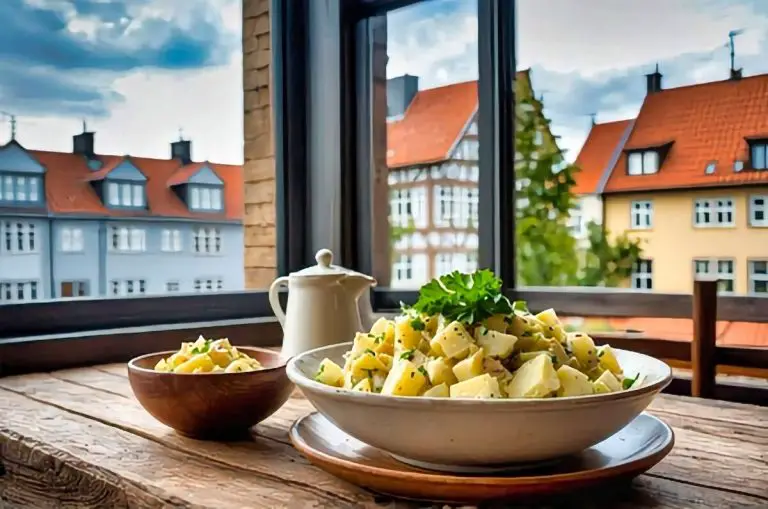
14. Kold Kartoffelsalat – Danish Cold Potato Salad
My first impressions of the Danish Kold Kartoffelsalat recipe were that it seemed like a straightforward dish, but the right proportions of ingredients were essential to get the best taste. The potatoes were boiled until tender, and then they were mixed with a creamy dressing made of mayonnaise and mustard. Fresh herbs, such as dill or parsley, were added to enhance the flavour. The salad was left to chill, allowing the flavours to meld together.
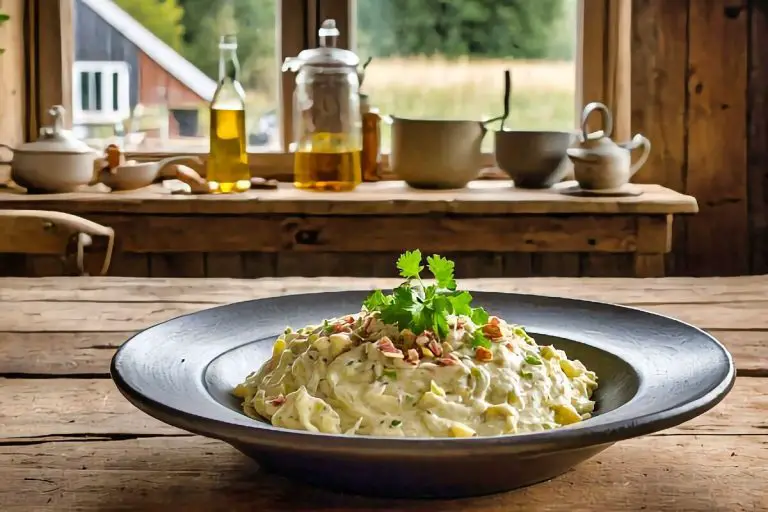
15. Danish Remoulade – Traditional Condiment
The taste of the Danish Remoulade recipe was just as I had imagined – creamy with a perfect balance of tartness and sweetness. The texture was smooth, with small bits of pickles and capers adding a pleasant crunch. Locals in Horsens and throughout Denmark enjoy this recipe as a traditional accompaniment to various meals. It is especially popular with fried fish and meatballs, but you can also find it served with other types of Danish smørrebrød (open-faced sandwiches).

16. Biksemad – Danish Hash
I learned how to make the Danish Biksemad recipe during my trip to Kolding, Denmark. This dish is a classic comfort food in Denmark, known for its hearty and filling ingredients. It consists of diced potatoes, meat, onions, and a fried egg on top, served with pickled beets and sometimes a side of ketchup. The Danish Biksemad recipe is often enjoyed as a quick and satisfying meal, especially for lunch or dinner.
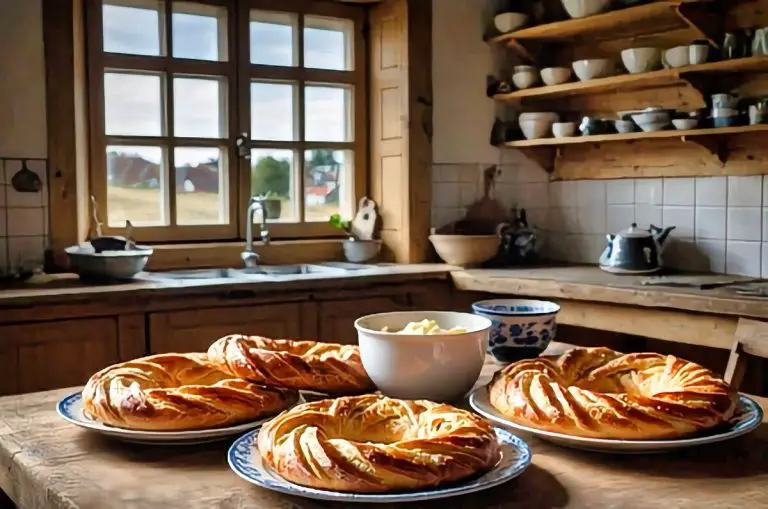
17. Danish Kringle Recipe
The Danish Kringle recipe was the highlight of my visit to Roskilde, a historical and cultural town in Denmark. Roskilde is a medieval village just a train ride from Copenhagen. Cobbled streets lined with shops, cafes and colourful buildings can be explored on foot. Attractions consist of the Roskilde Cathedral (a UNESCO World Heritage Site) and the Viking Ship Museum because of its authentic Viking history and ships.
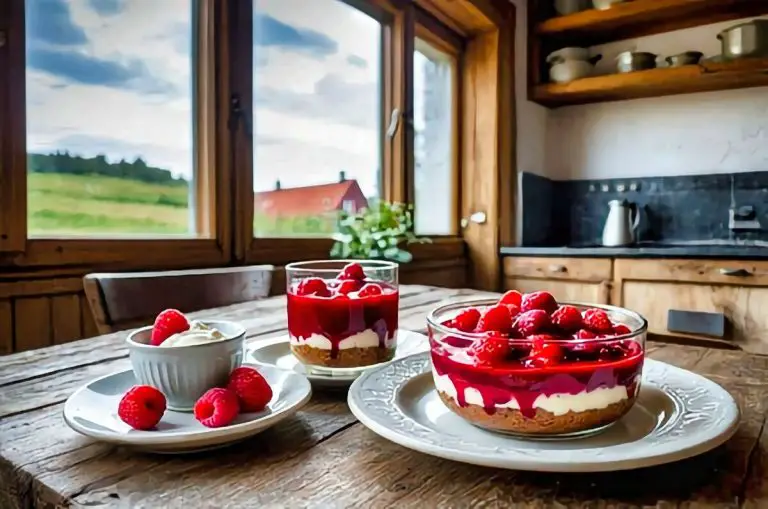
18. Rød grød med fløde – Red Berry Pudding with Cream
The Danish Rødgrød med Fløde recipe was the highlight of my visit to Roskilde, a Danish town famous for its Viking heritage and cultural landmarks. Roskilde has cobblestone streets, colourful buildings and medieval and modern architecture. It has the UNESCO World Heritage Site Roskilde Cathedral and the Viking Ship Museum, in which guests can observe preserved Viking ships and also learn about their heritage.
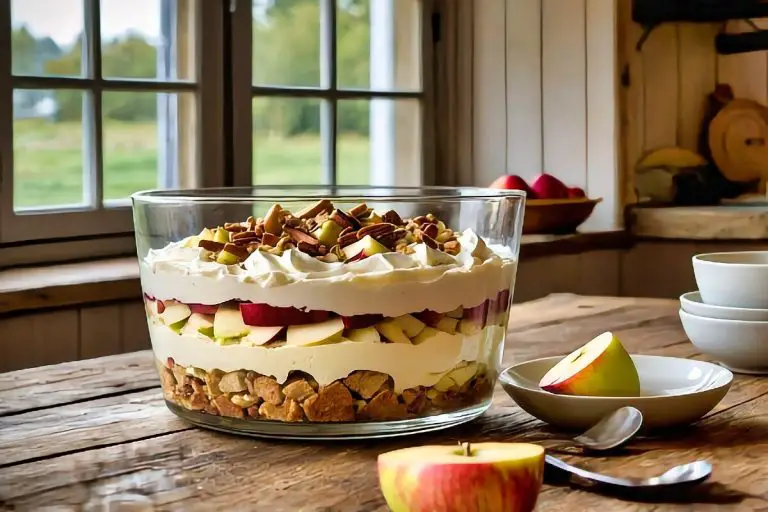
19. Aeblekage – Danish Apple Trifle
The Danish Aeblekage recipe was the focus of my visit to Jutiapa, a small town in Denmark. Jutiapa is known for its countryside and local charm, with rolling green landscapes, small homes and quiet pace of life. It is an ideal place to visit for those interested in Danish traditions and rural scenery. The town has a few sights such as small local markets, historic churches and walking trails.
Learning the Danish Aeblekage recipe was a practical way to get to know Danish food culture and its emphasis on simplicity and fresh ingredients. Jutiapa was quiet but pleasant and a worthwhile stop for anyone interested in Denmark’s rural traditions. For visitors, trying or learning the Danish Aeblekage is a good way to get involved in the local way of life.
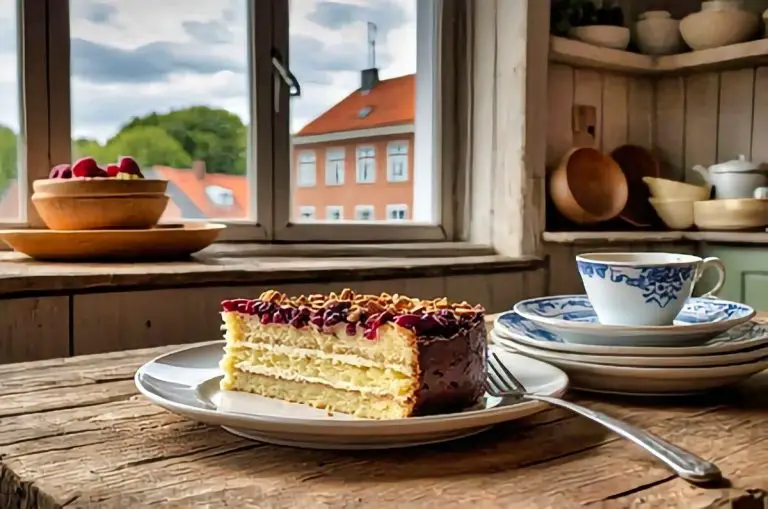
20. Traditional Danish Layer Cake
In the Danish Lagkage recipe, sponge cake is layered with fillings such as whipped cream, fruit and jam. We started by making the sponge cakes which needed to be light and even baked. Cooled cakes were topped with whipped cream and fruit preserves. Optional toppings like fresh fruits and chocolate shavings are also covered by the class and can make the dessert special.
Learning the Danish Lagkage recipe was an interesting way to get involved in Danish traditions. The experience was made better by Jutiapa’s serene environment. For anyone visiting this region, trying or learning to make Danish Lagkage is an excellent way to get involved in the local culture.
31 comments
The 20 Top Traditional Danish Recipes are a delightful taste of Denmark, with classic dishes like smørrebrød and æbleskiver. Authentic and delicious!
The 20 Top Traditional Danish Recipes were a delightful journey through authentic flavors and comforting dishes. Each recipe felt like a warm hug from Denmark.
The 20 Top Traditional Danish Recipes were delicious and authentic. I especially loved the Æbleskiver and Smørrebrød recipes. Will definitely make again!
The 20 Top Traditional Danish Recipes were a delightful taste of Denmark, bringing me back to fond memories of my time there. Authentic and delicious!
The 20 Top Traditional Danish Recipes were a delightful mix of flavors and textures, offering a true taste of Denmark. Highly recommend trying them all!
The 20 Top Traditional Danish Recipes were a delightful taste of Denmark. Authentic flavors and easy-to-follow instructions made for an enjoyable culinary adventure.
The 20 Top Traditional Danish Recipes were a delightful taste of Denmark. The frikadeller and smørrebrød were authentic and delicious. Highly recommend.
The 20 Top Traditional Danish Recipes are a delightful taste of Denmark. Each dish was authentic and easy to follow. Truly delicious!
The 20 Top Traditional Danish Recipes were a delicious journey through Danish cuisine. The smørrebrød and æbleskiver were absolute highlights!
The 20 Top Traditional Danish Recipes were a delicious journey through Danish cuisine. Authentic flavors and easy-to-follow instructions made cooking a joy.
The 20 Top Traditional Danish Recipes were a delightful taste of Denmark. The recipes were easy to follow and authentic. Truly a culinary journey!
The 20 Top Traditional Danish Recipes were a hit at my dinner party! Authentic flavors and easy-to-follow instructions made for a delicious meal.
The 20 Top Traditional Danish Recipes were a delightful journey through Danish cuisine. The flavors and authenticity truly transported me to Denmark!
The 20 Top Traditional Danish Recipes were a delicious journey through authentic flavors and comforting dishes. A must-try for anyone craving Danish cuisine.
The 20 Top Traditional Danish Recipes was a delightful collection of classic dishes that brought back memories of my time in Denmark. Authentic and delicious!
The 20 Top Traditional Danish Recipes were delicious and authentic. I especially loved the Æbleskiver and Smørrebrød recipes. Cant wait to make them again!
The 20 Top Traditional Danish Recipes were a delightful taste of Denmark! Authentic flavors and easy-to-follow instructions made me feel like a true Danish chef.
The 20 Top Traditional Danish Recipes were a delightful taste of Denmark. The smørrebrød and æbleskiver were authentic and delicious. Highly recommend!
The 20 Top Traditional Danish Recipes were a hit at my family gathering. Authentic flavors and easy-to-follow instructions made for a delicious meal.
The 20 Top Traditional Danish Recipes were a delightful taste of Denmark. The smørrebrød and æbleskiver were my favorites! Authentic and delicious.
The 20 Top Traditional Danish Recipes were a delightful journey through classic flavors and comforting dishes that transported me to Denmark. Delicious!
The 20 Top Traditional Danish Recipes were a delightful taste of Denmark. Each dish was rich in flavor and easy to make.
The 20 Top Traditional Danish Recipes were a delightful taste of Denmark. Each dish was authentic and delicious. Highly recommend trying them all!
The 20 Top Traditional Danish Recipes were a hit at my dinner party. Authentic flavors and easy-to-follow instructions made for a delicious meal.
The 20 Top Traditional Danish Recipes were a hit at our family gathering. The smørrebrød and æbleskiver were especially delicious and authentic. Highly recommend trying them out!
The 20 Top Traditional Danish Recipes were a delicious journey through classic flavors and easy-to-follow instructions. A must-try for any foodie!
The 20 Top Traditional Danish Recipes were a hit with my family! Authentic flavors and easy-to-follow instructions made for a delicious meal.
The 20 Top Traditional Danish Recipes were a delightful taste of Denmark! Each dish was authentic and delicious, reminding me of my travels there.
The 20 Top Traditional Danish Recipes were a delightful taste of Denmark. Each dish felt authentic and brought me back to my travels. Delicious!
The 20 Top Traditional Danish Recipes was a delightful culinary journey through Denmarks flavors. Each dish was authentic and delicious.
The 20 Top Traditional Danish Recipes were easy to follow and delicious. I loved trying new flavors and techniques. Highly recommend!