
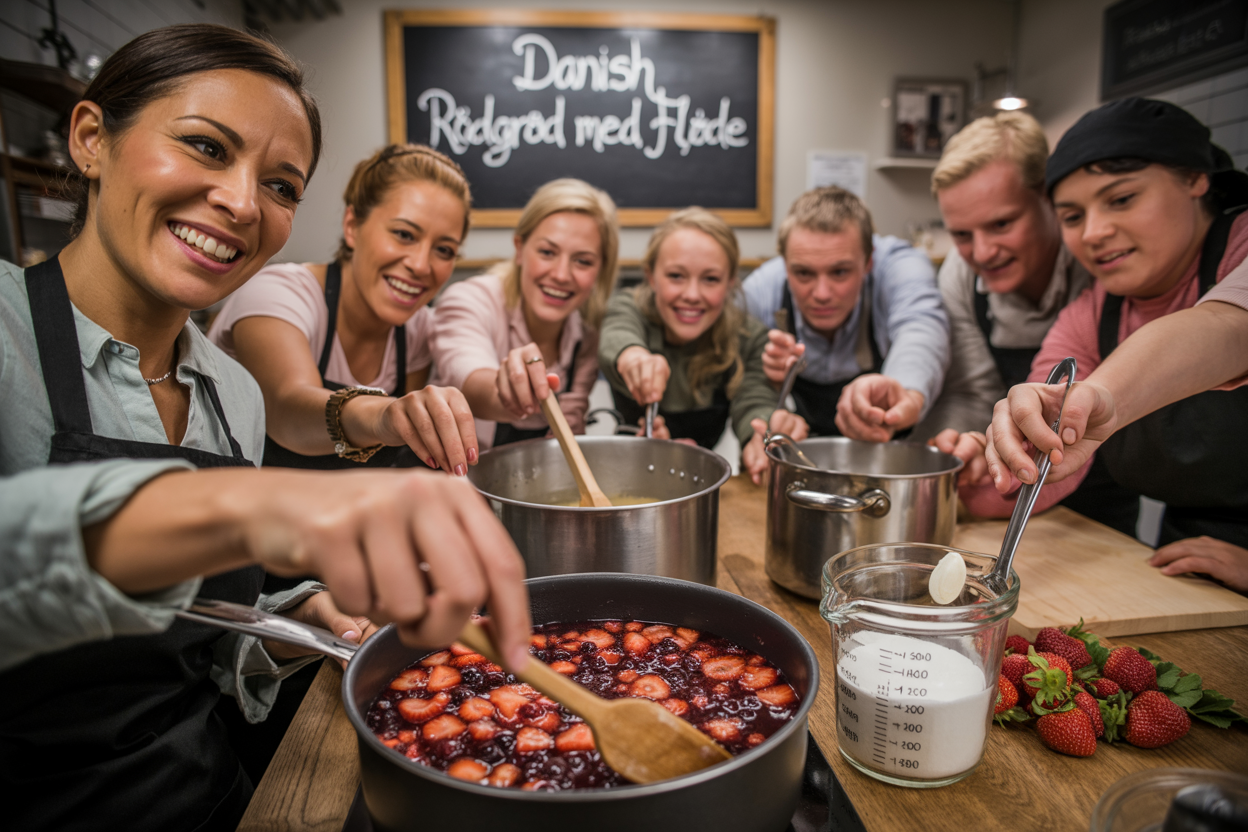
The Danish Rødgrød med Fløde recipe was the highlight of my visit to Roskilde, a Danish town famous for its Viking heritage and cultural landmarks. Roskilde has cobblestone streets, colourful buildings and medieval and modern architecture. It has the UNESCO World Heritage Site Roskilde Cathedral and the Viking Ship Museum, in which guests can observe preserved Viking ships and also learn about their heritage.
I tried to get into Danish culture by taking a cooking class to make Danish Rødgrød med Fløde (red berry compote with cream), a classic dessert. The class was held in a small kitchen studio near the town square, near local markets and shops. This dessert is very popular with locals and served at summer gatherings and family meals.
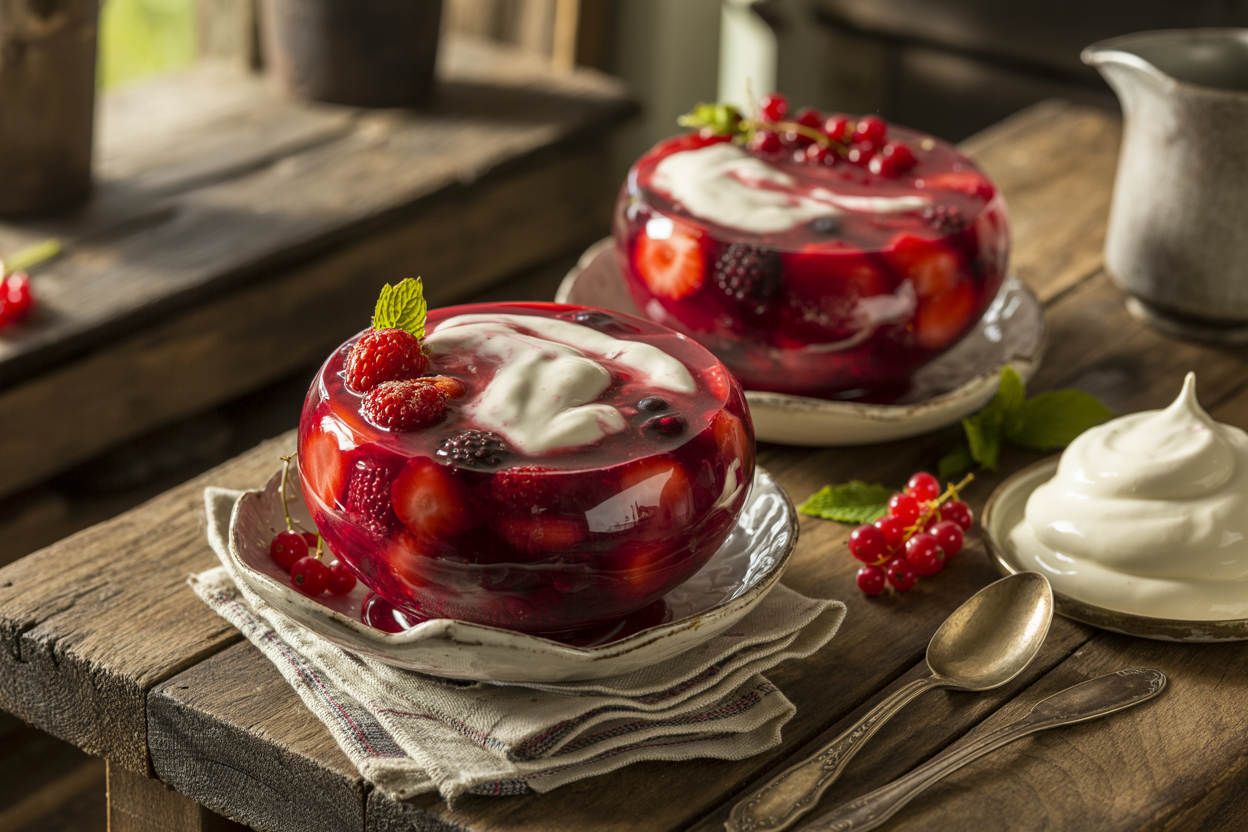
The instructor showed us how to make the Danish Rødgrød med Fløde recipe. The dish requires simmering reddish berries (strawberries, raspberries, red currants) with sugar and water to create a thick compote. A bit of starch is added for consistency. The dessert is typically served chilled with a generous dollop of cream on top to offset the tartness of the berries.
My first impressions of the Danish Rødgrød med Fløde were simple and fresh. When I experimented with the dessert, the nice tangy berries and the thick cream actually stood out to me. It had a smooth texture with occasional bursts of fruit. The dish is a staple in Danish households and a special treat in local cuisine.
Roskilde was more than a cooking class: there was more to see and do outside the cooking class. A glimpse into daily life was provided by the vendors selling fresh produce, baked goods and handmade crafts in the market square. A walk along the Roskilde Fjord offered views of the water and the landscape. The Viking Ship Museum was particularly interesting as it was an interactive experience about Denmark’s maritime history.
Learning the Danish Rødgrød med Fløde recipe was a practical way to get familiar with Danish traditions and taste the local flavours. Roskilde is a place to visit and try its famous dishes.
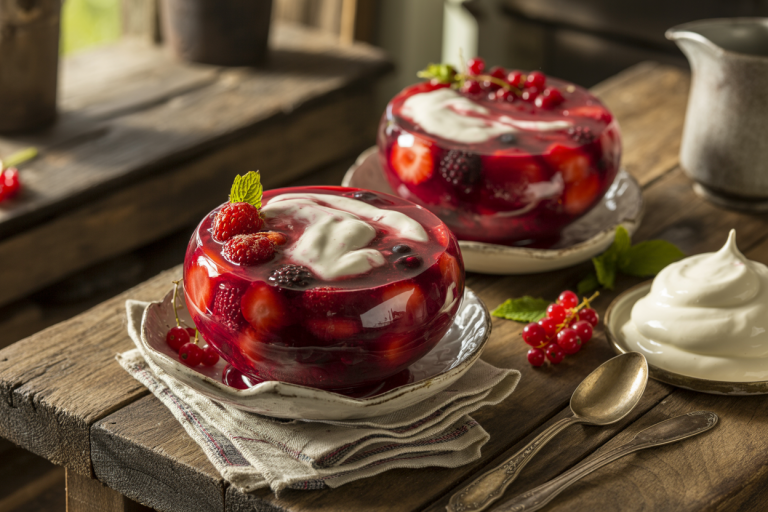
Danish Rødgrød med Fløde
The Favorite Food of Danish Locals
Denmark is a country celebrated for its rich food heritage, with a focus on fresh, local ingredients and traditional cooking methods. Danish cuisine has gained international recognition, but the local favourites often revolve around comforting, everyday dishes that reflect the simplicity and quality of Nordic food culture.
Smørrebrød: The Iconic Open-Faced Sandwich
Denmark’s most popular dish is an open-faced sandwich on rye bread called Smørrebrød. This staple may be topped with pickled herring and cured meats, shrimp, or eggs, or seasonal vegetables. Danish locals enjoy smrrebrd for lunch or on special occasions. Rye bread (rugbrd) is one of the main dishes in Danish cuisine, prized for its thick, nutty taste.
Frikadeller: A Family Favorite
Frikadeller are Danish meatballs that are seasoned with onion, salt, pepper and allspice in the hearts of ground pork, beef or veal. They are pan-fried to golden perfection with boiled potatoes, creamy gravy and pickled red cabbage. Frikadeller are a staple at family dinners and are loved for their softness and comforting appeal.
Rugbrød: The Foundation of Danish Meals
Rugbrød is dense, dark rye bread, a cultural staple. It is a staple food for Danish locals, packed with nutrients and fibre. Often paired with cold cuts, cheese, or fish, rugbr’d is celebrated for its rich flavor and versatility. Some Danes make their very very own bread at home.
Flæskesteg: A Festive Delight
Flæskesteg (roasted pork with crispy crackling) is a traditional Christmas dish in Denmark. This traditional dish calls for pork loin seasoned with salt and sometimes cloves and roasted for crackling. It is served with caramelised potatoes, red cabbage and savoury gravy and is a traditional dish of Danish hospitality and cuisine.
Danish Pastries: A Sweet Treat
Danish pastries wienerbrød remain a local favorite, although internationally known. From custard-filled spandauerto jam-topped tebirkes, these buttery, flaky delights come in many shapes and flavors. They are usually eaten with a cup of coffee during the afternoon break kaffepause.
Hygge on a Plate
Danish food is strongly associated with Hygge, cosiness and contentment. Meals are often simple but prepared with care, using seasonal and quality ingredients. Whether it’s a light lunch of smørrebrød or a festive dinner with flæskesteg, Danish locals value food, family and tradition.
Every bite in Denmark is a story of heritage, community and respect for the land. For visitors, tasting these favourite dishes is a delicious way to taste the heart of Danish culture.
10 Most Popular Spices Used in Danish Cooking
Danish cooking relies on subtle seasoning to enhance the natural flavours of fresh, local ingredients. While not as spice-heavy as other cuisines, Danish recipes still make strategic use of key spices to bring warmth, depth, and a unique character to their dishes. Below are the ten most popular spices that play a significant role in Danish cooking.
1. Dill Dill is perhaps the most iconic herb used in Danish cuisine. Its delicate, grassy flavour is a perfect match for seafood, particularly pickled herring and salmon. Dill also enhances the flavour of potato dishes, soups, and sauces. Fresh dill is preferred, but dried dill is often used for longer-lasting seasoning.
2. Caraway Seeds Caraway seeds are essential in traditional rye bread (*rugbrød*) and other baked goods. Their earthy, anise-like flavour adds complexity to dishes like cabbage stews and pickled vegetables. Caraway is also a key flavour in Danish schnapps (*akvavit*), tying it closely to Danish culture.
3. Allspice Allspice is commonly used in Danish meatballs (*frikadeller*) and sausage recipes, adding a warm, peppery note. It’s also a popular addition to stews and gravies, complementing the hearty, savoury dishes that define Danish comfort food.
4. Nutmeg Nutmeg brings a warm, slightly sweet flavour to both sweet and savoury dishes. It’s often added to white sauces, potato dishes, and baked goods. In desserts like *risalamande* (rice pudding), nutmeg enhances the creamy, comforting profile.
5. Cinnamon Cinnamon is widely used in Danish baking, lending its warm spice to pastries such as cinnamon rolls (*kanelsnegle*). It’s also found in festive recipes like Christmas cookies (*brunkager*), showcasing its importance in traditional sweets.
6. Bay Leaves Bay leaves are a common seasoning in Danish soups, stews, and marinades. Their mild, herbal flavour enhances the depth of slow-cooked dishes such as beef stews and pickled meats. Bay leaves are often removed before serving, as their essence infuses the dish during cooking.
7. Cloves Cloves are used sparingly in Danish cooking but are crucial in certain traditional recipes. They provide a sweet, spicy aroma to holiday dishes like roast pork (*flæskesteg*) and mulled wine (*gløgg*). Ground cloves may also appear in gingerbread cookies and spiced cakes.
8. Mustard Seeds Mustard seeds are integral to Danish pickling recipes, especially for cucumbers and onions. They offer a tangy, pungent flavour that enhances the pickling brine, balancing the acidity and sweetness of the dish.
9. Cardamom Cardamom is a favourite in Danish baking, particularly in pastries and festive bread. Its floral, citrusy notes are essential in recipes like *julekage* (Christmas bread) and spice cakes. Cardamom pods are also sometimes used to flavour stews.
10. Pepper Black and white pepper are staples in Danish kitchens, used to season a wide variety of dishes. White pepper, in particular, is preferred for creamy sauces, soups, and potato dishes, providing a mild, pungent heat without altering the dish’s appearance.
Danish cuisine celebrates the natural flavours of its ingredients, with spices used judiciously to enhance rather than overpower dishes. These ten spices, from the brightness of dill to the warmth of cinnamon and cloves, reflect the understated yet flavourful character of Danish cooking. Whether in a hearty stew or a delicate pastry, each spice contributes to the depth and balance that define Denmark’s food traditions.
Ingredients
1 1/2 lb. Strawberries,fruit, such as red currants, black currants, raspberries, strawberries, rhubarb, or a combination can be used.
3 cups water
1 cup sugar
1/4 cup potato starch, or cornstarch, dissolved in 1/2 cup cold water
1 cup heavy cream
1 tablespoon vanilla sugar, for the whipped cream, optional
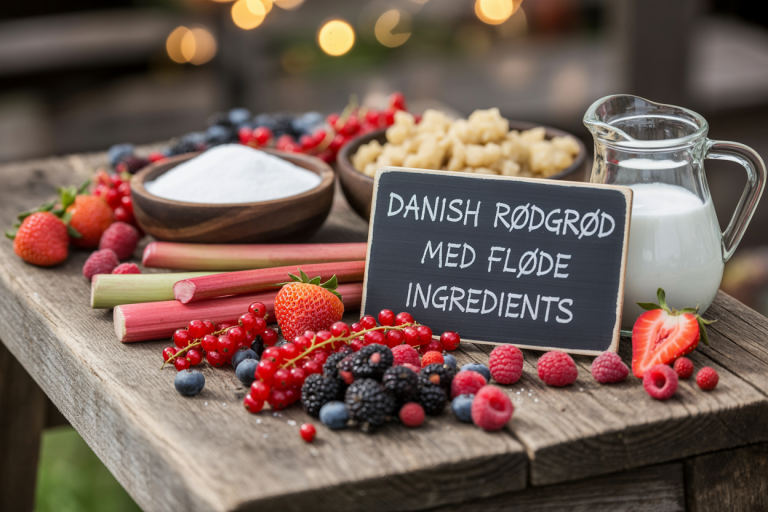
Danish Rødgrød med Fløde Ingredients
Cooking Instructions
Collect everything you’ll need. Thoroughly wash the fruit. Tear the rhubarb into 1-inch pieces if you’re going to use it.
In a nonreactive saucepan, combine the fruit with three cups of water. Bring to a boil, then simmer over medium-low heat until fruit is tender. After taking the juice from the heat, strain it through a fine-mesh sieve or cheesecloth. Remove the seeds from the berries and throw them out.
Turn the juice pot back on, add the sugar, and simmer for a few minutes.
Thicken the mixture by adding the dissolved potato flour or cornstarch liquid while reducing the heat to medium. The mixture will begin to congeal into a heavy syrup consistency if you stir it consistently until it does.
Take it off the heat, divide it up into serving bowls, wrap each with plastic wrap, and chill for at least two hours, or up to two days. Top with vanilla sugar-sweetened whipped cream or serve chilled with plain cream.
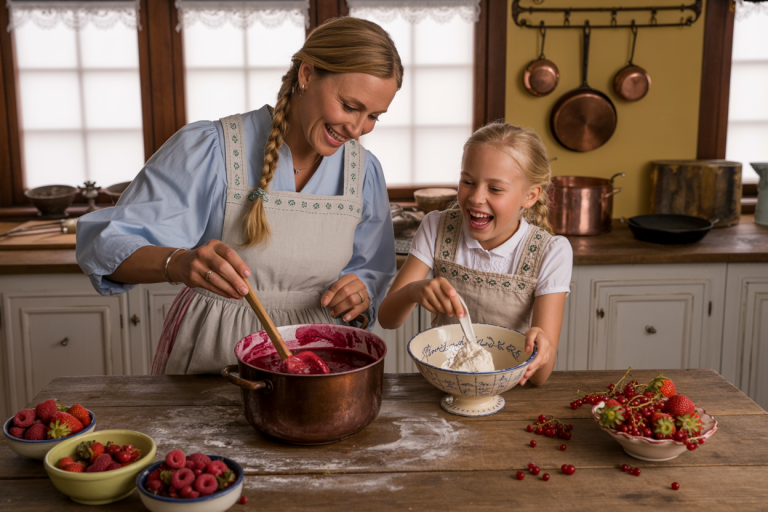
Danish Rødgrød med Fløde Cooking Tips
Danish Rødgrød med Fløde Recipe Cooking Tips
• Rødgrød med Fløde is known for its bright berry flavor, smooth texture, and creamy topping.
• Strawberries, raspberries, currants, cherries, and red berries are commonly used in traditional versions.
• Fresh ripe berries create the best flavor and vibrant color.
• Frozen berries also work well and are commonly used year-round.
• Sugar balances the natural tartness of the berries.
• Potato starch or cornstarch thickens the dessert into its classic pudding consistency.
• Mix the starch with cold water first to avoid lumps when adding it to the hot berries.
• Cook gently once thickened because overboiling can thin the pudding again.
• Lemon juice can brighten the berry flavors beautifully.
• Vanilla can add warmth and softness to the fruit flavor if desired.
• The pudding should stay smooth and glossy without becoming too stiff.
• Serve chilled with cold heavy cream poured over the top.
• Some versions are served with milk instead of cream for a lighter finish.
• The flavor should balance sweet-tart berries with cool creamy richness.
• Rødgrød med Fløde is one of Denmark’s most famous traditional desserts and is well known for its difficult pronunciation.
Danish Rødgrød med Fløde Cooking Tips
Danish Rødgrød med Fløde Recipe Storage Tips
• Keep the berry pudding refrigerated in airtight containers at all times.
• Refrigeration helps the pudding set more firmly and deepen in flavor.
• Stir gently before serving leftovers if slight separation occurs.
• Fresh cream should be added just before serving for the best texture and flavor.
• Berry flavors often become richer after overnight refrigeration.
• Avoid freezing if possible because the starch texture may change after thawing.
• If freezing is necessary, use airtight freezer-safe containers and thaw gradually in the refrigerator.
• Use clean utensils when serving to help maintain freshness.
• Serve chilled directly from the refrigerator for the best texture and flavor balance.
• Berry desserts are generally best enjoyed within a short refrigerated storage period for ideal freshness and color.
• Keep away from strongly scented foods because berry desserts absorb odors easily.
• Slight thickening during refrigeration is normal.
• Discard leftovers if the pudding develops sour odors, mold, bubbling, or unusual texture changes.
Danish Rødgrød med Fløde Recipe
Ingredients
- 1 1/2 lb. Strawberries fruit, such as red currants, black currants, raspberries, strawberries, rhubarb, or a combination can be used.
- 3 cups water
- 1 cup sugar
- 1/4 cup potato starch or cornstarch, dissolved in 1/2 cup cold water
- 1 cup heavy cream
- 1 tablespoon vanilla sugar for the whipped cream, optional
Instructions
- Collect everything you'll need. Thoroughly wash the fruit. Tear the rhubarb into 1-inch pieces if you're going to use it.
- In a nonreactive saucepan, combine the fruit with three cups of water. Bring to a boil, then simmer over medium-low heat until fruit is tender. After taking the juice from the heat, strain it through a fine-mesh sieve or cheesecloth. Remove the seeds from the berries and throw them out.
- Turn the juice pot back on, add the sugar, and simmer for a few minutes.
- Thicken the mixture by adding the dissolved potato flour or cornstarch liquid while reducing the heat to medium. The mixture will begin to congeal into a heavy syrup consistency if you stir it consistently until it does.
- Take it off the heat, divide it up into serving bowls, wrap each with plastic wrap, and chill for at least two hours, or up to two days. Top with vanilla sugar-sweetened whipped cream or serve chilled with plain cream.
FAQ For the Danish Rødgrød med Fløde Recipe
Q: What is the Danish Rødgrød med Fløde recipe?
The Danish Rødgrød med Fløde recipe is a traditional Danish dessert made from a blend of red berries such as strawberries, raspberries, and red currants, cooked into a thick compote and served with cream. It is a simple yet popular dish enjoyed throughout Denmark.
Q: What ingredients are needed for a Danish Rødgrød med Fløde recipe?
The Danish Rødgrød med Fløde recipe typically includes red berries, sugar, water, and a thickening agent like potato starch. It is served with cream, which adds a rich and creamy texture to complement the tartness of the berries.
Q: Is the Danish Rødgrød med Fløde recipe difficult to make?
No, the Danish Rødgrød med Fløde recipe is straightforward and easy to prepare. It involves simmering the berries with sugar and water, then thickening the mixture with starch. The recipe requires basic cooking skills and simple ingredients.
Q: Can I customise the Danish Rødgrød med Fløde recipe with different berries?
Yes, the Danish Rødgrød med Fløde recipe is versatile and allows for customisation. While traditional recipes use strawberries, raspberries, and red currants, you can experiment with other fruits like blackberries or cherries to suit your taste.
Q: Where can I try an authentic Danish Rødgrød med Fløde recipe?
You can try an authentic Danish Rødgrød med Fløde recipe at local cafes or restaurants in Denmark, especially during the summer months. Alternatively, cooking classes in towns like Roskilde offer hands-on opportunities to learn the recipe directly from local experts.

Recipes are gathered in person and written for real-world cooking conditions.
- 10 Hungarian Dessert Recipes Passed Down Through Generations - July 25, 2026
- 11 Easy English Recipes Anyone Can Make - July 25, 2026
- Hungarian Kifli Recipe - July 25, 2026
3 comments
I really liked this fruit dessert.
I cant believe they didnt include a section on the history of Rødgrød med Fløde! How can we fully appreciate a dish without knowing its origins? Come on, give us the juicy details!
I cant believe they didnt mention the secret ingredient in Rødgrød med Fløde – its what makes it truly authentic! And anyone who skips the traditional toppings is missing out big time.
Comments are closed.