
Kapenta brings you a straight-up, no-nonsense taste of Zimbabwe that’s surprisingly doable at home. Here’s a Zimbabwe Kapenta recipe that turns those dried little fish into a hearty, savory stew—just the thing with sadza or rice.
This post dives into what kapenta (sometimes called matemba) actually is, lays out a Zimbabwe Kapenta recipe you can follow without fuss, and tosses in some honest tips for dialing in salt, texture, and flavor. You’ll get advice on soaking or frying the fish, building a tomato-onion base, and the best ways to serve the stew for a meal that hits the spot.
I mean, after this, you’ll probably be able to whip up a Zimbabwe Kapenta recipe with confidence. You can tweak things to suit what’s in your pantry or just your mood—maybe you want a quick dinner, or maybe you’re chasing that nostalgic taste of Zimbabwean tradition.
Description, Recipe, and Historical Information
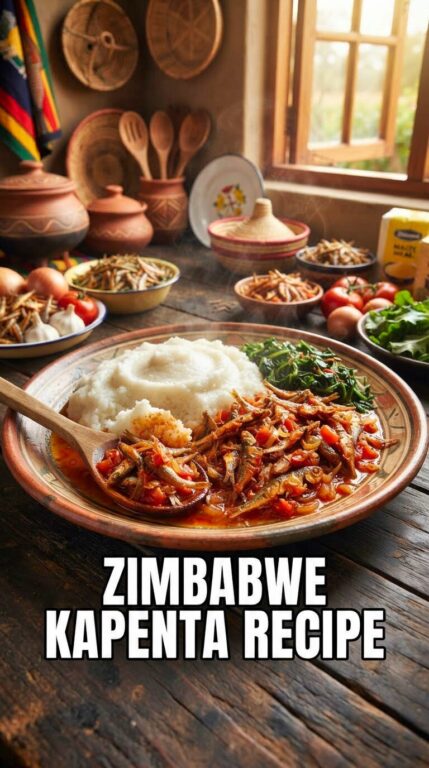
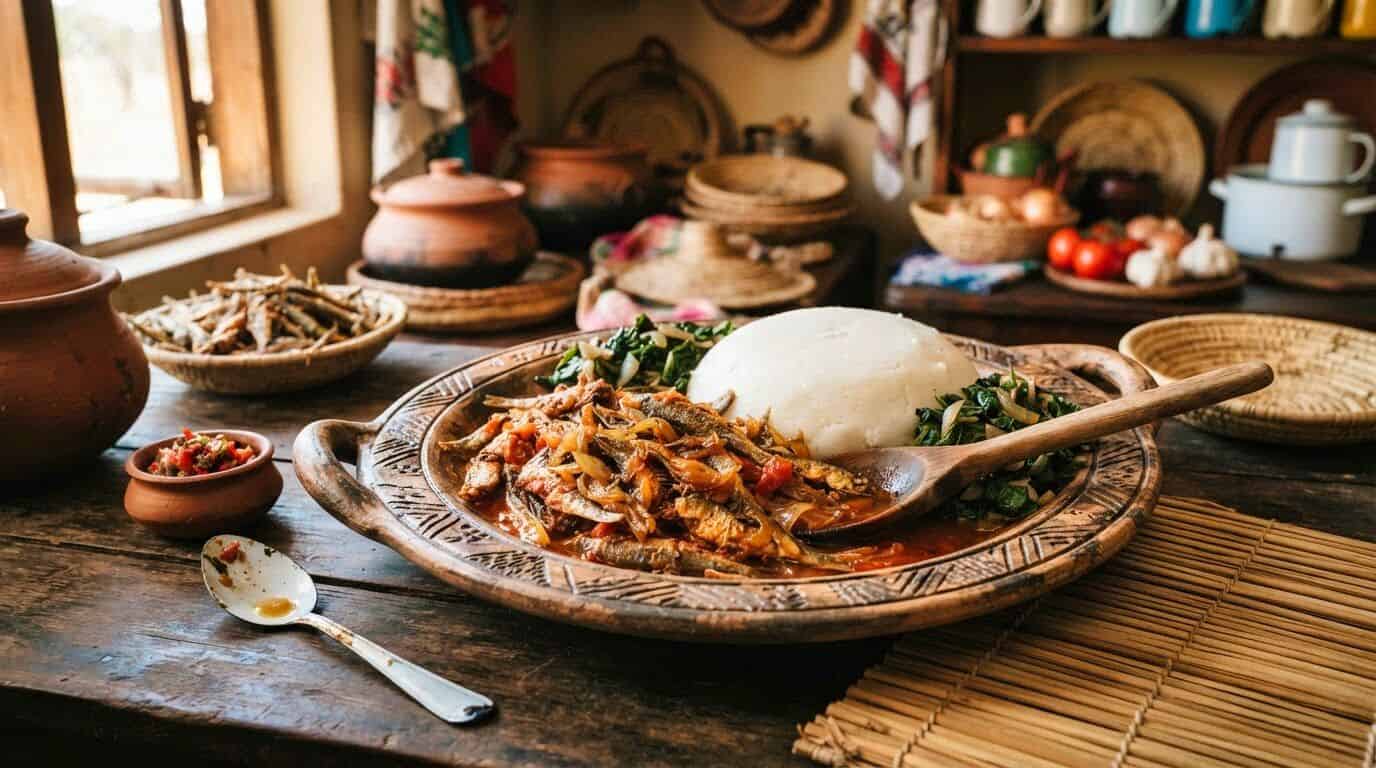
Kapenta means small freshwater fish—usually dried—that pop up all over Zimbabwe and in neighboring countries. Folks usually stew them with tomatoes, onions, and oil, then serve them next to maize porridge (sadza) or rice. It’s a Zimbabwe Kapenta recipe that delivers on protein and flavor, honestly.
If you want to keep it simple, just sauté chopped onions till they’re soft, toss in diced tomatoes and a splash of oil, then add the rinsed dried kapenta. Let it simmer a bit so the fish soaks up all those good flavors. Season with salt, pepper, maybe a little chili if you’re feeling bold, and finish with greens or coriander. That’s a Zimbabwe Kapenta recipe you’ll want to try more than once.
So, how did this become a staple? Well, inland lakes like Tanganyika and Kariba churned out loads of these sardine-like fish. People dried them to last through lean months, and pretty soon, kapenta became not just a meal but a bit of a trade commodity too. The Zimbabwe Kapenta recipe stuck around for a reason—it’s practical and it works.
Honestly, you can riff on the Zimbabwe Kapenta recipe however you like. Got fresh kapenta? Go for it—just cut down the simmer time. Want it creamier? Stir in some peanut paste. There’s no single right way, and that’s kind of the beauty. If you want a solid reference for the traditional approach, check out this Kapenta with Sadza recipe. Or just experiment—sometimes, the best Zimbabwe Kapenta recipe is the one you make your own.
Don’t forget, the Zimbabwe Kapenta recipe isn’t just about following steps. It’s about bringing a little bit of Zimbabwe to your table, whether you’re cooking for nostalgia, curiosity, or just because you’re hungry. You might find yourself coming back to this Zimbabwe Kapenta recipe more often than you expect. It’s humble, but honestly, it’s pretty hard to beat.
So, next time you spot dried kapenta at the market, maybe give this Zimbabwe Kapenta recipe a go. Who knows? It might just end up in your regular rotation.
Cooking Tips
Handle dried kapenta gently—give them a quick soak, then rinse softly to wash away salt and dust. Don’t overdo it, or you’ll end up with broken fish. Pat them dry before tossing them in oil; it really helps with crispiness and keeps the splatter down. If you’re after a real Zimbabwe Kapenta recipe, this step’s non-negotiable.
Heat oil until it’s shimmering (not smoking), then fry kapenta in small batches. Overcrowding just ruins the texture, and you want that golden crunch. Trust me, it’s worth the patience if you care about nailing a Zimbabwe Kapenta recipe.
If crunchy isn’t your thing, you can simmer kapenta in a tomato-onion sauce for 5–10 minutes. Stir gently, and the fish will stay whole. This softer approach lets the flavors meld, which some folks swear by in a Zimbabwe Kapenta recipe.
Start seasoning with a light hand—dried kapenta packs plenty of salt already. Toss everything together with your sauce or sadza, then taste before adding more. Sometimes a splash of vinegar or a squeeze of lemon wakes up the whole Zimbabwe Kapenta recipe if it’s tasting a bit dull.
Chop up onions, garlic, and tomatoes for some honest depth. At the very end, sprinkle in fresh coriander or parsley. It brightens things up, but won’t steal the show from the kapenta—key for any Zimbabwe Kapenta recipe worth its salt.
Keep unused dried kapenta in a sealed container somewhere cool and dry (or pop it in the fridge if you’re planning ahead). When reheating a Zimbabwe Kapenta recipe, go low and slow—cover the pan and use gentle heat so the fish doesn’t turn rubbery. Nobody wants tough kapenta, right?
Honestly, every Zimbabwe Kapenta recipe I’ve tried comes down to respecting the fish and not rushing the process. Whether you’re frying, simmering, or just experimenting, there’s always room to tweak and find your own flavor. If you’re new to it, don’t stress—just have fun with the Zimbabwe Kapenta recipe, and you’ll get the hang of it. Sometimes, the best Zimbabwe Kapenta recipe is the one you make your own. And hey, if you mess up, there’s always next time. That’s the beauty of a Zimbabwe Kapenta recipe—it’s forgiving, and honestly, it’s a dish that welcomes a bit of personality. Give it a shot, and let your version of the Zimbabwe Kapenta recipe shine.
Zimbabwe Kapenta Stew Recipe
Ingredients
- 1 lb fish Dried kapenta
- 1 tsp curry powder
- 1 onion Large
- 2 tomatoes Large and Chopped
- 2 tsp tomato paste
- 4 cloves Garlic minced
- 1 tbsp Olive oil
- Salt & pepper to taste
Equipment
- Large Saucepan
- Wooden Spoon
- Serving Dishes
- Cooking spoon
- Knife
- cutting board
- large bowl
Instructions
- a. Rinse the dried kapenta fish under cold water.
- b. Place the fish in a large bowl and cover it with water.
- c. Let it soak for about 1 hour to rehydrate the fish.
- d. Drain the water and set aside.
- a. Heat the olive oil over medium heat in a large saucepan.
- b. Add the chopped onions to the saucepan.
- c. Add the minced garlic to the saucepan.
- d. Sauté the onions and garlic until the onions become translucent and the garlic releases its aroma.
- a. Add the chopped tomatoes to the saucepan.
- b. Cook the tomatoes until they become soft and start to break down.
- a. Stir in the tomato paste into the saucepan.
- b. Add the curry powder to the saucepan.
- c. Ensure the tomato paste and curry powder are well combined with the tomatoes and onions.
- a. Add the rehydrated kapenta fish to the saucepan.
- b. Stir the fish gently to coat it with the tomato mixture.
- c. Season the dish with salt and pepper according to taste.
- a. Reduce the heat to low.
- b. Cover the saucepan with a lid.
- c. Let the Zimbabwe Kapenta stew simmer for about 20-25 minutes.
- d. Allow the flavors to meld together while simmering.
- a. Serve the Zimbabwe Kapenta stew hot.
- b. Enjoy it over cooked rice or with a side of sadza.
Notes

Recipes are gathered in person and written for real-world cooking conditions.
- 10 Hungarian Dessert Recipes Passed Down Through Generations - July 25, 2026
- 11 Easy English Recipes Anyone Can Make - July 25, 2026
- Hungarian Kifli Recipe - July 25, 2026