
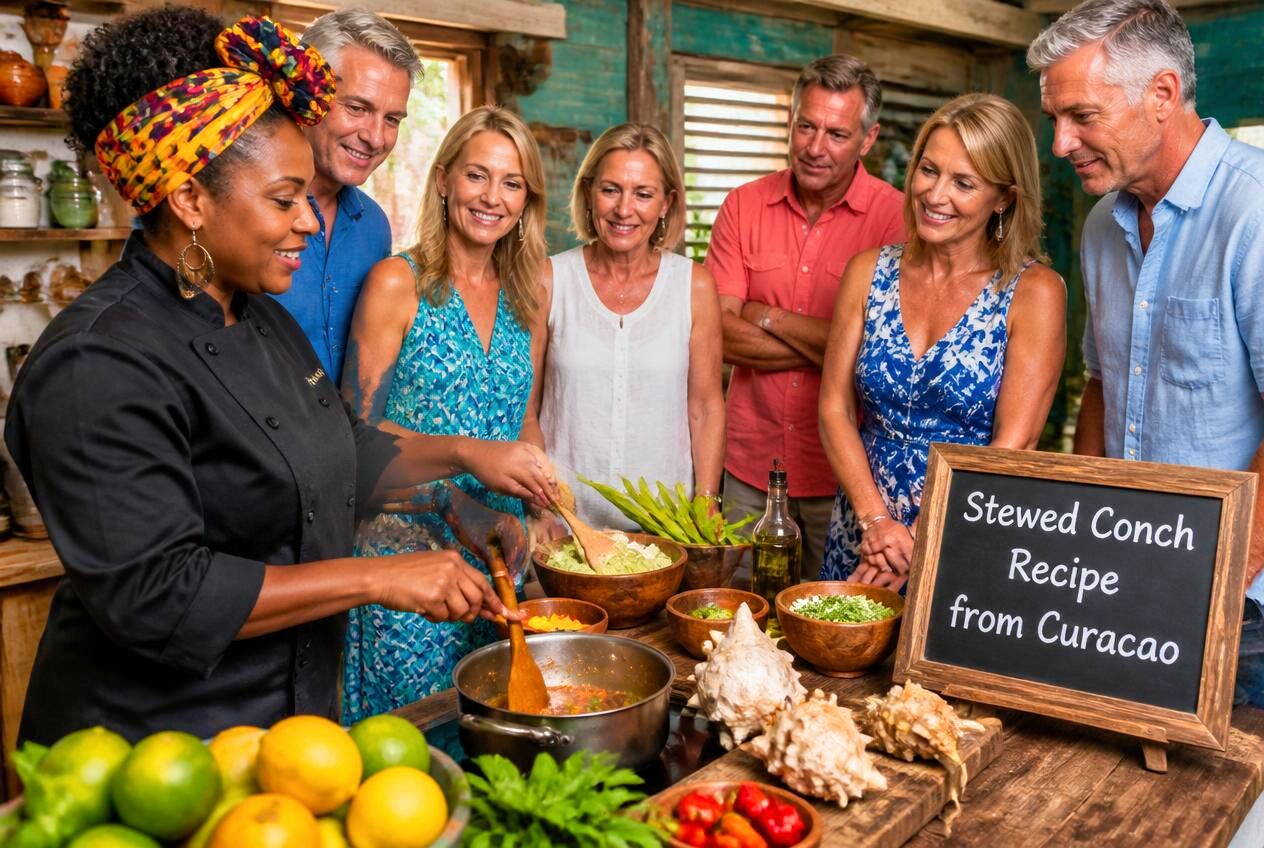
The Stewed Conch Recipe from Curacao is one of the island’s most treasured seafood dishes, offering a delicious glimpse into the rich culinary traditions of the Dutch Caribbean. Known for its hearty texture, savory flavor, and deep connection to coastal living, stewed conch has been enjoyed by generations of Curacaoans and remains a favorite among locals and visitors alike.
As an island surrounded by the crystal-clear waters of the southern Caribbean Sea, Curacao has developed a cuisine heavily influenced by the ocean. Seafood plays an important role in daily life, and conch has long been one of the region’s most valued ingredients. The Stewed Conch Recipe from Curacao highlights the island’s ability to transform fresh local seafood into comforting meals that reflect centuries of cultural influence.
Unlike many seafood dishes that focus on delicate flavors and quick preparation, a Stewed Conch Recipe from Curacao is known for its depth, richness, and satisfying texture. The dish is often associated with family gatherings, community celebrations, and traditional island cooking. Its popularity stems not only from its flavor but also from its cultural significance as a symbol of Curacao’s maritime heritage.
For travelers seeking authentic Caribbean cuisine, the Stewed Conch Recipe from Curacao offers a memorable culinary experience that captures the spirit of the island. The dish reflects the blending of African, European, Latin American, and Caribbean influences that have shaped Curacao’s food culture over the centuries.
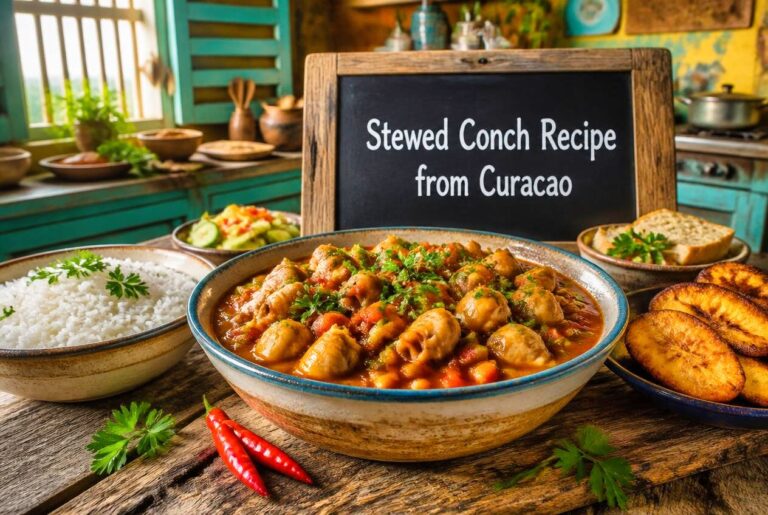
Stewed Conch Recipe from Curacao
Stewed Conch Recipe from Curacao Description and Historical Information
The history of the Stewed Conch Recipe from Curacao is closely linked to the island’s relationship with the sea. For generations, fishermen have relied on the surrounding waters as a source of food and livelihood. Conch, a large marine mollusk found throughout the Caribbean, became an important ingredient because it was plentiful, nutritious, and versatile.
Long before modern tourism arrived, local communities harvested conch as part of everyday life. The meat could be prepared in various ways, but slow-cooked stews became especially popular because they transformed the naturally firm texture of conch into a tender and flavorful dish. Over time, the Stewed Conch Recipe from Curacao evolved into a beloved staple of island cuisine.
Curacao’s history as a crossroads of trade contributed significantly to the development of its culinary traditions. Influences from Africa, the Netherlands, Spain, Portugal, and neighboring Caribbean islands all helped shape local cooking styles. The Stewed Conch Recipe from Curacao reflects this blend of cultures through its use of traditional seasonings, cooking techniques, and flavor combinations.
Historically, stews played an important role in Caribbean households. They were economical, nourishing, and capable of feeding large families. The Stewed Conch Recipe from Curacao fit perfectly within this tradition, providing a hearty meal that showcased local seafood while making the most of available ingredients.
Conch itself has long held cultural importance throughout the Caribbean. Beyond its culinary value, conch shells have been used for decoration, tools, musical instruments, and ceremonial purposes. This broader significance adds another layer of meaning to the Stewed Conch Recipe from Curacao, connecting the dish to centuries of island history and tradition.
Today, the dish remains an important part of Curacao’s culinary identity. While modern restaurants often present updated versions, the essence of the Stewed Conch Recipe from Curacao remains rooted in traditional island cooking and a deep appreciation for local ingredients.
Chef’s Tips
Creating an exceptional Stewed Conch Recipe from Curacao begins with understanding the unique characteristics of conch meat. Unlike many types of seafood, conch has a naturally firm texture that benefits from careful preparation and cooking techniques.
One of the most important considerations is tenderness. Conch can be chewy if not handled properly, which is why traditional cooks often emphasize methods that help soften the meat while preserving its flavor. A successful Stewed Conch Recipe from Curacao achieves a balance between tenderness and the pleasant bite that makes conch distinctive.
Freshness is another key factor. High-quality conch should have a clean ocean scent and firm texture. Because seafood quality greatly influences the final result, sourcing the freshest possible conch can make a significant difference in the overall dish.
Seasoning should enhance rather than overwhelm the seafood. The best versions of a Stewed Conch Recipe from Curacao allow the natural flavor of the conch to remain noticeable while incorporating the bold yet balanced flavors that define Caribbean cuisine.
Patience is often rewarded when preparing traditional stews. Many experienced cooks believe that the flavors of a Stewed Conch Recipe from Curacao develop best when given adequate time to blend together naturally.
Presentation also contributes to the dining experience. Since the dish is deeply tied to coastal culture, it is often served in a way that highlights its rustic, comforting qualities. Simple garnishes and traditional accompaniments frequently complement the stew without distracting from its rich flavor.
Finally, pairing is important. The Stewed Conch Recipe from Curacao is often enjoyed alongside classic island side dishes that help balance the hearty nature of the stew while creating a complete and satisfying meal.
Stewed Conch Recipe from Curacao Make-Ahead Instructions
One advantage of a Stewed Conch Recipe from Curacao is that it adapts well to advance preparation. In fact, many traditional stews are often considered even more flavorful after resting for a period of time.
Preparing the dish ahead allows the flavors to meld and deepen. This characteristic makes the Stewed Conch Recipe from Curacao an excellent option for entertaining, family gatherings, and special occasions.
The stew can typically be stored in the refrigerator and reheated when needed. Many cooks find that the resting period allows the seasonings to become more integrated, creating a richer overall flavor profile.
For larger events, preparing a Stewed Conch Recipe from Curacao in advance reduces stress on the day of serving. Hosts can focus on guests and presentation rather than last-minute cooking tasks.
The dish is also suitable for batch cooking. Because the stew stores well, families often prepare larger quantities and enjoy leftovers throughout the week. This practicality contributes to the enduring popularity of the Stewed Conch Recipe from Curacao.
Freezing may also be an option depending on the specific recipe and ingredients used. Proper storage techniques help preserve flavor and texture while providing a convenient meal option for future occasions.
As with many traditional dishes, gentle reheating is generally preferred. This helps maintain the quality of the seafood while ensuring the stew retains its comforting characteristics.
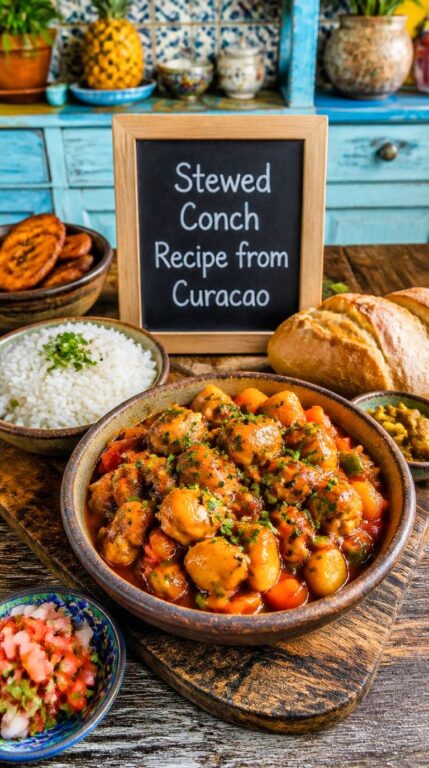
Variations
The Stewed Conch Recipe from Curacao has inspired numerous variations over the years. While the core concept remains the same, different cooks and families often incorporate their own preferences and traditions.
Some versions emphasize a richer, more robust flavor profile, while others focus on highlighting the natural sweetness of the conch. These differences reflect the diversity of Caribbean cooking and the personal touches that make family recipes unique.
Certain variations of the Stewed Conch Recipe from Curacao include additional vegetables, creating a heartier meal that can serve as a complete one-pot dish. These versions are particularly popular for family dinners and communal gatherings.
Spice levels may also vary significantly. Some households prefer a mild stew that allows the seafood to take center stage, while others embrace the bold heat often associated with Caribbean cuisine.
Modern chefs occasionally create contemporary interpretations of the Stewed Conch Recipe from Curacao, incorporating global influences while respecting traditional flavors. These updated versions can introduce new audiences to the dish while preserving its cultural roots.
Regional influences throughout the Caribbean have also inspired different approaches to conch preparation. Comparing these variations highlights the unique characteristics that distinguish Curacao’s version from those found elsewhere in the region.
Despite these differences, every variation shares the same goal: celebrating conch as a flavorful and culturally significant ingredient.
Stewed Conch Recipe from Curacao Related Recipes
Readers interested in a Stewed Conch Recipe from Curacao may enjoy exploring other traditional Caribbean seafood dishes that share similar roots and flavor profiles.
Conch Fritters
A popular Caribbean appetizer that showcases conch in a completely different format while maintaining its coastal identity.
Caribbean Seafood Stew
A hearty dish featuring a variety of seafood ingredients and the rich flavors commonly associated with island cooking.
Curacao Fish Stew
Another beloved local favorite that reflects the island’s strong connection to the sea and its fishing traditions.
Caribbean Lobster Stew
A luxurious seafood dish that offers many of the comforting qualities found in the Stewed Conch Recipe from Curacao.
Conch Salad
A lighter preparation that highlights the freshness of conch and demonstrates its versatility within Caribbean cuisine.
Seafood Soup
A warming and flavorful dish enjoyed throughout the Caribbean that shares many characteristics with traditional seafood stews.
These related recipes help illustrate the importance of seafood within Caribbean food culture and provide readers with additional dishes to explore.
Recipe Comparison
The Stewed Conch Recipe from Curacao stands apart from many other seafood dishes due to its texture, preparation style, and cultural significance.
Stewed Conch Recipe from Curacao vs Conch Salad
Conch salad focuses on freshness and bright flavors, while a Stewed Conch Recipe from Curacao emphasizes depth, warmth, and comfort.
The stew offers a richer dining experience, making it especially appealing for those seeking a substantial meal.
Stewed Conch Recipe from Curacao vs Fish Stew
Although both dishes share similarities, fish tends to be softer and more delicate. Conch provides a unique texture that remains one of the defining features of the Stewed Conch Recipe from Curacao.
Stewed Conch Recipe from Curacao vs Lobster Stew
Lobster stew is often viewed as more luxurious, while conch stew is celebrated for its traditional roots and accessibility within Caribbean communities.
Many people appreciate the Stewed Conch Recipe from Curacao because it feels deeply connected to local culture and everyday island life.
Stewed Conch Recipe from Curacao vs Seafood Chowder
Seafood chowders typically feature a creamy consistency, while Caribbean conch stews often focus on bold seasonings and a lighter broth base.
Why It Stands Out
The greatest strength of the Stewed Conch Recipe from Curacao is its combination of history, flavor, and texture. Few dishes capture the essence of Caribbean coastal life so effectively while remaining both comforting and distinctive.
Its connection to Curacao’s fishing traditions, family gatherings, and culinary heritage ensures that it remains one of the island’s most cherished recipes.
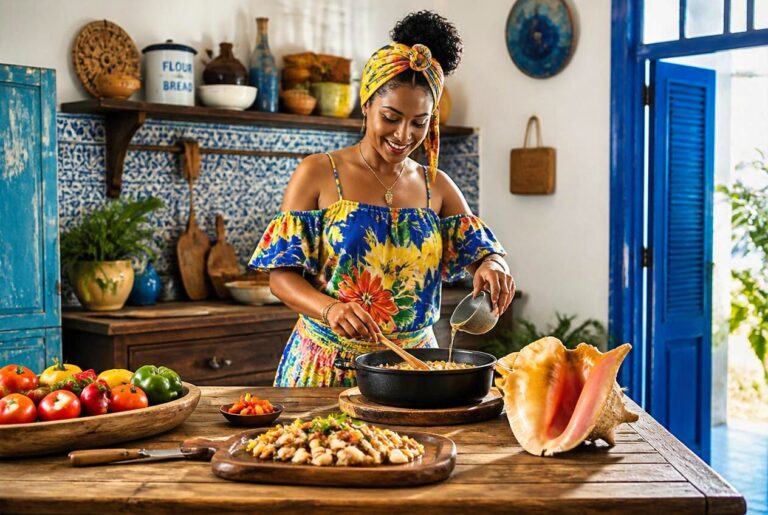
Stewed Conch Recipe from Curacao Cooking Class
Stewed Conch Recipe from Curaçao Cooking Tips
• Stewed Conch is a classic Caribbean seafood dish enjoyed in Curaçao for its rich flavor, tender texture, and aromatic vegetable-based sauce.
• Fresh conch is the most important ingredient and should be cleaned thoroughly before cooking.
• Tenderizing the conch is essential because it can be naturally firm and chewy.
• Light pounding or slow simmering helps achieve a more tender texture.
• Cut the conch into evenly sized pieces for consistent cooking.
• Lime or lemon juice is commonly used to clean and lightly marinate the seafood.
• Onions, garlic, bell peppers, and tomatoes form the flavorful base of many Curaçao stews.
• Fresh herbs such as thyme, parsley, and celery add depth and aroma.
• Scotch bonnet pepper may be included for a traditional Caribbean heat, depending on preference.
• Sauté the vegetables first to develop sweetness and complexity before adding the conch.
• A rich seafood stock or broth enhances the overall flavor of the stew.
• Simmer gently to allow the conch to become tender without toughening.
• Avoid rapid boiling, which can make the seafood less tender.
• Stir occasionally to prevent sticking and ensure even cooking.
• Taste and adjust seasonings near the end of cooking.
• The flavor should balance tender seafood, savory vegetables, herbs, and subtle Caribbean spices.
• Properly prepared stewed conch should be flavorful, moist, and pleasantly tender.
• Serve hot with rice, funchi, plantains, or other traditional island side dishes.
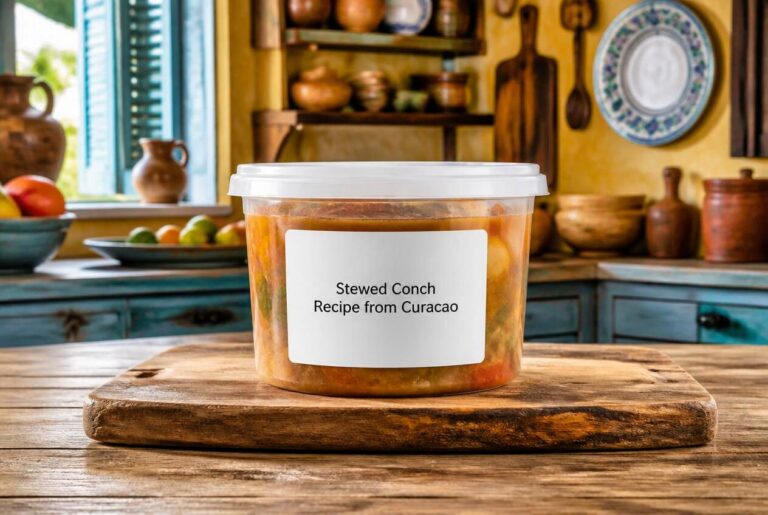
Stewed Conch Recipe from Curacao Storage Tips
Stewed Conch Recipe Storage Tips
• Allow the stew to cool before transferring it into storage containers.
• Store refrigerated in airtight containers to preserve freshness and flavor.
• Keep the conch covered with its cooking liquid or sauce whenever possible to help retain moisture.
• Refrigeration often enhances flavor as the herbs, vegetables, and seafood continue to blend.
• Reheat gently on the stovetop or in the microwave until thoroughly heated.
• Avoid excessive reheating, which can toughen the conch.
• Stir carefully during reheating to distribute heat evenly.
• Add a small amount of broth or water if the stew becomes too thick.
• Store rice, funchi, or side dishes separately when possible.
• Individual portions can be stored for convenient meals.
• Freeze portions in airtight freezer-safe containers if desired.
• Leave a small amount of expansion space when freezing liquids.
• Wrap tightly to help prevent freezer burn and preserve quality.
• Defrost frozen portions gradually in the refrigerator before reheating.
• Seafood texture may soften slightly after freezing and thawing.
• Use clean utensils when serving leftovers to help maintain freshness.
• Check for signs of spoilage such as sour odors, slime, unusual discoloration, or texture changes before consuming leftovers.
• For best quality, enjoy refrigerated and frozen portions while the conch remains tender and the stew retains its rich Caribbean flavor.
Stewed Conch Recipe from Curacao
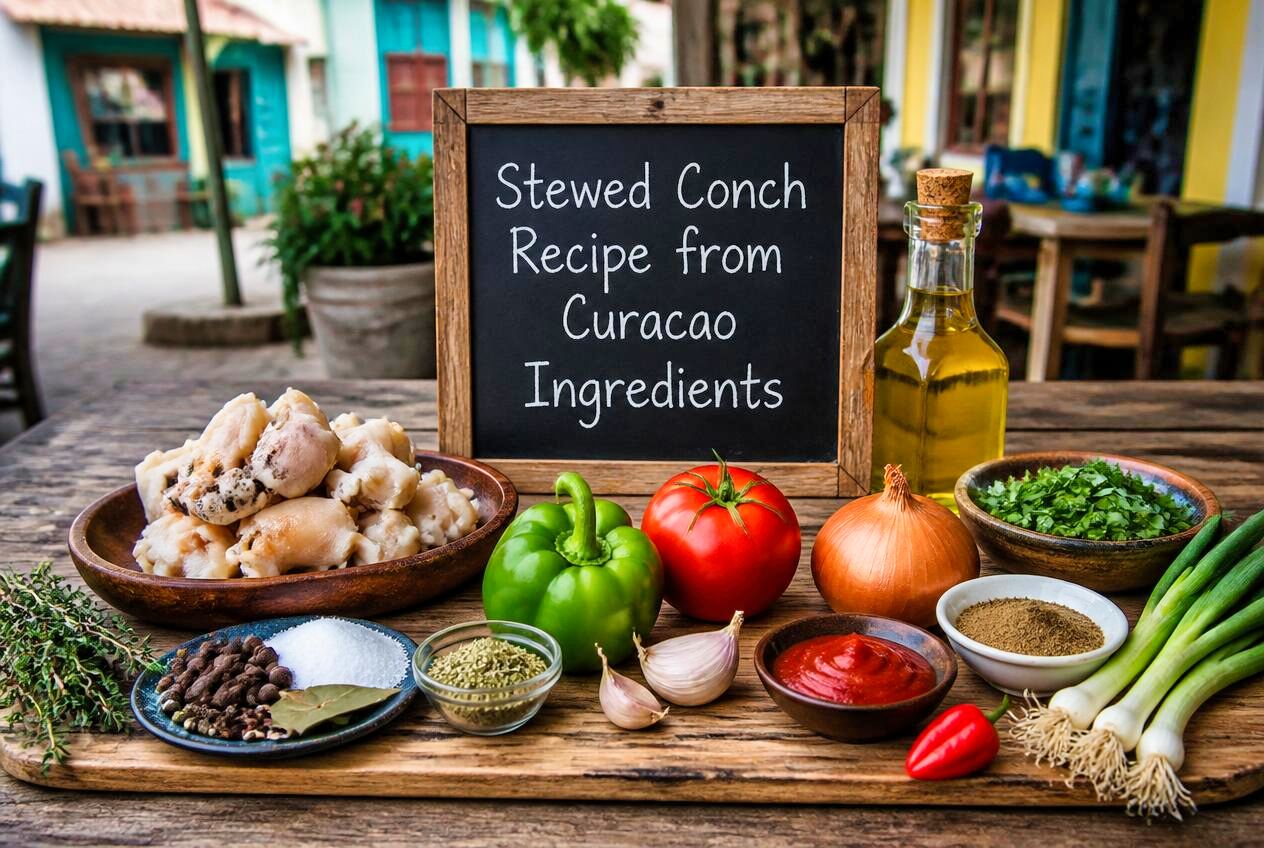
Ingredients
- 2 lbs conch cleaned and trimmed fresh or frozen
- 1 tablespoon lime juice plus more for finishing
- 1 teaspoon salt
- ½ teaspoon black pepper
- 2 cloves garlic minced (optional, for pre-marinade)
- 6-8 cups water for pre-simmering or light stock
- 2 tablespoons vegetable oil or other neutral oil
- 1 large yellow onion chopped
- 2 stalks celery chopped
- 1 large sweet bell pepper any color, chopped
- 3 cloves garlic minced
- 2 sprigs fresh thyme or 1 teaspoon dried thyme
- 2 tablespoons tomato paste
- 1 can tomatoes 14.5 oz can diced tomatoes, undrained
- 1-2 cups reserved conch cooking liquid or chicken/vegetable stock
- 1 bay leaf
- Pinch allspice optional
- 1 hot pepper for flavor, not extreme heat; do not cut unless you want it very spicy. whole Scotch bonnet or other
- Salt and black pepper to taste
- 1 tablespoon all-purpose flour optional, for thickening
- Optional Add-ins: 1 cup diced potatoes or carrots 2 oz smoked bacon or salt pork, diced (if using, brown with onion)
Instructions
- If using fresh conch, begin by cleaning and trimming it thoroughly. If using frozen conch, allow it to thaw completely before proceeding.
- Cut the conch into bite-sized pieces, approximately ½ to ¾ inch thick.
- Place the conch in a mixing bowl and add the lime juice, salt, black pepper, and the optional minced garlic.
- Toss well to coat all of the pieces evenly.
- Allow the conch to marinate for 10 to 15 minutes, giving the citrus and seasonings time to penetrate the meat.
- Transfer the marinated conch to a heavy pot or Dutch oven.
- Pour in enough water or light stock to completely cover the conch, usually about 6 to 8 cups.
- Bring the liquid to a gentle simmer over medium-high heat.
- As the conch cooks, skim away any foam that rises to the surface to keep the broth clear and clean-tasting.
- Reduce the heat to low, cover the pot, and simmer gently for 45 to 90 minutes.
- The exact cooking time will depend on the age and toughness of the conch. The goal is to make it almost tender while still retaining a slight firmness.
- A fork should pierce the conch with some resistance but not excessive toughness.
- Once ready, reserve 1 to 2 cups of the cooking liquid, then drain the conch and set it aside.
- Using the same pot or a clean Dutch oven, heat the oil over medium heat.
- If using the optional smoked bacon or salt pork, add it now and cook until crisp and lightly browned.
- Remove the cooked meat with a slotted spoon and set aside, leaving the rendered fat in the pot.
- Add the onion, celery, and bell pepper.
- Cook for 8 to 10 minutes, stirring occasionally, until the vegetables are softened and lightly golden.
- Add the remaining garlic and thyme.
- Cook for another minute until fragrant.
- Stir in the tomato paste and cook for 2 to 3 minutes, stirring constantly.
- Allowing the tomato paste to darken slightly helps develop a deeper, richer flavor.
- If using flour, sprinkle it into the pot now and cook for about 1 minute, stirring continuously to form a light roux.
- Add the diced tomatoes along with their juices and pour in 1 cup of the reserved conch cooking liquid.
- Stir thoroughly, scraping up any browned bits from the bottom of the pot.
- These flavorful bits add depth to the finished stew.
- Add the bay leaf, along with the optional allspice or nutmeg.
- If using a Scotch bonnet pepper, add it whole at this stage. Leaving it intact provides flavor and gentle heat without making the stew overwhelmingly spicy.
- Bring the mixture to a gentle simmer.
- Reduce the heat to low, cover, and cook for 15 to 20 minutes so the flavors can begin to meld.
- If using potatoes or carrots, add them during this stage so they have time to become tender.
- Return the par-cooked conch to the pot along with any accumulated juices.
- If you prepared bacon or salt pork earlier, stir it back into the stew now.
- Add more of the reserved cooking liquid if needed to achieve your desired consistency.
- Cover and continue simmering gently for 30 to 45 minutes.
- As the stew cooks, the conch will become fully tender and the sauce will gradually thicken.
- The finished stew should have a rich consistency that lightly coats a spoon.
- Test the conch occasionally. It should be tender and easy to bite through without becoming rubbery.
- If it remains chewy, continue simmering and add small amounts of liquid as needed.
- Once the stew is finished, remove and discard the bay leaf and the whole Scotch bonnet pepper.
- Taste and adjust the seasoning with additional salt, pepper, or a squeeze of fresh lime juice if desired.
- Ladle the hot conch stew into serving bowls.
- Garnish with freshly chopped scallions or cilantro for brightness and color.
- For extra richness, finish with a small pat of butter or a light drizzle of good-quality olive oil.
- Serve alongside funchi, steamed white rice, boiled potatoes, or crusty bread to soak up the flavorful sauce.
- This hearty Caribbean-style conch stew transforms a traditionally firm shellfish into a rich, tender centerpiece through slow cooking and careful layering of flavors. The combination of tomatoes, herbs, aromatic vegetables, and citrus creates a deeply savory broth that perfectly complements the sweetness of the conch.
- Whether served over funchi, rice, or potatoes, this comforting stew showcases the vibrant flavors and culinary traditions of the Caribbean, delivering a meal that is both rustic and deeply satisfying.
Stewed Conch Recipe from Curacao Frequently Asked Questions
What does conch taste like?
Conch has a mild, slightly sweet flavor often compared to a combination of shellfish and firm white fish. Its texture is unique and pleasantly chewy when prepared properly.
Is conch popular in Curacao?
Yes. Conch has long been an important ingredient in Curacao’s coastal cuisine and remains popular in both traditional and modern dishes.
Why is the Stewed Conch Recipe from Curacao considered traditional?
The dish reflects generations of fishing culture, family cooking traditions, and the multicultural influences that shaped Curacao’s culinary identity.
What makes Curacao’s version different from other Caribbean conch dishes?
The Stewed Conch Recipe from Curacao often reflects the island’s unique blend of Dutch Caribbean, African, Latin American, and regional culinary influences.
Can stewed conch be prepared ahead of time?
Yes. Many cooks believe the flavors of a Stewed Conch Recipe from Curacao become even more developed and balanced after resting for several hours or overnight.

Recipes are gathered in person and written for real-world cooking conditions.
- 10 Hungarian Dessert Recipes Passed Down Through Generations - July 25, 2026
- 11 Easy English Recipes Anyone Can Make - July 25, 2026
- Hungarian Kifli Recipe - July 25, 2026