
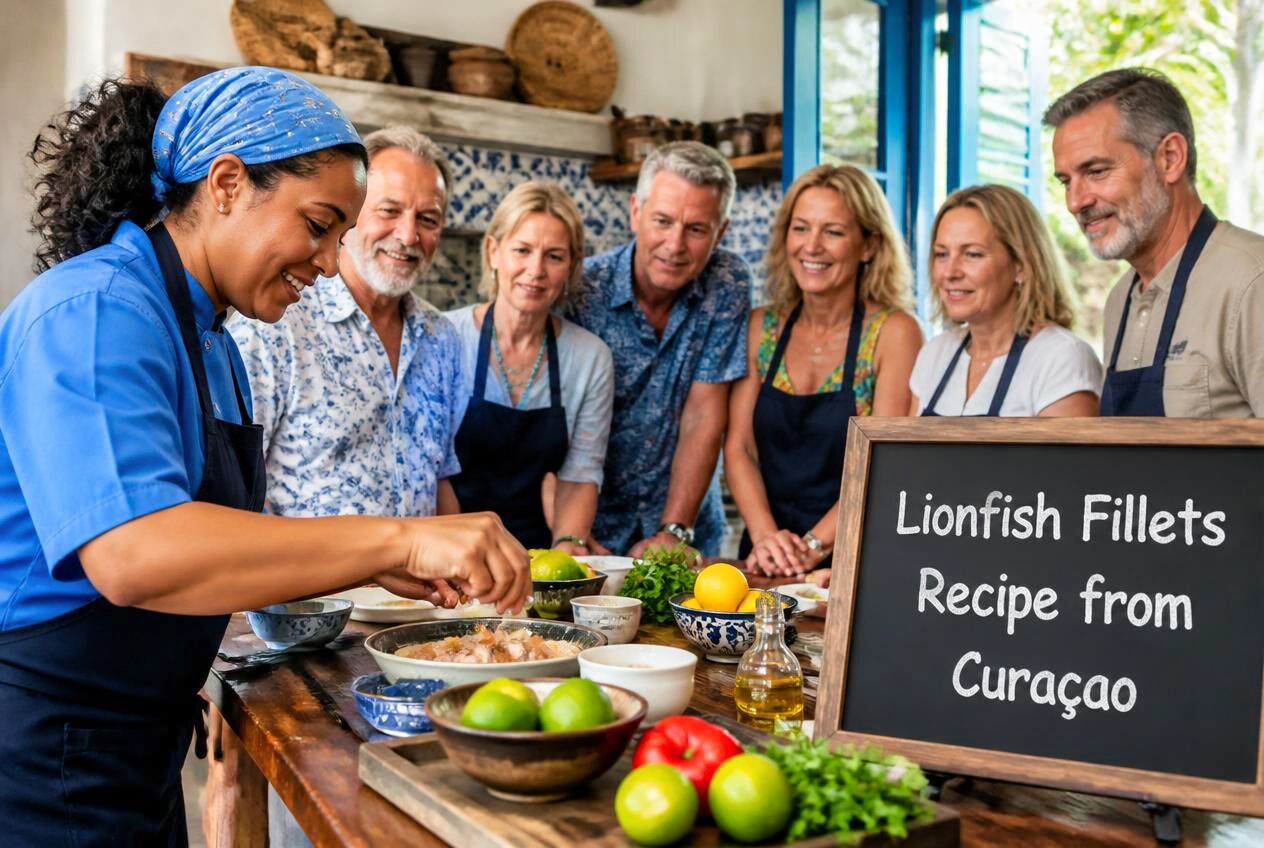
A Lionfish recipe from Cuacao is more than a seafood dish. It is a story about Caribbean waters, island creativity, environmental responsibility, and the way local food traditions adapt to modern challenges. In Curacao, lionfish has become one of the most talked-about seafood choices because it connects flavor with conservation. When people prepare or order a Lionfish recipe from Cuacao, they are not only enjoying a delicate white fish, they are also helping reduce the pressure lionfish place on native reef life.
Lionfish are beautiful, dramatic-looking fish, but in the Caribbean they are also invasive. Their arrival created serious problems for coral reef ecosystems because lionfish reproduce quickly and eat many young native fish. Curacao, like many Caribbean islands, responded with practical creativity: catch them, cook them, and turn the problem into something useful. That is one reason a Lionfish recipe from Cuacao has become such an appealing subject for travelers, seafood lovers, and anyone interested in sustainable eating.
The flavor of lionfish is mild, clean, and slightly sweet. Its texture is often compared to snapper or grouper, though it is usually more delicate. Because of this, a Lionfish recipe from Cuacao can work well with the bright, bold flavors associated with island cooking. Citrus, herbs, peppers, and savory seasonings all complement lionfish without overpowering it.
For many visitors, trying a Lionfish recipe from Cuacao is also a way to connect with the island’s ocean culture. Curacao has a strong relationship with the sea, from fishing and diving to beachside dining and reef conservation. Lionfish fits naturally into that story because it is both a culinary ingredient and an ecological concern.
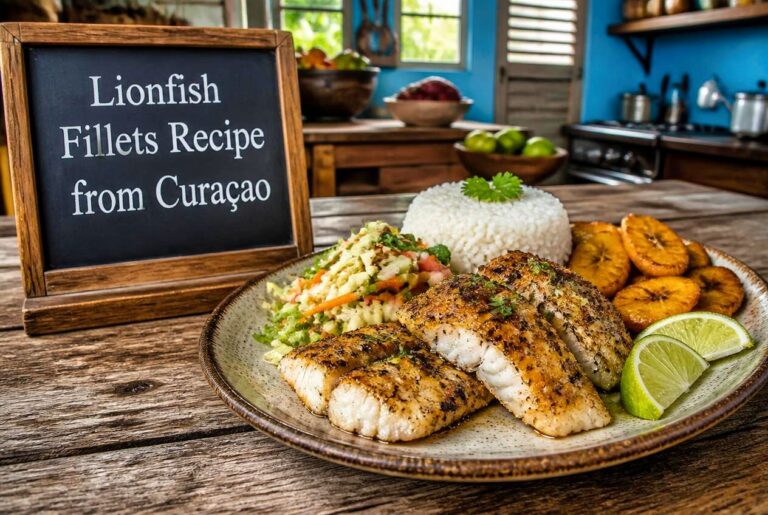
Lionfish Fillets Recipe from Curaçao
Description and Historical Information
The history behind a Lionfish recipe from Cuacao begins far from the Caribbean. Lionfish are native to the Indo-Pacific region, where they are part of a balanced marine ecosystem. In Caribbean waters, however, they have few natural predators. Once introduced, they spread rapidly and became a serious threat to reefs throughout the region.
Curacao’s reefs are home to colorful fish, coral formations, and marine life that support tourism, fishing, and local identity. When lionfish populations increased, divers, conservationists, restaurants, and fishermen began looking for ways to control them. One of the most effective responses was encouraging people to eat lionfish. This turned an environmental problem into a culinary opportunity.
That is why the Lionfish recipe from Cuacao carries more meaning than many traditional seafood dishes. It represents adaptation. It shows how island communities can respond to ecological change while preserving their love of fresh, flavorful food.
Curacao’s cuisine reflects many influences, including Caribbean, Dutch, Latin American, African, and neighboring island traditions. This mix creates food that is colorful, layered, and often deeply connected to local ingredients. A Lionfish recipe from Cuacao fits beautifully into that culinary landscape because the fish has a flexible flavor that welcomes many seasonings and preparations.
Lionfish also became popular among chefs because it gives restaurants a chance to serve something distinctive. Visitors often want meals that feel specific to the island, and a Lionfish recipe from Cuacao offers exactly that. It is not just another fish dinner. It is a dish with a purpose, a place, and a story.
The appeal of lionfish also comes from its sustainability angle. Many seafood conversations focus on avoiding overfished species. Lionfish is different. Eating it can actually help reduce an invasive population. For eco-conscious diners, choosing a Lionfish recipe from Cuacao can feel like a small but meaningful action.
Still, lionfish must be handled correctly. The fish has venomous spines, which are dangerous before removal. Once properly cleaned by trained handlers, the meat is safe to eat. This is why many home cooks prefer purchasing cleaned lionfish fillets or enjoying lionfish at reputable restaurants.
Over time, the Lionfish recipe from Cuacao has become a symbol of practical sustainability. It proves that environmental awareness does not have to feel distant or abstract. Sometimes it can appear right on the plate, served with island flavors and a view of the sea.
Chef’s Tips
When writing about or preparing a Lionfish recipe from Cuacao, the most important point to understand is that lionfish is delicate. It does not need heavy treatment to taste good. Its mild flavor is one of its greatest strengths, so the best preparations usually allow the fish to remain the star.
A good Lionfish recipe from Cuacao should balance brightness, heat, and freshness. Caribbean cooking often uses vibrant flavors, but the goal is harmony rather than intensity for its own sake. Too much spice or acidity can hide the subtle sweetness of the fish.
Freshness matters greatly. Lionfish should have a clean aroma and firm flesh. Because it is a lean fish, it can dry out if handled carelessly. This is why gentle cooking methods and careful timing are often preferred.
Another chef’s tip is to think about texture. Lionfish has a pleasant flake, so it pairs well with crisp, creamy, or starchy sides. A Lionfish recipe from Cuacao can feel especially satisfying when served with traditional island accompaniments that contrast the lightness of the fish.
Presentation can also enhance the dish. Since lionfish itself has such a dramatic reputation, many chefs like to plate it in a way that feels fresh and colorful. Bright vegetables, citrus accents, herbs, and tropical sides can make the dish visually appealing without turning it into something overly complicated.
For home cooks, sourcing is one of the biggest considerations. If lionfish is unavailable locally, the same article can still explain the value of the original dish while suggesting that readers look for reputable seafood markets or sustainable Caribbean seafood suppliers. However, an authentic Lionfish recipe from Cuacao is always best when lionfish is actually used.
The most important chef’s mindset is respect: respect for the ingredient, the island, and the ecological story behind the fish. A Lionfish recipe from Cuacao should not feel like a gimmick. It should feel like a thoughtful Caribbean seafood dish with real cultural and environmental context.
Make-Ahead Instructions
Because the recipe card will contain the exact cooking directions, this section should focus on general planning rather than specific preparation. A Lionfish recipe from Cuacao is usually best enjoyed fresh, but there are still several ways to make the meal easier in advance.
The first make-ahead strategy is organizing the supporting components. Side dishes, sauces, garnishes, and vegetables can often be prepared before the fish is cooked. This allows the lionfish to be handled at the last moment, when it will taste its best.
If the final dish includes a sauce or topping, that portion may often be made earlier and stored separately. This helps preserve the texture of the fish. Since lionfish is delicate, it is usually better not to cook it too far ahead unless the recipe is designed for chilled serving.
For entertaining, a Lionfish recipe from Cuacao works well as part of a Caribbean-themed meal. The table can be prepared with island-inspired sides, tropical drinks, and fresh salads before the fish is finished. This keeps the meal relaxed while allowing the main seafood element to remain fresh.
If leftovers are expected, they should be stored carefully. Lionfish can be enjoyed later, but reheating should be gentle. The goal is to warm the fish without drying it out. Leftover lionfish can also be repurposed in lighter meals, such as salads, wraps, or seafood bowls.
A Lionfish recipe from Cuacao can also be planned around availability. In some areas, lionfish is a specialty product, so readers may need to check with fishmongers or seafood markets in advance. This makes the dish feel special and intentional, much like preparing a regional meal for a holiday or gathering.
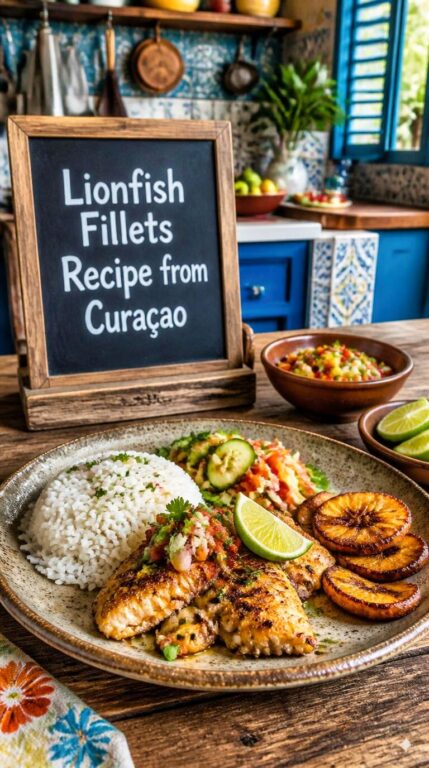
Variations
There are many ways to interpret a Lionfish recipe from Cuacao while still honoring the spirit of the dish. Because lionfish has a mild flavor, it adapts well to different Caribbean-inspired preparations.
One popular variation is a grilled version. Grilling gives the fish a lightly smoky character that works beautifully with citrus, herbs, and island-style sides. This version is especially fitting for outdoor meals and beach-inspired menus.
Another variation is a lionfish taco or wrap. While not strictly traditional, this approach makes the fish approachable for casual dining. A Lionfish recipe from Cuacao can easily inspire a handheld version with fresh toppings and bright sauces.
A chilled variation can lean toward ceviche-style flavors. This highlights the clean taste of the fish and works well in warm weather. It also connects to the broader Caribbean love of citrus-forward seafood dishes.
A stew-style variation is heartier. This type of Lionfish recipe from Cuacao can include rich broth, vegetables, and warming spices. It is ideal when the goal is comfort food rather than a light seafood plate.
Some cooks may prefer a baked version for simplicity. Baking allows the fish to remain tender while absorbing surrounding flavors. This style is useful for family meals because it can be less hands-on than stovetop cooking.
Another variation is a crispy lionfish preparation. A lightly crisp exterior can contrast beautifully with the tender fish inside. This version often appeals to people who enjoy fried snapper or other Caribbean fish dishes.
No matter the variation, the heart of a Lionfish recipe from Cuacao remains the same: fresh lionfish, island flavor, and a connection to sustainable seafood.
Related Recipes
Readers interested in a Lionfish recipe from Cuacao may also enjoy other Caribbean seafood dishes. These related recipes help place lionfish within a wider island food tradition.
Jamaican escovitch fish is a natural comparison because it also features bold flavor and seafood at the center of the plate. The tangy, colorful style of escovitch appeals to many of the same readers who enjoy Caribbean fish recipes.
Caribbean grilled snapper is another related dish. Like lionfish, snapper has a clean flavor that works well with citrus, herbs, and spices. It is a familiar option for readers who may not yet have access to lionfish.
Curacao-style seafood dishes are also relevant because they share the same island context. A Lionfish recipe from Cuacao belongs alongside recipes inspired by local fish, stews, plantains, rice dishes, and fresh tropical accompaniments.
Conch recipes from the Caribbean may also interest readers. Conch has a different texture, but it shares the same sense of place and coastal tradition.
Fish curry is another useful related recipe. Many Caribbean islands have their own versions, and lionfish can fit into similar flavor profiles because it absorbs seasoning well.
A Lionfish recipe from Cuacao may also appeal to readers who enjoy mahi-mahi, grouper, sea bass, or other mild white fish recipes. These dishes share a similar clean seafood profile, even though lionfish has its own special environmental significance.
Recipe Comparison
A Lionfish recipe from Cuacao can be compared with several other seafood recipes to show why it stands apart.
Compared with red snapper, lionfish is often more delicate. Snapper has a slightly firmer texture and a stronger seafood identity. Both work well with Caribbean seasonings, but lionfish offers a lighter eating experience.
Compared with grouper, lionfish is less dense. Grouper is meaty and substantial, which makes it popular for grilling and frying. Lionfish is softer and more refined, making it a good choice for recipes where freshness and subtle flavor matter.
Compared with mahi-mahi, lionfish is usually milder. Mahi-mahi has a firmer bite and can handle stronger sauces. A Lionfish recipe from Cuacao may feel more delicate and elegant, while mahi-mahi often feels heartier.
Compared with conch, lionfish is much more tender. Conch can be chewy if not prepared carefully, while lionfish naturally flakes apart. Readers who prefer soft white fish may find lionfish more approachable.
Compared with traditional fried fish dishes, a Lionfish recipe from Cuacao often carries a stronger sustainability message. Many fish recipes focus only on flavor, while lionfish adds an environmental reason to choose it.
The biggest difference is purpose. A snapper recipe is delicious. A grouper recipe is satisfying. A mahi-mahi recipe is versatile. But a Lionfish recipe from Cuacao tells a bigger story about protecting reefs, supporting local fishermen, and turning an invasive species into a valued ingredient.
That story is what makes the dish memorable. It is not just about what is on the plate. It is about where the fish came from, why it matters, and how Curacao has helped transform a problem into a culinary experience.
A Lionfish recipe from Cuacao is one of the most interesting seafood traditions connected to the modern Caribbean. It combines island flavor with environmental purpose, giving diners a meal that is both delicious and meaningful.
Curacao’s relationship with lionfish shows how food can respond to change. Instead of seeing the fish only as a problem, the island helped turn it into an opportunity. Today, a Lionfish recipe from Cuacao represents sustainability, creativity, and the power of local communities to protect what matters.
For seafood lovers, the dish offers delicate flavor and Caribbean character. For travelers, it offers a taste of place. For environmentally minded cooks, it offers a way to make a responsible choice. That combination is what makes a Lionfish recipe from Cuacao such a compelling addition to any Caribbean recipe collection.
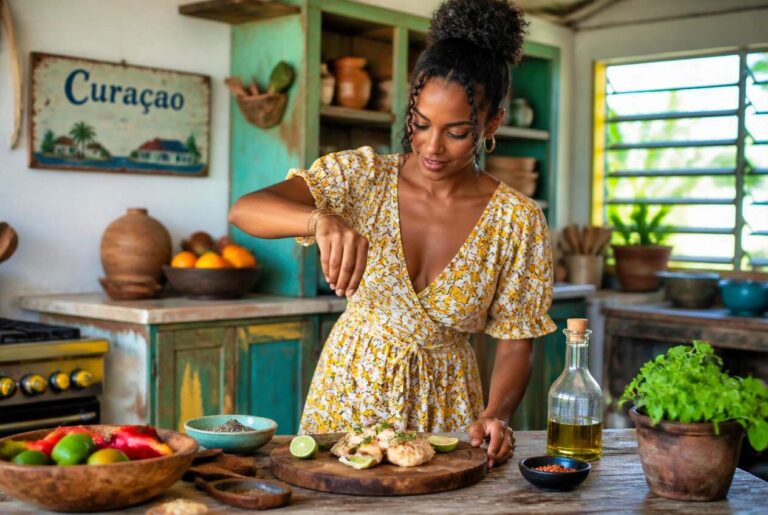
Lionfish Fillets Recipe from Curaçao Cooking Tips
Lionfish Recipe from Curaçao Cooking Tips
• Lionfish has become a popular seafood choice in Curaçao because of its mild flavor, firm white flesh, and sustainability benefits.
• Once the venomous spines are properly removed, lionfish is completely safe to eat.
• Purchase cleaned lionfish from a trusted fish market or experienced fishmonger.
• Fresh lionfish should have a clean ocean scent, firm flesh, and bright appearance.
• Lionfish fillets are naturally lean and cook quickly.
• Lime or lemon juice is commonly used to brighten the flavor before cooking.
• Garlic, onions, bell peppers, and fresh herbs are traditional Caribbean seasonings that pair well with lionfish.
• Thyme, parsley, and cilantro add freshness without overpowering the fish.
• Scotch bonnet pepper may be used sparingly for authentic island heat.
• Lionfish can be grilled, pan-fried, baked, steamed, or added to stews.
• Avoid overcooking, as the flesh can become dry.
• Cook only until the fish flakes easily with a fork.
• A light coating of seasoning or marinade allows the delicate flavor to remain prominent.
• Tomatoes and peppers can be simmered into a flavorful Caribbean-style sauce for serving.
• Coconut milk may be incorporated for a richer island-inspired preparation.
• The flavor should balance fresh seafood, citrus, herbs, and gentle Caribbean spices.
• Properly prepared lionfish should be moist, flaky, and tender.
• Serve with rice, funchi, plantains, vegetables, or fresh tropical salads.
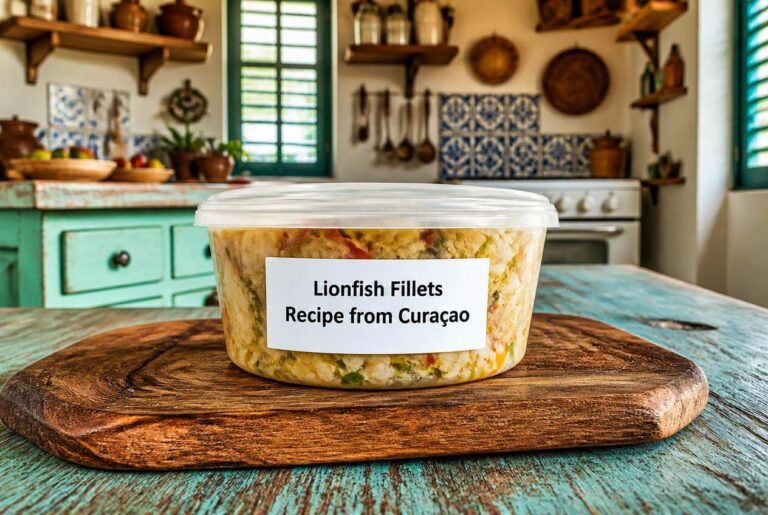
Lionfish Fillets Recipe from Curaçao Storage Tips
Lionfish Recipe Storage Tips
• Allow cooked lionfish to cool before transferring it into storage containers.
• Store refrigerated in airtight containers to preserve freshness and flavor.
• Keep the fish covered with any accompanying sauce whenever possible to help retain moisture.
• Refrigeration often allows the herbs and seasonings to become more integrated.
• Reheat gently on the stovetop, in the oven, or in the microwave until thoroughly heated.
• Avoid prolonged reheating, which can dry out the fish.
• Add a small amount of broth, sauce, or water if needed during reheating.
• Store rice, vegetables, and side dishes separately when practical.
• Individual portions can be stored for convenient meals.
• Freeze cooked lionfish in airtight freezer-safe containers if desired.
• Wrap tightly to help prevent freezer burn and preserve quality.
• Defrost frozen portions gradually in the refrigerator before reheating.
• Fish texture may become slightly softer after freezing and thawing.
• Use clean utensils when serving leftovers to help maintain freshness.
• Keep away from strongly scented foods because fish readily absorbs surrounding odors.
• Check for signs of spoilage such as strong off odors, slime, unusual discoloration, or texture changes before consuming leftovers.
• Discard the fish if spoilage is suspected.
• For best quality, enjoy refrigerated and frozen portions while the fish remains moist, tender, and flavorful.
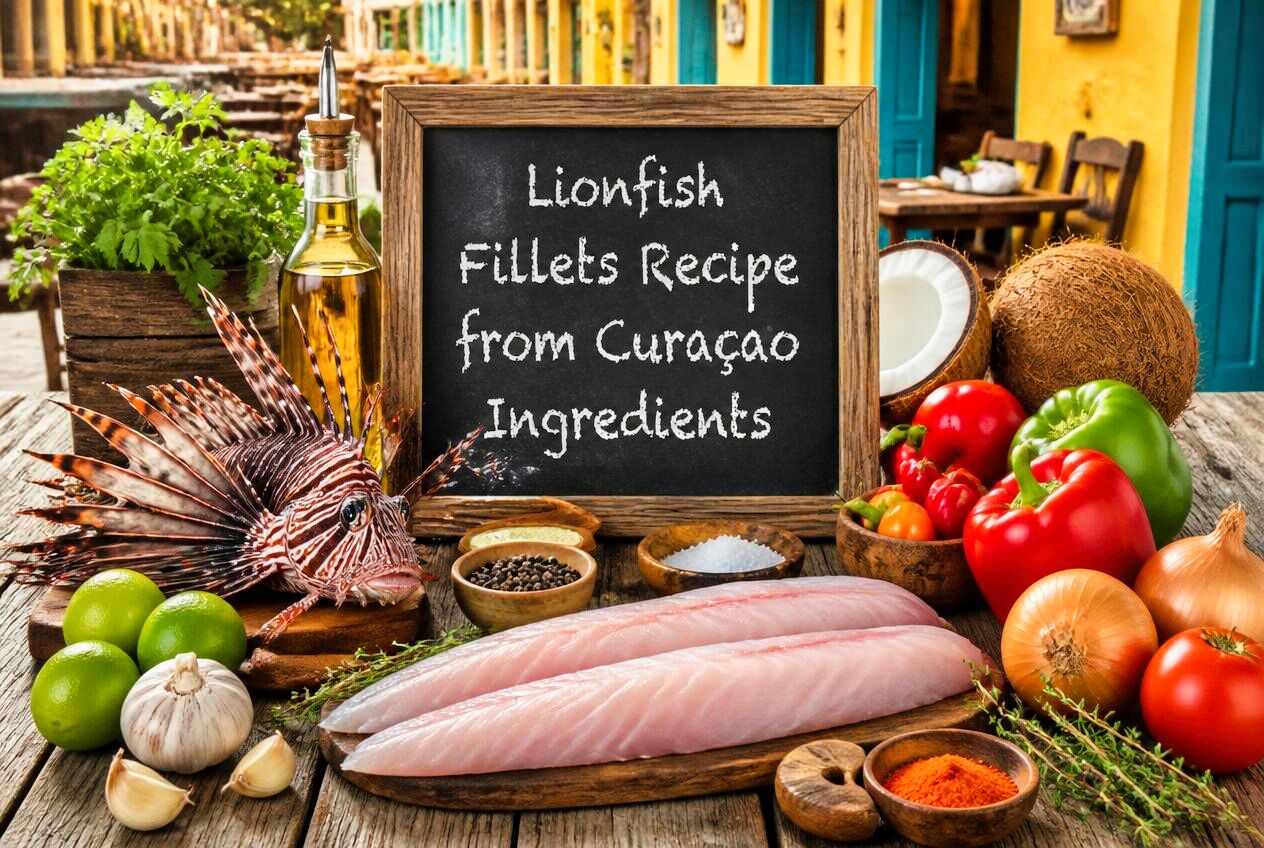
Lionfish recipe from Cuacao
Ingredients
- 2 fish filets lion fish
- 2 tablespoons olive oil
- 2 cloves garlic minced
- 1 lemon juiced
- Salt and pepper to taste
- Fresh herbs such as thyme, rosemary, or parsley for garnish
Instructions
- Begin by preheating your grill to medium-high heat.
- While the grill heats, rinse the lionfish fillets under cold running water and pat them dry thoroughly with paper towels.
- Removing excess moisture helps the fish cook evenly and develop better grill marks.
- In a small bowl, combine the olive oil, minced garlic, lemon juice, salt, and black pepper.
- Whisk the ingredients together until well blended.
- This simple marinade enhances the mild, delicate flavor of the lionfish without overpowering it.
- Brush the marinade generously over both sides of the lionfish fillets, making sure they are evenly coated.
- Allow the fish to marinate at room temperature for approximately 15 minutes.
- This short marinating time is enough for the citrus and garlic to lightly flavor the fillets while preserving the natural taste of the fish.
- Once the grill is fully heated, lightly oil the grill grates.
- This helps prevent the delicate fish from sticking and makes it easier to turn during cooking.
- Use a folded paper towel dipped lightly in oil and held with tongs, or a grill-safe brush.
- Place the marinated lionfish fillets onto the grill, skin-side down if the skin is still attached.
- Close the grill lid and cook for approximately 4 to 6 minutes per side, depending on the thickness of the fillets.
- Avoid moving the fish too soon, allowing it time to develop grill marks and release naturally from the grates.
- Carefully turn the fillets and continue cooking until the flesh becomes opaque and flakes easily when tested with a fork.
- Because lionfish is a relatively lean fish, take care not to overcook it.
- Once fully cooked, carefully remove the fillets from the grill and transfer them to a serving platter.
- Allow the fish to rest for a minute or two before serving.
- This brief resting period helps retain moisture and allows the flavors to settle.
- If desired, garnish the grilled lionfish with fresh herbs such as parsley, cilantro, or chives.
- A final squeeze of fresh lemon juice just before serving adds brightness and enhances the delicate flavor of the fish.
- Serve the grilled lionfish immediately while hot.
- It pairs beautifully with grilled vegetables, rice, roasted potatoes, tropical fruit salsa, or a crisp green salad.
- For a Caribbean-inspired meal, consider serving it alongside plantains or coconut rice.
- Grilled lionfish is prized for its firm yet delicate texture and mild, slightly sweet flavor. The simple marinade of lemon, garlic, and olive oil highlights the fish without masking its natural character, while grilling adds a subtle smoky note.
- Light, flavorful, and quick to prepare, this dish is an excellent way to enjoy a sustainable seafood option while showcasing the clean, fresh flavors of the ocean.
Lionfish Recipe from Curacao Frequently Asked Questions
What does lionfish taste like?
Lionfish has a mild, clean, slightly sweet flavor. Its texture is flaky and tender, similar to snapper or grouper but often more delicate.
Is lionfish safe to eat?
Yes, lionfish is safe to eat once it has been properly cleaned and the venomous spines have been removed. The venom is in the spines, not the meat.
Why is a Lionfish recipe from Cuacao considered sustainable?
A Lionfish recipe from Cuacao is considered sustainable because lionfish are invasive in Caribbean waters. Eating them helps reduce their impact on native reef fish and coral ecosystems.
Can I make a Lionfish recipe from Cuacao with another fish?
Yes, if lionfish is unavailable, mild white fish such as snapper, grouper, sea bass, or mahi-mahi may be used. The result will not be exactly the same, but the dish can still capture similar Caribbean flavors.
Why is lionfish popular in Curacao?
Lionfish is popular in Curacao because it is flavorful, locally relevant, and connected to reef conservation. Restaurants, divers, and seafood lovers have helped turn lionfish into a meaningful island specialty.

Recipes are gathered in person and written for real-world cooking conditions.
- 10 Hungarian Dessert Recipes Passed Down Through Generations - July 25, 2026
- 11 Easy English Recipes Anyone Can Make - July 25, 2026
- Hungarian Kifli Recipe - July 25, 2026