
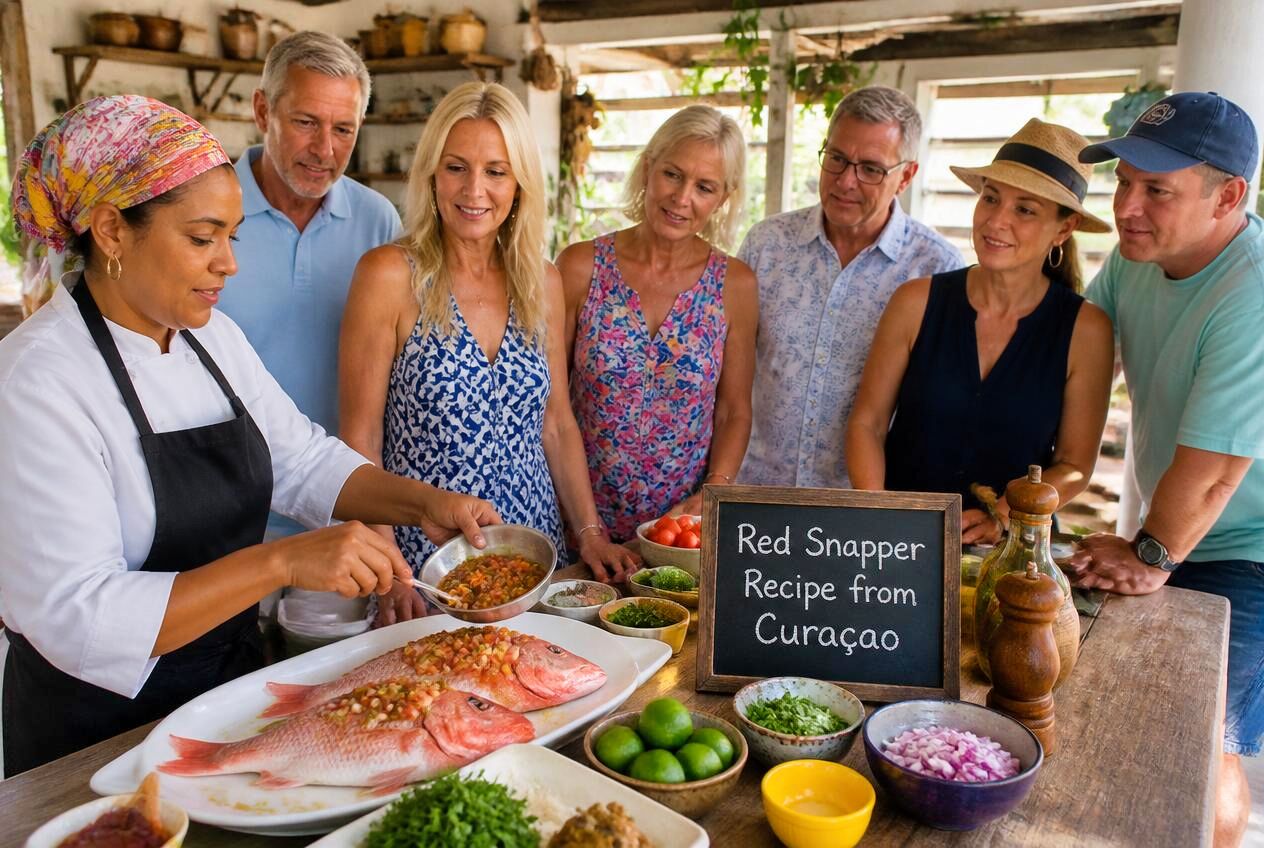
The Red Snapper Recipe from Curacao is one of the island’s most celebrated seafood dishes, showcasing the fresh flavors, vibrant culinary traditions, and coastal heritage that define Curacaoan cuisine. Surrounded by the warm waters of the southern Caribbean Sea, Curacao has long relied on fishing as both a livelihood and a source of culinary inspiration. Among the many fish species enjoyed on the island, red snapper remains one of the most prized.
Known for its firm texture, mild flavor, and versatility, red snapper has become a staple ingredient in homes, restaurants, and seaside eateries throughout Curacao. A traditional Red Snapper Recipe from Curacao highlights the natural qualities of the fish while incorporating the bold seasonings and tropical influences that characterize Caribbean cooking. The result is a dish that feels both elegant and approachable, making it a favorite for everyday meals as well as special occasions.
For many locals, red snapper represents more than simply a seafood option. It symbolizes the island’s close relationship with the sea and the generations of fishermen who have supplied fresh catches to communities across Curacao. The popularity of the Red Snapper Recipe from Curacao reflects this connection, offering a delicious reminder of the island’s maritime traditions.
Today, visitors seeking authentic Caribbean cuisine often place a Red Snapper Recipe from Curacao high on their list of must-try dishes. Its combination of freshness, simplicity, and cultural significance makes it one of the island’s most recognizable culinary treasures.
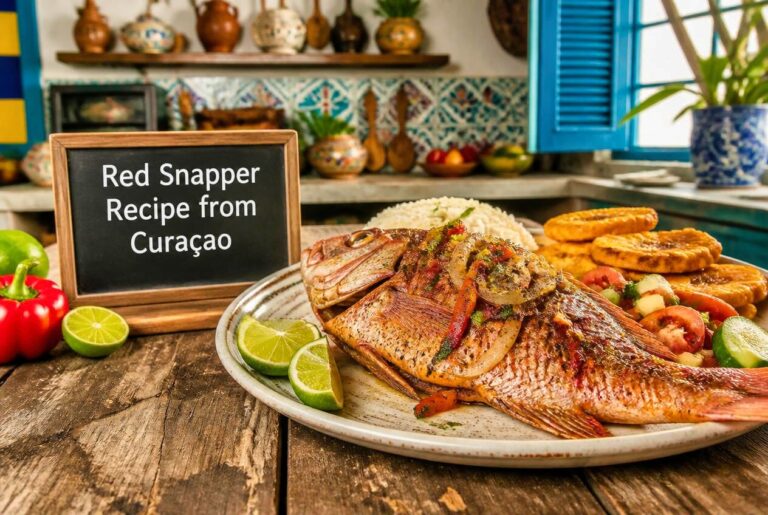
Red Snapper Recipe from Curaçao
Key Takeaways
- The Red Snapper Recipe from Curacao is one of the island’s most popular and traditional seafood dishes.
- Red snapper is prized for its mild flavor, firm texture, and ability to pair well with Caribbean seasonings.
- The dish reflects Curacao’s long-standing fishing traditions and strong connection to the Caribbean Sea.
- Curacaoan versions often incorporate influences from Dutch, African, Latin American, and Caribbean cuisines.
- Red snapper is frequently served during family meals, celebrations, and seaside gatherings.
- Freshness is a key component of an authentic Red Snapper Recipe from Curacao.
- The fish’s versatility allows for numerous regional and family variations.
- The recipe represents the island’s ability to transform simple local ingredients into memorable meals.
Description and Historical Information
The history of the Red Snapper Recipe from Curacao begins with the island’s maritime culture. Fishing has played an important role in Curacao for centuries, providing food, employment, and cultural identity for many coastal communities. Among the fish commonly caught in Caribbean waters, red snapper has consistently stood out for its quality and culinary appeal.
Historically, fishermen would bring fresh catches directly to local markets and households, where cooks transformed them into flavorful meals using ingredients readily available on the island. Over time, the Red Snapper Recipe from Curacao evolved into a beloved staple that reflected both local resources and cultural influences.
Curacao’s cuisine is often described as a blend of traditions. Dutch colonial history, African heritage, Latin American connections, and neighboring Caribbean influences have all contributed to the island’s food culture. The Red Snapper Recipe from Curacao embodies this fusion by combining European cooking techniques with tropical flavors and regional ingredients.
Red snapper became especially popular because of its versatility. Unlike stronger-flavored fish, it adapts well to a variety of seasonings and cooking styles. This flexibility allowed families to create their own versions of the Red Snapper Recipe from Curacao, resulting in countless variations that remain unique to individual households.
The fish also holds economic significance. Local fisheries have long supplied restaurants, markets, and home cooks with fresh snapper, helping support the island’s economy while preserving traditional fishing practices.
As tourism expanded throughout the Caribbean, visitors increasingly sought authentic local dishes. The Red Snapper Recipe from Curacao quickly became one of the island’s signature offerings, introducing travelers to the flavors and traditions of Curacaoan cuisine.
Today, the dish continues to serve as a culinary ambassador for the island. Whether enjoyed at a beachside restaurant, a family gathering, or a community celebration, the Red Snapper Recipe from Curacao remains a powerful symbol of local culture and hospitality.
Chef’s Tips
Preparing an exceptional Red Snapper Recipe from Curacao begins with selecting the freshest fish possible. Fresh red snapper should have firm flesh, bright eyes, and a clean ocean scent. Quality ingredients are especially important because the fish’s natural flavor is one of the highlights of the dish.
One of the greatest strengths of a Red Snapper Recipe from Curacao is its balance. The fish has a mild flavor that allows seasonings to enhance rather than overpower it. Experienced cooks often focus on creating harmony between the seafood and accompanying flavors.
Texture plays a significant role in the final result. Red snapper is valued for its firm yet flaky flesh, and preserving that texture is essential to a successful dish. Careful preparation helps maintain the fish’s natural qualities while maximizing flavor.
Presentation matters as well. Because red snapper is often considered a premium seafood choice, many cooks treat it as the centerpiece of the meal. A thoughtfully plated Red Snapper Recipe from Curacao can showcase both the beauty of the fish and the vibrant colors associated with Caribbean cuisine.
Pairing is another important consideration. Traditional side dishes often complement the fish without competing for attention. The goal is to create a meal that feels balanced and satisfying.
Patience and simplicity frequently produce the best results. While modern interpretations may become elaborate, the most authentic Red Snapper Recipe from Curacao often relies on quality ingredients and straightforward preparation techniques.
Finally, understanding local traditions can enhance the experience. Many family recipes include small touches that have been passed down through generations, adding a personal connection to the dish.
Make-Ahead Instructions
The Red Snapper Recipe from Curacao is generally at its best when enjoyed fresh, but there are still several ways to prepare for serving in advance.
Many of the supporting components can be organized ahead of time. Side dishes, garnishes, and accompanying sauces are often prepared before the fish itself, allowing the final meal to come together smoothly.
For entertaining, planning ahead is especially useful. Hosts frequently prepare much of the meal in advance so that the Red Snapper Recipe from Curacao can remain the focal point of the dining experience.
Storage should always be handled carefully due to the delicate nature of seafood. Proper refrigeration helps maintain freshness while preserving flavor and texture.
If leftovers are available, they can often be repurposed into lighter meals. This flexibility contributes to the practicality of the Red Snapper Recipe from Curacao for families and meal planners.
Advance preparation also works well for holiday gatherings and special events. By organizing non-seafood components ahead of time, cooks can focus on presenting the fish at its best.
Because freshness remains central to the dish, most experienced cooks recommend completing the seafood portion as close to serving time as possible.
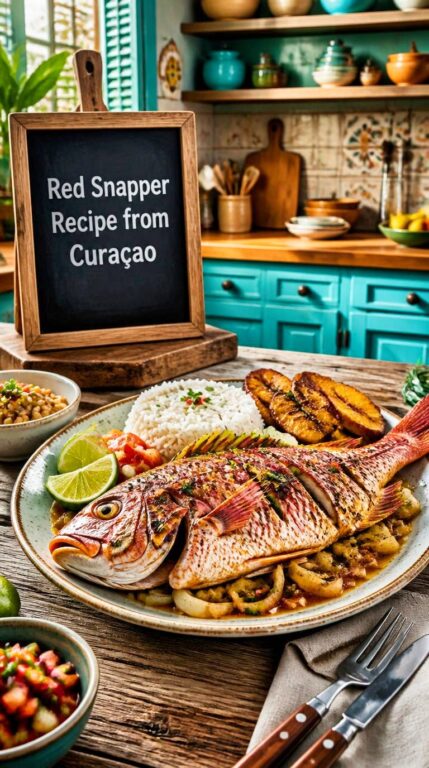
Red Snapper Recipe from Curaçao
Variations
The Red Snapper Recipe from Curacao exists in many different forms, reflecting the creativity and diversity of island cooking.
Some variations emphasize citrus flavors that complement the fish’s mild profile. These versions are particularly popular in coastal communities where fresh seafood is abundant.
Others incorporate stronger Caribbean seasonings, creating bolder flavor experiences while still allowing the red snapper to remain the centerpiece.
Grilled variations of the Red Snapper Recipe from Curacao are especially popular for outdoor gatherings and beachside meals. The smoky flavor adds another dimension to the fish without masking its natural qualities.
Certain family recipes focus on richer sauces and accompaniments, while others highlight simplicity and freshness. These differences demonstrate how adaptable the dish can be.
Modern chefs sometimes introduce contemporary presentation styles and international influences. Despite these innovations, the essence of the Red Snapper Recipe from Curacao remains rooted in local tradition.
Holiday and celebration versions may feature more elaborate preparations designed for special occasions. These festive adaptations often become family traditions in their own right.
Regardless of the variation, the dish consistently celebrates fresh seafood and the island’s connection to the sea.
Related Recipes
Those who enjoy a Red Snapper Recipe from Curacao may also appreciate other traditional Caribbean seafood dishes.
Lionfish Recipe from Curacao
A sustainable seafood favorite that reflects the island’s commitment to reef conservation while offering delicate flavor and texture.
Stewed Conch from Curacao
A hearty coastal dish that highlights one of the Caribbean’s most iconic seafood ingredients.
Caribbean Fish Stew
A comforting seafood recipe that shares many of the same cultural influences as red snapper dishes.
Grilled Mahi-Mahi
A popular Caribbean fish preparation known for its firm texture and mild flavor.
Caribbean Seafood Soup
A flavorful dish that showcases the region’s love of fresh seafood and aromatic seasonings.
Curacao Shrimp Dishes
Shrimp-based recipes offer another excellent example of how local seafood is transformed into memorable meals throughout the island.
Together, these recipes help illustrate the central role seafood plays in Curacaoan cuisine.
Recipe Comparison
The Red Snapper Recipe from Curacao can be compared with several other seafood dishes to better understand its unique appeal.
Red Snapper Recipe from Curacao vs Grouper Recipe
Both fish are highly respected throughout the Caribbean. Grouper tends to have a denser texture, while red snapper offers a lighter and more delicate eating experience.
Many seafood lovers appreciate the Red Snapper Recipe from Curacao for its versatility and balanced flavor profile.
Red Snapper Recipe from Curacao vs Mahi-Mahi Recipe
Mahi-mahi is firmer and often slightly stronger in flavor. Red snapper is generally considered more delicate, making it particularly suitable for recipes that emphasize subtle seasoning.
Red Snapper Recipe from Curacao vs Lionfish Recipe
Lionfish is known for its sustainability benefits and tender texture. Red snapper, however, remains one of the Caribbean’s most traditional and widely recognized fish choices.
Red Snapper Recipe from Curacao vs Stewed Conch
Conch provides a distinctive texture that differs significantly from fish. While both dishes reflect coastal traditions, the dining experiences are quite different.
Why Red Snapper Stands Out
The greatest strength of the Red Snapper Recipe from Curacao is its balance. The fish offers enough flavor to be memorable while remaining versatile enough to complement a wide range of Caribbean seasonings and accompaniments.
Its connection to local fishing traditions also gives it a cultural significance that extends beyond the plate.
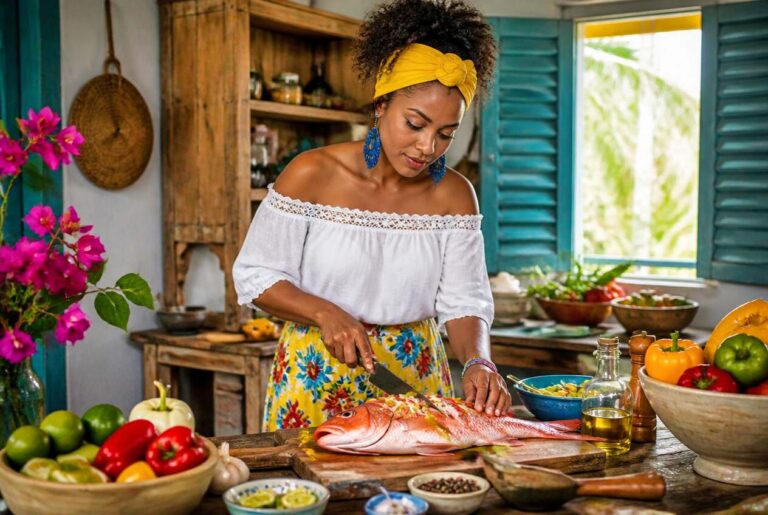
Red Snapper Recipe from Curaçao Cooking TIps
Red Snapper Recipe from Curaçao Cooking Tips
• Red Snapper is one of the most popular fish used in Curaçao’s coastal cuisine and is prized for its mild flavor and firm, flaky texture.
• Fresh fish is essential for the best results. Look for clear eyes, bright skin, and a clean ocean scent.
• Whole red snapper is often used for traditional island preparations, though fillets work well too.
• Clean and pat the fish dry before seasoning.
• Lime or lemon juice is commonly used to marinate the fish and enhance freshness.
• Garlic, onions, bell peppers, and tomatoes are traditional flavoring ingredients in Curaçao-style fish dishes.
• Fresh herbs such as parsley, thyme, or cilantro add aromatic depth.
• Scotch bonnet pepper may be added for a mild Caribbean heat if desired.
• Allow the fish to marinate briefly so the flavors penetrate without overpowering the delicate flesh.
• Olive oil or vegetable oil helps keep the fish moist during cooking.
• Red snapper can be grilled, baked, pan-fried, or stewed depending on the recipe.
• Cook the fish just until it flakes easily with a fork.
• Avoid overcooking, which can dry out the flesh and reduce tenderness.
• If using vegetables and sauce, allow them to soften and develop flavor before adding the fish.
• Taste sauces and broths before serving to adjust seasoning.
• The flavor should balance fresh seafood, citrus, herbs, vegetables, and gentle Caribbean spices.
• Garnish with fresh herbs and citrus wedges before serving.
• Serve hot with rice, plantains, vegetables, or traditional island side dishes.
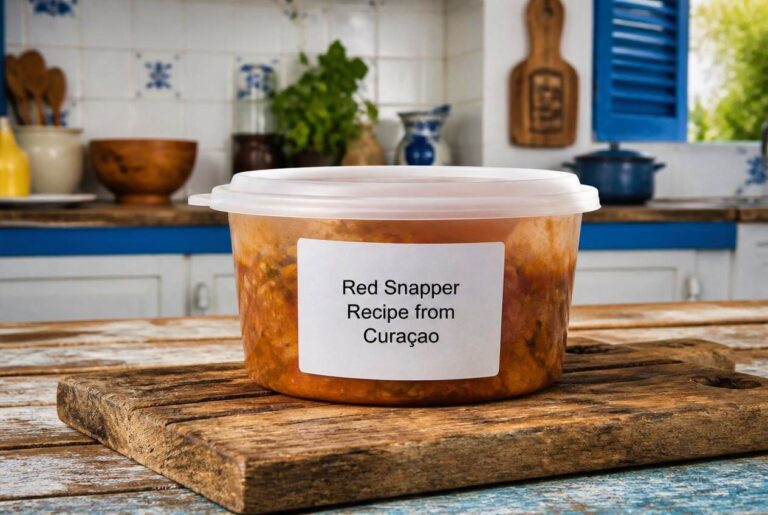
Red Snapper Recipe from Curaçao Storage Tips
Red Snapper Recipe from Curaçao Storage Tips
• Allow cooked fish to cool before transferring it into storage containers.
• Store refrigerated in airtight containers to preserve freshness and flavor.
• Keep fish covered with any sauce or cooking liquid when possible to help retain moisture.
• Refrigeration often allows the seasonings and vegetables to blend more fully.
• Reheat gently to avoid drying out the fish.
• Add a small amount of broth, sauce, or water if needed during reheating.
• Avoid prolonged reheating, which can make the fish tough.
• Store rice, plantains, and other side dishes separately when possible.
• Individual portions can be stored for convenient meals.
• Freeze portions in airtight freezer-safe containers if desired.
• Wrap tightly to help prevent freezer burn and preserve quality.
• Defrost frozen portions gradually in the refrigerator before reheating.
• Fish texture may become slightly softer after freezing and thawing.
• Use clean utensils when serving leftovers to help maintain freshness.
• Keep away from strongly scented foods because fish readily absorbs surrounding odors.
• Check for signs of spoilage such as strong off odors, slime, unusual discoloration, or texture changes before consuming leftovers.
• Discard fish if spoilage is suspected.
• For best quality, enjoy refrigerated and frozen portions while the fish remains moist, tender, and flavorful.
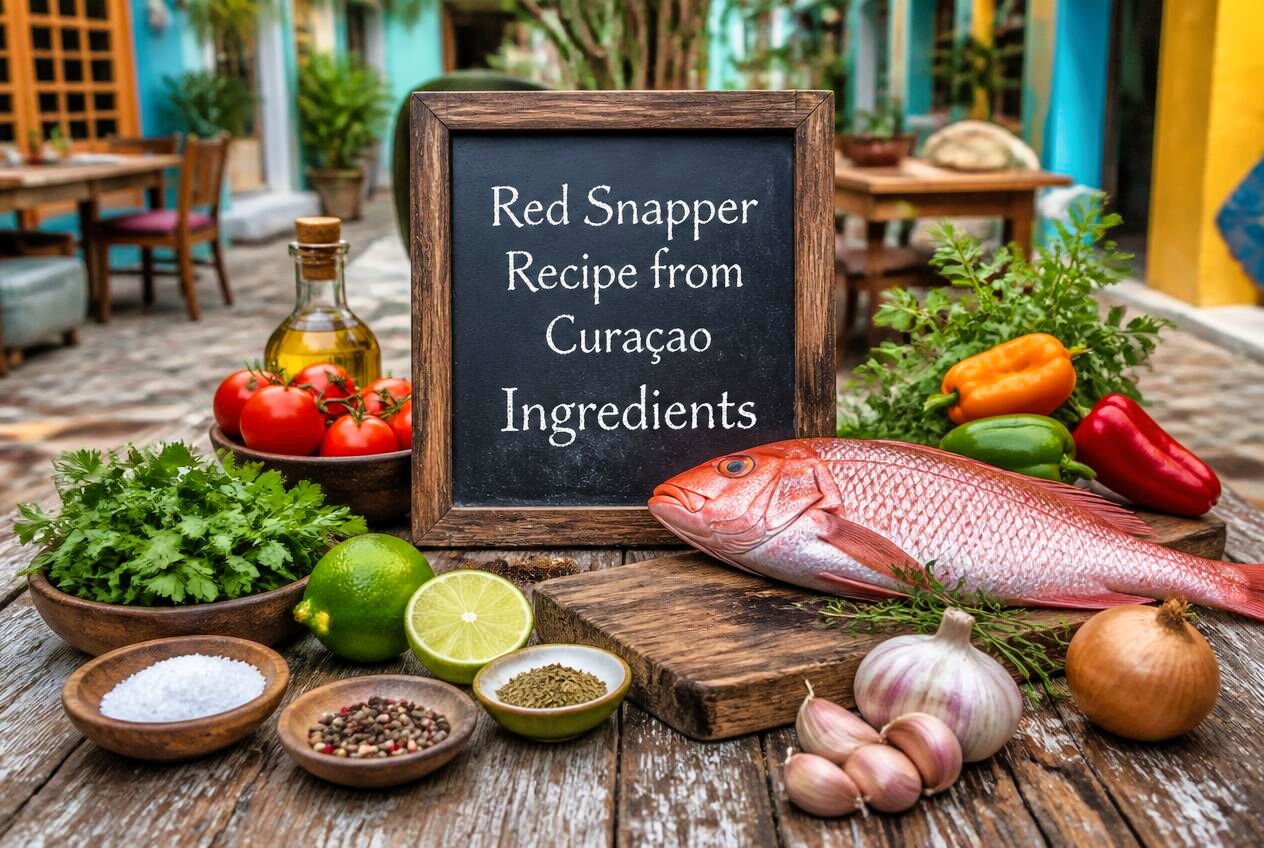
Red Snapper Recipe from Curacao
Ingredients
- 2 lbs fish fillet red snapper
- 1/2 cup lime juice
- 3 scallions finely chopped
- 1 garlic clove minced
- 4 tbsp butter
- flour
- 1 large onion chopped
- 1 medium green pepper chopped
- 2 garlic cloves crushed
- 2 large tomatoes
- salt
- pepper
Instructions
- Begin by preparing a simple citrus marinade for the fish.
- In a bowl, combine the lime juice, chopped scallions, minced garlic, salt, and black pepper.
- Mix well, then rub the marinade thoroughly over the red snapper fillets, ensuring all surfaces are coated.
- Cover and refrigerate for at least 1 hour. This resting time allows the lime and aromatics to lightly season the fish and enhance its flavor.
- When ready to cook, preheat your oven to a low temperature to keep the fish warm after frying.
- Melt the butter in a heavy skillet over medium-high heat.
- Cut the red snapper fillets into serving-sized portions if they are not already portioned.
- Lightly coat each piece with flour, shaking off any excess.
- The flour helps create a delicate golden crust and adds body to the finished sauce.
- Once the skillet is very hot, carefully add the fish pieces.
- Fry them quickly until they are golden brown, crisp on the outside, and cooked through. Depending on the thickness of the fillets, this usually takes only a few minutes per side.
- Transfer the fried fish to a baking dish and place it in the warm oven while you prepare the sauce.
- Using the same skillet, retain the flavorful drippings left behind from frying the fish.
- Add the onion, green pepper, and garlic.
- Cook over medium heat until the onion becomes soft and translucent, stirring occasionally to prevent browning.
- Once the vegetables have softened, add the tomatoes.
- Season with salt and black pepper to taste.
- Allow the mixture to simmer gently for approximately 20 minutes, stirring occasionally.
- As the sauce cooks, the tomatoes will break down and the flavors will concentrate.
- The finished Creole sauce should be rich, thick, and deeply flavorful.
- Just before serving, carefully place the fried red snapper pieces into the simmering Creole sauce.
- Spoon some of the sauce over the fish and allow everything to heat through for several minutes.
- Avoid excessive stirring so the fish remains intact.
- The goal is to warm the fish while allowing it to absorb some of the sauce without losing its crisp exterior entirely.
- Spoon a generous portion of carrot rice onto each plate.
- Arrange the red snapper on top or alongside the rice and generously ladle the Creole sauce over the fish.
- Serve immediately while hot.
- A few extra sliced scallions or a wedge of lime make excellent garnishes if desired.
- This Creole-style red snapper combines crisp pan-fried fish with a rich tomato-based sauce flavored with onions, peppers, garlic, and lime. The bright citrus marinade balances the savory depth of the sauce, while the buttery carrot rice provides a colorful and flavorful accompaniment.
- The result is a satisfying seafood dish that showcases both freshness and comforting home-style cooking, making it perfect for family dinners or special occasions alike.
Red Snapper Recipe from Curacao Frequently Asked Questions
What does red snapper taste like?
Red snapper has a mild, slightly sweet flavor with firm, flaky flesh that makes it one of the most popular fish in Caribbean cuisine.
Why is red snapper popular in Curacao?
The fish is abundant in regional waters, highly versatile, and deeply connected to the island’s fishing traditions.
Is the Red Snapper Recipe from Curacao considered a traditional dish?
Yes. The Red Snapper Recipe from Curacao has long been a staple of local seafood cuisine and remains one of the island’s most recognizable recipes.
What side dishes pair well with red snapper?
Traditional accompaniments often include rice, vegetables, funchi, salads, and other Caribbean-inspired side dishes.
Can red snapper be prepared for special occasions?
Absolutely. The Red Snapper Recipe from Curacao is commonly served during family celebrations, holidays, and gatherings because of its popularity and versatility.

Recipes are gathered in person and written for real-world cooking conditions.
- 10 Hungarian Dessert Recipes Passed Down Through Generations - July 25, 2026
- 11 Easy English Recipes Anyone Can Make - July 25, 2026
- Hungarian Kifli Recipe - July 25, 2026