
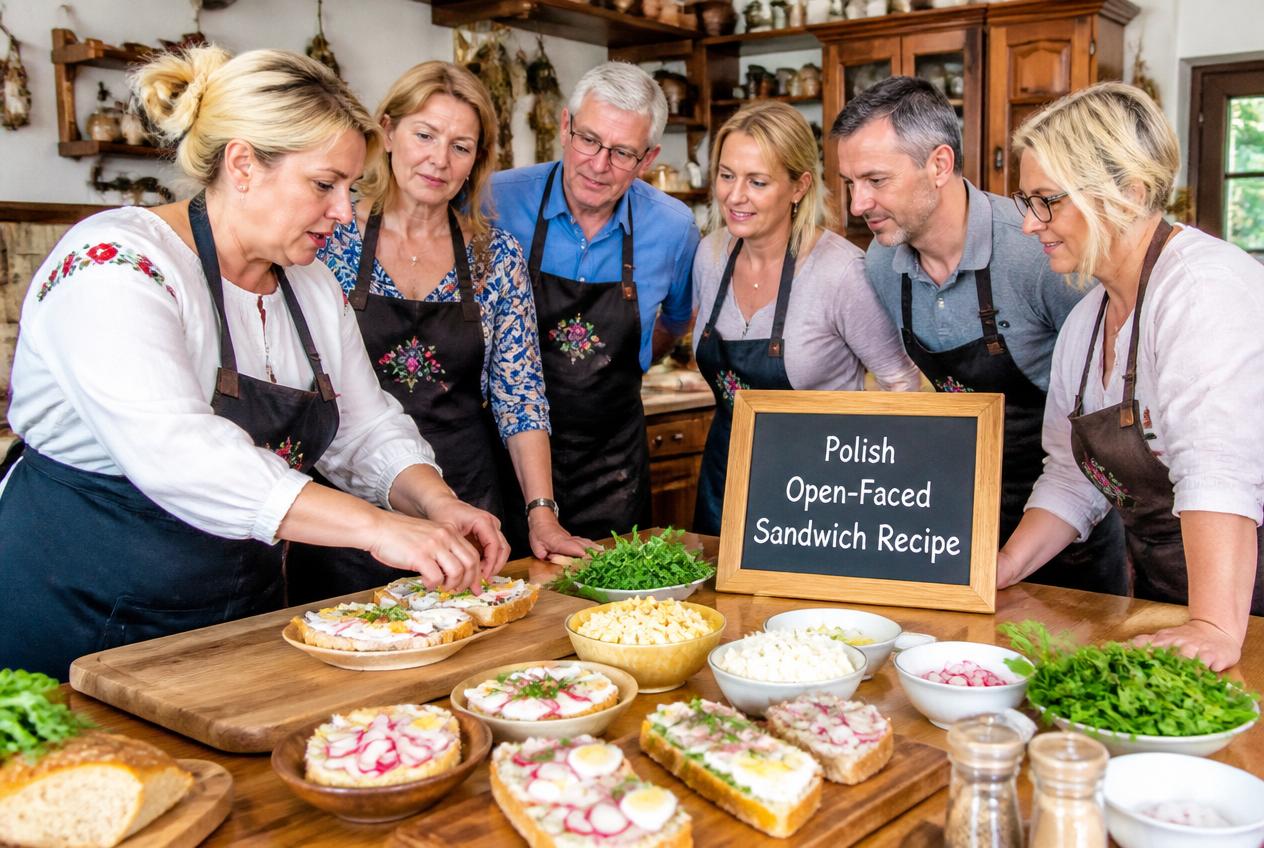
Zapiekanka is the iconic Polish open-faced sandwich recipe that transformed street food culture in the 1980s and remains a beloved quick meal today. This toasted baguette topped with sautéed mushrooms and melted cheese offers the perfect combination of crispy bread, savory toppings, and a distinctive ketchup drizzle that makes it uniquely Polish. I’ve developed this Polish open-faced sandwich recipe to bring authentic Polish street food into your kitchen with simple ingredients and straightforward techniques that take about 30 minutes from start to finish.
What makes this Polish open-faced sandwich recipe special is its versatility and affordability. The base recipe uses half a baguette, mushrooms, and cheese, but you can customize it with various toppings to suit your preferences. Whether you want a quick lunch, late-night snack, or easy dinner option, this dish delivers satisfying flavors without complicated preparation.
I’ll show you how to achieve the perfect balance of crispy bread and melted cheese while sharing tips for variations that go beyond the traditional version. This Polish open-faced sandwich recipe captures the essence of Polish comfort food in a format that works for busy weeknights and casual entertaining alike.
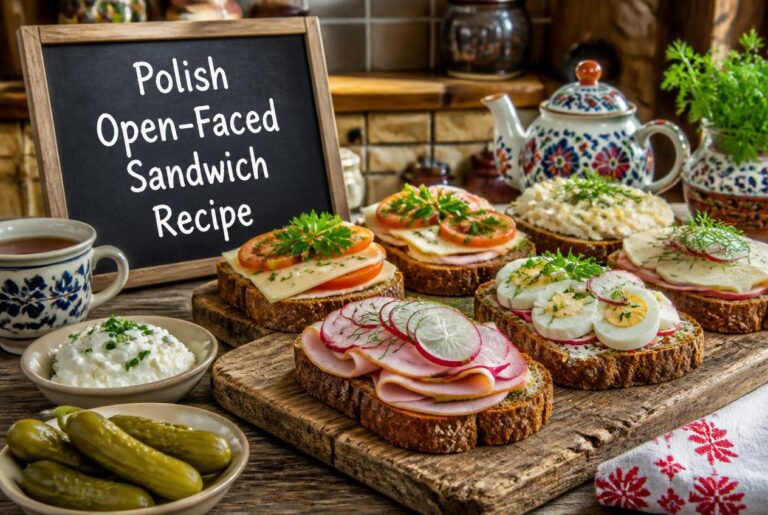
Key Takeaways
- Zapiekanka is a toasted open-faced baguette sandwich topped with mushrooms, cheese, and ketchup that takes about 30 minutes to make
- The recipe is highly customizable with various toppings and can be prepared ahead for quick assembly when needed
- This affordable Polish street food classic works equally well as a quick meal, snack, or party appetizer
Description and Historical Information
Zapiekanka is a traditional Polish open-faced sandwich that has become an iconic symbol of Polish street food culture. The name comes from the Polish verb “zapiekać,” which means “to bake,” and it refers to both this specific sandwich and the broader category of baked casseroles in Polish cuisine recipes. The Polish open-faced sandwich recipe delivers a delicious combination of flavors that highlight Polish ingenuity.
The dish consists of a halved baguette or long roll topped with sautéed mushrooms and melted cheese, then toasted until crispy. The most authentic Polish open-faced sandwich recipe calls for white button mushrooms and yellow cheese, though modern variations have expanded significantly. Traditional toppings often include ham, ketchup, and sometimes onions or other vegetables.
Zapiekanka emerged in Poland during the early 1980s as a form of Polish comfort food during the communist era. When Western fast food was limited and certain ingredients were difficult to obtain, people created this Polish open-faced sandwich recipe as an answer to quick, affordable meals. It stands out as one of the classic Polish dishes that represents culinary creativity during a challenging period.
Street food stands throughout Poland began selling zapiekanka as a budget-friendly alternative to expensive restaurant meals. After communism ended, zapiekanka faded somewhat but has now experienced a revival. Modern food stands serve creative variations, including Hawaiian-style with pineapple, Greek-style with olives and feta, and Italian-inspired versions.
Today, zapiekanka remains one of the most recognizable traditional foods from Poland, often compared to pizza due to its open-faced format and melted cheese topping. The Polish open-faced sandwich recipe continues to be a staple of Polish street food culture.
Chef’s Tips
Sauté the mushrooms in butter before adding them to the baguette. This step removes excess moisture and intensifies their flavor, preventing a soggy sandwich. The Polish open-faced sandwich recipe benefits from this technique.
Bread Selection Matters
Use a fresh, crusty baguette that’s firm enough to hold the toppings without becoming mushy. Cut it in half lengthwise and scoop out some of the soft interior to create more space for the filling. This ensures your Polish open-faced sandwich recipe has the ideal texture.
Cheese Choices
While traditional recipes call for mushrooms and cheese, using a mix of cheeses creates better flavor. Gouda melts beautifully and adds richness, but you can also try mozzarella for extra stretch, cheddar for sharper taste, or Emmental for a nutty flavor. The Polish open-faced sandwich recipe adapts well to different cheese blends.
Temperature Control
Broil the zapiekanka for the final 2-3 minutes to achieve that golden, crispy top. Watch it closely during this time to prevent burning and perfect your Polish open-faced sandwich recipe.
Topping Variations
The mushroom and cheese base is just the beginning. Add sautéed onions, bell peppers, or ham for extra depth. Cook each ingredient beforehand to ensure everything is heated through. This Polish open-faced sandwich recipe thrives on creative toppings.
The Ketchup Finish
Don’t skip the ketchup drizzle at the end. This is the authentic Polish way. The tangy sweetness balances the rich cheese and savory mushrooms perfectly. Apply it generously right before serving for the best experience with your Polish open-faced sandwich recipe.
Make-Ahead Instructions
Prepare zapiekanka components in advance to streamline the cooking process. Sauté the mushroom filling up to 2 days ahead and store it in an airtight container in the refrigerator. This makes assembling your Polish open-faced sandwich recipe quick and convenient.
Component Storage Guide:
- Sautéed mushrooms and onions: 2 days in refrigerator
- Shredded cheese: 3-4 days in refrigerator (keep sealed)
- Prepared baguettes (untoasted): 1 day in refrigerator, wrapped tightly
Prep the baguettes by slicing them lengthwise and scooping out some of the interior. Wrap these in plastic wrap or aluminum foil to prevent them from drying out. This step keeps your Polish open-faced sandwich recipe fresh and ready to assemble.
Assemble the zapiekanki just before baking for the best results. The bread can become soggy if you assemble too far in advance with the mushroom mixture already on top. This approach ensures your Polish open-faced sandwich recipe stays crisp.
Freezing Instructions:
Freeze assembled zapiekanki before the final baking step. Wrap each sandwich tightly in plastic wrap, then aluminum foil. They keep for up to 1 month in the freezer. Bake frozen zapiekanki without thawing, adding 5-7 minutes to the baking time until the cheese melts and the edges turn golden. The Polish open-faced sandwich recipe maintains great texture using this method.
Prepare the garlic sauce fresh on the day of serving. It takes only a few minutes to mix together and tastes best when freshly made, complementing your Polish open-faced sandwich recipe perfectly.
Variations
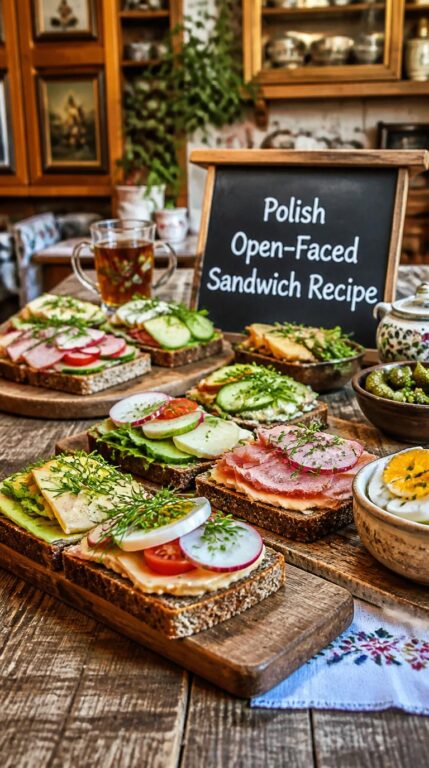
While the classic zapiekanka features mushrooms and cheese, you can customize this Polish open-faced sandwich recipe in countless ways. The open-faced sandwich serves as a versatile base for many toppings.
Popular Protein Additions:
- Ham or prosciutto
- Bacon or pancetta
- Grilled chicken
- Kielbasa sausage
- Ground beef or pork
Experiment with different cheese varieties beyond the traditional Gouda for your Polish open-faced sandwich recipe. Mozzarella creates a stringy texture, while cheddar adds sharpness. Combining multiple cheeses adds depth of flavor.
Vegetable Options:
For vegetarian versions of the Polish open-faced sandwich recipe, layer sautéed bell peppers, onions, and tomatoes alongside the mushrooms. Corn, olives, and pickles add interesting flavors and textures. Try roasted eggplant and zucchini for Mediterranean-inspired variations.
Sauce Alternatives:
While ketchup is traditional, try garlic sauce, ranch dressing, or spicy mayo as alternatives for your Polish open-faced sandwich recipe. Some variations use BBQ sauce or pesto for a modern twist.
Regional Styles:
Different Polish cities have developed their own signature Polish open-faced sandwich recipe. Some recipes include caramelized onions, while others feature spicy peppers or pickled vegetables. Maintain the core concept of a toasted baguette base with melted cheese while adapting toppings to your preferences. Start with the classic Polish open-faced sandwich recipe before exploring these variations.
Related Recipes
If you enjoyed making zapiekanka, explore other classic Polish dishes that share similar comfort food appeal and straightforward preparation methods. For more inspiration, check out this authentic Polish zapiekanka recipe from Polonist.
Pierogi recipes make an excellent next step in your Polish cooking journey. These filled dumplings can be stuffed with potatoes and cheese, sauerkraut and mushrooms, or sweet fillings like blueberries. Pierogi pair wonderfully with zapiekanka when serving a full Polish-themed meal. The dough requires a bit more technique than the Polish open-faced sandwich recipe, but the results are equally satisfying.
Kielbasa recipes offer another accessible way to experience Polish cuisine. Grill, pan-fry, or bake this smoked sausage with vegetables. Serve kielbasa alongside zapiekanka for a heartier meal, or slice it as a topping for your Polish open-faced sandwich recipe.
Here are some complementary dishes to consider:
- Polish potato pancakes (placki ziemniaczane) – crispy and savory
- Bigos (hunter’s stew) – a hearty cabbage and meat stew
- Golabki (stuffed cabbage rolls) – cabbage leaves filled with meat and rice
- Polish cucumber salad (mizeria) – a refreshing side dish
These recipes share the Polish open-faced sandwich recipe’s emphasis on simple, quality ingredients and straightforward cooking methods. Many can be prepared ahead of time, making them practical choices for weeknight dinners or casual gatherings. Serving multiple Polish dishes together creates an authentic and memorable dining experience.
Recipe Comparison
Zapiekanka recipes vary significantly across different sources, though the core concept remains consistent. The traditional Polish open-faced sandwich recipe features mushrooms and cheese on a toasted baguette, but modern interpretations have expanded the possibilities.
Common variations include the classic mushroom and cheese combination, a heartier version with added ham, and a fully vegetarian option with multiple vegetables. Some recipes incorporate sautéed onions and bell peppers, while others stick to just mushrooms. The Polish open-faced sandwich recipe adapts easily to these changes.
Key Ingredient Variations:
- Cheese: Gouda, mozzarella, or any melting cheese
- Vegetables: Mushrooms only, or mushrooms with onions and peppers
- Protein additions: Ham, bacon, or meat-free
- Toppings: Ketchup (traditional), garlic sauce, or herbs
Preparation methods differ slightly. Some recipes use butter-sautéed mushrooms, while others use raw toppings that cook under the broiler. Baking time ranges from 10 to 15 minutes depending on whether ingredients are pre-cooked. The Polish open-faced sandwich recipe remains simple and adaptable.
Within Eastern European recipes, the Polish open-faced sandwich recipe stands out for its simplicity compared to more complex dishes. Among Slavic recipes, it represents the practical, economical approach to street food that emerged during the post-communist era.
Start with the basic mushroom and cheese Polish open-faced sandwich recipe before experimenting with additions. The cooking method stays straightforward regardless of which variation you choose.
Polish Open-Faced Sandwich Recipe Cooking Tips
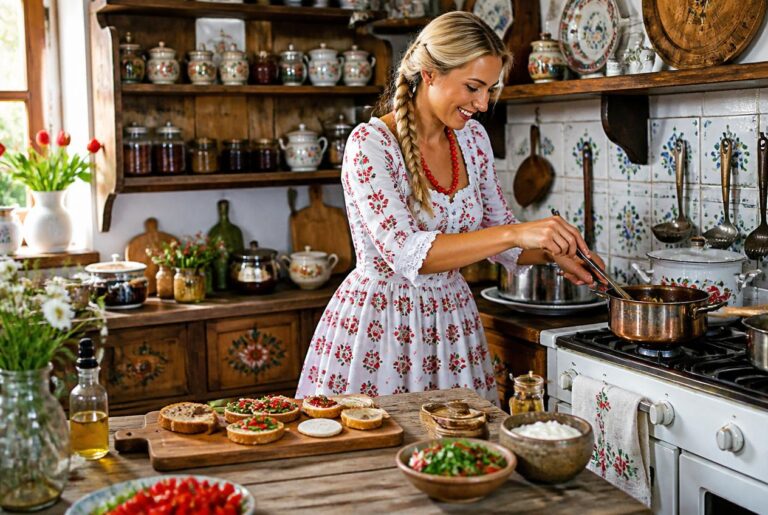
• Polish Open-Faced Sandwiches, known as Kanapki, are a popular everyday food celebrated for their fresh ingredients, attractive presentation, and versatility.
• Fresh bread serves as the foundation and is often the most important component of the sandwich.
• Rye bread, country bread, rolls, or other hearty breads are commonly used.
• Slice the bread evenly to create a sturdy base that supports toppings without becoming soggy.
• Butter is traditionally spread on the bread to add richness and create a moisture barrier.
• Cold cuts, ham, sausage, roast meats, or pâté are common protein toppings.
• Cheese varieties can add flavor, texture, and visual appeal.
• Fresh vegetables such as cucumber, tomato, radish, lettuce, and bell pepper contribute color and freshness.
• Hard-boiled eggs are a traditional topping and provide additional richness.
• Pickles add acidity and balance richer ingredients.
• Fresh herbs such as dill, parsley, chives, or green onions enhance flavor and presentation.
• Arrange toppings neatly and evenly for an attractive appearance.
• Avoid overloading the bread, which can make the sandwich difficult to eat.
• Use contrasting colors and textures to create visual appeal.
• Season lightly with salt and pepper when appropriate.
• Open-faced sandwiches are often assembled shortly before serving to maintain freshness.
• The flavor should balance fresh bread, savory toppings, crisp vegetables, and complementary seasonings.
• Serve immediately for the best texture and appearance.
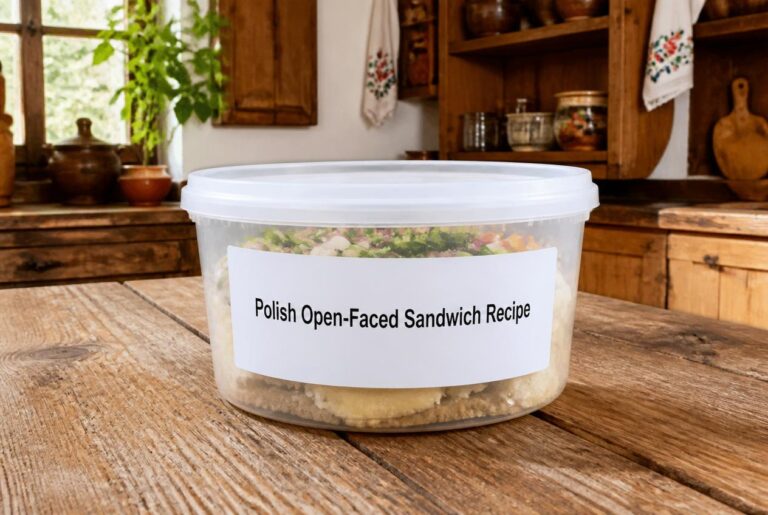
Polish Open-Faced Sandwich Recipe Storage Tips
• Open-faced sandwiches are generally best assembled shortly before serving.
• Store bread and toppings separately whenever possible to maintain freshness and texture.
• Keep prepared vegetables refrigerated in airtight containers until needed.
• Store meats, cheeses, and other perishable toppings under refrigeration.
• Avoid assembling sandwiches too far in advance because moisture can soften the bread.
• If prepared ahead, cover lightly and refrigerate until serving.
• Fresh herbs are often best added immediately before serving.
• Keep sliced vegetables dry to help prevent sogginess.
• Store butter, spreads, and condiments separately when practical.
• Use airtight containers to help preserve freshness and prevent odor absorption.
• Refrigerate sandwiches containing meat, cheese, eggs, or dairy-based spreads.
• Avoid freezing fully assembled sandwiches because texture and appearance may deteriorate.
• Bread can be frozen separately if long-term storage is needed.
• Use clean utensils when handling ingredients to help maintain freshness.
• Keep away from strongly scented foods because bread and dairy products readily absorb odors.
• Label prepared ingredients with storage dates for easier inventory management.
• Discard sandwiches if ingredients develop sour odors, slime, discoloration, or other signs of spoilage.
• For best quality, enjoy the sandwiches while the bread remains fresh and the toppings remain crisp and flavorful.
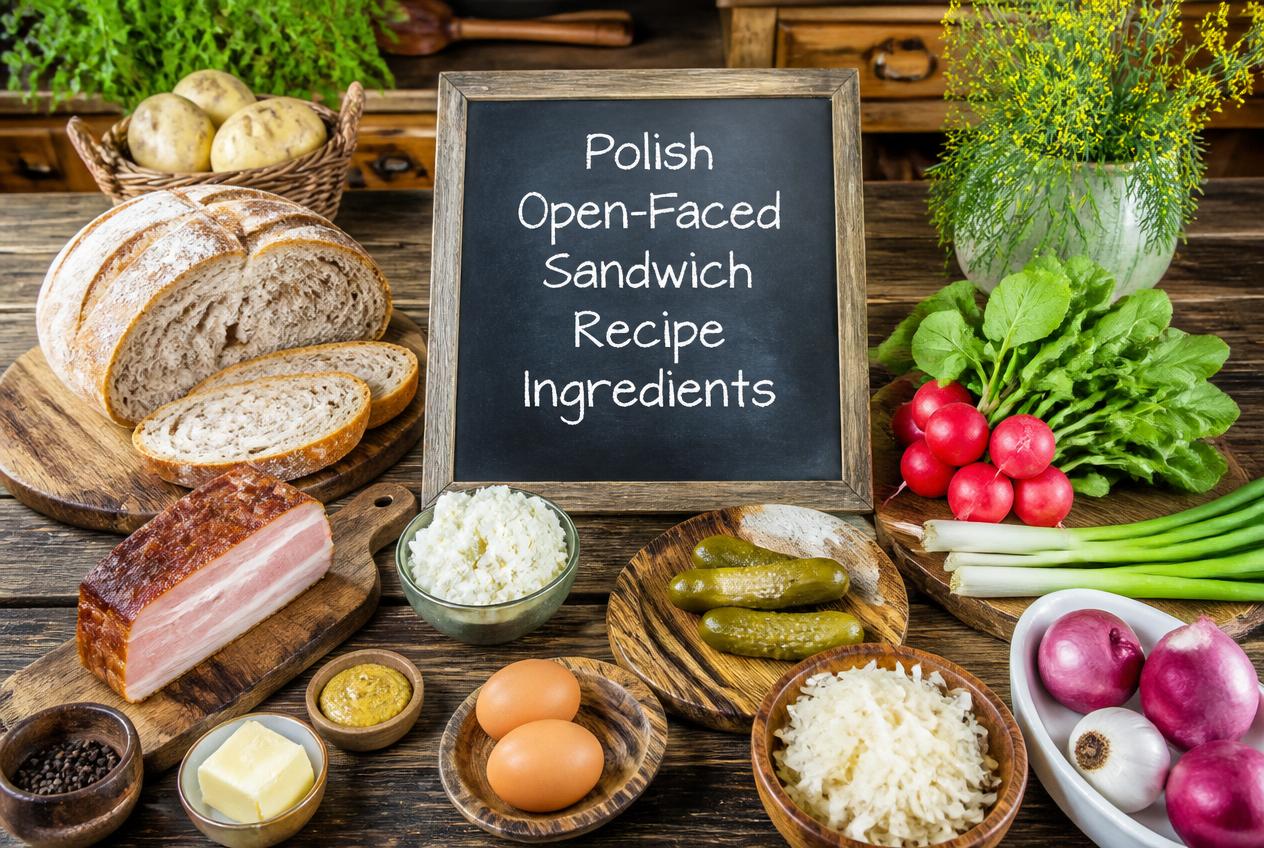
Polish Open-Faced Sandwich Recipe
Ingredients
- 1 lbs ham Thinly sliced
- 2 cups mushrooms sautéed
- Raw or cooked vegetables of choice, optional
- Mayonnaise optional
- 3 cups cheese grated melting of choice
- Ketchup for garnish
- Chopped chives optional
Instructions
- Begin by preparing the bread that will serve as the base of the zapiekanka.
- If you are using a long baguette-style loaf, cut it into three equal sections and then slice each section horizontally to create open-faced halves. If your bread is shorter, simply cut it into two sections and split them in half lengthwise.
- Arrange the bread pieces cut-side up on a baking sheet. The exposed surface provides the perfect base for the toppings and allows the bread to become crisp and golden during baking.
- Evenly distribute the cooked meat over each piece of bread, making sure every portion receives a generous amount.
- Top the meat with the sautéed mushrooms, spreading them across the surface. The mushrooms add the classic earthy flavor that makes traditional zapiekanka so distinctive.
- Sprinkle the cheese generously over the mushrooms. Use enough cheese to cover the toppings well, as it will melt and bind everything together while creating the characteristic gooey topping.
- Place the prepared zapiekanki in a hot oven.
- Bake until the bread becomes crisp around the edges and the cheese has fully melted. Depending on your oven, this will usually take 8 to 12 minutes.
- For extra color and bubbling cheese, you can switch the oven to broil for the final minute or two. Watch carefully to prevent burning.
- The finished zapiekanki should have a crispy base, hot toppings, and beautifully melted cheese with lightly golden spots on the surface.
- Remove the zapiekanki from the oven and immediately drizzle them with ketchup.
- The combination of melted cheese, savory mushrooms, and tangy ketchup is what gives this beloved Polish street food its signature flavor.
- Serve while hot, allowing the cheese to remain soft and stretchy and the bread to stay crisp.
- While the classic version features mushrooms, cheese, and ketchup, modern zapiekanki are often customized with additional toppings.
- Popular additions include diced ham, salami, sautéed vegetables, fried onions, fresh chives, or spinach. In some regions of Poland, traditional melting cheese is replaced with smoked Oscypek, which adds a distinctive smoky flavor.
- You can mix and match toppings to suit your tastes while still maintaining the spirit of this iconic Polish snack.
- Zapiekanka is one of Poland's most beloved street foods, combining simple ingredients into something incredibly satisfying. Crispy bread, savory toppings, melted cheese, and a finishing drizzle of ketchup create a meal that is quick, comforting, and packed with flavor.
- Whether served as a snack, lunch, or casual dinner, zapiekanka is best enjoyed fresh from the oven while the bread is still crisp and the cheese is perfectly melted.
Polish Open-Faced Sandwich Recipe Frequently Asked Questions
Getting the details right makes all the difference when preparing zapiekanka. Understand bread selection, proper moisture control, cheese choices, and finishing touches to achieve the crispy, flavorful result this Polish open-faced sandwich recipe deserves.
What type of bread works best for an authentic Polish open-faced toasted sandwich?
For an authentic Polish open-faced sandwich recipe, I recommend using a French baguette or similar crusty white bread. The bread should have a firm crust and airy interior to support the toppings without becoming soggy. I choose baguettes that are slightly stale or day-old for my Polish open-faced sandwich recipe, as they hold up better during baking than fresh bread, which can absorb too much moisture from the toppings.
How do you properly prepare the mushroom and onion topping so it is not watery?
For a Polish open-faced sandwich recipe, I sauté mushrooms and onions in butter over medium-high heat until most of their liquid evaporates, which takes about 8-10 minutes. I avoid overcrowding the pan to ensure the vegetables brown instead of steam, and I cook them in batches if needed. After cooking, I let the mushrooms and onions cool slightly before adding them to the bread for my Polish open-faced sandwich recipe, which prevents excess moisture from making the bread soggy.
What cheese is traditionally used, and what are the best substitutes if it is unavailable?
For a classic Polish open-faced sandwich recipe, I use Gouda because it melts well and has a mild flavor. Many Polish cooks also choose yellow cheese varieties similar to Gouda for their Polish open-faced sandwich recipe. If Gouda is unavailable, I substitute it with mozzarella, Edam, or mild cheddar, grating the cheese for more even melting and better coverage in my Polish open-faced sandwich recipe.
What are the most popular toppings and sauces to add after baking?
I always finish my Polish open-faced sandwich recipe with ketchup, which is the traditional and most essential topping. I drizzle ketchup generously over the hot sandwich right after it comes out of the oven. For extra flavor and color in my Polish open-faced sandwich recipe, I add sliced green onions or chives, and sometimes include crispy bacon, ham, jalapeños, or French fried onions.
Some variations of the Polish open-faced sandwich recipe feature garlic sauce made by mixing mayonnaise with minced garlic. I also enjoy experimenting with pineapple for a Hawaiian-style version or olives and feta for a Greek-inspired Polish open-faced sandwich recipe.
What oven temperature and baking time produce a crisp crust without burning the toppings?
For my Polish open-faced sandwich recipe, I preheat the oven to 425°F (220°C). This temperature allows the cheese to melt completely while the bread develops a golden, crispy texture. I bake the Polish open-faced sandwich recipe for about 5-10 minutes, watching carefully near the end to ensure the cheese is bubbly and the edges of the bread turn golden brown.
I place the sandwiches on the middle rack for even heating when making a Polish open-faced sandwich recipe. If I want extra crispness, I use the broiler for the last minute. For more inspiration and variations on the Polish open-faced sandwich recipe, you can visit [Polish Foodies](https://polishfoodies.com/zapiekanka-polish-open-faced-sandwich-recipe/).
How is the name pronounced correctly in English and Polish?
I pronounce zapiekanka as “zah-pye-KAHN-kah” in Polish, and I always emphasize the third syllable. The Polish open-faced sandwich recipe, known as zapiekanka, has a unique pronunciation that sets it apart from other dishes.
The word comes from “zapiekać,” which means “to bake” in Polish, and the Polish open-faced sandwich recipe reflects this tradition. When I talk about more than one sandwich, I use the plural form “zapiekanki,” pronounced “zah-pye-KAHN-kee.” The Polish open-faced sandwich recipe remains popular in both singular and plural forms, especially among street food enthusiasts. For more on Polish cuisine, you can visit [Polish Foodies](https://polishfoodies.com).

Recipes are gathered in person and written for real-world cooking conditions.
- 10 Hungarian Dessert Recipes Passed Down Through Generations - July 25, 2026
- 11 Easy English Recipes Anyone Can Make - July 25, 2026
- Hungarian Kifli Recipe - July 25, 2026