
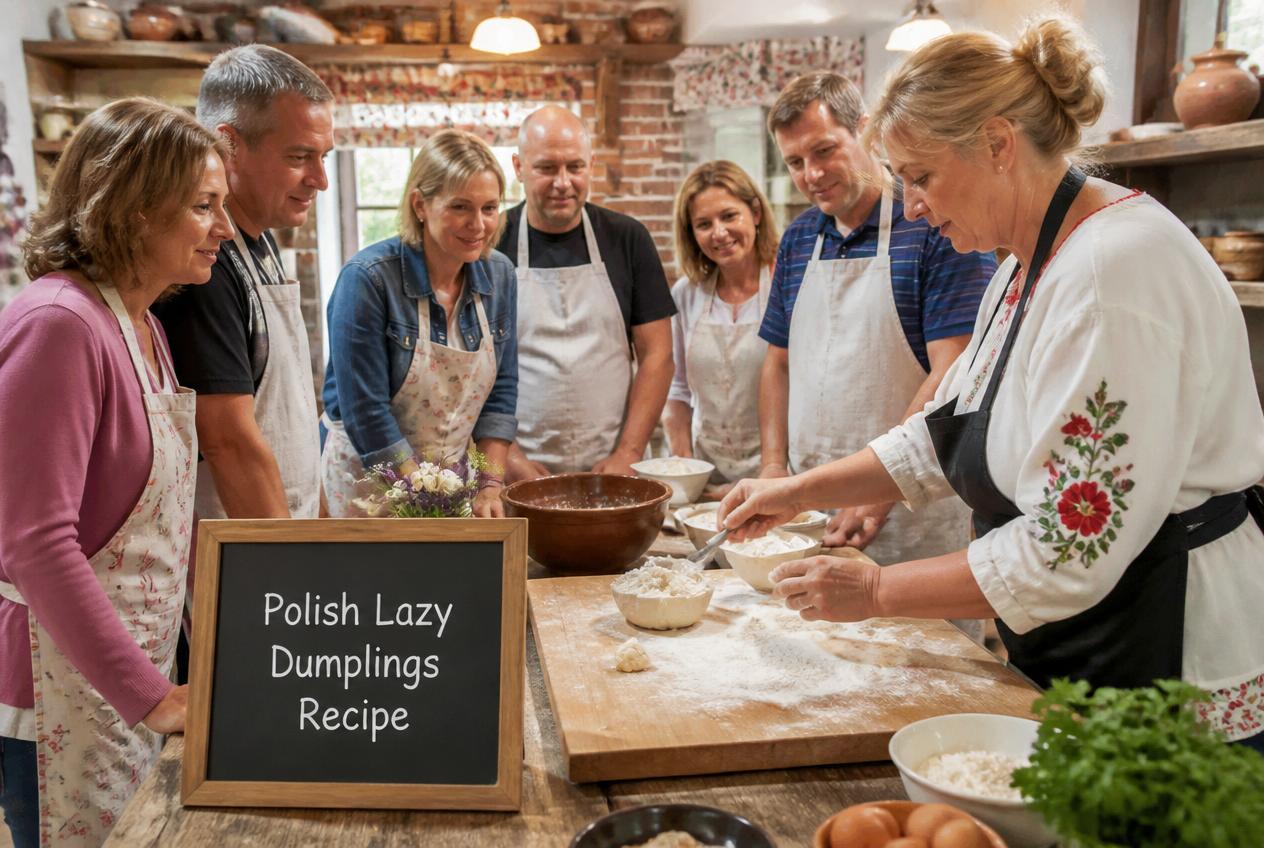
Polish lazy dumplings recipes, or pierogi leniwe, offer a simplified approach to enjoying the flavors of traditional pierogi without the time-intensive preparation. These dumplings combine farmer’s cheese directly into a simple dough made with flour and eggs, eliminating the need to roll, fill, and seal individual dumplings. I find this Polish lazy dumplings recipe perfect for busy weeknights when I’m craving authentic Polish comfort food but don’t have hours to spend in the kitchen.
The beauty of the Polish lazy dumplings recipe lies in their versatility and ease. I can prepare them from start to finish in under 30 minutes, making them an accessible entry point into Polish cuisine recipes for anyone intimidated by more complex dishes. Whether served with browned butter and breadcrumbs for a savory meal or topped with sugar and cinnamon for a sweet variation, these tender dumplings deliver satisfying comfort food that honors Polish culinary tradition.
I’ll walk you through the essential techniques, ingredient choices, and preparation tips that ensure your Polish lazy dumplings recipe turns out perfectly every time. From understanding the proper cheese texture to mastering the cooking method, this guide covers everything you need to create this beloved Polish lazy dumplings recipe in your own kitchen.
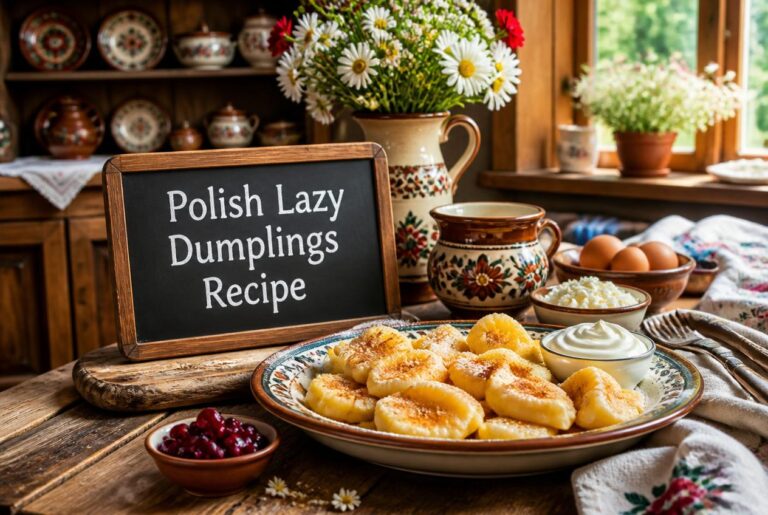
Polish Lazy Dumplings Recipe
Key Takeaways
- Pierogi leniwe are quick Polish dumplings made by mixing farmer’s cheese directly into the dough rather than using it as a filling
- These dumplings can be prepared in less than 30 minutes and served with either savory or sweet toppings
- Proper cheese selection and gentle handling of the dough are essential for achieving the ideal tender texture
Origins and Culinary Tradition
Polish lazy dumplings recipe, known as leniwe or pierogi leniwe, holds a special place among traditional Polish recipes as a practical solution born from home cooking necessity. Their story fascinates me because they emerged as a time-saving alternative to classic Polish dishes that required more elaborate preparation. The name “lazy pierogi” reflects their simplified nature. While authentic Polish food traditionally involves labor-intensive processes like rolling dough, filling, and sealing, these dumplings skip those steps entirely. They combine the same core ingredients used in standard pierogi—farmer’s cheese (twaróg), eggs, and flour—but without the fuss.
Key Traditional Elements:
- Primary ingredient: twaróg (Polish farmer’s cheese)
- Simple mixing and shaping process
- Diamond or rectangular cut shapes
- Boiled until they float to the surface
These rustic Polish lazy dumplings recipe staples have been passed down through Polish family recipes for generations. They appear in church cookbooks and handwritten recipe collections, indicating their deep roots in community and home traditions. Leniwe can be served either sweet or savory, making them versatile traditional foods from Poland. The sweet version typically features butter, sugar, and sometimes cinnamon or sour cream. The savory preparation often includes fried onions, bacon bits, or breadcrumbs sautéed in butter.
Expert Cooking Techniques
Mastering a few key techniques transforms the Polish lazy dumplings recipe from a simple homemade Polish recipe into a restaurant-quality dish. The dough consistency is critical—it should be soft and slightly sticky but manageable enough to roll without excessive flour. I always work quickly once the ingredients are combined. Warm hands can make the cheese dough too soft, so I keep my workspace cool and my movements efficient. When rolling the dough into logs, I aim for a diameter of about 1 inch to ensure even cooking.
For uniform dumplings, I cut the logs at a 45-degree angle to create the traditional diamond shape. Each piece should be roughly ¾ to 1 inch wide. I gently press a fork into each dumpling to create ridges that help toppings adhere better. Water temperature matters significantly in Polish cooking recipes. I bring a large pot of salted water to a rolling boil, then reduce it to a gentle simmer before adding dumplings. Vigorous boiling can cause them to fall apart.
I work in batches of 8-10 dumplings to prevent overcrowding. Once they float to the surface, I wait exactly 2 minutes before removing them with a slotted spoon. This timing ensures they’re cooked through without becoming mushy. I always test the first dumpling by cutting it open. The center should be uniformly opaque with no raw dough visible. If undercooked, I add 30 seconds to the cooking time for subsequent batches. Following these steps guarantees the perfect Polish lazy dumplings recipe every time.
Preparation in Advance
I find that the Polish lazy dumplings recipe can be prepared ahead of time, making them ideal for busy weeknights or meal planning. The uncooked dumplings freeze exceptionally well and maintain their texture when properly stored. To prepare the dumplings in advance, I shape them as directed and place them on a parchment-lined baking sheet, ensuring they don’t touch each other to prevent sticking. Then I freeze them for about 2 hours until solid.
Once frozen solid, I transfer the dumplings to freezer-safe bags or containers. They can be stored in the freezer for up to 3 months. I always label the containers with the date to track freshness. When cooking from frozen, I add them directly to boiling water and expect 2-3 minutes additional cooking time. They’re done when they float to the surface. I can also prepare the cheese mixture and dough one day ahead and store it covered in the refrigerator for up to 24 hours. This allows the ingredients to meld together and makes shaping easier when the dough is slightly chilled.
For the breadcrumb topping, I toast it fresh before serving for the best flavor and texture. However, I can toast breadcrumbs up to 3 days ahead and store them in an airtight container at room temperature. Cooked pierogi leniwe can be refrigerated for up to 3 days. I reheat them gently in butter or microwave them with a damp paper towel to prevent drying. This flexibility makes the Polish lazy dumplings recipe a great choice for meal prep.
Creative Twists
I’ve discovered several ways to reinvent the Polish lazy dumplings recipe while honoring their Polish roots. One approach I enjoy is incorporating mashed potatoes into the dough alongside the cheese, creating a hybrid that combines elements from Polish potato recipes like kartoflane kluski with the classic cheese-based version. Sweet variations work beautifully with these dumplings. I sometimes add vanilla extract or lemon zest directly into my dough for subtle flavor enhancement. For toppings, I use cinnamon sugar, fresh berries with cream, or even a drizzle of honey mixed with butter.
Savory adaptations offer equally satisfying results. I fold fresh herbs like dill or chives into my dough, or add minced garlic for a robust flavor profile. Caramelized onions, sautéed mushrooms, or crispy bacon bits make excellent toppings that transform the dish into something special. For texture variety, I pan-fry my boiled dumplings in butter until they develop golden, crispy edges. This extra step adds a satisfying crunch that contrasts nicely with the soft interior.
I’ve also experimented with different cheeses beyond traditional farmer’s cheese. Ricotta creates a lighter texture, while adding a small amount of parmesan to the mixture introduces a sharper, more complex flavor. Another twist I recommend is forming the dumplings into different shapes. While diamond cuts are traditional, I sometimes roll them into small balls or cut them into squares for visual interest. The Polish lazy dumplings recipe adapts well to creative spins, making it a favorite in my kitchen.
Complementary Dishes
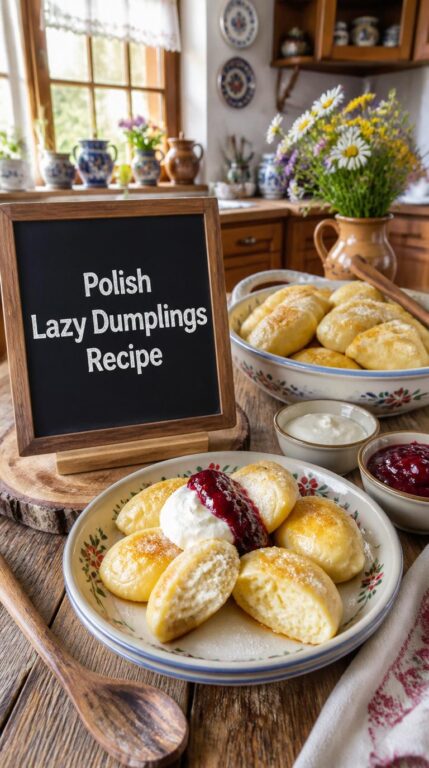
I recommend serving the Polish lazy dumplings recipe alongside other popular Polish dishes to create a complete and satisfying meal. These lazy dumplings work well as either a main course or side dish, depending on how you structure your menu. For a traditional Polish meal, I pair these dumplings with bigos (hunter’s stew) or golabki (stuffed cabbage rolls). These hearty Polish recipes complement the mild, creamy flavor of the cheese dumplings without overwhelming them.
When I’m planning easy Polish dinner recipes for family gatherings, I include these must-try Polish recipes:
- Mizeria (cucumber salad) – provides a light, refreshing contrast
- Surówka z kapusty (cabbage slaw) – adds crunch and tanginess
- Barszcz (beet soup) – offers a warm starter option
- Żurek (sour rye soup) – brings a savory, fermented flavor
Simple Polish side dishes like sautéed mushrooms or caramelized onions enhance the dumplings’ taste. A dollop of sour cream on the side is another traditional Polish meal accompaniment that I always include. For Polish dishes for family dinners, I sometimes serve these dumplings before moving to kotlet schabowy (breaded pork cutlet) as the main protein. If you’re serving the Polish lazy dumplings recipe sweet with sugar and cinnamon, they transition nicely into Polish desserts like makowiec (poppy seed roll) or sernik (cheesecake).
Comparative Analysis with Alternative Dumpling Recipes
The Polish lazy dumplings recipe occupies a unique position among Eastern European recipes. Unlike traditional pierogi, which require rolling dough, cutting circles, and sealing filled pockets, lazy dumplings simplify the entire process by mixing all ingredients together. When I compare leniwe to other Slavic recipes, the most notable difference is the incorporation of farmer’s cheese or twaróg directly into the dough. Traditional pierogi recipes separate the cheese as a filling, while lazy dumplings blend it with flour and eggs from the start.
Polish kluski kartoflane represent another variation worth examining. These dumplings use boiled potatoes as the primary ingredient instead of cheese, creating a denser texture and more neutral flavor profile.
Key Differences in Dumpling Types:
| Dumpling Type | Main Ingredient | Preparation Method | Cooking Time |
|---|---|---|---|
| Leniwe Pierogi | Farmer’s cheese | Mixed, rolled, cut | 20 minutes |
| Traditional Pierogi | Various fillings | Rolled, filled, sealed | 45-60 minutes |
| Kluski Kartoflane | Potatoes | Mixed, shaped | 25-30 minutes |
Authentic Eastern European food often emphasizes efficiency without sacrificing flavor. The Polish lazy dumplings recipe exemplifies this principle by delivering the taste of cheese pierogi in a fraction of the time. The versatility in serving also distinguishes lazy dumplings. I can prepare them with sweet toppings like sugar and cinnamon or savory options such as fried breadcrumbs and butter, making them adaptable to different meal occasions throughout the day. For more traditional recipes, visit Polish Housewife.
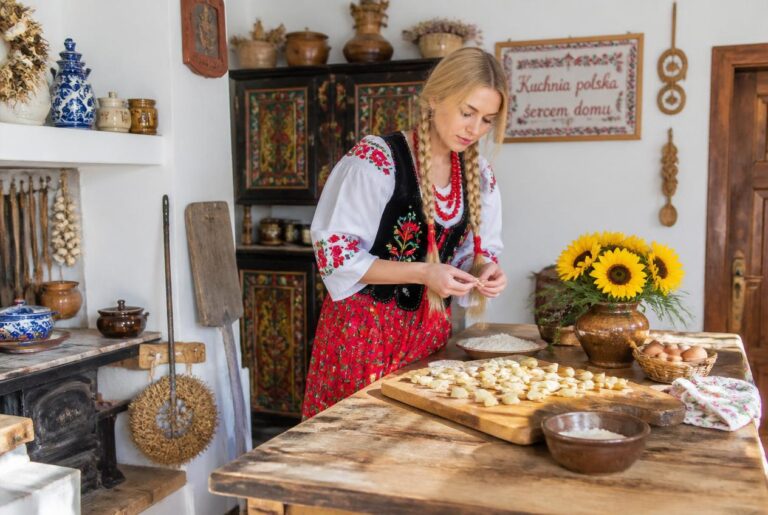
Polish Lazy Dumplings Recipe Cooking Tips
Polish Lazy Dumplings Recipe Cooking Tips
• Polish Lazy Dumplings, known as Leniwe Pierogi, are a traditional comfort food made from farmer’s cheese, flour, and eggs, offering the flavor of filled dumplings without the extra shaping work.
• Fresh farmer’s cheese or twaróg is the traditional ingredient and provides the dumplings’ signature flavor and texture.
• Drain excess moisture from the cheese if necessary to prevent overly soft dough.
• Use room-temperature ingredients when possible to help create a smoother mixture.
• Mix the dough gently to avoid making the dumplings dense or tough.
• Add flour gradually until the dough is soft, workable, and not excessively sticky.
• Avoid adding too much flour, which can make the dumplings heavy.
• Roll the dough into uniform ropes before cutting into evenly sized pieces.
• Traditional dumplings are often cut into small diamond or rectangular shapes.
• Dust the work surface lightly with flour to prevent sticking during shaping.
• Cook the dumplings in gently boiling water rather than a vigorous boil.
• Stir carefully after adding them to the water to prevent sticking.
• Dumplings are generally ready shortly after they float to the surface.
• Remove them promptly to maintain a tender texture.
• Butter, breadcrumbs, sugar, cinnamon, sour cream, or fruit toppings are common accompaniments.
• Fresh berries or fruit preserves can add sweetness and visual appeal.
• The flavor should balance tender cheese dumplings, mild sweetness, creamy dairy notes, and any accompanying toppings.
• Serve warm for the best texture and eating experience.
Polish Lazy Dumplings Recipe Storage Tips
Polish Lazy Dumplings Recipe Storage Tips
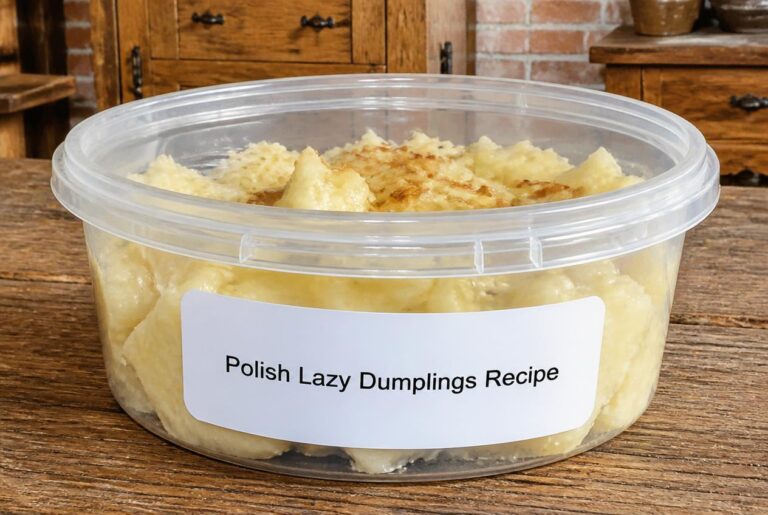
• Allow the dumplings to cool before transferring them into storage containers.
• Store refrigerated in airtight containers to preserve freshness and prevent drying.
• Lightly coat the dumplings with butter to help prevent sticking during storage.
• Refrigeration often allows the cheese flavor to become more pronounced.
• Reheat gently in simmering water, a skillet, microwave, or steamer until thoroughly heated.
• Pan-frying leftover dumplings in butter can create a pleasantly golden exterior.
• Avoid overcooking during reheating, which can make the dumplings firm.
• Store toppings such as fruit preserves, sour cream, or berries separately when possible.
• Freeze cooked or uncooked dumplings in airtight freezer-safe containers if desired.
• Arrange dumplings in a single layer before freezing to help prevent sticking.
• Wrap tightly to help prevent freezer burn and preserve quality.
• Defrost frozen dumplings gradually in the refrigerator or cook directly from frozen if appropriate.
• Use clean utensils when handling leftovers to help maintain freshness.
• Keep away from strongly scented foods because cheese-based dishes readily absorb odors.
• Label storage containers with the preparation date for easier inventory management.
• Avoid repeated freezing and reheating cycles, which can negatively affect texture and flavor.
• Check for signs of spoilage such as sour odors, mold, unusual discoloration, or texture changes before consuming leftovers.
• For best quality, enjoy the dumplings while they remain tender, creamy, and flavorful.
Polish Lazy Dumplings Recipe
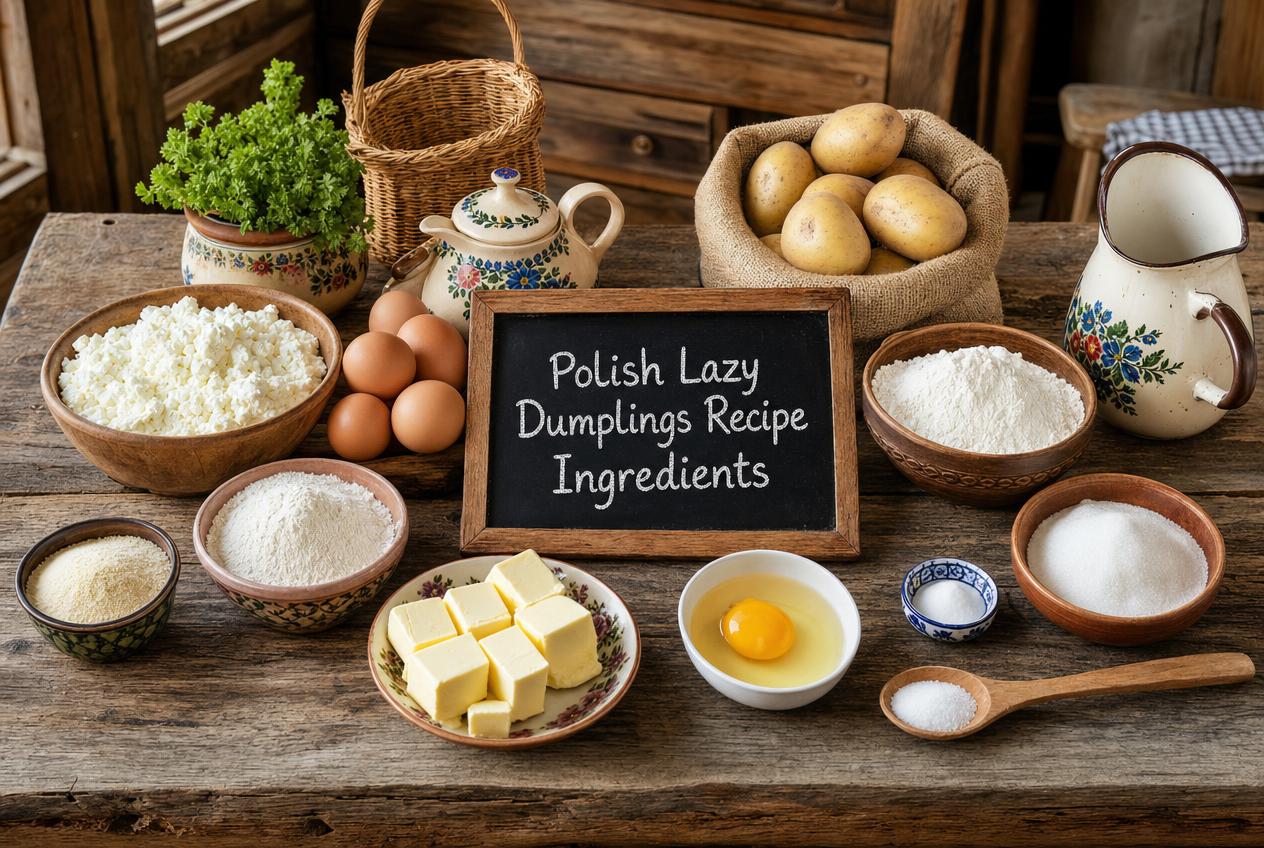
Ingredients
- 1 pound cheese dry curd farmer's cheese, or ricotta cheese, at room temperature
- 2 large eggs room temperature
- 1 large egg yolk room temperature
- 1 teaspoon salt
- 1 tablespoon butter meltedunsalted
- 2 cups all-purpose flour
Instructions
- Begin by placing the cheese, eggs, egg yolk, salt, and butter into the bowl of a food processor.
- Process the mixture until it becomes completely smooth and creamy. Scrape down the sides of the bowl as needed to ensure everything is evenly blended.
- Once smooth, add all of the flour at once and process again until fully incorporated.
- Do not be concerned if the dough appears very soft or sticky. This is normal for this style of dumpling dough. The mixture will not form a firm ball like bread dough and should remain somewhat tacky.
- Bring a large pot of generously salted water to a boil while shaping the dumplings.
- Lightly flour your work surface and transfer the dough onto it.
- Using floured hands, gently shape the dough into a long rope approximately 1½ inches thick. Add only enough flour to prevent sticking, as too much flour can make the dumplings heavy.
- Using a sharp knife, cut the rope diagonally into pieces about 1 to 2 inches long, depending on how large you prefer your dumplings.
- The diagonal cuts create the traditional rustic appearance and help the dumplings cook evenly.
- Carefully drop the dumplings into the pot of boiling salted water.
- Stir gently once or twice immediately after adding them to prevent sticking.
- As the dumplings cook, they will gradually float to the surface. Once they rise, continue cooking them for an additional 5 minutes.
- The total cooking time is usually around 10 minutes, depending on the size of the dumplings.
- To check for doneness, remove one dumpling from the water and place it on a plate. Cut it open carefully and taste it to ensure the center is fully cooked and has the texture you prefer.
- Be cautious, as the dumpling will be extremely hot.
- Using a slotted spoon, transfer the cooked dumplings to a buttered serving bowl.
- Toss them gently so they are lightly coated with the melted butter, which helps prevent sticking and adds flavor.
- At this stage, the dumplings can be served immediately or given an additional finishing step.
- For a crisp, golden exterior, melt a little butter in a skillet over medium heat.
- Add the cooked dumplings and fry them for several minutes, turning occasionally, until they develop a beautiful golden-brown crust on all sides.
- This extra step adds a wonderful contrast between the crisp exterior and the soft, tender interior.
- Serve the dumplings hot with a generous spoonful of sour cream for a traditional presentation.
- They are also excellent alongside the pan drippings from a pork roast or beef roast, which add rich savory flavor that complements the delicate cheese dumplings beautifully.
- Whether served simply with butter and sour cream or paired with roasted meats and gravy, these dumplings are hearty, comforting, and deeply satisfying.
- These traditional cheese dumplings are soft, tender, and rich with dairy flavor. Their delicate texture makes them equally suitable as a side dish, main course, or comforting family meal. The simple ingredients create a wonderfully rustic dish that showcases the classic flavors of Central and Eastern European home cooking.
- Served fresh from the pot or pan-fried until golden, they offer a perfect combination of simplicity and comfort that has made them a beloved traditional favorite for generations.
Polish Lazy Dumplings Recipe Frequently Asked Questions
The Polish lazy dumplings recipe raises common questions about ingredients, preparation techniques, and serving methods that can make the difference between perfectly tender dumplings and disappointing results. By following the guidance above, you can master the Polish lazy dumplings recipe and enjoy this beloved dish with confidence.
What are leniwe pierogi, and how do they differ from traditional filled pierogi?
Leniwe pierogi are Polish dumplings that incorporate cheese directly into the dough rather than using it as a filling. The name translates to “lazy pierogi” because they skip the time-consuming steps of rolling dough, cutting circles, filling each piece, and sealing the edges. The Polish lazy dumplings recipe combines all the ingredients into one mixture, making the process much faster than traditional pierogi.
I prepare these dumplings quickly, as the dough is simply mixed, shaped, and boiled. Traditional pierogi require two separate components that must be assembled, while leniwe combine everything into one mixture from the start. The Polish lazy dumplings recipe streamlines the preparation, offering a quicker alternative to classic pierogi.
Which type of cheese works best for making kluski leniwe, and can substitutions be used?
Farmer’s cheese delivers the most authentic results for leniwe pierogi due to its dry, crumbly texture and mild tang. This cheese has less moisture than most alternatives, which helps create the proper dough consistency for the Polish lazy dumplings recipe. Dry curd cottage cheese works as a close substitute if farmer’s cheese is unavailable, and I can also use ricotta cheese after draining excess liquid through cheesecloth for several hours.
The cheese should be relatively dry and slightly crumbly rather than wet or creamy. Too much moisture in the cheese will require adding extra flour, which can make the dumplings dense and tough. For the Polish lazy dumplings recipe, achieving the right cheese texture ensures light and tender dumplings.
How can I make lazy dumplings without ricotta or farmer’s cheese if I can’t find them locally?
Regular cottage cheese can work after I press it through a fine-mesh strainer or cheesecloth to remove excess liquid. I let the cottage cheese drain for at least 2-3 hours, or preferably overnight in the refrigerator. Quark cheese serves as another alternative, as it has a similar texture and tang to farmer’s cheese, making it suitable for the Polish lazy dumplings recipe.
Some cooks successfully use well-drained Greek yogurt mixed with a small amount of cream cheese, though this changes the flavor profile slightly. I adjust the flour amount based on how much moisture remains in the substitute cheese. The goal for the Polish lazy dumplings recipe is achieving a soft but workable dough that holds its shape without being sticky.
What is the ideal dough consistency to prevent the dumplings from becoming tough or falling apart?
The dough should be soft and slightly sticky but manageable enough to shape without adhering completely to my hands. I aim for a consistency that resembles play dough rather than traditional bread dough. Too much flour creates tough, heavy dumplings that lack the characteristic tender texture found in the best Polish lazy dumplings recipe.
I add flour gradually during mixing, stopping once the dough barely comes together and can be formed into a log. The dough will feel softer than expected, but this softness is necessary for achieving light, pillowy dumplings. Using a well-floured work surface helps with shaping the Polish lazy dumplings recipe without incorporating excess flour into the dough itself.
What are the most common serving options and toppings for these dumplings, both sweet and savory?
Melted butter with breadcrumbs toasted until golden provides the most traditional savory topping. I brown butter in a pan, add breadcrumbs, and drizzle the mixture over the cooked dumplings. The Polish lazy dumplings recipe tastes delicious with this classic finish.
For sweet versions, I dust the dumplings with cinnamon sugar or top them with sour cream and fresh fruit. Some families serve them with powdered sugar, honey, or fruit preserves, making the Polish lazy dumplings recipe versatile for dessert. Savory options also include crispy bacon bits, caramelized onions, or simply melted butter with a sprinkle of salt, all of which pair well with the mild cheese flavor of the dumplings.
You can find more inspiration and variations for the Polish lazy dumplings recipe by visiting Polonist, which offers additional tips and serving ideas. The Polish lazy dumplings recipe remains a beloved staple in Polish cuisine, enjoyed by families for generations. Whether you prefer sweet or savory toppings, the Polish lazy dumplings recipe adapts easily to your taste.
If you are searching for a comforting and quick meal, the Polish lazy dumplings recipe delivers both flavor and convenience. Experiment with different cheeses and toppings to make the Polish lazy dumplings recipe your own. The Polish lazy dumplings recipe is perfect for weeknight dinners or special occasions alike.
Can these dumplings be frozen or refrigerated, and what is the best way to reheat them without losing texture?
You can freeze uncooked dumplings on a parchment-lined baking sheet until they become solid, then transfer them to freezer bags for up to three months. I always cook the Polish lazy dumplings recipe directly from frozen and add just 1-2 extra minutes to the boiling time. This method preserves the texture and flavor of the Polish lazy dumplings recipe.
Store cooked dumplings in the refrigerator for 2-3 days in an airtight container. I always reheat the Polish lazy dumplings recipe gently in a pan with butter over medium heat, turning them occasionally until they warm through. This reheating technique helps maintain the delicate texture of the Polish lazy dumplings recipe.
Microwaving usually makes the dumplings rubbery and tough. Pan-frying leftover dumplings gives them a crispy exterior and warms the interior, which many people prefer over the original boiled texture. For more tips and variations on the Polish lazy dumplings recipe, you can visit [Polish Housewife](https://polishhousewife.com/leniwe-polish-lazy-dumplings/).
Using the Polish lazy dumplings recipe allows you to prepare a batch ahead of time and enjoy them throughout the week. Whether you freeze, refrigerate, or pan-fry, the Polish lazy dumplings recipe remains versatile and convenient. Experimenting with reheating methods can help you discover your favorite way to enjoy the Polish lazy dumplings recipe.
Try serving the Polish lazy dumplings recipe with various toppings like browned butter, sugar, or fruit preserves. The Polish lazy dumplings recipe pairs well with both sweet and savory flavors, making it a family favorite. With a reliable Polish lazy dumplings recipe, you can bring comfort food to your table any day of the week.
Remember to share your experiences and tips for the Polish lazy dumplings recipe with friends and family. The Polish lazy dumplings recipe is a beloved tradition that brings people together. Enjoy making and sharing the Polish lazy dumplings recipe for any occasion.

Recipes are gathered in person and written for real-world cooking conditions.
- 10 Hungarian Dessert Recipes Passed Down Through Generations - July 25, 2026
- 11 Easy English Recipes Anyone Can Make - July 25, 2026
- Hungarian Kifli Recipe - July 25, 2026