
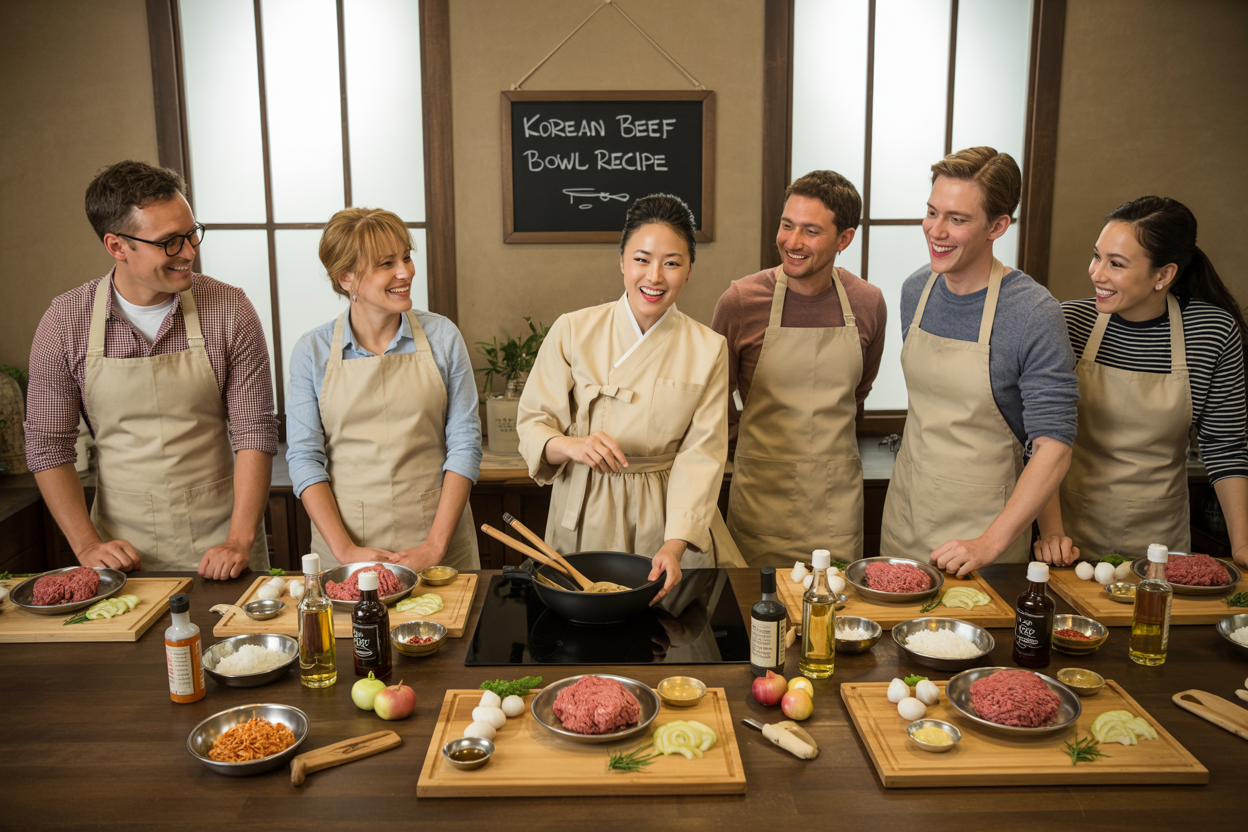
Korean Beef Bowl (Bibimbap): I’ll be honest—when I first tried making bibimbap at home, I thought you needed a culinary degree just to pronounce it. But honestly, bibimbap is probably one of the easiest Korean dishes you can whip up in your kitchen. All you need is rice, beef, some veggies, a fried egg, and gochujang sauce. Throw it all in a bowl and you’re good to go. No fancy gadgets, no chef-level skills, just a Korean Beef Bowl that looks and tastes like you spent hours—but trust me, you didn’t.
The name literally means “mixed rice,” which is about as complicated as it gets. You just toss a bunch of tasty things into a bowl and mix them up like you’re in a hurry. The best part about a Korean Beef Bowl is how forgiving it is—forgot to marinate the beef? Doesn’t matter. Only have three veggies? Still awesome.
I’ve spent way too many evenings tinkering with my Korean Beef Bowl game, and now I’m sharing everything I know. Want to keep your egg from turning into rubber? Need ideas for leftovers? I’ve got some thoughts.
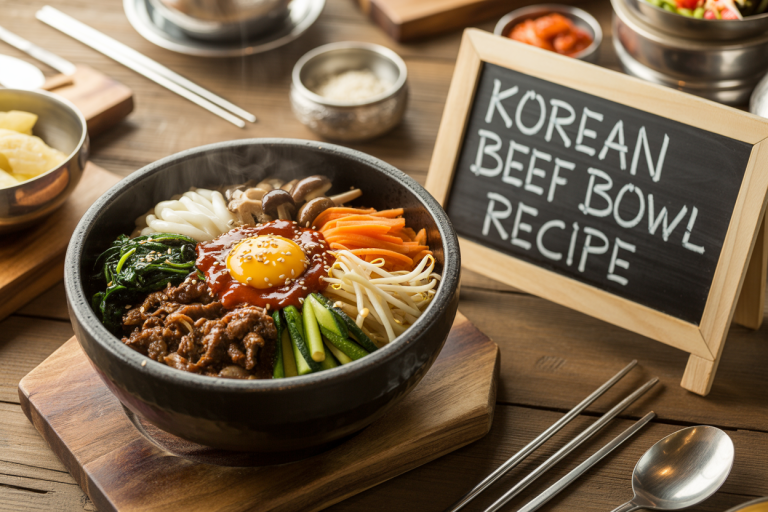
Korean Beef Bowl Recipe
Key Takeaways
- Bibimbap, or Korean Beef Bowl, is a simple Korean rice bowl with beef, veggies, rice, and a fried egg topped with spicy gochujang sauce.
- You can swap ingredients based on what’s in your fridge and your Korean Beef Bowl will still taste great.
- Leftover Korean Beef Bowl components store well separately, so you can reheat them for quick meals later in the week.
How Bibimbap Became More Popular Than K-Pop
Okay, I know what you’re thinking. Nothing can top K-Pop’s global takeover, right? Maybe not, but Korean Beef Bowl (bibimbap) is giving it a run for its money.
While BTS was taking over the world, bibimbap was sneaking its way into lunchboxes everywhere. This Korean Beef Bowl evolved over 1,000 years and somehow became one of Korea’s most famous dishes. I’m not saying folks stopped streaming K-Pop, but they definitely started eating more rice bowls.
So why did the Korean Beef Bowl become so popular?
- Easy to try: You don’t need to learn Korean or dance just to eat it.
- Customizable: Meat lovers, vegetarians, and spice addicts can all make it their own.
- Instagrammable: Those colorful toppings look better than my dance moves, that’s for sure.
- Healthy-ish: Even Hollywood jumped on the Korean Beef Bowl train for its nutrition.
I’ve seen Korean cuisine explode in popularity. Korean restaurants served over 25 million Korean Beef Bowls in 2026. That’s a lot of mixed rice.
The real genius is in the simplicity. Bulgogi needs marinating and grilling, but a Korean Beef Bowl just wants you to put everything in a bowl and mix it up. Even I can’t mess that up.
This dish is a “gateway” to Korean cuisine. Most people try a Korean Beef Bowl first, then get curious about other dishes. It’s like the friendly introduction that pulls you into the whole world of Korean food.
Tips for Preventing a Kitchen Meltdown
I’ve had my fair share of kitchen chaos making Korean Beef Bowl. It usually takes about 45 minutes, but things can get wild if you’re not ready. My secret? Prep everything before you even turn on the stove.
Prep First, Cook Later
I always chop my carrots, zucchini, and mushrooms before I do anything else. I measure out my sesame oil, soy sauce, garlic, and ginger into a bowl. Trust me, you don’t want to be mincing garlic while your ground beef burns in the skillet—been there, done that.
Here’s my go-to prep order for a smooth Korean Beef Bowl experience:
- Start the rice (it takes the longest)
- Mix the marinade for your beef
- Chop all your veggies (spinach, bean sprouts, green onions, zucchini, mushrooms)
- Lay out eggs, sesame seeds, and sesame oil
Cook Smart, Not Hard
I sauté the veggies one at a time in the same skillet, wiping it out between batches. This way, flavors stay clean and each veggie gets its moment.
I always cook the beef last because it stays warm longer. If you cook it first, you end up with cold beef in your Korean Beef Bowl. Nobody wants that.
When Things Go Sideways
If something gets overcooked or doesn’t look perfect, I just remind myself that bibimbap means “mixing.” Nobody will notice if the spinach is a little wilted or the bean sprouts aren’t super crisp. Just mix it all up, sprinkle sesame seeds on top, and enjoy your Korean Beef Bowl anyway.
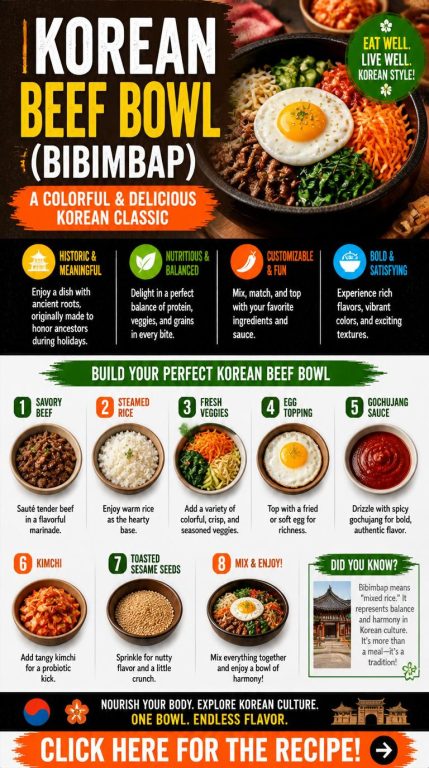
Cheeky Twists and Saucy Swaps
I love getting creative with my Korean Beef Bowl. The gochujang sauce is classic, but sometimes I’ll mix in sriracha if I’m feeling lazy or want extra heat without hunting down Korean ingredients.
For the sauce, I blend gochugaru (Korean chili flakes) with rice vinegar, tamari instead of soy sauce, and a squirt of honey. If I’m out of gochugaru, regular chili flakes are fine, though they’re missing that smoky flavor.
Rice Options I Actually Use:
- Cauliflower rice when I’m pretending to eat healthy
- Brown rice for a nutty flavor and extra fiber
- Sushi rice because it’s sticky and perfect for a Korean Beef Bowl
The toppings? I go rogue. Traditional Korean Beef Bowl toppings are great, but I use whatever veggies I need to use up. Kale is good if you massage it with sesame oil. I always add kimchi—because what’s a Korean Beef Bowl without it?
Sometimes I swap the beef for tofu. I press it, cube it, and pan-fry until crispy. Sliced avocado on top brings a creamy vibe that almost feels too good to be healthy.
I like to crumble toasted seaweed over everything at the end for a salty, umami crunch. It’s like confetti, but you can eat it. That’s the magic of a Korean Beef Bowl—just pile it all in, drown it in sauce, and dinner’s done.
Keeping Leftovers Fresher Than Your Dance Moves
Making extra Korean Beef Bowl is a lifesaver for busy days. But if you store it wrong, you end up with a mushy mess.
The trick? Keep everything separate. I store the rice, beef, veggies, and egg in their own containers. That way, nothing gets soggy or weird.
How I keep my Korean Beef Bowl fresh:
- Rice: Airtight container, up to 4 days in the fridge
- Beef: 3-4 days in a sealed container
- Raw veggies: Store separately, last up to 5 days
- Cooked veggies: Good for about 3 days
- Egg: Make it fresh when reheating (trust me, it’s worth it)
For proper Korean Beef Bowl storage, airtight containers are your friend. Everything stays fresh for about three days.
Freezing works for meal prep—I freeze the beef and rice in portions, and they’re good for up to three months. Don’t freeze the veggies or egg though; they just turn watery and sad.
When reheating, I microwave the rice and beef separately. A splash of water in the rice brings it back to life. The beef just needs about a minute.
Then I fry up a fresh egg, warm some veggies, and boom—my Korean Beef Bowl is ready before I can even remember the moves from that wedding dance floor.
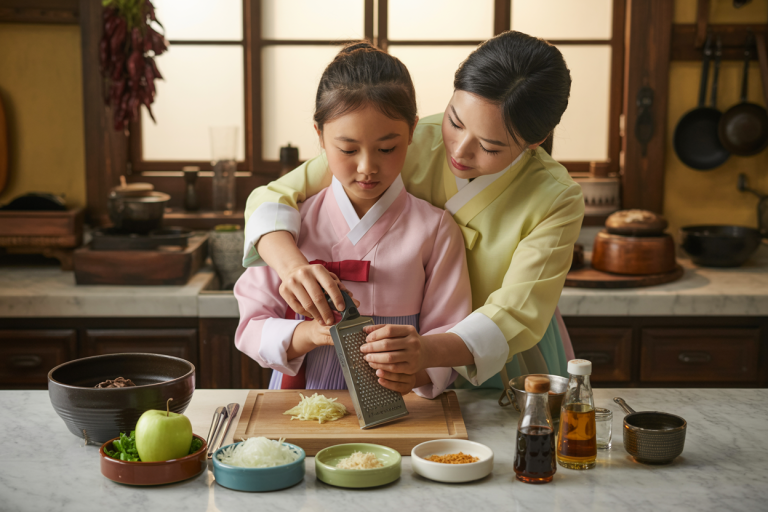
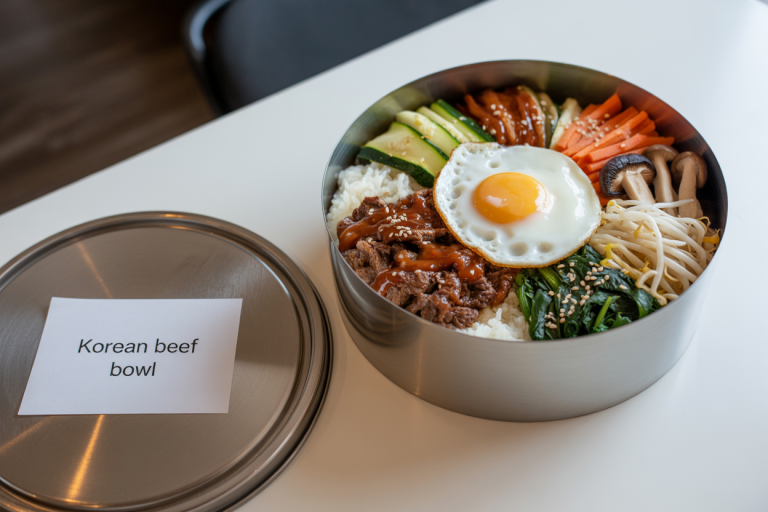
Korean Beef Bowl Recipe – Prep
Cooking Tips For the Korean Beef Bowl (Bibimbap)
• Prepare each vegetable separately so individual textures remain distinct.
• Cook the rice properly because it forms the base of the dish.
• Slice the beef thinly for faster and more even cooking.
• Arrange ingredients separately in the bowl for traditional presentation.
• Add sauces gradually so the dish does not become overly wet.
• Cook eggs carefully to achieve the desired doneness before serving.
• Mix the ingredients only when ready to eat for better texture contrast.
• Serve the bibimbap while the rice and beef are still warm.
Korean Beef Bowl Recipe – Storage
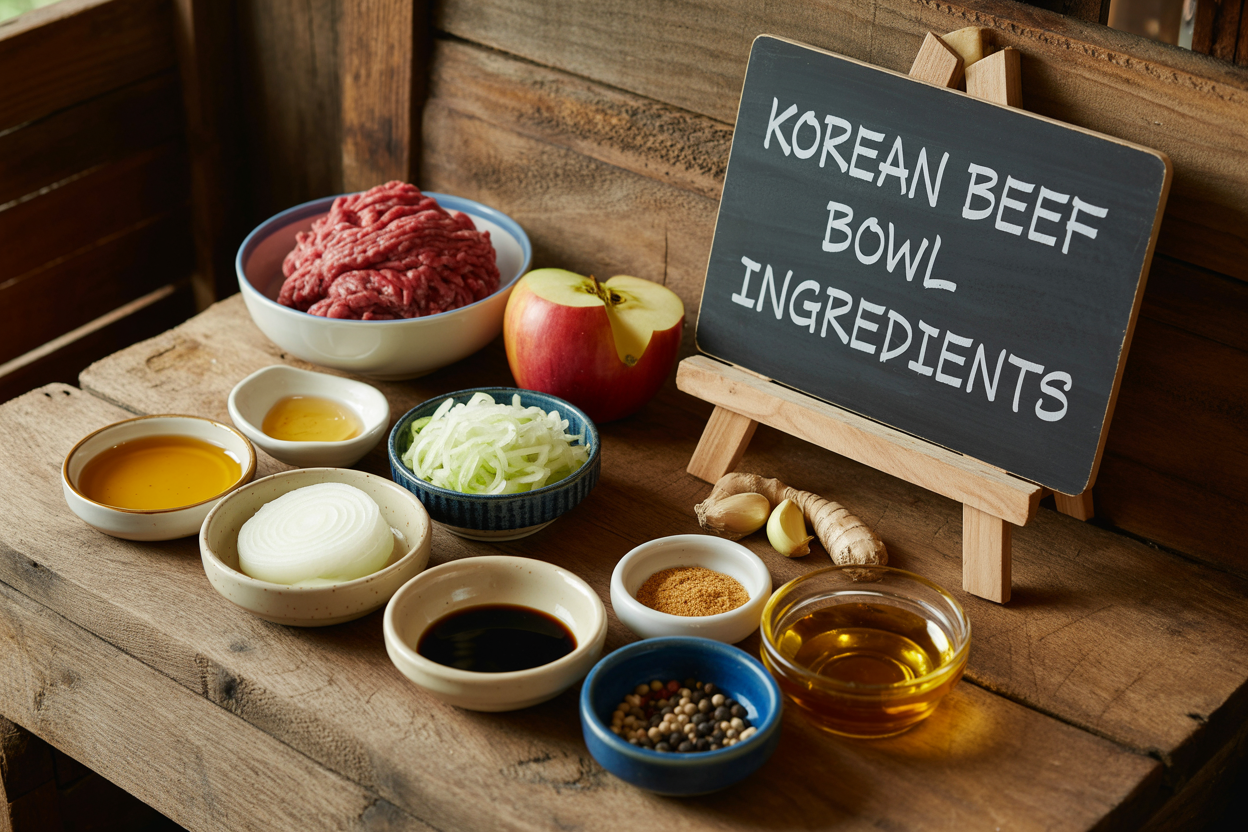
Storage Tips For the Korean Beef Bowl (Bibimbap)
• Store rice, beef, vegetables, and sauces separately when possible.
• Refrigerate leftovers within 2 hours of preparation for proper food safety.
• Allow cooked ingredients to cool slightly before storing.
• Reheat rice and beef separately for better texture.
• Add fresh vegetables and sauces after reheating when possible.
• Keep eggs separate and use promptly for best quality.
• Freeze cooked beef and rice only if needed because vegetable texture may soften after thawing.
• Wrap portions tightly before freezing to help reduce freezer burn and moisture loss.
• Thaw frozen ingredients overnight in the refrigerator before reheating.
• Discard any ingredient that develops a sour smell, slimy texture, discoloration, mold, or unusual taste.
Korean Beef Bowl (Bibimbap)
Ingredients
- 1 lb ground beef minced, any fat % you like
- 1 tbsp canola oil or any other plain flavored oil
- 2 tsp canola oil to wilt baby spinach
- 1 tbsp onion finely grated (~1/4 onion) (Note 1)
- 3 tbsp red apple finely grated (skin on is fine, ~1/2 apple) (Note 1)
- 3 garlic cloves finely grated
- 1 tsp ginger finely grated
- 2 1/2 tbsp soy sauce – all-purpose or light
- 1 tbsp sesame oil
- 1 tbsp mirin omit for no alcohol
- 1 tbsp brown sugar
- 1/8 tsp black pepper
- 2 tbsp soy sauce – all-purpose or light
- 1 tbsp sesame oil
- 2 tsp brown sugar
- 2 tsp rice vinegar or apple cider vinegar
Instructions
- In one bowl, combine all of the ingredients for the Bulgogi sauce and stir until well blended. In a separate bowl, mix together the ingredients for the rice bowl drizzle sauce. Set both sauces aside so they are ready when needed. Preparing the sauces first makes the cooking process quicker once the pan is hot.
- Heat the oil in a large non-stick pan over high heat. Add half of the spinach and toss it with tongs for about 30 seconds, just until it begins to soften. Add the remaining spinach and continue tossing for about 1 minute, or until all of the leaves are wilted but still bright in color. Transfer the spinach to a bowl and set aside.
- Add the oil to the same pan and keep the heat on high. Add the ground beef and cook while breaking it into small pieces with a spoon or spatula. Continue cooking until no raw meat remains. Pour in the prepared Bulgogi sauce and allow the mixture to simmer briskly, stirring occasionally. As the sauce reduces, continue cooking until most of the liquid has evaporated. Stir more frequently during the final minutes so the beef develops light caramelization while remaining moist and coated with the flavorful sauce.
- Divide the cooked rice among serving bowls and spoon the Bulgogi beef over the top. Arrange the wilted spinach and carrot alongside the beef. Add the pickled ginger and a dollop of mashed avocado, then tuck the lettuce around the edges of the bowl. Finish with a sprinkling of sesame seeds and sliced green onion.
- Serve the bowls immediately with the drizzle sauce on the side or spooned over the top. Just before eating, mix all of the ingredients together so the beef, vegetables, rice, and sauce are evenly combined in every bite.
Notes
4 large handfuls baby spinach (or similar chopped leafy greens – cabbage, kale)
1 large carrot , peeled and julienned or grated using box grater (I use a julienne shredding tool)
1 avocado , mashed
1/4 cup pickled ginger , I like pink for color
1 1/2 cups baby cos / romaine lettuce , torn into bite size pieces
1 tsp white sesame seeds
1 green onion , finely sliced
Frequently Asked Questions
Korean Beef Bowl raises all kinds of questions, from what beef to use to whether you need a special pan for crispy rice.
What exactly is bibimbap, and why does it look like my fridge exploded in a bowl?
Bibimbap literally means “mixed rice”, which might be the most honest food name ever. It’s a Korean Beef Bowl that starts with short-grain rice, then gets topped with seasoned veggies, marinated beef, a fried egg, and gochujang sauce.
The “fridge explosion” look is on purpose. You arrange everything in neat piles on the rice so it looks like a color wheel. Then you mix it all up right before eating, turning your pretty bowl into delicious chaos.
It’s not just for Instagram. Each part keeps its own taste and crunch until you’re ready to dig in.
Which cut of beef works best for a Korean Beef Bowl without turning dinner into a chewing workout?
I almost always grab ribeye or sirloin for my Korean Beef Bowl. They’re tender, cook fast, and don’t make you feel like you’re chewing forever.
Ground beef works too if you want to skip slicing. Not exactly traditional, but honestly, it’s quick and soaks up the marinade just fine.
The trick is slicing your beef super thin—about 1/8 inch thick. Freeze it for 20 minutes before slicing, and it’ll be way easier to handle. That’s my go-to Korean Beef Bowl hack.
What goes into a classic bibimbap lineup of veggies, and do I really need to julienne like a TV chef?
Usually, a classic bibimbap or Korean Beef Bowl comes with carrots, spinach, bean sprouts, mushrooms, and zucchini. People say to julienne everything, but honestly, I just slice my veggies into thin, kinda even strips. No one’s judging if your chopping skills aren’t restaurant-level.
Just aim for pieces that cook fast and mix in nicely with the rice. If your carrots end up a bit chunky, your Korean Beef Bowl will still taste great. Don’t stress about perfection—this isn’t a food competition.
What matters most is that the veggies are seasoned well. I toss each type with sesame oil, garlic, and a pinch of salt before adding them to the bowl. That’s what really brings the Korean Beef Bowl together.
How do I make bibimbap sauce (gochujang-based) that’s spicy-fun, not regret-in-a-bowl?
For a killer Korean Beef Bowl sauce, you’ll want gochujang as your base. I usually mix 2 tablespoons of gochujang with 1 tablespoon each of sesame oil, rice vinegar, and honey or sugar. It’s spicy but not too wild, and honestly, it’s what makes the whole Korean Beef Bowl pop.
Then, I add a teaspoon of minced garlic. If the sauce feels a bit thick, I just splash in some water until it looks right. You get a sauce with some heat, but nothing that’ll have you running for milk.
If you’re nervous about the spice, start with less gochujang. You can always add more, but once it’s in, it’s in. I’ve learned the hard way—better to build up the heat than accidentally torch your Korean Beef Bowl.
Is a stone bowl actually necessary, or can I fake that crispy rice bottom situation at home?
Do you need a stone bowl for your Korean Beef Bowl? Nope. Sure, a dolsot gets you that crispy rice layer, and it’s awesome, but most of us don’t have one lying around. I just grab my cast iron skillet, get it super hot, and press the cooked short-grain rice down. After a few minutes, you’ll get that golden, crispy bottom that makes a Korean Beef Bowl so good.
While the stone bowl is traditional, it’s not a dealbreaker. If you skip the crispy rice, your Korean Beef Bowl will still be delicious. Honestly, it’s more about the flavors and how everything comes together in the bowl.
And hey, not having to store a giant stone bowl? That’s a win. Whether you go for the crispy rice or not, the Korean Beef Bowl experience is all about the mix of flavors and textures, not just the cookware.
What’s the secret to getting a perfect runny egg on top without creating a breakfast crime scene?
Alright, here’s my go-to move for that ideal runny yolk on your Korean Beef Bowl: I grab a non-stick pan, set it over medium-low heat, and drizzle in just a little oil. Crack the egg in (gently—no shell bits, please), then pop a lid on for a couple of minutes. Usually, 2-3 minutes does the trick.
The lid keeps the steam in, so the top of the egg white cooks through but the yolk stays gloriously runny. No need to flip the egg—honestly, who wants to risk breaking that golden center?
When you slide that egg onto your Korean Beef Bowl, the yolk turns into this rich, silky sauce that just brings the whole thing together. It’s honestly the best part. Just a heads-up: once you start mixing, things can get a bit wild if you’re not careful. But hey, isn’t that half the fun of a Korean Beef Bowl?

Recipes are gathered in person and written for real-world cooking conditions.
- 10 Hungarian Dessert Recipes Passed Down Through Generations - July 25, 2026
- 11 Easy English Recipes Anyone Can Make - July 25, 2026
- Hungarian Kifli Recipe - July 25, 2026