
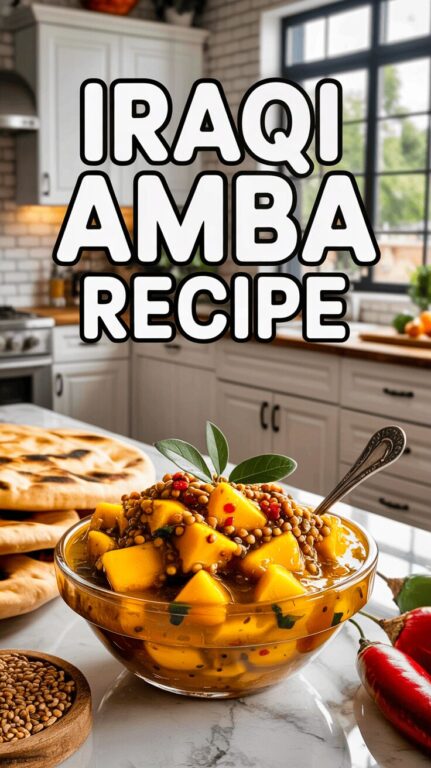
Let’s dive into an Iraqi amba recipe that’s honestly pretty easy to pull off at home—no need for fancy gear or rare ingredients. This tangy mango condiment cuts through rich flavors and instantly lifts up kebabs, falafel, or even eggs. If you want a lively sauce for sandwiches or grilled meats, this Iraqi amba recipe really delivers.
Here, you’ll get a bit of background on how the Iraqi amba recipe traveled and became a staple in street food, but don’t worry, the real focus is on making it yourself. I’ll walk you through a quick refrigerator-style Iraqi amba recipe, but if you’re feeling patient, there’s also a simple fermented version. I’ll mention ingredient swaps, spice tweaks, and timing tricks so you can make this Iraqi amba recipe fit your mood and what’s in your pantry.
Background and Historical Significance
So, what’s the story behind this Iraqi amba recipe? It’s basically a tangy mango pickle, but not quite like the South Asian chutneys or achars you might know. Over time, the Iraqi amba recipe developed its own personality—bolder, punchier, and honestly, a bit addictive.
Amba’s journey traces back to the Indian Ocean trade routes. Merchants carried mangoes, spices, and ideas between Bombay and Basra. That’s how the Iraqi amba recipe picked up Indian pickling techniques and got woven into local food culture.
You’ll spot amba everywhere in Iraqi and Kurdish communities. The Iraqi recipe shows up with grilled meats, falafel, kubbeh, eggs—really, anything that needs a sour, spicy kick. When Iraqi Jews left for new homes in the mid-20th century, they took their Iraqi amba recipe along, and it found a place in kitchens from Tel Aviv to London.
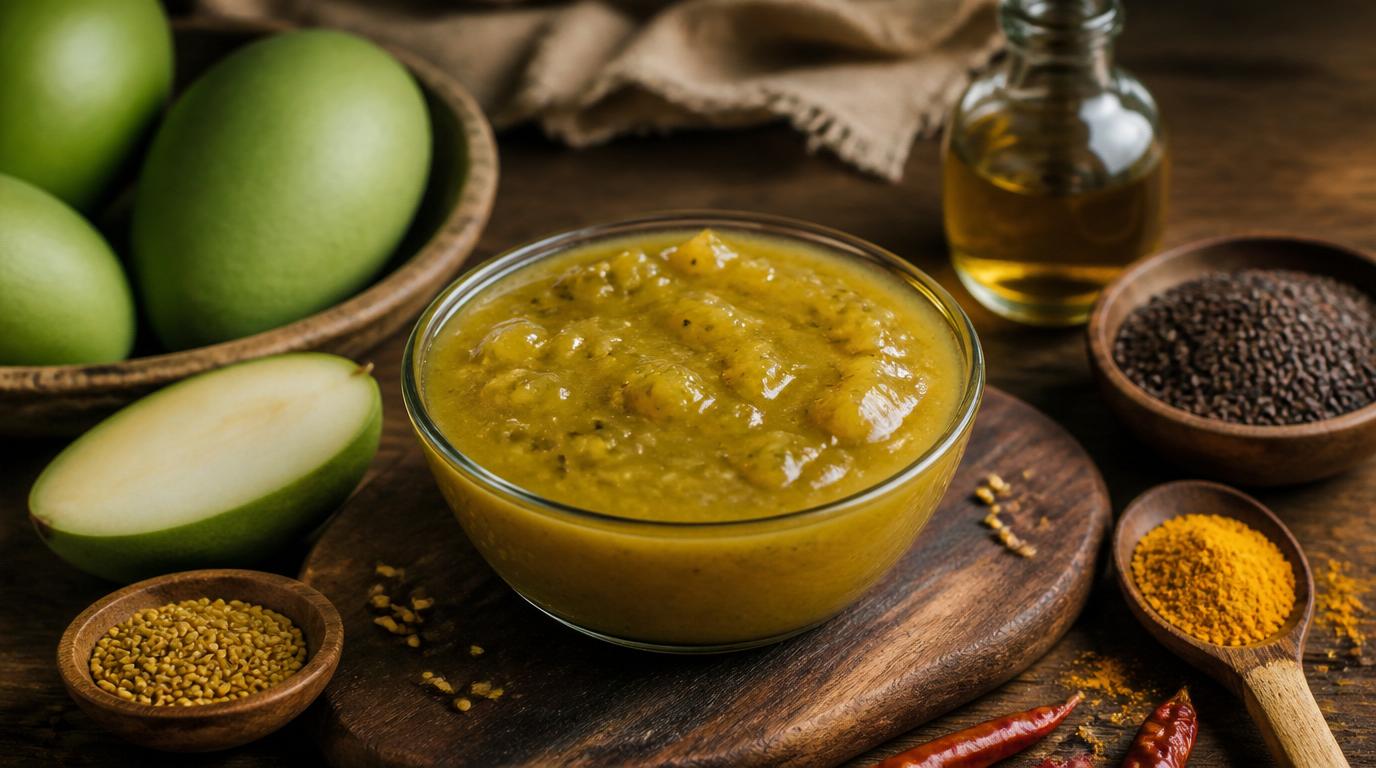
If you want to get the basics right, remember: the classic amba recipe uses green mango, vinegar, turmeric, fenugreek, and a smart balance of sour, spicy, and savory. It lands somewhere between a chutney and a pickle—chunky, not too smooth, and definitely more fiery than most fruit pickles. I’d say the Iraqi amba recipe is for people who like their condiments with a bit of attitude.
It’s kind of amazing how the Iraqi amba recipe isn’t just about flavor—it’s a marker of identity, especially for people far from home. You’ll see it on street food carts, in home kitchens, and at family gatherings, always reminding folks of where they came from. There’s just something special about how the Iraqi amba recipe keeps traditions alive, even as it adapts to new places and palates.
Preparation Guidelines
Pick out firm, unripe green mangoes—or just use peeled chunks of unripe mango. Those have the right bite and soak up flavor like nothing else. If you spot any bruises, trim them off and chop everything into even cubes or slices. That way, the Iraqi amba recipe turns out consistent every time.
Grab some whole fenugreek and mustard seeds. Toss them in a dry pan for a minute or two until they smell toasty, then let them cool off. Smash them up a bit, not too fine. Stir those in with turmeric, cumin, cayenne or red pepper flakes, and a touch of chili powder. That’s the backbone of a good Iraqi recipe, honestly.
Sprinkle salt over the mangoes and let them rest for about half an hour, maybe an hour if you’re patient. The salt pulls out moisture and toughens up the fruit, which is pretty crucial for this Iraqi amba recipe. Rinse them off and pat them dry after they give up some of their liquid.
Mix apple cider vinegar with a splash of oil, a spoonful of brown sugar or a pinch of salt, and that spice blend. Add minced garlic if you’re feeling it. If you want a quick version of the amba recipe, just toss the mangoes in this tangy mix and stash it in the fridge for a day. No need to overthink it.
If you’re leaning toward a funkier, fermented Iraqi amba recipe, cram the mango and spices into a jar. Pour in enough vinegar-salt brine to cover everything, and leave it out on the counter for two to five days. The longer it sits, the more punchy and complex it gets. Want it spicier? Just add more chili, cayenne, or red pepper flakes—there’s no strict rule in this Iraqi amba recipe.
Stash your finished Iraqi amba recipe in the fridge, and it’ll keep for weeks. If you made a big batch, freeze some in airtight containers. Thaw in the fridge when you need it. Honestly, this Iraqi amba recipe is hard not to snack on straight from the jar. Try it with sandwiches, grilled meats, or, heck, even eggs—there’s a reason so many people swear by this Iraqi amba recipe.
Iraqi Amba Recipe
Ingredients
- 1 mango if possible large firm and unripe
- 2 tsp kosher salt
- 1 tbsp olive oil
- 2 cloves garlic finely chopped
- 1 chili small red or green I used a serrano
- ½ tsp mustard seed
- 1 tsp turmeric ground
- ½ tsp fenugreek dried leaves or ¼ tsp ground fenugreek
- ½ tsp cumin seed ground
- ½ tsp coriander seed ground
- ½ tsp pepper Aleppo
- 1 Tbsp brown sugar
- ½ cup water 118ml / 4 fl oz
- 2 Tbsp vinegar apple cider
Instructions
- Peel the mango and cut the flesh into ½-inch (1 cm) cubes.
- Place the mango pieces in a small bowl and sprinkle them with the salt.
- Toss everything together until the fruit is evenly coated, then set it aside while you prepare the spice base. Any juices released from the mango should be kept for later.
- Pour the olive oil into a medium saucepan fitted with a lid and warm it over medium heat.
- Once the oil is hot, add the garlic and chili.
- Cook gently until the garlic begins to turn lightly golden, being careful not to let it brown too much.
- Stir in the spices and coat them well with the oil.
- Let them cook for about 1 minute, stirring frequently, until their aroma is released. If the mixture seems dry, drizzle in a little extra oil to create a loose spice paste.
- Pour the water and vinegar into the saucepan, stirring to combine them with the spices.
- Add the salted mango along with any juices that collected in the bowl.
- Mix everything together until the mango is evenly coated with the seasoned liquid.
- Cover the saucepan and let the mixture simmer gently for 10 to 12 minutes, or until the mango has softened slightly and the sauce has become lightly caramelized.
- Remove the saucepan from the heat and allow the amba to cool completely before serving or storing.

Recipes are gathered in person and written for real-world cooking conditions.
- 10 Hungarian Dessert Recipes Passed Down Through Generations - July 25, 2026
- 11 Easy English Recipes Anyone Can Make - July 25, 2026
- Hungarian Kifli Recipe - July 25, 2026