
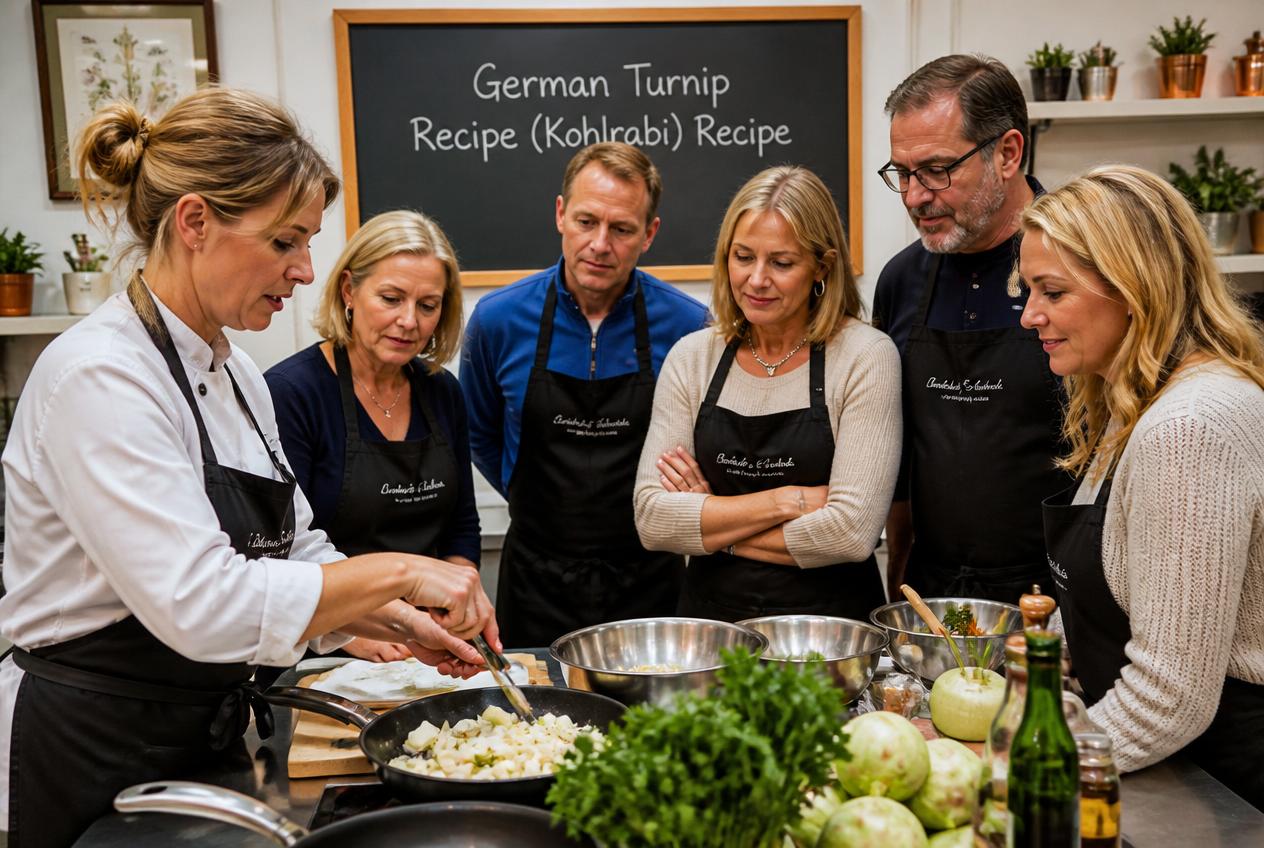
Kohlrabi might look a bit odd, but this German turnip has become a staple in my kitchen over the years. This traditional German turnip recipe combines tender kohlrabi with a creamy sauce that really transforms this mild, cabbage-like vegetable into a comforting side dish. I picked up this German Turnip recipe from family, and now it’s honestly one of my go-to ways to make homemade German food.
The vegetable tastes sweet and slightly nutty after cooking, which explains why it shows up in so many German Turnip recipes. I think kohlrabi fits perfectly in hearty German Turnip recipes since it holds up well and soaks up flavors like a champ. The name “kohlrabi” literally comes from the German words for cabbage and turnip—makes sense, right?
German Turnip recipes usually focus on simple ingredients and careful preparation. You can roast kohlrabi in the oven or simmer it in a cream sauce, and both approaches highlight its natural sweetness. I’ll show you how to peel, cook, and serve this veggie so you can add it to your own lineup of German Turnip recipes.
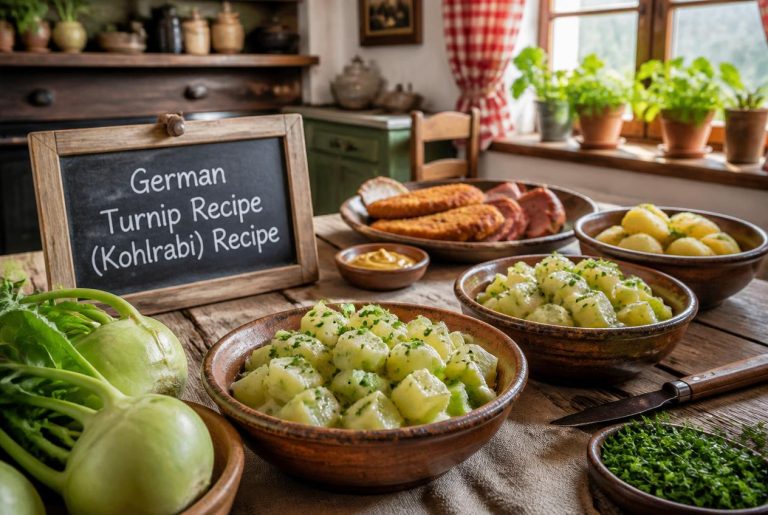
German Turnip Recipe (Kohlrabi) Recipe
Key Takeaways
- Kohlrabi is mild and sweet, and gets tender and flavorful in a cream sauce
- You can peel and prep kohlrabi easily, then tweak the German Turnip recipe with your own favorite seasonings or cooking style
- This dish works as a side for lots of meals and you can swap in other sauces or try roasting for different German Turnip recipe variations
English Recipe Description And Historical Information
Kohlrabi, also called German turnip or turnip cabbage, plays a special role in authentic German cuisine. The name “kohlrabi” comes from German, combining “Kohl” (cabbage) and “Rabi” (turnip), which honestly describes its taste pretty well.
I always find it kind of cool that kohlrabi is so closely tied to Turnip recipes that it’s called “German turnip” in English. You see this vegetable in all sorts of German Turnip recipes as a beloved side.
Common Preparation Methods:
- Raw in salads
- Steamed or boiled
- Roasted
- Creamed with sauce
Traditional German Turnip recipes usually feature kohlrabi in a creamy sauce, making it a classic German dish next to meat. Kohlrabi has been part of German cooking since at least 1789, so it’s got some serious history.
This vegetable is packed with vitamins and minerals. Germans peel and cut it into cubes or small pieces, then cook it until it’s tender. The most popular German Turnip recipe is German-style kohlrabi, which is kind of like scalloped potatoes but with kohlrabi and a creamy, hearty sauce.
I call this German Turnip recipe comfort food because of its mild flavor and cozy cream sauce. The recipe stays simple, using ingredients you probably already have. It lets the natural flavor of kohlrabi shine, with just enough richness from butter, flour, and cream.
Recipe Tips
I always peel kohlrabi well since the outer skin gets tough and stringy. A sharp knife or vegetable peeler works, but I usually go with a knife for this German Turnip recipe to get all the thick skin off and reach the tender inside.
Timing is everything when cooking for a German Turnip recipe. If you overcook it, it’s mushy and bland. If you undercook it, it’s too crunchy. I test with a fork after about 15 minutes of boiling—it should pierce easily but still have a little bite.
When making the cream sauce for a German Turnip recipe, here’s what I do:
- Use full-fat cream or milk for the best flavor
- Add butter for a smooth, velvety feel
- Season as you go and taste often
- Whisk constantly to keep it lump-free
I cut my kohlrabi into similar-sized pieces so they cook evenly. Cubes or thick slices work best in a Turnip recipe.
The leaves are edible too. Instead of tossing them, I save them for soups or sauté them like spinach—don’t waste them if you’re making a German Turnip recipe!
Fresh kohlrabi makes a difference in a German Turnip recipe. I look for firm bulbs with no cracks or soft spots. The smaller ones are usually sweeter and more tender—just what you want for a German Turnip recipe.
I always make extra sauce during a Turnip recipe because it’s delicious over other vegetables or potatoes. You can make kohlrabi in all sorts of ways, but the creamy German Turnip recipe is still my favorite for its comfort and simplicity.
Salt the cooking water well. This step helps season the kohlrabi all the way through when you’re making a German Turnip recipe.
Variations
I love playing around with this traditional German kohlrabi dish because a German Turnip recipe is easy to adapt for different tastes or occasions. The classic creamy version fits right into Bavarian recipes at family gatherings.
Sometimes I add diced ham or sausage for a heartier German Turnip recipe. Kohlrabi casserole with meat turns it into a filling side for German holiday foods. Kielbasa adds a smoky twist to the German Turnip recipe.
Popular Variation Ideas:
- Roasted style: Skip the cream sauce and roast kohlrabi with garlic and cheese for a lighter German Turnip recipe
- Baked version: Layer sliced kohlrabi, parmesan, and breadcrumbs for a gratin-style German Turnip recipe
- Spiced up: Add a pinch of paprika or caraway seeds for a German Turnip recipe with Oktoberfest flavor
- Vegetarian: Keep it meatless and toss in mushrooms for extra depth in your German Turnip recipe
I sometimes change the sauce thickness depending on how I want to serve the Turnip recipe. A thicker sauce is great over noodles or potatoes, while a thinner one lets the kohlrabi flavor come through more.
Nutmeg is traditional in the German-style cream sauce for a Turnip recipe, but I’ve tried white pepper and even lemon zest. Each tweak gives the German Turnip recipe a new twist while keeping its German roots.
Alternate Recipes And Substitutions
If I can’t find kohlrabi, I have a few trusty substitutes for my Turnip recipe. Turnips make a great swap because their texture and mild flavor fit right into any German Turnip recipe.
Best Kohlrabi Substitutes:
- Turnips – Closest match with a slightly peppery kick for a German Turnip recipe
- Daikon radish – Crisp and mild, works in a German Turnip recipe
- Jicama – Crunchy if you want a raw German Turnip recipe
- Broccoli stems – Good for cooked German Turnip recipe versions
I find that turnips are a lot like kohlrabi and work perfectly in a German Turnip recipe. Just peel them and cook them the same way you would for a German Turnip recipe with cream sauce.
The steps don’t really change for a German Turnip recipe, no matter the substitute. Peel, cube, boil, and make the same cream sauce. The German Turnip recipe stays just as easy.
For German breakfast recipes, I sometimes slice kohlrabi or turnips thin and eat them raw with butter and salt. Radishes are nice for this German Turnip recipe variation since they’re crunchy like kohlrabi.
When I use these substitutes in a Turnip recipe, I keep the cooking time about the same. Turnips usually need 15-20 minutes of boiling, just like kohlrabi in a German Turnip recipe. Daikon radish cooks a little faster, so I start checking after 12 minutes.
The cream sauce works for all these veggies in a German Turnip recipe. I don’t really change the seasoning when swapping between kohlrabi and turnips in a German Turnip recipe.

German Turnip Recipe (Kohlrabi) Recipe Cooking TIps
German Turnip Recipe (Kohlrabi) Cooking Tips
• Kohlrabi is known for its mild sweet flavor, tender texture, and versatility in German cooking.
• Kohlrabi is actually a member of the cabbage family rather than a true turnip.
• Choose firm, smooth bulbs that feel heavy for their size.
• Smaller kohlrabi bulbs are often more tender and less fibrous than very large ones.
• Peel the outer layer thoroughly because it can be tough.
• Cut the kohlrabi into evenly sized cubes, slices, or sticks for consistent cooking.
• Steaming helps preserve the vegetable’s delicate flavor and nutrients.
• Boiling should be done gently to prevent the kohlrabi from becoming overly soft.
• Butter is traditionally used and enhances the vegetable’s natural sweetness.
• Fresh parsley is a classic garnish that adds color and freshness.
• Nutmeg pairs particularly well with kohlrabi and is commonly used in German recipes.
• Some traditional preparations include a light cream sauce for extra richness.
• Avoid overcooking because the vegetable should remain tender but not mushy.
• Kohlrabi pairs well with roast meats, sausages, schnitzel, and potatoes.
• The flavor should balance mild sweetness, subtle cabbage notes, and buttery richness.
• Kohlrabi is a popular side dish throughout Germany, especially during spring and summer.
German Turnip Recipe (Kohlrabi) Recipe Storage Tips
German Turnip Recipe (Kohlrabi) Storage Tips
• Store raw kohlrabi in the refrigerator to help maintain freshness.
• Remove any leafy tops before storage because they draw moisture from the bulb.
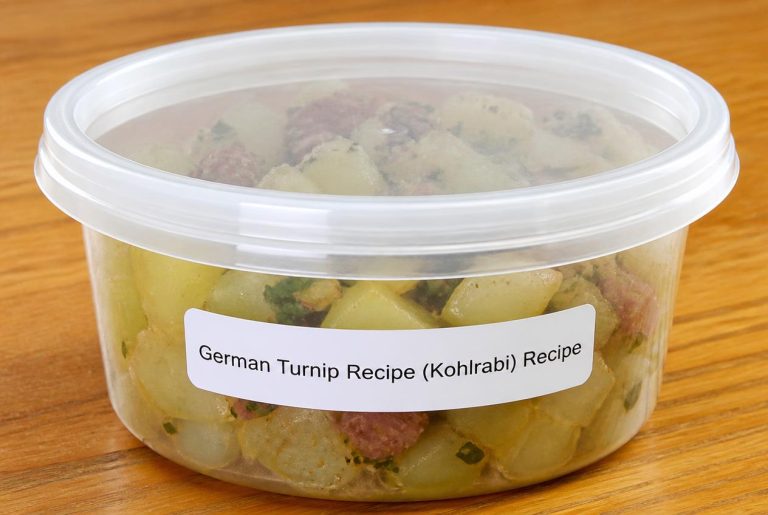
• Keep cooked kohlrabi refrigerated in airtight containers.
• Allow cooked kohlrabi to cool before transferring it into storage containers.
• Refrigeration may soften the texture slightly, which is normal.
• Reheat gently over low heat until warmed through.
• Cream-based versions should be stirred occasionally during reheating.
• Kohlrabi can be frozen after cooking if desired.
• Freeze in airtight freezer-safe containers to help preserve quality.
• Defrost frozen kohlrabi gradually in the refrigerator before reheating.
• Use clean utensils when handling leftovers to help maintain freshness.
• Cooked vegetable dishes are generally best enjoyed within a shorter refrigerated storage period for ideal quality and safety.
• Keep away from strongly scented foods because vegetables can absorb odors.
• Slight softening during storage is normal.
• Discard leftovers if the kohlrabi develops sour odors, slime, mold, or unusual discoloration.
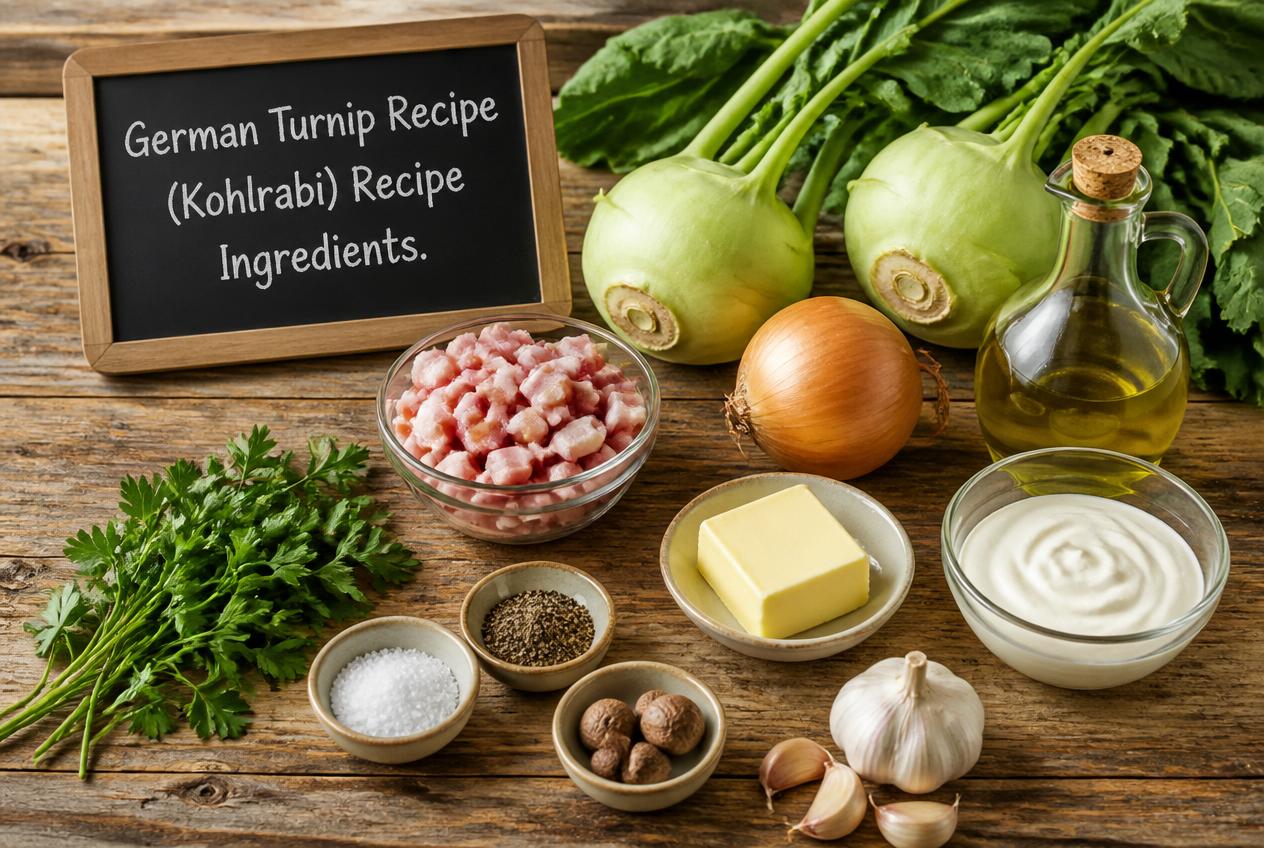
German Turnip Recipe (Kohlrabi)
Ingredients
- 1 pound kohlrabi about 2 bulbs
- 2 teaspoons olive oil
- Sea salt to taste
Instructions
- Begin by gathering all of your ingredients and preheating the oven to 375°F. Prepare the kohlrabi by trimming away any remaining stems and removing the tough outer peel. The skin of kohlrabi can be quite fibrous and woody, so be sure to peel deeply enough to reveal the tender, creamy-white flesh underneath.
- If your kohlrabi came with leaves attached, remove and save them for another use. The leaves are edible and can be sautéed, added to soups, or cooked similarly to kale or collard greens.
- Once peeled, cut the kohlrabi into evenly sized wedges or chunks. Keeping the pieces similar in size ensures they cook evenly and develop consistent browning during roasting.
- Place the cut kohlrabi into a roasting pan or large baking dish. Drizzle with olive oil and toss thoroughly until every piece is lightly coated. Season generously with sea salt, stirring again to distribute the seasoning evenly.
- The oil helps the kohlrabi caramelize as it roasts, while the salt enhances its naturally mild, slightly sweet flavor.
- Spread the kohlrabi pieces into a single layer, allowing space between them whenever possible. Overcrowding can cause the vegetables to steam rather than roast.
- Place the pan in the preheated oven and roast for approximately 30 minutes, stirring once halfway through cooking. The kohlrabi is ready when it is fork-tender and the edges have developed a rich golden-brown color.
- The roasting process brings out the vegetable's subtle sweetness and creates a texture similar to roasted turnips or potatoes, with a slightly nutty flavor.
- Remove the kohlrabi from the oven and allow it to cool for a few minutes before serving. Serve hot or warm as a simple side dish alongside roasted meats, poultry, sausages, or vegetarian entrées.
- For additional flavor, you can finish the roasted kohlrabi with freshly cracked black pepper, chopped parsley, grated Parmesan cheese, or a squeeze of fresh lemon juice just before serving.
- If you have leftover fresh kohlrabi, separate the leaves from the bulbs as soon as possible. Rinse the leaves under cold running water, pat them dry thoroughly, and wrap them loosely in dry paper towels before placing them in a zip-top bag in the refrigerator. The leaves are best used within 3 to 4 days, as they tend to wilt quickly.
- Store the unpeeled bulbs loose in the refrigerator, where they can remain fresh for several weeks. Once peeled, however, kohlrabi should be used promptly for the best texture and flavor.
- This simple roasting method transforms kohlrabi into a tender, caramelized vegetable with a pleasantly sweet flavor, making it an easy and delicious way to enjoy this often-overlooked member of the cabbage family.
German Turnip Recipe (Kohlrabi) Frequently Asked Questions
German Turnip recipe prep means peeling kohlrabi well and cooking it just right for the best texture. The veggie works in both raw and cooked Turnip recipes, and the leaves give you even more options.
How do you cook kohlrabi so it stays tender but not mushy?
I cut kohlrabi into even pieces for my Turnip recipe so it cooks evenly. The trick is to watch the time—kohlrabi can go from perfect to mushy fast in a Turnip recipe.
When boiling for a German Turnip recipe, I simmer the pieces for 15 to 20 minutes, testing with a fork at 12 minutes. For roasting a Turnip recipe, I set the oven to 400°F and cook for 25 to 30 minutes, tossing halfway and checking for tenderness.
What is the best way to peel and cut kohlrabi for cooking?
I cut off the stems and leaves, then use a sharp knife for peeling since the skin is thick—much better for a German Turnip recipe than a peeler. I slice off about a quarter inch all around to get rid of the tough layer.
After peeling, I cut the kohlrabi into cubes, slices, or matchsticks based on the German Turnip recipe. Keeping pieces the same size helps them cook evenly in any German Turnip recipe.
How do Germans typically eat kohlrabi in traditional dishes?
Germans usually make a creamy German Turnip recipe as a classic side. This traditional German Turnip recipe mixes diced kohlrabi with ham in a rich sauce.
They also serve kohlrabi simply boiled, topped with butter and herbs—a German Turnip recipe that goes well with pork, sausages, and other mains. Some Turnip recipes call for dicing and cooking with bacon or sausage. Germans really like the crisp texture and subtle flavor, whether it’s a winter German Turnip recipe or a lighter spring one.
Can you eat kohlrabi leaves, and how should they be prepared?
Yes, you can eat the leaves in a German Turnip recipe—they’re totally edible and good for you. The younger, smaller leaves work best since they’re more tender for a Turnip recipe.
I treat the leaves like kale or collard greens. I pull off the tough stems, chop the leaves, and sauté them with garlic and olive oil for about five minutes for a quick Turnip recipe side.
The leaves work in salads, soups, and stews if they’re young and tender. I sometimes toss them into broth or use them as a topping for grain bowls—another fun Turnip recipe idea.
What are the health benefits and nutrients of kohlrabi?
When I look at kohlrabi, I see a vegetable that’s low in calories and surprisingly high in fiber. Seriously, if you’re after digestive health, this is a solid choice. One cup of raw kohlrabi clocks in at just about 35 calories, yet still packs in roughly 5 grams of fiber. That’s not bad for something you can chop up and toss into a German Turnip recipe.
It’s kind of wild how much vitamin C you get from kohlrabi—over 100% of your daily needs in a single cup. If you’re tinkering with a Turnip recipe, you get a boost of potassium, vitamin B6, and folate too. I wouldn’t call it a miracle food, but it’s definitely doing more work than most folks realize. Every time I make a German Turnip recipe, I feel like I’m sneaking in a little more nutrition without even trying.
Kohlrabi, hanging out with broccoli and cabbage in the same family, brings along some pretty useful plant compounds. These nutrients help your immune system and might even chill out some inflammation. When I experiment with a new Turnip recipe, I can’t help but think—why don’t more people talk about this veggie? If you haven’t tried a German Turnip recipe yet, maybe it’s time to see what all the fuss is about. You might just find yourself looking for the next German Turnip recipe before you know it.
What are some easy ways to use kohlrabi in salads or soups?
When I’m looking for a Turnip recipe, I usually julienne or grate raw kohlrabi for salads—it adds this crisp, refreshing crunch that’s honestly hard to beat. You know, the texture reminds me a bit of jicama or maybe those broccoli stems you snack on while prepping dinner. I like tossing it with apple slices and cabbage in slaws, which is a classic German Turnip recipe move if you ask me.
For soups, I go with the Turnip recipe approach of dicing kohlrabi and dropping it right into vegetable or chicken broth. It cooks up in about 15 minutes, which is pretty convenient. The cool part? It soaks up the flavors of the soup but still keeps a bit of bite. That’s what I want in a German Turnip recipe—something with texture, not mush.
Sometimes, I’ll cube kohlrabi and roast it before adding it to salads. This Turnip recipe twist gives you these roasted pieces that turn out a little sweet, a bit caramelized, and honestly, they’re perfect against bitter greens or a tangy vinaigrette. If you haven’t tried this Turnip recipe variation, you’re missing out on a whole new layer of flavor. And, well, isn’t experimenting half the fun of cooking?

Recipes are gathered in person and written for real-world cooking conditions.
- 10 Hungarian Dessert Recipes Passed Down Through Generations - July 25, 2026
- 11 Easy English Recipes Anyone Can Make - July 25, 2026
- Hungarian Kifli Recipe - July 25, 2026