
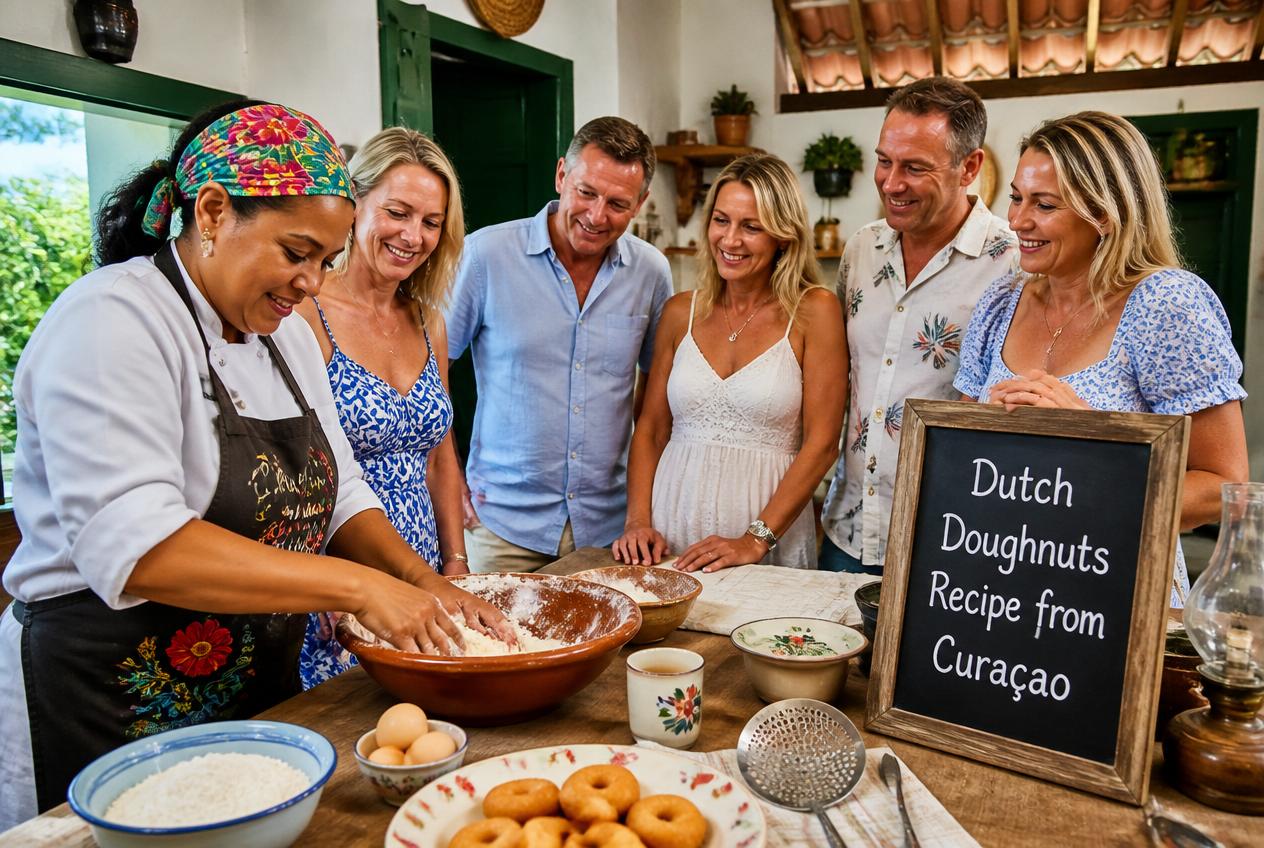
Colonial history shaped much of what we eat in Curacao today, and Dutch doughnuts recipes is no exception. These golden, fried dough balls arrived with Dutch settlers and traders, embedding themselves into local tradition.
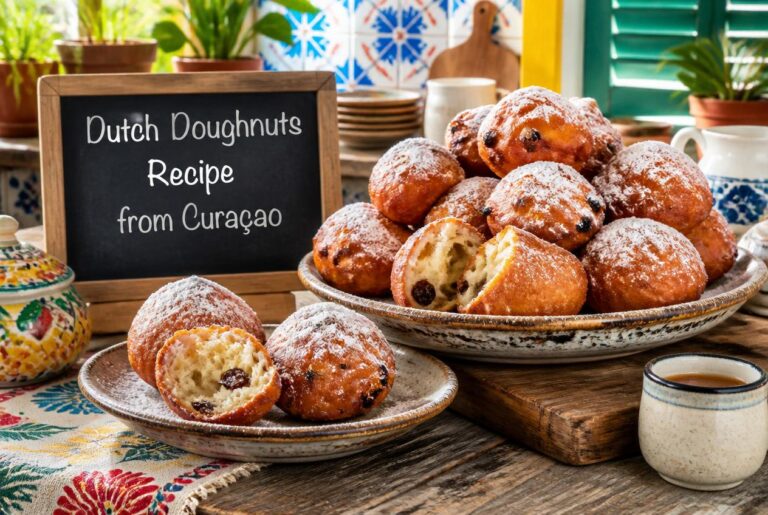
Dutch Doughnuts Recipe from Curaçao
Colonial roots of the Oliebol
Settlers brought Dutch doughnuts recipe sfrom the Netherlands centuries ago, where they were winter treats tied to New Year’s celebrations. Over time, the recipe traveled across the Atlantic, adapting to island life. You can still taste that old-world influence in every bite, though local ingredients have given it a Caribbean twist.
Why Curacao loves the fried dough
Fried foods thrive in tropical climates where cooking over open flames is common. I’ve noticed how quickly oliebollen disappear at street markets and family gatherings. Your hands barely hold them before they’re gone, warm and dusted with sugar.
What makes them special here is how they bridge cultures. You don’t just eat an oliebol-you taste history, resilience, and celebration, all in one simple, satisfying bite.
Dutch Doughnuts Recipe Key Takeaways:
- Dutch doughnuts recipes from Curaçao, known as “Oliebollen,” are a beloved treat with roots in Dutch tradition, adapted to local Caribbean flavors.
- They are typically deep-fried in oil, giving them a light, airy texture and golden-brown crust.
- The dough often includes raisins or currants, and sometimes candied fruit, reflecting both Dutch customs and tropical influences.
- Unlike glazed American doughnuts, Curaçao-style Dutch doughnuts are usually dusted with powdered sugar after frying.
- They are especially popular during holidays like New Year’s Eve, when families gather to celebrate and share food.
- Some versions use a yeast-based dough that requires time to rise, contributing to their soft, fluffy interior.
- Street vendors and local bakeries across Curaçao often sell these doughnuts fresh, offering a warm, comforting snack with cultural significance.
The Raw Materials of the Island
Flour and yeast fundamentals
I rely on high-quality all-purpose flour for the perfect Dutch doughnuts recipes texture-soft, slightly chewy, and able to hold its shape during frying. You don’t need specialty ingredients, but freshness matters. Yeast is equally crucial; I use active dry yeast and always proof it first to ensure your dough rises properly. Warm milk, a pinch of sugar, and a few minutes of patience make all the difference. This foundation supports the island’s sweet variations without overpowering them.
The Curacao fruit infusion
Curaçao’s sun-ripened laraha oranges inspire the island’s signature flavor. I use their zest and juice to infuse the dough, giving it a bright, citrusy depth that sets it apart from European versions. These small, bitter oranges grow abundantly here, descendants of Seville oranges brought centuries ago. Their aromatic peel adds complexity without sharp acidity.
You’ll notice the fruit’s influence the moment you taste the warm doughnut. I recommend zesting the oranges finely and folding them into the dough just after mixing. This preserves their volatile oils, maximizing flavor. Some bakers also reduce the juice into a syrup for glaze, deepening the citrus profile while balancing sweetness. It’s this island touch that transforms a simple treat into something memorable.
The Soul in the Dutch Doughnuts Recipes Batter
I’ve learned that the true character of Dutch doughnuts in Curaçao isn’t shaped by the fryer-it begins long before, in the quiet moments when flour meets liquid and time starts its work. You can taste generations in each bite, especially when you prepare them around the holidays, much like the beloved Ollibollen holiday treats in Curaçao. These treats carry stories, not just recipes, and that soul lives in the batter. Every ingredient plays a role, but it’s how you handle them that defines the outcome. I pay close attention to hydration and temperature because they shape texture and rise.
Hydration and temperature control
Getting the liquid-to-flour ratio right ensures a smooth, elastic dough. Too much water makes it sticky; too little leaves it dry. I use lukewarm milk-never hot-to activate the yeast without killing it.
Your kitchen’s ambient temperature also affects fermentation. In Curaçao’s tropical warmth, dough rises faster, so I monitor it closely. Below is a quick reference for ideal conditions:
| Factor | Optimal Range |
|---|---|
| Liquid temperature | 35-40°C (95-104°F) |
| Room temperature | 24-28°C (75-82°F) |
The rest period for optimal rise
Allowing the dough to rest gives yeast time to produce air pockets, creating a light, airy texture. I let mine rise for about 1 to 1.5 hours, covered with a damp cloth.
You’ll know it’s ready when it springs back slowly after a light poke. Skipping this step leads to dense doughnuts, no matter how skilled your frying.
I’ve found that patience during the rest period transforms good dough into something exceptional. The dough develops flavor and structure, making each fry more consistent. This quiet phase isn’t downtime-it’s where the soul truly settles in.
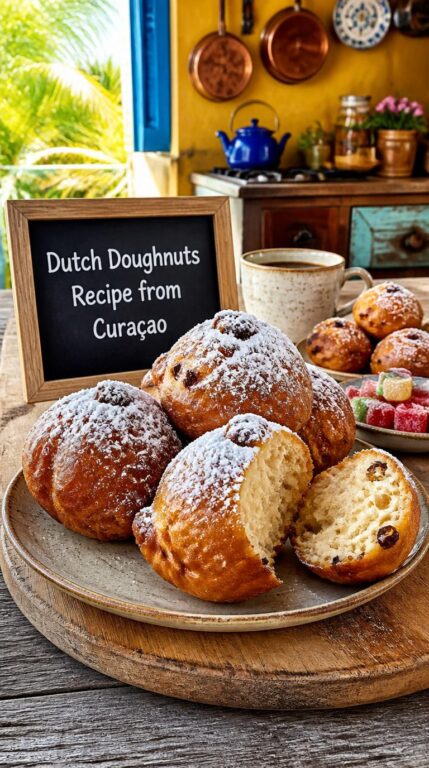
Dutch Doughnuts Recipe from Curaçao
The Violence of the Hot Oil
Heat transforms simple dough into golden, pillowy Dutch doughnuts, but it demands respect. I’ve learned that oil behaves unpredictably when pushed too fast, splashing and burning if not monitored. Your patience here determines the final texture-crisp outside, tender within. Never rush the fry; let the oil do the work.
Oil selection and heat management
I use refined peanut or sunflower oil because they withstand high temperatures without smoking. Your oil should shimmer but not smoke-around 350°F (175°C) is ideal. Too cool, and the dough absorbs grease; too hot, and it burns before cooking through. I test with a small dough piece: if it rises steadily, you’re ready.
The ice cream scoop technique
I rely on a medium ice cream scoop to portion dough evenly. Your portions must be consistent for even frying. The scoop’s release mechanism lets me drop dough cleanly into hot oil without fingers near the splash zone. It’s simple, but it prevents accidents and ensures uniform shape.
This method also helps me maintain rhythm. You’ll notice how each scoop glides out, forming a neat oval that puffs perfectly in the oil. I’ve tried spoons and piping, but this gives the most control with the least mess. It’s become my non-negotiable tool.
The Curacao Identity Shift
Living in Curacao, I’ve seen how food evolves when cultures blend. Dutch traditions meet Caribbean flair, and dishes adapt naturally. My version of oliebollen reflects this shift-no longer just a winter treat from the Netherlands, but a celebration of island life. You’ll find the spirit of home in every bite, transformed by local ingredients and warmth. For a Traditional recipe for Dutch Doughnuts (oliebollen), visit this link.
Incorporating local rum and raisins
Rum flows through Curacao’s culinary veins, and I use it generously in my dough. Soaking raisins in aged local rum adds depth and a subtle kick. You’ll notice the flavor lingers, richer than plain soaked fruit. This small change connects the doughnuts to the island’s distilling heritage.
My grandmother always said rum brings luck. I trust her wisdom, especially when it enhances flavor. The alcohol cooks off, leaving only warmth and aroma. You’ll taste the difference immediately-this isn’t just nostalgia, it’s evolution.
The addition of cinnamon and nutmeg
Cinnamon and nutmeg were pantry staples in my Dutch-Caribbean household. I fold both into the batter for a spiced warmth that balances the sweetness. You’ll recognize the familiar holiday notes, but with a softer, sun-kissed edge.
These spices were once shipped from faraway lands to Dutch ports, then made their way to our island. Now, they feel like home. I use freshly grated nutmeg for brightness-your nose will catch it before your tongue does.
I’ve found that the balance of cinnamon and nutmeg changes the dough’s character entirely. Too much, and it overpowers; just right, and it sings. This blend is my tribute to both my ancestors and the island that raised me.
Tropical fruit substitutions
Fresh papaya and guava often replace some raisins in my kitchen. Their natural sweetness and soft texture integrate beautifully into the dough. You’ll enjoy a lighter, juicier bite with a tropical whisper.
When I first tried adding diced mango, I wasn’t sure. The result surprised me-tangy, bright, and perfectly at home in the fried dough. Your taste buds will recognize the island in every bite.
Using local fruit isn’t just about flavor-it’s a statement. It says this recipe belongs here now. These substitutions honor tradition while embracing where we are. You’re not just making oliebollen; you’re making them your own.
The Ritual of the Street
I’ve watched generations gather on street corners in Willemstad, drawn by the scent of frying dough that curls through the evening air. Vendors in bright aprons scoop batter into hot oil, their movements rhythmic and sure. These aren’t just snacks-they’re moments of connection, passed hand to hand like small promises of joy. You can learn the details of this tradition and even try making them at home by checking out this guide on How to Make Oliebollen – Traditional Dutch Donuts.
The powdered sugar avalanche
One shake too many, and the white cloud spills over the paper cone. I laugh every time I see it-children grinning with sugar-dusted cheeks, their mittens brushing off excess like snow from a sleeve. This messy finish isn’t accidental; it’s part of the charm.
You’ll find that the thick layer of powdered sugar does more than sweeten-it transforms each bite into something festive, almost ceremonial. It’s the final touch that signals celebration is near.
Pairing with island beverages
A warm Dutch doughnuts recipes tastes even better with a cup of spiced Curaçao tea steaming in your hands. I often pair mine with a local guava juice, its tang cutting through the richness of fried dough. These drinks aren’t just refreshments-they balance the indulgence perfectly.
You’ll notice how island flavors elevate the experience, turning a simple treat into a full sensory moment. The blend of Dutch tradition and Caribbean ingredients creates something uniquely satisfying.
What makes this pairing special is how naturally the flavors coexist. The island’s tropical fruits and herbal infusions complement the dough’s warmth without overpowering it, offering you a taste of cultural harmony in every bite and sip.
Street food culture in Willemstad
Stalls pop up at dusk, their lights flickering like stars along the waterfront. I love how these humble setups become hubs of laughter and stories, where neighbors catch up between bites. Street food here isn’t fast-it’s felt.
You’re not just buying a snack; you’re joining a rhythm that’s been kept for decades. Every vendor has their own twist, their own way of making you feel like family.
What stands out is how deeply food is woven into daily life. In Willemstad, the street isn’t just a place to eat-it’s where memories are made, one warm paper cone at a time.
Family gatherings on New Year’s Eve
My kitchen fills with the sound of mixing bowls and old Dutch songs playing from a scratched record. On December 31st, my family gathers early, passing bowls of raisin-studded batter like heirlooms. Oliebollen are our ritual, our shared language of comfort.
You’ll find that this moment isn’t about perfection-it’s about presence. Flour on the counter, laughter in the hall, and the promise of midnight shared one sugary bite at a time.
For us, New Year’s Eve isn’t complete without the scent of frying dough rising through the house. It’s a tradition passed from my grandmother, a way to honor where we come from while welcoming what’s next.
Summing up, I’ve shared a traditional Dutch doughnut recipe from Curaçao that brings together simple ingredients and deep cultural roots. You’ll find that making these at home connects you to a long-standing island tradition of sweet, fried treats often enjoyed during festive moments. I recommend using fresh yeast for the best rise and frying in small batches to maintain even heat. Your kitchen will fill with a comforting aroma, and your guests will appreciate the authentic touch.
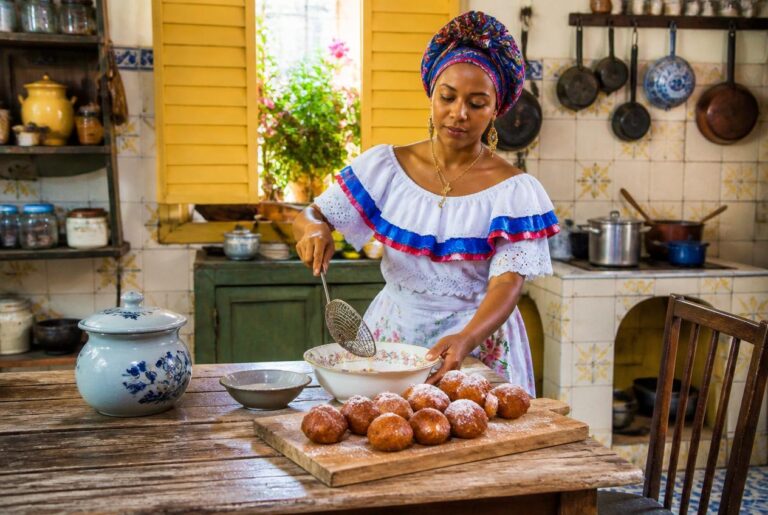
Dutch Doughnuts Recipe from Curaçao Cooking Tips
Dutch Doughnuts Recipe from Curaçao Cooking Tips
• Dutch Doughnuts, often inspired by traditional Dutch Oliebollen, are a cherished treat in Curaçao due to the island’s Dutch heritage.
• These doughnuts are known for their soft interior, crisp exterior, and generous dusting of powdered sugar.
• Use fresh yeast for the best rise and flavor.
• Warm milk helps activate the yeast and contributes to a tender texture.
• Flour with moderate protein content helps create a light, airy dough.
• Mix the dough thoroughly until smooth and elastic.
• The dough should remain slightly sticky rather than overly firm.
• Allow sufficient proofing time so the dough can develop flavor and volume.
• Raisins, currants, or chopped dried fruits are traditional additions.
• Apples are often incorporated into classic Dutch-style doughnuts for extra sweetness and moisture.
• Cinnamon and vanilla may be added to enhance the flavor.
• Keep fruit additions evenly distributed throughout the dough.
• Heat the frying oil to a consistent temperature before cooking.
• Oil that is too cool may produce greasy doughnuts, while oil that is too hot can cause uneven cooking.
• Fry until the doughnuts are golden brown and cooked through.
• Drain briefly on paper towels to remove excess oil.
• Dust generously with powdered sugar just before serving.
• Properly prepared Dutch doughnuts should be light, fluffy, and lightly crisp on the outside.
• Serve warm as a dessert, snack, or festive holiday treat.
Dutch Doughnuts Recipe from Curaçao Storage Tips
Dutch Doughnuts Storage Tips
• Allow the doughnuts to cool completely before storing.
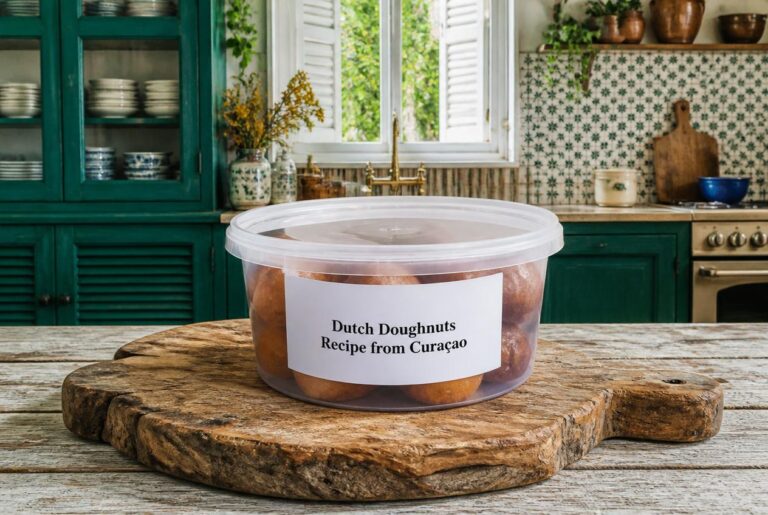
• Store in airtight containers to help maintain freshness and softness.
• Keep at room temperature in a cool, dry location.
• Powdered sugar can be reapplied before serving if it dissolves during storage.
• Doughnuts are generally best enjoyed fresh on the day they are made.
• Avoid excessive humidity, which can soften the exterior.
• Reheat briefly in a low oven to refresh texture if desired.
• Avoid prolonged microwave reheating, which may make the doughnuts chewy.
• Store away from strongly scented foods because fried pastries readily absorb odors.
• Individual doughnuts can be wrapped separately for convenient serving.
• Freeze doughnuts in airtight freezer-safe containers if desired.
• Wrap tightly to help prevent freezer burn and preserve quality.
• Defrost frozen doughnuts at room temperature before serving.
• Warm thawed doughnuts briefly in the oven to improve texture.
• Add fresh powdered sugar after reheating for the best presentation.
• Use clean hands or utensils when handling stored pastries to help maintain freshness.
• Check for signs of spoilage such as mold, rancid oil odors, unusual discoloration, or texture deterioration before consumption.
• For best quality, enjoy the doughnuts while they remain soft, airy, and freshly flavored.
Dutch Doughnuts Recipe from Curacao
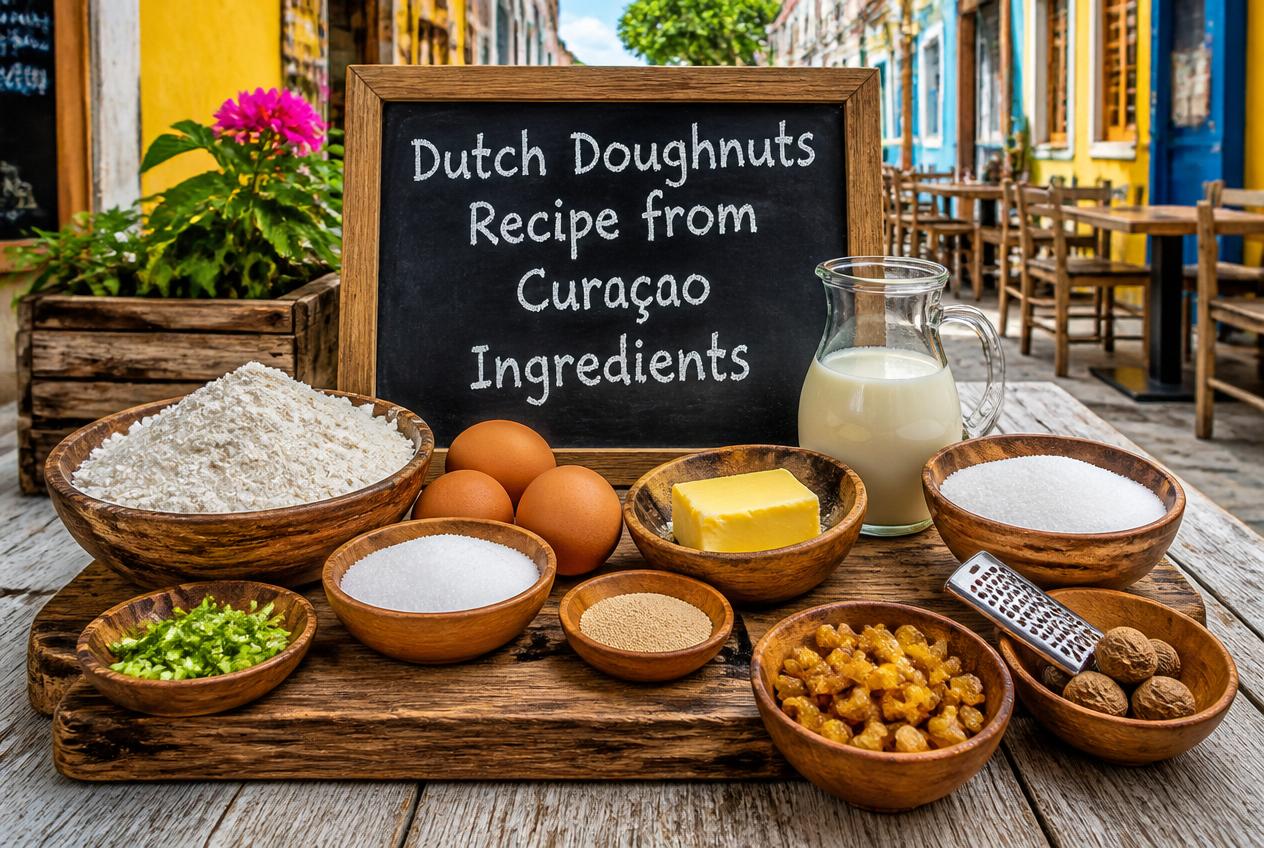
Ingredients
- 2 cups raisins (optional)
- ½ stick butter unsalted
- ¼ cups milk
- 1 oz yeast instant
- 8 cups all-purpose flour
- 2 eggs size L
- 1½ tablespoons sugar
- ½ oz. salt
- 3 cups beer
- ⅛ teaspoon cinnamon ground
- 1 apple (optional) peeled, cored and cut into small cubes, sour apples are the best (Granny Smith or Goudreinette)
- 1 gallons sunflower oil enough to fill 2-3 inches / 5-7 cm
- 4 tablespoons sugar confectioners
Instructions
- If using raisins, place them in a bowl and cover with warm water for about 15 minutes to plump them up.
- Drain thoroughly and pat dry with paper towels.
- If using apple, peel, core, and cut it into small cubes. Tart apples such as Granny Smith work especially well.
- Set both aside.
- In a small saucepan or microwave-safe bowl, gently warm the milk until lukewarm, not hot.
- Stir in the yeast and a small pinch of the sugar.
- Allow the mixture to stand for about 5 to 10 minutes until slightly foamy.
- This indicates that the yeast is active.
- In a very large mixing bowl, combine the flour, remaining sugar, salt, and cinnamon.
- Whisk to distribute the ingredients evenly.
- Lightly beat the eggs and add them to the dry ingredients.
- Pour in the beer and the yeast-milk mixture.
- Using a wooden spoon, sturdy whisk, or stand mixer fitted with a paddle attachment, mix until a thick, smooth batter forms.
- Melt the butter and stir it into the batter.
- Continue mixing for several minutes until the batter becomes elastic and smooth.
- The batter should be much thicker than pancake batter but softer than bread dough.
- Fold the drained raisins and diced apple into the batter if using.
- Mix until evenly distributed throughout.
- These additions provide the classic flavor and texture often found in traditional oliebollen.
- Cover the bowl with a clean kitchen towel or plastic wrap.
- Place it in a warm, draft-free location.
- Allow the batter to rise for approximately 1 hour, or until doubled in size and noticeably airy.
- Do not stir the batter after it has risen.
- Pour the sunflower oil into a large heavy pot, Dutch oven, or deep fryer.
- The oil should be deep enough to allow the oliebollen to float freely, approximately 2 to 3 inches (5–7 cm) deep.
- Heat the oil to 350°F (175°C).
- Maintain this temperature throughout frying for the best results.
- Using two spoons or a small ice cream scoop, carefully drop portions of batter into the hot oil.
- Do not overcrowd the pot.
- Fry the oliebollen in batches, turning them occasionally as they cook.
- They will naturally rotate and become evenly golden brown.
- Cook for approximately 5 to 7 minutes, depending on size, until deep golden and fully cooked through.
- To test for doneness, cut one open; the center should be cooked and fluffy without any raw batter.
- Remove the fried oliebollen with a slotted spoon.
- Transfer them to a tray lined with paper towels or a wire rack to drain excess oil.
- Continue frying the remaining batter, allowing the oil to return to temperature between batches.
- Arrange the warm oliebollen on a serving platter.
- Generously dust them with confectioners' sugar just before serving.
- Serve while still slightly warm for the best flavor and texture.
- Oliebollen are a beloved Dutch treat traditionally enjoyed during New Year's celebrations and winter festivities. These light, fluffy doughnuts are filled with raisins and sometimes apples, then fried until beautifully golden and dusted with powdered sugar.
- Crisp on the outside and tender on the inside, they are perfect with coffee, tea, or hot chocolate on a cold day.
Dutch Doughnuts Recipe Frequently Asked Questions
Q: What are Dutch doughnuts recipe from Curaçao called locally?
A: Locally, Dutch doughnuts recipes from Curaçao are known as “Oliebollen.” These deep-fried dough treats are especially popular during the holiday season, such as New Year’s Eve, but can be found year-round in bakeries and street markets. The name “Oliebollen” translates to “oil balls” in Dutch, referring to the way they are fried in hot oil. In Curaçao, they often include local touches like citrus zest or rum, giving them a distinct Caribbean flavor.
Q: What ingredients are crucial for making authentic Dutch doughnuts recipe from Curaçao?
A: Authentic Dutch doughnuts recipe from Curaçao require flour, sugar, eggs, milk, yeast, and a pinch of salt for the dough. Key flavorings include freshly grated orange or lemon zest, and many recipes use dark rum for added depth. Raisins or currants are commonly folded into the batter. The dough is deep-fried in vegetable oil and traditionally dusted with powdered sugar after frying. These ingredients reflect both Dutch roots and Caribbean influences.
Q: How is the dough prepared for Curaçao-style Dutch doughnuts?
A: The dough starts by warming milk and dissolving yeast and a bit of sugar in it, letting it sit until frothy. Flour is mixed with salt and sugar, then combined with the yeast mixture, eggs, zest, rum, and optional raisins. The dough is kneaded until smooth and left to rise in a warm place for about an hour or until doubled in size. Once risen, it’s lightly stirred or briefly kneaded before frying by spoonfuls into hot oil.
Q: What is the traditional way to fry Dutch doughnuts recipes in Curaçao?
A: In Curaçao, Dutch doughnuts recipes are deep-fried in a large pot of oil heated to around 350°F (175°C). Spoonfuls of risen dough are carefully dropped into the oil using two spoons or a scoop. They fry for about 2 to 3 minutes per side, turning golden brown and puffy. The doughnuts are removed with a slotted spoon, drained on paper towels, and dusted generously with powdered sugar while still warm. Street vendors often fry them fresh to order.
Q: Can Dutch doughnuts recipe from Curaçao be made without alcohol?
A: Yes, Dutch doughnuts recipes from Curaçao can be made without alcohol. The rum can be replaced with an equal amount of milk or orange juice to maintain moisture and add flavor. The citrus zest remains important for that bright, Caribbean taste. The dough will still rise properly and fry up light and fluffy. Many home cooks prepare them this way for children or those who prefer non-alcoholic versions.

Recipes are gathered in person and written for real-world cooking conditions.
- 10 Hungarian Dessert Recipes Passed Down Through Generations - July 25, 2026
- 11 Easy English Recipes Anyone Can Make - July 25, 2026
- Hungarian Kifli Recipe - July 25, 2026