

Beef forms the hearty foundation of this traditional Creole soup I’ve perfected over years of cooking across the Caribbean. In this Creole beef soup recipe, I guide you through layering bold flavors-tomato, bell pepper, and warm spices-into a rich broth that reflects Curacao’s vibrant culinary heritage. You’ll find authentic techniques and simple ingredients that deliver deep, satisfying taste with every spoonful.
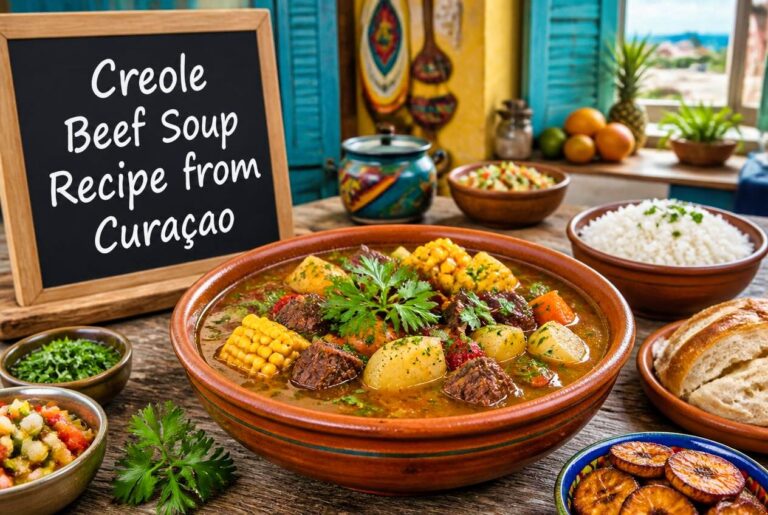
Creole Beef Soup Recipe from Curaçao
Creole Beef Soup Recipe Key Takeaways:
- Curaçao’s Creole beef soup recipeis a hearty, flavorful dish rooted in the island’s multicultural heritage, blending African, Dutch, and Caribbean influences.
- The soup typically features stewed beef, root vegetables like yuca and sweet potato, and bell peppers, all simmered in a rich tomato-based broth.
- A key flavor component is the use of local seasonings such as recaito (a fresh herb blend with culantro, onion, and garlic) and a touch of hot pepper for subtle heat.
- Unlike some Western soups, Creole beef soup recipe often includes a mix of tender meat and hearty vegetables in nearly equal measure, making it a complete meal in one bowl.
- Lemon or lime juice is commonly added at the end to brighten the deep, savory flavors and balance the richness of the beef.
- The dish is traditionally served with funchi (cornmeal porridge) or white rice on the side, enhancing its role as a comforting staple in local cuisine.
- Home cooks in Curaçao often make the soup in large batches, as the flavors deepen and improve over time, making leftovers especially delicious.
The Soul of the Punda Markets
Where Flavors Come to Life
I walk through the Punda district every morning just as the sun lifts over Willemstad, painting the pastel storefronts in golden light. The scent of cumin, garlic, and slow-cooked beef drifts from open kitchen doors, mixing with the briny kiss of the Caribbean Sea. You can taste the rhythm of the island here-vendors calling out prices, the clatter of pots from roadside stalls, and the steady hum of conversation in Papiamento, Dutch, and English. This is where the Creole beef soup recipe finds its voice, shaped by the ingredients I gather from market baskets and wooden crates stacked high with produce.
Ingredients with a Story
You’ll find the heart of this Creole beef soup recipe in the details-the knobby yellow yams from a farmer in Sint Willibrordus, the fiery Madame Jeanette peppers sold in small paper bags by a woman who’s stood at the same corner for thirty years. I buy my onions from Maria, who peels them fresh while we talk about her grandchildren. Each ingredient carries a name, a face, a reason for being in my pot. The oxtail I use comes from a butcher who knows exactly how much marrow I want in the broth, and he trims it just so. These aren’t just groceries; they’re relationships simmered into flavor.
The Pulse of Tradition
I’ve learned more about cooking in these markets than I ever did in a classroom. Watching grandmothers select meat, sniffing herbs before purchase, hearing debates over whether cassava should be boiled before or after the beef-these moments shape how I approach my own kitchen. You start to understand that timing isn’t just about minutes and heat; it’s about mood, weather, and who’s sharing the meal. When I make this Creole beef soup at home, I close my eyes and listen for the sounds of Punda. The soup doesn’t just feed the body-it echoes a place, a people, a way of living rooted in generosity and fire.
Anatomy of a Proper Creole Beef Soup Recipe
The Foundation: Meat and Broth
I always start with a well-marbled cut of beef-usually chuck or short ribs-because the collagen breaks down slowly, enriching the broth with body and depth. You’ll want to brown the meat thoroughly before adding any liquid; this step builds the flavor base that defines a true Sopi di Karni. Once seared, I deglaze the pot with a splash of water or broth, scraping up every bit of caramelized goodness stuck to the bottom. That fond is flavor you can’t afford to lose. The broth simmers for hours, allowing the meat to become fork-tender while absorbing the essence of onions, garlic, and a bay leaf or two.
The Flavor Builders: Aji, Bell Pepper, and Tomato
Aji amarillo is non-negotiable in my kitchen-it’s the soul of the Creole beef soup recipe’s heat and aroma. You don’t need much, just a small piece to bring warmth without overwhelming. I finely mince it and sauté it gently with onions and green bell pepper, a trio I call the “holy trinity” of Curaçaoan flavor. Tomato follows shortly after, either fresh and chopped or a spoonful of good-quality paste. This mixture, cooked down until it thickens and darkens slightly, becomes the flavor engine of the soup. I stir it into the broth early so it has time to meld, not dominate.
The Herbal Finish: Culantro and Fresh Herbs
Culantro-different from cilantro, with longer, serrated leaves-gives Sopi di Karni its unmistakable herbal lift. I tie a few sprigs into a bundle and let them simmer in the pot, removing them before serving. You’ll notice the aroma shifts once it’s added: earthy, green, slightly medicinal in the best way. Just before serving, I stir in a handful of chopped fresh parsley or cilantro. This final touch brightens the soup, cutting through the richness of the beef and spices. Your nose should perk up the moment you lift the spoon.
The Texture: Root Vegetables and Thickeners
Root vegetables go in during the final 30 minutes-yuca, potato, and sometimes pumpkin or breadfruit, depending on what’s available. I cut them large enough to hold their shape but small enough to cook through. These ingredients absorb the broth while contributing their own subtle sweetness and starch, which naturally thickens the soup. Some cooks add a mashed potato slurry at the end for extra body, but I find the slow release of starch from whole vegetables does the job more gracefully. The result should coat the spoon lightly, not pour like water.
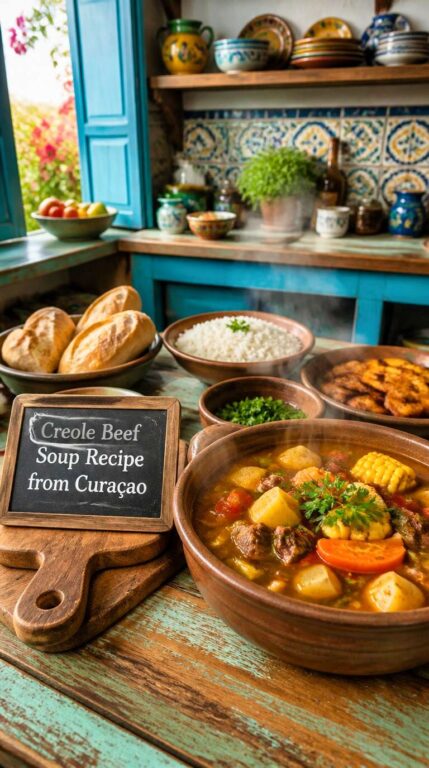
The Botanical Foundation
Roots in the Earth, Flavor in the Pot
I’ve always believed that a Creole beef soup recipe’s soul begins long before it reaches the stove-it starts in the soil. In Curacao, the sun-baked earth and salty coastal air shape the character of every herb and vegetable we use. When I grow culantro in my garden, I notice how its serrated leaves stand strong against the wind, just like the people here. This isn’t just a leafy green; it’s a flavor anchor in my Creole beef soup, delivering a deep, earthy aroma that cilantro simply can’t match. You’ll find it dancing through the broth, mingling with onions and garlic in the early sauté, laying down a foundation that carries the whole dish.
The Trinity of Aromatic Power
Onions, garlic, and bell peppers form what I call the aromatic trinity of Caribbean cooking, and they’re non-negotiable in my pot. I chop them fresh every time-no pre-cut bags-because the moment they hit the hot oil, their fragrance blooms like a promise. The onions soften first, turning translucent and sweet, then garlic follows with its sharp whisper, and finally the peppers add a gentle vegetal depth. This trio doesn’t just add flavor; it builds a story in layers, one that unfolds with every spoonful. If you’ve ever tasted Creole Soup Recipe, I sometimes borrow ideas from similar traditions, always adapting to honor the original spirit.
The Ritual of the Creole Beef Soup Recipe Long Simmer
Patience Is the Secret Ingredient
I’ve learned over the years that a great Creole beef soup recipe doesn’t rush. When I first started making this Creole beef soup, I tried to speed things up-higher heat, shorter cook time-but the results were flat, one-dimensional. The real magic happens when you step back and let time do the work. As the pot simmers gently on the stove, the tough cuts of beef slowly break down, releasing collagen that thickens the broth and gives it body. You can feel the transformation just by lifting the spoon-what starts as watery becomes rich, almost velvety.
What Happens in the Pot
You might think not much is going on when the bubbles barely break the surface, but inside that pot, flavors are deepening and merging. The onions soften into sweetness, the tomatoes dissolve into the liquid, and the spices-like bay leaf, thyme, and that hint of clove-unfold slowly, not all at once. I often stir just enough to keep things from sticking, but I don’t overdo it. Too much stirring interrupts the slow melding that only happens when ingredients are left undisturbed. This is not a soup that demands attention; it asks for trust.
How to Know When It’s Ready
I judge readiness not by the clock, but by feel and taste. When the meat pulls easily from the bone and the broth coats the back of the spoon, I know we’re close. I’ll take a small sip, careful not to burn my tongue, and check for balance-savory, slightly tangy, with warmth from the peppers but not overwhelming heat. If something feels sharp or raw, I cover the pot and let it go another thirty minutes. There’s no substitute for this kind of intuitive cooking. Your kitchen will tell you when it’s done, if you’re quiet enough to listen.
The Creole Beef Soup Recipe Final Presentation
Plating with Purpose
I serve this Creole beef soup recipe hot, straight from the pot, in deep bowls that hold both warmth and aroma. You’ll notice how the rich, reddish-brown broth glistens under the light, carrying flecks of bell pepper, onion, and tender chunks of beef that have simmered for hours. I always ladle it carefully, making sure each portion gets a balanced mix of vegetables and meat. The scent rises immediately-tomato, thyme, and a hint of Scotch bonnet-inviting you to take that first satisfying spoonful.
Garnishes That Ground the Dish
A final sprinkle of freshly chopped parsley adds color and a mild freshness that cuts through the soup’s depth. I sometimes add a small spoon of grated cassava or a wedge of lime on the side, letting you decide how to adjust the flavor. If you enjoy a sharper bite, a few drops of lime juice brighten the entire bowl. These small touches don’t change the soul of the soup-they honor it, letting the traditional flavors shine while offering a personal touch.
Serving Traditions to Savor
In Curacao, this Creole beef soup recipe often appears at family gatherings, served alongside funchi or crusty bread for dipping. I recommend following that tradition, giving you a way to soak up every last bit of broth. The meal feels complete when shared, passed around the table with stories and laughter. When you serve it this way, you’re not just feeding hunger-you’re continuing a legacy of warmth, patience, and island pride.
Hence, this Creole beef soup recipe from Curaçao reflects the island’s rich blend of African, European, and Caribbean influences. I’ve found that slow-simmering the beef with root vegetables, bell peppers, and annatto brings out deep, layered flavors you won’t get from rushed recipes. Your palate will recognize the balance of tangy, savory, and slightly spicy notes unique to authentic Curaçaoan cooking. I recommend serving it with funchi or crusty bread to complete the experience.
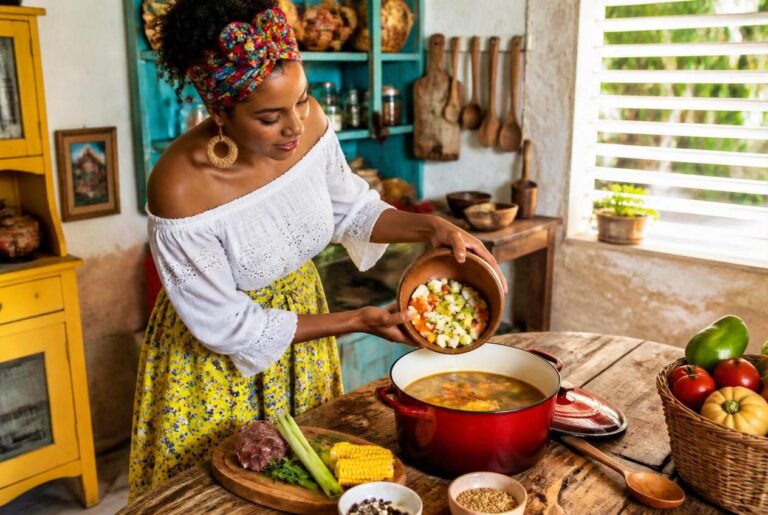
Creole Beef Soup Recipe from Curaçao Cooking Tips
Creole Beef Soup Recipe from Curaçao Cooking Tips
• Creole Beef Soup is a hearty Caribbean favorite in Curaçao, combining tender beef, vegetables, herbs, and rich broth into a satisfying one-pot meal.
• Beef with some connective tissue, such as chuck, shank, or stew meat, is ideal because it becomes tender during slow cooking.
• Bone-in cuts can add extra depth and richness to the broth.
• Brown the beef before simmering to develop a deeper flavor and darker color.
• Onions, garlic, celery, and bell peppers create the aromatic base of the soup.
• Tomatoes contribute sweetness, acidity, and richness to the broth.
• Fresh thyme is a traditional Caribbean herb that pairs exceptionally well with beef.
• Scotch bonnet pepper may be added for authentic island heat, adjusting the amount to suit personal preference.
• Root vegetables such as potatoes, carrots, yams, cassava, or sweet potatoes are commonly included.
• Corn on the cob is often added to Caribbean-style soups for sweetness and texture.
• Plantains can provide additional body and a subtle natural sweetness.
• Use a flavorful beef stock or broth as the soup’s foundation.
• Simmer slowly to allow the beef to become fork-tender and the vegetables to absorb flavor.
• Skim excess fat from the surface as needed during cooking.
• Stir occasionally to prevent sticking and ensure even cooking.
• Taste and adjust salt, pepper, and seasonings near the end of cooking.
• The flavor should balance rich beef, vegetables, aromatic herbs, and gentle Caribbean spices.
• Properly prepared Creole Beef Soup should be hearty, flavorful, and comforting.
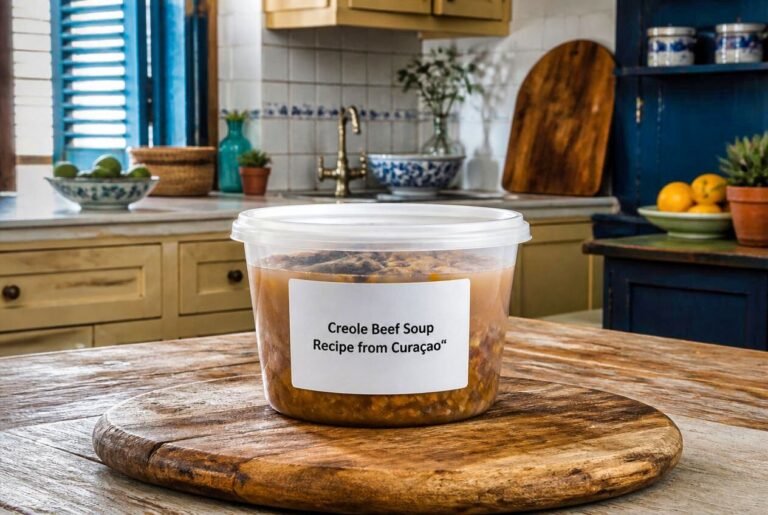
Creole Beef Soup Recipe from Curaçao Storage Tips
Creole Beef Soup Storage Tips
• Allow the soup to cool before transferring it into storage containers.
• Store refrigerated in airtight containers to preserve freshness and flavor.
• Refrigeration often improves the flavor as the broth, vegetables, and seasonings continue to meld together.
• Some fat may solidify on the surface during refrigeration and can be removed if desired.
• Reheat gently on the stovetop or in the microwave until thoroughly heated.
• Stir well during reheating to evenly distribute ingredients.
• Add a small amount of broth or water if the soup thickens more than desired.
• Store bread, rice, or side dishes separately when practical.
• Individual portions can be stored for convenient meals.
• Freeze portions in airtight freezer-safe containers if desired.
• Leave a small amount of expansion space when freezing liquids.
• Wrap tightly to help prevent freezer burn and preserve quality.
• Defrost frozen soup gradually in the refrigerator before reheating.
• The beef and vegetables generally freeze well and maintain their flavor.
• Use clean utensils when serving leftovers to help maintain freshness.
• Keep away from strongly scented foods because soups readily absorb surrounding odors.
• Check for signs of spoilage such as sour odors, mold, unusual discoloration, or texture changes before consuming leftovers.
• For best quality, enjoy refrigerated and frozen portions while the beef remains tender and the broth retains its rich Caribbean flavor.
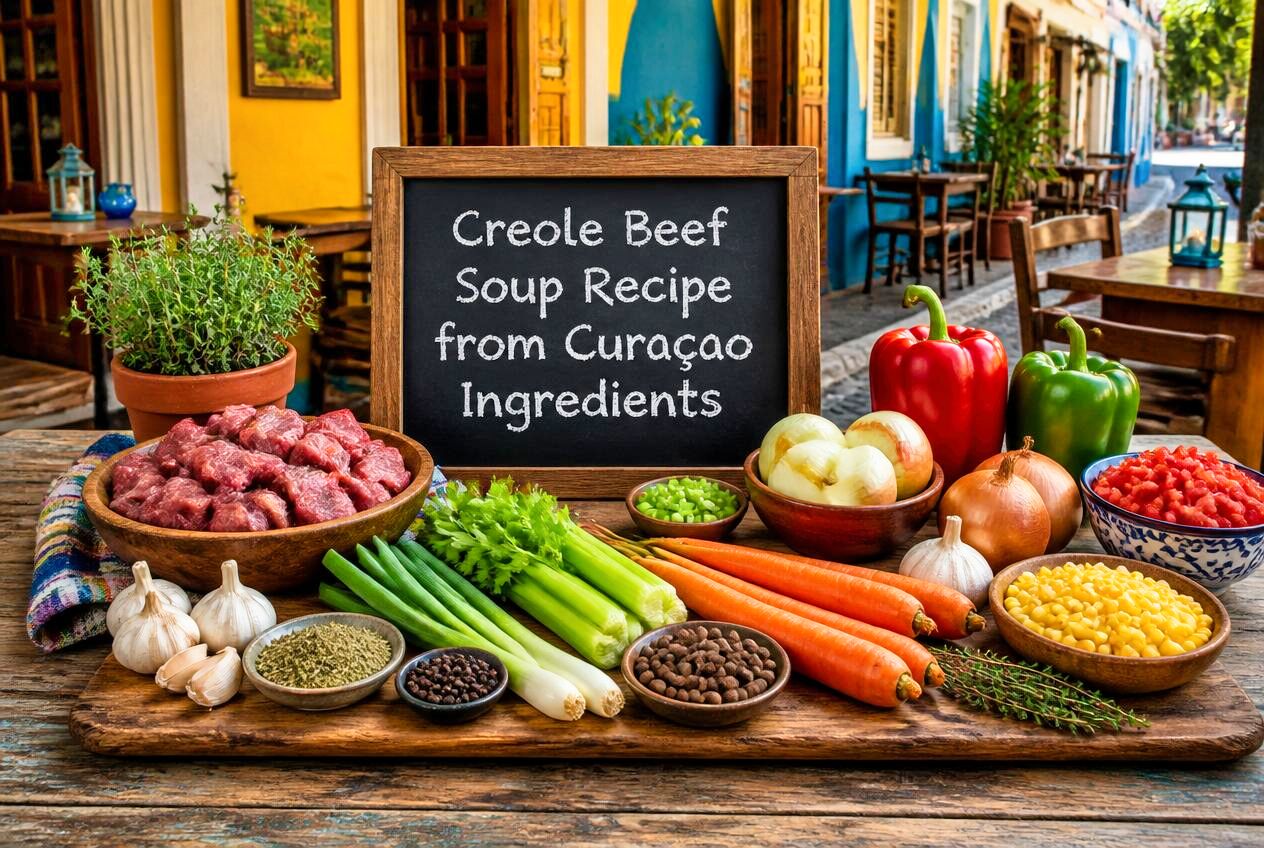
Creole Beef Soup Recipe from Curacao
Ingredients
- 1 pound ground beef
- 1 medium onion finely chopped
- 8 cups water
- 1 can 28 ounces diced tomatoes, undrained
- 3 cups cabbage shredded
- 3 cups potatoes cubed peeled
- 1 can pork and beans 15-1/2 ounces pork and beans
- 1 can condensed tomato soup 10-3/4 ounces condensed tomato soup, undiluted
- 1 can mushroom stem 4 ounces mushroom stems and pieces, undrained
- 1 cup carrots sliced
- 1 cup green pepper chopped
- 1 cup peas frozen
- 3 celery ribs finely choppedwith leaves
- 3 bouillon cubes chicken
- 2 tablespoons parsley flakes dried
- 1 teaspoon Cajun seasoning 1 of each, chili powder, Creole seasoning, pepper, crushed red pepper flakes and Italian seasoning
- 1 bay leaf
Instructions
- In a large soup kettle, stockpot, or Dutch oven, combine the ground beef and chopped onion.
- Cook over medium heat, stirring occasionally and breaking up the meat with a spoon as it cooks.
- Continue cooking until the beef is fully browned and no longer pink and the onion has softened.
- Drain any excess fat from the pot and return the beef mixture to the heat.
- Add all of the remaining ingredients to the pot.
- Stir thoroughly to combine and distribute the vegetables and seasonings evenly throughout the soup.
- Place the pot over medium-high heat and bring the mixture to a gentle boil.
- Once the soup reaches a boil, reduce the heat to low.
- Allow the soup to simmer uncovered for approximately 25 minutes.
- The vegetables should become tender while retaining their shape, and the flavors will blend together into a rich, comforting broth.
- Finish the Soup
- Taste the soup and adjust the seasoning if needed.
- Remove and discard the bay leaf before serving.
- Give the soup a final stir.
- Ladle the hot soup into bowls.
- Serve with crusty bread, crackers, biscuits, or a simple side salad for a complete meal.
- This classic beef vegetable soup is a comforting one-pot meal packed with tender vegetables, savory beef, and a flavorful broth. Quick to prepare yet hearty and satisfying, it's perfect for weeknight dinners, meal prep, or a cozy cold-weather lunch.
- The leftovers often taste even better the next day as the flavors continue to develop.
Creole Beef Soup Recipe Frequently Asked Questions
Q: What is Creole Beef Soup Recipe and where does it come from?
A: 1Creole Beef Soup is a traditional dish from Curaçao, a Caribbean island known for its rich blend of African, Dutch, and Latin American influences. This hearty soup features tender chunks of beef simmered with vegetables like bell peppers, tomatoes, and onions, all seasoned with a savory mix of local spices. It reflects the island’s Creole cooking style, which emphasizes bold flavors and slow-cooked depth. Families often serve it with funchi (cornmeal porridge) or rice.
Q: What are the key ingredients in authentic Creole Beef Soup Recipe?
A: The core ingredients include stewing beef, onions, bell peppers, tomatoes, garlic, and celery. A signature touch is the use of Curaçaose pinda saus, a peanut-based sausage that adds richness and depth. Other importants are bay leaves, thyme, and a splash of vinegar or lime juice for brightness. Some cooks add carrots or potatoes for extra heartiness. The soup gets its deep flavor from slow simmering, allowing the meat to become tender and the broth to thicken naturally.
Q: Can I make Creole Beef Soup Recipe without peanut sausage?
A: Yes, the soup can still be delicious without peanut sausage. Substitute it with regular smoked sausage or omit it entirely. To keep the nutty richness, stir in a tablespoon of smooth peanut butter during cooking. This mimics the flavor profile without changing the texture too much. The soup will still have the warm, earthy notes characteristic of Curaçaoan cuisine.
Q: How long does it take to prepare Creole Beef Soup Recipe?
A: Total preparation and cooking time is about 2.5 to 3 hours. Searing the beef takes 15-20 minutes, and sautéing the vegetables adds another 10. The soup then simmers for 2 to 2.5 hours to ensure the meat is fall-apart tender and the flavors are well blended. Using a pressure cooker can reduce the cooking time to about 45 minutes after sautéing.
Q: What is the best way to serve Creole Beef Soup Recipe?
A: This soup is traditionally served hot in deep bowls, often alongside funchi or white rice. A sprinkle of fresh chopped parsley or cilantro on top adds color and freshness. Some people enjoy a side of fried plantains or cassava bread. Leftovers taste even better the next day, as the flavors continue to deepen in the refrigerator.

Recipes are gathered in person and written for real-world cooking conditions.
- 10 Hungarian Dessert Recipes Passed Down Through Generations - July 25, 2026
- 11 Easy English Recipes Anyone Can Make - July 25, 2026
- Hungarian Kifli Recipe - July 25, 2026