
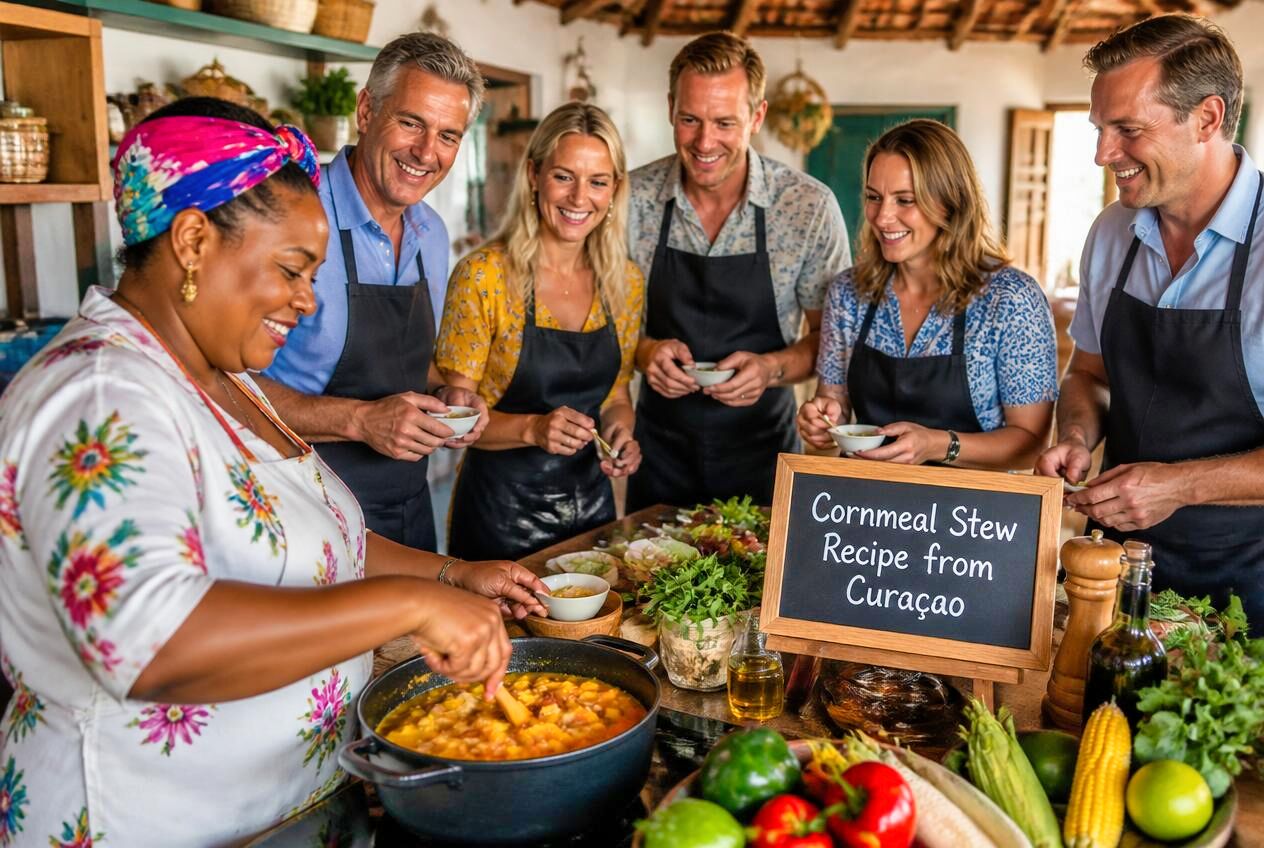
Most people don’t realize that cornmeal can be the base of a rich, satisfying cornmeal stew recipe, but in Curaçao, I’ve learned it’s a staple in home kitchens. I’ll show you how I prepare this traditional dish, using simple ingredients you likely have on hand, so you can bring authentic island flavor to your table.
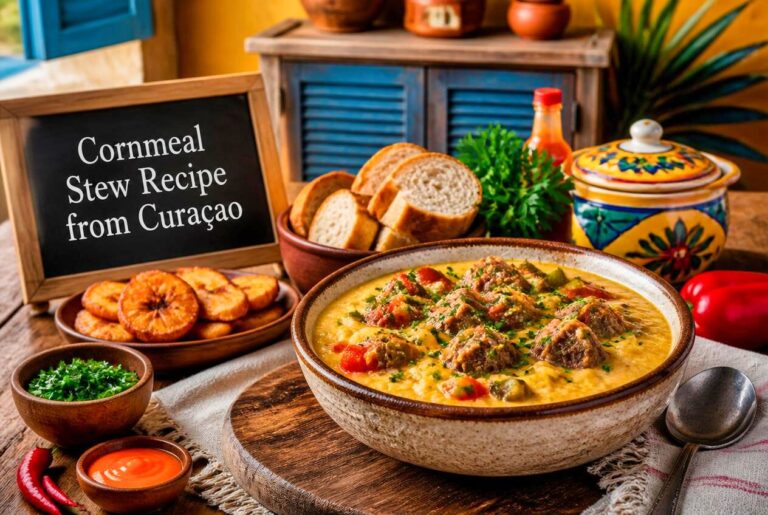
Cornmeal Stew Recipe from Curaçao
Cornmeal Stew Recipe Key Takeaways:
- Cornmeal Stew recipes from Curaçao combines simple ingredients like cornmeal, onions, tomatoes, and bell peppers into a hearty, flavorful dish rooted in island tradition.
- The cornmeal stew recipes often includes protein such as salted meat, chicken, or fish, reflecting the local practice of using preserved or readily available ingredients.
- Cooking the cornmeal stew recipe slowly into a thick porridge-like consistency gives the stew its distinctive texture, similar to funchi but in soup form.
- Traditional seasonings like aji dulce, culantro, and cloves add depth and a uniquely Curaçaoan flavor profile not commonly found in other Caribbean cornmeal dishes.
- The dish is commonly served in a bowl with the cornmeal base at the bottom, topped with the savory stew, allowing each bite to blend soft and hearty elements.
- It showcases the island’s blend of African, Spanish, and Dutch influences, especially in the use of salted meats and slow-simmered sauces.
- Home cooks often make cornmeal stew recipes for family gatherings, emphasizing its role as a comfort food that connects generations through shared meals.
The Soul of the ABC Islands: A Foundation of Corn
How Corn Shaped Kitchens
I’ve watched my tías grind dried corn by hand since I was a child, their movements steady and sure, like the rhythm of waves against the shore. You can still find this practice in small homes across Curaçao, where tradition isn’t preserved for tourists but lived daily. Corn wasn’t just food here-it became the backbone of our meals, the quiet force behind stews, porridges, and ceremonial dishes passed down through generations. When you taste cornmeal in a warm bowl of stew, you’re tasting centuries of adaptation, resilience, and care.
A Legacy from the Land and Sea
Corn arrived long before European maps labeled these islands, carried by Indigenous hands across the Caribbean. I trace its path through the Arawak people, who cultivated it alongside cassava and sweet potatoes, building diets around what the dry soil and salty air allowed. Over time, African influences merged with native techniques, especially after forced migrations introduced new ways of stewing, seasoning, and thickening. You’ll find that legacy in the texture of a well-made cornmeal stew-earthy, slightly coarse, deeply satisfying. It’s not refined; it’s real, shaped by survival and shared knowledge.
The Humble Grain in Daily Life
Every Sunday morning in my neighborhood, the scent of cornmeal porridge rises from open windows, mixed with cinnamon and coconut milk. I grew up eating it with salted cod on the side, a contrast of sweet and savory that still feels like home. You don’t need a special occasion to cook with corn here-its presence is ordinary, yet imperative. Whether it’s in funchi, the island’s version of polenta, or folded into a stew to thicken and enrich, corn meets hunger with consistency. It asks for little but gives back warmth, energy, and a taste that grounds you.
The Architecture of the Pot: Essential Elements
The Foundation: Cornmeal and Liquid Balance
I’ve learned through years of simmering this stew that the relationship between cornmeal and liquid is the quiet backbone of the dish. Too much water and the stew turns thin and forgettable; too little and it clings to the pot like stubborn clay. You’ll want to pour in warm water slowly, whisking as you go, so the cornmeal disperses evenly without forming lumps. I always use a wooden spoon for this part-it gives me better control and won’t scratch my heavy-bottomed pot. The mixture should thicken gradually, like a warm blanket settling over the ingredients.
Flavor Anchors: Aromatics and Seasoning
Onions, garlic, and bell pepper form the aromatic base I never skip. I sauté them in oil until they soften and release their sweetness, creating a fragrant foundation that carries through every bite. A bay leaf tucked in early adds depth, while fresh thyme brings a subtle earthiness that lingers. I season with care-salt early, yes, but always with the plan to adjust later. A splash of vinegar at the end brightens the stew, cutting through the richness in a way that feels both natural and intentional.
Texture and Body: The Role of Protein and Vegetables
Chicken is my go-to protein, browned first to build flavor before joining the pot. Its juices mingle with the stew, enriching the broth from within. You can use beef or even salted meat if you prefer, but I find chicken strikes the right balance-tender without overpowering the cornmeal’s presence. Chunks of potato and pumpkin add heartiness, breaking down slightly to thicken the stew further. I leave the skin on the potatoes; it holds its shape better and adds a rustic texture that feels honest, not fussy.
The Vessel: Choosing the Right Pot
Your choice of cookware matters more than you might think for a cornmeal stew recipe. I use a heavy cast-iron Dutch oven because it distributes heat evenly and prevents scorching on the bottom. The stew needs slow, consistent cooking, and a thin pot will let hot spots ruin the texture. A tight-fitting lid traps steam just enough to keep the stew moist without diluting the flavors. If you don’t have cast iron, a thick-bottomed stainless steel pot works, but never rush this process-patience in the pot yields the best results.
The Rhythm of Tradition
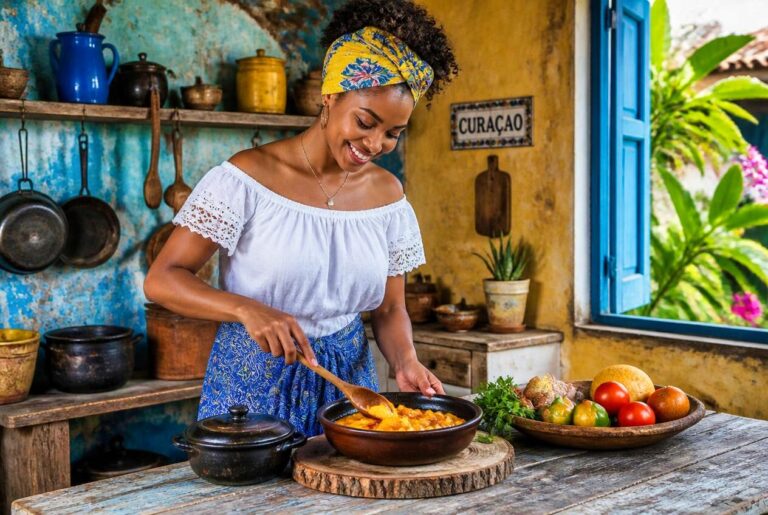
I learned this rhythm from my friend, who stirred her cornmeal stew with a wooden paddle passed down through three generations. Her hands moved in slow, deliberate circles, never rushing, never stopping until the mixture released cleanly from the pot’s sides. You’ll feel resistance at first-this is normal. The cornmeal clings, thickens, and fights back until it’s ready to surrender into silkiness. That moment, when the stew pulls away and forms a smooth mass, is your signal. No timer, no thermometer-just touch and instinct.
Why the Stir Matters
Every rotation breaks up lumps and ensures even heat distribution, preventing scorching on the bottom. I’ve seen beginners stir too fast or too little, both leading to uneven texture. Your wrist will tire-that’s part of the process. This isn’t a dish you multitask through. It demands attention, like a conversation that can’t be rushed. The paddle becomes an extension of your arm, guiding the stew toward its final, cohesive form. Think of it as kneading, but in liquid form-each stroke builds structure.
Tools of the Trade
A flat-bottomed pot is non-negotiable. Rounded pans create dead zones where cornmeal sticks and burns. I use a heavy caldero, but any thick stainless steel or enameled pot works. The paddle should be wood-bamboo or beech-with a broad, slightly curved end to scrape the edges. Metal can scratch and conduct too much heat, altering the cook. If you’re familiar with Bajan Cou Cou – Caribbean Polenta, you’ll recognize the technique. It’s a shared language among island kitchens, where stirring isn’t just cooking-it’s ceremony.
The Evolution of Flavor: From Funchi to Tutu
Roots in the Earth and Sea
I trace the lineage of this cornmeal stew recipe back to funchi, the stiff cornmeal porridge that has fed generations in Curacao. You can still find it served beside fried fish in humble roadside kitchens, its texture smooth and comforting. My grandmother used to say funchi was food for the hands-something you shaped and held, not something you stirred in a pot. Over time, as families moved between islands and carried recipes in memory more than in writing, that same cornmeal began appearing in liquid form. The shift wasn’t sudden, but born from necessity and adaptation-using what was available and honoring what was remembered.
A Dish in Motion
As Afro-Caribbean communities exchanged meals across the region, the rigid form of funchi softened into something more fluid-what some now call tutu. I’ve tasted versions in Trinidad, where coconut milk thickens the stew, and in Suriname, where cassava joins the cornmeal. Each variation tells a story of migration, of women adjusting ingredients based on what the market offered that day. You’ll notice the same base-cornmeal, water, salt-but the soul of the dish changes with every coast it touches. Even the method shifts: where funchi is stirred constantly over low heat, tutu welcomes interruptions, simmering while you attend to other tasks in the kitchen.
Shared Threads Across Waters
One cornmeal stew recipeI came across recently reminded me how connected these traditions truly are-a Jamaican cornmeal stew with fish and okra that mirrors the rhythm of Curacao’s version almost note for note. I recognized the same slow pour of cornmeal into broth, the careful folding to avoid lumps. You’ll find okra here acting as both thickener and flavor carrier, much like how some Curacao cooks use pumpkin or bell pepper. These aren’t coincidences-they’re echoes of a shared culinary ancestry, passed down through kitchens where language might differ, but the motions of cooking feel familiar.
Traditional Pairings
Why Tradition Matters at the Table
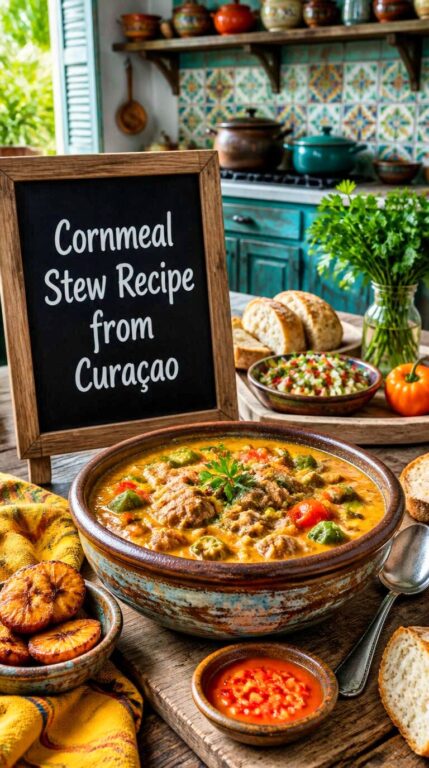
I’ve always believed that food tells a story, and in Curacao, that story unfolds most honestly when cornmeal stew sits beside its lifelong companions. You won’t find elaborate plating or forced fusion here-just honest pairings passed down through generations. When I serve this stew, I serve it the way my tía did: with fried plantains caramelized at the edges, their sweetness cutting through the stew’s savory depth. That contrast isn’t accidental; it’s memory on a plate, a balance born from island kitchens where ingredients were never wasted and flavor was always earned.
The Role of Funchi in the Meal
Funchi-cornmeal cooked into a soft polenta-like mound-is more than a side; it’s the foundation of the meal. I shape it into a small hill on the plate and spoon the stew alongside, letting the thick, golden gravy seep into the crevices. You can eat it with a fork, but I prefer tearing off a piece of funchi with my fingers, dipping it into the stew like a warm, comforting scoop. This is food that asks you to slow down, to savor, to connect. It’s not fancy, but it’s complete in a way few dishes ever manage.
How a Simple Salad Completes the Circle
A crisp cucumber and tomato salad, dressed only with lime juice, a pinch of salt, and a whisper of onion, brings freshness that the stew doesn’t provide on its own. I keep it simple because the stew is bold, and the funchi is rich-your palate needs this bright counterpoint. I’ve seen guests hesitate at first, eyeing the modest salad beside the hearty stew, but one bite changes their mind. You’ll notice how the acidity wakes up your taste buds, resetting them between spoonfuls. That’s the quiet genius of traditional pairings: each element knows its role and plays it without show.
The Cultural Heartbeat: A Legacy of Resilience
Roots in Resistance
I trace the origins of this cornmeal stew recipe back to times when survival shaped every meal. Enslaved Africans brought to Curaçao carried more than labor-they carried memory, flavor, and an unyielding will to preserve identity. You can taste that determination in the way the cornmeal thickens slowly over fire, echoing the patience required to endure hardship. The ingredients were never chosen for luxury; they were what remained accessible under oppression. Yet from scarcity, a rich culinary language emerged, one that speaks directly to resilience.
Flavor as Heritage
Every spoonful of this cornmeal stew recipeholds stories older than written records on the island. I’ve listened to elders describe how their mothers stirred the same pot with the same wooden spoon, passing down rhythm as much as recipe. The blend of onions, tomatoes, and smoked fish isn’t just about taste-it’s a reflection of what the land and sea allowed, adapted with ingenuity. When you prepare this dish, you’re not simply following steps; you’re honoring a lineage of cooks who transformed limitation into nourishment.
Cornmeal Stew Recipe Cooking as Continuity
There’s a quiet power in standing at the stove, stirring the bubbling mixture as generations before me once did. I feel connected to women whose names I may never know, but whose presence lingers in the scent of simmering broth. This stew doesn’t demand exotic spices or rare tools-it thrives on consistency and care. That simplicity is its strength. In your kitchen, as in mine, this cornmeal stew recipe becomes more than food. It becomes an act of remembrance, a way to keep culture alive through daily practice.
Now I’ve shared the heart of Curacao’s kitchen with you-my version of cornmeal stew, a dish rooted in tradition and flavor. I’ve guided you through each step so you can bring this comforting meal to your table with confidence. You now hold the knowledge to prepare it authentically, adjusting spices and texture to match your taste.
I encourage you to embrace the simplicity and depth this recipe offers. When you serve it, you’re not just sharing food-you’re sharing culture.
Cornmeal Stew Recipe from Curaçao Cooking Tips
Cornmeal Stew Recipe from Curaçao Cooking Tips
• Cornmeal Stew is a hearty Curaçao-inspired comfort dish that combines cornmeal with vegetables, seasonings, and often meat or seafood to create a filling meal.
• Fine or medium-ground cornmeal is typically used because it cooks evenly and develops a smooth texture.
• Mix the cornmeal with a small amount of cold water before adding it to the pot to help prevent lumps.
• Stir thoroughly until a smooth mixture forms.
• Onions, garlic, celery, and bell peppers provide a flavorful base for the stew.
• Tomatoes add color, acidity, and natural sweetness.
• Meat such as beef, goat, chicken, or salted meat may be used to enrich the stew.
• Seafood variations may include fish, shrimp, or conch depending on local preferences.
• Fresh thyme is a traditional Caribbean seasoning that complements both meats and vegetables.
• Scotch bonnet pepper may be added for authentic island heat, adjusting the quantity to taste.
• Use a flavorful broth or stock to build depth and richness.
• Add the cornmeal gradually while stirring continuously to avoid clumping.
• Simmer gently to allow the cornmeal to fully cook and absorb flavors.
• Stir frequently to prevent sticking to the bottom of the pot.
• Root vegetables such as carrots, yams, or plantains may be added for extra substance.
• Adjust the consistency with additional broth if the stew becomes too thick.
• The flavor should balance savory broth, aromatic vegetables, herbs, and the comforting richness of cornmeal.
• Properly prepared cornmeal stew should be smooth, hearty, and satisfying.
• Serve hot as a main dish, often accompanied by fresh bread or additional island side dishes.
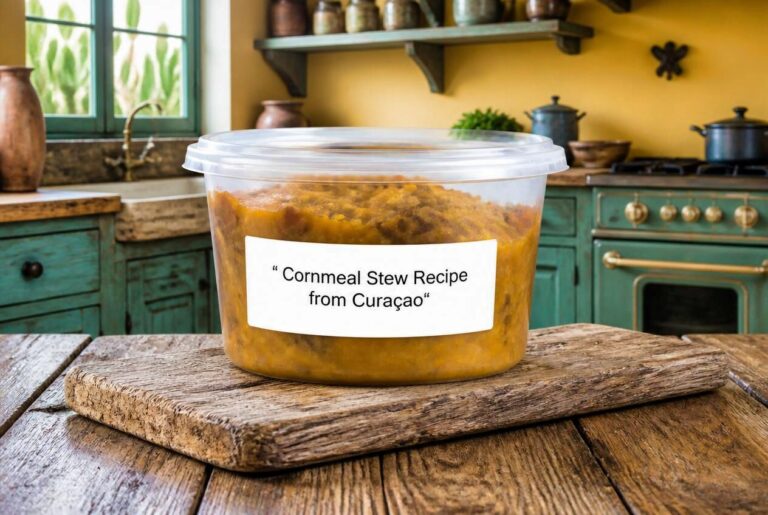
Cornmeal Stew Recipe from Curaçao Storage Tips
Cornmeal Stew Storage Tips
• Allow the stew to cool before transferring it into storage containers.
• Store refrigerated in airtight containers to preserve freshness and flavor.
• The cornmeal will continue absorbing liquid during storage, causing the stew to thicken.
• Stir thoroughly before reheating to restore an even texture.
• Add a small amount of broth, water, or milk during reheating if needed.
• Reheat gently on the stovetop or in the microwave until thoroughly heated.
• Avoid overheating, which can cause sticking or scorching.
• Refrigeration often enhances the flavor as the seasonings continue to blend together.
• Store side dishes separately when practical.
• Individual portions can be stored for convenient meals.
• Freeze portions in airtight freezer-safe containers if desired.
• Leave a small amount of expansion space when freezing liquids.
• Wrap tightly to help prevent freezer burn and preserve quality.
• Defrost frozen portions gradually in the refrigerator before reheating.
• Stir well after thawing to restore consistency.
• Use clean utensils when serving leftovers to help maintain freshness.
• Check for signs of spoilage such as sour odors, mold, unusual discoloration, or texture changes before consuming leftovers.
• For best quality, enjoy refrigerated and frozen portions while the stew remains creamy, flavorful, and properly stored.
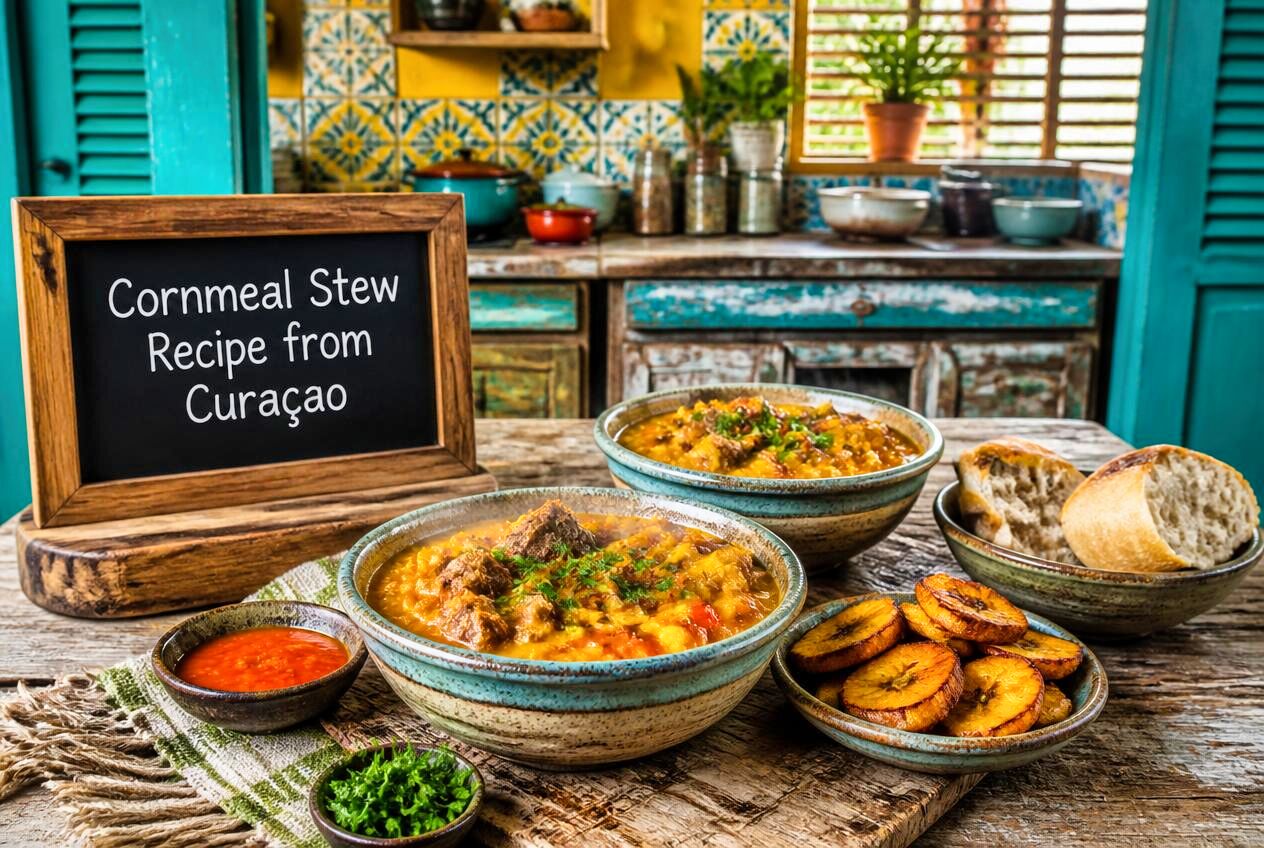
Cornmeal Stew Recipe from Curacao
Ingredients
- 2 pounds crab fresh lump crab meat
- 1 1/2 cups cornmeal coarsely ground yellow
- 9 cups cold water
- 5 tablespoons olive oil
- 2 teaspoons salt
- Freshly ground black pepper
Instructions
- Begin by heating the olive oil in a medium heavy skillet over low heat.
- Add the onions and bell peppers and cook gently for 6 to 8 minutes, stirring occasionally, until they become soft and translucent.
- Add the garlic, cumin, and paprika.
- Continue cooking for about 2 minutes, stirring frequently, until the spices become fragrant and release their aroma.
- Stir in the tomatoes, pimentos, bay leaf, vinegar, Tabasco sauce, sherry, clam juice, and salt.
- Mix well and allow the sauce to simmer gently over low heat for approximately 10 minutes, stirring occasionally.
- As it cooks, the vegetables will soften further and the liquid will reduce into a rich, flavorful sauce.
- Once the sauce has thickened slightly, gently fold in the crab meat.
- Continue cooking for another 6 minutes, allowing the crab to warm through and absorb the flavors of the sauce.
- Taste and adjust the seasoning if needed.
- Remove the skillet from the heat, cover, and set aside while you prepare the cornmeal.
- In a large heavy saucepan, combine the cornmeal, water, oil, and salt.
- Whisk or stir thoroughly to ensure the cornmeal is evenly dispersed before heating.
- Place the saucepan over medium-high heat and bring the mixture to a gentle boil.
- Once boiling, reduce the heat to very low and cover the pan.
- Allow the cornmeal to cook slowly for 25 to 30 minutes.
- Every 2 to 3 minutes, remove the lid and stir thoroughly to prevent sticking and to keep the texture smooth.
- As the cornmeal cooks, it will gradually thicken into a creamy, spoonable consistency.
- When fully cooked, season generously with freshly ground black pepper and stir well.
- Before serving, remove the bay leaf from the crab sauce.
- If necessary, gently reheat the sauce over low heat until warmed through.
- Give both the sauce and the cornmeal a final stir to ensure a smooth consistency.
- Ladle the hot cornmeal into shallow warmed bowls.
- Top each serving with a generous spoonful of the crab sauce, allowing the rich tomato-based mixture to settle over the creamy cornmeal.
- Alternatively, for a more rustic presentation, gently fold the crab sauce directly into the cornmeal before serving.
- Serve immediately while both components are hot.
- This comforting seafood dish combines creamy cornmeal with a richly seasoned crab sauce infused with peppers, tomatoes, spices, and a touch of sherry. The sweetness of the crab balances beautifully with the savory, slightly tangy sauce, while the soft cornmeal provides a hearty and satisfying base.
- Simple yet full of flavor, this dish reflects the influence of coastal cooking traditions where fresh seafood and humble pantry staples come together to create a meal that is both nourishing and deeply comforting.
Cornmeal Stew Recipe Frequently Asked Questions
Q: What is Cornmeal Stew Recipe from Curaçao?
A: Cornmeal stew recipes from Curaçao is a traditional dish known locally as “Funchi” served with a savory meat or fish stew. Funchi is a dense, polenta-like side made from yellow cornmeal, water, and salt, cooked until thick and smooth. It’s often paired with a rich, spiced stew featuring ingredients like beef, chicken, or salted fish, simmered with tomatoes, onions, bell peppers, and regional seasonings such as culantro and chili peppers. This meal reflects the island’s Afro-Caribbean and Dutch influences and is commonly enjoyed during family gatherings or on weekends.
Q: How is Funchi prepared in Curaçao?
A: Funchi is made by slowly whisking yellow cornmeal into boiling salted water. The mixture is stirred continuously with a wooden spoon, called a “pilón,” to prevent lumps and achieve a smooth, firm consistency. Once thickened, it’s cooked for an additional 5 to 10 minutes, then removed from heat. It’s often turned out onto a plate, shaped into a mound, and served warm alongside a stew. The texture should be soft but hold its shape, similar to mashed potatoes or grits when cooled slightly.
Q: What kind of stew is typically served with Cornmeal Stew Recipe in Curaçao?
A: The cornmeal stew recipe served with Funchi is usually a hearty, slow-cooked dish made with meat or fish. Common versions include stewed beef in a tomato-based sauce with onions, garlic, bell peppers, and herbs. Salted cod stew is another popular option, especially during Lent or on Fridays. The cornmeal stew recipe is seasoned with local flavors like culantro, thyme, and hot peppers, giving it a bold, savory taste that complements the mildness of the cornmeal. It’s often simmered for hours to deepen the flavors and tenderize tougher cuts of meat.
Q: Can I make Funchi with white cornmeal instead of yellow?
A: Yes, white cornmeal can be used as a substitute for yellow cornmeal. The flavor will be slightly milder, and the color of the Funchi will be paler, but the texture and cooking method remain the same. Traditional Curaçao recipes typically use yellow cornmeal for its richer taste and vibrant color, but white cornmeal works well if that’s what’s available. Just make sure to use finely ground cornmeal labeled for cooking, not corn flour or instant varieties, to get the right consistency.
Q: Is Cornmeal Stew Recipe from Curaçao a daily meal or reserved for special occasions?
A: Cornmeal stew recipeis more commonly eaten on weekends or during family meals rather than as a daily dish. While ingredients are simple and accessible, the preparation takes time, especially when making the stew from scratch. It’s often associated with comfort food and cultural traditions, so it appears at Sunday dinners, holidays, or community events. Some households may prepare it more frequently, but for many, it’s a cherished meal that connects them to Curaçao’s heritage and family roots.

Recipes are gathered in person and written for real-world cooking conditions.
- 10 Hungarian Dessert Recipes Passed Down Through Generations - July 25, 2026
- 11 Easy English Recipes Anyone Can Make - July 25, 2026
- Hungarian Kifli Recipe - July 25, 2026