
The Bolivian hot sauce recipe called llajua is worth a try, if you’re looking to wake up your food with something bold and spicy. Llajua is a punchy sauce made from tomatoes, hot peppers, and herbs—people in Bolivia eat it with just about everything. Its Quechua name hints at deep roots in Andean culture.
We stumbled across this sauce on the road, where it showed up on every table, almost like ketchup back home. Llajua gets its heat from peppers like locoto—not as fiery as habaneros, but they’ve got enough kick to make things interesting. There’s just something about that fresh, zesty flavor that makes it perfect for grilled meats, soups, or street snacks.
It’s honestly one of the easiest sauces to whip up—just a handful of fresh ingredients and a few minutes. We love how it livens up simple meals and gives us a little taste of Bolivia’s food traditions.
Key Takeaways
- Llajua is a bold, versatile Bolivian sauce starring tomatoes and hot peppers.
- The recipe uses fresh herbs and native peppers for an authentic kick.
- It’s super easy to make and brings heat and flavor to tons of dishes.
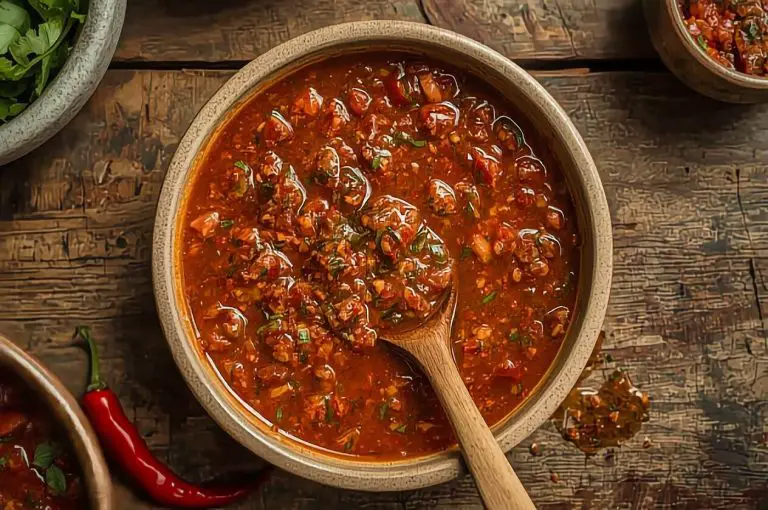
Bolivian Hot Sauce Recipe Ingredients
Number of Servings: Makes about 1 cup (serves 4-6)
Prep Time: 10 minutes
Cooking Time: None
3 medium ripe tomatoes (Roma preferred)
1 locoto pepper (or substitute serrano/jalapeño/manzano)
2 garlic cloves
3 basil leaves
1 sprig cilantro or quirquiña
1 tablespoon olive oil
1/2 teaspoon salt (coarse if possible)
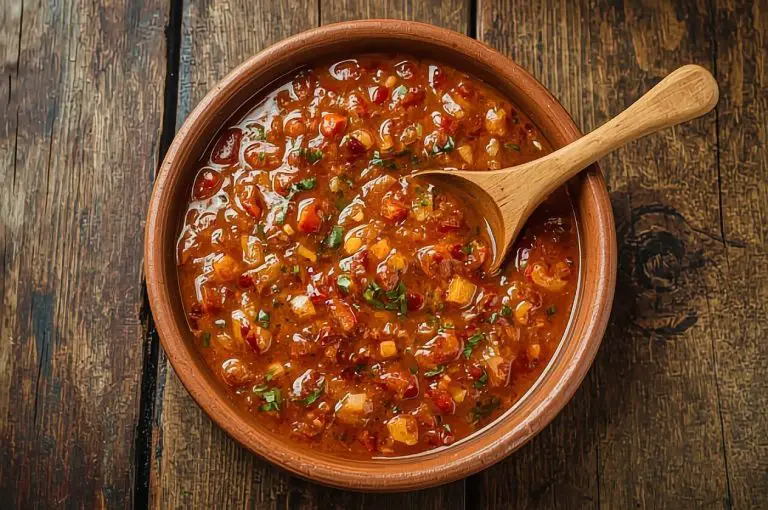
Bolivian Hot Sauce Recipe Cooking Instructions
To get started, grab your ripe tomatoes, chili peppers (locoto if you can, but serrano or jalapeño works), garlic, basil, and cilantro. We usually scoop out tomato seeds to keep things from getting too watery or acidic.
Chop the chili pepper and garlic into quarters. Want less heat? Ditch the pepper seeds before blending. And, yeah, maybe don’t rub your eyes after handling those peppers.
Traditionally, Bolivians use a batán—a big stone slab—to grind everything together, but honestly, we just reach for the blender most days. Toss in tomatoes, chili, garlic, basil, cilantro, salt, and a splash of olive oil.
Blend until you hit your preferred texture—smooth for mixing into dishes, or leave it chunky if you like a bit of bite.
Taste, and if you think it needs more salt, toss some in. You’re looking for a sauce that’s spicy, fresh, and herbal, with a little warmth from the chilies.
Stick the sauce in the fridge and try to use it up within a day for the best flavor. Llajua really shines on meats, in soups, or with veggies—it’s one of those table staples that just makes everything better.
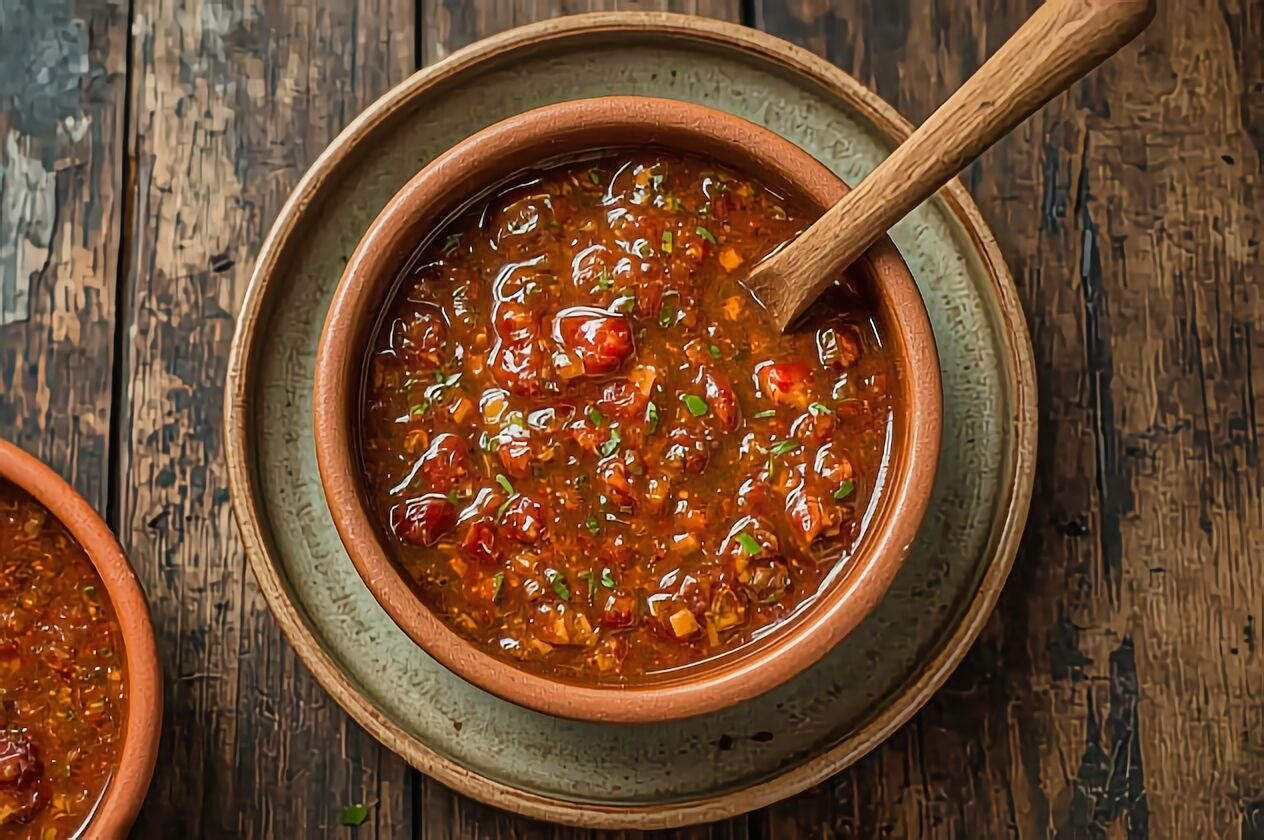
Bolivian Hot Sauce Recipe
Ingredients
- 3 medium tomatoes ripe (Roma preferred)
- 1 locoto pepper (or substitute serrano/jalapeño/manzano)
- 2 garlic cloves
- 3 basil leaves
- 1 sprig cilantro or quirquiña
- 1 tablespoon olive oil
- 1/2 teaspoon salt (coarse if possible)
Instructions
- To get started, grab your ripe tomatoes, chili peppers (locoto if you can, but serrano or jalapeño works), garlic, basil, and cilantro. We usually scoop out tomato seeds to keep things from getting too watery or acidic.
- Chop the chili pepper and garlic into quarters. Want less heat? Ditch the pepper seeds before blending. And, yeah, maybe don’t rub your eyes after handling those peppers.
- Traditionally, Bolivians use a batán—a big stone slab—to grind everything together, but honestly, we just reach for the blender most days. Toss in tomatoes, chili, garlic, basil, cilantro, salt, and a splash of olive oil.
- Blend until you hit your preferred texture—smooth for mixing into dishes, or leave it chunky if you like a bit of bite.
- Taste, and if you think it needs more salt, toss some in. You’re looking for a sauce that’s spicy, fresh, and herbal, with a little warmth from the chilies.
- Stick the sauce in the fridge and try to use it up within a day for the best flavor. Llajua really shines on meats, in soups, or with veggies—it’s one of those table staples that just makes everything better.
Notes
Cooking Tips
We honestly think a mortar and pestle beats a blender for this sauce. Grinding by hand gives llajua a rustic texture and richer flavor. Blenders sometimes make it weirdly foamy or watery, which isn’t ideal.
Start by smashing up the peppers with salt. That helps release their heat and oils slowly. Add tomatoes in small chunks so the skins break down and everything gets nicely mixed.
If you can’t find locoto, manzano or serrano peppers work too. They’ll change the flavor a bit, but you’ll still get plenty of heat.
We love serving llajua with empanadas or alongside simple snacks. It perks up boiled potatoes or grilled meats with a fresh, spicy kick. Serve it in a little bowl with a spoon—no one wants to double-dip.
Herbs like quirquiña are traditional, but cilantro plus a bit of basil or arugula does the trick if you can’t find quirquiña. Add herbs near the end so they keep their aroma.
Use coarse salt if you can—it seasons as you grind and adds a touch of authenticity. Traditional Bolivian salt is great, but honestly, any good salt works.
Bolivian Hot Sauce Recipe FAQs
We’ve picked up some tips on making authentic Bolivian sauces, what ingredients you really need, and how to tweak classic recipes for different spice levels. There’s a lot that makes this Bolivian Hot Sauce recipe stand out from the crowd, and we’ve got a few answers for you.
How can I make authentic the Bolivian Hot Sauce recipe at home?
To make the Bolivian Hot Sauce recipe at home, use ripe, juicy tomatoes and green locoto peppers. Grind tomatoes, peppers, and fresh quirquiña leaves by hand with a mortar and pestle until it’s thick and a bit chunky. Finish with olive oil and salt to taste.
What are the key ingredients for the Bolivian Hot Sauce recipe?
You’ll need fresh green locoto peppers, tomatoes, and quirquiña or huacatay herbs. Sometimes onion and salt sneak in. Using fresh herbs is what really sets the flavor apart in this Bolivian Hot Sauce recipe.
Are there any traditional recipes that pair well with the Bolivian Hot Sauce recipe?
The Bolivian Hot Sauce recipe is fantastic with grilled meats—beef, chicken, you name it—plus boiled potatoes and those classic potato dishes. It’s also great with savory pies like salteñas. The sauce just adds this fresh, aromatic layer.
What variations can I add to a classic Bolivian Hot Sauce recipe to make it spicier?
If you want more heat in your Bolivian Hot Sauce recipe, throw in extra locoto peppers or leave the seeds in when you grind. Toasting the peppers beforehand gives a smoky edge. Just be careful—locoto seeds are no joke.
How is this Bolivian Hot Sauce recipe different from other South American hot sauces?
Llajua stands out because it’s thicker and chunkier than most—think the opposite of runny Mexican or Louisiana hot sauces. The Bolivian Hot Sauce recipe is made fresh, with raw ingredients, and the tomato flavor is milder. People serve it in bowls and scoop it onto food instead of pouring.
A Little Something Extra
Can you provide a step-by-step guide for preparing the huacatay mayo for the Bolivian Hot Sauce recipe?
Start by grabbing some fresh huacatay leaves and chopping them up pretty finely. Toss those into a bowl with a good scoop of mayonnaise, squeeze in a bit of lemon juice, and sprinkle in just a pinch of salt. Mix everything together until it looks smooth and the color’s even—don’t be afraid to taste as you go and add more huacatay if you want that punchy, herbal kick. Adjust until it feels right for you.
1/4 cup fresh huacatay leaves, finely chopped
1 cup mayonnaise
1 tablespoon lemon juice
1/4 teaspoon salt (or to taste)