
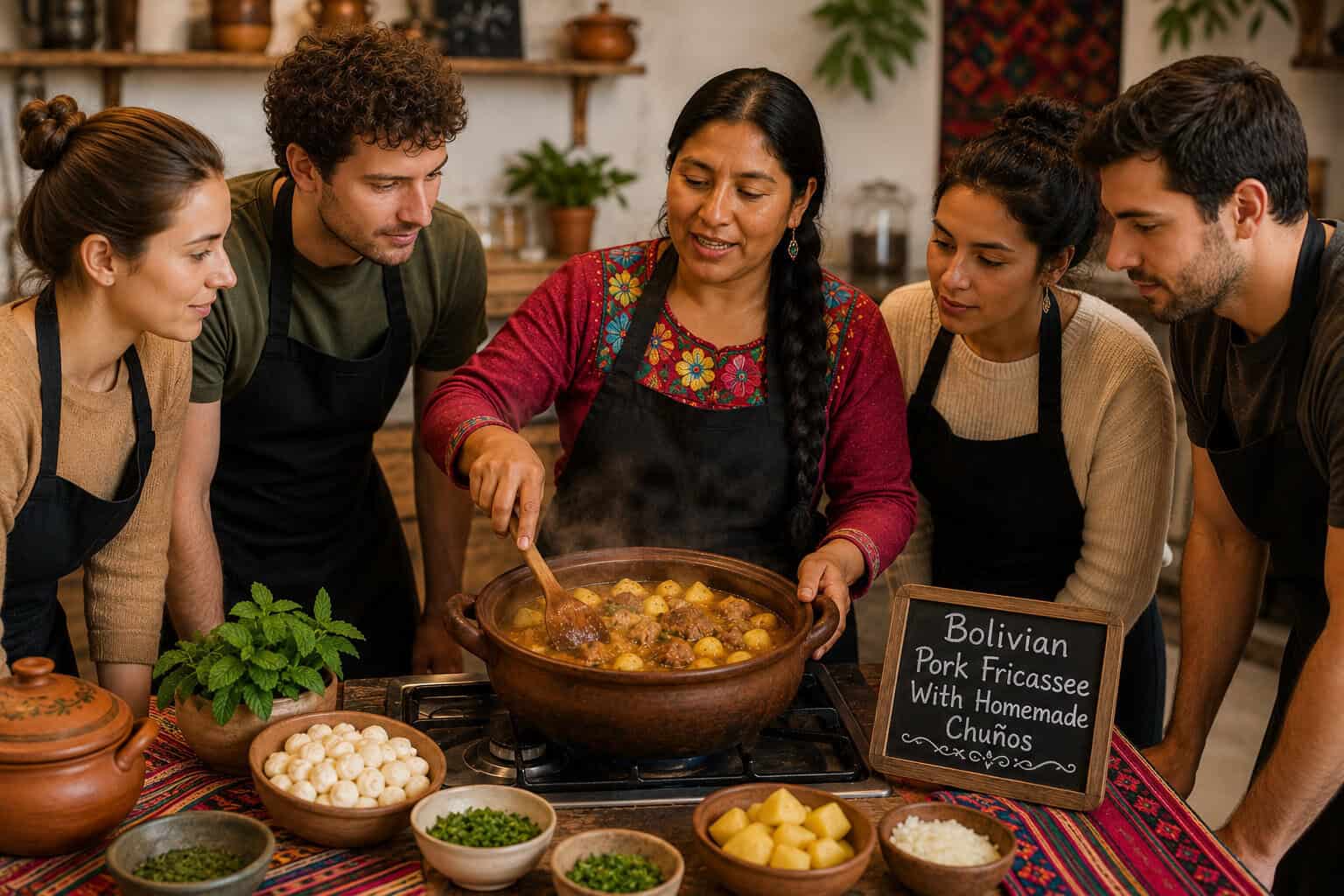
Bolivian Fricassee with homemade chuños recipe is one of those classic stews that really sticks to your ribs—rich broth, tender pork, and those iconic ingredients like mote and chuños. We’re making it with homemade chuños, those freeze-dried potatoes that give the dish such a distinct texture and flavor. This stew is serious comfort food in Bolivia, especially when the weather turns cold. You’ll see it on breakfast or lunch tables, particularly in the highlands.
Honestly, getting fricassee right comes down to balancing those spices—ají amarillo, cumin, a touch of oregano—and prepping the chuños properly. If you’re just starting out with Bolivian cooking or you’re itching to try something new, this recipe really does capture the heart of Bolivia’s food scene. The homemade chuños? They’re a game changer, and you just don’t get that same vibe from shortcuts.
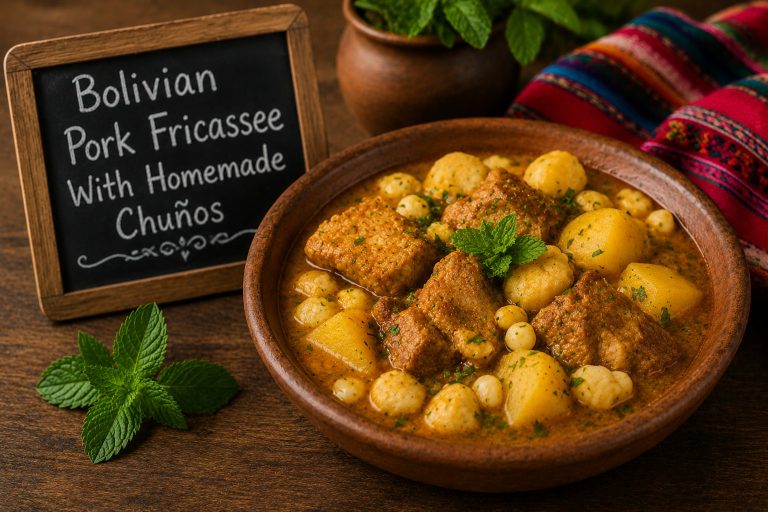
Bolivian Pork Fricassee With Homemade Chuños Recipe
Key Takeaways
- Homemade chuños make the texture and flavor truly authentic.
- Simple ingredients, straightforward steps—nothing fancy required.
- This is hearty, traditional food, especially beloved in Bolivia’s cooler regions.

25 Traditional Bolivian Recipes
Bolivian Fricassee With Homemade Chuños Recipe Ingredients
Number of Servings: 4 to 6
Prep Time: 30 minutes
Cooking Time: 1 to 1.5 hours
2 lbs pork ribs or pork loin, cut into pieces
2 cups chuños (freeze-dried potatoes), soaked and rinsed
2 cups fresh potatoes, peeled and cut into chunks
1 cup mote (peeled white corn), cooked
2 tablespoons oil
1 large onion, chopped
4 cloves garlic, minced
2-3 tablespoons ají amarillo paste or 2 fresh ají amarillo peppers, seeded and chopped
1 teaspoon ground cumin
1 teaspoon dried oregano
Salt and black pepper, to taste
4 cups chicken or pork broth
1/4 cup bread crumbs (optional, for thickening)
2 tablespoons fresh mint, chopped (peppermint if possible)
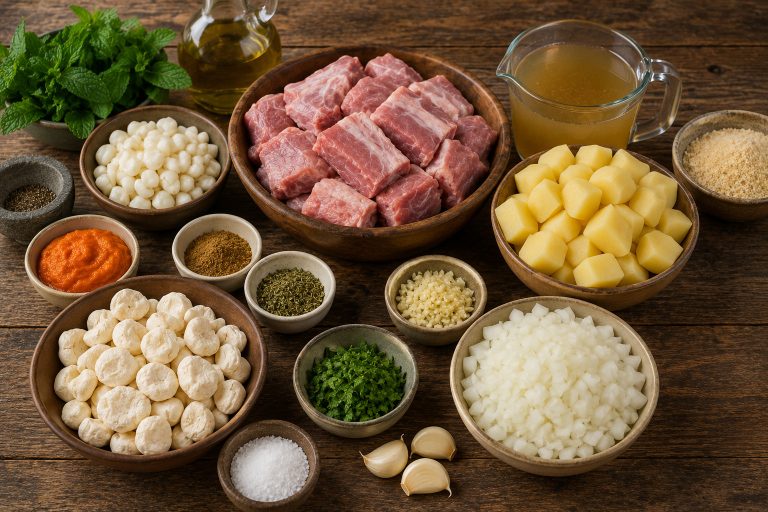
Bolivian Pork Fricassee With Homemade Chuños Recipe Ingredients
Bolivian Fricassee With Homemade Chuños Recipe Cooking Instructions
Start by soaking the chuños in several changes of water until they’re clean and soft. They’re dehydrated potatoes, so this step is non-negotiable if you want them to cook up right.
Heat a couple spoonfuls of oil in a big pot over medium heat. Toss in the pork—pork ribs or cubed pork loin work great—and fry until it’s golden brown. That caramelization? Worth waiting for.
Now, add chopped onions, garlic, cumin, oregano. Stir and sauté until the onions go translucent and the whole kitchen smells amazing. That’s your base.
Pour in broth—chicken or pork stock, whatever you have on hand—and bring it to a simmer. Add the soaked chuños and some cooked white corn (mote).
Let everything cook gently for about 1.5 hours, give or take. Check the pork; it should be tender and the flavors should come together nicely.
Dish up the fricassee in deep bowls. Figure on about 2 pieces of pork per person, 5 chuños, and a half cup of mote. It’s hearty, filling, and really hits the spot.
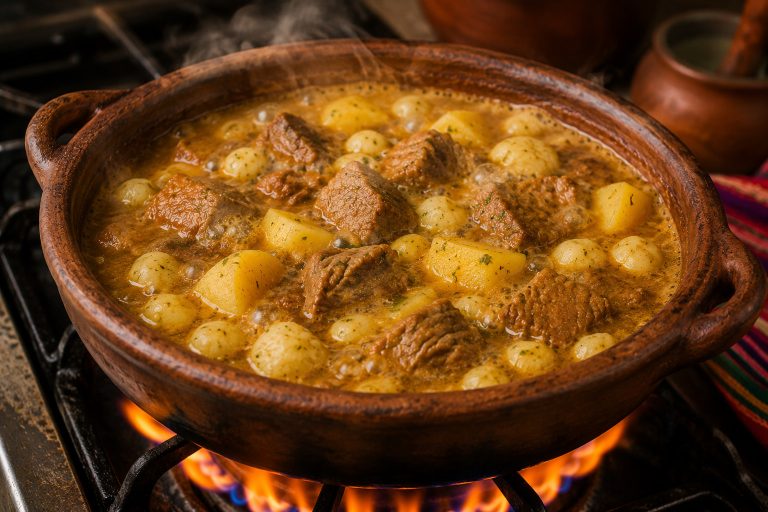
Bolivian Pork Fricassee With Homemade Chuños Recipe On the Stove
Cooking Tips
Patience really matters here. Pork needs to simmer slowly for that melt-in-your-mouth texture—usually between 1 to 2 hours. Keep the lid on, and if things start looking dry, add a splash of hot water to keep everything moist.
Chuños are essential. Soak them in several changes of water until they’re clean and soft, which helps mellow any bitterness and ensures they cook evenly. We always recommend boiling chuños separately before adding them to the stew.
If you can get your hands on fresh ají amarillo, do it—it’s the real flavor-maker. If not, a good paste or powder will work in a pinch. Bread crumbs stirred in at the end thicken the broth just enough, giving the stew a nice body without overshadowing the main ingredients.
Skip onions or tomatoes in the actual stew—fricassee is supposed to have a clear, robust broth. Stick with cumin, garlic, and a little peppermint for that classic Bolivian flavor.
For the full experience, serve fricassee with mote (peeled corn) alongside the chuños. Put the mote and chuños in the bowl first, then ladle the hot stew over. The grains soak up the broth but hold their shape—simple, but so good.
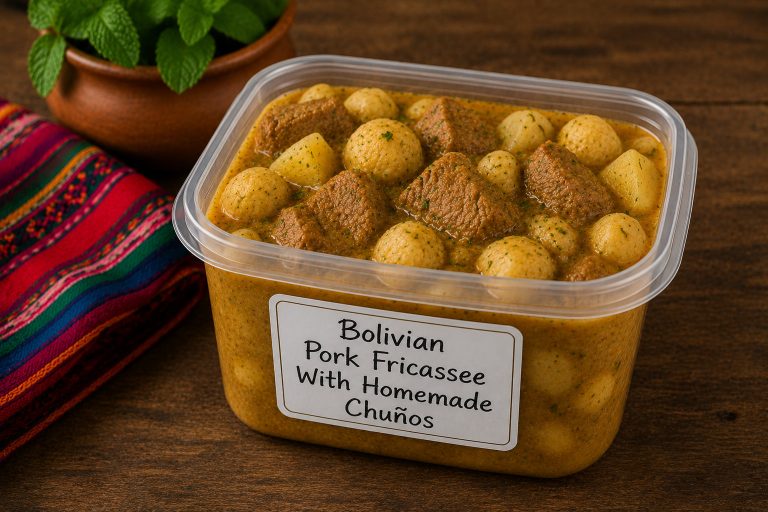
Bolivian Pork Fricassee With Homemade Chuños Recipe Storage
Bolivian Fricassee With Homemade Chuños Recipe FAQs
We’ve pulled together some practical info about the main ingredients, prep, and variations of the Bolivian Fricassee with homemade chuños. You’ll also find tips on working with chuños and some traditional ways to enjoy this hearty stew.
What ingredients are required for a traditional Bolivian Fricassee with homemade chuños?
Traditional Bolivian Fricassee with homemade chuños usually includes pork or pork ribs, hominy (white corn), chuños (freeze-dried potatoes), onions, garlic, salt, and spices. Ají amarillo or Bolivian chili peppers bring the heat. Bread crumbs help thicken the broth, and some folks add green onions and cumin.
How do you prepare chuños for the Bolivian Fricassee with homemade chuños?
Chuños need a good soak—several hours or overnight in water does the trick. After soaking, rinse them well and add them to the stew with the rest of the ingredients in the Bolivian Fricassee with homemade chuños.
Can you explain the step-by-step process of making the Bolivian Fricassee with homemade chuños?
To prepare the Bolivian Fricassee with homemade chuños, brown pork or pork ribs in oil first. Then sauté onions, garlic, cumin, and ají amarillo. Add hominy and rehydrated chuños, pour in water or broth, and let it all simmer until the meat is tender and the flavors meld. Bread crumbs can go in at the end to thicken things up.
What are some common side dishes to serve with the Bolivian Fricassee with homemade chuños?
Fresh bread is a classic—perfect for soaking up the broth in the Bolivian Fricassee with homemade chuños. Rice or a simple salad works too, but honestly, fricassee is filling enough to stand alone.
How does fricassee cochabambino differ from the regular Bolivian Fricassee with homemade chuños?
Fricassee cochabambino, the Bolivian Fricassee with homemade chuños, often swaps pork for chicken. It’s usually milder, with local herbs and a lighter, clearer broth compared to the punchier, heartier versions elsewhere.
Is there a vegetarian alternative for the Bolivian Fricassee with homemade chuños?
Absolutely! You can whip up a vegetarian Bolivian Fricassee with homemade chuños by skipping the meat and piling in extra vegetables—think potatoes, chuños, hominy, maybe some peppers for a little kick. Swap out the meat stock for a good vegetable broth. The real magic comes from the spices, and if you want to keep that hearty, thick texture, tossing in some bread crumbs does the trick. It’s surprisingly satisfying, even if you’re used to the traditional version.
Bolivian Fricassee With Homemade Chuños
Ingredients
- 2 lbs pork ribs or pork loin, cut into pieces
- 2 cups chuños chuños (freeze-dried potatoes), soaked and rinsed
- 2 cups potatoes peeled and cut into chunks
- 1 cup white corn mote (peeled white corn), cooked
- 2 tablespoons oil
- 1 large onion chopped
- 4 cloves garlic minced
- 2-3 tablespoons ají amarillo peppers paste or 2 fresh ají amarillo peppers, seeded and chopped (sub: Scotch Bonnets and Yellow Bell Peppers)
- 1 teaspoon cumin ground
- 1 teaspoon oregano dried
- Salt and black pepper to taste
- 4 cups chicken broth or pork broth
- 1/4 cup bread crumbs (optional, for thickening)
- 2 tablespoons mint fresh chopped (peppermint if possible)
Instructions
- Start by soaking the chuños in several changes of water until they’re clean and soft. They’re dehydrated potatoes, so this step is non-negotiable if you want them to cook up right.
- Heat a couple spoonfuls of oil in a big pot over medium heat. Toss in the pork—pork ribs or cubed pork loin work great—and fry until it’s golden brown. That caramelization? Worth waiting for.
- Now, add chopped onions, garlic, cumin, oregano. Stir and sauté until the onions go translucent and the whole kitchen smells amazing. That’s your base.
- Pour in broth—chicken or pork stock, whatever you have on hand—and bring it to a simmer. Add the soaked chuños and some cooked white corn (mote).
- Let everything cook gently for about 1.5 hours, give or take. Check the pork; it should be tender and the flavors should come together nicely.
- Dish up the fricassee in deep bowls. Figure on about 2 pieces of pork per person, 5 chuños, and a half cup of mote. It’s hearty, filling, and really hits the spot.
Notes

Recipes are gathered in person and written for real-world cooking conditions.
- 10 Hungarian Dessert Recipes Passed Down Through Generations - July 25, 2026
- 11 Easy English Recipes Anyone Can Make - July 25, 2026
- Hungarian Kifli Recipe - July 25, 2026