
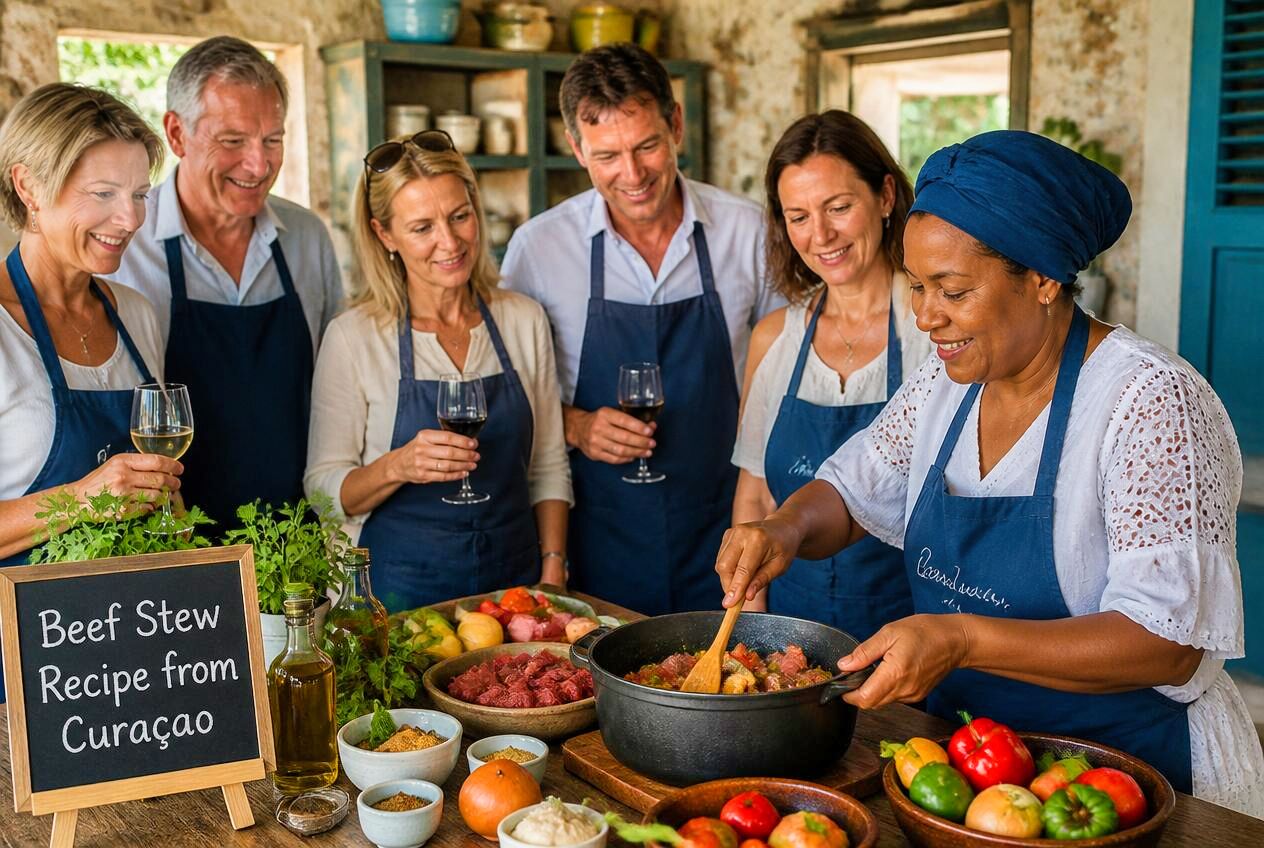
Curacao shaped this rich beef stew recipe through generations of coastal cooking and island spice. I’ve perfected this version using slow-simmered meat, local aromatics, and a touch of sour orange. You’ll find depth in every bite, and your kitchen will carry the warmth of Caribbean tradition with each pot you make.
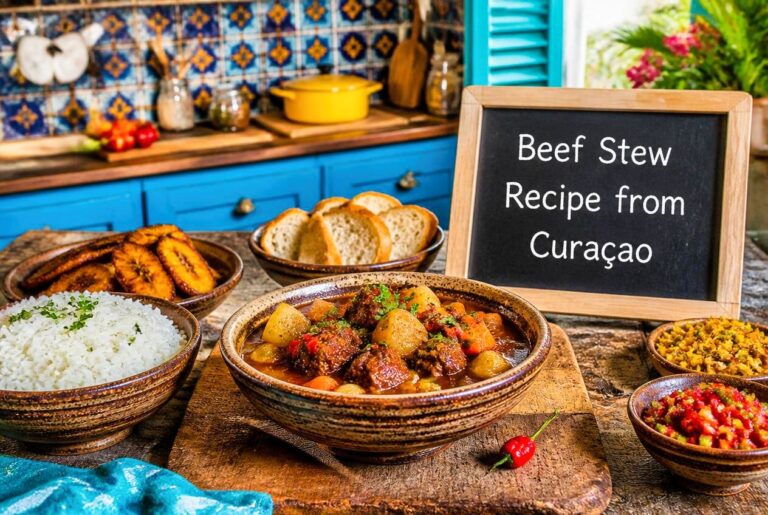
Beef Stew Recipe From Curacau
Key Takeaways:
- Beef stew from Curaçao features a rich blend of local spices like cloves, cinnamon, and bay leaf, giving it a distinct Caribbean flavor.
- The recipe often includes root vegetables such as yuca, taro, and sweet potatoes, which hold up well during long cooking.
- Many versions use dark beer or red wine to deepen the color and add complexity to the broth.
- Citrus juice, especially from bitter orange or lime, is commonly added to brighten the heavy stew.
- The beef is typically browned first to build flavor before slow simmering for several hours until tender.
- Some home cooks finish the stew with a touch of brown sugar or raisins for a hint of sweetness.
- This dish is traditionally served with funchi (cornmeal porridge) or white rice to soak up the savory sauce.
The Soul of Curacaoan Comfort Food
A Legacy in Every Bite
I’ve always believed that the best recipes carry stories, and this beef stew from Curaçao holds generations within its rich, simmering broth. You can taste the island’s history in each spoonful-centuries of Dutch, African, and Latin influences blending not by design, but by daily life. When I first learned to make this dish from my neighbor Doña Rosa, she didn’t measure ingredients. She watched the color of the onions, listened to the sizzle of the meat, and trusted her hands. That’s how tradition lives here-not in cookbooks, but in instinct.
The Rhythm of Home Cooking
Time moves differently when you’re preparing this stew. You don’t rush it. The meat needs hours to soften, to absorb the warmth of cloves, the earthiness of cumin, and the bright sting of fresh recao. I often find myself stirring the pot while the sun sets over Sint Michiel, the scent drifting through open windows, calling neighbors over without a word. This isn’t just food-it’s a ritual, a way of saying, “You belong here.”
Flavor as Identity
What sets this stew apart isn’t a secret ingredient-it’s the way the flavors are allowed to speak to one another. The sour tang of tamarind paste cuts through the richness, while a splash of local seco adds depth without overpowering. I’ve noticed that when you serve this dish, people pause. They close their eyes after the first bite. That moment tells me you’re not just feeding hunger-you’re sharing a piece of who we are.
Essential Provisions for the Pot
The Foundation: Choosing the Right Cut
I always reach for chuck roast when I’m making the beef stew recipe. It has the right balance of marbling and connective tissue that breaks down slowly, giving you tender, pull-apart pieces after hours of simmering. You might be tempted to use leaner cuts, but they’ll dry out and turn tough. Trust me-this is one dish where fat equals flavor and texture. Ask your butcher to cut it into 1.5-inch cubes, or do it yourself with a sharp knife for better control.
Aromatics That Build Depth
Onions, garlic, and bell peppers form the flavor base in my kitchen. I use yellow onions for their sweetness, green bell peppers for a slight bitterness, and plenty of minced garlic for that unmistakable warmth. I sauté them slowly in oil until they soften and just begin to caramelize. Rushing this step dulls the final taste. You’ll notice how the kitchen starts to smell rich and inviting-that’s your cue that you’re on the right track.
The Role of Seasonings and Spices
Curacao’s beef stew recipe carries a quiet heat and earthiness that comes from a few key seasonings. I use achiote paste for color and a subtle peppery note, along with dried thyme and bay leaves. A splash of dark soy sauce deepens the color and adds umami. Don’t skip the Worcestershire-it’s not traditional everywhere, but here it rounds out the savory notes. I stir these in after browning the meat so the flavors bloom in the fat.
Liquids That Bind the Stew Together
Beef broth is my go-to liquid, but I always add a bit of water to stretch it without losing taste. Some cooks use beer or even a splash of red wine, but I keep it simple. The key is to cover the meat completely once everything is in the pot. As it simmers, the liquid reduces and concentrates. You want enough volume at the start so it doesn’t cook down too fast. Check it halfway and add more if needed-your beef stew recipe shouldn’t ever scrape dry.
Vegetables That Hold Their Shape
Potatoes and carrots go in later than the meat so they don’t turn to mush. I use waxy potatoes like Yukon Gold-they keep their structure better. Carrots add sweetness and color, and I cut them slightly larger than the meat so they cook evenly. I’ve learned from experience that overcrowding the pot leads to steaming instead of browning, so I brown in batches if needed. Your patience here pays off in layers of flavor.

The Secret Alchemy of Sweet and Savory
How Sweetness Balances the Depth of Meat
I’ve always believed that the soul of a great beef stew recipe lies in its balance, and in Curacao, that balance often comes from an unexpected guest: sweetness. You might hesitate at the idea of sugar or plantains in a savory dish, but here, it’s not about dessert-like flavors-it’s about rounding out the deep, earthy tones of slow-cooked beef. When I first tasted authentic Karni Stoba, the subtle hint of caramelized notes surprised me, not because it was sweet, but because it made the meat taste richer. The natural sugars from ingredients like ripe plantain or a touch of brown sugar react with the Maillard process during browning, creating layers of flavor that salt and pepper alone can’t achieve.
The Role of Local Ingredients in Flavor Harmony
You’ll find that traditional Beef Stew Recipe / Karni Stoba relies on ingredients grown in Curacao’s sun-baked soil. The local yellow onions, for instance, are slightly sweeter than their mainland counterparts, and that small difference shifts the entire profile of the dish. I use them generously, sautéing them slowly until they melt into the base, releasing their natural sugars into the oil. Even the tomatoes, often sun-ripened and less acidic, contribute to this harmony. When you build your stew with ingredients shaped by this island’s climate, you’re not just following a recipe-you’re capturing a place in a pot.
Why Timing Transforms Taste
Timing is where the alchemy truly happens. I don’t add sweet components at the beginning or the end-I layer them. Green plantains go in early for structure and a mild starchiness, while ripe ones enter halfway through, breaking down to thicken the beef stew recipe and release their honeyed essence. This staggered approach keeps the sweetness from dominating. You’ll notice how, after hours of simmering, the sharp edges of the beef’s gaminess soften, and the broth begins to taste almost rounded, like it’s been kissed by the island breeze. That’s not magic-it’s patience, and it’s what turns a simple pot of meat and vegetables into something deeply satisfying.
Mastering the Beef Stew Recipe Slow Simmer
The Heart of Flavor Development
I’ve learned that the true depth of a Curacao-style beef stew recipe doesn’t come from a secret ingredient, but from patience. When you allow the stew to simmer slowly, the connective tissues in the meat break down gradually, transforming tough cuts into tender morsels that practically melt on the tongue. You’ll notice the broth thickens naturally as collagen dissolves, enriching the liquid with body and shine. This isn’t a process you can rush-each passing hour deepens the harmony between spices, meat, and vegetables.
Temperature Control for Consistent Results
You want the pot to maintain a gentle bubble, not a rolling boil. I keep my stove set just above the lowest heat, where I can see a few lazy bubbles breaking the surface every few seconds. Too high, and the meat becomes stringy; too low, and the flavors won’t meld properly. A heavy pot with a tight-fitting lid helps maintain even heat distribution, especially if you’re using a traditional Dutch oven. This kind of control turns what could be a simple cook into a refined technique.
Adapting the Method for Modern Kitchens
While I often use the stovetop for full control, I also appreciate the convenience of modern appliances. If you’re short on time or want a hands-off approach, a slow-cooker version delivers excellent results with minimal effort. I recommend trying this Slow-cooker Caribbean Beef Stew – The Amiable Cooks for a reliable adaptation that preserves the essence of the dish. The long, low cooking time still allows the flavors to develop fully, and you can come home to a kitchen filled with that rich, spiced aroma.
Knowing When It’s Done
There’s no strict timeline-your Curacow beef stew recipe is ready when the meat pulls apart with a fork and the sauce clings luxuriously to each piece. I check this by lifting a chunk of beef and testing its resistance. When it yields without effort, and the carrots and potatoes are soft but not disintegrated, it’s time. Don’t rely solely on the clock; trust your senses. The stew should smell deep and layered, with the sharpness of onions and peppers mellowed into something warm and rounded.
Traditional Accompaniments and Pairings
What to Serve with Your Beef Stew Recipe Stew
I’ve always believed a great beef beef stew recipe deserves sides that honor its depth without overpowering it. In Curacao, we often serve our stew over a bed of white rice, letting the rich, spiced gravy soak into each grain. The rice acts as a quiet partner, balancing the boldness of the meat and vegetables. You might also try it with funchi, a cornmeal-based staple similar to polenta, which adds a subtle sweetness and firm texture that holds up beautifully under the sauce.
Bread and A Beef Stew Recipe : A Natural Pairing
Bread appears at nearly every meal in my home, and this stew is no exception. A warm slice of pan bati, our local flatbread, is perfect for mopping up the last drops of sauce from your plate. Its slightly dense crumb soaks in flavor without falling apart. If you don’t have access to pan bati, a rustic baguette or even toasted arepa halves work well. You’ll find that the right bread turns leftovers into something just as satisfying as the first serving.
Drinks That Complement the Dish
A glass of dry red wine, like a Tempranillo or Malbec, enhances the savory notes in the beef stew recipe without dominating the palate. I prefer mine at just below room temperature, especially on cooler evenings. For those who don’t drink alcohol, a chilled ginger beer with a squeeze of lime brings a bright contrast to the warmth of the spices. You’ll notice how the slight fizz and spice in the drink echo the cumin and cloves in the stew, creating a harmony you didn’t know you needed.
Troubleshooting the Stew
My beef stew recipe is too watery
I’ve had this happen more times than I care to admit, especially when I’m eager to serve and skip the final simmer. If your beef stew recipe looks more like soup, don’t worry-this is easy to fix. I always recommend letting it cook uncovered for an extra 15 to 20 minutes to allow the liquid to reduce. You can also mix a teaspoon of cornstarch with a little cold water and stir it in, then let it thicken over medium heat. Just be sure to stir constantly so it doesn’t form lumps.
The meat turned out tough
You likely didn’t cook it long enough. Beef stew recipe meat comes from tougher cuts, and those need time to break down. I’ve learned that low and slow is the only way to go-rushing with high heat only makes it chewy. If you’re using a Dutch oven, plan for at least two and a half hours. I check for doneness by poking the meat with a fork; it should pull apart easily. If it doesn’t, keep simmering and check every 20 minutes.
My vegetables are mushy
This usually means they’ve been in the pot too long. Root vegetables like potatoes and carrots hold up well, but they still dissolve into nothing if left too long. I now add them about 45 minutes before the stew finishes, especially if they’re cut into smaller pieces. If you’re using softer vegetables like zucchini or green beans, I suggest adding them in the last 15 minutes. Timing makes all the difference.
The stew tastes bland
Salt is often the missing piece, but don’t just dump it in. I taste the broth first, then adjust gradually. Sometimes, the depth of flavor needs a boost from a splash of dark beer or a spoon of tomato paste browned in oil before adding liquids. I also never skip the step of searing the meat well-that fond at the bottom of the pot is flavor gold. Deglaze with broth or wine and scrape it up; that’s where much of the taste comes from.
Drawing together the rich flavors of Curacao’s culinary heritage, I’ve shared a beef stew recipe that balances tradition and depth. You’ll find warmth in every bite, from the slow-simmered meat to the aromatic blend of local spices. This dish reflects how culture shapes food-simple ingredients, thoughtful technique, and time transform into something deeply satisfying.
I encourage you to honor the method: brown the beef well, let the stew simmer patiently, and adjust seasonings to suit your taste. Your kitchen will carry the scent of Caribbean comfort, and your table will hold a meal rooted in history and heart.

Beef Stew Recipe From Curacau Cooking Tips
Beef Stew Recipe from Curaçao Cooking Tips
• Curaçao Beef Stew is a hearty Caribbean comfort dish featuring slow-cooked beef, vegetables, herbs, and rich island seasonings.
• Beef chuck, stew meat, or shank are excellent choices because they become tender during long cooking.
• Bone-in cuts can add extra flavor and richness to the stew.
• Marinate the beef with garlic, lime juice, onions, and herbs before cooking for deeper flavor.
• Fresh thyme is one of the most commonly used herbs in Curaçao cooking.
• Bell peppers, celery, and tomatoes provide a flavorful aromatic base.
• Scotch bonnet pepper may be added for authentic Caribbean heat, adjusting the amount to suit taste.
• Brown the beef thoroughly before adding liquid to develop a rich color and complex flavor.
• Do not overcrowd the pot while browning, as this can prevent proper caramelization.
• Use beef stock or broth instead of water whenever possible for a richer stew.
• Potatoes, carrots, yams, sweet potatoes, or plantains are frequently added for substance.
• Simmer the stew slowly over low heat to allow the meat to become fork-tender.
• Stir occasionally to prevent sticking and ensure even cooking.
• Remove excess fat from the surface if desired during cooking.
• Taste and adjust seasonings near the end of cooking.
• The finished stew should have a thick, flavorful gravy-like consistency.
• Properly prepared Curaçao beef stew should be rich, savory, tender, and deeply satisfying.
• Serve hot with rice, funchi, mashed root vegetables, or fresh bread.
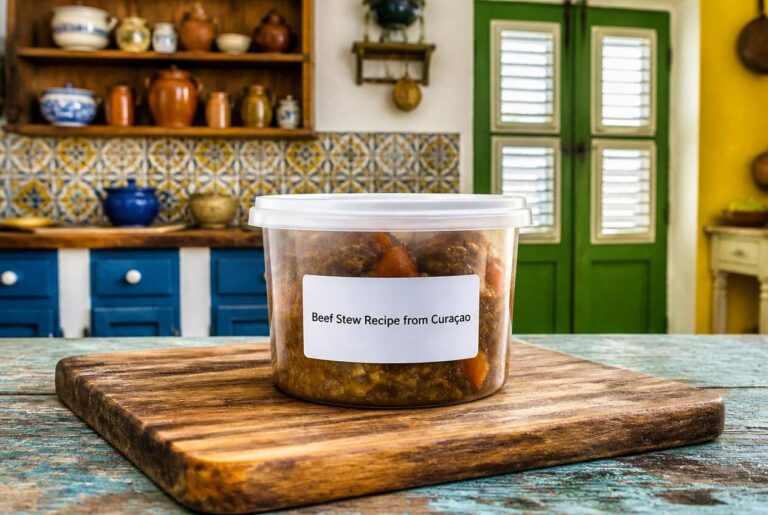
Beef Stew Recipe From Curacau Storage Tips
Beef Stew Storage Tips
• Allow the stew to cool before transferring it into storage containers.
• Store refrigerated in airtight containers to maintain freshness and flavor.
• Keep the beef covered with its cooking liquid to help preserve moisture.
• Refrigeration often improves flavor as the ingredients continue to blend together.
• The stew may thicken during storage as vegetables and meat absorb liquid.
• Stir thoroughly before reheating.
• Add a small amount of broth or water if the stew becomes thicker than desired.
• Reheat gently on the stovetop or in the microwave until thoroughly heated.
• Avoid repeated reheating cycles, which can affect the texture of the meat.
• Store side dishes such as rice or funchi separately when practical.
• Individual portions can be stored for convenient meals.
• Freeze portions in airtight freezer-safe containers if desired.
• Leave some expansion space when freezing liquids.
• Wrap tightly to help prevent freezer burn and preserve quality.
• Defrost frozen stew gradually in the refrigerator before reheating.
• Beef stew generally freezes very well and retains much of its flavor after thawing.
• Use clean utensils when serving leftovers to help maintain freshness.
• Check for signs of spoilage such as sour odors, mold, unusual discoloration, or texture changes before consuming leftovers.
• For best quality, enjoy refrigerated and frozen portions while the beef remains tender and the stew retains its rich Caribbean flavor.

Beef Stew Recipe from Curacao
Ingredients
- 2 lbs beef chuck cut into 1-inch cubes
- 2 tbsp olive oil
- 1 large yellow onion finely chopped
- 4 cloves garlic minced
- 1 large red bell pepper diced
- 1 large green bell pepper diced
- 2 medium tomatoes peeled and chopped
- 2 tbsp tomato paste
- 1 Scotch bonnet pepper whole (remove before serving)
- 1/2 cup wine dry white
- 2 cups beef stock
- 2 tbsp Worcestershire sauce
- 1 tbsp soy sauce
- 1 tsp allspice ground
- 1 tsp cumin ground
- 1/2 tsp black pepper freshly ground
- 2 bay leaves
- 1/2 cup cilantro chopped (plus extra for garnish)
- Salt to taste
Instructions
- Place the beef cubes in a large mixing bowl.
- Add the Worcestershire sauce, soy sauce, ground allspice, ground cumin, black pepper, and a generous pinch of salt.
- Mix thoroughly until all of the beef is evenly coated with the seasonings.
- Cover the bowl and refrigerate for at least 1 hour, or preferably overnight for a deeper, richer flavor.
- When ready to cook, remove the beef from the refrigerator and allow it to sit at room temperature for about 20 minutes.
- Heat the olive oil in a large heavy-bottomed pot or Dutch oven over medium-high heat.
- Working in batches, add the beef cubes in a single layer.
- Brown the meat on all sides, allowing approximately 2 to 3 minutes per batch.
- Avoid overcrowding the pot, as this can cause the meat to steam instead of brown.
- Transfer each batch of browned beef to a plate and continue until all of the meat has been browned.
- The caramelization developed during this step adds significant depth to the finished stew.
- Reduce the heat to medium.
- Add the chopped onion to the same pot and cook for 3 to 4 minutes, stirring occasionally.
- As the onion softens, scrape up the browned bits from the bottom of the pot.
- These flavorful bits help enrich the sauce.
- Add the minced garlic and cook for 1 minute, stirring constantly to prevent burning.
- Add the diced red and green bell peppers and continue cooking for another 3 to 4 minutes, until they begin to soften.
- Stir in the chopped tomatoes and tomato paste.
- Mix thoroughly and cook for 2 to 3 minutes, allowing the tomatoes to soften and the tomato paste to deepen in color.
- This step develops a richer, more concentrated tomato flavor.
- Deglaze and Build the Stew
- Return the browned beef and any accumulated juices to the pot.
- Pour in the dry white wine and allow it to simmer for approximately 2 minutes.
- Stir well while scraping the bottom of the pot to loosen any remaining browned bits.
- Add the beef stock, bay leaves, and the whole Scotch bonnet pepper.
- Stir everything together until well combined.
- Bring the stew to a gentle boil.
- Once boiling, reduce the heat to low and cover the pot.
- Allow the stew to simmer slowly for 2 to 2½ hours, stirring occasionally.
- During this time, the beef will gradually become fork-tender while the sauce reduces and thickens.
- The Scotch bonnet pepper will gently infuse the stew with flavor and mild heat without overwhelming the dish, provided it remains whole.
- If the stew becomes too thick during cooking, add a small amount of additional stock or water as needed.
- Approximately 15 minutes before the stew is finished, stir in the chopped cilantro.
- Allow it to simmer briefly so the herb flavor becomes incorporated into the sauce.
- Taste the stew and adjust the seasoning with additional salt if needed.
- Remove and discard the Scotch bonnet pepper and bay leaves.
- Rest Before Serving
- Once fully cooked, remove the pot from the heat.
- Allow the Karni Stoba to rest for 10 minutes before serving.
- This short resting period helps the flavors settle and allows the sauce to thicken slightly.
- Ladle the stew into warm serving bowls.
- Garnish with additional chopped cilantro just before serving.
- Karni Stoba pairs beautifully with steamed rice, funchi, mashed potatoes, boiled root vegetables, or crusty bread.
- Karni Stoba is a beloved Caribbean beef stew known for its rich, slow-cooked flavor and exceptionally tender meat. The combination of Worcestershire sauce, soy sauce, peppers, tomatoes, herbs, and spices creates a deeply savory sauce with layers of complexity.
- Slow simmering transforms simple ingredients into a comforting, hearty meal that reflects the warmth and culinary traditions of the Dutch Caribbean. Rich, aromatic, and satisfying, Karni Stoba is the perfect dish for family dinners and special gatherings alike.
Beef Stew Recipe from Curaçao Frequently Asked Questions
Q: What Are Beef Stew Recipes from Curaçao, and how is it different from other beef stews?
A: Beef Stew from Curaçao, known locally as “Sopi di Kabi,” is a hearty, slow-cooked dish rooted in the island’s Afro-Caribbean and Dutch-influenced cuisine. Unlike traditional European beef stews, it features a rich blend of local spices like cloves, cinnamon, and bay leaf, along with tomato paste, bell peppers, and onions. The meat is often marinated in vinegar and citrus, giving it a tangy depth. It’s typically served with funchi (cornmeal porridge) or rice, making it a centerpiece of home cooking on the island.
Q: What cut of beef works best for Curaçao Beef Stew Recipe?
A: Chuck roast or beef shoulder is ideal for this stew because it holds up well during long cooking and becomes tender as the collagen breaks down. These cuts have enough marbling to keep the meat flavorful and moist. Some cooks also use bone-in pieces for added richness in the broth. The beef is usually cut into large cubes to prevent overcooking and maintain texture.
Q: Can I make the Curaçao Beef Stew Recipe without a pressure cooker?
A: Yes, you can prepare it using a heavy pot or Dutch oven on the stovetop. After browning the meat and sautéing the vegetables, add the liquids and spices, bring to a simmer, then cover and cook on low heat for 2 to 3 hours. Stir occasionally and check for tenderness. The stew is ready when the meat pulls apart easily with a fork. A slow cooker also works well for hands-off cooking over 6 to 8 hours.
Q: Are there any traditional ingredients I shouldn’t skip?
A: Key ingredients include tomato paste, which gives the stew its deep red color and savory base, and a mix of bell peppers-red, green, and yellow-for sweetness and aroma. Fresh thyme, bay leaves, and whole cloves add authentic flavor. Many recipes call for a splash of dark soy sauce for color and umami. The vinegar-based marinade for the beef is also necessary, as it tenderizes the meat and adds a subtle tang unique to Curaçaoan cooking.
Q: How Are Curaçao Beef Stew traditionally served?
A: The stew is most commonly served with funchi, a stiff polenta-like side made from cornmeal, which balances the rich sauce. Some families serve it with white rice or boiled plantains. It’s often accompanied by a simple green salad or pickled onions for brightness. Leftovers are popular the next day, as the flavors deepen after resting overnight in the refrigerator.

Recipes are gathered in person and written for real-world cooking conditions.
- 10 Hungarian Dessert Recipes Passed Down Through Generations - July 25, 2026
- 11 Easy English Recipes Anyone Can Make - July 25, 2026
- Hungarian Kifli Recipe - July 25, 2026