
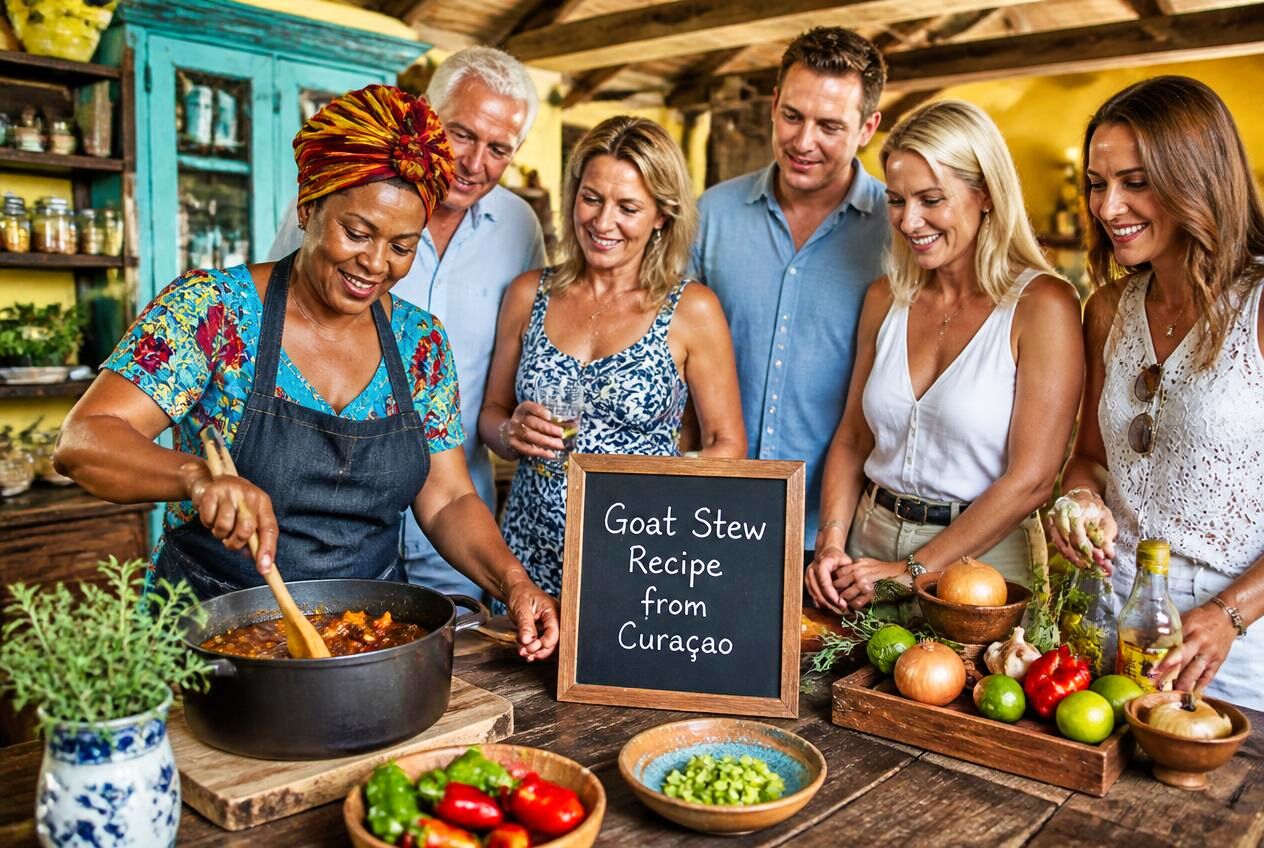
A Goat Stew Recipe from Curacao is one of the most beloved traditional dishes found on the island. Rich, hearty, and deeply rooted in Caribbean culture, goat stew has been a staple of Curacaoan cuisine for generations. Known locally for its bold flavors and slow-cooked tenderness, this dish reflects the island’s unique blend of African, European, Latin American, and Caribbean culinary influences.
For many residents of Curacao, goat stew is more than simply a meal. It is a dish often associated with family gatherings, holidays, celebrations, and Sunday dinners. The comforting aroma that fills the kitchen during the cooking process evokes memories of home and tradition, making the Goat Stew Recipe from Curacao an important part of the island’s food heritage.
Visitors exploring Curacao’s culinary scene quickly discover that local cuisine extends far beyond seafood. While fresh fish and shellfish receive much attention, hearty meat dishes such as a Goat Stew Recipe from Curacao showcase another side of the island’s gastronomic identity. The dish highlights the resourcefulness of Caribbean cooking, where slow cooking techniques transform humble ingredients into flavorful and satisfying meals.
Today, the Goat Stew Recipe from Curacao remains popular in homes, restaurants, and local eateries throughout the island. It represents comfort food at its finest while serving as a reminder of Curacao’s rich multicultural history.
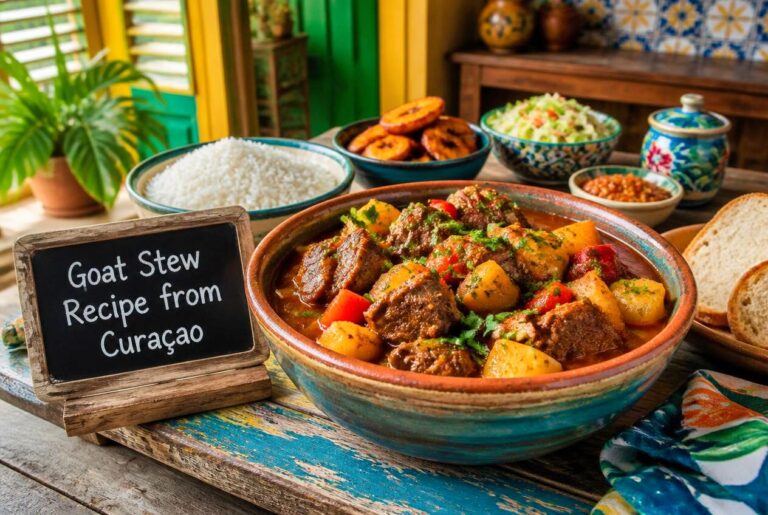
Goat Stew Recipe from Curaçao
Description and Historical Information
The history of the Goat Stew Recipe from Curacao is closely tied to the island’s agricultural traditions and cultural diversity. Goats have long been well-suited to the dry climate of Curacao, making them an important livestock animal throughout the island’s history. As a result, goat meat became a common protein source for many families.
Curacao’s cuisine evolved through centuries of cultural exchange. African cooking techniques, Dutch colonial influences, Spanish and Portuguese traditions, and neighboring Caribbean flavors all contributed to the development of local dishes. The Goat Stew Recipe from Curacao is an excellent example of this culinary fusion.
Historically, slow-cooked stews were practical meals because they allowed cooks to tenderize tougher cuts of meat while creating deeply developed flavors. These dishes could feed large families and were often prepared in large pots over extended periods. Over time, each household developed its own version of the Goat Stew Recipe from Curacao, passing recipes down through generations.
The dish is often compared to other Caribbean goat stews, but Curacao’s version has its own distinctive character. Local seasonings, regional ingredients, and Dutch Caribbean culinary traditions help distinguish it from similar dishes found on neighboring islands.
The popularity of the Goat Stew Recipe from Curacao also reflects the island’s emphasis on communal dining. Large gatherings often feature hearty dishes designed for sharing, and goat stew fits perfectly into that tradition. Whether served during special celebrations or everyday meals, it remains a symbol of hospitality and family connection.
In many households, preparing a Goat Stew Recipe from Curacao is viewed as a labor of love. The long cooking process encourages patience, while the finished dish rewards that patience with rich flavors and tender meat.
As tourism has grown on the island, more visitors have sought authentic local food experiences. This has helped introduce the Goat Stew Recipe from Curacao to a wider audience, making it one of the most recognized traditional dishes associated with Curacaoan cuisine.
Chef’s Tips
One of the most important factors in creating an authentic Goat Stew Recipe from Curacao is understanding the nature of goat meat itself. Goat is leaner than beef and develops its best flavor through slow cooking methods that allow connective tissues to break down gradually.
Patience is essential. The hallmark of an exceptional Goat Stew Recipe from Curacao is tender meat that absorbs the surrounding flavors while maintaining its natural richness. Rushing the process can result in a tougher texture and less developed flavor.
Seasoning plays a crucial role in the final result. Caribbean cuisine is known for bold flavors, but balance remains important. The best versions of a Goat Stew Recipe from Curacao allow the flavor of the meat to remain central while complementary spices and aromatics enhance the overall profile.
Many experienced cooks recommend preparing the dish a day ahead. Like many traditional stews, the flavors often deepen and become even more harmonious after resting overnight. This is one reason a Goat Stew Recipe from Curacao is frequently served at gatherings and celebrations.
Texture is another consideration. A well-executed stew should achieve a rich consistency without becoming overly thick or heavy. The broth should be flavorful enough to stand on its own while still supporting the meat and accompanying ingredients.
Serving temperature matters as well. A Goat Stew Recipe from Curacao is best enjoyed hot, allowing its rich aromas and comforting qualities to shine. This warmth contributes significantly to the dish’s reputation as one of the island’s ultimate comfort foods.
Make-Ahead Instructions
A Goat Stew Recipe from Curacao is particularly well-suited for advance preparation. In fact, many cooks believe the dish improves when prepared ahead of time.
One advantage is that the flavors continue to develop as the stew rests. Allowing the dish to cool and then reheating it later often results in a richer and more cohesive flavor profile. This makes the Goat Stew Recipe from Curacao an excellent choice for entertaining.
Meal planners appreciate that the stew stores well in the refrigerator. Because it is a hearty dish, it can be prepared in larger quantities and enjoyed over several days. Many families intentionally make extra portions for this reason.
The stew can also be frozen successfully. This makes a Goat Stew Recipe from Curacao ideal for batch cooking, allowing busy households to enjoy a traditional meal without needing to cook from scratch every time.
For gatherings and celebrations, much of the preparation can be completed in advance. This allows hosts to focus on guests rather than spending the entire event in the kitchen.
Another benefit of making a Goat Stew Recipe from Curacao ahead of time is the ease of serving. Once reheated, the dish can often be brought directly to the table, creating a relaxed and communal dining experience.
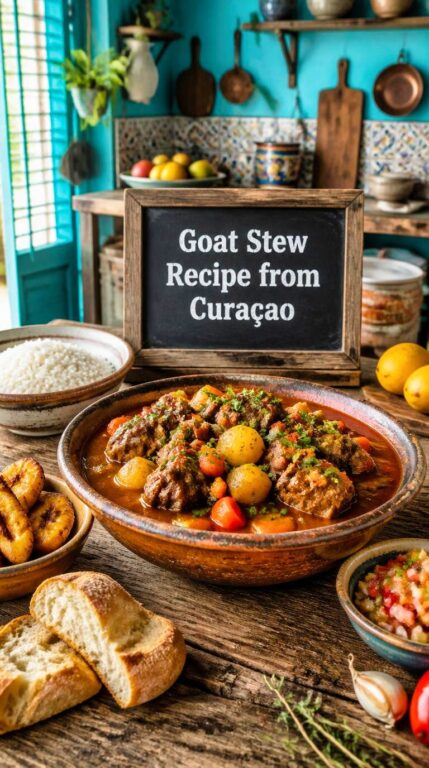
Variations
Like many traditional dishes, the Goat Stew Recipe from Curacao has evolved over time. Different families and regions may prepare it in slightly different ways while maintaining the essence of the dish.
Some variations emphasize stronger Caribbean spice profiles, creating a bolder flavor experience. Others focus on a milder approach that highlights the natural richness of the goat meat.
Certain versions of the Goat Stew Recipe from Curacao incorporate additional vegetables to create a heartier one-pot meal. These variations are especially popular for family dinners because they offer a complete dining experience in a single dish.
Modern interpretations sometimes introduce international influences while maintaining traditional roots. Contemporary chefs may add unique ingredients or presentation styles, but the slow-cooked character of the stew remains central.
Some cooks create a thicker version of the stew, while others prefer a more broth-like consistency. Both approaches can be authentic depending on family tradition and personal preference.
Holiday versions of a Goat Stew Recipe from Curacao may feature richer flavors and more elaborate accompaniments, reflecting the importance of the dish during celebrations and special occasions.
Despite these differences, every variation shares the qualities that make a Goat Stew Recipe from Curacao so beloved: warmth, comfort, and deeply developed flavor.
Related Recipes
Readers who enjoy a Goat Stew Recipe from Curacao may also appreciate other traditional Caribbean comfort foods.
Caribbean Beef Stew
This dish shares the slow-cooked nature of goat stew while offering a slightly different flavor profile. It is popular throughout many Caribbean islands and often appears at family gatherings.
Oxtail Stew
Known for its rich flavor and tender texture, oxtail stew is another beloved Caribbean dish that emphasizes patience and slow cooking.
Curacao Chicken Stew
A lighter alternative that still captures many of the comforting qualities associated with traditional island stews.
Caribbean Fish Stew
This seafood-based option showcases the coastal influences found throughout the region while maintaining the hearty characteristics of stew cooking.
Jamaican Curry Goat
One of the Caribbean’s most famous goat dishes, curry goat offers a fascinating comparison to the Goat Stew Recipe from Curacao and highlights how different islands approach similar ingredients.
Caribbean Pepper Pot
A traditional stew known for its bold flavors and historical significance throughout the region.
Each of these dishes reflects the Caribbean tradition of transforming simple ingredients into memorable meals through slow cooking and careful seasoning.
Recipe Comparison
The Goat Stew Recipe from Curacao stands out among Caribbean stews for several reasons.
Goat Stew Recipe from Curacao vs Jamaican Curry Goat
Although both feature goat meat, the overall flavor profiles differ significantly.
Jamaican curry goat places strong emphasis on curry spices, creating a bold and aromatic dish. A Goat Stew Recipe from Curacao often focuses more on the natural richness of the meat while incorporating a broader range of seasonings.
Goat Stew Recipe from Curacao vs Caribbean Beef Stew
Beef stew generally has a richer, heavier texture due to the characteristics of the meat. Goat stew is often leaner while still delivering substantial flavor.
Many people find that a Goat Stew Recipe from Curacao offers a more distinctive taste compared to traditional beef stew, making it a memorable culinary experience.
Goat Stew Recipe from Curacao vs Oxtail Stew
Oxtail stew is known for its richness and gelatinous texture. Goat stew tends to be lighter while still providing deep, satisfying flavors.
Those seeking a hearty meal without excessive heaviness often prefer a Goat Stew Recipe from Curacao.
Goat Stew Recipe from Curacao vs Chicken Stew
Chicken stew cooks more quickly and offers a milder flavor profile. Goat stew requires greater patience but rewards that patience with more complex and developed flavors.
Why Goat Stew Stands Out
The defining characteristic of a Goat Stew Recipe from Curacao is its ability to balance richness with subtlety. It delivers comfort and depth without becoming overwhelming, making it a favorite among both locals and visitors.
Its cultural significance also sets it apart. The dish serves as a reflection of Curacao’s history, traditions, and community-centered approach to food.

Goat Stew Recipe from Curaçao Cooking Tips
Goat Stew Recipe from Curaçao Cooking Tips
• Goat Stew is a cherished dish in Curaçaoan cuisine, valued for its rich flavor, tender meat, and slow-cooked depth.
• Bone-in goat meat is often preferred because it adds extra flavor and richness to the stew.
• Fresh goat meat should be trimmed of excess fat while retaining enough for flavor.
• Marinating the meat before cooking helps tenderize it and enhances the seasoning.
• Lime juice, vinegar, garlic, and local herbs are commonly used in traditional marinades.
• Onions, bell peppers, celery, and tomatoes provide the aromatic foundation of the stew.
• Fresh thyme is a classic Caribbean seasoning that complements goat meat exceptionally well.
• Scotch bonnet pepper may be added for authentic island heat, adjusting the quantity to taste.
• Brown the meat thoroughly before stewing to develop a deeper, richer flavor.
• Browning also helps create a more complex and flavorful sauce.
• Add stock, broth, or water gradually to maintain a rich consistency.
• Slow simmering is essential for achieving tender goat meat.
• Cook gently until the meat becomes fork-tender and easily separates from the bone.
• Potatoes, carrots, plantains, or other root vegetables may be added to create a heartier meal.
• Stir occasionally to prevent sticking and ensure even cooking.
• Taste and adjust seasonings near the end of cooking.
• The flavor should balance savory meat, aromatic vegetables, herbs, and gentle Caribbean spices.
• Properly prepared Curaçao goat stew should be rich, tender, and deeply satisfying.
• Serve hot with rice, funchi, plantains, or traditional island side dishes.
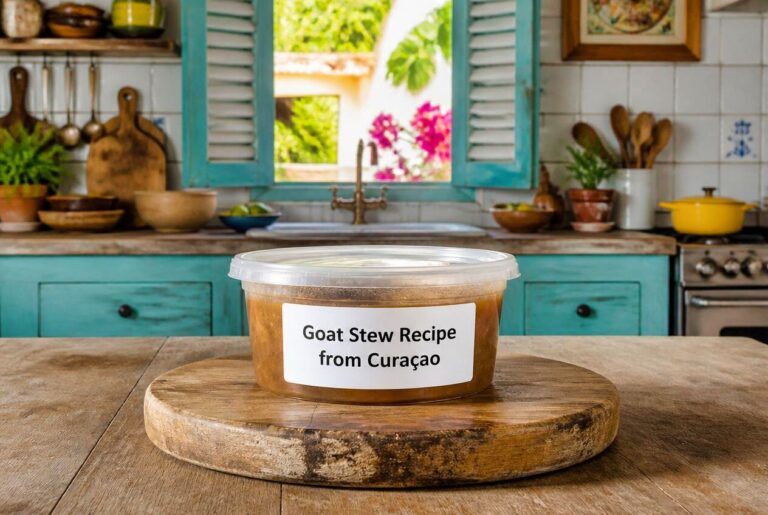
Goat Stew Recipe from Curaçao Storage Tips
Goat Stew Recipe Storage Tips
• Allow the stew to cool before transferring it into storage containers.
• Store refrigerated in airtight containers to preserve freshness and flavor.
• Keep the meat covered with its cooking liquid whenever possible to help retain moisture.
• Refrigeration often improves flavor as the herbs, vegetables, and meat continue to meld together.
• The stew may become slightly thicker during storage as ingredients absorb liquid.
• Stir thoroughly before reheating to redistribute ingredients evenly.
• Add a small amount of broth or water if the stew becomes too thick.
• Reheat gently on the stovetop or in the microwave until thoroughly heated.
• Store rice, funchi, and side dishes separately when practical.
• Individual portions can be stored for convenient meals.
• Freeze portions in airtight freezer-safe containers if desired.
• Leave a small amount of expansion space when freezing liquids.
• Wrap tightly to help prevent freezer burn and preserve quality.
• Defrost frozen portions gradually in the refrigerator before reheating.
• Goat stew generally freezes very well and retains much of its flavor after thawing.
• Use clean utensils when serving leftovers to help maintain freshness.
• Check for signs of spoilage such as sour odors, mold, unusual discoloration, or texture changes before consuming leftovers.
• For best quality, enjoy refrigerated and frozen portions while the meat remains tender and the stew retains its rich Caribbean flavor.
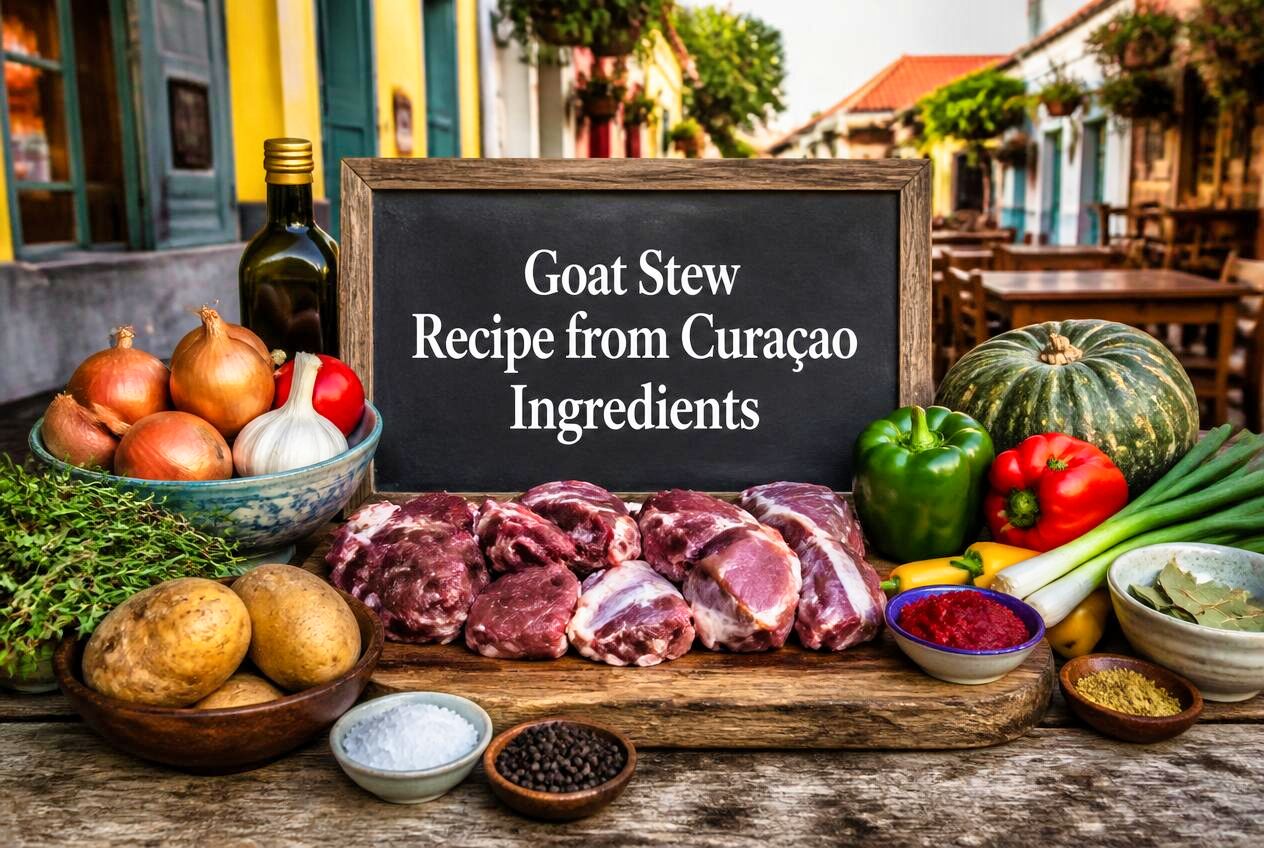
Goat Stew Recipe from Curacao
Ingredients
- 2 lbs goat cut into 2-inch cubes
- 2 tbsp olive oil
- 1 large onion finely chopped
- 4 cloves garlic minced
- 1 Scotch bonnet pepper seeded and finely chopped
- 1 large tomato diced
- 2 tbsp tomato paste
- 1 red bell pepper diced
- 2 tbsp Worcestershire sauce
- 1 tbsp soy sauce
- 1 tsp allspice ground
- 1 tsp cumin ground
- 1 tsp thyme dried
- 1 bay leaf
- 1 cup beef stock
- 1/2 cup wine dry white
- 1 tbsp brown sugar
- Salt and freshly ground black pepper to taste
- Juice of 1 lime
- 2 tbsp fresh parsley finely chopped (for garnish)
Instructions
- Place the goat meat cubes in a large mixing bowl.
- Squeeze the juice of one lime over the meat, then add the soy sauce, Worcestershire sauce, ground allspice, ground cumin, dried thyme, brown sugar, salt, and freshly ground black pepper.
- Mix thoroughly until all of the meat is evenly coated with the marinade.
- Cover the bowl and refrigerate for at least 2 hours, although marinating overnight will produce the most flavorful and tender results.
- When ready to cook, remove the meat from the refrigerator and allow it to sit at room temperature for about 30 minutes. This helps the meat cook more evenly.
- Heat the olive oil in a large heavy-bottomed pot or Dutch oven over medium-high heat.
- Working in batches to avoid overcrowding the pot, add the goat meat and brown it on all sides.
- Allow approximately 2 to 3 minutes per batch, turning the pieces as needed to develop a rich, deep color.
- Browning the meat creates layers of flavor that will enrich the finished stew.
- Transfer each browned batch to a plate and set aside.
- Build the Flavor Base
- Using the same pot, add the chopped onion and cook for 3 to 4 minutes, stirring occasionally.
- As the onion softens, scrape up any browned bits from the bottom of the pot. These caramelized bits add tremendous flavor to the stew.
- Add the garlic, Scotch bonnet pepper, and red bell pepper.
- Continue cooking for another 2 minutes, stirring frequently until fragrant.
- Stir in the diced tomato and tomato paste.
- Cook for 2 to 3 minutes, allowing the tomatoes to soften and the tomato paste to darken slightly.
- This brief caramelization deepens the flavor and adds richness to the finished sauce.
- Return the browned goat meat and any accumulated juices to the pot.
- Add the bay leaf, beef stock, and dry white wine.
- Stir well to combine all of the ingredients and distribute the seasonings evenly throughout the pot.
- Bring the mixture to a gentle boil.
- Once the stew reaches a boil, reduce the heat to low.
- Cover the pot and allow the stew to simmer gently for approximately 2 to 2½ hours.
- Stir occasionally throughout the cooking process to prevent sticking and ensure even cooking.
- As the stew simmers, the goat meat will gradually become tender while the cooking liquid reduces into a rich, flavorful sauce.
- The finished meat should be fork-tender and the sauce should have a thick, stew-like consistency.
- If necessary, add a splash of beef stock or water during cooking to maintain the desired consistency.
- Once the meat is fully tender, taste the stew.
- Adjust the seasoning with additional salt and freshly ground black pepper as needed.
- If the sauce has become thicker than desired, stir in a small amount of stock or water until you achieve the consistency you prefer.
- Remove and discard the bay leaf before serving.
- Ladle the Kabritu Stoba into warm serving bowls.
- Finish each serving with a generous sprinkle of freshly chopped parsley.
- Serve hot alongside white rice, funchi, mashed potatoes, fried plantains, or crusty bread to soak up the rich sauce.
- Kabritu Stoba is a beloved Caribbean goat stew known for its deep, complex flavor and incredibly tender meat. The combination of lime, herbs, spices, Worcestershire sauce, and slow simmering creates a rich, savory dish that is both hearty and comforting.
- Traditionally enjoyed throughout the Dutch Caribbean islands, this stew showcases how simple ingredients and patient cooking can transform goat meat into an exceptionally flavorful meal. Rich, aromatic, and deeply satisfying, Kabritu Stoba is a true celebration of Caribbean home cooking.
Frequently Asked Questions
1. What does goat stew from Curacao taste like?
A Goat Stew Recipe from Curacao typically has a rich, savory flavor with tender meat and deeply developed seasonings. The taste is hearty and comforting while remaining balanced.
2. Is goat meat commonly eaten in Curacao?
Yes. Goat meat has long been part of Curacao’s culinary traditions and remains an important ingredient in many local dishes.
3. Why is goat stew considered a traditional Curacao dish?
The dish reflects the island’s agricultural history, multicultural influences, and long-standing tradition of communal meals and family gatherings.
4. What side dishes are commonly served with goat stew?
A Goat Stew Recipe from Curacao is often paired with rice, local starches, vegetables, and traditional island side dishes that complement its rich flavors.
5. Can goat stew be made in advance?
Absolutely. Many cooks believe a Goat Stew Recipe from Curacao tastes even better the next day because the flavors have additional time to develop.
Final Thoughts
The Goat Stew Recipe from Curacao remains one of the island’s most cherished comfort foods. Rich in history, culture, and flavor, it represents the very best of Curacaoan home cooking.
More than just a meal, a Goat Stew Recipe from Curacao tells the story of generations of families who gathered around the table to share food, conversation, and tradition. Its enduring popularity speaks to the power of simple ingredients transformed through patience and care.
Whether discovered during a visit to Curacao or recreated at home, the Goat Stew Recipe from Curacao offers a meaningful connection to the island’s culinary heritage and a delicious example of Caribbean comfort food at its finest.
It’s my experience with traditional Caribbean cooking that taught me how deeply flavor and culture connect in a dish like Curacao’s goat stew. I’ll guide you through the authentic method, using simple ingredients you can find locally, to build rich, slow-cooked tenderness infused with island spices.
Key Takeaways:
- Goat stew from Curaçao is a traditional dish rooted in the island’s Afro-Caribbean and Dutch-influenced cuisine, often served during festivals and family gatherings.
- The stew uses tough cuts of goat meat, which become tender after slow cooking, allowing deep absorption of flavors.
- A key component is the sofrito-style base made from onions, bell peppers, tomatoes, garlic, and the distinctive Curaçao seasoning known as “relish” or “apel” – a tangy blend of chopped onions, chilies, and vinegar.
- Browning the meat before simmering enhances the depth of flavor, while additions like bay leaves, thyme, and cloves contribute to its aromatic profile.
- Many recipes include a splash of local spirits such as Curaçaolike or rum, which help tenderize the meat and add complexity.
- Serving the stew with funchi (cornmeal porridge), rice, or plantains is common, balancing the rich, savory taste with hearty starches.
- Leftovers often taste even better the next day, as the spices continue to meld and intensify overnight.
The Island Identity
A Flavor Born of Resilience
I’ve walked the sunbaked streets of Willemstad, where the scent of simmering goat stew drifts from open kitchen windows, and I’ve come to understand that this dish is more than food-it’s a story told through spice and time. You can taste the resilience in every bite, a legacy shaped by centuries of adaptation, where enslaved Africans transformed scarce ingredients into something deeply nourishing and rich with meaning. The Dutch colonial presence brought new spices and cooking techniques, but it was the island’s people who wove them into something entirely their own.
The Rhythm of Tradition
Every family on the island has their own version of goat stew, passed down through generations with quiet pride. I’ve sat at wooden tables in backyards where elders stir the pot with wooden spoons worn smooth from decades of use, teaching younger hands the exact moment to add the cassareep or when the meat has softened just enough. You learn quickly that timing isn’t measured by clocks here, but by instinct and memory. This rhythm isn’t written in cookbooks-it lives in the way grandmothers hum old songs while seasoning the stew, or how children gather around, eager to taste before it’s even done.
More Than a Meal
When you eat goat stew in Curaçao, you’re not just consuming a dish-you’re participating in a living tradition. I’ve seen how a simple pot of stew can bring together neighbors after church on Sundays, or how it’s served at celebrations with a reverence usually reserved for ceremony. The blend of African, Spanish, Dutch, and Caribbean influences in the recipe mirrors the island’s very soul: layered, complex, and beautifully imperfect. This stew doesn’t just feed the body; it reminds us who we are and where we’ve come from.
The Butcher’s Choice
What Cut Works Best
I always reach for the shoulder or leg when I’m making goat stew. These parts have enough connective tissue to break down slowly and enrich the broth with deep, meaty flavor. You’ll find they hold up well during the long simmer without turning dry or stringy. Ask your butcher for bone-in pieces if possible-bone adds richness you can’t get from meat alone.
Why Freshness Matters
You can taste the difference when the meat is truly fresh. I look for a clean, slightly sweet scent and firm, pinkish-red flesh with creamy white fat. Avoid anything with a grayish tint or sour odor-that’s a sign it’s been sitting too long. In Curacao, many families buy directly from local farmers or trusted neighborhood butchers who source goat the same day it’s processed.
Trimming with Purpose
I take a few minutes to trim excess fat and silver skin before browning. Goat fat has a strong character, and while a little enhances the stew, too much can overpower the spices. I leave just enough to baste the meat during searing. This step gives you control over the final taste and ensures your stew isn’t greasy.
Building Flavor from the Start
Your stew is only as good as the foundation you build. I sear the pieces in batches over medium-high heat until deeply browned-don’t rush this. That crust develops layers of flavor through the Maillard reaction, which will carry through every spoonful. I use a heavy pot so the heat stays even, and I never overcrowd the pan.
The Pre-Cook Ritual
Preparing the Meat
I always begin with selecting the right cut of goat-preferably bone-in shoulder or leg-for its rich flavor and ability to tenderize slowly. You’ll want about two to three pounds, cut into even chunks so they cook uniformly. After trimming excess fat, I rinse the pieces under cool water and pat them dry thoroughly; moisture on the surface can hinder proper browning later. Some cooks skip this step, but I’ve found that taking the time to clean and dry the meat makes a noticeable difference in the final texture.
Marinating for Depth
Marination isn’t optional in my kitchen-it’s where the stew starts to come alive. I mix minced garlic, freshly squeezed lime juice, chopped onions, a splash of dark rum, and a generous pinch of salt and black pepper in a large bowl. Then I add the goat pieces, turning them until each is coated. The acid in the lime helps break down the fibers, while the rum adds a subtle warmth that deepens as it simmers. I cover the bowl and let it rest in the fridge for at least four hours, though overnight is better. This wait builds layers of flavor you can’t rush.
Herbs and Aromatics
While the meat marinates, I prepare the sofrito-a base of finely chopped bell peppers, celery, and culantro, which is crucial for authentic taste. Culantro has a stronger, earthier flavor than cilantro, and I never substitute it if I can help it. I also toast whole cloves and allspice berries lightly in a dry pan to awaken their oils before grinding them. These small acts aren’t flashy, but they shape the soul of the dish. You’ll notice how each ingredient contributes to a harmony that’s greater than the sum of its parts.
Setting the Stage
Before I heat the pot, I lay out all my ingredients-this is my ritual. Having everything within reach keeps the process smooth and grounded. I measure out tomato paste, stock, and sliced chilies, and I make sure my wooden spoon and heavy Dutch oven are ready. Cooking this stew connects me to generations who made it without recipes, relying on instinct and repetition. If you’re curious about other traditional preparations, I recommend checking out Recipes from Curacao for more insight into island flavors. This moment-before the flame is lit-is when I pause, breathe, and honor the care this dish demands.
The Fire and the Pot
Building the Flame
I learned early that goat stew isn’t rushed-it answers only to patience and heat. On Curacao, many cooks still start with a wood fire, letting the flames dance under a heavy caldero until the metal hums with stored warmth. You don’t need wood to get it right, but you do need consistency. I use a heavy-bottomed Dutch oven over medium-low on my stove, letting it warm slowly so the oil coats every ridge without burning. This is where the foundation forms-not in speed, but in steady attention.
Layering the Flavor
You’ll notice the aroma changes the moment the onions hit the pot. They sizzle, soften, and begin to release a sweetness that raw spice alone can’t deliver. I stir in the garlic and tomato paste just after, letting them toast for a breath-no more-so they deepen without turning bitter. This is the quiet moment before the storm of flavor, where each ingredient earns its place. The goat pieces, seared earlier, return to the pot, their edges catching the seasoned oil, ready to absorb everything that comes next.
The Simmer That Transforms
Once the broth goes in, the stew takes on a life of its own. I cover it tightly, reduce the heat, and let it murmur-never boil-over the next two hours. This is not a dish that tolerates disturbance. Every time you lift the lid, you steal steam and slow the work happening inside. The collagen in the goat breaks down slowly, turning tough fibers into tender strands that fall from the bone. If you’re curious how this process unfolds in a home kitchen, I recommend checking out The Ultimate Stewed Goat.-it shows the rhythm of the simmer in real time.
Seasoning with Time
I wait until the final thirty minutes to adjust salt and add a splash of vinegar. Acid wakes up the stew, cutting through richness and lifting the spices. Some add a touch of brown sugar, but I find the tomatoes and onions provide enough balance. At this stage, you’re not changing the dish-you’re refining it. The scent fills the house, warm and earthy, the kind that draws people to the kitchen with questions and empty bowls. That’s when you know it’s ready: not by the clock, but by the way the air tastes like home.
The Supporting Cast
The Aromatics That Build Depth
I can’t overstate how much the aromatics shape this stew-they’re the quiet foundation beneath the bold flavors. When I sauté onions, garlic, and bell peppers in oil until they soften and just begin to caramelize, they release a sweetness that balances the gaminess of the goat. You’ll notice how the kitchen fills with a warm, earthy scent, a signal that the base is developing properly. These ingredients aren’t just background noise; they’re active participants in building layers that unfold with every bite.
Why Sour Orange Juice Makes a Difference
You might wonder why I insist on sour orange juice instead of regular orange or lemon. The answer lies in its unique acidity-bright but not sharp, with a subtle bitterness that cuts through the richness of the meat. I’ve tried substitutions, but none replicate that authentic tang from the island. When I marinate the goat in this juice along with spices, it tenderizes the meat while infusing it with a citrus depth you can’t achieve otherwise. It’s one of those ingredients that seems small but shifts the entire flavor profile.
The Role of Spices Beyond Heat
Spices in this recipe aren’t about overwhelming heat-they’re about harmony. I use a blend of cumin, cloves, and allspice not to burn, but to warm and deepen. Each pinch adds dimension: cumin brings earthiness, cloves lend a gentle sweetness, and allspice ties them together with a hint of warmth. When I toast them lightly before adding to the pot, their aromas bloom and integrate more fully into the stew. You’ll taste how they support, not dominate, letting the goat remain the star.
Thickening with Purpose
I rely on a simple cornstarch slurry near the end, but only after hours of slow simmering have done most of the work. This isn’t about masking thinness-it’s about achieving the right spoon-coating consistency that clings to the meat. You’ll want to stir it in gradually, testing the texture as you go. Too much, and the stew loses its rustic character; just enough, and it gains a velvety body that feels complete. It’s the final touch that brings everything together on the plate.
The Presentation
Plating with Purpose
I serve the goat stew in wide, shallow bowls to showcase its rich, dark sauce and tender meat. The color alone tells a story-deep mahogany from slow cooking with annatto and burnt sugar, inviting you to take that first warm bite. I arrange a few pieces of goat prominently on top, glistening with sauce, so you can see the fall-off-the-bone texture I’ve worked for hours to achieve.
Accompaniments That Complement
You’ll want sides that balance the stew’s intensity without competing with it. I always include funchi, the cornmeal polenta common in Curacao, cut into thick rounds and lightly seared. Its subtle sweetness and firm texture make it perfect for scooping up sauce. A simple side of stewed red beans adds heartiness, while a wedge of lime on the plate gives you the option to brighten each bite.
Final Touches That Matter
A sprinkle of freshly chopped cilantro just before serving adds color and a burst of freshness. I avoid over-garnishing-this isn’t a dish that needs flair for the sake of it. The aroma, the steam rising from the bowl, the way the meat parts with just a nudge of your fork-these are the details that draw you in. I serve it hot, never reheated in advance, because temperature is part of the experience.
Sharing the Tradition
When I place the bowl in front of you, I’m not just serving a meal-I’m passing along a piece of Curacao’s kitchen culture. The way the sauce clings to the meat, the warmth of the spices, the quiet depth of flavor that only time can build-these are the things I want you to notice. This presentation honors the slow process and the island roots that shaped the recipe.
Goat Stew Recipe from Curacao Frequently Asked Questions
Q: What is Goat Stew from Curaçao and what makes it unique?
A: Goat Stew from Curaçao, known locally as “Sopi di Kabritu,” is a traditional dish deeply rooted in the island’s Afro-Caribbean and Dutch-influenced cuisine. What sets it apart is its rich blend of aromatic spices, slow-cooked tender goat meat, and the use of ingredients like cassava, plantains, and pumpkin. The stew often includes a sofrito base made from onions, garlic, bell peppers, and recaito or culantro, giving it a bold, earthy flavor. Unlike other Caribbean goat stews, Curaçao’s version sometimes features a touch of peanut butter or crushed crackers to thicken the broth, creating a hearty, comforting texture.
Q: How is the goat meat typically prepared before cooking?
A: The goat meat is usually cut into medium-sized cubes and marinated for several hours or overnight. A common marinade includes lime juice, vinegar, garlic, onions, thyme, and aji dulce peppers. This step helps tenderize the meat and infuse it with flavor. Some cooks also parboil the goat first to reduce gaminess and ensure it becomes tender during the long simmering process. After marinating or parboiling, the meat is browned in oil to develop a deeper flavor before adding liquids and vegetables.
Q: What are the key spices and seasonings used in Curaçaoan Goat Stew?
A: The stew relies on a mix of fresh herbs and warm spices. Essential seasonings include thyme, bay leaves, garlic, onions, and aji dulce peppers, which add mild heat and sweetness. Ground cumin and paprika are often used for depth, while salt and black pepper balance the taste. The sofrito-made by finely blending onions, bell peppers, garlic, and culantro-is a foundational element. Some families add a splash of dark soy sauce or Worcestershire sauce for umami and color.
Q: Can I substitute goat meat with another type of meat?
A: Yes, you can use lamb as a substitute since it has a similar texture and flavor profile. Beef, especially stewing cuts like chuck, also works well and becomes tender when slow-cooked. However, the taste will differ slightly, as goat has a distinct, slightly gamey note that contributes to the stew’s authenticity. If using chicken, adjust the cooking time, as it requires less simmering. The rest of the recipe, including spices and vegetables, remains unchanged.
Q: What are traditional side dishes served with Goat Stew in Curaçao?
A: The stew is commonly served with funchi, a cornmeal porridge similar to polenta or African fufu. White rice is another popular option, especially for soaking up the flavorful broth. Boiled root vegetables like yams, cassava, and sweet potatoes are often included in the stew itself or served on the side. A simple green salad with tomato, cucumber, and onion dressed in lime juice complements the richness of the dish. Some people also enjoy it with fried plantains for a sweet contrast.

Recipes are gathered in person and written for real-world cooking conditions.
- 10 Hungarian Dessert Recipes Passed Down Through Generations - July 25, 2026
- 11 Easy English Recipes Anyone Can Make - July 25, 2026
- Hungarian Kifli Recipe - July 25, 2026