
Looking for a cozy weeknight side or maybe something to round out a German-inspired dinner? This Bavarian cabbage recipe hits all the right notes—sweet, tangy, and just the right amount of comfort. It’s one of those dishes that pretty much begs to sit next to sausages, roast pork, or a pile of mashed potatoes. If you’ve ever wanted a Bavarian cabbage recipe that’s as close to the real deal as it gets, this is the one. You don’t need fancy tricks—just a few ingredients and a bit of patience, and you’ll have that classic German side dish vibe going on.
This Bavarian cabbage recipe isn’t just about tossing cabbage in a pan. It’s a little window into Bavarian food traditions, where balance matters—sweetness, acidity, and texture all play together. I’ll share some practical tips to help you control those flavors, so your cabbage comes out just how you like it. Timing, seasoning, serving ideas—let’s be honest, nobody wants soggy or bland cabbage, right?
Background and Historical Context
So, where does this Bavarian cabbage fit in the grand scheme of German food? Well, you’ll spot it in southern German kitchens, where folks call it Bayrisches Weisskraut or just weisskraut. It’s not some fancy restaurant thing—it came from regular people needing food that lasted through cold months. Cabbage stores well, so it made sense, especially when you had to stretch meals.
German dishes love those straightforward, hearty flavors, and this Bavarian cabbage recipe is no exception. You’ll see it on tables with sausages, roast pork, or boiled potatoes—honestly, it’s kind of a must. Some regions even have their own names for it; ever heard of krautflecken? That’s a similar cabbage topping for noodles, and it pops up in a few Bavarian cabbage recipe variations.
What really makes this Bavarian cabbage recipe stand out? It’s the bacon (or pork fat), onions, caraway, vinegar, and a dash of sugar. That combo gives you the sweet-and-sour punch that makes people go back for seconds. Bavaria’s agricultural roots meant people cooked with what they had—cabbage, apples, and preserved pork—so the Bavarian cabbage recipe naturally became a staple. It’s practical and full of flavor.
Modern versions of the Bavarian cabbage recipe usually come from family kitchens and village traditions. You won’t find a single “official” version, which honestly makes it more fun to experiment. Food blogs and old cookbooks show all sorts of tweaks, but the heart of the Bavarian cabbage recipe is always the same: slow braising and that sweet-acid balance.
If you want a quick overview of the classic Bavarian cabbage recipe and where it fits into Bavarian cuisine, you can check out the Bayrisch Kraut entry on Wikipedia. But honestly, nothing beats actually making it yourself and tasting those layers of tradition.
Cooking Tips
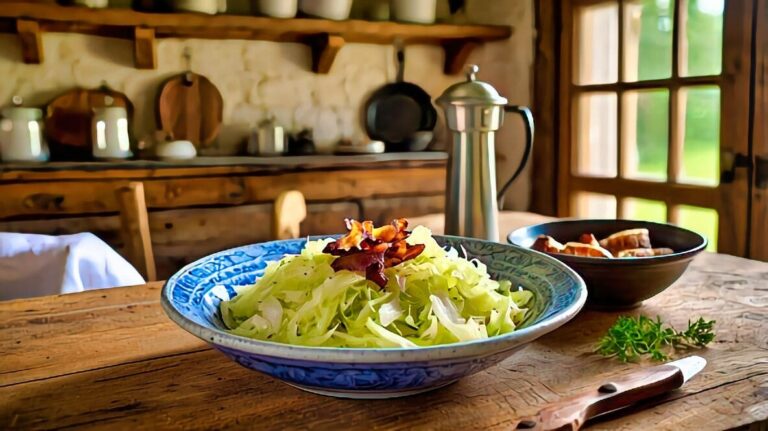
Start your Bavarian cabbage recipe by keeping the cabbage as dry as you can before cooking. If you pat the wedges or shreds with a towel, you’ll get better browning. Any leftover moisture just steams the cabbage, which sort of mutes that caramelized flavor you’re after in a real-deal Bavarian braised cabbage.
Grab a heavy, wide pan—think Dutch oven or a big skillet. You want even heat and enough space to stir the Bavarian cabbage recipe without smashing up those tender leaves. Honestly, nothing’s worse than a crowded pan when you’re going for that perfect texture.
For that classic Bavarian cabbage recipe flavor, you’ve got to strike a balance between sweet and sour. Toss in apple, brown sugar, or maybe a handful of raisins for sweetness. Then, splash in some cider or wine vinegar at the end to brighten things up. Even small tweaks here can totally change the end result, so don’t be afraid to play around a little.
Let the Bavarian cabbage recipe cook low and slow. Gentle simmering makes the cabbage soft and lets the flavors really come together. If you crank the heat, you’ll just end up with stringy cabbage—which, honestly, nobody wants in their Bavarian cabbage recipe.
Try different cabbage varieties in your Bavarian recipe. Savoy cabbage brings a tender, crinkly bite, while white or red cabbage gives you firmer texture and those classic color pops. It’s a simple way to make your Bavarian cabbage recipe stand out from the usual German vegetable recipes.
Season as you go. Add salt early to help draw out moisture, then taste and adjust near the end with pepper, caraway seeds, or a bay leaf. That’s pretty much the secret to getting that traditional German braised cabbage flavor in your Bavarian cabbage recipe.
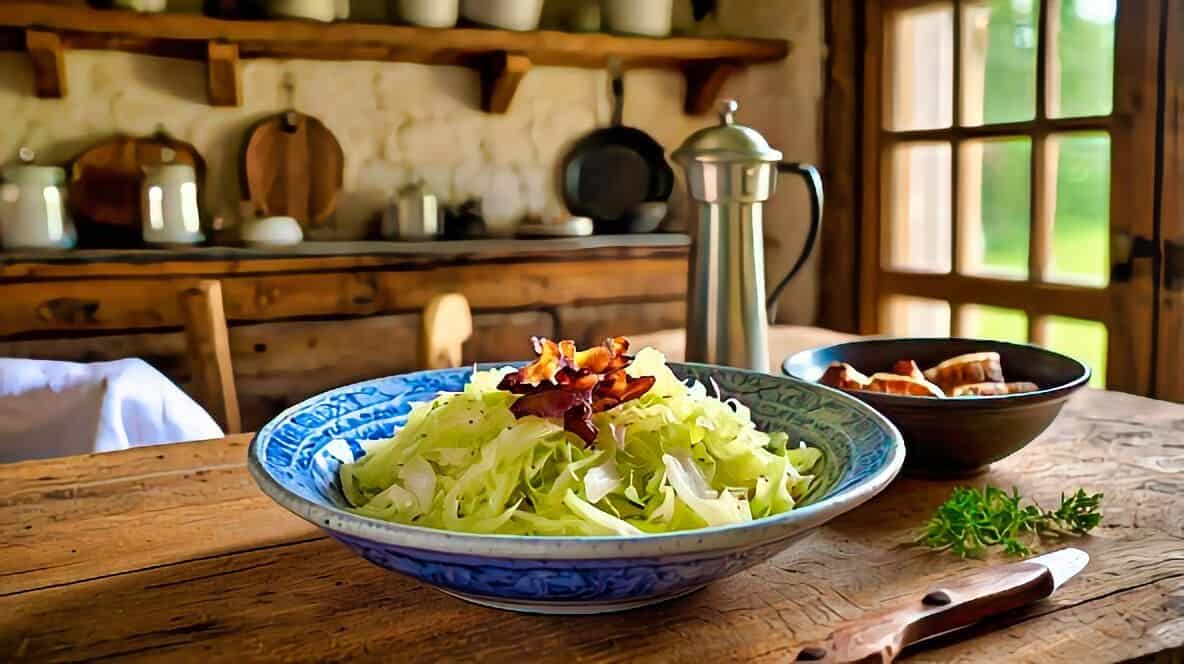
You can serve this Bavarian cabbage recipe warm as a side—think sausages, roasted pork, or even mashed potatoes. I’ll be honest, leftovers from this Bavarian cabbage recipe get even better by the next day, since the flavors have more time to meld. It’s a solid make-ahead dish for anyone looking to add a reliable Bavarian cabbage recipe to their rotation.
Bavarian Cabbage Recipe
Ingredients
- 3 tablespoons oil or bacon fat
- 1 onion thinly sliced
- 1 large apple peeled & thickly sliced
- 2 tablespoons granulated sugar
- 1¾ pounds cabbage white or green shredded
- 1 clove garlic crushed
- 1 teaspoon caraway seeds
- 1 cup chicken broth plus more if needed
- salt and freshly ground black pepper to taste
- 1 tablespoon vinegar white wine
Instructions
- Heat the oil in a large skillet over medium-high heat.
- Add the sliced onions and cook for about 5 minutes, stirring occasionally, until they become soft and lightly caramelized.
- Stir the apple slices into the skillet and cook for about 1 minute, allowing them to soften slightly.
- Sprinkle in the sugar, then add the shredded red cabbage.
- Continue cooking over medium heat, stirring frequently, until portions of the cabbage begin to lightly brown and caramelize.
- Add the minced garlic, caraway seeds, and broth.
- Stir well, scraping up any browned bits from the bottom of the skillet to incorporate their flavor into the dish.
- Season with salt and black pepper to taste.
- Bring the mixture to a gentle boil.
- Reduce the heat to low, cover the skillet, and simmer for about 30 minutes, stirring occasionally.
- If the cabbage begins to dry out during cooking, add a little extra broth or water as needed to keep it moist.
- Cook until the cabbage is tender and the flavors have blended together.
- Stir in the vinegar.
- Taste and adjust the seasoning with additional salt, black pepper, sugar, or vinegar if desired to achieve the perfect balance of sweet and tangy flavors.
- Serve warm as a side dish with roasted meats, sausages, or other traditional Bavarian favorites.

Recipes are gathered in person and written for real-world cooking conditions.
- 10 Hungarian Dessert Recipes Passed Down Through Generations - July 25, 2026
- 11 Easy English Recipes Anyone Can Make - July 25, 2026
- Hungarian Kifli Recipe - July 25, 2026