tag:

18 Great Angolan Recipes Traditional Favorites

by BdRecipes
Published: Updated: 0 comments
18 Great Angolan Recipes FI
Follow us on PinterestFollow

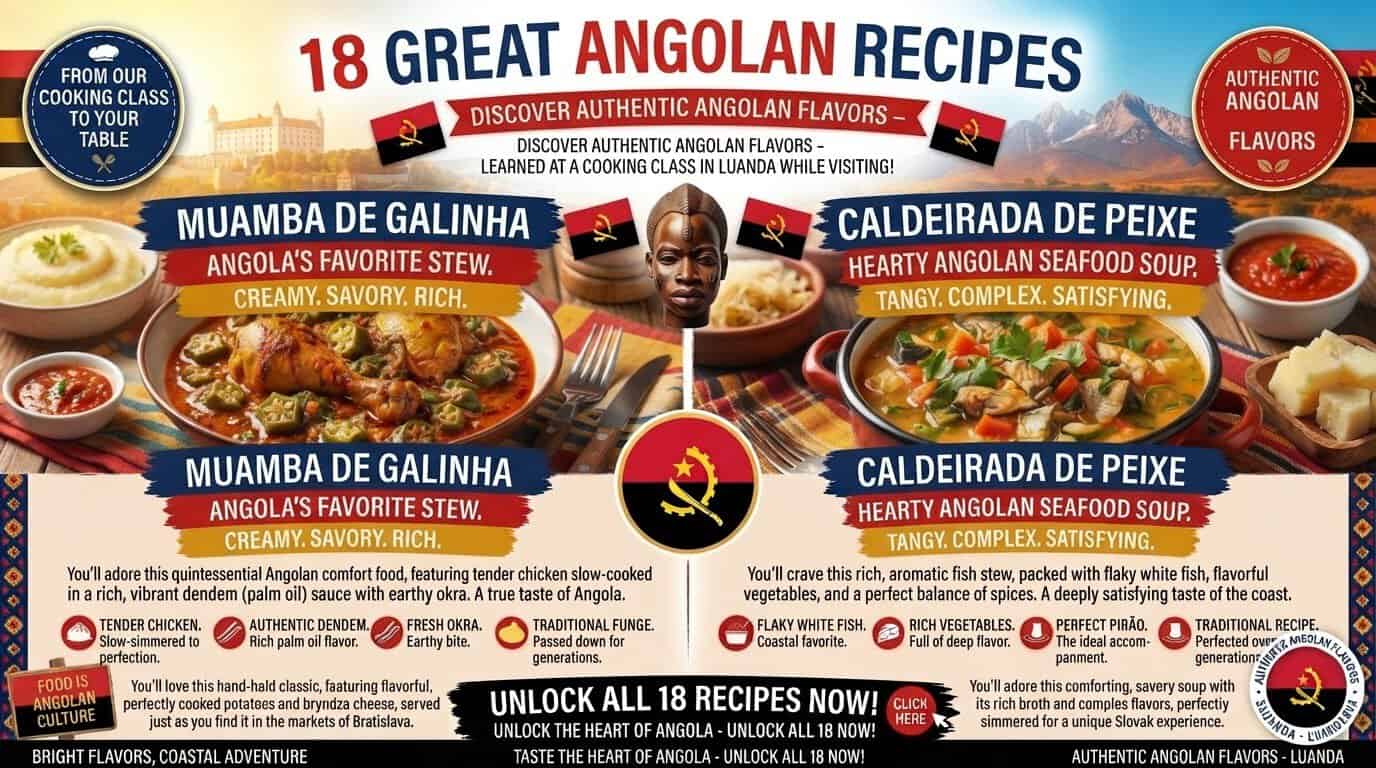
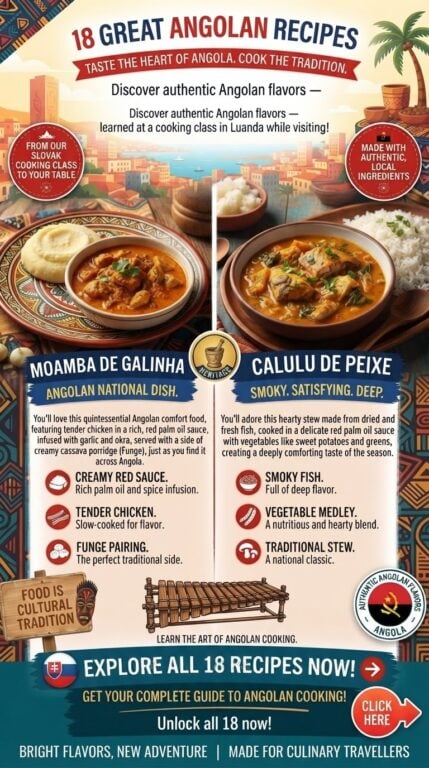
Angolan recipes and Angolan food combine stews, fish dishes, cassava-based sides, sauces, breads, and desserts that are commonly prepared across the country. This roundup features 18 traditional Angolan recipes that include meat stews, seafood meals, cassava dishes, and homemade sweets. Inside this collection you will find recipes such as Muamba de Galinha, Cabrito goat stew, Mufete fish, Calulu de Peixe, Kizaca cassava leaves stew, and Caldo de Peixe. The roundup also includes traditional drinks and desserts like Pineapple Kissangua, Cocada Amarela, Pé de Moleque candy, and Bolo de Ginguba sponge cake.

Many traditional Angolan recipes rely on ingredients such as cassava flour, palm oil, beans, fish, peanuts, leafy greens, and hot peppers. Cassava is a major part of Angolan cooking and appears in dishes like funge, chikuanga, and farofa. Fish and stews are also widely prepared, especially in coastal regions where seafood plays an important role in daily meals. Several recipes in this roundup use slow cooking methods that help develop thicker sauces and softer textures.

Angolan Recipes Collection

This collection of Angolan recipes is designed for home cooks who want to explore a wider range of traditional foods from Angola in one place. The roundup includes main dishes, side dishes, sauces, drinks, and desserts to provide a broader look at Angolan cooking. Whether you want to prepare a cassava-based meal, a fish stew, or a traditional Angolan dessert, these recipes highlight foods that continue to be cooked in homes and local kitchens throughout Angola today.
18 Great Angolan Recipes Pin


18 Top Traditional Angolan Recipes


1

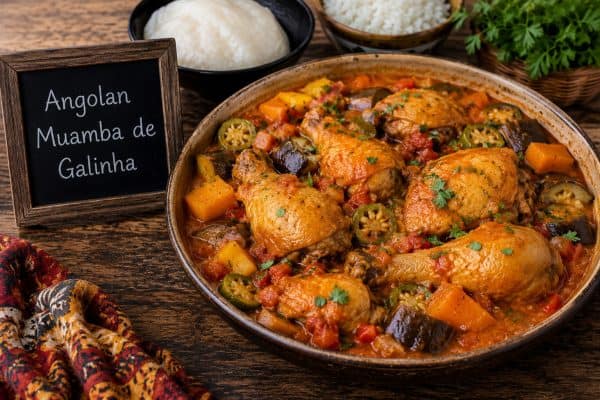
Angolan Muamba de Galinha Recipe
Angolan Muamba de Galinha
Angolan Muamba de Galinha is a chicken stew made with palm oil, garlic, onions, okra, and spices simmered together until the chicken becomes tender. The dish is known for its deep red color from palm oil and its thick texture created by slowly cooked vegetables and broth. Some versions also include pumpkin, eggplant, or sweet potatoes depending on the region and household preparation style.
Muamba de Galinha is considered one of Angola’s best-known national dishes and is commonly served with funge, a soft cassava or cornmeal side dish. The recipe has roots in Central African cooking traditions and remains widely prepared for family meals, gatherings, and celebrations throughout Angola.
Check out this recipe

2

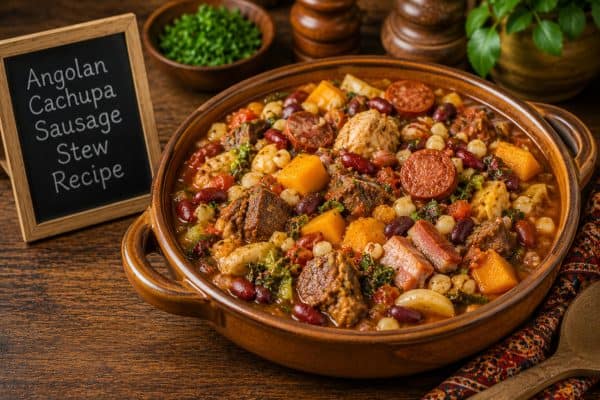
Angolan Cachupa Sausage Stew Recipe
Angolan Cachupa Sausage Stew
Angolan Cachupa Sausage Stew is a slow-cooked dish made with sausage, beans, corn, and vegetables simmered together into a thick stew. Common ingredients include onions, garlic, tomatoes, cabbage, sweet potatoes, and smoked meats that add richness to the broth. The long cooking time allows the beans and vegetables to soften while the sausage adds a smoky flavor throughout the dish.
The stew is influenced by Lusophone African cooking traditions and is commonly served as a filling family meal. It is often eaten with bread, rice, or cassava-based sides. Many versions vary by region and household, with cooks using different combinations of meats and vegetables depending on local availability.
Check out this recipe

3

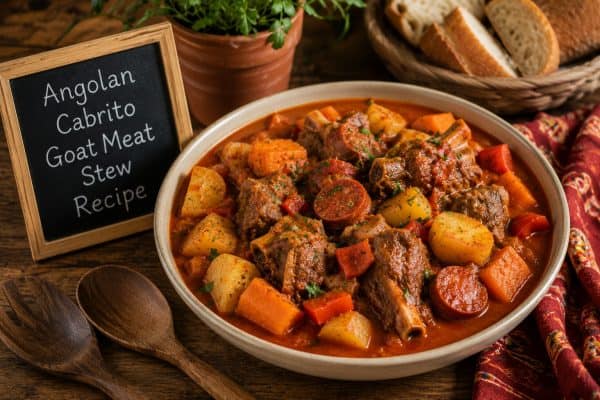
Angolan Cabrito Goat Meat Stew Recipe
Angolan Cabrito Goat Meat Stew
Angolan Cabrito Goat Meat Stew is a slow-cooked goat dish prepared with garlic, onions, tomatoes, peppers, and spices simmered until the meat becomes tender. Palm oil, bay leaves, and hot peppers are commonly added to deepen the flavor of the sauce. The long cooking process allows the goat meat to soften while absorbing the seasonings and broth.
Cabrito dishes are commonly prepared for gatherings, holiday meals, and large family events throughout Angola. The stew is often served with rice, funge, or boiled cassava. Goat meat has long been used in Angolan cooking because it holds up well during slow simmering and develops a rich texture in hearty stews.
Check out this recipe

4

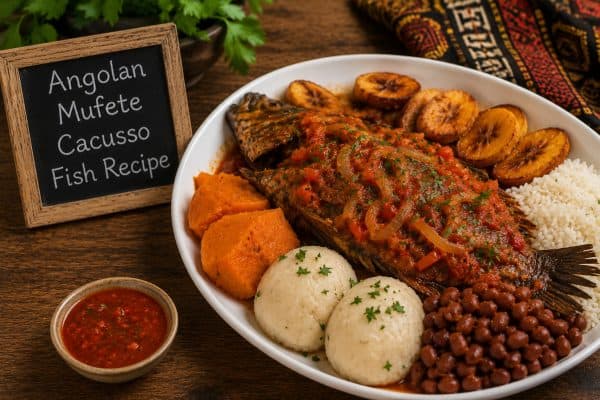
Angolan Mufete Cacusso Fish Recipe
Angolan Mufete Cacusso Fish
Angolan Mufete Cacusso Fish is a grilled fish dish traditionally made with cacusso, a freshwater fish commonly found in Angola. The fish is usually seasoned with garlic, lime juice, salt, and peppers before being grilled over charcoal or an open flame. It is commonly served alongside beans, cassava, sweet potatoes, plantains, or palm oil-based sauces.
Mufete is especially popular in coastal and riverside regions of Angola where fresh fish is widely available. The dish is often prepared during outdoor gatherings and weekend meals because the grilling method works well for cooking whole fish over open heat. Different regions may use alternative fish varieties when cacusso is not available.
Check out this recipe

5

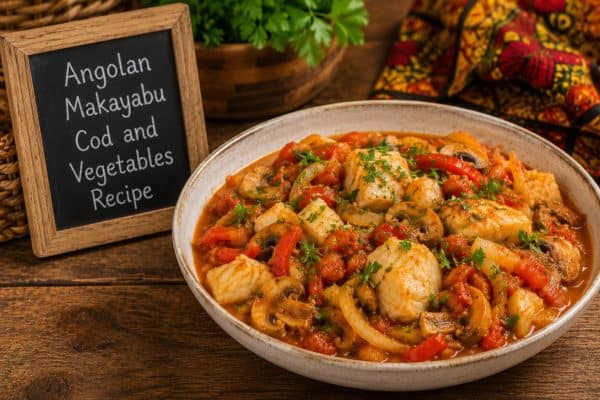
Angolan Makayabu Cod and Vegetables Recipe
Angolan Makayabu Cod and Vegetables
Angolan Makayabu Cod and Vegetables is a salted cod dish made by soaking dried codfish before cooking it with onions, tomatoes, peppers, garlic, and vegetables. Palm oil and spices are often added to create a rich sauce that coats the fish and vegetables during cooking. The cod becomes tender while still holding its flaky texture after simmering.
Makayabu recipes are strongly connected to Portuguese influence on Angolan cooking because salted cod became widely used during the colonial period. The dish is commonly served with rice, funge, or boiled root vegetables. Salted cod remains popular in Angola because it stores well and develops a strong flavor during slow cooking.
Check out this recipe

6

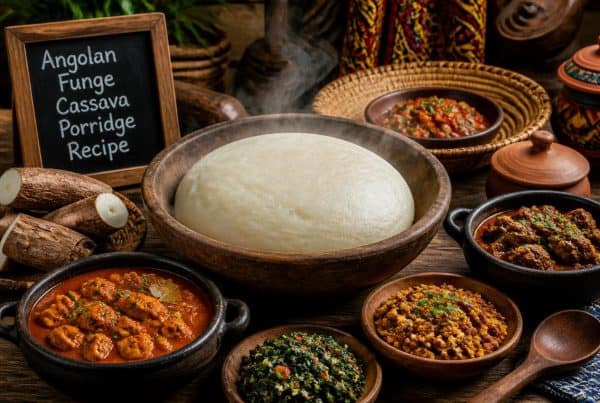
Angolan Funge Cassava Porridge Recipe
Angolan Funge Cassava Porridge
Angolan Funge is a thick porridge made from cassava flour or cornmeal cooked with water until it forms a smooth, elastic texture. The mixture is stirred continuously while cooking to prevent lumps and create a soft consistency that can be shaped or scooped by hand. Cassava-based funge is especially common in northern Angola, while cornmeal versions are more common in other regions.
Funge is one of the most widely eaten staple foods in Angola and is commonly served alongside stews, grilled fish, vegetable dishes, and sauces. The mild flavor allows it to pair well with heavily seasoned foods such as fish stews, palm oil sauces, and meat dishes. It is often prepared daily in Angolan households and remains a central part of traditional meals.
Check out this recipe

7

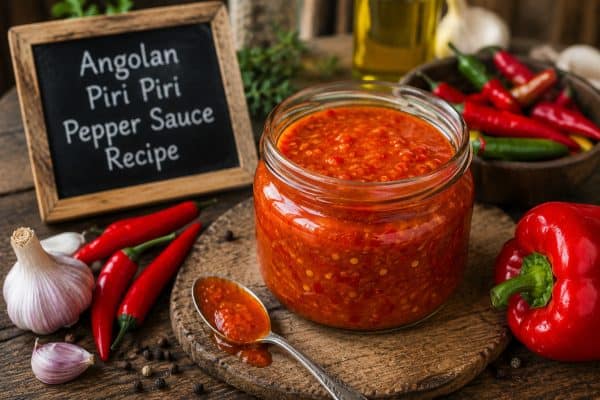
Angolan Piri Piri Pepper Sauce Recipe
Angolan Piri Piri Pepper Sauce
Angolan Piri Piri Pepper Sauce is a spicy condiment made with hot peppers, garlic, vinegar, oil, and salt blended into a smooth sauce. Some recipes also include lemon juice, paprika, onions, or herbs to balance the heat and add depth to the flavor. The sauce is known for its bright color and strong heat level from African bird’s eye chilies or similar peppers.
Piri Piri sauce is commonly used in Angola as a marinade, dipping sauce, or table condiment for grilled chicken, seafood, and meat dishes. The sauce became widely recognized through Portuguese and African culinary influence across southern Africa. It is especially popular with charcoal-grilled foods and roadside barbecue dishes throughout Angola.
Check out this recipe

8

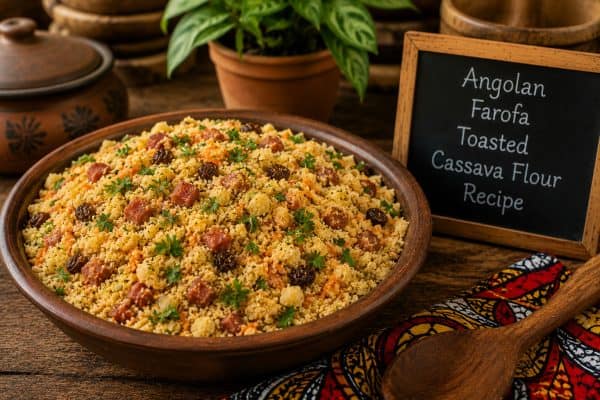
Angolan Farofa Toasted Cassava Flour Recipe
Angolan Farofa Toasted Cassava Flour
Angolan Farofa is a toasted cassava flour side dish cooked with oil, butter, onions, and seasonings until lightly crisp. Some versions include bacon, sausage, eggs, or herbs mixed into the cassava flour during cooking. The texture remains dry and crumbly, making it useful for pairing with stews, grilled meats, and beans.
Farofa has roots connected to Portuguese-speaking African and Brazilian cooking traditions where cassava flour became a major staple ingredient. In Angola, it is commonly served alongside roasted meats, fish dishes, and hearty stews. The toasted flour adds texture and helps absorb sauces and juices from other foods on the plate.
Check out this recipe

9

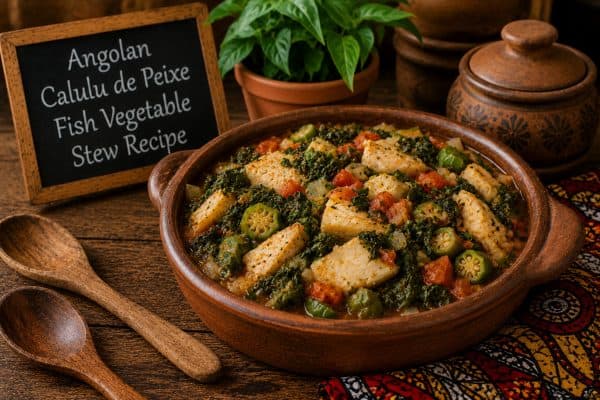
Angolan Calulu de Peixe Fish Vegetable Stew Recipe
Angolan Calulu de Peixe Fish Vegetable Stew
Angolan Calulu de Peixe is a fish and vegetable stew made with dried or fresh fish simmered together with tomatoes, onions, garlic, okra, eggplant, and leafy greens. Palm oil and spices are commonly added to create a rich broth with a deep red color. The vegetables soften during cooking while the fish absorbs the seasoning and broth.
Calulu is one of Angola’s most recognized traditional dishes and is commonly served with rice or funge. Different regions prepare the stew with varying ingredients depending on local produce and seafood availability. The combination of fish, vegetables, and palm oil reflects many of the staple ingredients widely used in Angolan cooking.
Check out this recipe

10

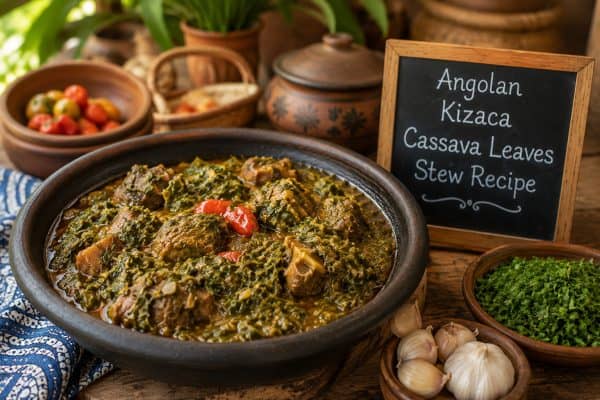
Angolan Kizaca Cassava Leaves Stew Recipe
Angolan Kizaca Cassava Leaves Stew
Angolan Kizaca is a stew made from cassava leaves that are crushed or finely chopped before being cooked with palm oil, garlic, onions, and ground peanuts or fish. Some recipes also include smoked fish, dried shrimp, or meat for additional flavor. The long cooking process softens the cassava leaves and creates a thick texture with a rich, earthy flavor.
Kizaca is commonly prepared throughout Angola and is often served with rice, funge, or boiled cassava. Cassava leaves are widely used in Central African cooking because they are readily available and hold up well during slow cooking. The dish is especially popular in rural areas where cassava is a major agricultural crop.
Check out this recipe

11

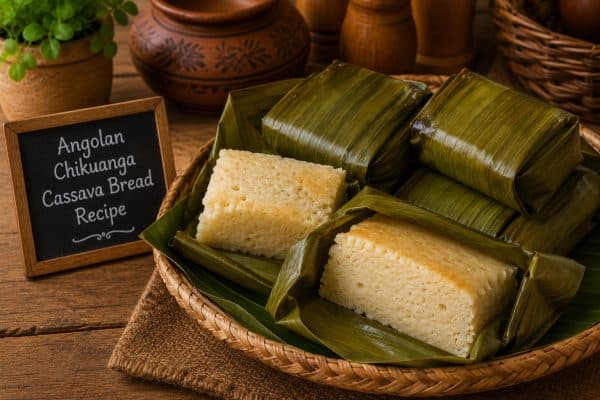
Angolan Chikuanga Cassava Bread Recipe
Angolan Chikuanga Cassava Bread
Angolan Chikuanga is a cassava-based bread made by fermenting cassava dough before wrapping it in banana leaves and steaming it until firm. The fermentation process gives the bread a slightly sour flavor and dense texture. After cooking, the cassava bread holds its shape and can be sliced or torn into portions for serving.
Chikuanga is commonly eaten alongside grilled fish, stews, beans, and palm oil sauces throughout Angola. The banana leaf wrapping helps protect the dough during steaming while adding aroma to the finished bread. Cassava has long been a major staple crop in Angola, making chikuanga a common part of everyday meals in many regions.
Check out this recipe

12

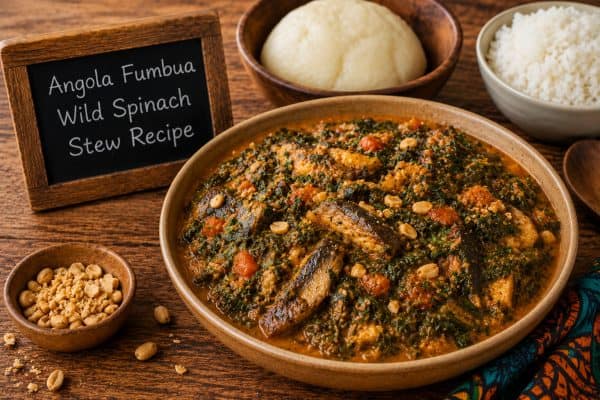
Angola Fumbua Wild Spinach Stew Recipe
Angolan Fumbua Wild Spinach Stew
Angolan Fumbua is a leafy green stew made with wild spinach-like leaves cooked together with onions, garlic, palm oil, and seasonings. Some versions also include smoked fish, dried shrimp, peanuts, or meat to create a richer flavor and thicker texture. The leaves soften during cooking and absorb the seasoning from the broth and added ingredients.
Fumbua is commonly served with funge, rice, or cassava dishes throughout Angola. Wild greens are widely used in Central African cooking because they grow naturally in many rural regions and provide a reliable food source. The stew is often prepared as part of everyday family meals and traditional gatherings.
Check out this recipe

13

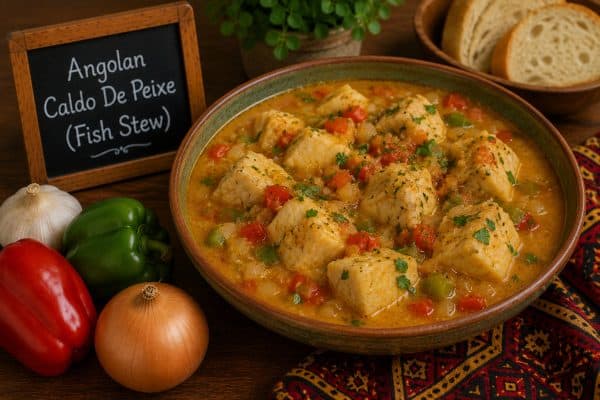
Angolan Caldo De Peixe Fish Stew Recipe
Angolan Caldo De Peixe Fish Stew
Angolan Caldo De Peixe is a fish stew made by simmering fresh fish with tomatoes, onions, garlic, peppers, and herbs in a seasoned broth. Palm oil or vegetable oil is commonly added to deepen the flavor while vegetables such as okra, potatoes, or carrots may also be included. The fish becomes tender during cooking while the broth thickens slightly from the vegetables and seasonings.
Caldo De Peixe is commonly prepared in coastal areas of Angola where fresh seafood is widely available. The stew is often served with rice, funge, or boiled cassava. Different regions and households prepare the recipe with local fish varieties and varying spice levels depending on ingredient availability.
Check out this recipe

14

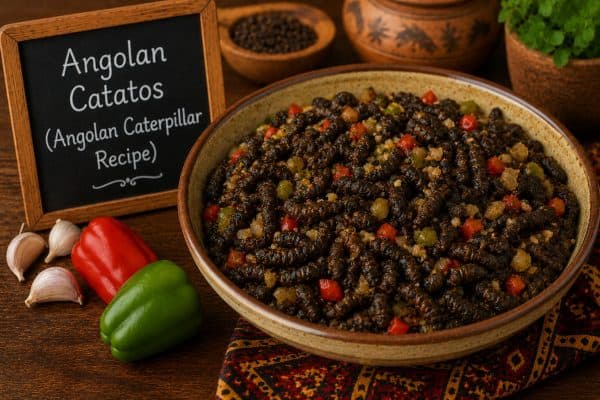
Angolan Catatos Angolan Caterpillar Recipe
Angolan Catatos - Angolan Caterpillar
Angolan Catatos are edible caterpillars that are cleaned, seasoned, and fried or roasted before serving. The caterpillars are often cooked with garlic, onions, tomatoes, peppers, and palm oil to add flavor and texture. Once cooked, they develop a crisp exterior while remaining soft inside.
Catatos are traditionally eaten in some rural regions of Angola where edible insects have long been used as a protein source. The dish is commonly served as a snack, side dish, or part of larger meals alongside cassava, rice, or vegetables. Seasonal harvesting plays a major role in availability because the caterpillars are collected during specific times of the year.
Check out this recipe

15

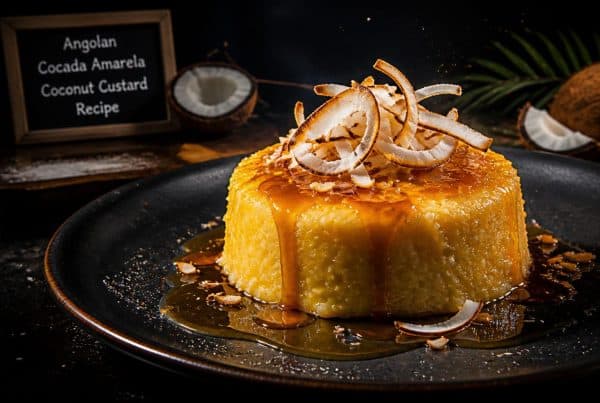
Angolan Cocada Amarela Coconut Custard Recipe
Angolan Cocada Amarela Coconut Custard
Angolan Cocada Amarela is a coconut dessert made with grated coconut, sugar, egg yolks, and water cooked together until thick and smooth. The dessert develops a yellow color from the egg yolks and a rich texture as the mixture slowly thickens during cooking. Some recipes also include cinnamon or citrus peel for added flavor.
Cocada Amarela is commonly served during celebrations, holidays, and family gatherings throughout Angola. The dessert reflects Portuguese influence on Angolan sweets through the use of egg yolks and sugar-based custards. It is often eaten chilled or at room temperature in small portions after meals or alongside coffee and tea.
Check out this recipe

16

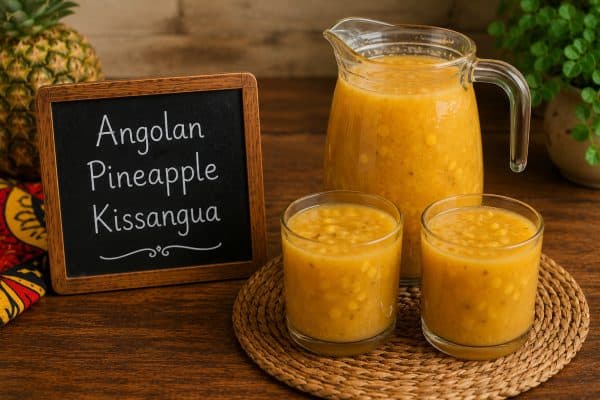
Angolan Pineapple Kissangua Recipe
Angolan Pineapple Kissangua
Angolan Pineapple Kissangua is a fruit-based drink made by combining pineapple with water, sugar, and sometimes ginger or fermented grain mixtures. Traditional kissangua drinks are lightly fermented beverages that can vary in sweetness and acidity depending on the preparation method and fermentation time. Pineapple versions are known for their bright tropical flavor and refreshing taste when served cold.
Kissangua is commonly sold by street vendors and prepared in homes throughout Angola, especially during warm weather. Different regions make the drink using corn, millet, or fruit-based variations depending on local ingredients. Pineapple Kissangua is often served during gatherings, outdoor meals, and community events because it can be prepared in large batches.
Check out this recipe

17

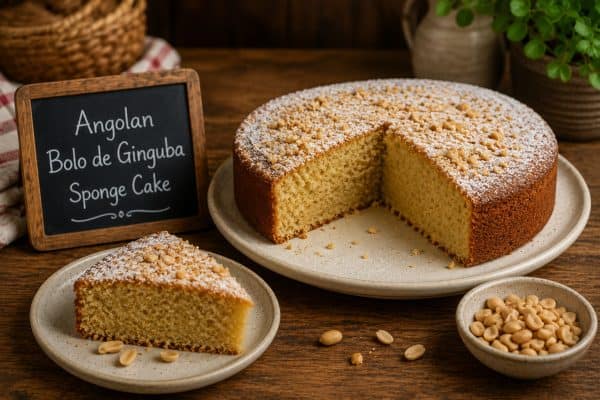
Angolan Bolo de Ginguba Sponge Cake Recipe
Angolan Bolo de Ginguba Sponge Cake
Angolan Bolo de Ginguba is a peanut-based sponge cake made with ground peanuts, flour, sugar, eggs, and butter baked into a soft cake. The peanuts give the cake a slightly dense texture and nutty flavor while the eggs help create a lighter crumb. Some recipes also include vanilla or cinnamon for additional flavor.
Bolo de Ginguba is commonly served with tea or coffee during family meals, celebrations, and afternoon gatherings in Angola. Peanuts, known locally as ginguba, are widely used in Angolan cooking and desserts because they are an important local crop. The cake reflects both local ingredients and Portuguese baking influence found throughout Angolan cuisine.
Check out this recipe

18

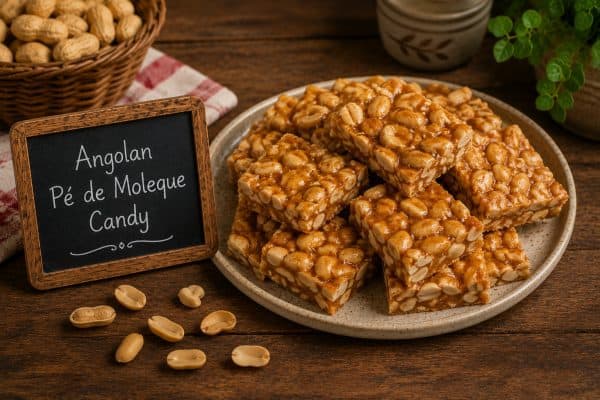
Angolan Pé de Moleque Candy Recipe
Angolan Pé de Moleque Candy
Angolan Pé de Moleque is a candy made with peanuts and caramelized sugar pressed together into firm bars or clusters. Some recipes also include condensed milk, coconut, or spices to change the texture and flavor. Once cooled, the candy becomes hard and crunchy with a sweet roasted peanut flavor.
Pé de Moleque is popular throughout Portuguese-speaking countries and became part of Angolan dessert traditions through historical Portuguese influence. The candy is commonly sold at markets, festivals, and street stalls and is often prepared during holidays and celebrations. Peanuts are widely grown in Angola, making them a common ingredient in sweets and snacks.
Check out this recipe


Follow us on PinterestFollow
BdRecipes
Latest posts by BdRecipes (see all)

You may also like