
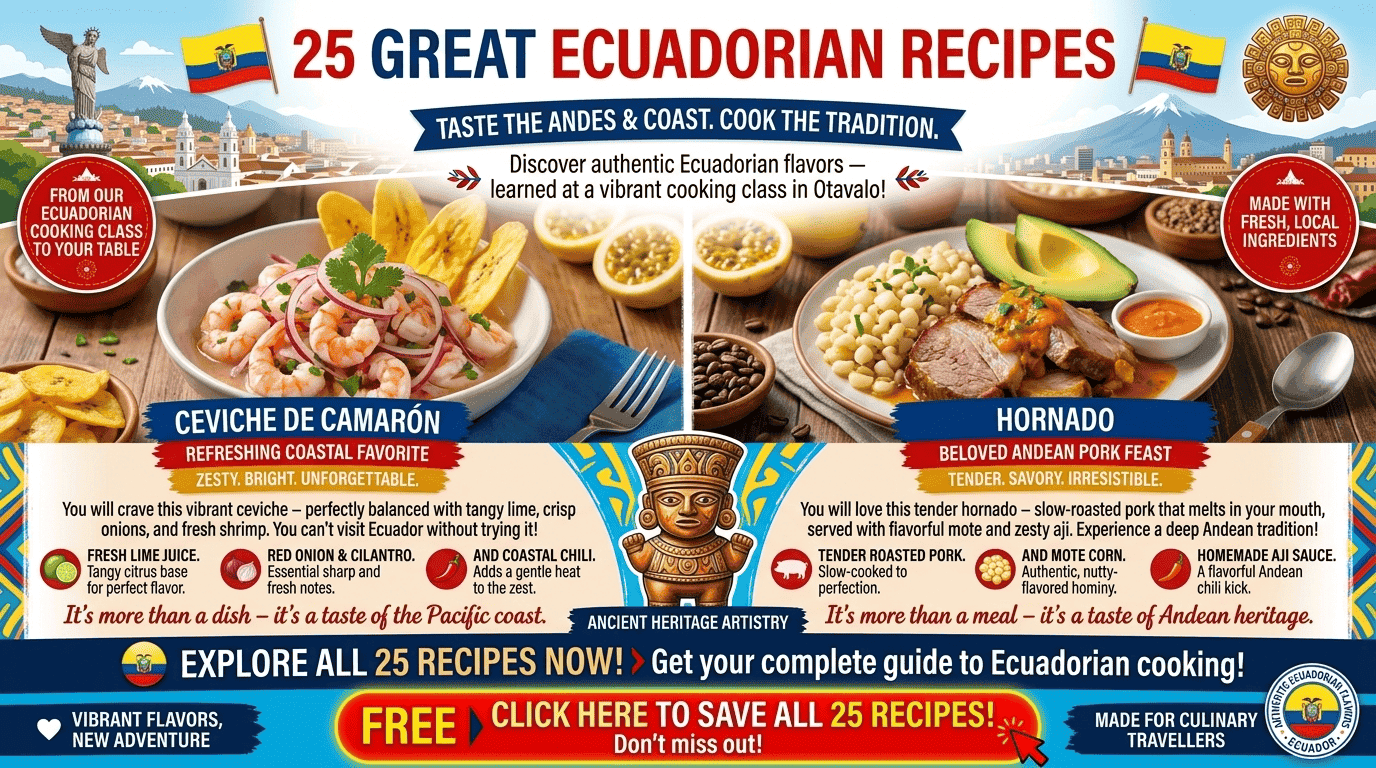
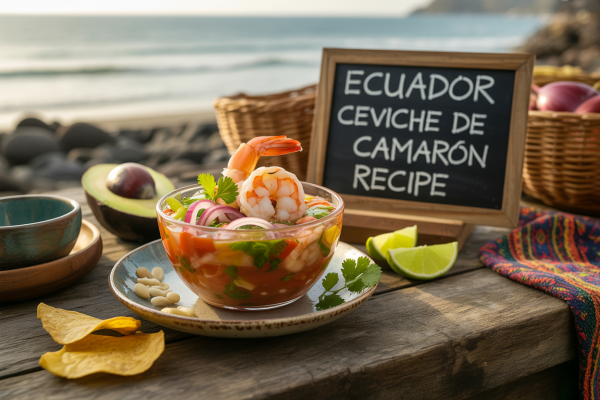
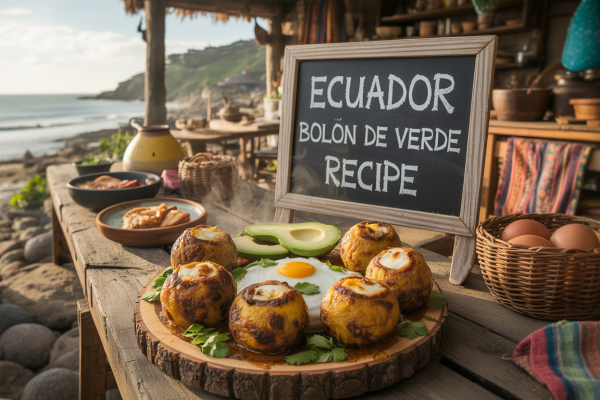
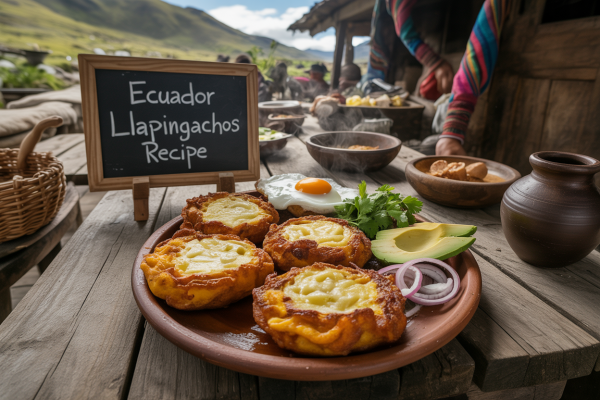
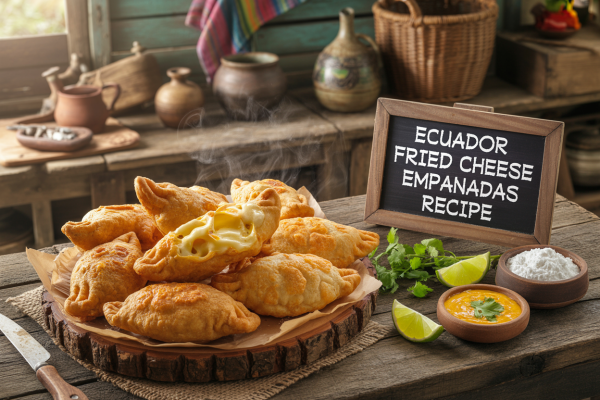
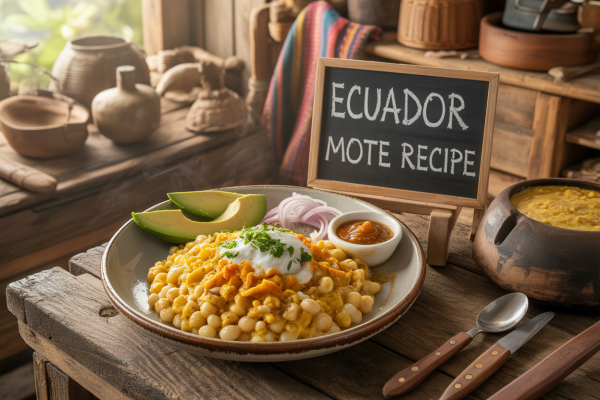
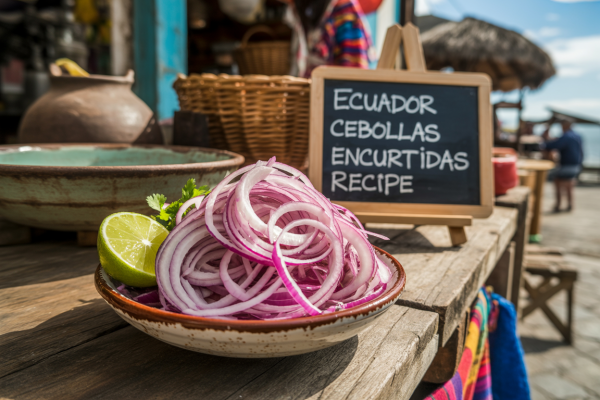
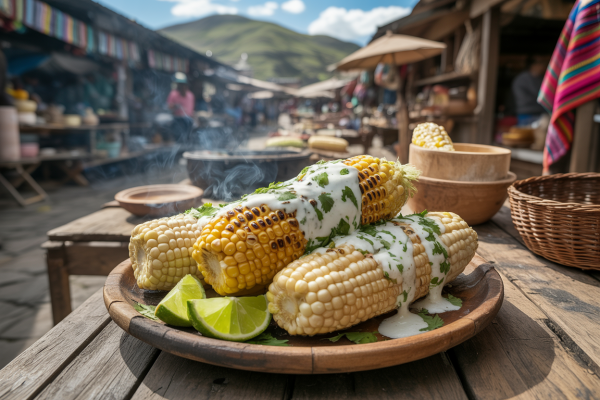
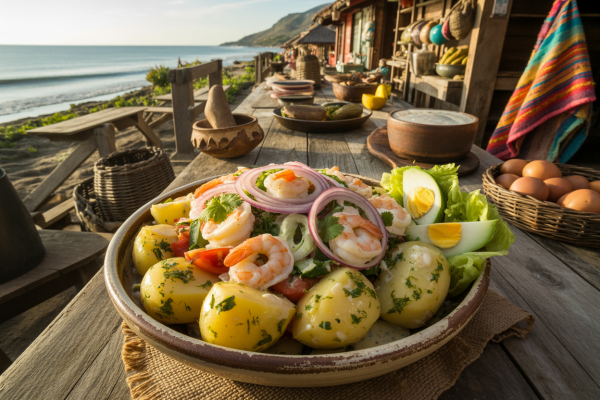
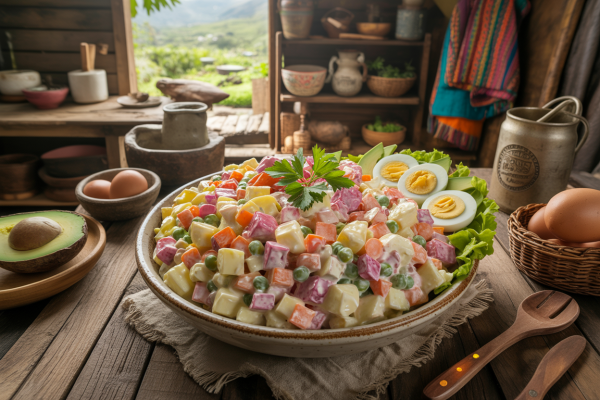
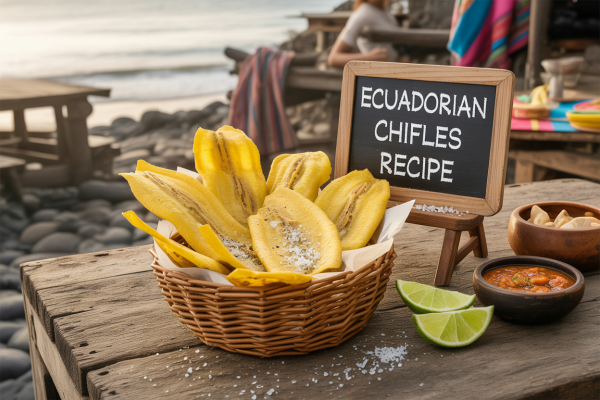
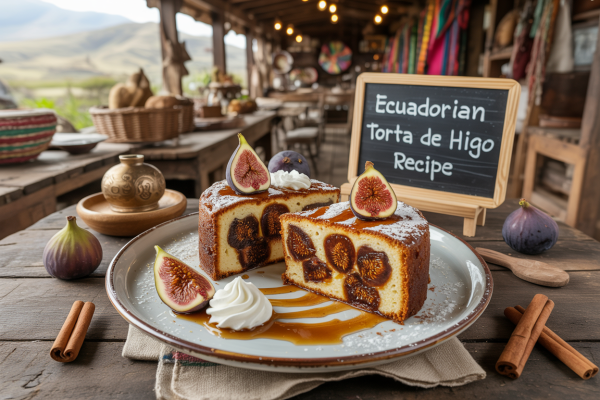
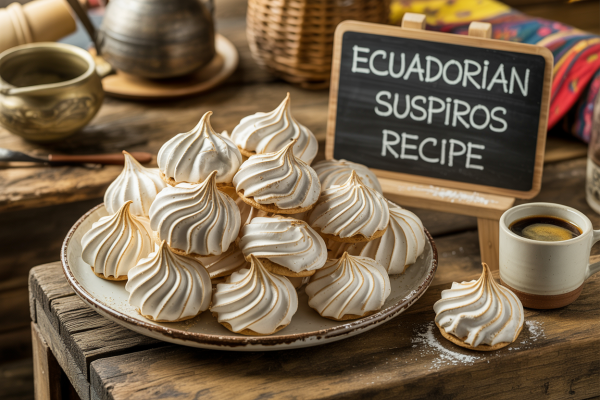
Seafood lovers will enjoy ceviche de camarón, while bolón de verde, llapingachos, mote, and fried cheese empanadas showcase everyday Ecuadorian food served across the country. Fresh sides like cebollas encurtidas, choclo asado con queso, ensalada de papas con camarones, ensalada rusa, and chifles complete the savoury selection. Ecuadorian food also features sweet favorites including torta de higo, dulce de leche, suspiros, orejas, and torta de tres. Together, these Ecuadorian food dishes provide an excellent introduction to one of South America’s most varied cuisines.
History Behind Ecuadorian Food
Ecuadorian food has developed over thousands of years through the traditions of Indigenous peoples and the influences of Spanish colonists, African communities, and later immigrants. Long before European contact, communities throughout present-day Ecuador cultivated corn, potatoes, beans, squash, quinoa, cassava, peppers, and cacao while relying on fish, wild game, and tropical fruits. Many of these ingredients remain central to Ecuadorian food and continue to appear in everyday meals throughout the country.
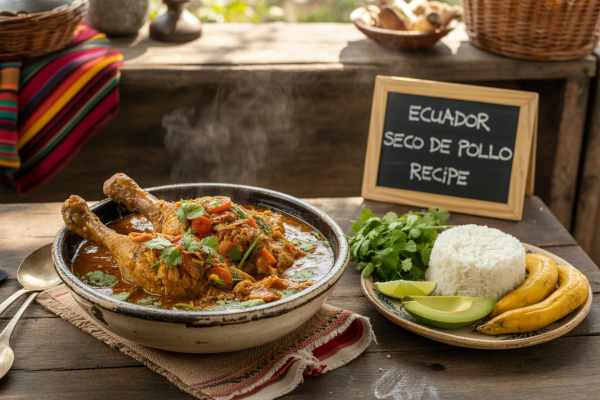
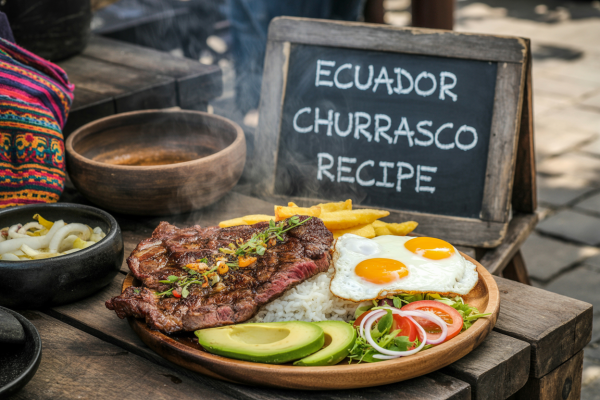
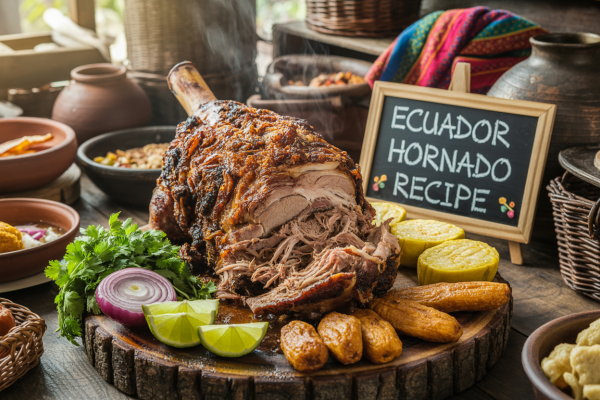
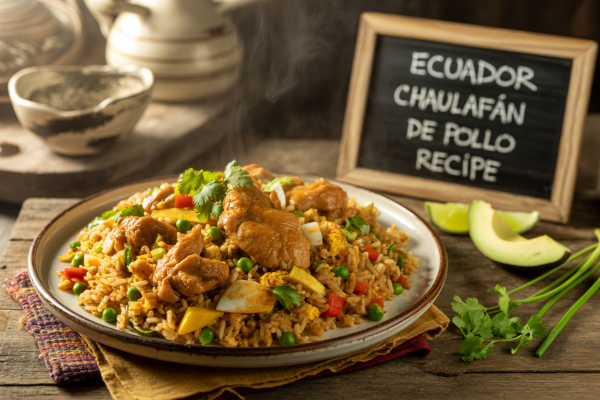
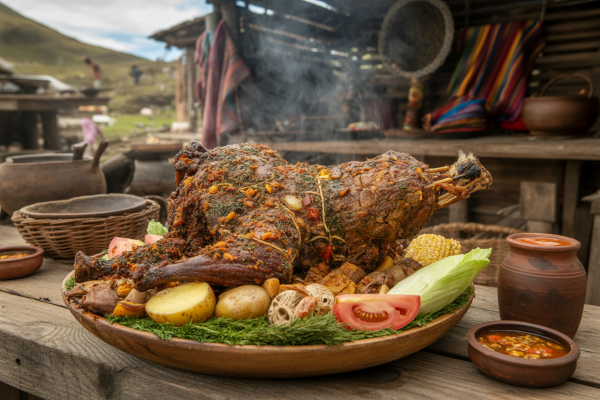
The arrival of the Spanish in the sixteenth century introduced cattle, pigs, chickens, wheat, onions, garlic, rice, and dairy products that permanently changed Ecuadorian food. Local cooks combined these new ingredients with native crops to create recipes that blended European cooking techniques with Indigenous traditions. Dishes such as hornado, seco de pollo, churrasco, and numerous stews reflect this long period of cultural exchange that helped define modern Ecuadorian food.
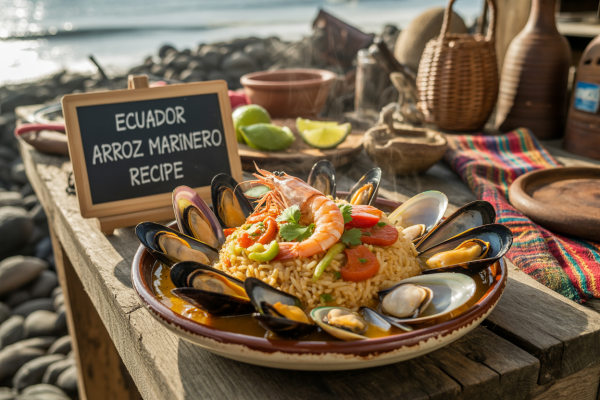
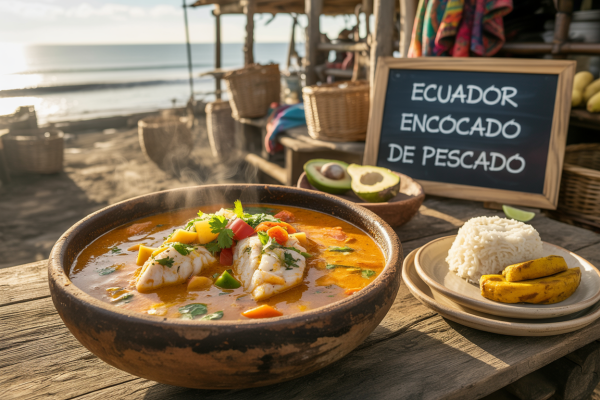
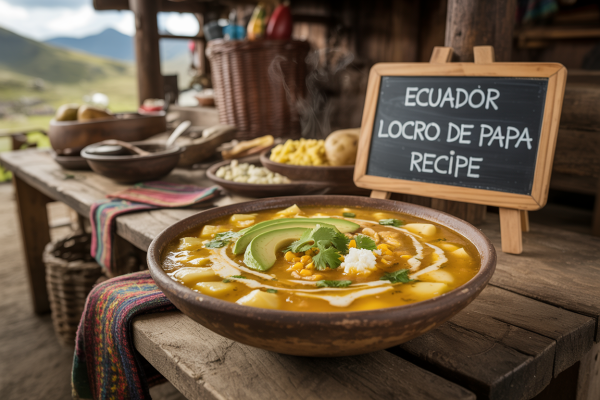
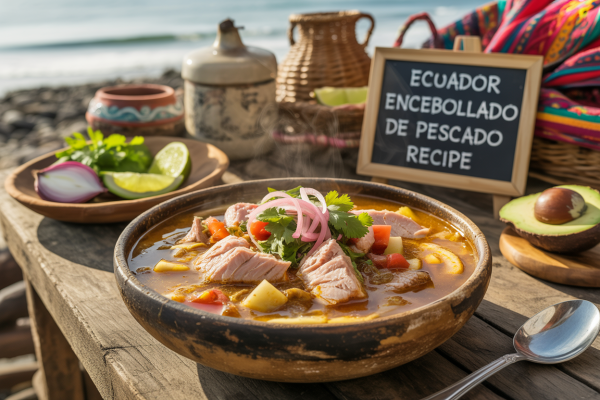
Regional geography has always played a major role in Ecuadorian food. Along the Pacific coast, seafood, coconut, plantains, and citrus are common ingredients in dishes such as encocado pescado, arroz marinero, ceviche de camarón, and encebollado de pescado. In the Andean highlands, potatoes, corn, cheese, and hearty meats dominate recipes including locro de papa, llapingachos, mote, and cuy al horno. The Amazon region contributes tropical fruits, cassava, freshwater fish, and native herbs that further expand Ecuadorian food beyond the country’s better-known dishes.
African influence is especially visible along Ecuador’s northern coast, where communities helped shape Ecuadorian food through cooking methods centred on seafood, coconut, plantains, and slow-cooked stews. Immigration from Europe, the Middle East, and Asia also added new ingredients and preparation techniques over time. Rather than replacing older traditions, these influences blended into Ecuadorian food while preserving the country’s regional character.
Today, Ecuadorian food remains closely connected to local agriculture and seasonal ingredients. Family recipes continue to be passed from one generation to the next, while regional favourites remain proudly associated with their places of origin. From savoury soups and grilled meats to fresh seafood, potato dishes, sweet pastries, and traditional desserts, Ecuadorian food reflects centuries of history, regional diversity, and cultural exchange. Every meal offers another example of how Ecuadorian food has evolved while remaining deeply rooted in the country’s rich culinary heritage.
25 Great Ecuadorian Recipes
1
2
3
4
5
6
7
8
9
10
11
12
13
14
15
16
17
18
19
20
21
22
23
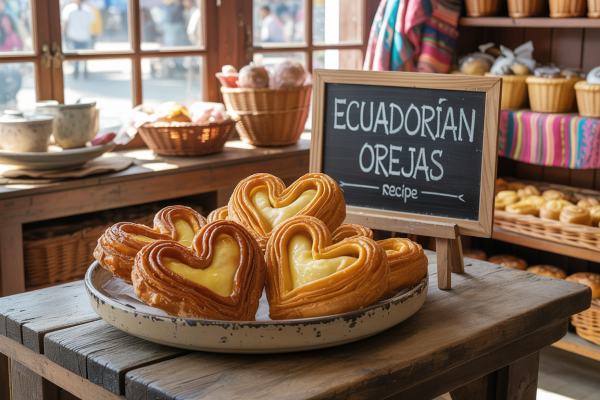
24
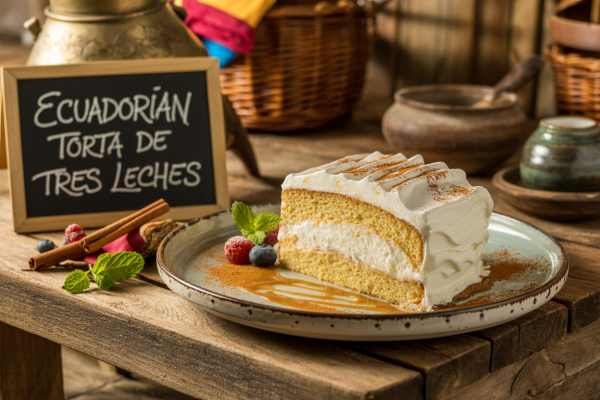

Recipes are gathered in person and written for real-world cooking conditions.
- 10 Albanian Food Dishes Everyone Will Love - July 22, 2026
- Albanian Meat and Garlic Soup Recipe - July 22, 2026
- Albanian Savory Meat Pie Recipe - July 22, 2026
2 comments
I cant believe they didnt include Llapingachos in their list of favorite Ecuadorian recipes! Its a classic dish that deserves a spot alongside Arroz Marinero and Churrasco. What a missed opportunity!
I cant believe they didnt include my favorite Ecuadorian dish, llapingachos! How can they leave out those cheesy potato patties? Thats a sin in my book. Whats your go-to Ecuadorian recipe that didnt make the cut?
Comments are closed.