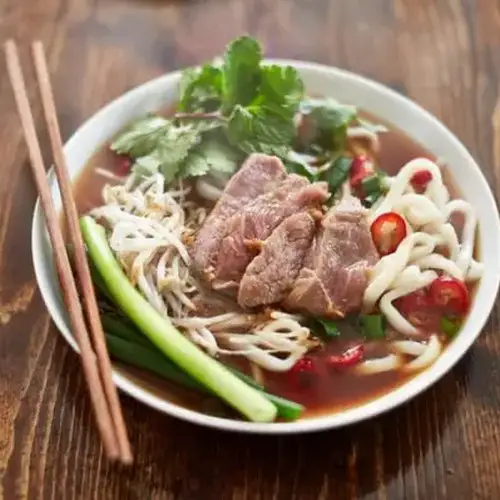
Traditional Vietnamese dishes are distinctive and memorable. Their cuisine relies on the balance of sweetness, flavor, saltiness, and sourness. They achieve this through the use of nuoc mam, cane sugar, tamarind and the juice of kalmansi citrus fruits. Vietnam dishes use plenty of fresh herbs but are not that spicy as the chili sauce comes separately. We have assembled a group of foods and their associated Vietnamese recipes to help you experience the same food we love so much.
Even the idea of traditional Vietnamese dishes might be difficult. The cuisine culture in Vietnam is so diverse and is still evolving today. In all facets of life, the Vietnamese have unique regional identities. The contrasts are all too obvious, whether it be in their traditional attire or the language dialects they speak. So it makes sense that the food would do the same.
Did you know that Southeast Asia’s Vietnamese culture is among the oldest? The Vietnamese people have had plenty of time to perfect their culinary as a result of this remarkable accomplishment. The world’s top traditional Vietnamese dishes are now available in restaurants in many major cities. Vietnamese cuisine is a Southeast Asian experience not to be missed because it is full of fresh veggies, wonderful textures, and a variety of flavors.
Vietnamese cuisine is well recognized for its age-old traditions, which range from hearty noodle soup to Franco-Vietnamese bánh m baguettes. Other nations may be noted for their creative new dishes and cutting-edge culinary techniques. Here are some of the best traditional Vietnamese recipes that show why they have endured through the ages.
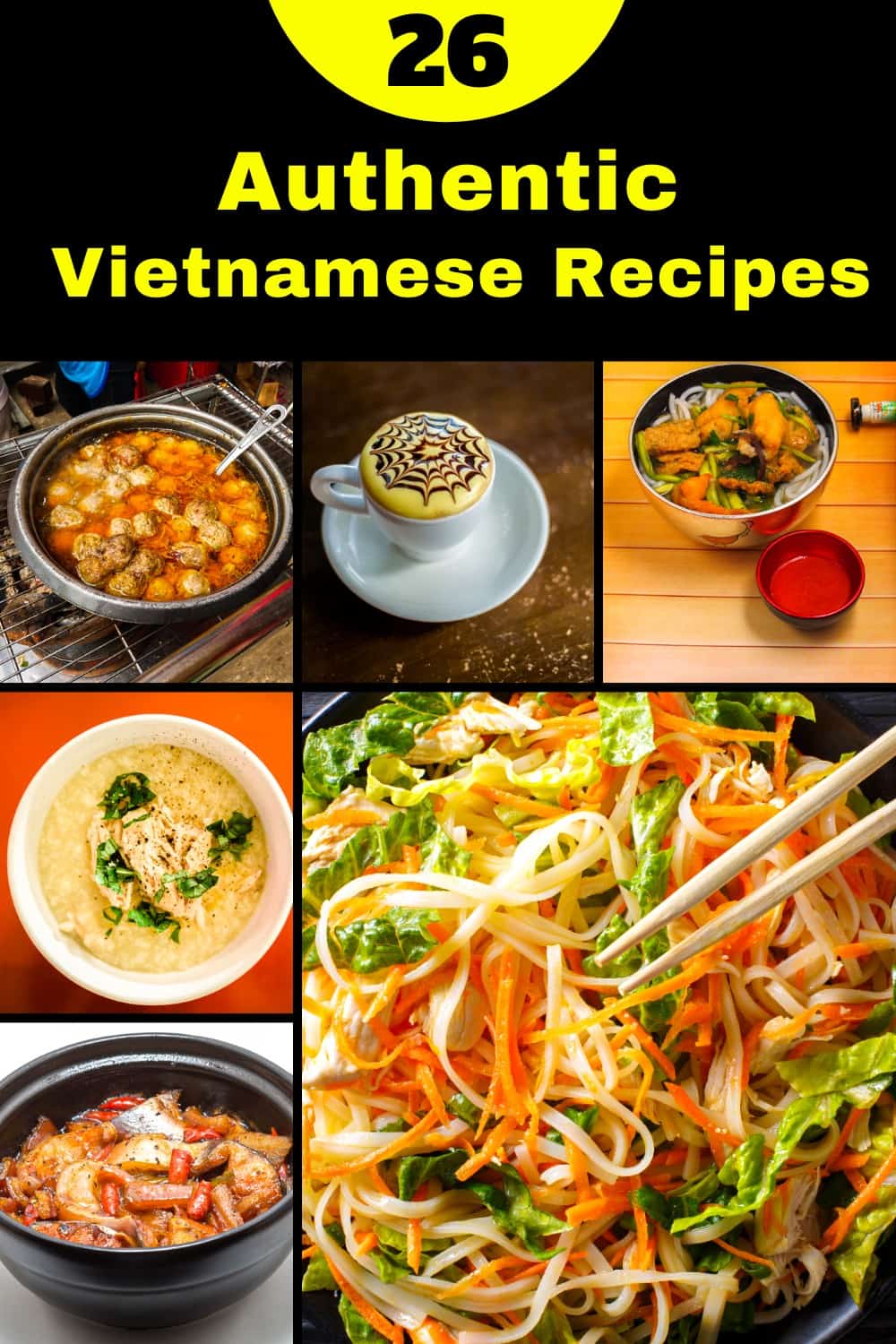
13 Best Traditional Vietnamese Dishes You Must Try
1. Cao lầu (Hoi An noodles)
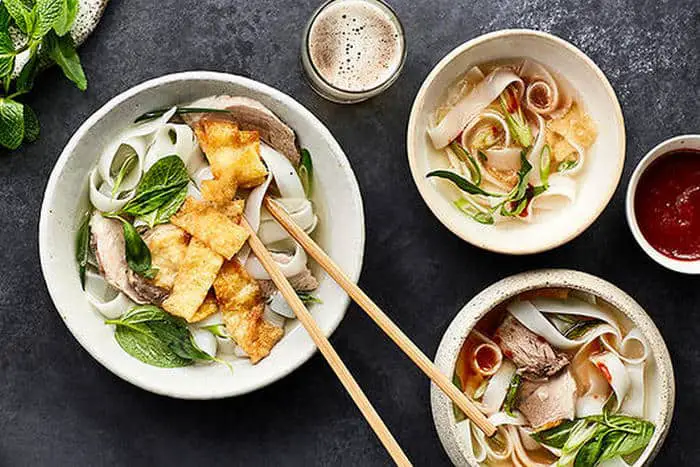
Here is a rough recreation of a mouthwatering noodle dish from the charming Vietnamese village of Hoi An. Since the noodles needed to make authentic cau lau are region-specific, it can only be a close approximation of the traditional Vietnamese dishes.
This is something that is quite specific to Hoi An, the ancient trading port city on the country’s central coast; you won’t find it anywhere else. The noodles are the key component of this pork and noodle meal. They are produced using water that is sourced exclusively from the 1,000-year-old Ba Le well in Hoi An. The noodles are pre-soaked in the enchanted well water and lye made from wood ash transported from the Cham Islands west of Hoi An. They finish up having a distinct chewiness and are served with thinly sliced pork, herbs, bean sprouts, and crisp squares of fried dough that resemble croutons in a small amount of broth.
The city with which this meal is associated, Hoi An, is a well-known tourist destination in Vietnam. Vietnamese and tourists alike enjoy cao lu because of the variety of tastes it delivers. Your bowl is the perfect combination of chewy rice noodles, the savory flavor of the pork, the crunch of fried tofu and pigskin, the pungent flavor of fish mint, the sweetness of the sauce, and the freshness of bean sprouts and other vegetables.
Cau Lau is the place to go if you want to play around with textures. It is made out of crackers and thick, chewy noodles. On the other hand, it also has plenty of broth and succulent meat. If you want a truly culinary journey, try Cao Lau. We liked these traditional Vietnamese dishes a lot.
2. Gỏi cuốn (salad rolls)
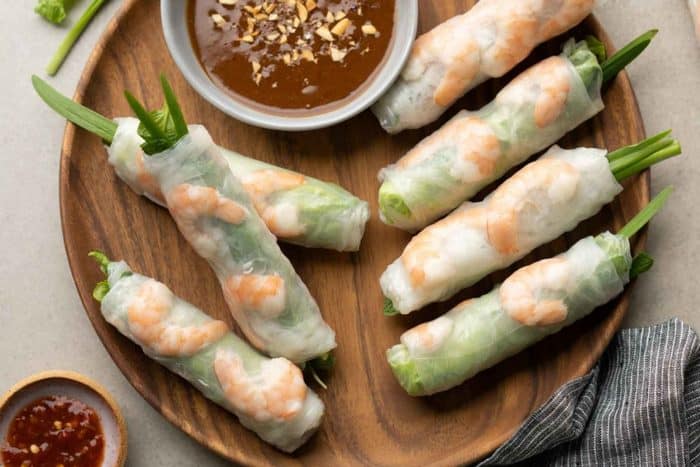
Goi Cuon is the most popular traditional Vietnamese dishes in Vietnamese Cuisine. When served fresh, flavorful and light, the dish will be a breath-catching experience.
Fresh spring rolls, which are almost everyone’s favorite, must be included on any list of Vietnamese foods to try. Fresh ingredients are placed down on top of rice paper (bánh tráng), which has been mildly moistened with water before being wrapped up and dunked in the dipping sauce. They are frequently eaten with a variety of sauces, including fish sauce, hoisin sauce, and peanut sauce. Prior to the arrival of the main courses, Spring Rolls are typically offered as an appetizer to be shared among friends.
Goi cuon, which is Vietnamese for “salad rolls,” should be distinguished from fried rolls, commonly known as spring rolls. The translucent cigar-shaped rolls are filled with greens, herbs, and occasionally pork or shrimp. Naturally, they require a dunk in the nc chm. Although almost every province of Vietnam has its own distinctive spring roll, the wrapping and rolling technique is essentially the same everywhere.
You might occasionally yearn for something a little fresher given how heavily native Vietnamese cuisine is fried, grilled, and boiled. Goi cuon, commonly called “summer rolls,” is the answer. Typically filled with crunchy salad, prawns, and pork, these fresh spring rolls are served with a sweet-and-spicy dip garnished with peanuts.
3. Bánh mì (Vietnamese Baguette)
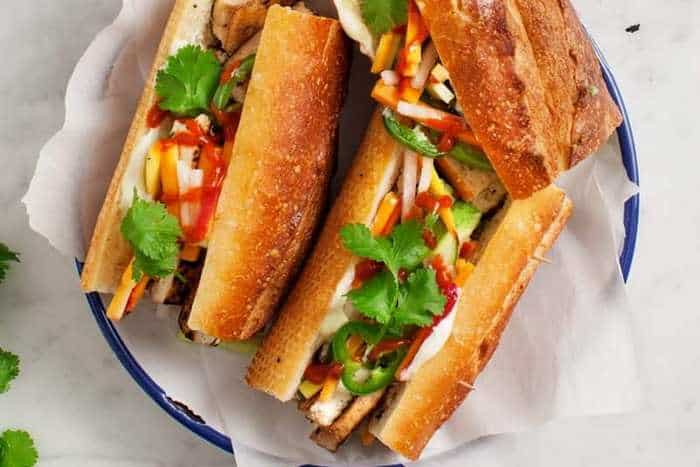
A short baguette with a thin, crunchy crust and a light, airy feel is known as a banh mi in Vietnamese cuisine. The dish, known as banh mi thit, is frequently split lengthwise, stuffed with flavorful contents like a submarine sandwich, and then served as a meal.
This is our all-time favorite if the traditional Vietnamese dishes from the collection. Wheat flour and rice flour are both used in the creation of the bread. The common fillings can be pan-roasted, oven-roasted, or steamed. They might include grilled chicken, pig, hog belly, or Vietnamese sausage. The crispy baguettes may be purchased at street stalls, restaurants, and even in the most isolated places. They are filled with your choice of meat (or egg, for vegans), fresh vegetables, and a moreish sweet sauce.
The banh mi is a well-known type of street cuisine today. These sandwiches can be made with pickled carrots, pork, cucumbers, or sardines as fillings. You would be shocked at how quickly this baguette would be assembled if you ordered it from a food cart. Depending on what you buy, a baguette may be filled with anything from Vietnamese ham, barbecued pork, or even fried eggs. With contents like pork belly, fish cakes, meatballs, and the absolutely required pickled carrots, daikon, and not-messing-around chilies, the Vietnamese have completely transformed this sandwich into their own.
Most frequently, parsley, green onions, soy sauce, a few dashes, and sometimes a few slices of red pepper are added along with the fermented veggies. The Vietnamese baguette is a go-to dish for some Vietnamese who don’t have much time to eat because it is quick, delectable, practical, and well-liked. A Banh mi is typically packed with pâté, different meats including pork sausage, cilantro, pickled veggies, and even mayonnaise. However, everywhere you go, you may get vegetarian options like fried tofu, fish options, and different variations.
4. Bánh xèo (Vietnamese Crepe)
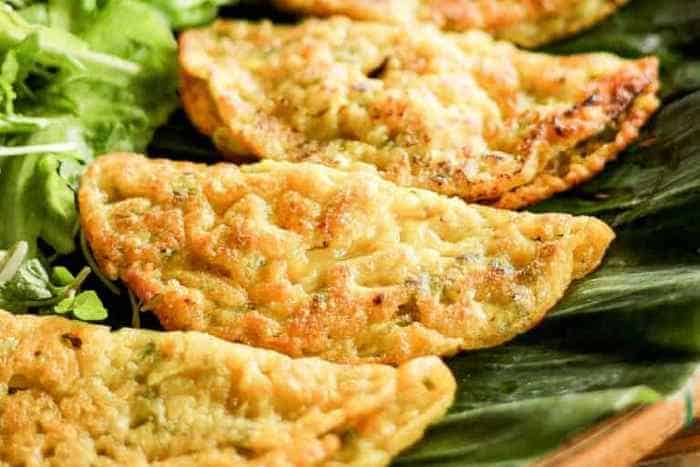
Known as the sizzling cake, Bahn Xeo is a savory pancake. Created using water, rice flour, and turmeric powder. The pancakes can come wrapped in lettuce, mustard leaves or Bahn Trang wrappers. You can add mint leaves and then dip them in sour dilute fish sauce.
Vietnam is known for its crispy, filled rice pancakes known as banh xeo. The name alludes to the noise that the hot skillet makes when the rice batter is placed in. The ingredients are rice flour, water, and turmeric powder to make a flavorful fried pancake. Vietnamese crêpe is another name for it. When a dish is referred to as a nation’s crepe, you know it’s good. Banh xeo is another name for a Vietnamese taco. It features a crispy exterior similar to a taco produced by adding rice batter and turmeric powder to a heated griddle or skillet.
Although banh xeo resembles a pancake, it’s not the kind you might be familiar with. It is created using rice flour, turmeric, and water, which creates a smooth batter instead of being fluffy and sweet. Without a doubt, Banh Xeo is a savory rather than a sweet meal. Onions and bean sprouts are common accompaniments to it. It is frequently packed with veggies and folded up like an omelet.
Banh xeo is a delectable pork-and-shrimp crêpe that is flavored with turmeric and loaded with bean sprouts for people who would rather eat a savory pancake than a sweet one. Simply put, it means “sizzling pancake.” The savory, crepe-like pancake is best consumed hot off the griddle because of its crunchy edges. The batter is pan-fried with pork, shrimp, and a ton of bean sprouts. It is created with rice flour, coconut milk, and turmeric, which gives it a lovely golden-yellow tint. Add lettuce and herbs to the pancake’s wrapper.
The outer layer is a nice golden tint because to the turmeric powder. Then, it is filled with shrimp, mung beans, bean sprouts, and pork belly. These delectable traditional Vietnamese dishes can be taken, rolled up with some vegetables in a lettuce leaf, and then dipped in the sauce. Basically, the sauce is just red pepper, garlic, and diluted fish sauce.
5. Bún chả (Grilled pork with rice vermicelli noodles)
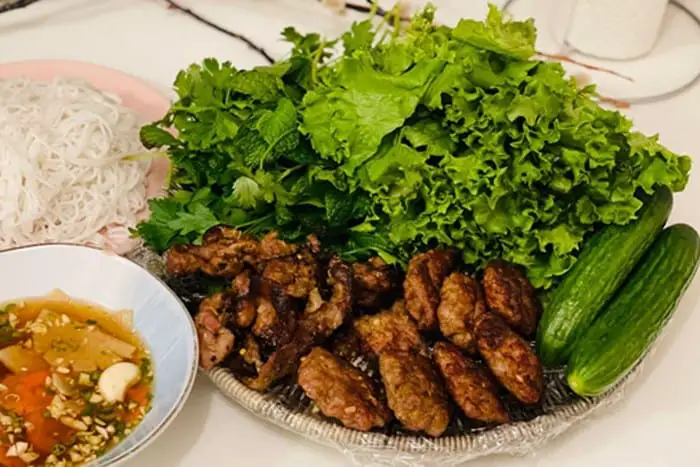
Made up of square pork meat that grilled on dry charcoal. It is often served with rice noodles and a side dish of dipping sauce. Traditional Vietnamese dishes of pork cuisine is known as bun cha. Along with rice noodles, fresh vegetables, and herbs, seasoned pig patties—what I like to refer to as “squished meatballs”—and caramelized pork belly slices are served in a broth.
Bun, or rice vermicelli, is a common food in Vietnam. It includes pickled vegetables, grilled pig sausage patties, a basket of herbs, bean sprouts, and the always-essential nuoc cham sauce (pour it over everything).
Vietnam’s capital, Hanoi, is where the origins of bun cha can be found. It is a long-standing tradition and a hit even now. Untrained eyes can mistake Bun Cha for a dish of meatballs. Bun Cha tastes very different from any Italian meatballs, though. In addition to fish sauce, onions, garlic, sugar, and occasionally even caramel sauce, bun cha is mostly comprised of pork. Sugar (and occasionally caramel sauce) give bun cha its distinct salty and sweet flavor. Usually, vermicelli or rice noodles are used for bun cha. Additionally, it includes veggies like lettuce, carrots, or herbs.
You May Also Like These Recipes: The 26 Best Authentic Vietnamese Recipes
6. Phở (Pho – The Base for Soups)
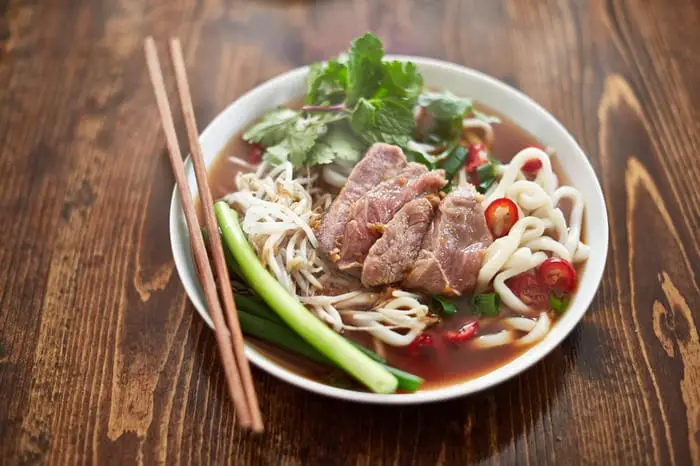
The powerful bowl of pho is one of Vietnam’s two most well-known dishes. The light broth that serves as the foundation of the soup is created by cooking beef bones, vegetables, and spices for many hours before being drained and utilized as a base for the addition of other components. Many traditional Vietnamese dishes are made from this soup base.
You have most likely previously heard about pho. It is one of the most well-liked soups in Vietnam. The basis of pho is either made of chicken or beef. It is a nice and satisfying comfort food because it also incorporates flat rice noodles. The level of spice in your pho will depend on where you obtain it.
Vietnamese pho is arguably the country’s most well-known dish. This mouthwatering Vietnamese noodle soup can be made with beef, chicken, or even vegetarian broth. The finished dish consists of a bowl of sizzling hot rice noodle soup with your choice of meat and garnished with parsley, onions, and green onions. This mixture produces a mouthwatering aroma that tempts customers to dig into their cuisine right away.
Vietnamese soup known as pho is made with plenty of tasty ingredients, including broth, noodles, beef (or other protein), and a variety of toppings. The best thing about pho is how restorative it is; the nourishing soup is thick and flavorful while also feeling crisp and energizing. Pho can be enjoyed all year long and at any time of day, so don’t simply store it for chilly days. Pho is a famous breakfast dish in Vietnam, and for good reason—it is incredibly filling!
7. Mì Quảng
The Vietnamese noodle originated from the region of Quang Nam Province. These traditional Vietnamese dishes of noodles are a staple in Vietnam. You will find it in family parties and served in most restaurants all around the country. It contains yellow rice noodle with alkaline water to give a slippery texture. It partners with shrimp, chicken, pork and even beef or fish. The broth is made from simmering meat in water. It is then added to the fish sauce, shallot, black pepper, and garlic.
Although making Mi Quang is challenging, it is worthwhile. It’s interesting to note that there isn’t much broth in this noodle meal and that it is added last. But because the bone broth is cooked for hours with fish sauce, garlic, turmeric, black pepper, and other flavors, the broth is the secret to how good Mi Quang is.
Unlike pho noodles, the special rice noodles are thicker, chewier, and even tastier. Basil, parsley, lettuce, mint, and other herbs and vegetables are sprinkled on top of the noodles together with peanuts. If you’re lucky, you could even find banana flowers!
8. Cha Ca La Vong (turmeric fish with noodles)
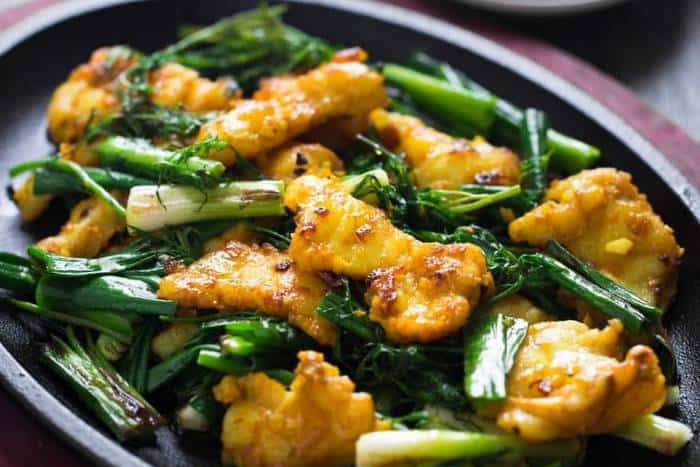
One of the best traditional Vietnamese dishes in Vietnam cuisine is this seafood meal. The dish has its roots in Hanoi. White fish, spring onions, and dill were cooked in butter to make the dish. After that, rice noodles and a garnish of peanuts are added.
Dill is a specialty in northern Vietnamese cuisine. However, in this distinctive Hanoian meal, flaky white fish is marinated in galangal (spicy hot relative of Ginger), turmeric, and plenty of dill before being served. Here, dill is utilized as a vegetable rather than a garnish.
Cha Ca La Vong, or Vietnamese turmeric fish with noodles, is a delectable and well-known dish in Hanoi. Flavorful fish chunks are placed over a bed of fragrant dill and green scallions for a special dining experience.
9. Bún Bò Huế (Spicy Beef & Pork Noodle Soup)
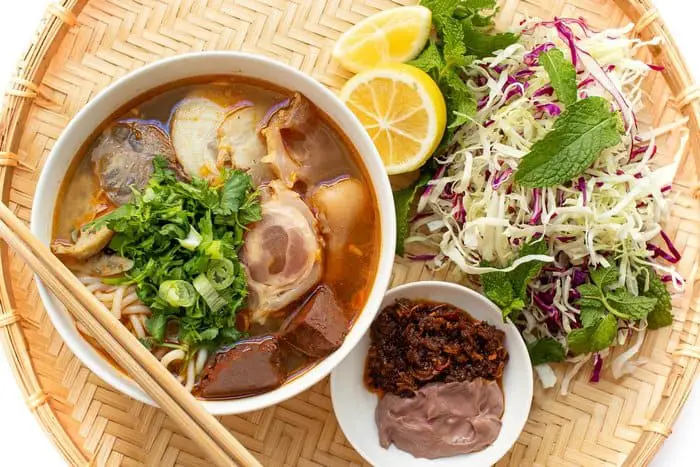
Vietnamese Bun bo Hue is a type of noodle soup. Literally translated, the term means beef noodle soup from Hue.
It might be one of the traditional Vietnamese dishes that is most well-known worldwide. This fantastic meat-and-noodle dish originates in Hue, Vietnam’s central province and former capital. Rice vermicelli (bun), thinly sliced beef (bo), and fermented shrimp paste are all combined with the dish’s distinctively aromatic tastes of lemongrass and beef broth. Typically, it comes with a ton of lime wedges, sliced spring onions, various different local salad/vegetable leaves, cilantro, and chili sauce, which you can add to your soup to your preferred taste.
Bun bo hue is the best soup in Vietnam, so look no further if you’re in the market. Since this meal is from the city of Hue, its name betrays its roots. The fact that this soup frequently contains pig knuckles and blood makes it unsuitable for picky diners. However, don’t let the ingredients stop you from tasting bun bo hue. This soup has a wonderful blend of umami flavors, lemongrass, and a burst of heat. Rice noodles with a variety of vegetables, including red cabbage, cilantro, basil, and mint, are used to make bun bo hue.
10. Cơm tấm (Broken Rice)
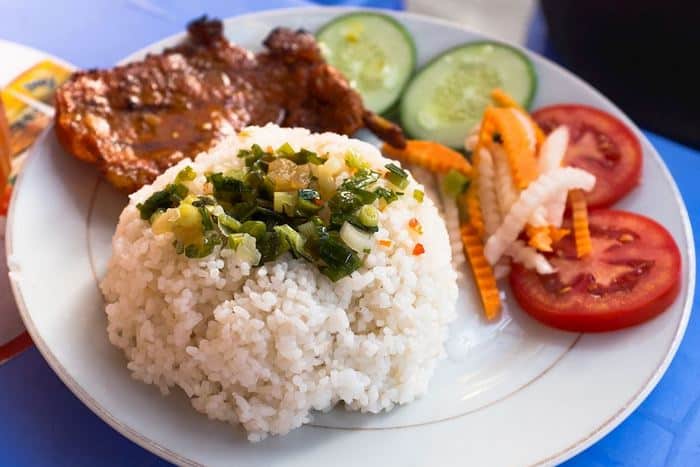
The texture of broken rice is similar to that of regular rice, but smaller. Com tam is frequently served with a variety of toppings, including fried eggs, shredded pork skin, grilled pork chops, and deep-fried fish patties. Sliced tomatoes and cucumbers, pickled vegetables, or dipping sauces are typically offered as side dishes, along with lime wedges, chopped spring onions, and mint.
Vietnamese rice farmers were forced to consume the poor rejected grains for themselves when they couldn’t sell their broken grains, which occasionally broke while being processed from the field. Over time, this less expensive substitute for “unbroken” rice has actually gained popularity since some people prefer its softer feel. These traditional Vietnamese dishes can be found on menus with a variety of toppings.
A plate of broken rice often consists of grilled or caramelized pork chops, a sunny-side-up egg, a few slices of cucumber and tomato, a steamed egg cake, steaming hot broken white rice, and of course a small bowl of fish sauce mixed with garlic and red pepper slices.
You May Also Like These Recipes: 20 Of The Best Recipes From Laos
How To Make The 3 Best Vietnamese Dipping Sauces
11. Nước chấm (Dipping Fish Sauce)
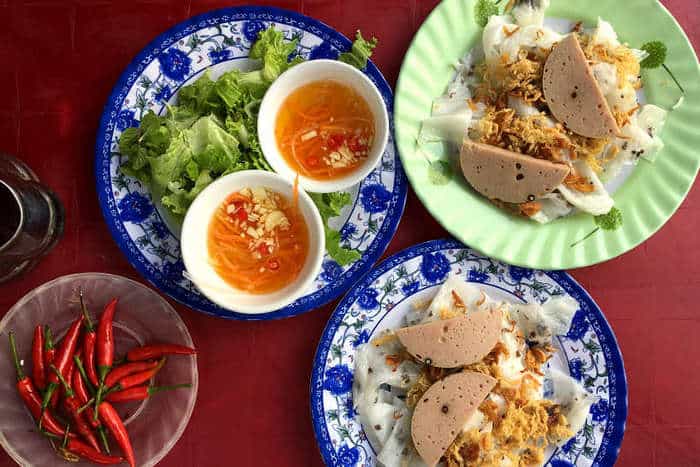
Vietnamese “dipping sauces” are typically served as side dishes. The sauce is frequently sweet, acidic, salty, savory, and/or spicy. Learning how to make this Vietnamese dipping sauce is a crucial step in perfecting your cooking. It is simply known as “dipping sauce” because it is practically always used in Vietnamese cuisine.
12. Nuoc Leo (Peanut Dipping Sauce)
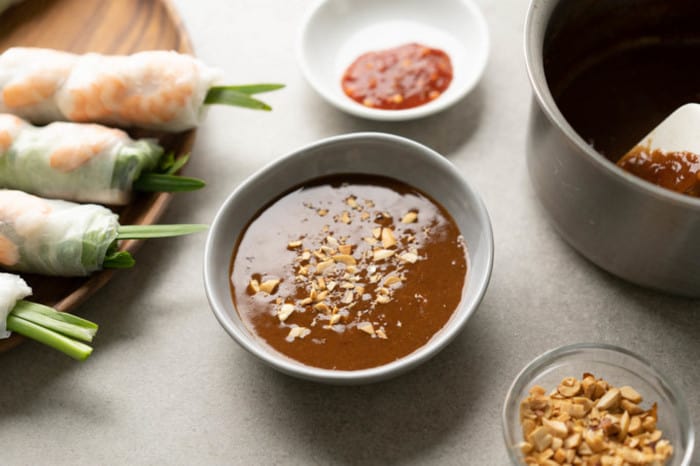
Good news for you—making this peanut sauce is quite easy. Vietnamese food benefits from the excellent texture variation provided by peanuts. Smooth noodle dishes or salads benefit from the wonderful crunchiness of roasted peanuts in particular. Freshly roasted peanuts and grilled oysters were one of the most unexpected pairings we discovered. It presented an unexpected contrast between the crackling peanuts and the chewy oyster texture. Peanut sauces are a pleasant and smooth addition to Vietnamese food in addition to peanuts.
13. Tuong Ot (Hot Chili Dipping Sauce)
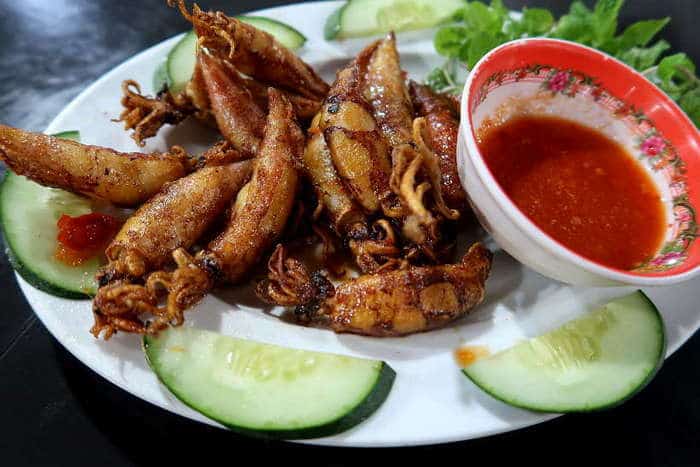
Fresh chilies are frequently served on plates or bowls at meals in Vietnam. The most common types of chiles are red, green, and yellow, with yellow being the hottest. Although chilies are not used in Vietnamese cookery, they are frequently offered in sauces, thinly chopped. This makes it simple to customize the spice levels to your preferences. On Vietnamese tables, chili peppers and chili sauce, known as Tuong Ot, are a constant. In addition to seasoning salads or soups, it is used as a table condiment.
You May Also Like These Recipes: 15 Traditional Burmese Recipes