
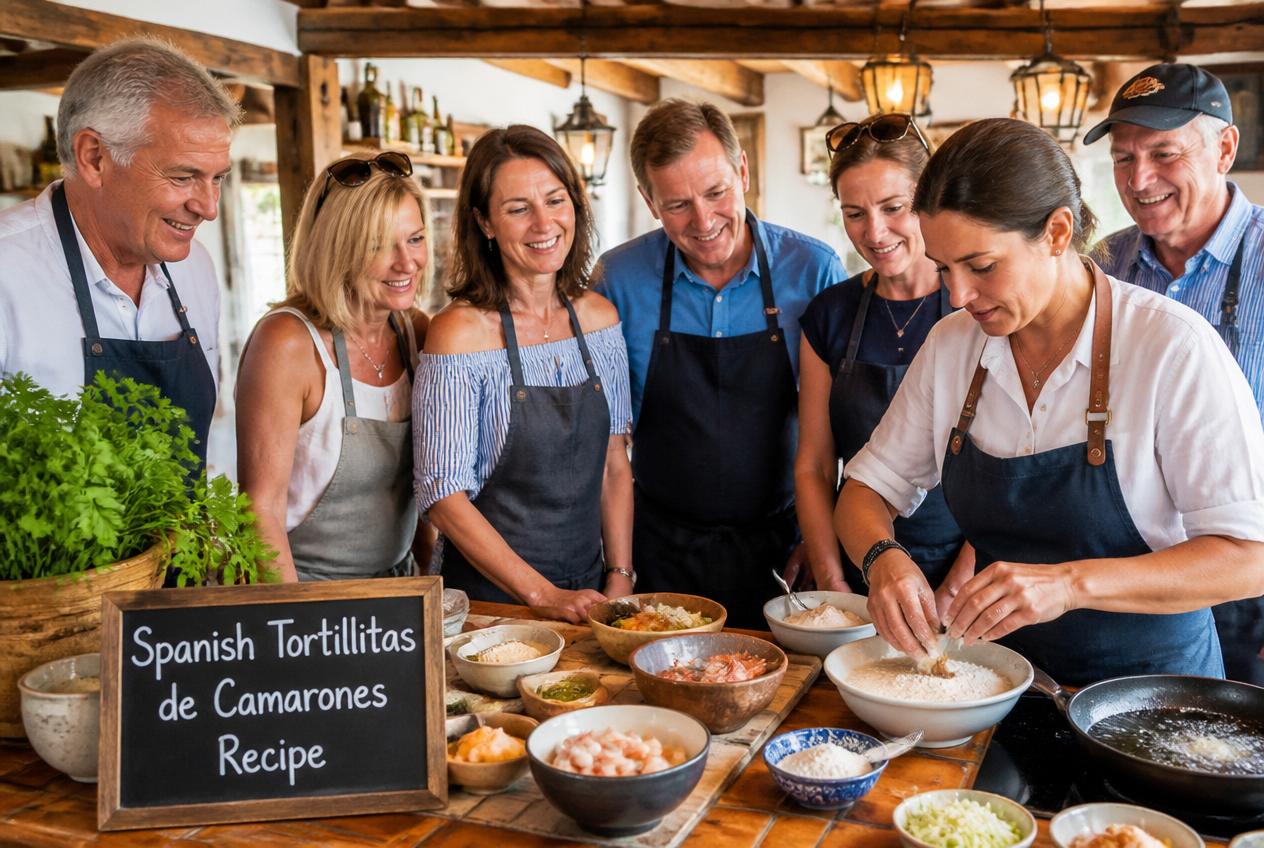
You crave the crisp, lacy bite of authentic Spanish tortillitas de camarones recipe from Andalusia and want to make them at home with confidence. I’ll show the simple ingredients and technique that produce paper-thin, savory shrimp fritters that deliver that coastal Cádiz flavor in every bite. You can recreate authentic Spanish shrimp fritters at home using chickpea flour, tiny shrimp, parsley, and a very thin batter fried quickly until golden and crisp. If you want to master the Spanish tortillitas de camarones recipe, this guide will help you achieve that.
My approach breaks the process into clear steps, offers practical tips for maximum crispness, and suggests easy swaps if you can’t find the tiny camaron shrimp. I’ll also point to trusted recipes and regional background so you understand why the batter must stay thin and why those small shrimp matter for texture and taste. This Spanish tortillitas de camarones recipe will help you replicate the authentic Andalusian experience at home.
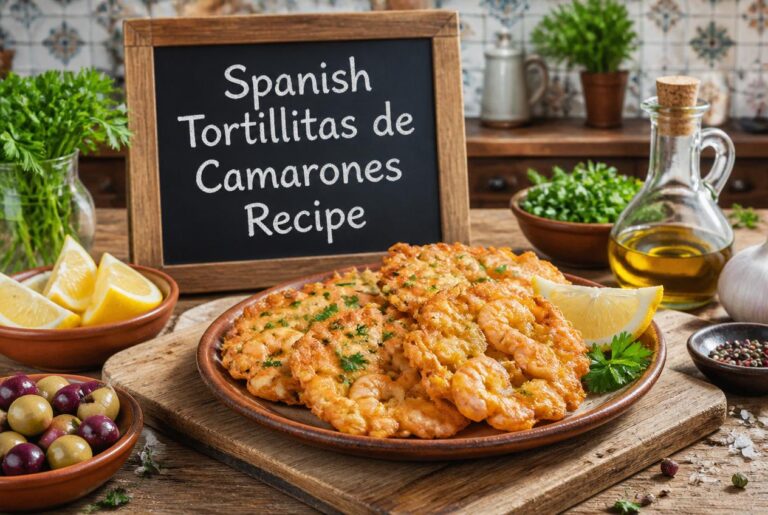
Spanish Tortillitas de Camarones Recipe
Key Takeaways
- I outline the essential ingredients and simple method to make authentic tortillitas de camarones.
- I provide tips for crisp, lacy fritters and practical ingredient substitutions.
- I connect the recipe to its Andalusian roots and suggest complementary serving ideas.
Background and Culinary Origins
I trace tortillitas de camarones to the fishing towns of Cádiz and San Fernando in Andalusia, where regional foods of Spain lean heavily on seafood and simple, local ingredients. The fritters reflect Mediterranean Spanish cuisine through their use of chickpea and wheat flours, small shrimp, and minimal seasoning. The Spanish tortillitas de camarones recipe showcases these traditions perfectly.
This recipe likely evolved from centuries of coastal cooking, blending Arabic, Roman, and local Iberian techniques. Spanish culinary traditions emphasize frugality, seasonality, and technique over complex spice blends, and the Spanish tortillitas de camarones recipe is a prime example of that.
Tortillitas serve as a classic example of traditional Spanish food and recipes from Spain that remain tied to place. In Cádiz, cooks make them thin and crisp, almost lace-like, which distinguishes them from heavier fritters elsewhere in Spain. The Spanish tortillitas de camarones recipe stands out for this unique texture.
Each region adapts fritter-making to local catch and flour types, showing how Spanish culinary traditions preserve identity. Simple staples become regional signatures, and the Spanish tortillitas de camarones recipe is a beloved specialty from Cádiz.
For more on their Cádiz roots and local importance, visit the Andalusian recipe page for additional context on origin and traditional preparation of the Spanish tortillitas de camarones recipe.
Expert Preparation Insights
I focus on ingredient quality first. Using very small shrimp (or finely chopped small prawns) and fresh parsley gives these Spanish cooking recipes their authentic lift. The Spanish tortillitas de camarones recipe always benefits from the freshest ingredients.
I recommend a thin batter. A batter that’s too thick makes dense fritters, while a loose, lacy mix yields the crisp, delicate texture central to authentic Spanish recipes. Resting the batter for 10–20 minutes helps hydrate the chickpea or wheat flour and improves crispness in your Spanish tortillitas de camarones recipe.
Use high-smoke-point oil and keep it hot but not smoking. Fry in small batches to avoid temperature drops; that preserves the fritters’ texture and prevents greasy results. Drain on paper and serve quickly for best mouthfeel with your Spanish tortillitas de camarones recipe.
Weigh ingredients when possible. Measuring produces consistent results for homemade Spanish recipes and makes this easy traditional Spanish recipe repeatable across attempts. A kitchen scale cuts guesswork better than spoons, especially for the Spanish tortillitas de camarones recipe.
Tweak seasoning subtly. Salt, a touch of smoked paprika, and a little chopped scallion or chive pair well with shrimp without masking the sea flavor. Taste the batter (cook a small test fritter) and adjust before frying the whole batch for your Spanish tortillitas de camarones recipe.
If you can’t find Cádiz-style tiny shrimp, use minced small shrimp and reduce the cooking time slightly. That keeps these among the best homemade Spanish dishes even when ingredients vary, and your Spanish tortillitas de camarones recipe will still shine.
Advance Preparation Guidelines
Source the smallest shrimp you can find for the most authentic texture. If you cannot get Cadiz-style camarones, use tiny bay or krill-sized shrimp and drain them well before use. This is key for an authentic Spanish tortillitas de camarones recipe.
Prepare the batter at least 30 minutes ahead to let the chickpea flour hydrate; this improves crispness and reduces raw flour taste. For even better flavor, rest the batter in the refrigerator up to 2 hours, covered. This step is essential for a great Spanish tortillitas de camarones recipe.
If frying later, finely chop parsley and store it in an airtight container with a paper towel to absorb moisture. Keep any chopped onion or garlic separate and refrigerated for no more than 24 hours. These prep tips ensure your Spanish tortillitas de camarones recipe stays fresh and flavorful.
Pre-measure ingredients into bowls to speed assembly and maintain consistent fritter size. Use a shallow plate for flour and a slotted spoon or spider for frying to keep oil handling efficient and safe. This organization helps streamline your Spanish tortillitas de camarones recipe process.
Test one small fritter first to check seasoning and oil temperature; adjust salt or heat as needed. If making ahead in batches, re-crisp fritters on a wire rack in a 200°C (400°F) oven for 3–5 minutes rather than microwaving. This preserves the signature texture of your Spanish tortillitas de camarones recipe.
Ingredients checklist (quick reference):
- Chickpea flour — sifted
- Tiny shrimp — drained and patted dry
- Fresh parsley — finely chopped
- Cold water — for batter consistency
- Salt and olive oil — to taste
Freeze cooked fritters on a tray, then transfer to bags for up to 1 month. Reheat in a hot oven to restore crispness and enjoy your Spanish tortillitas de camarones recipe anytime.
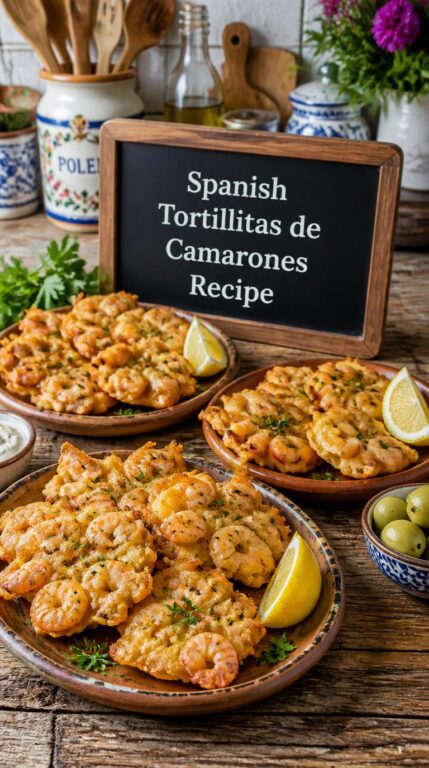
Creative Adaptations
Experiment with the classic batter to suit different diets and flavor preferences. For a gluten-free Spanish tortillitas de camarones recipe, replace wheat flour with a mix of chickpea and rice flours. The chickpea adds savory depth while rice keeps the fritters light.
Increase the aromatics to change the profile. Adding finely chopped parsley and a touch of smoked paprika brightens and slightly warms the fritters without overpowering the shrimp. This tweak keeps your Spanish tortillitas de camarones recipe vibrant.
To stretch the shrimp or add texture, fold in thinly sliced spring onions or grated zucchini, then squeeze out excess moisture. These vegetables add body and a subtle sweetness that complements the shrimp in your Spanish tortillitas de camarones recipe.
Make a smaller, crispier version by thinning the batter and frying in hotter oil for less time. The result is lace-like edges and a delicate crunch that contrasts with a tender center in your Spanish tortillitas de camarones recipe.
For a modern plating, serve small tortillitas with a range of sauces:
- Classic lemon wedge and flaky sea salt.
- Garlic-yogurt dip with lemon zest.
- Spicy romesco or piquillo pepper sauce.
When adapting ingredients, preserve the balance between batter and shrimp so the fritter stays thin and flavorful. That restraint ensures each variation still feels true to the Cádiz original and the Spanish tortillitas de camarones recipe.
Recommended Complementary Dishes
Pair tortillitas de camarones with light, bright tapas to balance the fritters’ crisp, briny flavor. A simple mixed green salad dressed with sherry vinegar refreshes the palate between bites and complements your Spanish tortillitas de camarones recipe.
Serve classic Spanish tapas recipes alongside them. Pan con tomate or toasted baguette with garlic and ripe tomato adds texture and familiar Spanish flavors without overpowering the shrimp. These make a great pairing with your Spanish tortillitas de camarones recipe.
For a fuller Spanish family dinner recipes spread, include a cold plate of marinated olives and Manchego cheese. These small bites make the meal feel communal and let guests sample varied textures, all while enjoying your Spanish tortillitas de camarones recipe.
Add a warm dish like gambas al ajillo (garlic prawns) or a saffron-scented arroz with vegetables for special occasions. Both keep the seafood theme cohesive and elevate the menu for celebrations that feature your Spanish tortillitas de camarones recipe.
Offer a traditional Spanish tapas idea of thinly sliced jamón serrano or chorizo on the side. Cured meats provide savory contrast and pair well with Manzanilla or a crisp dry fino sherry, rounding out your Spanish tortillitas de camarones recipe experience.
Finish with a simple citrus sorbet or flan for a light dessert. These classic Spanish meals to make at home round out the tasting menu without heavy richness, following your Spanish tortillitas de camarones recipe.
Comparative Analysis With Similar Dishes
Compare tortillitas de camarones to other classic Spanish dishes to highlight what makes them distinct. Unlike paella, which centers on rice and layered flavors, tortillitas focus on a thin, crisp batter and concentrated shrimp taste. The Spanish tortillitas de camarones recipe stands apart for this reason.
Note similarities with other popular Spanish tapas like croquetas and calamari. All three serve as shareable comfort foods, but croquetas use a creamy béchamel interior while calamari is simply battered squid rings; tortillitas blend batter and finely chopped seafood into a lace-like fritter. The Spanish tortillitas de camarones recipe is unique in its texture and seafood-forward flavor.
Regional origin matters. Tortillitas come from Cádiz and reflect coastal Andalusian ingredients and techniques, whereas many popular Spanish dishes such as gazpacho or cocido have inland roots and different textures and seasonings. The Spanish tortillitas de camarones recipe is a coastal treasure.
For quick comparison, here are key attributes:
- Texture: tortillitas — crisp edges, tender center; croquetas — creamy interior; calamari — uniformly crisp.
- Primary starch: tortillitas — chickpea or wheat flour batter; paella — rice; croquetas — breadcrumb coating.
- Serving context: tortillitas — tapas/comfort snack; paella — communal main; gazpacho — chilled starter.
Tortillitas sit squarely among beloved Spanish comfort foods due to their simplicity, coastal flavor profile, and role in tapas culture. The Spanish tortillitas de camarones recipe offers a distinctive, seafood-forward alternative to more substantial classics.
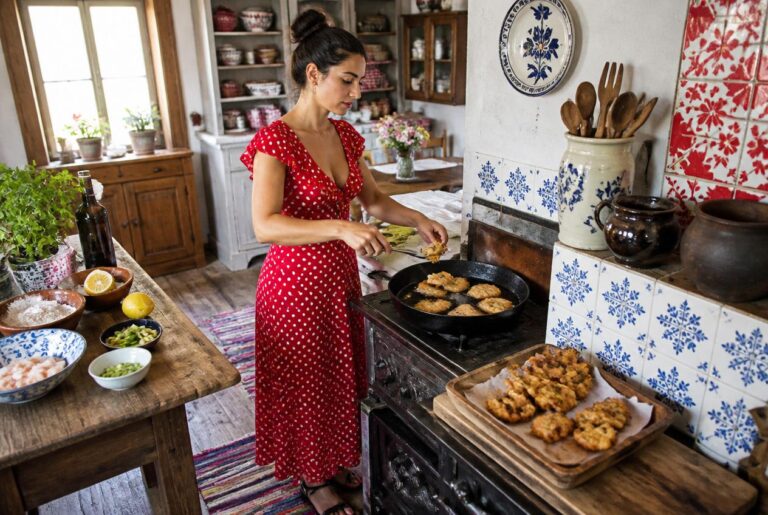
Spanish Tortillitas de Camarones Recipe Cooking Tips
Spanish Tortillitas de Camarones Recipe Cooking Tips
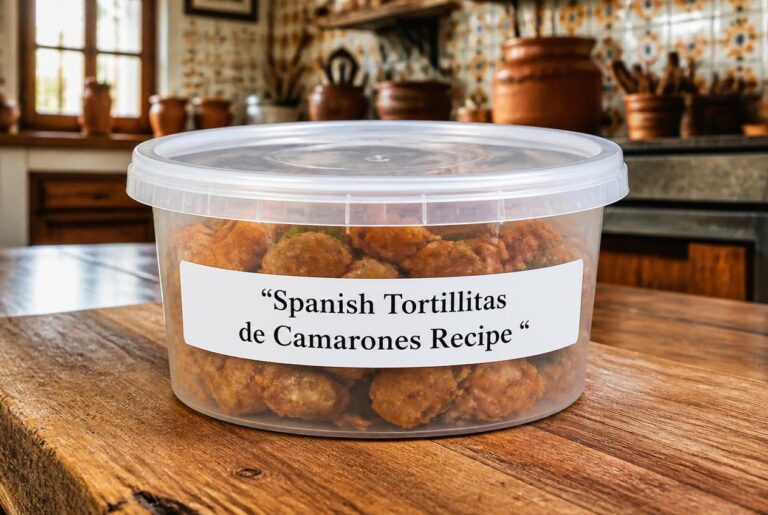
• Spanish Tortillitas de Camarones are traditional Andalusian shrimp fritters known for their delicate crispness, light texture, and savory seafood flavor.
• Small shrimp are the signature ingredient and should be evenly distributed throughout the batter.
• Fresh shrimp provide the best flavor, although properly thawed frozen shrimp can also work well.
• Finely chop larger shrimp pieces to ensure even cooking and texture.
• Chickpea flour is commonly combined with wheat flour to create the traditional batter.
• Cold water helps produce a lighter, crispier fritter texture.
• The batter should be relatively thin compared to many other fritter batters.
• Fresh parsley adds color and a bright herbal note.
• Green onions or scallions are often included for mild onion flavor.
• Mix the batter thoroughly to distribute the shrimp and seasonings evenly.
• Allow the batter to rest briefly if desired to help hydrate the flour.
• Use hot oil to achieve the characteristic crisp texture.
• Spread the batter thinly when frying to create delicate, lacy fritters.
• Avoid overcrowding the frying pan, which can lower the oil temperature.
• Fry until the fritters become golden and crisp around the edges.
• Drain briefly on paper towels to remove excess oil.
• The flavor should balance sweet shrimp, savory batter, fresh herbs, and a crisp exterior.
• Serve immediately while the fritters remain light and crunchy.
Spanish Tortillitas de Camarones Recipe Storage Tips
Spanish Tortillitas de Camarones Recipe Storage Tips
• Tortillitas de Camarones are best enjoyed immediately after frying for maximum crispness.
• Allow leftovers to cool before transferring them into storage containers.
• Store refrigerated in airtight containers if necessary.
• Place paper towels between layers to help absorb excess moisture.
• Refrigeration may soften the fritters over time.
• Reheat in the oven, air fryer, or toaster oven to help restore crispness.
• Avoid microwave reheating whenever possible, as it can make the fritters soft.
• Store accompanying sauces or garnishes separately.
• Freeze cooked fritters in airtight freezer-safe containers if desired.
• Arrange fritters in a single layer before freezing to help maintain their shape.
• Wrap tightly to help prevent freezer burn and preserve quality.
• Defrost frozen fritters gradually in the refrigerator before reheating.
• Reheat thoroughly until crisp and heated through.
• Use clean utensils when handling leftovers to help maintain freshness.
• Keep away from strongly scented foods because seafood and fried foods readily absorb odors.
• Label storage containers with the preparation date for easier inventory management.
• Check for signs of spoilage such as sour odors, slime, unusual discoloration, or texture changes before consuming leftovers.
• For best quality, enjoy refrigerated and frozen portions while the fritters retain their seafood flavor and crisp texture.
Spanish Tortillitas de Camarones Recipe
Ingredients
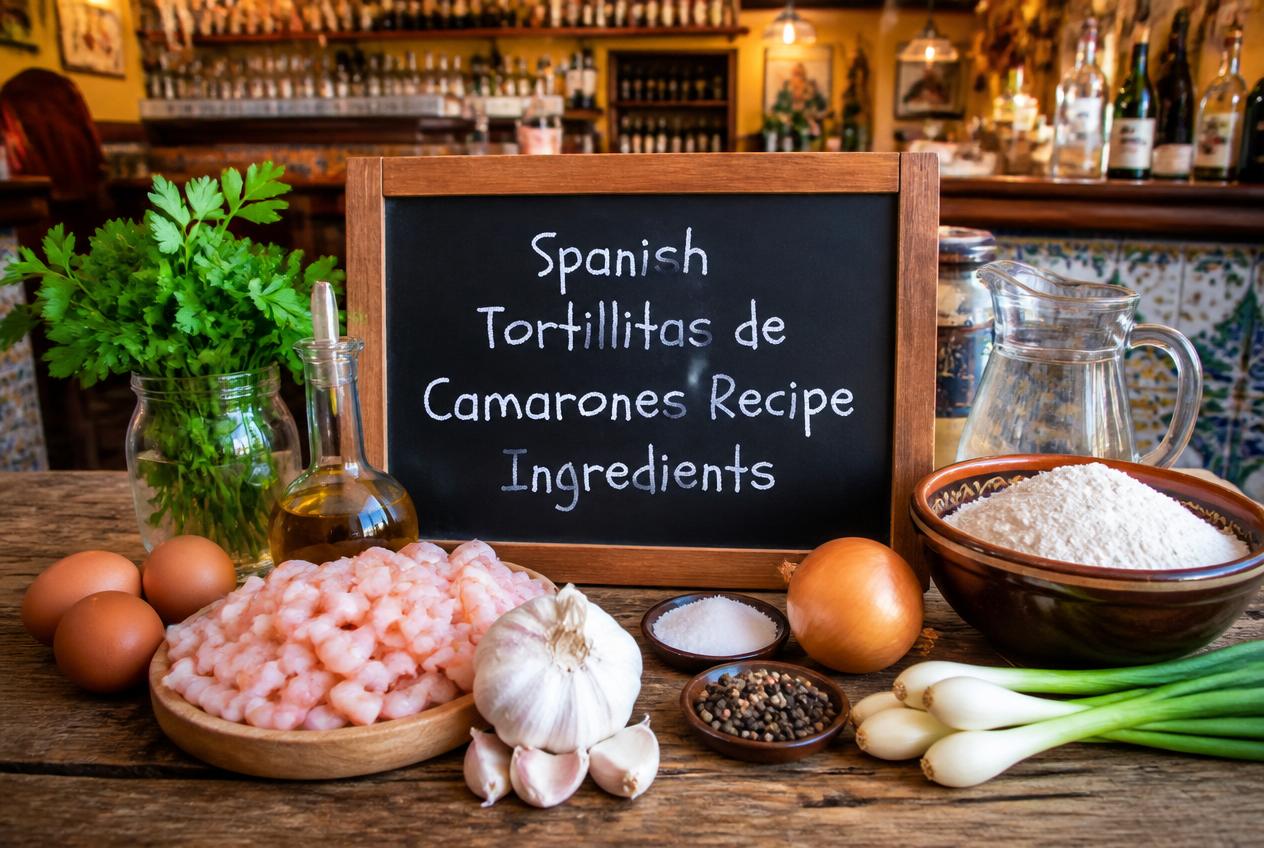
- ½ lb shrimp peeled
- 1½ cups flour chickpea flour or plain flour
- 1 tbsp parsley chopped fresh
- 3 scallions white part and a bit of the green tops, finely chopped
- ½ tsp pepper sweet pimeton
- A pinch of salt
- Enough Olive oil for deep frying
Instructions
- Begin by placing the small shrimp in a saucepan and adding enough water to completely cover them.
- Bring the water to a boil over high heat. As soon as the water reaches a boil, remove the shrimp using a slotted spoon and transfer them to a plate to cool.
- Before discarding the cooking liquid, carefully measure out 1 cup of the shrimp cooking water and set it aside to cool completely. This flavorful liquid will be used to make the batter and gives the fritters their characteristic seafood flavor.
- Discard the remaining cooking water.
- Once the shrimp have cooled, cover them and refrigerate until needed.
- In a mixing bowl, combine the flour, chopped parsley, scallions, and pimentón.
- Mix the ingredients together thoroughly, either by hand or using a food processor if preferred.
- Add a pinch of salt, then gradually pour in the cooled shrimp cooking water.
- Stir continuously until a smooth batter forms. The consistency should be thinner than pancake batter and only slightly thicker than milk. This relatively loose batter is essential for creating the delicate, crisp texture that makes these fritters famous.
- Cover the bowl and refrigerate the batter for 1 hour. This resting period allows the flour to hydrate fully and helps the flavors meld together.
- Shortly before frying, remove the shrimp from the refrigerator.
- If using very small shrimp, they can be left whole. If the shrimp are larger, finely mince them into pieces roughly the size of coffee grounds.
- The goal is to distribute the shrimp evenly throughout the batter so every fritter contains plenty of seafood flavor without large chunks.
- Remove the chilled batter from the refrigerator and stir the shrimp into it until evenly combined.
- Pour olive oil into a heavy saucepan or deep skillet to a depth of approximately 1 inch (3 cm).
- Heat the oil over medium-high to high heat until it is very hot and nearly smoking.
- Maintaining a high oil temperature is important because it allows the fritters to become thin, crisp, and golden without absorbing excess oil.
- Using a tablespoon, scoop up some of the shrimp batter and carefully drop it into the hot oil.
- Immediately use the back of the spoon to spread the batter into a very thin circle approximately 3½ inches (8–9 cm) in diameter.
- Do not overcrowd the pan. Fry only 2 or 3 fritters at a time so the oil temperature remains high.
- Cook each fritter for about 1 minute per side, turning once, until both sides are beautifully golden brown and crisp.
- The finished fritters should be delicate, lace-like, and wonderfully crunchy.
- Using a slotted spoon, remove the fritters from the oil and allow any excess oil to drain back into the pan.
- Transfer them to a plate lined with paper towels to absorb any remaining oil.
- Continue frying the remaining batter in batches, making sure the oil remains very hot throughout the process.
- If desired, keep finished fritters warm in a low oven while cooking the remaining batches.
- Arrange the finished shrimp fritters on a serving platter and serve immediately.
- These fritters are at their very best when freshly fried, while the edges remain exceptionally crisp and the centers retain their delicate seafood flavor.
- These traditional Spanish Tortillitas de Camarones are a beloved specialty of Andalusia, particularly the Cádiz region. Their unique combination of shrimp, herbs, and pimentón creates remarkable flavor, while the thin batter fries into an incredibly light and crispy texture.
- Served as a tapa, appetizer, or snack, they are simple yet elegant and perfectly capture the coastal flavors of southern Spain. For the best experience, enjoy them hot from the fryer while they are still wonderfully crisp and golden.
Spanish Tortillitas de Camarones Recipe Frequently Asked Questions
I address precise, practical questions about ingredients, technique, shrimp selection, timing, frying temperature, and serving suggestions so you can make authentic Andalusian tortillitas de camarones with confidence. I emphasize small, repeatable steps that suit cooks new to Spanish recipes as well as experienced home cooks. The Spanish tortillitas de camarones recipe is approachable for all skill levels.
What ingredients are essential for authentic Andalusian prawn fritters?
The classic Spanish tortillitas de camarones recipe relies on chickpea (garbanzo) flour, very small whole shrimp (camarones), finely chopped fresh parsley, thinly sliced onion or scallion, cold water, and a pinch of salt. Sometimes add a little wheat flour or baking soda only when tiny shrimp aren’t available, but true Cádiz-style fritters use mostly chickpea flour and minimal leavening.
How do you achieve a thin, crispy texture when making shrimp fritters?
Use a fairly loose batter—about the consistency of heavy cream—so it spreads thinly on contact with hot oil. Fry in small spoonfuls, don’t overcrowd the pan, and turn each fritter once the edges are deeply golden to keep them lacy and crisp. This is crucial for a perfect Spanish tortillitas de camarones recipe.
What type of shrimp works best for traditional Spanish-style fritters?
The traditional Spanish tortillitas de camarones recipe uses tiny whole bay shrimp (camarones) from Cádiz, which provide shell-on flavor and a delicate bite. If you can’t find them, use very small whole shrimp with shells intact or reserve finely chopped shelled shrimp and add a touch of prawn or fish stock to mimic the briny depth in your Spanish tortillitas de camarones recipe.
Can shrimp fritter batter be prepared ahead of time without losing crispness?
You can mix the batter several hours ahead and refrigerate it; chilling helps the flavors meld and lets the batter hydrate the flours. For the best Spanish tortillitas de camarones recipe results, bring the batter back to cold before frying and stir in a little extra cold water if it thickens. Fry the batter directly from the fridge to achieve the crispest Spanish tortillitas de camarones recipe every time.
What oil temperature is ideal for frying shrimp fritters evenly?
Keep the oil between 350°F and 375°F (175°C–190°C) so the exterior crisps quickly while the interior cooks through. Adjust the heat in small increments to maintain a steady temperature, as small fritters can quickly change the oil temperature. Consistent oil temperature is key to a perfect Spanish tortillitas de camarones recipe.
When making a Spanish tortillitas de camarones recipe, use fresh ingredients and quality oil for the best flavor. The Spanish tortillitas de camarones recipe benefits from careful attention to batter consistency and oil heat. Many chefs recommend using a Spanish tortillitas de camarones recipe that calls for chickpea flour to achieve an authentic texture.
Serve your Spanish tortillitas de camarones recipe hot and crisp for maximum enjoyment. Pair your Spanish tortillitas de camarones recipe with a light salad or a squeeze of lemon for a refreshing touch. For more tips on the Spanish tortillitas de camarones recipe, visit Saveur’s guide to shrimp fritters.
Experiment with your Spanish tortillitas de camarones recipe by adding different fresh herbs or spices. The Spanish tortillitas de camarones recipe is a beloved dish in Andalusia, Spain. Share your Spanish tortillitas de camarones recipe with friends and family for an authentic Spanish experience.
Remember, the Spanish tortillitas de camarones recipe relies on quick frying for its signature crispness. Practice makes perfect when preparing a Spanish tortillitas de camarones recipe, so don’t hesitate to try a few test fritters. Enjoy your Spanish tortillitas de camarones recipe as part of a tapas spread for a true taste of Spain.
What are the best sauces or accompaniments to serve with shrimp fritters?
Serve shrimp fritters with bright, acidic options like lemon wedges, a simple allioli or garlic mayonnaise, or a light tomato mojo for contrast. I also pair them with crisp green salads or marinated peppers to balance the richness and keep the plate authentically Spanish for beginners and seasoned cooks alike. For those interested in the Spanish tortillitas de camarones recipe, these accompaniments enhance the experience and bring out the best flavors. The Spanish tortillitas de camarones recipe often features these sauces to add depth and freshness.

Recipes are gathered in person and written for real-world cooking conditions.
- 10 Hungarian Dessert Recipes Passed Down Through Generations - July 25, 2026
- 11 Easy English Recipes Anyone Can Make - July 25, 2026
- Hungarian Kifli Recipe - July 25, 2026