
Discover how to make an authentic Spanish Técula Mécula recipe, a rich almond-and-egg tart that’s silky and surprisingly simple to prepare. I’ll show you a clear, traditional Spanish Técula Mécula recipe that uses ground almonds, egg yolks, and a sugar syrup to create a creamy filling baked in a light crust. This Spanish Técula Mécula recipe stands out for its simplicity and luxurious texture, perfect for anyone wanting to explore regional Spanish desserts.
Follow my step-by-step guidance and chef tips to get the right texture, avoid curdling, and make this classic Spanish Técula Mécula recipe ahead for gatherings. I’ll also share notes on variations and how this Spanish Técula Mécula recipe fits within authentic Spanish cuisine, so you can adapt it confidently for any occasion.
Key Takeaways
- I introduce a straightforward traditional Spanish Técula Mécula recipe.
- I explain practical tips for texture, timing, and make-ahead planning.
- I outline simple variations and how the Spanish Técula Mécula recipe relates to authentic Spanish desserts.
Description and Historical Information
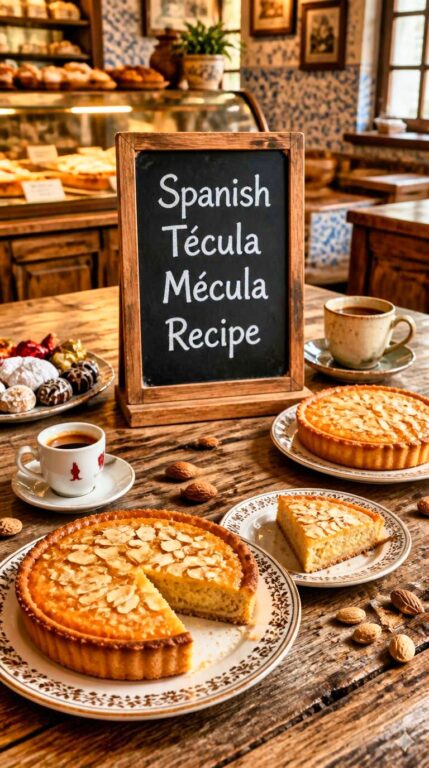
The Spanish Técula Mécula recipe delivers a compact, almond-and-egg tart from Olivenza in Extremadura, Spain. The filling blends egg yolks, ground almonds, and sugar for a dense, custard-like texture with mild sweetness and subtle cinnamon notes. This Spanish Técula Mécula recipe reflects convent and regional baking traditions, where simple pantry ingredients produced celebratory sweets.
Local bakeries and families preserved the Spanish Técula Mécula recipe, making it part of regional foods of Spain and Spanish culinary traditions. People often serve this Spanish Técula Mécula recipe at festivals, weddings, and town celebrations in Extremadura. The tart appears alongside other traditional Spanish recipes that mark communal and religious events.
Olivenza claims the most famous Spanish Técula Mécula recipe, and historical accounts point to a mix of local and convent influences. For more on the pastry’s origin and traditional ingredients, see a concise entry on Técula Mécula from Wikipedia. Crusts range from buttery puff pastry to doughs enriched with lard or butter, and some versions of the Spanish Técula Mécula recipe include extra flavoring like cinnamon or a touch of pork fat.
Chef’s Tips
Use fresh egg yolks and finely ground almonds for an authentic Spanish Técula Mécula recipe texture. Fresh ingredients keep your Spanish Técula Mécula recipe tasting true to Olivenza tradition. Cook the sugar and water until a clear syrup forms, then cool it slightly before adding yolks—this step prevents curdling and gives the Spanish Técula Mécula recipe filling a smooth, custardy finish.
Control heat for the Spanish Técula Mécula recipe by baking the tart gently in a water bath if your oven runs hot; this helps set the filling without cracking. Add a pinch of cinnamon or a drop of almond extract to lift the flavor, but keep additions minimal to preserve the classic almond-and-yolk profile found in a traditional Spanish Técula Mécula recipe. Chill the tart thoroughly before cutting for consistent slices, and use a sharp knife warmed under hot water for cleaner edges.
Practice with a smaller tart to learn timing and texture. Working at home with this approachable Spanish Técula Mécula recipe builds confidence in other Spanish homemade desserts.
Make-Ahead Instructions
Prepare the Spanish Técula Mécula recipe a day ahead to let the flavors settle and the texture firm up. Refrigerate the cooled tart covered with plastic wrap; it keeps well for 48 hours and benefits from gentle chilling to set the custardy almond filling. For longer storage, freeze individual slices or the whole tart. Wrap pieces tightly in plastic wrap and place them in an airtight container or freezer bag; they remain good for up to one month. Thaw in the refrigerator overnight to avoid condensation on the surface.
Remove the Spanish Técula Mécula recipe tart from the fridge 30–60 minutes before serving. This rest at room temperature softens the filling slightly and brings out the almond aroma without losing structure. Dust the top with a fine sift of powdered sugar right before serving for a just-baked appearance.
Chill the Spanish Técula Mécula recipe tart until very firm and pack it in a rigid container with a cold pack if you need to transport it. This prevents shifting and preserves the smooth texture of the slice. The tart is best served cool to slightly chilled.
Storage quick reference:
- Refrigerate: 48 hours (covered)
- Freeze: up to 1 month (well wrapped)
- Serve after 30–60 minutes at room temperature
For further background on the Spanish Técula Mécula recipe’s origin and traditional method, see a classic regional recipe from Olivenza at Spain.info.
Variations
Tweak the classic Spanish Técula Mécula recipe base to suit different tastes and occasions. Add citrus zest—lemon or orange—to brighten the filling; use 1–2 teaspoons of finely grated zest for a subtle lift. Replace part of the ground almonds with finely chopped toasted almonds or hazelnuts for a nuttier texture.
Swap a pinch of ground cinnamon for a light sprinkling of grated nutmeg or a few drops of almond extract to introduce aroma. These small adjustments keep the Spanish Técula Mécula recipe authentic while adding nuance. Substitute butter for pork lard to keep the Spanish Técula Mécula recipe vegetarian, and reduce sugar slightly when using very sweet blanched almonds; the tart still holds its shape and custardy texture.
For variety, bake the Spanish Técula Mécula recipe mixture in individual tartlets or a shallow tart pan for different serving sizes. Dust the cooled tart with powdered sugar or finely ground cinnamon for a finished look. Try folding a tablespoon of orange liqueur into the egg mixture or adding a thin layer of apricot jam under the filling for gentle modern contrasts.
Related Recipes
Pair the Spanish Técula Mécula recipe with other Spanish classics that showcase simple, bold flavors. A traditional churros recipe provides a crunchy, fried contrast to the tart’s dense almond and yolk filling; dunking churros into hot chocolate is a classic serving suggestion for brunch or dessert buffets. Include a Spanish tortilla recipe on menus that feature the Spanish Técula Mécula recipe. The tortilla’s creamy potato-and-egg interior mirrors the tart’s eggy richness, while its savory profile balances the dessert’s sweetness.
Serve an authentic gazpacho recipe ahead of sweet courses in warm weather. Gazpacho’s bright, acidic tomato base refreshes the palate and lightens the progression from savory courses into rich desserts like the Spanish Técula Mécula recipe. A chilled bowl with a drizzle of good olive oil makes a crisp contrast.
For easy reference, try these quick pairings:
- Churros with thick hot chocolate — contrast of textures.
- Spanish tortilla (pinch-sized portions) — savory balance.
- Chilled gazpacho shots — palate cleanser between courses.
Try these combinations to highlight regional diversity while keeping the meal cohesive. Each recipe complements the Spanish Técula Mécula recipe without overpowering its delicate almond-and-yolk character.
Recipe Comparison
Compare several traditional and modern Spanish Técula Mécula recipe versions to identify consistent elements and common variations. Most recipes center on almonds and egg yolks, with sugar syrup binding the filling. Quantities vary: classic Spanish Técula Mécula recipes often use a high yolk-to-albumen ratio, while modern adaptations reduce yolks and add almond meal for convenience, which shifts the texture.
Fat choices in the Spanish Técula Mécula recipe affect flavor. Traditional recipes include butter and sometimes pork lard; contemporary cooks frequently substitute all-butter or omit animal fat for a cleaner taste or vegetarian preference. Spice and aromatics are minimal but impactful—a pinch of cinnamon or a drop of almond extract highlights the almond profile without overwhelming it.
Adjust the yolk ratio and fat in your Spanish Técula Mécula recipe to match the texture and flavor you prefer.
| Element | Traditional | Modern/Adapted |
|---|---|---|
| Eggs | High yolk count (very rich) | Fewer yolks, sometimes whole eggs |
| Almonds | Whole-blanched and chopped | Almond meal or ground almonds |
| Fat | Butter + pork lard | Butter only or none |
| Sweetening | Sugar boiled into syrup | Same syrup method or simpler sugar |
| Flavoring | Little spice (cinnamon) | Optional almond extract |
Spanish Técula Mécula Recipe Cooking Tips
• Spanish Técula Mécula is a traditional pastry from Extremadura known for its rich almond filling, delicate pastry layers, and luxurious sweetness.
• Almonds are the signature ingredient and provide the dessert’s distinctive flavor and texture.
• Finely ground almonds help create a smooth, cohesive filling.
• Use fresh, high-quality almonds for the best flavor and aroma.
• Egg yolks contribute richness and help create the characteristic dense, creamy filling.
• Sugar should be incorporated gradually to achieve a balanced sweetness and smooth consistency.
• Puff pastry is commonly used to encase the almond filling.
• Keep the pastry chilled before use to maintain its flaky texture.
• Roll the pastry evenly to create uniform layers and proper baking.
• Allow the almond mixture to cool before assembling if it has been cooked.
• Spread the filling evenly to ensure consistent texture throughout the pastry.
• Avoid overfilling, which can cause leakage during baking.
• Seal the pastry edges carefully to help contain the filling.
• Brush the pastry with egg wash to create a glossy golden finish.
• Bake until the pastry is golden brown and fully cooked.
• Allow the pastry to cool before slicing so the filling can set properly.
• Powdered sugar is often used as a decorative finishing touch.
• The flavor should balance rich almonds, sweet egg yolk filling, buttery pastry, and subtle caramelized notes.
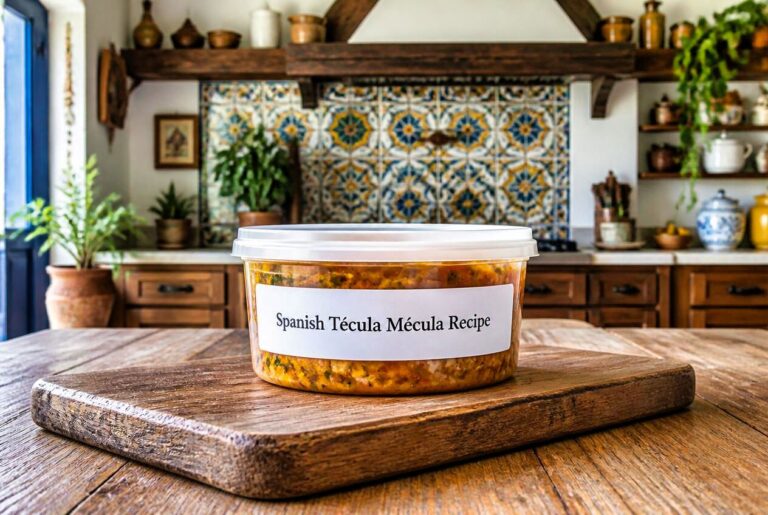
Spanish Técula Mécula Recipe Storage Tips
• Allow the pastry to cool completely before transferring it into storage containers.
• Store in airtight containers to preserve freshness and prevent drying.
• Keep the pastry in a cool, dry location away from direct sunlight.
• Refrigeration may be used if environmental temperatures are warm or if extended storage is needed.
• Bring refrigerated portions closer to room temperature before serving for optimal flavor and texture.
• Keep the pastry tightly covered to prevent moisture loss.
• Place parchment paper between slices if stacking multiple portions.
• Almond-based pastries often become even more flavorful after resting for several hours.
• Store away from strongly scented foods because almonds and pastry readily absorb surrounding odors.
• Individual slices can be wrapped separately for convenient serving.
• Freeze portions in airtight freezer-safe containers if desired.
• Wrap tightly to help prevent freezer burn and preserve quality.
• Defrost frozen portions gradually at room temperature or in the refrigerator.
• Refresh thawed pastry briefly in a low oven if desired.
• Use clean utensils when handling leftovers to help maintain freshness.
• Label storage containers with the preparation date for easier inventory management.
• Check for signs of spoilage such as rancid almond odors, mold, unusual discoloration, or texture changes before consuming leftovers.
• For best quality, enjoy the pastry while the almond filling remains rich and the pastry retains its delicate texture.
Spanish Técula Mécula Recipe
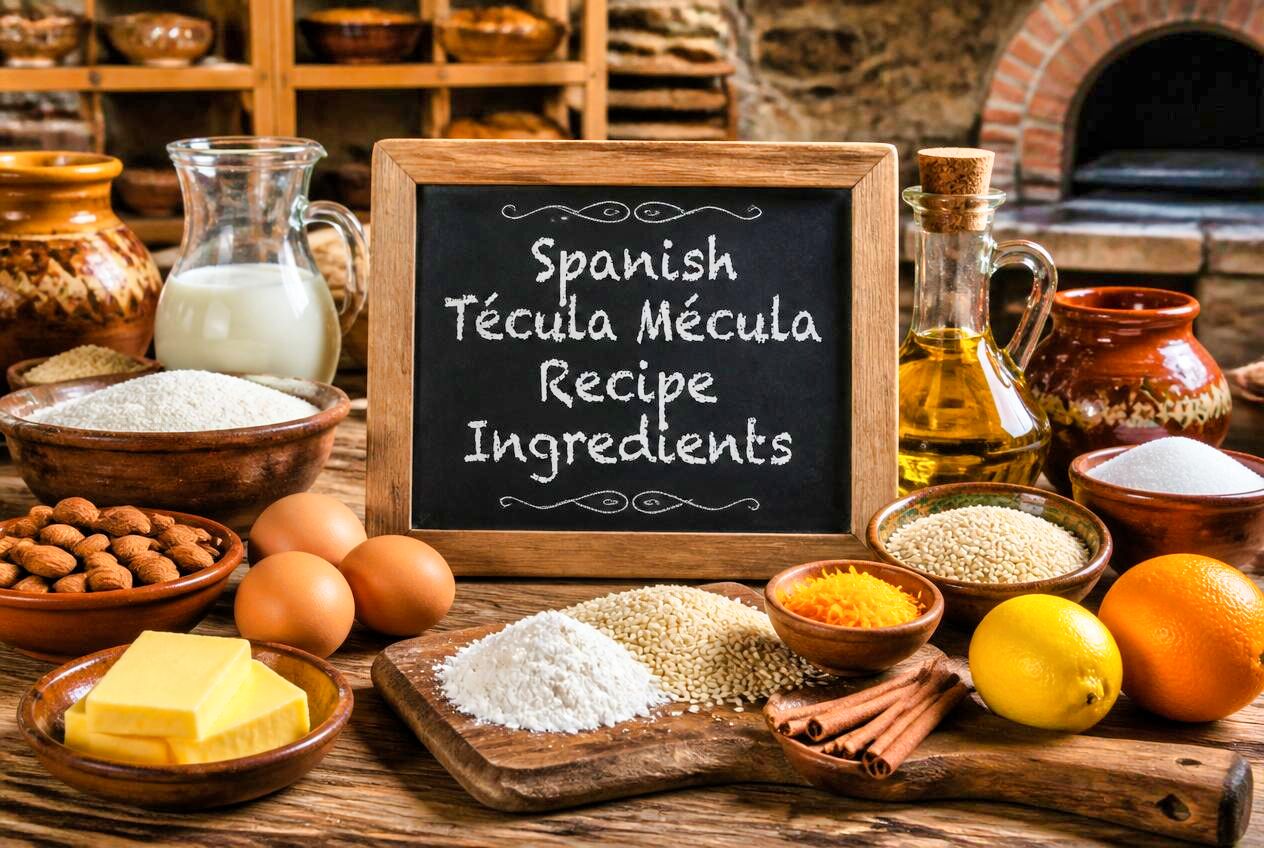
Ingredients
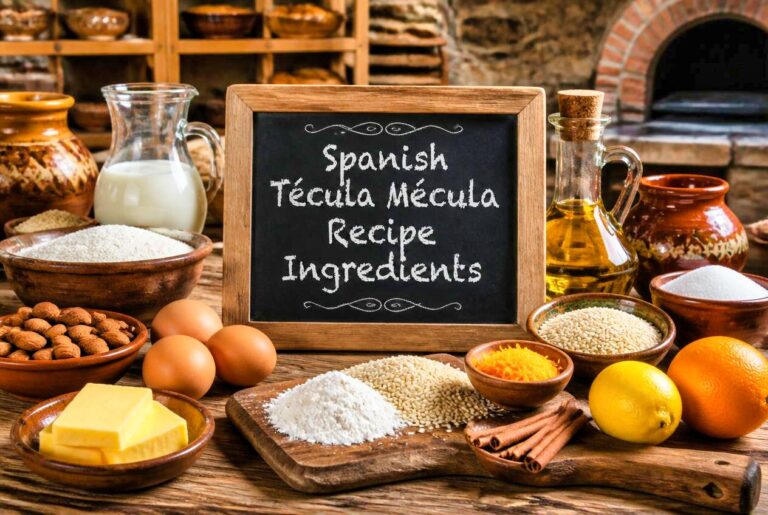
- 8 oz puff pastry
- 2½ cups sugar
- 1 cup water
- 9 egg yolks
- 1 egg
- 2½ cups almond ground
- 2 tablespoons lard melted
- 3 tablespoons flour sifted
Instructions
- Begin by combining the sugar and water in a saucepan.
- Stir gently to moisten the sugar, then place the pan over low heat and bring the mixture slowly to a boil.
- As the syrup heats, stir occasionally with a wooden spoon until the sugar has completely dissolved.
- During the cooking process, use a slightly damp pastry brush to wash down any sugar crystals that form along the sides of the pan. This helps prevent crystallization and ensures a smooth syrup.
- Once the sugar has dissolved completely, increase the heat slightly and continue cooking until the syrup reaches 215°F to 220°F (103°C to 105°C) on a candy thermometer.
- When the syrup reaches the proper temperature, immediately stop the cooking process by carefully placing the bottom of the saucepan into a larger bowl filled with ice water.
- Allow the syrup to cool slightly while you prepare the filling.
- Preheat the oven to 340°F (170°C).
- Place the eggs into the bowl of a stand mixer fitted with the whisk attachment.
- Beat the eggs for approximately 2 minutes, until they become lighter and slightly frothy.
- With the mixer running, slowly pour in the cooled sugar syrup in a steady stream.
- Continue mixing until the syrup is fully incorporated into the eggs.
- Reduce the mixer speed to low and add the ground almonds, melted lard, and flour.
- Mix gently just until all the ingredients are thoroughly combined and a smooth almond batter forms.
- Avoid overmixing, as you want to maintain a light texture in the finished filling.
- Remove the prepared puff pastry shell from the refrigerator.
- Pour the almond mixture into the pastry shell, spreading it evenly with a spatula if necessary.
- The filling should sit evenly within the pastry and reach all corners without overflowing.
- Place the filled pastry into the preheated oven.
- Bake for approximately 40 to 50 minutes, or until the filling is set and the surface is lightly golden.
- The center should no longer appear liquid, and a knife inserted near the middle should come out mostly clean.
- If the pastry begins browning too quickly before the filling is fully baked, loosely cover the edges with foil.
- Remove the tart from the oven and place it on a wire rack.
- Allow it to cool completely before decorating.
- Cooling is important because warm pastry can cause the chocolate decoration to melt or lose its shape.
- Once the tart has cooled completely, melt the chocolate until smooth.
- Transfer the melted chocolate to a pastry bag fitted with a fine plain tip.
- Traditionally, the words "Tecula Mecula" are carefully piped across the surface of the tart.
- You may also create decorative borders or simple patterns if desired.
- Allow the chocolate to set before slicing.
- Cut the Tecula Mecula into wedges and serve at room temperature.
- This rich almond tart pairs beautifully with coffee, espresso, or a small glass of dessert wine. Its dense almond filling and flaky pastry make it ideal for special occasions or as part of a dessert table.
- Tecula Mecula is one of Spain's most distinctive traditional almond desserts, originating from the Extremadura region. Combining a buttery puff pastry crust with a rich almond filling enriched by eggs and sugar syrup, it shares similarities with both marzipan and almond cake while maintaining its own unique character.
- Finished with its signature chocolate inscription, this historic pastry is both elegant and deeply rooted in Spanish culinary tradition, making it a memorable dessert for any gathering.
Spanish Técula Mécula Recipe Frequently Asked Questions
Review these tips to master the Spanish Técula Mécula recipe: origins, key ingredients and acceptable swaps, texture tips, baking temperature and timing, serving suggestions, and storage guidance. Each answer focuses on precise, actionable steps to reproduce the traditional Técula Mécula recipe successfully.
What is the origin and cultural significance of this traditional Spanish dessert?
The Técula Mécula recipe originated in Olivenza, a town in Extremadura, and links to local pastry traditions preserved in family bakeries. The tart became locally famous and is often associated with Casa Fuentes in Olivenza as an early keeper of the Técula Mécula recipe. For more history, visit Spain’s tourism site.
Which ingredients are essential, and what substitutions are acceptable without changing the result significantly?
Essential ingredients in the Spanish Técula Mécula recipe: egg yolks, ground almonds (almond meal), sugar, and a shortcrust or prebaked pastry shell. These provide the dense, rich almond-yolk structure characteristic of the Técula Mécula recipe. Acceptable substitutions include blanched almond flour for coarser almond meal if you maintain the same weight, and a neutral lard-free butter crust instead of traditional pork fat crust for similar flavor. Avoid replacing egg yolks, as reducing yolks alters texture and color too much in the Técula Mécula recipe.
How do I achieve the correct texture and consistency when preparing the mixture?
Beat sugar with water to a light syrup before adding yolks to prevent curdling and ensure smoothness for your Spanish Técula Mécula recipe. Gently mix ground almonds in until the batter becomes thick but pourable, not runny. If the mixture feels grainy, pulse the almonds finer or pass the batter through a fine sieve to achieve the ideal consistency for your Técula Mécula recipe.
I test the consistency by dropping a spoonful onto a plate—if it holds shape with a slight spread, it’s ready for the shell. This step is crucial for the Spanish Técula Mécula as it ensures the dessert will bake evenly. Consistency plays a vital role in achieving the signature texture of the Técula Mécula recipe.
What baking temperature and timing produce the best outcome for this dessert?
Preheat the oven to 160–170°C (320–340°F) for even, slow cooking that sets the custard without browning too quickly in your Spanish Técula Mécula recipe. Bake for 30–40 minutes in a 9-inch tart shell and start checking at 25 minutes. The Técula Mécula recipe filling should set at the edges with a slight wobble in the center when done.
Allow the tart to rest in the turned-off oven with the door ajar for 10 minutes to stabilize and avoid cracks in your Spanish Técula Mécula. This step helps the Spanish Técula Mécula recipe maintain its smooth appearance. Consistent baking and proper resting time ensure the success of your Spanish Técula Mécula.
How should this dessert be served, and what garnishes or accompaniments pair well with it?
Serve Técula Mécula recipe at room temperature or slightly chilled to highlight almond and yolk flavors. Slice it thinly, as the dense texture makes small portions satisfying. The Spanish Técula Mécula stands out when presented with care and attention to detail.
Garnish the Técula Mécula recipe with a light dusting of powdered sugar, toasted almond slivers, or a drizzle of mild honey. Pair the Técula Mécula recipe with unsweetened black coffee or a light dessert wine to balance richness. For more inspiration on Spanish desserts, visit the official Spanish cuisine website.
How can I store leftovers properly, and how long will they keep at room temperature or refrigerated?
Store your Spanish Técula Mécula in an airtight container or wrap it tightly with plastic wrap. I refrigerate the Técula Mécula recipe for up to 4–5 days to maintain its texture and prevent egg-based spoilage. The Técula Mécula recipe stays fresh and delicious when you follow these storage tips.
At cool room temperature (below 20°C/68°F), you can keep the Spanish Técula Mécula recipe covered for several hours while serving. However, I never leave the Spanish Técula Mécula recipe unrefrigerated overnight. Proper storage ensures the Spanish Técula Mécula recipe retains its signature flavor and texture.

Recipes are gathered in person and written for real-world cooking conditions.
- 10 Hungarian Dessert Recipes Passed Down Through Generations - July 25, 2026
- 11 Easy English Recipes Anyone Can Make - July 25, 2026
- Hungarian Kifli Recipe - July 25, 2026