
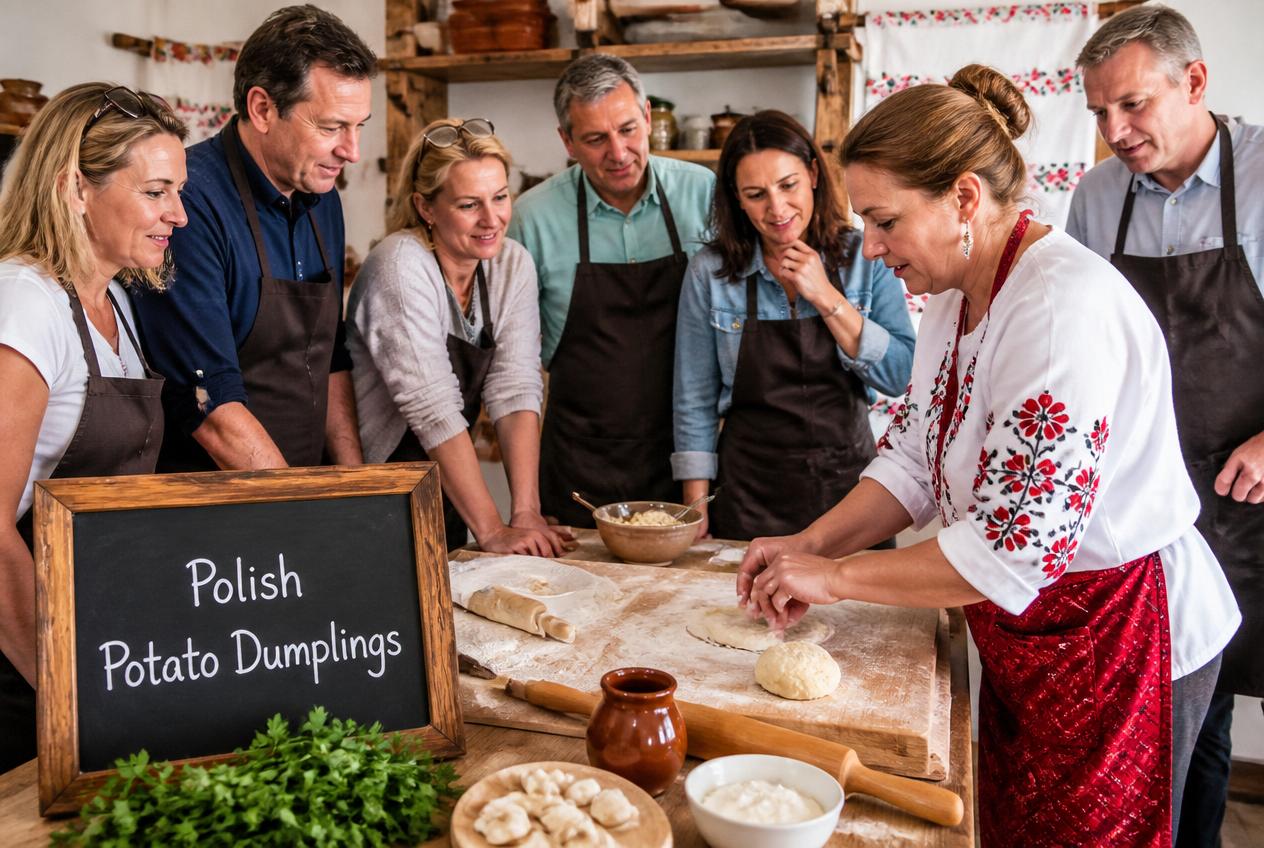
Polish potato dumplings, known as kopytka, are pillowy soft dumplings made from just a handful of basic ingredients: mashed potatoes, flour, eggs, and salt. The Polish potato dumplings recipe produces comforting little dumplings that are incredibly versatile and can be served as a side dish with gravy and meat, topped with sautéed onions and bacon, or even turned into a sweet dessert with butter and sugar. The Polish potato dumplings recipe allows you to create a dish that is both simple and satisfying for any occasion.
Kopytka are Poland’s answer to Italian gnocchi, offering the same tender texture and satisfying bite while being remarkably simple to prepare in under 30 minutes once your potatoes are cooked. This traditional Polish comfort food transforms humble ingredients into something special that works for any meal. The Polish potato dumplings recipe stands out for its ease and adaptability, making it a staple in many kitchens.
Kopytka’s adaptability makes them especially appealing. You can prepare the Polish potato dumplings recipe ahead of time, freeze the dumplings for later use, and customize the toppings based on what you’re serving them with, such as mushrooms, kielbasa, or simply melted butter with crispy breadcrumbs. The Polish potato dumplings recipe is a perfect fit for busy weeknights or festive family gatherings.
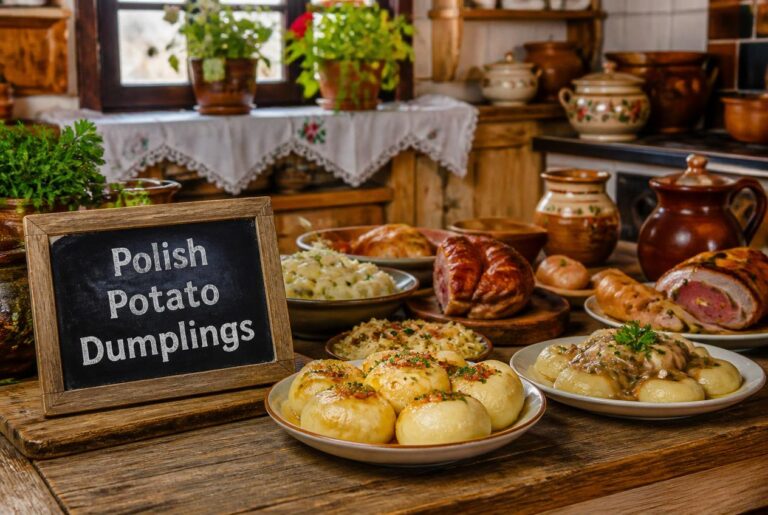
Polish Potato Dumplings
Key Takeaways
- Kopytka are traditional Polish potato dumplings made with just four simple ingredients that come together quickly
- These versatile dumplings can be served savory with toppings like onions and bacon or sweet with butter and sugar
- The dumplings can be made ahead and frozen, making them a convenient comfort food option for busy schedules
Description and Historical Information
Kopytka are traditional Polish potato dumplings that have been a cornerstone of Polish home cooking for generations. The name translates to “little hooves,” referring to their distinctive oval or diamond shape that resembles small hoof prints. The Polish potato dumplings recipe shares similarities with Italian gnocchi, though kopytka maintain their own unique character within Eastern European cuisine.
The basic Polish potato dumplings recipe uses boiled and mashed starchy potatoes combined with all-purpose flour, eggs, and salt. Unlike pierogi, kopytka are unfilled dumplings that rely on their simple texture and versatility. Polish families often prepare the Polish potato dumplings recipe “by eye” rather than with precise measurements, passing down this method through generations.
Key Characteristics:
- Soft, pillowy texture when properly prepared
- Shaped into small oval or diamond forms
- Boiled until they float to the surface
- Served as a side dish or main component
Kopytka appear in multiple Slavic cuisines beyond Poland, including Belarusian and Lithuanian traditions. This highlights the broader significance of the Polish potato dumplings recipe in Eastern European culinary heritage.
In authentic Polish recipes, the choice of potato matters significantly. Starchy varieties produce the best results, creating that characteristic tender bite. Old-fashioned Polish potato dumplings recipes typically serve kopytka with simple accompaniments like fried onions, mushroom sauce, bacon bits, or butter-fried breadcrumbs.
These dumplings represent comfort food in its truest form within traditional Polish meals. The Polish potato dumplings recipe transforms humble ingredients into satisfying dishes that have sustained families through countless dinners across Poland’s history.
Chef’s Tips
Years of making kopytka have shown me that the potato variety matters significantly. I always choose starchy potatoes like Russets or Yukon Golds because they create the right texture without excess moisture. The Polish potato dumplings recipe benefits greatly from this choice.
The key to authentic Polish potato dumplings recipe success is working quickly once you add flour to your mashed potatoes. I recommend using warm potatoes rather than cold ones from the refrigerator. This approach stays true to rustic Polish cooking methods where dumplings were made immediately after boiling potatoes.
Mix the dough just until the ingredients come together. Overhandling develops gluten and results in tough, chewy dumplings instead of tender ones. The Polish potato dumplings recipe requires a gentle touch for the best results.
Add flour gradually when measuring for the Polish potato dumplings recipe. The exact amount varies depending on potato moisture content. Aim for a soft dough that’s slightly sticky but manageable.
Essential techniques I follow:
- Test one dumpling first by boiling it before committing to the entire batch
- Keep water at a gentle boil rather than a rolling boil
- Remove dumplings promptly once they float to the surface
- Toss immediately with butter to prevent sticking
Maintain flour on your work surface and hands while shaping the dumplings. This prevents sticking without incorporating too much extra flour into the dough. The Polish potato dumplings recipe becomes easier to handle with this tip.
For storage, I spread uncooked kopytka on a floured baking sheet and freeze them individually before transferring to containers. They cook directly from frozen with just one additional minute of boiling time, making the Polish potato dumplings recipe convenient for meal prep.
Make-Ahead Instructions
Prepare the Polish potato dumplings recipe in advance because they store well and reheat beautifully. The dumplings can be made up to 2 days ahead, making meal planning much easier and ensuring you always have a Polish potato dumplings recipe ready to serve.
After Cooking:
Let the boiled dumplings cool completely before storing them. Toss the dumplings with a small amount of oil or butter to prevent sticking, then transfer them to an airtight container. They keep in the refrigerator for up to 2 days, ensuring the Polish potato dumplings recipe stays fresh.
Uncooked Dumplings:
You can also freeze kopytka before cooking them. Arrange the shaped dumplings in a single layer on a parchment-lined baking sheet and freeze until solid, about 2 hours. Once frozen, transfer them to freezer bags or containers where they’ll keep for up to 3 months. The Polish potato dumplings recipe is perfect for batch cooking and freezing.
Reheating Options:
- Pan-frying: Heat butter or oil in a skillet and pan-fry the refrigerated dumplings for 3-4 minutes until golden
- Boiling: Drop frozen dumplings directly into boiling water without thawing (they need about 1-2 minutes extra cooking time)
- Microwave: Reheat refrigerated dumplings in 30-second intervals with a bit of butter
Frozen uncooked dumplings maintain the best texture. When ready to serve, boil them straight from the freezer just as you would fresh ones. The Polish potato dumplings recipe ensures delicious results every time.
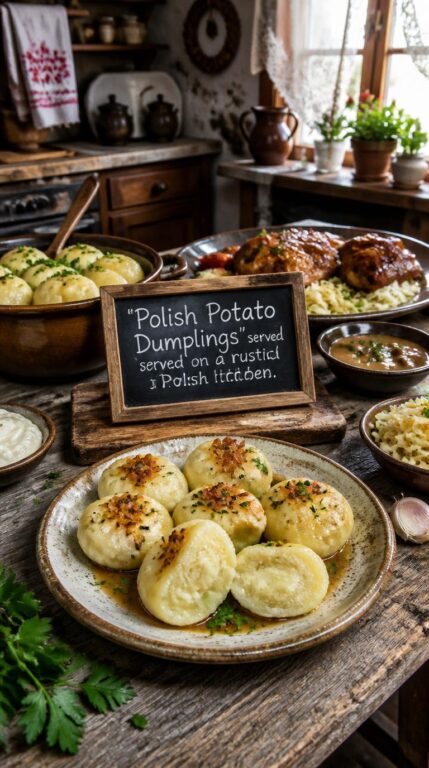
Polish Potato Dumplings
Variations
Kopytka can be adapted in numerous ways while maintaining their traditional appeal. The basic Polish potato dumplings recipe serves as an excellent foundation for both savory and sweet variations, allowing you to explore new flavors while preserving authenticity.
Savory Options:
- Fried Kopytka – After boiling, pan-fry the dumplings in butter until golden and crispy
- With Meat – Add crumbled bacon, diced kielbasa, or ground meat directly into the dough
- Cheese-Filled – Stuff each dumpling with a small cube of farmer’s cheese before cooking
- Herb-Infused – Mix fresh dill, parsley, or chives into the potato mixture
For savory preparations, serve kopytka with sautéed onions, mushrooms, or garlic. Some Polish potato dumplings recipes call for topping them with pork rinds or serving alongside sauerkraut and golabki.
Sweet Variations:
To make a dessert version, keep the dough plain and focus on toppings. Serve the dumplings with melted butter and sugar, fresh fruit jam, or cinnamon. Some prefer adding sweetened farmer’s cheese or a dollop of whipped cream to the Polish potato dumplings recipe for a sweet treat.
Regional Differences:
Different Polish families prepare kopytka with slight modifications. Some cooks add an extra egg for richness, while others use less flour for a softer texture. The shape can vary too—some prefer smaller dumplings while others make them larger. Adjust the Polish potato dumplings recipe to suit your family’s tastes.
Experiment with the ratio of potato to flour based on your potato variety. Starchier potatoes require less flour, resulting in lighter dumplings and a more authentic Polish potato dumplings recipe.
Related Recipes
When making kopytka, I often prepare other Polish dishes that complement these potato dumplings perfectly. The Polish potato dumplings recipe pairs well with pierogi recipes, as they share similar ingredients and techniques but offer different textures and fillings. For more traditional Polish recipes, visit Polish Housewife.
Traditional pierogi filled with potato and cheese, sauerkraut and mushroom, or meat make excellent companions to the Polish potato dumplings recipe on a Polish feast table. Both dishes can be prepared in advance and boiled when needed for a festive spread.
Kielbasa recipes work wonderfully alongside kopytka. Slice and pan-fry kielbasa until crispy, then serve it over the dumplings with the rendered fat and caramelized onions. The smoky, savory flavor of the sausage balances the mild, comforting taste of the Polish potato dumplings recipe.
Polish side dishes that pair well with the Polish potato dumplings recipe include:
- Bigos (Hunter’s Stew) – A hearty sauerkraut and meat stew
- Mizeria – Cucumber salad with sour cream and dill
- Surówka z kapusty – Fresh cabbage slaw
- Ćwikła – Grated beet and horseradish relish
Prepare golabki (stuffed cabbage rolls) when serving the Polish potato dumplings recipe for larger gatherings. The tomato-based sauce from golabki can be spooned over the dumplings for added flavor and a complete Polish meal.
For a full Polish meal, serve the Polish potato dumplings recipe with żurek (sour rye soup) or barszcz (beet soup) as a starter. These soups provide a tangy contrast to the starchy dumplings and round out the meal nicely, making the Polish potato dumplings recipe the star of the table.
Recipe Comparison
I’ve noticed that kopytka recipes share a remarkably consistent foundation across different sources. The core ingredients remain the same: cooked potatoes, flour, and eggs. This simplicity makes the Polish potato dumplings recipe accessible to cooks at all skill levels.
The primary variation I observe is in the potato-to-flour ratio. Some recipes call for equal parts potato and flour by weight, while others use a 3:1 or 4:1 ratio of potatoes to flour. The exact amount depends on the moisture content of the potatoes used in your Polish potato dumplings recipe.
Key differences I’ve identified:
- Potato preparation: Most Polish potato dumplings recipe versions use boiled potatoes, though some traditional recipes incorporate raw grated potatoes.
- Egg quantity: Ranges from one egg per pound of potatoes to two eggs for larger batches in a Polish potato dumplings recipe.
- Salt content: Varies from a pinch to a full teaspoon per batch in the Polish potato dumplings recipe.
- Flour type: All-purpose flour is standard, though some cooks add a small amount of potato starch to their Polish potato dumplings recipe.
Kopytka closely resembles Italian gnocchi in both texture and preparation method. The main distinction lies in their shape and size. Kopytka are typically cut into diamond or rectangular shapes, while gnocchi are rolled into small ovals with ridges, but both use similar techniques in a Polish potato dumplings recipe.
Another Polish dumpling, pyzy, uses raw potatoes instead of cooked ones. This creates a denser, chewier texture compared to the lighter, fluffier kopytka made with a Polish potato dumplings recipe.
The serving suggestions remain flexible across recipes. You can top your Polish potato dumplings recipe with savory options like sautéed onions and kielbasa, or try sweet preparations with cinnamon and sugar. The Polish potato dumplings recipe adapts well to both savory and sweet toppings.
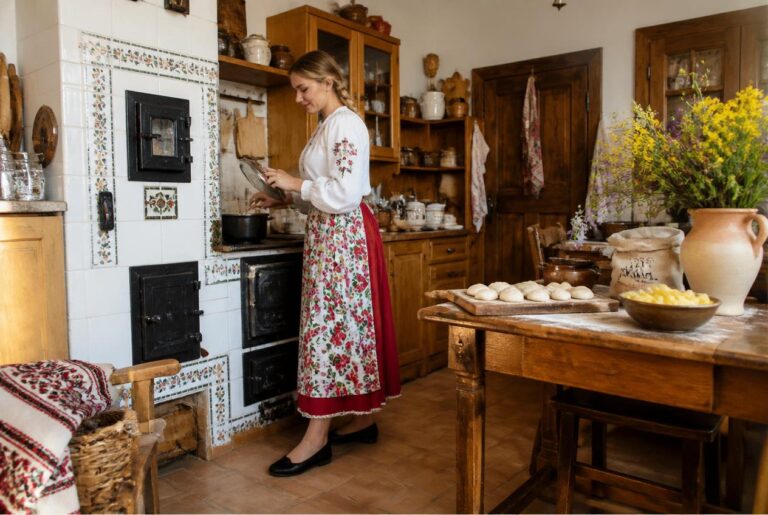
Polish Potato Dumplings Cooking Tips
Polish Potato Dumplings Recipe Cooking Tips
• Polish Potato Dumplings are a traditional comfort food known for their soft texture, hearty flavor, and versatility as a side dish or main course.
• Starchy potatoes are typically preferred because they help create light, tender dumplings.
• Cook the potatoes until fully tender and drain them thoroughly to remove excess moisture.
• Mash or rice the potatoes while still warm to achieve a smooth, lump-free consistency.
• Allow the potatoes to cool slightly before combining them with other ingredients.
• Flour or potato starch is commonly used to help bind the dough and create the desired texture.
• Eggs may be added to improve structure and help the dumplings hold together during cooking.
• Mix the dough gently and only until combined to avoid creating dense dumplings.
• Add flour gradually, using only enough to form a workable dough.
• Shape the dumplings into uniform sizes to promote even cooking.
• Some traditional variations include fillings such as meat, cheese, mushrooms, or sautéed onions.
• Lightly flour hands and work surfaces if the dough becomes sticky during shaping.
• Cook the dumplings in gently simmering water rather than a vigorous boil.
• Avoid overcrowding the cooking pot to ensure even cooking.
• Dumplings are typically ready shortly after floating to the surface.
• Serve with butter, gravy, sautéed onions, bacon, mushrooms, or sour cream for additional flavor.
• Fresh parsley or dill provides color and a traditional finishing touch.
• The flavor should balance tender potatoes, mild seasoning, and rich accompaniments.
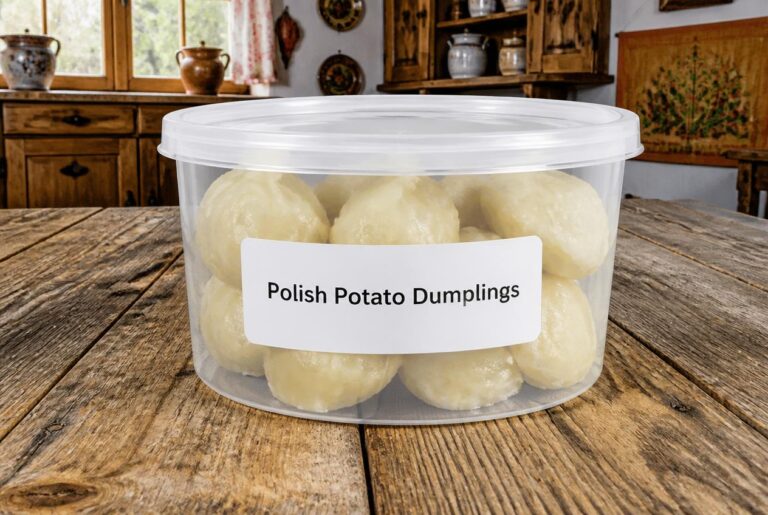
Polish Potato Dumplings Class Storage
Polish Potato Dumplings Recipe Storage Tips
• Allow the dumplings to cool before transferring them into storage containers.
• Store refrigerated in airtight containers to preserve freshness and texture.
• Lightly coat cooked dumplings with butter or oil to help prevent sticking.
• Refrigeration often allows the potato flavor to become more pronounced.
• Reheat gently in simmering water, a skillet, microwave, or steamer until thoroughly heated.
• Pan-frying leftover dumplings can create a pleasantly crisp exterior while maintaining a soft interior.
• Avoid prolonged reheating, which can make the dumplings firm or gummy.
• Store sauces, gravies, and toppings separately when possible.
• Freeze cooked or uncooked dumplings in airtight freezer-safe containers if desired.
• Arrange dumplings in a single layer before freezing to help prevent sticking.
• Wrap tightly to help prevent freezer burn and preserve quality.
• Frozen dumplings can often be cooked or reheated directly from frozen.
• Defrost cooked dumplings gradually in the refrigerator before reheating if preferred.
• Use clean utensils when handling leftovers to help maintain freshness.
• Keep away from strongly scented foods because potato dumplings readily absorb surrounding odors.
• Label storage containers with the preparation date for easier inventory management.
• Avoid repeated freezing and reheating cycles, which can negatively affect texture and quality.
• Check for signs of spoilage such as sour odors, mold, unusual discoloration, or texture changes before consuming leftovers.
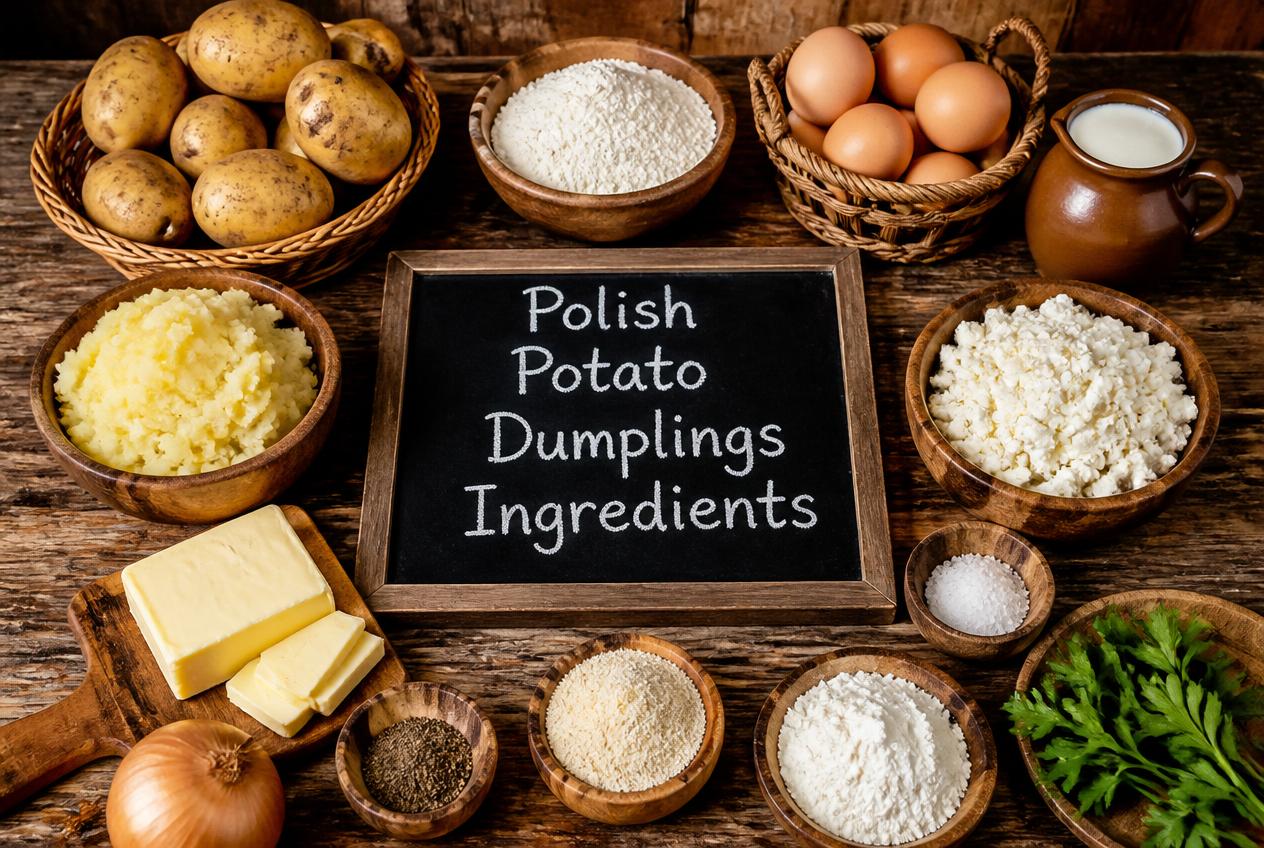
Polish Potato Dumplings
Ingredients
- 2 cups all-purpose flour
- 1/2 teaspoon salt
- 1 large egg
- 1/2 cup water
- 1 pound potatoes
- 8 ounces cheese twaróg
- 1 medium onion finely diced
- 1 tablespoon butter
- Salt and pepper to taste
- Butter
- onions Sautéed
- Sour cream
Instructions
- Peel the potatoes and cut them into chunks. Place them in a pot of salted water and cook until fork tender. Drain thoroughly and mash until smooth. Allow the potatoes to cool before mixing the filling.
- Melt the butter in a skillet over medium heat. Add the diced onion and cook slowly until soft and lightly golden. Remove from the heat and let cool slightly.
- Combine the mashed potatoes, farmer's cheese, and cooked onions in a large bowl. Season with salt and pepper and mix until evenly blended. Set aside while preparing the dough.
- In a large bowl, combine the flour and salt. Add the egg and water and mix until a dough forms. Knead on a lightly floured surface until smooth and elastic. Cover the dough and allow it to rest for about 20 minutes before rolling.
- Roll the dough thinly on a lightly floured surface. Cut circles using a biscuit cutter or drinking glass. Place a spoonful of filling in the center of each circle. Fold the dough over the filling to form a half-moon shape and press the edges firmly together to seal.
- Bring a large pot of salted water to a gentle boil. Add the pierogi in batches and cook until they float to the surface. Continue cooking for a few additional minutes, then remove them with a slotted spoon and drain well.
- For additional texture, heat a little butter in a skillet and lightly fry the cooked pierogi until golden on both sides.
- Serve hot with melted butter, sautéed onions, and sour cream. Pierogi Ruskie are one of Poland's most recognized traditional dishes and are commonly served as a main course or hearty side dish.
Polish Potato Dumplings Recipe Frequently Asked Questions
Kopytka are soft potato dumplings that require attention to moisture content, potato selection, and gentle handling to achieve their characteristic tender texture. Understanding these key factors helps you create a Polish potato dumplings recipe that holds together during cooking and can be successfully stored for future meals.
What are these traditional potato dumplings, and how are they typically served?
Kopytka are Polish potato dumplings made from mashed potatoes, flour, and eggs formed into small oval shapes. The name translates to “little hooves” due to their distinctive shape, and the Polish potato dumplings recipe is a staple in many households.
These dumplings are most commonly served as a main dish or side, topped with butter and caramelized onions. Other traditional toppings for a Polish potato dumplings recipe include crispy bacon bits, pan drippings, or breadcrumbs fried in butter.
How do they differ from Italian gnocchi in ingredients and texture?
The primary difference in a Polish potato dumplings recipe lies in the egg content and resulting texture. Kopytka use eggs, while traditional Italian gnocchi often contain no eggs or minimal egg.
Kopytka have a softer, more tender texture compared to the firmer, denser consistency of gnocchi. The egg in the Polish potato dumplings recipe creates a chewier dumpling that holds moisture differently than its Italian counterpart.
What is the most reliable method for making the dough so the dumplings are light, not gummy?
I work the dough as minimally as possible to prevent gluten development in my Polish potato dumplings recipe. Once I combine the potatoes, flour, and egg, I mix just until the ingredients come together.
The key is using just enough flour to make the dough workable without it sticking to my hands. I add flour gradually, checking the consistency frequently. Overworking or adding too much flour results in dense, gummy dumplings in your Polish potato dumplings recipe.
Which type of potatoes works best, and how should they be prepared to avoid excess moisture?
I use starchy potatoes like Russets or Yukon Golds for the best results in a Polish potato dumplings recipe. These varieties have lower moisture content and create fluffier dumplings.
I cook the potatoes in their skins by boiling or baking them. After cooking, I peel them while still hot and either rice them or mash them thoroughly. Allowing the mashed potatoes to cool and steam off excess moisture before mixing prevents a wet dough that requires too much flour for your Polish potato dumplings recipe.
How can you prevent the dumplings from falling apart or turning mushy during boiling?
I ensure my dough has the right consistency before shaping in my Polish potato dumplings recipe. The dough should be soft but not sticky, holding its shape without excessive flour.
I bring my water to a gentle boil rather than a rolling boil, which can break apart delicate dumplings. Once I add the kopytka, I wait for them to float to the surface, then cook them for only 2-3 minutes longer. Overcooking causes them to absorb too much water and become mushy, so timing is key in your Polish potato dumplings recipe.
Can they be made ahead, frozen, and reheated while maintaining the best texture?
I freeze uncooked kopytka by placing them on a floured baking sheet in a single layer until solid, then transferring them to freezer bags. They keep well for up to three months. This Polish potato dumplings recipe is perfect for preparing in advance.
I cook frozen kopytka directly from the freezer without thawing by adding them to boiling water and extending the cooking time by 1-2 minutes. I reheat already cooked dumplings by pan-frying them in butter until heated through and slightly crispy on the outside. This method works best for restoring the Polish potato dumplings recipe to its ideal texture

Recipes are gathered in person and written for real-world cooking conditions.
- 10 Hungarian Dessert Recipes Passed Down Through Generations - July 25, 2026
- 11 Easy English Recipes Anyone Can Make - July 25, 2026
- Hungarian Kifli Recipe - July 25, 2026