
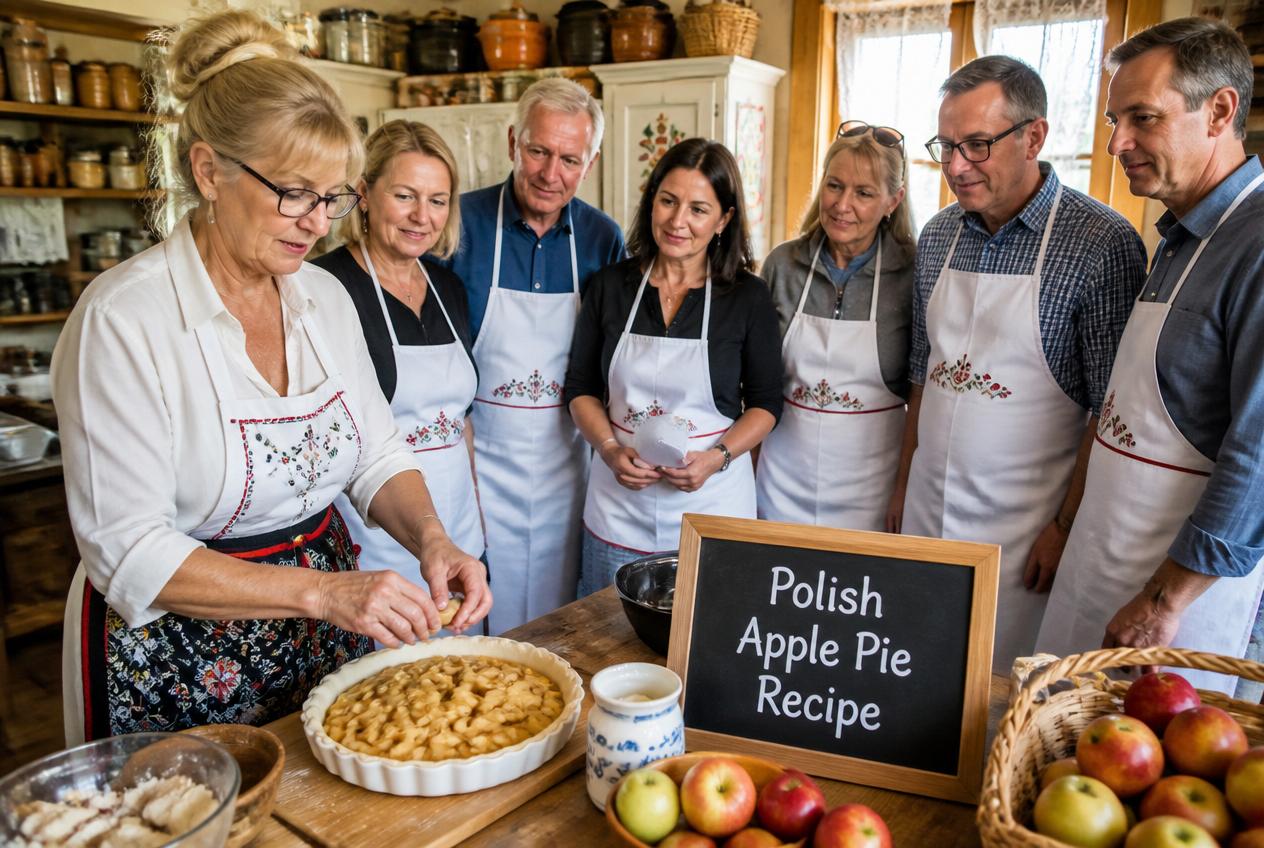
Szarlotka, the Polish apple pie recipe has been cooked across generations, offers a comforting dessert that has graced Polish tables for years. This traditional Polish apple pie recipe features a buttery shortcrust pastry base filled with layers of spiced apples, balancing a tender, flaky crust with a sweet-tart apple filling. Unlike American apple pie, the Polish apple pie recipe often has a more substantial crust-to-filling ratio and sometimes includes a crumble or second pastry layer on top.
I perfected this Polish apple pie recipe to capture the authentic taste of Polish bakeries while keeping the process straightforward for home bakers. The beauty of the Polish apple pie recipe lies in its simplicity—you don’t need fancy techniques or hard-to-find ingredients. Whether you serve the Polish apple pie recipe warm with vanilla ice cream or enjoy it cold with your afternoon coffee, this dessert delivers nostalgic, home-baked comfort in every slice.
This Polish apple pie recipe works beautifully for family gatherings, holiday celebrations, or whenever you crave a dessert that feels like a warm hug. I’ll walk you through each step, share helpful tips for achieving the perfect texture, and show you how to make this classic Polish apple pie recipe with confidence.
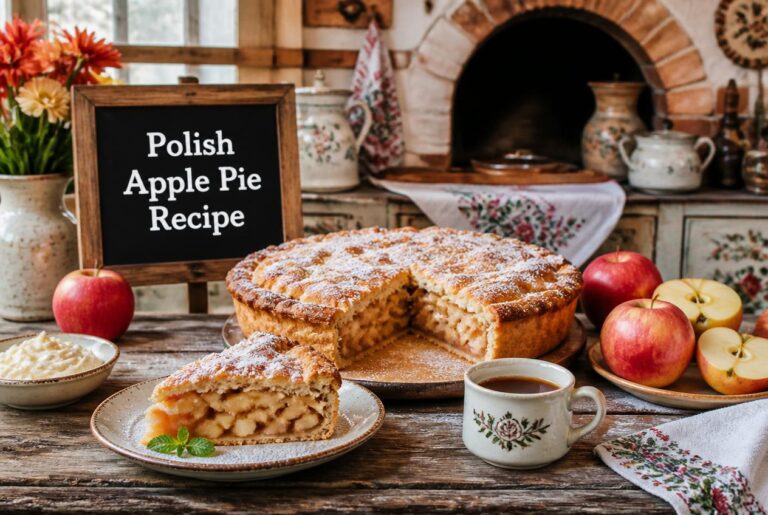
Polish Apple Pie Recipe
Key Takeaways
- Szarlotka is a traditional Polish apple pie recipe with a buttery shortcrust pastry and spiced apple filling that’s simpler to make than it looks
- This dessert can be customized with different toppings like crumble or meringue and works well as a make-ahead option
- The Polish apple pie recipe uses basic ingredients and straightforward techniques that home bakers of any skill level can master
Description and Historical Information
Szarlotka stands out as a Polish apple pie recipe that differs notably from its American counterpart. The dessert features a soft, crumbly shortcrust or semi-shortcrust pastry base made with butter, flour, sugar, and eggs, filled with spiced apples.
What makes the Polish apple pie recipe distinctive among authentic Polish recipes is its unique texture and construction. The crust is tender and cookie-like rather than flaky, creating a comforting contrast with the sweet apple filling. Traditionally, the filling incorporates cinnamon and sometimes includes additions like raisins, almonds, or flax seeds.
Key Characteristics:
- Base: Buttery semi-shortcrust pastry
- Filling: Spiced apples (historically also pears, apricots, or peaches)
- Texture: Soft, crumbly crust with tender fruit filling
- Preparation time: Approximately 1 hour and 25 minutes
The name “szarlotka” directly translates to “apple pie” in Polish. The Polish apple pie recipe holds significant cultural importance in Poland, serving as an everyday treat rather than a special occasion dessert. Szarlotka appears regularly on Polish tables as a comforting, homestyle dish.
Don’t confuse the Polish apple pie recipe szarlotka with jabłecznik, another Polish apple dessert. While szarlotka uses shortcrust pastry, jabłecznik can be prepared with various bases including puff pastry, sponge cake, or yeast dough.
Poland also boasts a vodka-based drink called szarlotka, made with Żubrówka bison grass vodka, apple juice, and cinnamon to mimic the flavors of the Polish apple pie recipe.
Chef’s Tips
I always chill my butter and work quickly when making the shortcrust pastry for the Polish apple pie recipe. Cold butter creates a flakier texture, and overworking the dough leads to a tough crust.
For the apple filling in the Polish apple pie recipe, I use tart baking apples like Granny Smith or a mix of tart and sweet varieties. The acidity balances the sweetness and prevents the filling from becoming mushy. I peel and slice my apples thinly so they cook evenly and create a cohesive filling.
Key techniques for the Polish apple pie recipe:
- Grate cold butter directly into the flour for easier incorporation
- Rest the dough in the refrigerator for at least 30 minutes before rolling
- Add breadcrumbs or semolina to the bottom crust to absorb excess moisture
- Toss apple slices with lemon juice to prevent browning and enhance flavor
Adding cinnamon to the apples is essential in the Polish apple pie recipe, but I keep it balanced so it doesn’t overpower the fruit. Some bakers add a touch of vanilla extract or almond extract for depth.
When assembling the Polish apple pie recipe, I press the bottom crust firmly into the pan and make sure there are no gaps. This prevents the filling from leaking. For the top crust, I either roll it out or create a crumble topping by freezing the dough and grating it over the apples.
I bake the Polish apple pie recipe until the top is golden brown and let it cool completely before slicing so the filling sets properly.
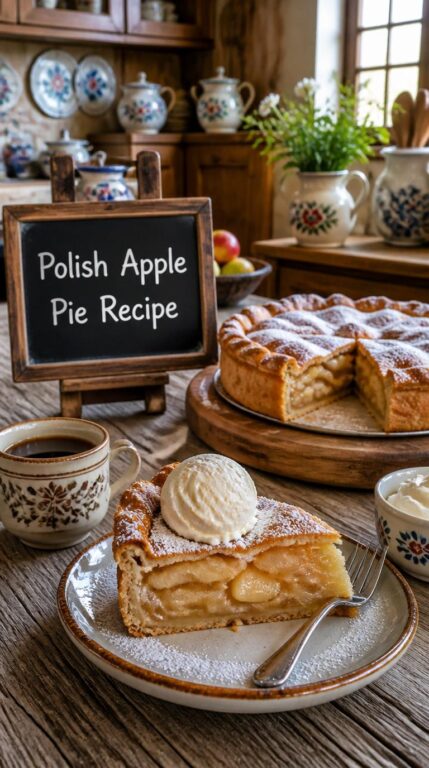
Make-Ahead Instructions
The Polish apple pie recipe can be prepared in advance, making it perfect for entertaining or busy schedules.
Dough Preparation
Make the dough for the Polish apple pie recipe up to 2 days ahead. Wrap each portion tightly in plastic wrap and refrigerate until ready to use. You can also freeze the dough for up to 3 months. Thaw it overnight in the refrigerator before rolling.
Apple Filling
Prepare the apple filling for the Polish apple pie recipe 1 day in advance and store it in an airtight container in the refrigerator. This allows the spices to blend better with the apples. Before assembling, drain any excess liquid that may have accumulated.
Assembled But Unbaked
Assemble the entire Polish apple pie recipe and refrigerate it unbaked for up to 24 hours. Cover it loosely with plastic wrap to prevent the top crust from drying out. When ready to bake, add 5-10 minutes to the baking time since the pie will be cold.
Fully Baked Pie
The baked Polish apple pie recipe keeps well at room temperature for 2 days when covered with foil or plastic wrap. Store it in the refrigerator for up to 5 days, though the crust may soften slightly. For longer storage, freeze individual slices wrapped in plastic wrap and aluminum foil for up to 3 months.
Reheating Tips
Reheat refrigerated slices of the Polish apple pie recipe in a 300°F oven for 10-15 minutes to restore the crust’s texture. Thaw frozen slices in the refrigerator overnight before reheating.
Variations
The Polish apple pie recipe adapts beautifully to different occasions and preferences throughout the year. The traditional Polish apple pie recipe serves as a flexible base for creative modifications.
Crust Variations
Some versions of the Polish apple pie recipe use a crumbly topping instead of a double crust, creating a streusel-like texture. Other recipes add a meringue layer on top, which brings lightness and visual appeal. Puff pastry provides a flakier alternative, while yeast-based doughs offer a softer, bread-like texture for the Polish apple pie recipe.
Filling Options
While apples remain the classic choice for the Polish apple pie recipe, I substitute with pears, apricots, or peaches when they’re in season. Blueberries and mixed berries work well for spring and summer gatherings. Adding raisins, cranberries, or chopped nuts brings extra texture and flavor depth to the Polish apple pie recipe.
Polish Holiday Recipes
For Polish Christmas recipes, I enhance the filling in the Polish apple pie recipe with warming spices like cardamom or add a splash of rum. The Polish apple pie recipe appears frequently on Christmas Eve dessert tables alongside other traditional sweets.
During Easter celebrations, I prepare lighter versions of the Polish apple pie recipe with less cinnamon and incorporate lemon zest for brightness. Polish Easter recipes often feature this apple pie as a festive addition.
Sweetener and Spice Adjustments
Vanilla sugar replaces regular sugar for a more aromatic filling in the Polish apple pie recipe. Adjust the cinnamon levels based on personal preference, and occasionally add nutmeg or cloves. Some bakers reduce the sugar content when using particularly sweet apples in the Polish apple pie recipe.
The Polish apple pie recipe can be cut into traditional pie wedges or practical squares for easier serving at large gatherings.
Related Recipes
If you enjoyed making the Polish apple pie recipe, explore other traditional Polish desserts that showcase similar techniques and flavors. These recipes will help you expand your repertoire of authentic Polish cuisine. For more inspiration, visit Polish Housewife for additional Polish dessert ideas.
Apple Cake (Jabłecznik) is a close relative to the Polish apple pie recipe. While szarlotka uses shortcrust pastry, jabłecznik can be made with various bases including sponge cake or yeast dough. The apple filling remains similar, making it an excellent alternative if you prefer a lighter texture.
Makowiec is a traditional Polish poppy seed roll that appears at holiday celebrations. I find it pairs wonderfully with afternoon tea, just like the Polish apple pie recipe.
Sernik (Polish cheesecake) offers a rich, dense texture that differs from American-style cheesecake. It’s another staple Polish dessert worth mastering in your kitchen alongside the Polish apple pie recipe.
For savory options, pierogi recipes demonstrate the versatility of Polish pastry-making skills. Sweet pierogi filled with fruits, particularly cherries or blueberries, serve as delightful desserts. The dough-making techniques for pierogi complement the pastry skills developed when making the Polish apple pie recipe.
Pączki (Polish doughnuts) are traditional filled pastries typically enjoyed on Fat Thursday. These yeasted treats require different techniques but remain essential to Polish baking traditions, just as the Polish apple pie recipe does.
Try Racuchy (apple pancakes), which use similar spiced apple preparations found in the Polish apple pie recipe but in a simpler format. They make excellent quick desserts when you crave apple flavors without the longer preparation time required for the Polish apple pie recipe.
Recipe Comparison
The Polish apple pie recipe stands apart from other apple pies through its distinctive Eastern European approach to crust texture and apple preparation. The Polish method creates a denser, more substantial pastry compared to French and American versions.
Comparison With Traditional French Apple Tart
French apple tarts rely on a thin, crisp pâte sucrée or pâte brisée base with precisely arranged apple slices visible on top. The presentation is more refined but less rustic than the Polish apple pie recipe.
The French approach emphasizes visual elegance with thin apple slices fanned in decorative patterns. The Polish apple pie recipe uses chunky apple pieces or grated apples that create a thick, generous filling. The crust differs significantly too—French tarts use a single bottom layer, while the Polish apple pie recipe features both bottom and top crusts made from semi-shortcrust pastry.
French tarts typically avoid heavy spicing, letting the apple flavor dominate with perhaps a light apricot glaze. The apple pie recipe embraces cinnamon and sometimes includes breadcrumbs in the filling to absorb moisture. This technique is common in Slavic recipes and creates a distinct texture not seen in French preparations. The Polish apple pie recipe remains a beloved staple for its rustic charm and comforting flavors.
Comparison With American Apple Pie
American apple pie uses a flakier, butter-based crust that differs from szarlotka’s denser, cookie-like pastry. The Polish version creates a firmer structure that holds together better when sliced. When you follow a Polish apple pie recipe, you’ll notice how the crust’s texture stands out from its American counterpart.
American recipes typically feature lattice tops or vented crusts with decorative edges, while szarlotka often has a crumb topping or grated dough layer. The filling also varies—American pies use sliced apples with more liquid, while Eastern European recipes favor a thicker, drier filling by cooking the apples beforehand or adding breadcrumbs. If you use a Polish apple pie recipe, you’ll achieve that signature dense filling and unique topping style.
Spicing differs between these traditions. American versions combine cinnamon, nutmeg, and sometimes allspice. Most Polish apple pie recipe variations keep it simpler with mainly cinnamon, reflecting the straightforward approach common in Slavic recipes.
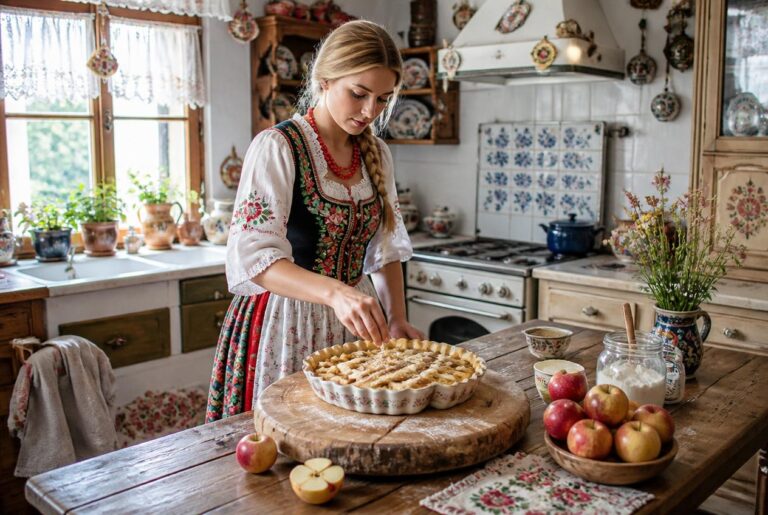
Polish Apple Pie Recipe Cooking TIps
Polish Apple Pie Recipe Cooking Tips
• Polish Apple Pie, often known as Szarlotka, is a traditional dessert celebrated for its tender pastry, flavorful apple filling, and comforting aroma.
• Tart apples are often preferred because they provide a balanced flavor that complements the sweet pastry.
• Peel, core, and slice the apples evenly to promote uniform cooking.
• A combination of apple varieties can create greater depth of flavor and texture.
• Cinnamon is a classic seasoning that enhances the natural sweetness of the apples.
• Nutmeg, cloves, vanilla, or lemon zest may be added for additional complexity.
• A buttery pastry helps create the traditional tender texture.
• Chill the dough before rolling to make it easier to handle and to promote flakiness.
• Avoid overworking the dough, which can result in a tougher crust.
• Some versions use a top crust, while others feature a crumb topping or lattice design.
• Drain excess liquid from the apple mixture if necessary to help prevent a soggy crust.
• Layer the apples evenly for consistent baking and presentation.
• Brush the top crust lightly before baking to encourage an attractive golden finish.
• Bake until the crust is golden brown and the apples are tender.
• Allow the pie to cool before slicing so the filling can set properly.
• Powdered sugar is often dusted over the cooled pie for a traditional presentation.
• The flavor should balance buttery pastry, tender apples, warm spices, and gentle sweetness.
• Properly prepared Polish Apple Pie should have a crisp, tender crust and a moist but not watery filling.
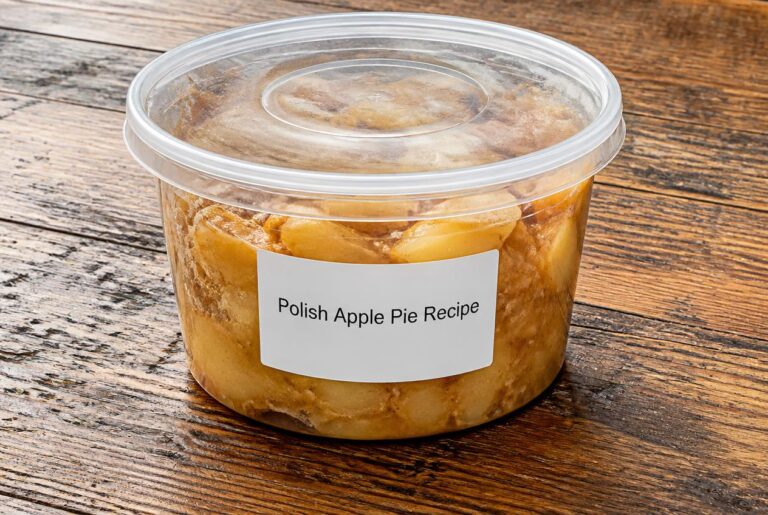
Polish Apple Pie Recipe Storage Tips
Polish Apple Pie Recipe Storage Tips
• Allow the pie to cool completely before transferring it into storage containers.
• Store covered at room temperature if consuming within a short period.
• Refrigeration can extend freshness, especially in warm environments.
• Keep the pie tightly covered to prevent moisture loss and preserve flavor.
• Refrigeration may cause the crust to soften slightly over time.
• Reheat individual slices gently in the oven to help restore crust texture.
• Avoid excessive microwave reheating, which can make the pastry soft.
• Store whipped cream, ice cream, or other toppings separately until serving.
• Apple and spice flavors often become more developed after several hours of storage.
• Freeze whole pies or individual slices in airtight freezer-safe containers if desired.
• Wrap tightly to help prevent freezer burn and preserve quality.
• Defrost frozen pie gradually in the refrigerator or at room temperature before serving.
• Refresh thawed pie in a warm oven if desired to improve texture.
• Use clean utensils when serving to help maintain freshness.
• Keep away from strongly scented foods because pastry readily absorbs surrounding odors.
• Label storage containers with the preparation date for easier inventory management.
• Discard the pie if mold, unusual odors, discoloration, or signs of spoilage develop.
• For best quality, enjoy the pie while the crust remains tender and the apple filling remains flavorful and moist.
Polish Apple Pie Recipe
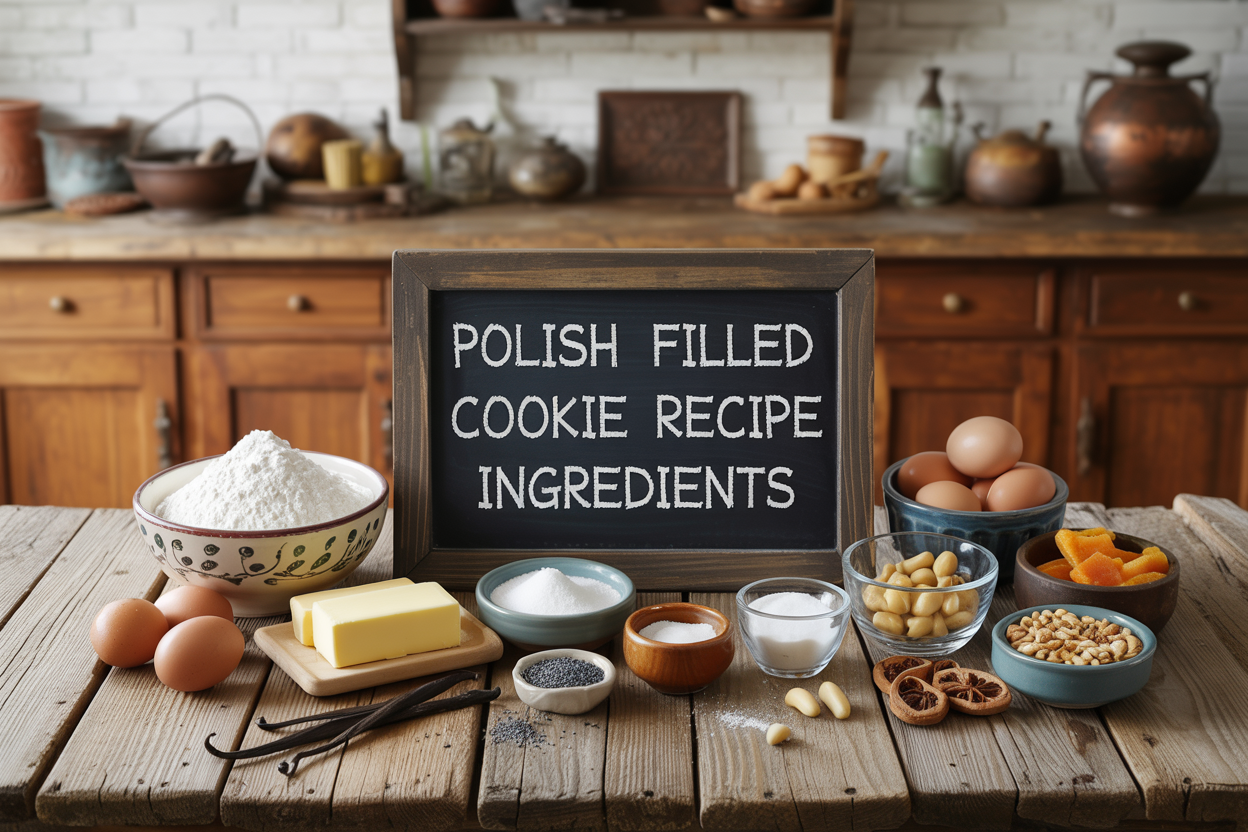
Ingredients
- 2 1/2 cups all-purpose flour
- 1 teaspoon baking powder
- 1/2 cup sugar
- 1/4 teaspoon salt
- 1 cup butter cold
- 2 egg yolks
- 2 tablespoons sour cream
- 3 pounds apples tart peeled, cored, and sliced
- 1/2 cup sugar
- 1 teaspoon cinnamon
- 1 tablespoon lemon juice
Instructions
- In a large bowl, combine the flour, baking powder, sugar, and salt. Cut the cold butter into the dry ingredients until the mixture resembles coarse crumbs. Add the egg yolks and sour cream and mix until the dough comes together. Divide the dough into two portions, shaping one slightly larger than the other. Wrap both portions and refrigerate for at least 30 minutes to make them easier to handle.
- Prepare the Apple Filling
- Place the sliced apples into a large bowl and toss them with the sugar, cinnamon, and lemon juice. Stir until the apples are evenly coated. Allow the mixture to rest briefly so the flavors begin to blend while the dough chills.
- Preheat the oven to 350°F. Roll out the larger portion of dough and fit it into the bottom of a greased baking pan. Press it gently into the corners and up the sides if needed. Spread the apple filling evenly over the dough, distributing the fruit across the entire surface.
- Roll out the remaining dough and place it over the apples. If the dough is difficult to handle, it can be grated over the filling instead. Make sure the apples are mostly covered so the filling bakes evenly and the crust develops a golden finish.
- Place the pie in the preheated oven and bake for approximately 1 hour, or until the top is lightly golden brown and the apples are tender. The filling should be bubbling gently around the edges when fully baked.
- Remove the Szarlotka from the oven and allow it to cool before slicing. Cooling helps the filling set and makes cleaner slices possible. Serve at room temperature or slightly warm. A light dusting of powdered sugar may be added before serving if desired.
Polish Apple Pie Recipe Frequently Asked Questions
When making szarlotka, specific techniques and ingredient choices make the difference between a good pie and an exceptional one. If you follow a Polish apple pie recipe closely, you can achieve consistent and delicious results every time. Understanding these key details will help you master the classic Polish apple pie recipe for any occasion.
What apples work best for a classic apple filling, and should they be sweet or tart?
Use a mix of tart and semi-sweet apples for the most balanced flavor. Granny Smith apples provide the necessary tartness and hold their shape well during baking, while varieties like Honeycrisp or Jonagold add natural sweetness. A Polish apple pie recipe often recommends combining two or three varieties to create depth of flavor.
Firm, tart apples maintain their texture and complement the sweet crust perfectly. Avoid overly sweet apples like Red Delicious because they can make the filling too sugary and mushy. A classic Polish apple pie recipe relies on apple varieties that keep their structure during baking.
How do you make the crust tender and flaky without it becoming tough?
Keep the butter cold and avoid overworking the dough to ensure a tender crust. Cut cold butter into small cubes and work it into the flour quickly until the mixture resembles coarse crumbs. A Polish apple pie recipe always emphasizes chilling the dough for at least 30 minutes before rolling to achieve the best texture.
Mix just until the ingredients come together, then chill the dough before rolling. Cold dough is easier to handle and produces a flakier texture after baking. Following a traditional Polish apple pie recipe, you’ll notice how these steps guarantee a delicious, tender crust every time.
Is it better to cook the apples before baking, or can they be baked raw?
Raw apples work perfectly well for szarlotka and are the traditional method in a Polish apple pie. Slice them thinly and toss them with sugar, cinnamon, and a bit of lemon juice before layering them in the crust. This approach preserves the apples’ natural flavor and texture.
Pre-cooking the apples is optional but can be beneficial if you prefer a softer filling or want to reduce excess moisture. Sauté the apples briefly with sugar to draw out liquid, then drain them before using. This method prevents a watery filling while maintaining the apples’ structure, a tip found in many Polish apple pie guides.
How do you prevent a soggy bottom and keep the base crisp?
Bake szarlotka on the lowest oven rack to ensure direct bottom heat. Preheat a baking sheet in the oven and place the pie pan on it to help crisp the bottom crust from the start. A Polish apple pie recipe often suggests sprinkling a thin layer of breadcrumbs or ground nuts on the bottom crust before adding the apples to create a moisture barrier.
This simple technique absorbs excess juice without affecting the flavor. Bake at the right temperature, typically around 350-375°F, to ensure the crust sets properly before the filling releases too much liquid. These steps, found in every reliable Polish apple pie, guarantee a crisp and delicious base.
Can the dough and filling be prepared ahead of time or frozen for later baking?
Prepare the dough up to two days in advance and refrigerate it, wrapped tightly in plastic. Many bakers using a Polish apple pie recipe prefer preparing it the night before to save time on baking day. Both unbaked and baked szarlotka freeze well for up to three months.
For unbaked pies, assemble them completely, wrap tightly, and freeze. Bake directly from frozen, adding about 15-20 minutes to the baking time. Cool baked pies completely before wrapping and freezing, then thaw at room temperature before serving. For more tips and traditional Polish apple pie inspiration, visit Polish Housewife.
By following these guidelines and using a trusted Polish apple pie recipe, you’ll enjoy authentic flavor and texture every time you bake. Practice and experimentation with your favorite Polish apple pie will help you perfect this beloved dessert. With the right Polish apple pie recipe, you can delight family and friends with a slice of Polish tradition.
What is the best way to serve it, and which toppings pair well with it?
I serve szarlotka slightly warm or at room temperature, dusted with powdered sugar. The pie tastes best when you cool it for at least an hour after baking, allowing the filling to set properly. If you want to impress your guests with an authentic Polish apple pie recipe, let the pie rest before slicing.
Traditional accompaniments include whipped cream or vanilla ice cream. A dollop of crème fraîche adds a pleasant tang that balances the sweetness. Many people enjoy a slice of this Polish apple pie recipe with a cup of strong coffee or tea, which is how cafes in Poland typically serve it. When you follow a Polish apple pie recipe, you can experiment with different toppings to discover your favorite combination.

Recipes are gathered in person and written for real-world cooking conditions.
- 10 Hungarian Dessert Recipes Passed Down Through Generations - July 25, 2026
- 11 Easy English Recipes Anyone Can Make - July 25, 2026
- Hungarian Kifli Recipe - July 25, 2026