
Here’s a Malaysian pork ribs recipe that cuts straight to the chase: warm spices, caramelized sweetness, and just enough tang to keep things interesting. If you’re after glossy, sticky ribs that actually taste like something, this one’s for you. This Malaysian pork ribs recipe will walk you through marinating and cooking pork ribs until they’re tender, sticky, and soaked in spice—perfect alongside a bowl of steamed jasmine rice.
You’ll get a real sense of the dish’s Peranakan and Malaysian roots, plus a handful of practical tips to nail that authentic flavor at home. From picking the right spices to choosing how you want to cook your pork, this Malaysian pork ribs recipe covers it all. Don’t expect vague advice—these guidelines help you finish with ribs that are tender, full of flavor, and begging for that final sticky glaze.
Background and Origins
Malaysian pork ribs recipes have roots in the old trade ports of the Malay Peninsula, where Chinese, Malay, and Peranakan cooks all left their mark. You see the Chinese Teochew and Hokkien touch in the way they simmer pork with a bunch of aromatic spices—techniques that arrived with waves of immigrants.
Across Malaysia and Singapore, cooks riff on the Malaysian pork ribs recipe with local twists. In Klang and a few other spots, people like to toss pork ribs in with medicinal herbs and whole spices, building a rich broth called bak kut teh. If you’re curious, there’s a whole rabbit hole to go down on bak kut teh’s history and method (Bak Kut Teh – Wikipedia).
The Peranakan (or Nyonya) style brings in its own flavor—balancing sweet, sour, and savory with tamarind, palm sugar, and loads of aromatic pastes. Their Malaysian pork ribs recipe is all about layers, usually braising or glazing the ribs until the sauce is thick and sticky, kind of like what you see in modern Nyonya pork ribs recipes.
These days, the Malaysian pork ribs recipe scene is a bit of a free-for-all, honestly. Home cooks and restaurants are always tweaking spice mixes, cooking times, or even which cut of pork to use. That’s the cool part: you can keep the heritage alive but still make it your own. If you ask me, that’s what makes a Malaysian pork ribs recipe worth coming back to.
Expert Cooking Guidelines
Think of pork spare ribs as delicate muscle—trim off the extra fat, and don’t forget to score the membrane so the seasoning really gets in there. Always pat the ribs dry before you start marinating; that way, the spices and curry paste actually stick. With a good Malaysian pork ribs recipe, these little steps make a difference.
Pick a paste that hits a nice balance of heat, sweetness, and umami. Rub it all over and under the ribs. For a brighter, more citrusy kick, toast some coriander seeds and grind them before folding them into the curry paste. This trick, straight from a classic Malaysian pork ribs recipe, adds a subtle, woodsy note that’s hard to beat.
Braise the ribs gently with aromatics. Toss in a cinnamon stick and a couple of star anise to the braising liquid. You want warm, layered spice, but nothing that’ll drown out the pork. Simmer everything over low heat until the meat practically falls off the bone. If you ask me, that’s the heart of a great Malaysian pork ribs recipe—patience and the right aromatics.
Don’t skip the kaffir lime leaves. Add them near the end—just tear and toss them in during the last 10–15 minutes. You’ll keep their floral, citrus aroma intact. It’s a small touch, but in any Malaysian pork ribs recipe, it makes the flavor pop in a way that’s hard to describe but impossible to miss.
If you like a bit of texture, sear the ribs first over high heat. You’ll get that caramelized crust everyone craves. Then, move them to a low oven or a covered pot for braising. I usually go for 160°C (320°F) and let them roast for about 2–3 hours, depending on how thick the ribs are. This method pops up in almost every Malaysian pork ribs recipe I’ve seen, and for good reason—it just works.
Let the ribs rest for about 10 minutes before slicing. This gives the juices a chance to settle back in. When you reheat, go slow and baste with some reduced braising liquid or glaze. You’ll end up with a glossy finish and flavors that really sing. Honestly, when you follow a Malaysian pork ribs recipe with care, the results are worth every minute. If you’re still searching for the perfect Malaysian pork ribs recipe, maybe give this approach a shot—sometimes the old-school methods are the best.
Malaysian Pork Ribs in Spices Recipe
Ingredients
- 1/2 cup brown sugar
- 1/2 teaspoon kosher salt – course
- 1/2 teaspoon chili powder chipotle
- 1/2 teaspoon paprika smoked
- 1/2 teaspoon onion powder
- 1/2 teaspoon garlic powder
- 1/4 teaspoon cumin
- 2.25 pounds ribs baby back or pork spare
- 1/2 cup soy sauce
- 1/3 cup brown sugar
- 1/4 cup honey
- 1 tablespoon vinegar rice wine
- 1 tablespoon ginger fresh grated
- 2 teaspoons sesame oil
- 2 cloves garlic finely minced
- 1/4 teaspoon red pepper flakes crushed
Instructions
- Preheat the oven to 300°F (150°C).
- Turn the rack of ribs over and inspect the thin white membrane on the bone side.
- Using a sharp knife, either score the membrane in a 1-inch diagonal pattern or remove it completely to help the seasoning penetrate the meat and improve tenderness.
- In a small bowl, combine all of the ingredients for the brown sugar spice rub.
- Pat the seasoning mixture generously over both sides of the ribs, making sure they are evenly coated.
- Place the ribs meat-side up on a baking sheet that has been lined with foil, parchment paper, or lightly greased.
- Cover the ribs tightly with aluminum foil to seal in the moisture.
- Bake for 2 to 2½ hours.
- Check the ribs for tenderness by gently pulling at the meat near the bones. If it doesn't pull away easily, continue baking for another 30 minutes or until perfectly tender.
- Make the Sticky Asian Sauce
- While the ribs are baking, combine all of the Sticky Asian Sauce ingredients in a small saucepan.
- Bring the mixture to a gentle boil over medium heat.
- Reduce the heat and simmer for about 5 minutes, allowing the sauce to thicken slightly.
- Remove from the heat and let it cool a bit, which will help it become even thicker.
- Once the ribs are tender, remove the foil.
- Switch the oven to the broil setting.
- Brush a generous layer of the Sticky Asian Sauce over the ribs.
- Broil for 2 to 3 minutes.
- Remove the ribs, brush on another layer of sauce, and return them to the broiler for an additional 2 to 3 minutes, or until the glaze becomes sticky and lightly caramelized.
- Watch closely during broiling to prevent the sauce from burning.
- Transfer the ribs to a serving platter.
- Brush with any remaining Sticky Asian Sauce if desired.
- Finish with a sprinkle of sesame seeds and sliced green onions.
- Serve hot with steamed rice, grilled vegetables, or your favorite Asian-inspired side dishes.
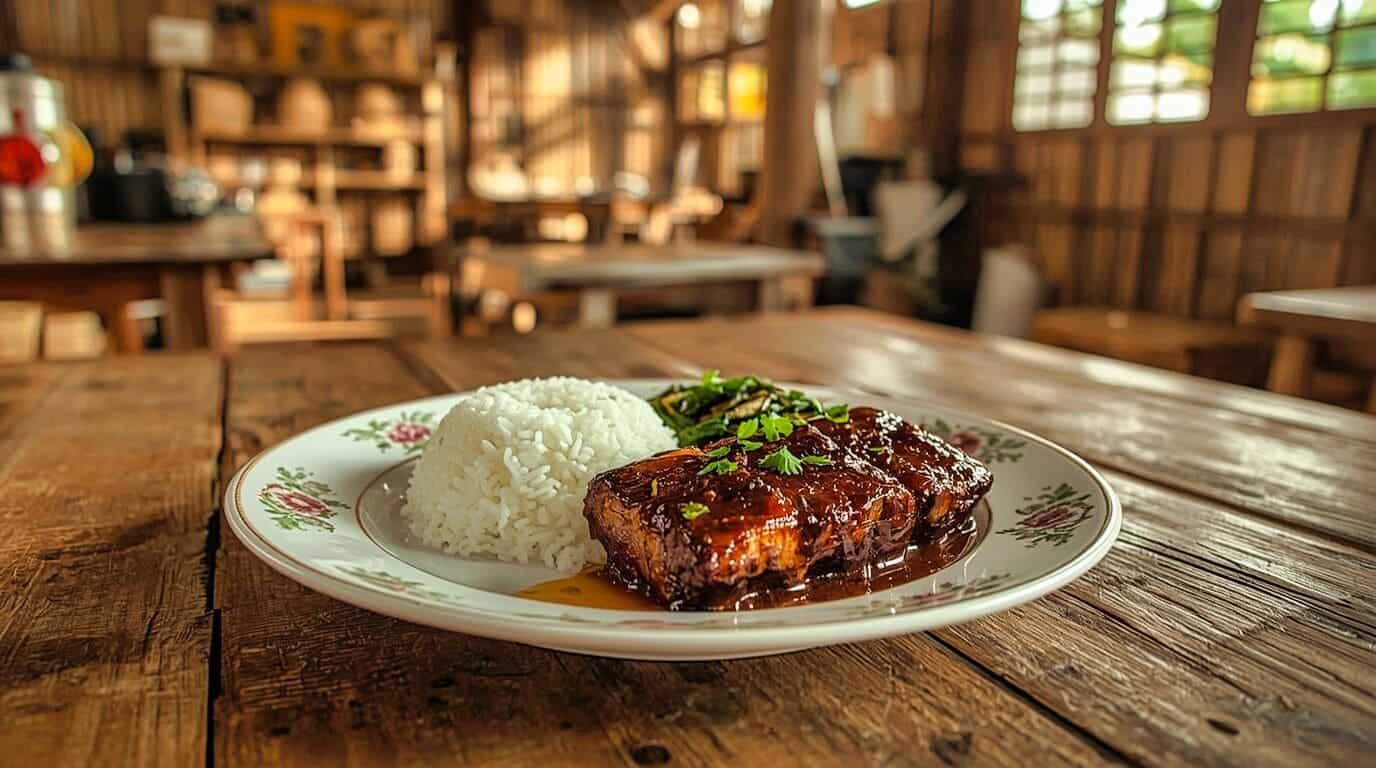
- These Malaysian Sticky Asian Ribs are slow-baked until incredibly tender, then coated in a rich sweet-savory glaze that's caramelized to perfection under the broiler. Finished with sesame seeds and fresh green onions, they're packed with bold flavor and make an irresistible centerpiece for family dinners, cookouts, or special occasions.

Recipes are gathered in person and written for real-world cooking conditions.
- 10 Hungarian Dessert Recipes Passed Down Through Generations - July 25, 2026
- 11 Easy English Recipes Anyone Can Make - July 25, 2026
- Hungarian Kifli Recipe - July 25, 2026