
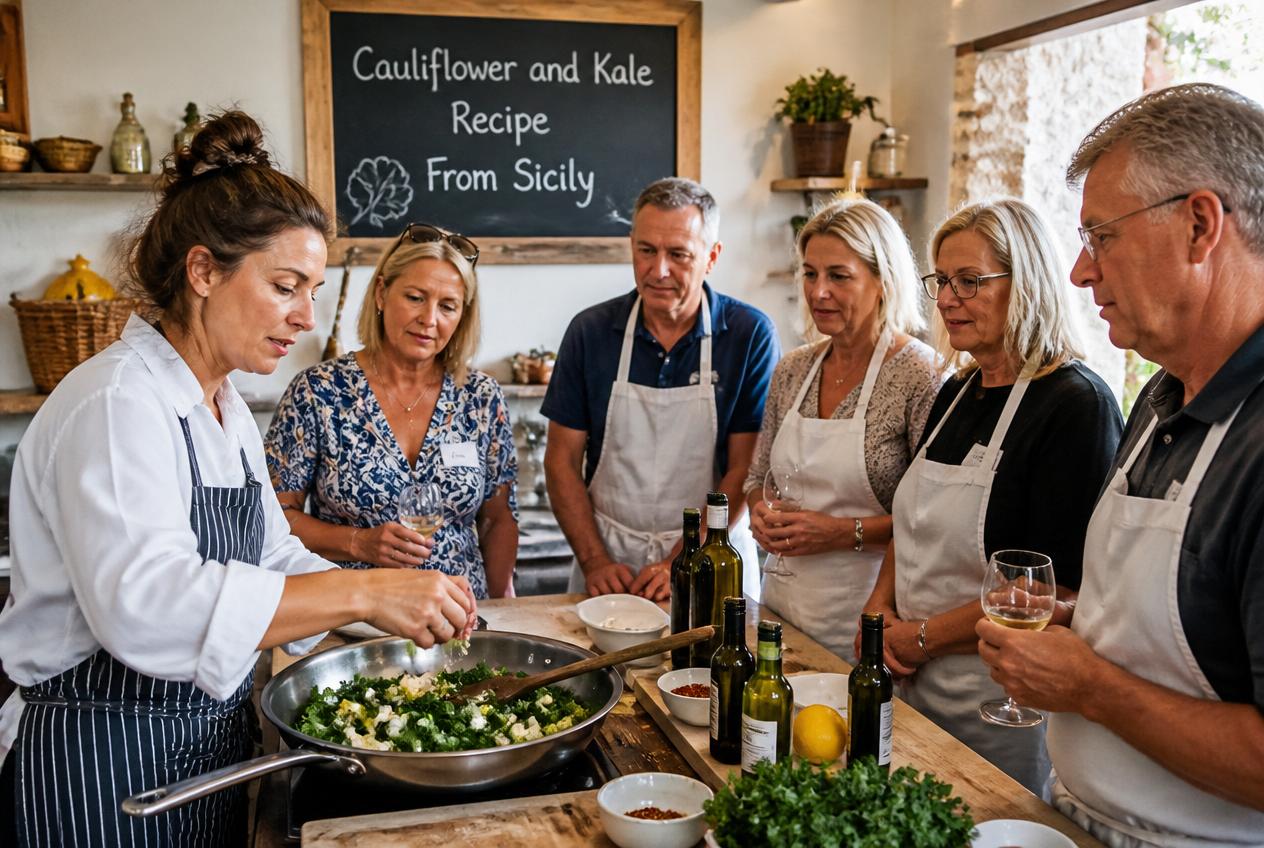
Sicilian cuisine brings together unexpected ingredients in ways that transform simple vegetables into memorable dishes. The traditional Sicilian cauliflower and kale recipe combines creamy cauliflower with slightly bitter kale, sweetened by golden raisins and often accented with pine nuts, capers, and aromatic herbs. This dish captures the essence of Sicily’s culinary tradition, where Arab, Greek, and Italian influences merge into something wholly unique.
This Sicilian cauliflower and kale dish can be prepared in just 15 minutes using only five core ingredients, making it practical for weeknight dinners while remaining impressive enough for special occasions. The balance of textures and flavors—from the natural sweetness of raisins to the briny punch of capers—creates a complexity that belies its simplicity. This Cauliflower and Kale recipe works equally well as a side dish or a light main course.
This Cauliflower and Kale recipe appeals to a variety of eating styles. Whether cooking for someone following a paleo, vegan, keto, or Whole30 diet, the dish fits the requirements while delivering authentic Sicilian flavor. Roasting the cauliflower deepens its natural sweetness, and the kale adds nutritional density and a pleasant bitterness that keeps the dish balanced.
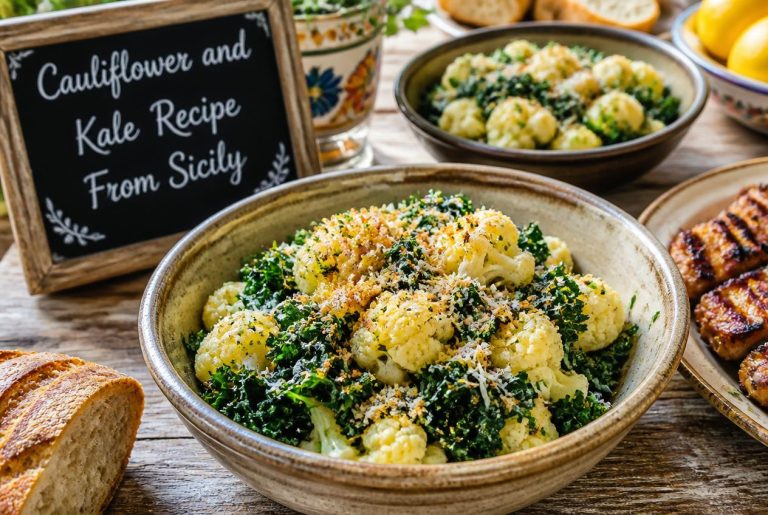
Cauliflower and Kale Recipe From Sicily
Key Takeaways
- Sicilian cauliflower and kale combines sweet, savory, and bitter elements using raisins, capers, and fresh vegetables
- The dish can be prepared in 15 minutes and accommodates multiple dietary preferences including vegan and keto
- This recipe reflects Sicily’s multicultural food heritage with influences from Arab and Mediterranean cooking traditions
Cultural Significance and Historical Background
Cauliflower holds a special place in Sicilian culinary tradition, where locals call it “broccoli” or “vruocculi” in the local dialect. This naming convention can confuse outsiders, but it reflects the deep cultural roots of this vegetable in the region. The Cauliflower and Kale recipe draws on this tradition and showcases the importance of local produce.
In research on Sicilian cuisine, cauliflower-based dishes represent classic Sicilian peasant food that made use of affordable, locally available ingredients. Greeks who settled in Sicily around the 5th century BC brought staples that formed the foundation of what we now know as traditional Mediterranean cooking. The Cauliflower and Kale recipe continues this legacy by celebrating humble ingredients.
Cauliflower season in Sicily signals the beginning of the cool months, and locals eagerly anticipate the arrival of the distinctive green cauliflower variety. The season lasts approximately five months, which explains why Sicilian cooks developed numerous preparation methods for dishes like the Cauliflower and Kale recipe.
These dishes embody Sicilian family meals—simple yet flavorful combinations that stretch ingredients to feed many people. Pasta with cauliflower originates from Palermo and showcases Arabic influences from the island’s history of invasions and cultural exchanges. The Cauliflower and Kale recipe fits into this tradition by blending sweet and savory notes.
Traditional foods from Sicily often feature combinations that seem unusual to outsiders, such as:
- Raisins and pine nuts with vegetables
- Anchovies paired with cauliflower
- Saffron added for color and flavor
- Capers providing briny contrast
These ingredients reflect Sicily’s position as a Mediterranean crossroads where different culinary traditions merged over centuries. The Cauliflower and Kale recipe captures this fusion of flavors.
Expert Tips for Success
I always blanch cauliflower in salted water for just 3-4 minutes to maintain its firm texture. Overcooking turns it mushy and diminishes the dish’s appeal. The Cauliflower and Kale recipe benefits from this careful attention to texture.
When working with kale, I remove the tough center ribs before cooking. The stems can be fibrous and detract from the overall eating experience. This step ensures the Cauliflower and Kale recipe has a pleasing mouthfeel.
Toasting pine nuts in a dry skillet over medium heat brings out their flavor. I watch them carefully to prevent burning, as they can go from golden to burnt in seconds. This technique enhances the Cauliflower and Kale recipe with a nutty crunch.
For the best flavor development, I use golden raisins rather than dark ones. They provide a milder sweetness that complements rather than overpowers the vegetables. The Cauliflower and Kale recipe shines when using high-quality ingredients like these.
Key preparation reminders:
- Cut cauliflower into uniform florets for even cooking
- Pat vegetables completely dry before sautéing to avoid steaming
- Use high-quality extra virgin olive oil for authentic Sicilian flavor
- Add garlic near the end of cooking to prevent bitterness
This Sicilian cauliflower and kale combination works well as both a warm side dish and at room temperature. The flavors intensify as it sits, making the Cauliflower and Kale recipe ideal for meal prep.
For meal prep, I cook the vegetables ahead but add the raisins and nuts just before serving. This keeps the nuts crunchy and prevents the raisins from becoming overly soft, preserving the texture of the Cauliflower and Kale recipe.
Creative Variations
I love experimenting with this traditional Sicilian cauliflower and kale dish by incorporating different ingredients that stay true to the Mediterranean spirit. The beauty of Sicilian cooking ideas lies in their flexibility and willingness to adapt based on what’s available. The Cauliflower and Kale recipe adapts easily to new flavors.
For a heartier meal, I transform this side dish into cauliflower and kale pasta by tossing the vegetables with your favorite pasta shape. The garlic and white wine sauce adds depth while keeping the Sicilian essence intact. The Cauliflower and Kale recipe works as a base for many creative meals.
When I want something warming, I turn these ingredients into a creamy kale and cauliflower soup that’s perfect for cooler evenings. I simply add vegetable broth and blend until smooth. The Cauliflower and Kale recipe adapts well to soups and stews.
Additional Sicilian-Inspired Variations:
- Add pine nuts for extra crunch and authentic Sicilian flavor
- Include anchovies for a salty, umami boost
- Mix in golden raisins to create sweet-savory contrast
- Toss with olives and sun-dried tomatoes for bolder taste
- Sprinkle breadcrumbs toasted in olive oil for texture
I also enjoy preparing this as a roasted cauliflower kale salad that works wonderfully for meal prep. The roasted vegetables hold up well in the refrigerator for several days, making the Cauliflower and Kale recipe convenient for busy weeks.
For Sicilian meal ideas that incorporate spice, I sometimes add red pepper flakes or transform the dish into a cauliflower kale curry with warming spices. Adding capers and lemon zest brightens the flavors while maintaining the Mediterranean character of the Cauliflower and Kale recipe.
Inspiration From Related Dishes
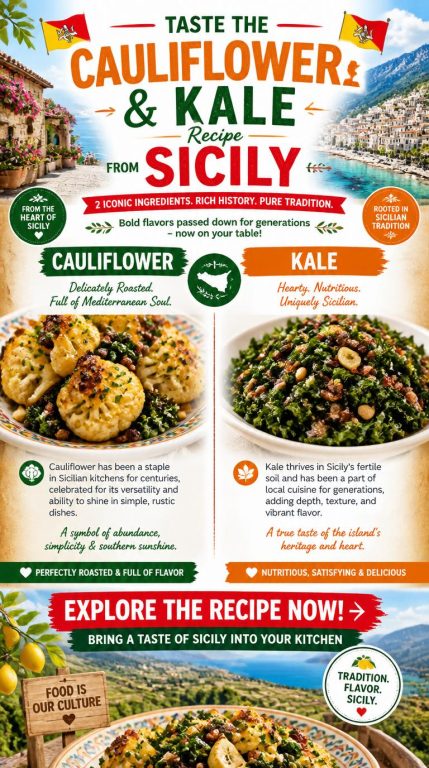
Sicilian cauliflower preparations often feature a distinctive combination of sweet and savory elements. The traditional pairing of raisins with cauliflower appears frequently in authentic recipes from the region, inspiring variations of the Cauliflower and Kale recipe.
Research shows that ingredients like raisins, pine nuts, and saffron demonstrate the Arab influence on Sicilian cuisine. These flavor combinations create depth that transforms simple vegetables into memorable dishes such as the Cauliflower and Kale recipe.
Common elements across Sicilian cauliflower dishes:
- Capers for briny, acidic notes
- Golden raisins for natural sweetness
- Pine nuts for richness and texture
- Fresh herbs like parsley or basil
- Olive oil as the foundation
Capers and raisins work together in a vinaigrette to balance flavors. The sweetness of raisins counteracts the sharp, salty quality of capers perfectly in the Cauliflower and Kale recipe.
Roasting cauliflower until caramelized brings out the vegetable’s natural sweetness while creating appealing texture. This method enhances the Cauliflower and Kale recipe, making it a favorite for both new and experienced cooks.
Sicilian cauliflower salad preparations use bold, zesty dressings with citrus elements. These bright flavors complement the earthiness of both cauliflower and kale, keeping the Cauliflower and Kale recipe light and refreshing.
Comparable Sicilian Recipes
Sicilian pasta with cauliflower, known as pasta chi vruoccoli arriminati, shares many ingredients with the Cauliflower and Kale recipe. This classic Sicilian dish features intentionally overcooked cauliflower that creates a creamy texture similar to the base of the Cauliflower and Kale recipe.
The Arab influence on traditional Sicilian recipes becomes evident when examining common ingredient patterns. Raisins, pine nuts, and saffron appear repeatedly across authentic recipes from Sicily, creating the characteristic sweet and savory balance found in the Cauliflower and Kale recipe.
Sicilian-style kale with pine nuts and currants offers another vegetable-focused option. This preparation includes capers and lemon, bringing together the punchy flavors typical of the region and inspiring the Cauliflower and Kale recipe.
Key ingredients in comparable dishes:
- Golden raisins or currants
- Toasted pine nuts
- Capers
- Red pepper flakes
- Fresh parsley
- Olive oil
- Vinegar or lemon juice
Sicilian roasted cauliflower combines these same elements in a simpler format. The dish gets drizzled with a caper-raisin vinaigrette after roasting, which you can incorporate into your Cauliflower and Kale recipe.
For those seeking different textures, cauliflower in batter represents popular Sicilian street food from Palermo. This crunchy preparation offers a completely different experience while honoring the vegetable’s importance in Sicilian cuisine, and it can inspire a new take on the Cauliflower and Kale recipe.

Cauliflower and Kale Recipe From Sicily Cooking Tips
Cauliflower and Kale Recipe From Sicily Cooking Tips
• Cauliflower and Kale is known for its rustic simplicity, wholesome ingredients, and traditional Sicilian Mediterranean flavors.
• Fresh cauliflower should be firm, compact, and free of dark spots.
• Choose kale with crisp leaves and vibrant color for the best texture and flavor.
• Cut the cauliflower into evenly sized florets to promote uniform cooking.
• Remove tough kale stems before cooking to improve tenderness.
• Blanching the vegetables briefly can help preserve color and texture.
• Extra-virgin olive oil is an essential ingredient and contributes authentic Sicilian character.
• Garlic provides the classic savory base found in many Sicilian vegetable dishes.
• Onions add sweetness and balance the natural bitterness of kale.
• Anchovies are often included to provide rich umami flavor without creating a strong fish taste.
• Red pepper flakes can add gentle heat and complement the vegetables beautifully.
• Raisins are sometimes added to provide a sweet contrast, a hallmark of Sicilian cuisine.
• Toasted pine nuts contribute texture and a delicate nutty flavor.
• Cook the vegetables until tender but still slightly firm for the best texture.
• A squeeze of fresh lemon juice can brighten the finished dish.
• The flavor should balance tender vegetables, olive oil, garlic, subtle sweetness, and Mediterranean seasonings.
Cauliflower and Kale Recipe From Sicily Storage Tips
Cauliflower and Kale Recipe From Sicily Storage Tips
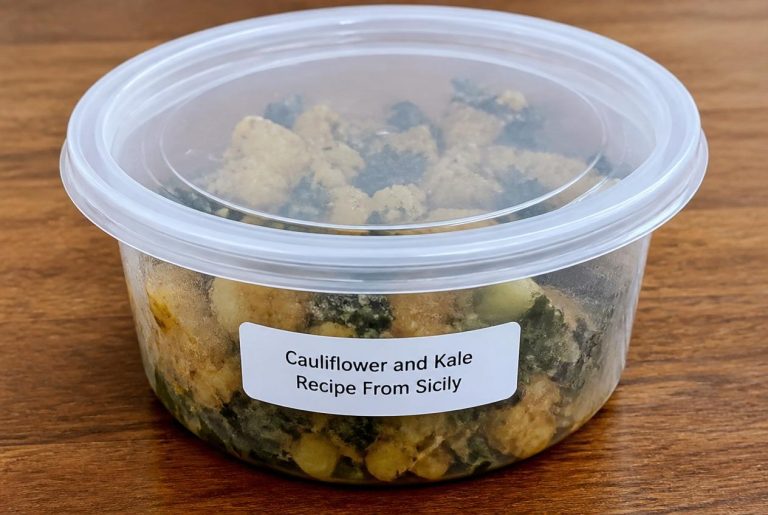
• Allow the vegetables to cool before transferring them into storage containers.
• Store refrigerated in airtight containers to preserve freshness.
• Refrigeration often allows the garlic, olive oil, and seasonings to blend further.
• Reheat gently over low heat until warmed through.
• A drizzle of fresh olive oil can refresh the dish before serving.
• Lemon juice is best added after reheating for maximum brightness.
• The dish may also be served cold or at room temperature.
• Freeze only if necessary, as the vegetables may soften after thawing.
• Store in airtight freezer-safe containers if freezing.
• Defrost frozen portions gradually in the refrigerator before reheating.
• Use clean utensils when handling leftovers to help maintain freshness.
• Vegetable dishes are generally best enjoyed within a moderate refrigerated storage period for ideal quality and flavor.
• Keep away from strongly scented foods because vegetables readily absorb odors.
• Slight softening during storage is normal.
• Discard leftovers if the vegetables develop sour odors, slime, mold, or unusual discoloration.
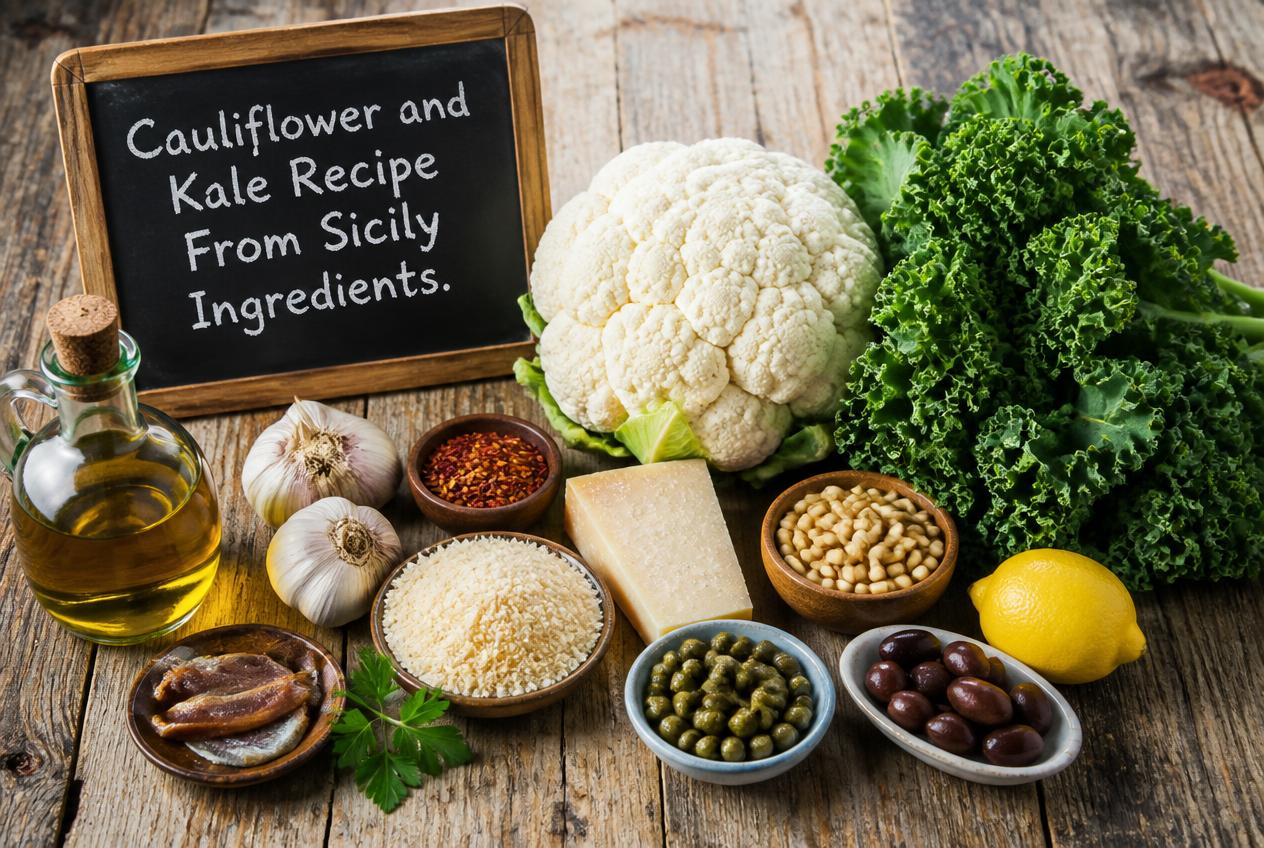
Cauliflower and Kale Recipe From Sicily
Ingredients
- 2 cups cauliflower cut into small florets, (1/2 medium cauliflower)
- 2 tablespoons olive oil
- 1 medium onion thinly sliced
- 2 cloves garlic minced
- ¼ cup raisins
- 4 cups kale stems removed, thinly sliced
- 1/4 –1/2 teaspoon Celtic sea salt
- Pinch red pepper flakes optional
- Balsamic vinegar for garnish I like this aged balsamic
- Coarse sea salt for garnish I like Maldon sea salt
Instructions
- Begin by preparing the cauliflower. You can either steam or boil the florets until they are crisp-tender, meaning they are cooked through but still retain a slight firmness when pierced with a fork. Be careful not to overcook them, as the cauliflower will be combined with the other ingredients later and you want it to maintain some texture.
- Once cooked, drain well if boiled and set aside while you prepare the kale mixture.
- Heat the olive oil in a large sauté pan over medium-low heat.
- Add the onions and cook for about 3 to 4 minutes, stirring occasionally, until they begin to soften and turn translucent. Cooking the onions slowly allows their natural sweetness to develop, which complements the earthy kale and sweet raisins.
- Add the garlic and raisins to the pan and continue cooking for about 30 seconds. Stir constantly during this step to prevent the garlic from browning. The brief cooking time is enough to release the garlic's aroma while allowing the raisins to begin softening and plumping slightly.
- Add the kale to the pan along with the salt and red pepper flakes, if using.
- Stir well to coat the leaves in the olive oil and distribute the seasonings evenly. Continue sautéing for 3 to 4 minutes, or until the kale becomes tender and slightly wilted.
- If the pan begins to look dry during cooking, add a small splash of water. The moisture will help the kale soften without requiring additional oil and will create a little steam to speed the cooking process.
- The finished kale should be tender but still vibrant in color.
- Add the cooked cauliflower to the pan with the kale mixture.
- Gently stir everything together until the cauliflower is evenly distributed throughout the greens and has warmed through. Take care not to break up the cauliflower too much, as the larger pieces provide a pleasant contrast in texture.
- Allow the vegetables to cook together for another minute or two so the flavors can meld.
- Transfer the cauliflower and kale mixture to a serving dish.
- Just before serving, drizzle lightly with balsamic vinegar. The acidity of the vinegar brightens the dish and balances the sweetness of the raisins and onions.
- Finish with a sprinkle of coarse sea salt for added texture and flavor.
- Serve this warm as a nutritious side dish alongside roasted meats, grilled fish, or vegetarian entrées. The combination of tender cauliflower, hearty kale, sweet raisins, and tangy balsamic vinegar creates a dish that is both simple and flavorful, showcasing how a few wholesome ingredients can come together to make a satisfying accompaniment to almost any meal.
Cauliflower and Kale Recipe From Sicily Frequently Asked Questions
Traditional Sicilian cooking emphasizes simple seasoning with olive oil, garlic, and preserved ingredients, while both cauliflower and kale offer distinct nutritional benefits as members of the same plant family. The Cauliflower and Kale recipe showcases these ingredients in a flavorful and nutritious way, making it a staple in many Sicilian kitchens.
What is the traditional Sicilian approach to seasoning cauliflower and kale in a home-cooked dish?
The Sicilian approach to a Cauliflower and Kale recipe focuses on balancing savory and sweet elements. Cooks incorporate golden raisins or currants alongside garlic, olive oil, and pine nuts to create depth of flavor. Red pepper flakes add gentle heat, while anchovies or capers bring briny complexity to the Cauliflower and Kale recipe.
Sicilians often finish the Cauliflower and Kale recipe with breadcrumbs toasted in olive oil for textural contrast. The agrodolce technique, meaning “sour-sweet” in Italian, appears frequently in authentic Sicilian vegetable preparations. This technique uses a splash of vinegar or lemon juice to brighten the Cauliflower and Kale recipe.
Which is healthier, cauliflower or kale, and how do their nutrients compare?
Both vegetables in a Cauliflower and Kale recipe provide exceptional nutrition, though they offer different vitamin profiles. Kale contains significantly more vitamin K, vitamin A, and vitamin C per serving than cauliflower. Cauliflower provides more choline and pantothenic acid, making the Cauliflower and Kale recipe diverse in nutrients.
Cauliflower contains about 25 calories per cup of raw florets, while kale has about 33 calories per cup when chopped. Kale delivers higher amounts of calcium, iron, and manganese, and cauliflower offers more vitamin B6 and folate, supporting metabolic functions in a Cauliflower and Kale recipe. Both vegetables are excellent sources of fiber and antioxidants, so including both in your Cauliflower and Kale recipe maximizes health benefits.
Is kale related to cauliflower, and what botanical family do they share?
Kale and cauliflower belong to the same species, Brassica oleracea, and both are members of the Brassicaceae family, commonly called the cruciferous or cabbage family. This family also includes broccoli, Brussels sprouts, collard greens, and cabbage, all of which can complement a Cauliflower and Kale recipe. Humans cultivated such diverse vegetables from a single wild ancestor, making the Cauliflower and Kale recipe a testament to culinary evolution.
What are the best cooking methods to keep cauliflower tender while preventing kale from becoming bitter?
Blanch cauliflower in salted boiling water for 3 to 5 minutes to achieve tender florets in your Cauliflower and Kale. This quick cooking method preserves texture while preventing mushiness. For kale, remove the tough stems and massage the leaves with olive oil before adding them to the Cauliflower and Kale recipe. Add kale near the end of cooking time to prevent bitterness from developing.
Roast cauliflower at 425°F until golden brown to bring out natural sweetness in a Cauliflower and Kale recipe. Sauté kale over medium-high heat for just 2 to 3 minutes to maintain its color and reduce bitterness. Adding acid like lemon juice or vinegar balances any residual bitterness in kale, and pairing kale with sweet ingredients like raisins in a Cauliflower and Kale recipe effectively masks harsh flavors.
Which pantry staples are most commonly used to build authentic Sicilian flavor in vegetable recipes?
Extra virgin olive oil forms the foundation of every Cauliflower and Kale recipe with a Sicilian twist. High-quality olive oil provides richness and carries the flavors of other ingredients throughout the dish. Garlic appears in nearly every Cauliflower and Kale recipe, whether using fresh cloves or garlic-infused oil for a mellower flavor.
Capers and olives add briny, salty notes that define Sicilian cuisine in a Cauliflower and Kale. Salt-packed capers work best, but brined versions also suit the dish after rinsing. Golden raisins or currants provide the characteristic sweet element, and pine nuts contribute buttery richness and textural interest to the Cauliflower and Kale recipe.
Red pepper flakes, anchovies, and breadcrumbs round out the essential Sicilian pantry for a Cauliflower and Kale recipe. Toast breadcrumbs in olive oil until golden for a crunchy finishing touch on your Cauliflower and Kale recipe.
What substitutions can be used if kale or cauliflower is not available while preserving a similar taste and texture?
I substitute broccoli for cauliflower when necessary, as it maintains similar texture and cooking times in any Cauliflower and Kale recipe. Romanesco, with its striking appearance and nutty flavor, also works excellently in place of cauliflower in a Cauliflower and Kale recipe. When I prepare a Cauliflower and Kale, I find that using broccoli or Romanesco offers a comparable experience.
For kale alternatives in a Cauliflower and Kale recipe, I turn to collard greens or Swiss chard. Collards offer a similar sturdy texture, though I recommend slightly longer cooking times than kale requires when making a Cauliflower and Kale recipe. Swiss chard lends a different flavor but still complements the overall profile of a Cauliflower and Kale recipe.
Cabbage can replace either vegetable in Sicilian preparations or any Cauliflower and Kale recipe. I slice it thinly and adjust cooking time based on whether I’m substituting for tender kale or firmer cauliflower in my Cauliflower and Kale recipe. This flexibility ensures the Cauliflower and Kale recipe maintains its intended texture and flavor.
Broccoli rabe provides a pleasantly bitter flavor profile similar to kale in a Cauliflower and Kale. Brussels sprouts, when shredded or halved, offer the cruciferous character that defines this vegetable family and enhance the Cauliflower and Kale recipe. Using these substitutions keeps the Cauliflower and Kale recipe vibrant and satisfying.

Recipes are gathered in person and written for real-world cooking conditions.
- 10 Hungarian Dessert Recipes Passed Down Through Generations - July 25, 2026
- 11 Easy English Recipes Anyone Can Make - July 25, 2026
- Hungarian Kifli Recipe - July 25, 2026