
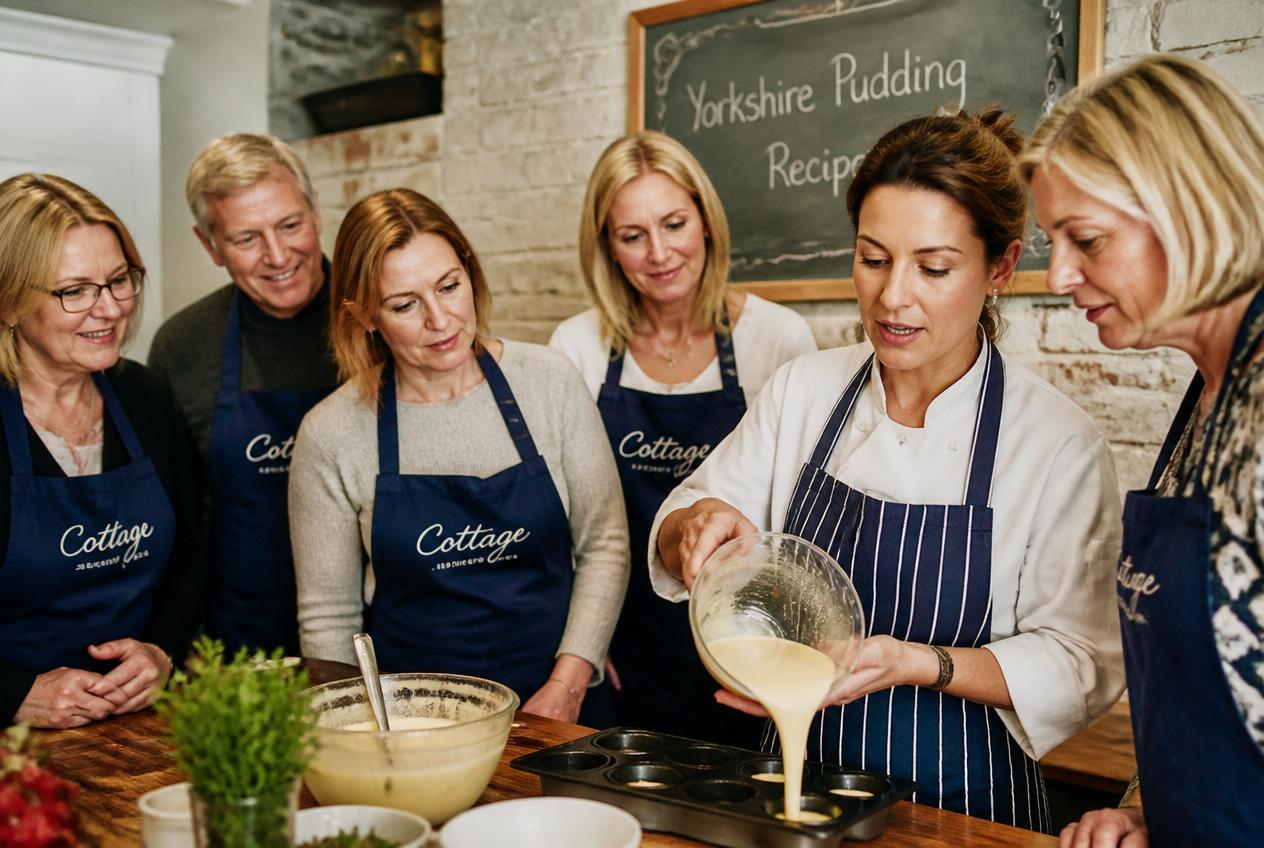
Yorkshire pudding is one of those magical dishes that seems simple but delivers something truly special. This traditional British side dish uses a basic batter of eggs, flour, and milk, and when you bake it in sizzling hot fat, it puffs up into golden, crispy cups. I’m always surprised by how something so straightforward can turn into these tall, dramatic popovers—absolutely perfect for soaking up gravy.
What really gets me excited about a good Yorkshire pudding recipe is how it takes an ordinary roast dinner and makes it unforgettable. The contrast between the crispy outsides and fluffy insides is just unbeatable. Yorkshire pudding started as a way to stretch meat further, but now it stands proudly as a must-have with any roast beef meal.
I’ll walk you through everything you need to know for nailing the Yorkshire pudding recipe at home. From why the cooking technique really matters to which ingredients actually work best, you’ll see why this classic has stuck around for generations of British cooks.
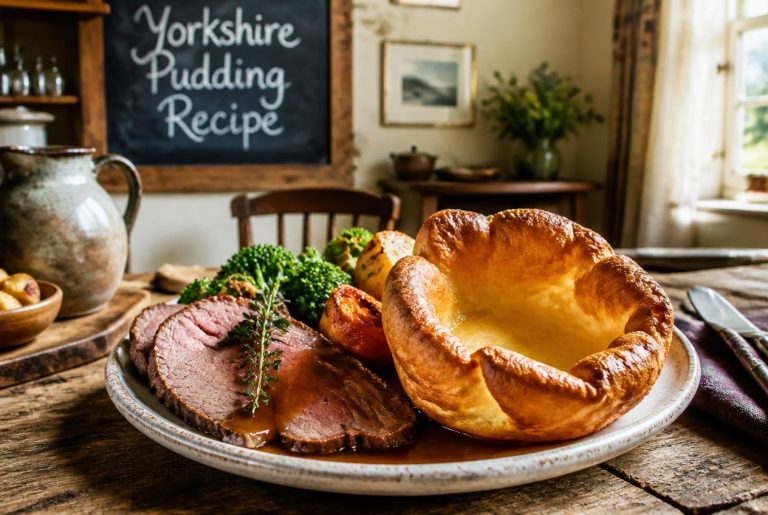
Yorkshire Pudding Recipe
Key Takeaways
- Yorkshire pudding recipe calls for a simple batter of eggs, flour, and milk baked in super hot fat for that signature rise and crispiness
- Making the batter ahead and using the right method is key for tall, golden puddings every time
- You can store and reheat these versatile puddings, so they’re a practical addition to any roast dinner or special meal
English Recipe Description and Historical Information
I’m thrilled to share that Yorkshire pudding is made from a simple batter of eggs, flour, and milk or water. It bakes into a puffy, golden treat that’s crisp on the outside and soft inside!
The story starts in medieval England, where clever cooks made what they called dripping pudding. As early as the 15th century, they poured thin batter beneath roasting meat to catch every precious drop of fat. Nothing went to waste in those kitchens!
Traditional Yorkshire puddings were made by tipping batter into the fat around roasting meat. Eventually, people started baking the pudding separately in its own dish.
Traditional Ingredients:
- Eggs
- Flour
- Milk or water
- Beef drippings or oil
I love how Yorkshire pudding serves as the centerpiece of a British Sunday lunch. Before modern ovens, roast beef cooked on a spit in the fireplace, and a metal tray below caught the fat—perfect for making the pudding!
This dish works in so many ways. I serve it as a side with roast beef and gravy, or use it in different recipes depending on the size and ingredients. It’s wild how such a simple Yorkshire pudding recipe became one of Britain’s most beloved foods!
Recipe Tips
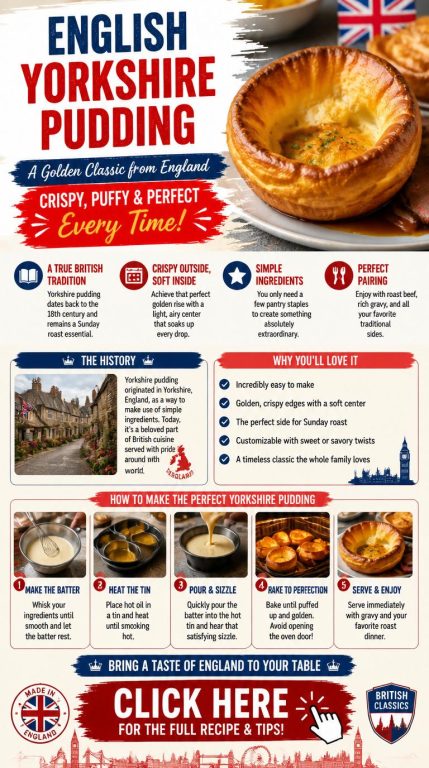
I’ve learned the secret to amazing Yorkshire puddings: get your pan screaming hot! The fat should be smoking before you pour in the batter. That’s what gives you that incredible puff and crispy golden exterior everyone wants.
My batter always gets at least 30 minutes to rest before baking. Some recipes say you can skip this, but I swear it makes a difference in the texture.
Temperature is everything:
- Preheat your oven to 425-450°F
- Heat the fat until it’s visibly smoking
- Don’t open the oven door during the first 20 minutes of baking
I use beef drippings when I can—they add so much flavor. Vegetable oil works fine too, and sometimes I even use melted butter.
The batter should be thin, like heavy cream. If it’s too thick, my puddings come out dense instead of light and airy. I just mix the eggs, flour, and milk until they’re combined—no need to overdo it.
Keep an eye on the cooking technique. That’s what separates good from great. I fill each cup only about one-third full so the batter has room to rise big.
They’re done when they’re deeply golden and crispy at the edges. They should look puffed up and feel light when you lift them out. I serve them right away because they deflate as they cool—kind of a bummer, but that’s how it goes with any Yorkshire pudding recipe!
Variations
I love how Yorkshire pudding can transform beyond the classic recipe into all sorts of creative versions. The basic batter is honestly a blank canvas.
Savory Options
There are so many savory twists you can try. Here are a few I keep coming back to:
- Herb-infused: Toss in fresh rosemary, thyme, or chives
- Cheese: Grated cheddar or parmesan takes it up a notch
- Garlic: A little minced garlic or garlic powder gives big flavor
- Onion: Caramelized onions or dried onion flakes work great
You can even stuff Yorkshire puddings with mushrooms and brie after baking for a killer appetizer.
Sweet Twists
I get a kick out of dessert-worthy Yorkshire pudding recipe ideas that flip the script. Try adding a tablespoon of sugar to the batter, then serve with fresh berries and whipped cream. It’s a little unexpected, but so good.
Mini Versions
I make mini Yorkshire puddings as canapes all the time for gatherings. They’re perfect bite-sized vessels for beef, pulled pork, or even scrambled eggs at brunch.
The best part about any Yorkshire pudding recipe? You can flavor the batter in countless ways without messing up the basic technique. I’d say start with one variation at a time until you find your favorite combo!
Storage
I always make extra Yorkshire puddings because they keep so well! If you have leftovers, you can keep them fresh with a couple of easy tricks.
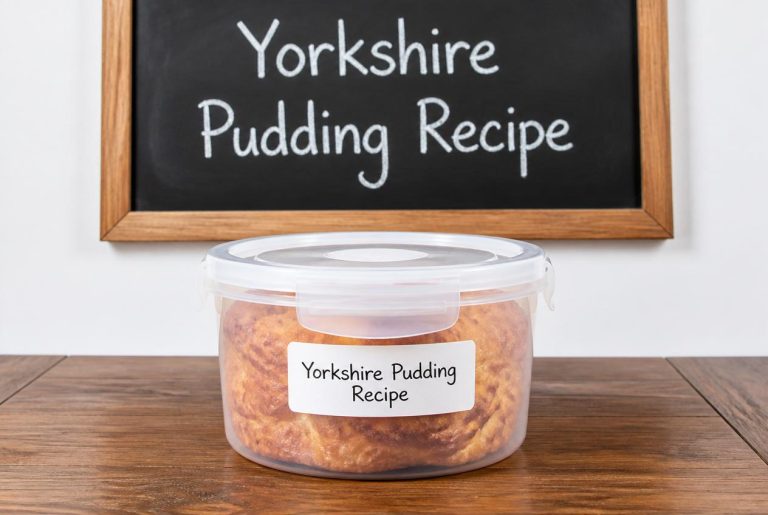
For short-term storage, I toss my cooled Yorkshire puddings in an airtight container. They’ll last in the fridge for 2-3 days. Just make sure they’re totally cool before sealing, or you’ll end up with soggy puddings—trust me, I’ve been there.
Freezing is honestly my favorite option for longer storage. I can freeze Yorkshire puddings for up to 3 months and they still taste great! Here’s what I do:
- Let the puddings cool completely
- Put them in freezer-safe bags or airtight containers
- Push out as much air as you can
- Write the date on them
You can prep the batter ahead too. I often make Yorkshire pudding recipe batter 2-3 days before and stash it in the fridge. It makes meal prep so much easier!
When I want to enjoy my stored puddings, I reheat them in a hot oven at 400°F for about 3-5 minutes. They crisp right back up and taste almost fresh. I avoid the microwave—it just makes them rubbery and sad.
Using proper storage containers keeps freezer burn and moisture away. I always reach for airtight options, whether I’m refrigerating or freezing. That’s just how I roll with any Yorkshire pudding recipe batch.
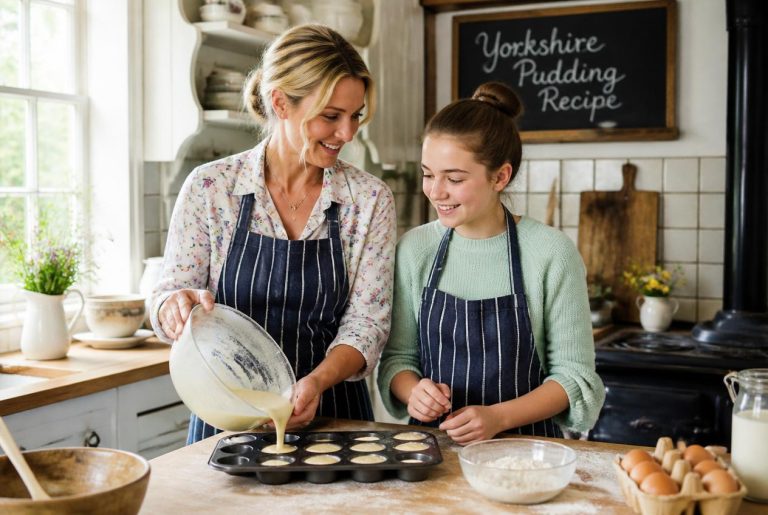
Yorkshire Pudding Recipe Cooking Tips
Yorkshire Pudding Recipe Cooking Tips
• Yorkshire Pudding is known for its crisp exterior, airy rise, and soft custardy center.
• Equal attention to the batter and the hot cooking fat is essential for a successful rise.
• Eggs provide structure and help create the characteristic puffed shape.
• Whole milk contributes richness and tenderness to the batter.
• Letting the batter rest before baking can improve texture and rise.
• The batter should be smooth and free of lumps before use.
• Beef drippings are traditional and add authentic flavor, though vegetable oil can also be used.
• The baking tin and fat must be very hot before the batter is added.
• Avoid opening the oven door during baking because this can cause the puddings to collapse.
• Fill the tins only partially to allow room for expansion.
• Bake until deeply golden and crisp for the best texture.
• Serve immediately while still puffed and hot.
• Yorkshire Puddings are traditionally served with roast beef and gravy.
• The flavor should balance rich eggy notes, crisp edges, and a light airy interior.
• Yorkshire Pudding is a classic part of the traditional British Sunday roast.
Yorkshire Pudding Recipe Storage Tips
Yorkshire Pudding Storage Tips
• Allow the puddings to cool completely before storing.
• Store in airtight containers to help preserve freshness.
• Refrigerate if keeping beyond the same day.
• Reheat in a hot oven to restore crispness and texture.
• Avoid microwaving because the puddings can become soft and chewy.
• Freeze cooled puddings in airtight freezer-safe containers if desired.
• Separate layers with parchment paper before freezing to prevent sticking.
• Defrost frozen puddings at room temperature or reheat directly from frozen.
• Freshly reheated Yorkshire Puddings regain much of their original crispness.
• Use clean dry utensils when handling leftovers to help maintain freshness.
• Baked batter dishes are generally best enjoyed within a shorter storage period for ideal texture and flavor.
• Keep away from strongly scented foods because they absorb odors easily.
• Slight loss of height during storage is normal.
• Discard leftovers if they develop sour odors, mold, or unusual texture changes.
Yorkshire Pudding Recipe
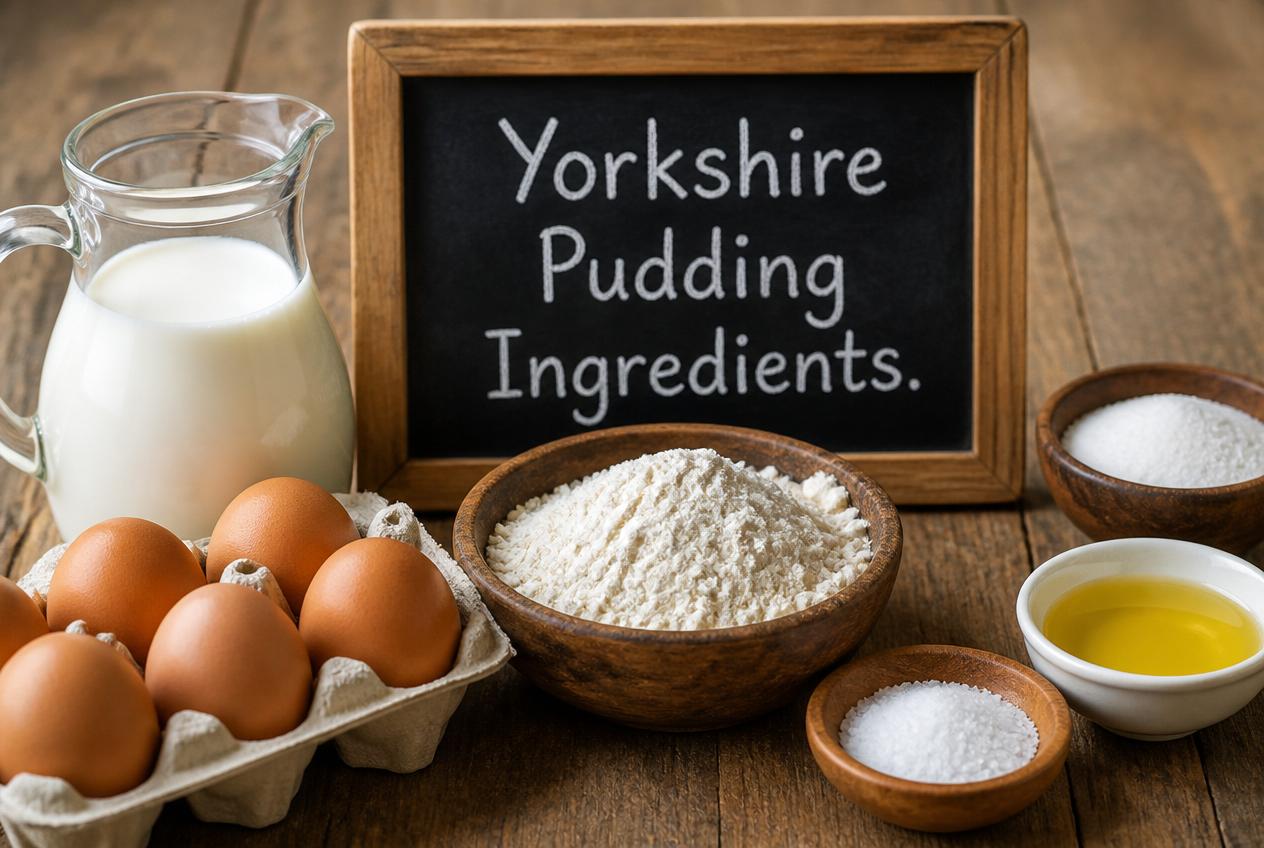
Ingredients
- 4 large eggs
- 1 cup milk
- 1 pinch fine salt
- 1 cup all-purpose flour
- 2 tablespoons lard beef drippings, or vegetable oil
- 2 tablespoons cold water
Instructions
- Preheat the oven to 450°F (230°C) and make sure the oven is fully heated before baking. In a medium mixing bowl, combine the 4 large eggs, 1 cup milk, and a pinch of fine salt. Using an electric hand mixer or a whisk, beat the mixture thoroughly until completely blended, smooth, and slightly frothy. Allow the mixture to stand for about 10 minutes. This brief resting period helps the ingredients fully combine and contributes to a lighter finished pudding.
- Gradually sift the 1 cup all-purpose flour into the egg and milk mixture while whisking continuously. Adding the flour slowly helps prevent lumps from forming and creates a smoother batter. Continue whisking until the mixture resembles thick cream and is completely lump-free. If any lumps remain, strain the batter through a fine-mesh sieve for an exceptionally smooth texture.
- Once mixed, leave the batter to rest at room temperature for at least 30 minutes. For even better results, allow it to rest for several hours if your schedule permits. This resting time allows the flour to fully hydrate and helps create the dramatic rise and airy interior that Yorkshire puddings are known for.
- Place a pea-sized amount of lard, beef dripping, or approximately ½ teaspoon of vegetable oil into each cup of a Yorkshire pudding tin or a standard 12-cup muffin tin. The fat should lightly coat the bottom of each cavity without pooling excessively.
- Place the tin into the preheated oven and heat until the fat is extremely hot and just beginning to smoke. This step is critical to achieving the signature rise and crisp exterior of traditional Yorkshire puddings. The batter should sizzle immediately when it comes into contact with the hot fat.
- Just before filling the tin, add 2 tablespoons of cold water to the rested batter and whisk briefly to reincorporate everything. The addition of cold water helps generate steam during baking, contributing to a lighter, puffier result.
- Carefully remove the hot tin from the oven and quickly fill each cavity about one-third full with batter. Work efficiently so the tin and fat remain as hot as possible. As soon as the batter is added, return the tin to the oven without delay.
- Bake for approximately 20 minutes, or until the Yorkshire puddings are dramatically puffed, deeply golden brown, and crisp around the edges. Resist opening the oven door while they bake, as sudden temperature changes can cause them to collapse before they have fully set.
- Once baked, remove the Yorkshire puddings from the oven and serve immediately while they are at their tallest, crispiest, and most impressive. Properly baked Yorkshire puddings should have crisp golden exteriors with light, airy interiors perfect for soaking up gravy.
- If additional batter remains, repeat the process by reheating the tin and fat until smoking hot before filling and baking the next batch. Yorkshire puddings are traditionally served alongside roast beef and rich gravy, but they are equally delicious with other roasted meats, stews, or simply enjoyed fresh from the oven with butter.
Frequently Asked Questions
Getting Yorkshire pudding just right takes a few key tricks, from the perfect oven temperature to understanding why some batches fall flat. Here are my answers to the most common questions I hear when making these golden beauties.
What’s the easiest way to make perfectly puffy puddings every time?
The secret to tall, crispy Yorkshire puddings comes down to three main things. First, I use equal parts flour, eggs, and milk by volume in my Yorkshire pudding recipe. Second, I make sure my oil is smoking hot before pouring in the batter.
Third, I never open the oven door during the first 20 minutes. That keeps the heat steady and lets the puddings rise without any interruptions.
How can I scale the batter for just two people without messing up the rise?
If I’m cooking for two, I use one egg, a third cup of flour, and a third cup of milk. That makes about four puddings—just right for a small meal. The ratio stays the same no matter how much I’m making.
I keep the same oven temperature and timing, even with less batter. As long as the oil’s hot enough, the puddings puff up beautifully. This Yorkshire pudding recipe scales up or down really easily.
What’s the best oven temperature and preheating method for a dramatic lift?
I set my oven to 425°F or 450°F for the best rise. I put my muffin tin or popover pan in the oven while it preheats, with about a teaspoon of oil in each cup. The oil has to be almost smoking when I pour in the batter for any Yorkshire pudding recipe to work its magic.
I let the pan heat for at least 10 minutes before adding my batter. That super hot start creates steam that pushes the puddings up high—so satisfying to watch.
Why do my puddings turn out flat or soggy, and how do I fix it fast?
Puddings that don’t rise properly usually happen because the oil wasn’t hot enough or I opened the oven too soon. Even a quick peek can let out heat and cause them to collapse. Seriously, opening the door before they’re set is one of the most common mistakes people make.
Soggy puddings mean there’s too much moisture stuck inside. I fix this by making sure my oven is hot enough and my batter isn’t too thin. Sometimes you just have to tweak your Yorkshire pudding recipe a bit.
Can I make the batter ahead of time, and does resting it improve the results?
I can prepare the batter up to 24 hours in advance and keep it in the fridge. Resting the batter for at least 30 minutes helps develop better flavor and texture. I always give it a good whisk before pouring it into the pan.
Some people swear by overnight resting, while others get great results with fresh batter. I’ve had success both ways, so I just make my Yorkshire pudding recipe ahead when I’m busy and want to save time.
How many calories are typically in eight servings?
When I whip up a classic Yorkshire Pudding recipe, each pudding lands somewhere between 90 and 120 calories. The numbers shift depending on how generous I get with the oil or if I swap in beef drippings—honestly, sometimes I just go with whatever’s in the fridge. Portion size matters too, and you know how those can end up bigger than planned.
All eight puddings together usually come to about 720 to 960 calories. That seems pretty reasonable for a Sunday roast, especially if you’re feeding a crowd with your favorite Yorkshire Pudding recipe. Sometimes I wonder if anyone really counts calories when there’s gravy involved, but hey, it’s good to know where you stand with your Yorkshire Pudding recipe.

Recipes are gathered in person and written for real-world cooking conditions.
- 10 Hungarian Dessert Recipes Passed Down Through Generations - July 25, 2026
- 11 Easy English Recipes Anyone Can Make - July 25, 2026
- Hungarian Kifli Recipe - July 25, 2026