
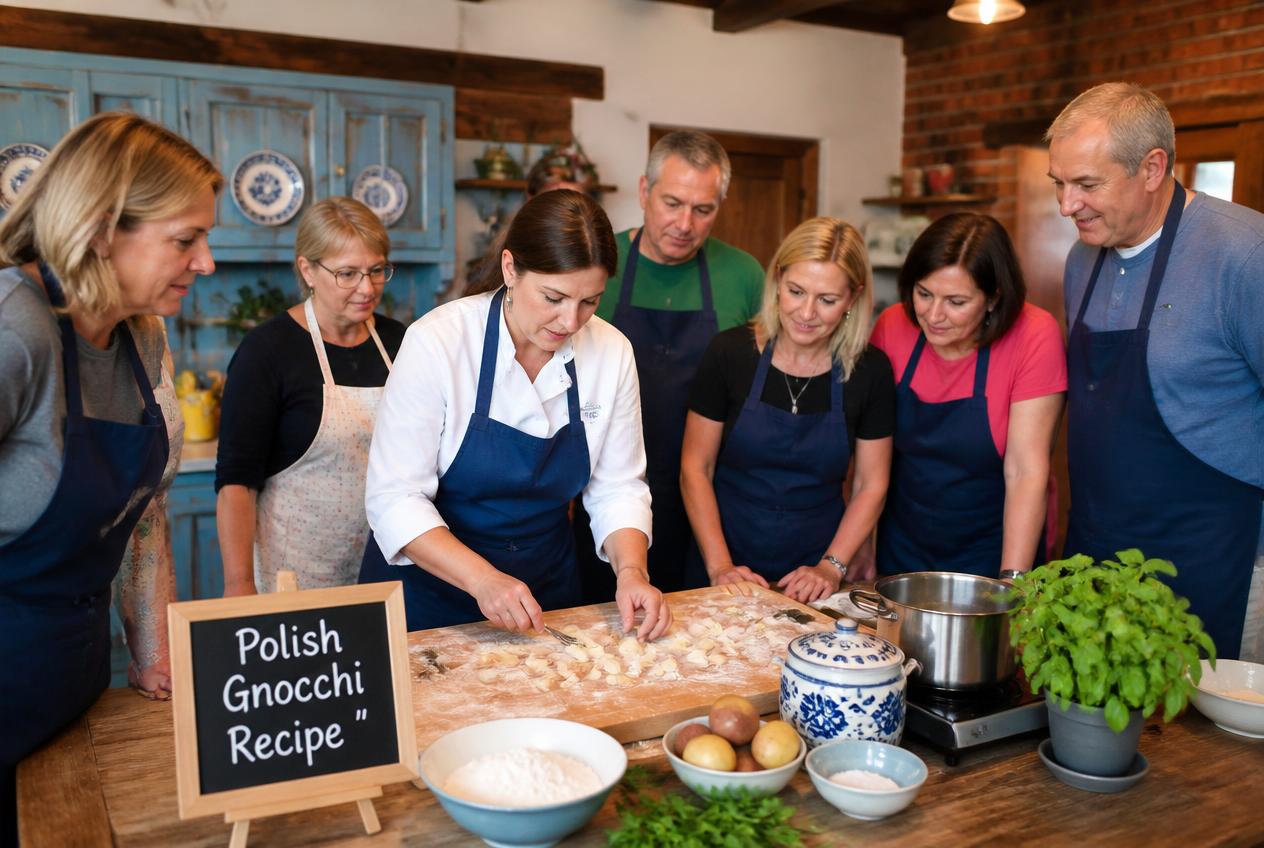
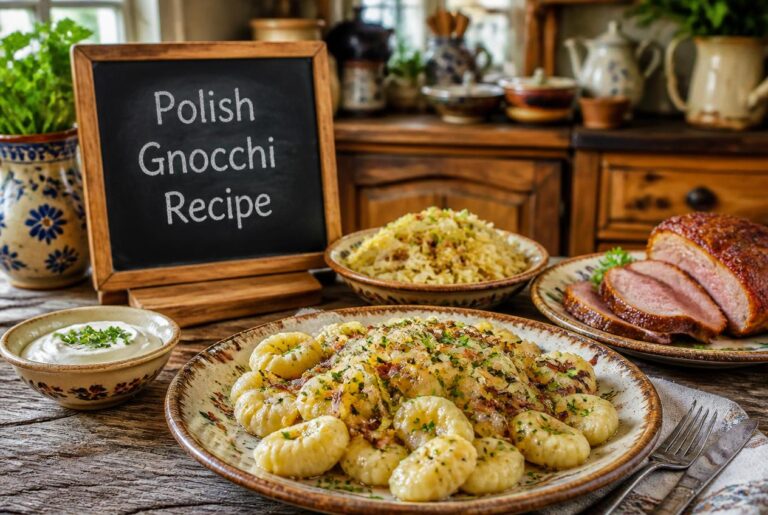
Kopytka is the Polish gnocchi recipe for traditional Polish potato dumplings that translate to “little hooves” because of their distinctive diamond shape. These soft, pillowy dumplings are made from a simple combination of mashed potatoes, flour, and eggs, creating a comforting dish that has been served in Polish homes for generations. The Polish gnocchi recipe stands out for its unique character and preparation method, making it a beloved staple in Polish cuisine.
Making a Polish gnocchi recipe is straightforward—you need only potatoes, flour, eggs, and salt to create these tender dumplings. The key is using the right ratio of ingredients and handling the dough gently. Starting with properly cooked and mashed potatoes ensures the ideal texture for your Polish gnocchi recipe.
You can serve kopytka in countless ways, from a simple combination of melted butter and breadcrumbs to more elaborate preparations with mushroom sauce, goulash, or crispy bacon and onions. Some enjoy them sweet with a sprinkle of sugar or honey. This versatility makes the Polish gnocchi recipe a practical addition to any meal.
Polish Gnocchi Recipe
Key Takeaways
- Kopytka are Polish potato dumplings made from mashed potatoes, flour, and eggs with a distinctive diamond shape.
- The Polish gnocchi recipe requires careful handling to avoid overworking the dough for the best tender texture.
- These dumplings can be served with both savory toppings like mushroom sauce or sweet options like butter and sugar.
Description and Historical Information
Kopytka, meaning “little hooves” in Polish, are traditional potato dumplings that hold a cherished place in Polish comfort food culture. The Polish gnocchi recipe closely resembles Italian gnocchi in composition, though it differs in shape and presentation. The diamond-shaped dumplings get their name from their resemblance to cloven animal hooves.
The basic Polish gnocchi recipe includes boiled starchy potatoes, all-purpose flour, eggs, and salt. This simple combination creates soft, chewy dumplings enjoyed by Polish families for generations. Kopytka belong to the broader category of kluski, which encompasses all traditional Polish dumplings.
Key Characteristics:
- Shape: Diamond or oval forms (versus ridged cylinders in Italian gnocchi)
- Texture: Soft and chewy when properly prepared
- Base ingredients: Mashed potatoes, flour, eggs, salt
- Preparation: Boiled or fried
Authentic Polish gnocchi recipes also appear in Belarusian and Lithuanian cuisines, reflecting shared culinary traditions across Eastern Europe. The beauty of the Polish gnocchi recipe lies in its versatility as a classic Polish dish. You can serve them as a hearty side with Sunday dinner, toss them with bacon and onions for a complete meal, or even sprinkle them with sugar for a sweet variation.
Some Polish cooks call these dumplings paluszki, meaning “little fingers,” though kopytka remains the more common name. The forgiving nature of the Polish gnocchi recipe and its readily available ingredients have made it a staple in Polish family recipes, passed down through generations as essential knowledge of traditional foods from Poland.
Chef’s Tips
Use starchy potatoes like russets for the best texture in your Polish gnocchi recipe. Waxy potatoes contain too much moisture and will require excess flour, resulting in dense, heavy dumplings.
Cook the potatoes in their skins and peel them while still warm to prevent them from absorbing excess water during boiling. A potato ricer or food mill produces a smooth, lump-free consistency for your Polish gnocchi recipe.
Add minimal flour to achieve tender kopytka. Add just enough to bring the dough together—it should feel slightly sticky but manageable. Handle the dough gently and briefly to avoid developing gluten and creating tough dumplings.
Essential ratios for Polish gnocchi recipe:
- 2 pounds potatoes
- 1 to 1.5 cups flour (add gradually)
- 1 egg
- 1 teaspoon salt
Test the dough by cooking one dumpling first. If it falls apart in the water, knead in a tablespoon more flour. If it’s too dense, use less flour next time.
Serving suggestions for your Polish gnocchi recipe include:
- Melted butter with crispy bacon bits
- Caramelized onions and sour cream
- Wild mushroom sauce
- Meat goulash
Freeze uncooked kopytka on a baking sheet before transferring them to freezer bags. Cook them directly from frozen in boiling water; the dumplings are done when they float to the surface—give them 30 extra seconds, then remove immediately. The Polish gnocchi recipe is perfect for meal prep.
Make-Ahead Instructions
The Polish gnocchi recipe freezes exceptionally well, making it perfect for batch cooking. Prepare the dumplings through the shaping stage, then arrange them in a single layer on a parchment-lined baking sheet.
Freezing Uncooked Kopytka:
- Place shaped dumplings on a baking sheet without touching
- Freeze for 2-3 hours until solid
- Transfer to freezer bags or airtight containers
- Store for up to 3 months
- Cook directly from frozen, adding 1-2 extra minutes to boiling time
Portion the frozen dumplings into meal-sized quantities for convenience. Label each container with the date to track freshness and keep your Polish gnocchi recipe organized.
Refrigerating Prepared Dough:
Prepare the dough up to 24 hours in advance. Wrap it tightly in plastic wrap and refrigerate. Let it come to room temperature for about 30 minutes before shaping into your Polish gnocchi recipe.
Cooked Kopytka Storage:
Store boiled dumplings in an airtight container in the refrigerator for up to 3 days. Toss them with a small amount of oil to prevent sticking. To reheat, pan-fry them in butter until they develop a golden crust. You can also briefly microwave them, though the texture won’t be as appealing. For best results, add them directly to a hot pan with your chosen sauce or toppings—a great way to enjoy your Polish gnocchi recipe leftovers.
Variations
Experiment with different flours when making your Polish gnocchi recipe. Almond flour creates a slightly nuttier flavor and works well for those seeking gluten-free options. Whole wheat flour adds more fiber and gives the dumplings a heartier texture.
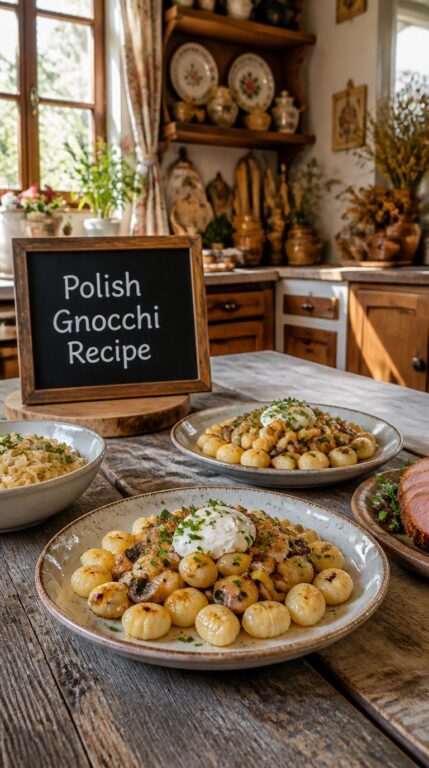
Toppings vary based on availability and preference. Traditional butter and sour cream remain a simple favorite. Wild mushroom sauce provides an earthy, robust flavor that pairs beautifully with the mild potato base of your Polish gnocchi recipe.
Serve kopytka with meat sauces like goulash or beef stew. Bacon and onions pan-fried until crispy add both texture and savory depth. Ground meat in tomato sauce transforms the Polish gnocchi recipe into a more substantial meal.
Add ingredients directly to the dough for interesting variations. Fresh herbs like parsley or dill mixed into the potato mixture add brightness. A small amount of cheese incorporated into the dough provides extra richness.
Try different shapes beyond the traditional diamond or hoof shape. Form them into small cylinders similar to Italian gnocchi or leave them as simple pillows. The shape doesn’t significantly affect the taste but can change the presentation of your Polish gnocchi recipe.
Serve kopytka as a main dish with generous toppings or as a side dish with minimal seasoning. They work well in soups or pan-fried until golden and crispy outside while remaining soft inside, making the Polish gnocchi recipe suitable for various serving styles.
Related Recipes
When serving kopytka, pair your Polish gnocchi recipe with other traditional Polish comfort food recipes. These dishes complement each other beautifully and create authentic Polish meal ideas for any occasion.
Pierogi are an obvious choice since they share similar ingredients with the Polish gnocchi recipe. Both potato-filled pierogi and sweet cheese versions work well together. The dough-making techniques differ, but both are hearty Polish recipes perfect for family dinners.
Kielbasa recipes work wonderfully alongside kopytka. Pan-fry sliced kielbasa with onions and serve it as a topping or side dish. This combination makes the Polish gnocchi recipe one of the easiest Polish dinner recipes.
Here are must-try Polish recipes that pair well with the Polish gnocchi recipe:
- Silesian dumplings (Kluski Śląskie) – Another potato-based dumpling with a distinctive shape
- Lazy pierogi (Leniwe) – Made with farmer’s cheese instead of potatoes
- Gołąbki – Cabbage rolls stuffed with meat and rice
- Bigos – Hunter’s stew that makes an excellent sauce for kopytka
- Żurek – Sour rye soup served with kielbasa
Try kopytka with different toppings to create variety. Buttered breadcrumbs, sour cream, and crispy bacon bits transform this simple dish. For Polish dishes for family dinners, serve the Polish gnocchi recipe with mushroom sauce or caramelized onions.
Recipe Comparison
Kopytka share their fundamental base with Italian gnocchi, but the two recipes diverge in meaningful ways. Both rely on mashed potatoes, flour, and eggs as their core ingredients. The proportions and techniques, however, reflect different culinary traditions within their respective cultures, making the Polish gnocchi recipe distinct.
The most obvious distinction is the shape. Italian gnocchi typically form oval dumplings with ridges created by rolling them against a fork or specialized board. Kopytka, by contrast, are cut diagonally from a rope of dough, creating diamond shapes that resemble small hooves.
Key Differences:
- Texture: Kopytka tend to be firmer and more compact than Italian gnocchi
- Preparation: The Polish gnocchi recipe is generally simpler and more straightforward to make
- Shape: Diamond-cut pieces versus ridged ovals
- Traditional Toppings: Kopytka are often served with mushroom sauce, bacon and onions, or simply butter, while gnocchi commonly feature tomato-based sauces or pesto
Within Slavic recipes and authentic Eastern European food, kopytka represent just one type of kluski (Polish dumplings). Other Eastern European recipes in this family include pyzy ziemniaczane and kluski śląskie, each with distinct characteristics. The Polish gnocchi recipe remains a favorite for its ease and versatility.
Kopytka are more forgiving than gnocchi for home cooks. The dough doesn’t require the same precision, and the cutting method is faster than shaping individual ridged pieces. Both dishes work well as either main courses or sides, though Polish tradition more commonly features the Polish gnocchi recipe as the centerpiece of a meal.
Polish Gnocchi Recipe Cooking Tips
Polish Gnocchi Recipe Cooking Tips
• Polish Gnocchi is a comforting potato-based dumpling dish known for its soft texture, delicate flavor, and versatility with a variety of toppings and sauces.
• Starchy potatoes are typically preferred because they help create light, tender dumplings.
• Cook the potatoes until fully tender before mashing or ricing them.
• Allow the potatoes to cool slightly before mixing to prevent excess moisture in the dough.
• A potato ricer or fine masher helps create a smooth, lump-free texture.
• Flour should be added gradually to achieve a soft, workable dough.
• Avoid adding excessive flour, which can make the gnocchi dense and chewy.
• Eggs may be used to help bind the dough and improve structure.
• Mix the dough gently and only until combined to maintain tenderness.
• Roll the dough into even ropes before cutting into uniform pieces.
• Traditional ridges can be created with a fork or gnocchi board to help sauces cling to the dumplings.
• Dust the work surface lightly with flour to prevent sticking during shaping.
• Cook the gnocchi in gently boiling water rather than a vigorous boil.
• Gnocchi are generally ready shortly after they float to the surface.
• Remove them promptly to avoid overcooking and softening.
• Butter, fried onions, mushrooms, bacon, cheese, sour cream, or savory sauces are popular accompaniments.
• Fresh parsley, dill, or chives provide color and additional flavor.
• The flavor should balance tender potatoes, subtle seasoning, and rich toppings or sauces.
Polish Gnocchi Recipe Storage Tips
Polish Gnocchi Recipe Storage Tips
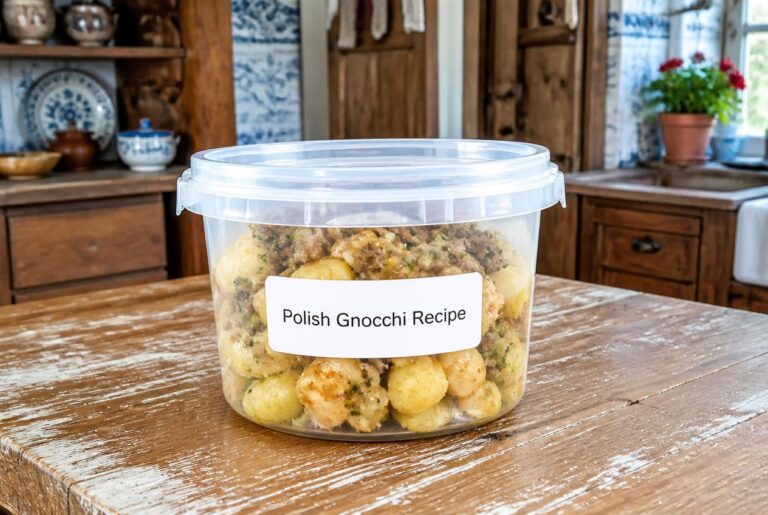
• Allow the gnocchi to cool before transferring them into storage containers.
• Store refrigerated in airtight containers to preserve freshness and prevent drying.
• Lightly coat cooked gnocchi with butter or oil to help prevent sticking.
• Refrigeration often allows the potato flavor to become more pronounced.
• Reheat gently in simmering water, a skillet, microwave, or steamer until thoroughly heated.
• Pan-frying leftover gnocchi in butter can create a pleasantly crisp exterior.
• Avoid overcooking during reheating, which can make the gnocchi soft or gummy.
• Store sauces and toppings separately when possible to maintain texture.
• Freeze uncooked or cooked gnocchi in airtight freezer-safe containers if desired.
• Arrange gnocchi in a single layer before freezing to prevent clumping.
• Wrap tightly to help prevent freezer burn and preserve quality.
• Frozen gnocchi can often be cooked directly from frozen without thawing.
• Defrost cooked gnocchi gradually in the refrigerator before reheating if preferred.
• Use clean utensils when handling leftovers to help maintain freshness.
• Keep away from strongly scented foods because potato dumplings readily absorb surrounding odors.
• Label storage containers with the preparation date for easier inventory management.
• Avoid repeated freezing and reheating cycles, which can negatively affect texture and quality.
• Check for signs of spoilage such as sour odors, mold, unusual discoloration, or texture changes before consuming leftovers.
Polish Gnocchi Recipe
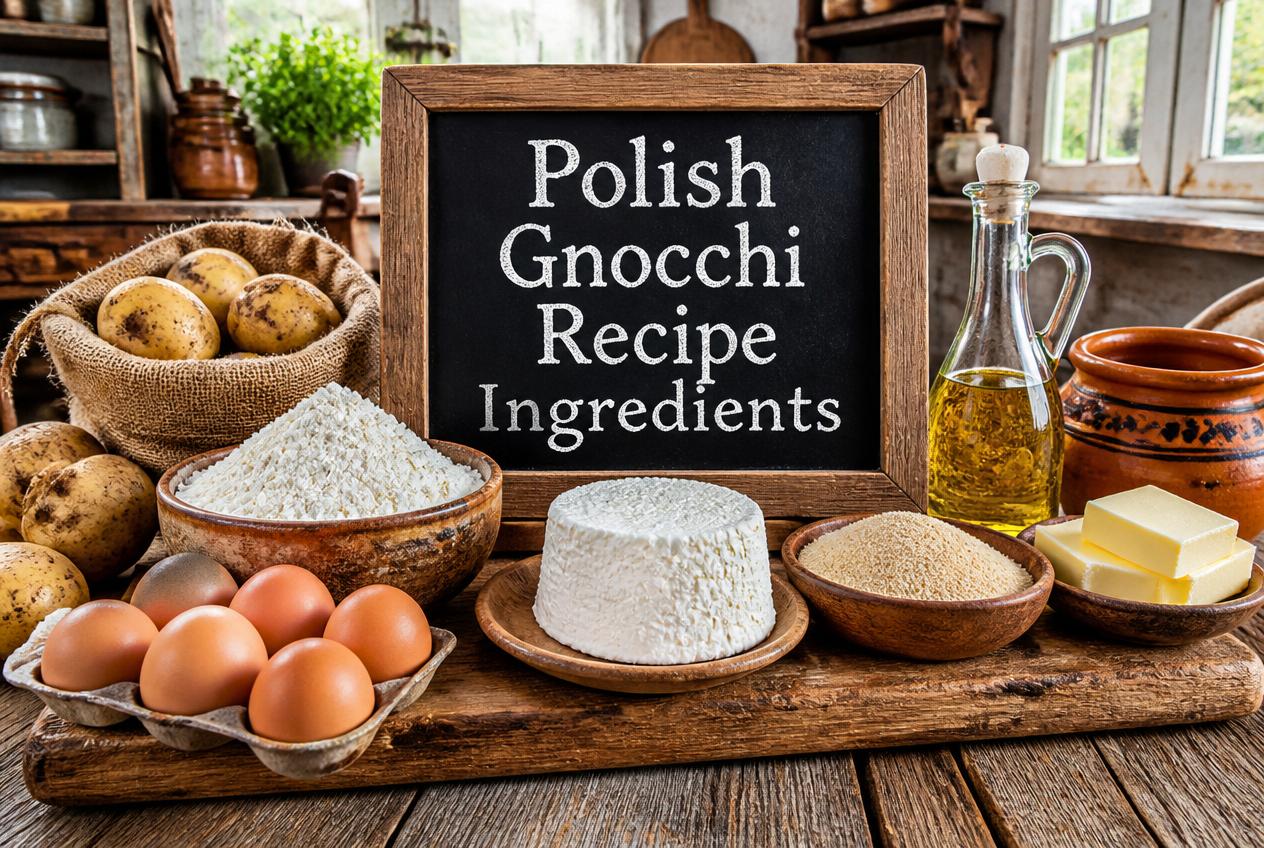
Ingredients
- 1 pound potatoes (weight before boiling)
- 1 cup of flour
- 1 egg
- salt
Instructions
- Begin by peeling the potatoes and placing them in a large pot of salted water.
- Bring the water to a boil and cook the potatoes for approximately 30 minutes, or until they are completely tender when pierced with a fork. The potatoes should be soft enough to mash easily but not waterlogged.
- Once cooked, drain the potatoes thoroughly and allow any excess moisture to evaporate for a minute or two.
- Pass the hot potatoes through a potato ricer into a large bowl. Ricing creates a smooth texture without lumps and helps produce light, tender kopytka.
- Allow the potatoes to cool until they are comfortable to handle.
- Once the potatoes have cooled, add the flour, egg, and a small pinch of salt.
- Mix everything together until a soft dough begins to form. The dough should be smooth and pliable but not sticky. If it feels too wet, gradually add a little more flour until the proper consistency is reached.
- Turn the dough out onto a lightly floured work surface or pastry board.
- Knead gently for a minute or two until the dough becomes smooth and uniform. Avoid overworking it, as too much kneading can make the dumplings dense rather than tender.
- Divide the dough into several manageable portions.
- Using your hands, roll each portion into a long rope or "snake" approximately 1 inch thick. Try to keep the thickness consistent so the dumplings cook evenly.
- Using a knife or dough scraper, cut each rope into small pieces about ½ inch long. Traditionally, the pieces are cut on a slight diagonal, which gives kopytka their characteristic shape and helps sauces cling to them more easily.
- Continue rolling and cutting until all of the dough has been shaped.
- Bring a large pot of salted water to a rolling boil.
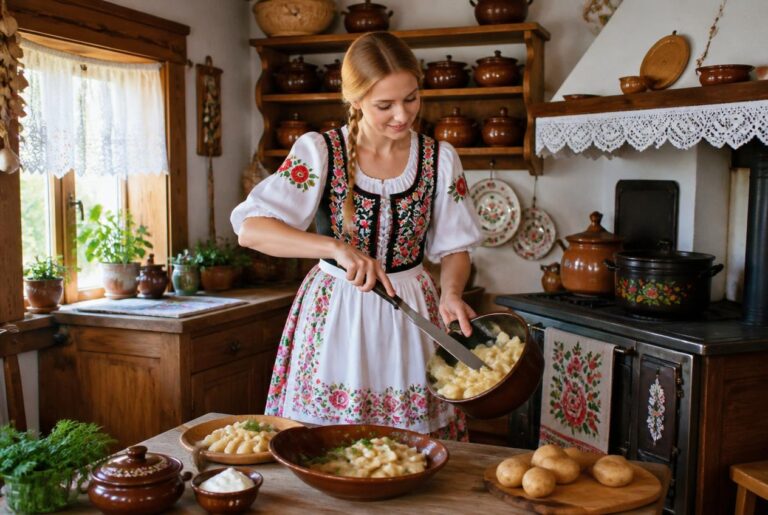
- Working in batches, carefully drop 10 to 20 kopytka into the boiling water, depending on the size of your pot. Avoid overcrowding, as this can lower the water temperature and cause the dumplings to stick together.
- Immediately after adding them, gently stir the water with a spoon. This helps prevent the dumplings from sticking to the bottom of the pot.
- As the kopytka cook, they will gradually rise to the surface.
- Once the dumplings float to the top, continue cooking them for an additional 3 minutes.
- This extra cooking time ensures the centers are fully cooked while maintaining their soft, pillowy texture.
- Using a slotted spoon, carefully remove the cooked dumplings from the water and transfer them to a serving dish or tray.
- Repeat the process with the remaining batches until all of the kopytka have been cooked.
- Serve the kopytka immediately while they are still warm.
- Traditionally, they are tossed with melted butter or served with a spoonful of rendered lard. The simple richness highlights the delicate flavor of the potato dumplings.
- Kopytka can also be paired with sautéed onions, mushroom sauces, meat gravies, or roasted meats. Leftovers are especially delicious when lightly pan-fried in butter until golden and crisp on the outside.
- These classic Polish potato dumplings are soft, comforting, and wonderfully versatile. Their name means "little hooves," a reference to their distinctive shape, and they remain one of Poland's most beloved traditional comfort foods.
Polish Gnocchi Recipe Frequently Asked Questions
Kopytka raises common questions about preparation techniques, ingredient choices, and serving traditions. These answers address the practical concerns most often encountered when making the Polish gnocchi recipe.
What is kopytka and how is it traditionally served in Polish cuisine?
Kopytka are Polish potato dumplings made from mashed potatoes, flour, and eggs, shaped into small oval pieces that resemble little hooves. The name “kopytka” literally translates to “little hooves” in Polish, though some people also call them “paluszki” or “little fingers.” The Polish gnocchi recipe highlights these traditional shapes and flavors.
Kopytka are traditionally served as a Polish side dish alongside meat-based mains. The most common toppings include melted butter with caramelized onions, sour cream, or a hearty meat sauce. Some families also serve them as a sweet dish with butter and sugar or honey, making the Polish gnocchi recipe adaptable to many tastes.
For more information about traditional Polish recipes, visit Polish Your Kitchen.
What is the difference between kopytka and Italian gnocchi?
The main difference lies in the proportions and texture. Kopytka typically contain a higher ratio of potato to flour compared to Italian gnocchi, resulting in a softer, more potato-forward flavor. Italian gnocchi often incorporate more flour and sometimes include eggs in varying amounts depending on the regional recipe. If you’re searching for a Polish gnocchi recipe, you’ll notice these differences in both ingredients and final taste.
Kopytka are shaped into simple oval or diamond forms, while Italian gnocchi are often rolled with ridges using a fork or gnocchi board. Both Polish gnocchi recipe and Italian gnocchi use the same cooking method: boil them until they float to the surface. Choosing a Polish gnocchi recipe means you will enjoy a unique texture and shape compared to other dumplings.
Which type of flour works best for making kopytka?
All-purpose flour works best for a traditional Polish gnocchi recipe. This flour provides the right amount of gluten structure without making the dumplings too chewy or dense. If you want to experiment with your Polish gnocchi recipe, you can try alternative flours, but the texture will differ from the classic version.
Some cooks use almond flour for a gluten-free Polish gnocchi recipe, though the texture will change. I recommend starting with all-purpose flour for your first Polish gnocchi recipe to master the basic technique. Once you’re comfortable, you can try different flour options in your Polish gnocchi recipe for variety.
How can I make kopytka dough that is tender and not dense or gummy?
Use starchy, dry potatoes and avoid overmixing for the best Polish gnocchi recipe. Cook potatoes with their skins on, then peel and rice or mash them thoroughly while still warm. This method ensures your Polish gnocchi recipe will have the right texture.
Add just enough flour to bring the dough together for your Polish gnocchi recipe. Too much flour creates dense dumplings, while too little makes them fall apart during cooking. The dough should feel soft and slightly sticky but manageable enough to shape when following a Polish gnocchi recipe.
Handle the dough gently and mix until just combined. Overworking develops too much gluten, resulting in tough kopytka. With a gentle touch, your Polish gnocchi recipe will yield tender dumplings every time.
Can kopytka be made ahead of time and frozen without losing texture?
You can make a Polish gnocchi recipe ahead of time and freeze the dumplings. Shape the dumplings, place them in a single layer on a floured baking sheet, and freeze until solid before transferring to freezer bags. This method preserves the texture of your Polish gnocchi recipe.
Cook frozen kopytka directly from the freezer without thawing. They take only a minute or two longer to cook than fresh ones. When you follow this approach, the texture of your Polish gnocchi recipe remains nearly identical to freshly made kopytka.
For more tips and authentic techniques, visit Polish Your Kitchen for a variety of Polish gnocchi recipe ideas and inspiration.
What sauces, toppings, or side dishes pair best with kopytka?
Melted butter with caramelized onions is the most classic topping for kopytka. This simple combination enhances the potato flavor without overwhelming it. You can use this approach in any Polish gnocchi recipe to highlight the delicate taste of the dumplings.
I often serve kopytka with hearty meat sauces such as goulash, beef stew, or mushroom sauce. Sour cream mixed with fresh herbs creates an excellent lighter option. If you want a complete meal, pair kopytka with Polish meat dishes like golabki or braised meats, which you can find in many traditional Polish gnocchi recipe collections.
Sweet preparations work well too. Tossing kopytka in melted butter and sprinkling them with sugar and cinnamon transforms them into a delightful dessert. Other Polish side dishes that complement kopytka include sauerkraut, pickled vegetables, and cucumber salad, all of which can accompany your favorite Polish gnocchi recipe.

Recipes are gathered in person and written for real-world cooking conditions.
- 10 Hungarian Dessert Recipes Passed Down Through Generations - July 25, 2026
- 11 Easy English Recipes Anyone Can Make - July 25, 2026
- Hungarian Kifli Recipe - July 25, 2026