
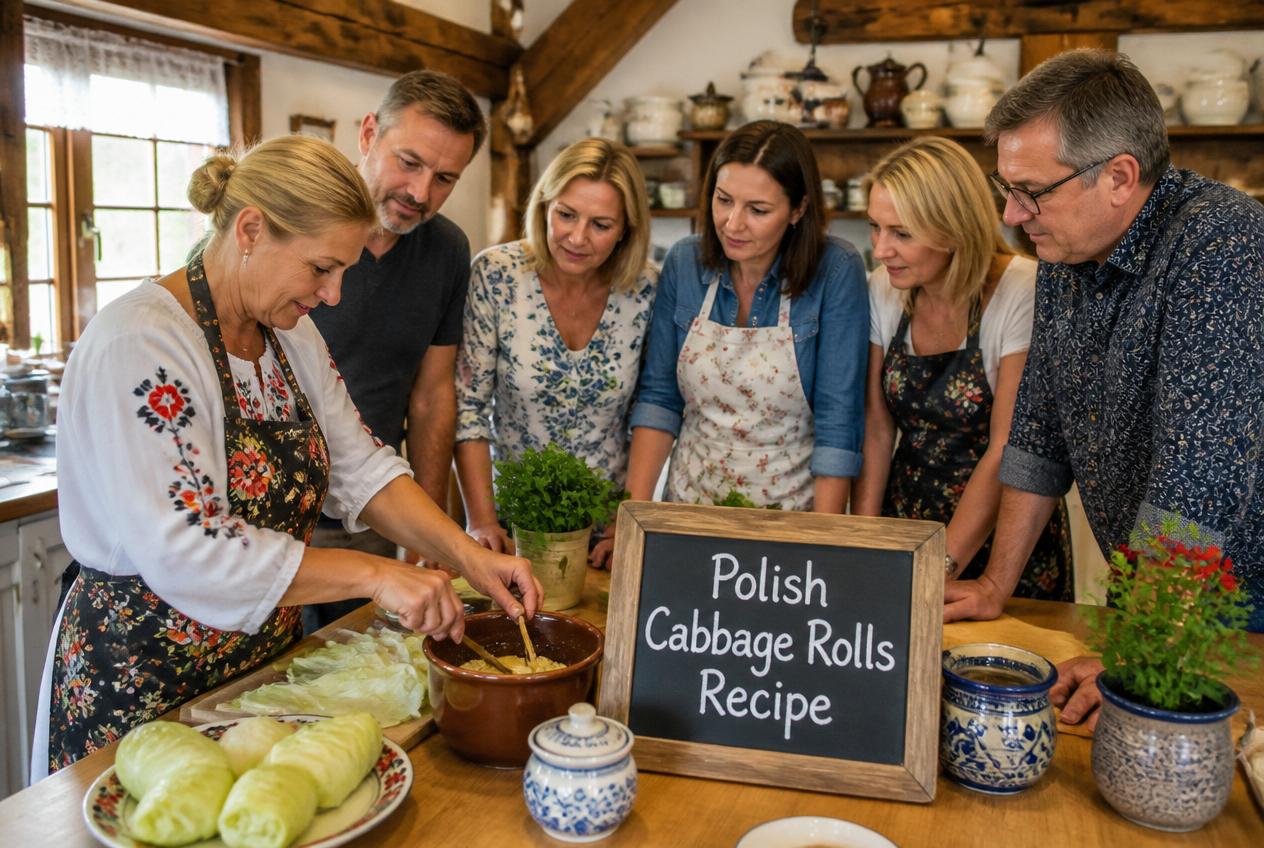
Polish cabbage rolls recipe, known as gołąbki, features tender cabbage leaves wrapped around a savory filling of ground meat and rice, then simmered in tomato sauce until perfectly tender. I have made these countless times, and they always bring warmth and satisfaction to my table. This traditional Polish comfort food combines simple ingredients into a hearty dish that tastes even better the next day, making it ideal for family gatherings or meal prep. The Polish cabbage rolls recipe can be a staple for anyone looking for a delicious and comforting meal.
The beauty of the Polish cabbage rolls recipe lies in its versatility and make-ahead nature. I prepare them entirely in advance, refrigerate or freeze them, and simply bake when needed. The filling usually uses a mix of ground beef and pork, though I have adapted the Polish cabbage rolls recipe with different proteins and even vegetarian options.
Slow cooking allows the flavors in the Polish cabbage rolls recipe to develop beautifully. The cabbage becomes silky and sweet, the meat mixture stays moist and flavorful, and the tomato sauce ties everything together into one comforting package. Whether you want to connect with Polish heritage or just explore new comfort food recipes, mastering the Polish cabbage rolls recipe is worth the effort.
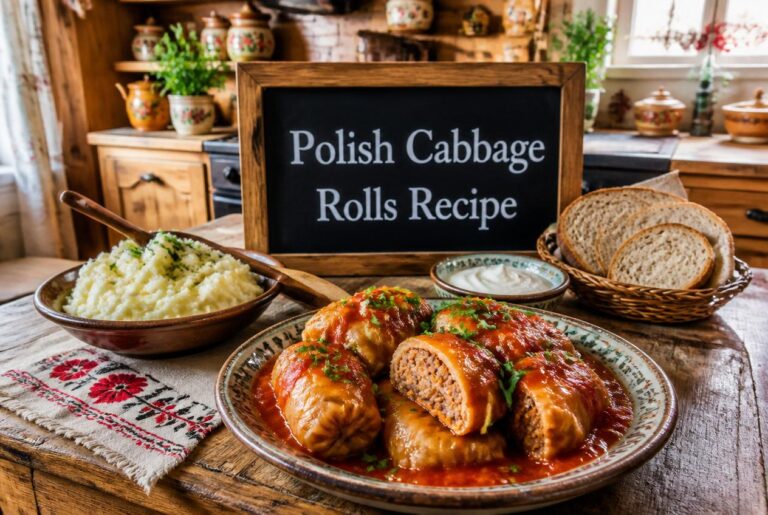
Polish Cabbage Rolls Recipe
Key Takeaways
- You can prepare the Polish cabbage rolls recipe entirely ahead of time and refrigerate or freeze before baking
- The Polish cabbage rolls recipe improves in flavor after a day, making leftovers especially delicious
- Various filling and sauce options allow for customization while maintaining authentic Polish flavor
Description and Historical Information
Gołąbki, or the Polish cabbage rolls recipe, have earned their place as one of the most beloved dishes in authentic Polish cuisine. These rolls consist of tender cabbage leaves wrapped around a savory filling of minced meat and rice, typically simmered in a rich tomato sauce.
The history of the Polish cabbage rolls recipe traces back to the nineteenth century when Ukrainian hołubci arrived in Poland. From that point forward, gołąbki evolved into a distinctly Polish preparation that became a cornerstone of traditional Polish meals. The name translates to “little pigeons,” though the dish contains no poultry.
While many cultures prepare stuffed cabbage rolls, the Polish cabbage rolls recipe stands out through its specific combination of ingredients and preparation methods. The traditional filling blends ground pork with rice and onions, creating a hearty and satisfying meal.
Key characteristics of authentic gołąbki include:
- Whole cabbage leaves blanched until pliable
- Filling of minced meat (usually pork) combined with rice
- Tomato-based sauce for cooking and serving
- Slow simmering to develop deep flavors
These old-fashioned Polish recipes represent more than just food—they embody generations of culinary tradition passed down through Polish families. Gołąbki, or the Polish cabbage rolls recipe, is essential comfort food that appears at family gatherings, holiday celebrations, and Sunday dinners throughout Poland.
The dish requires time and patience to prepare properly, which speaks to the care Polish cooks invest in their traditional foods. Each roll is individually wrapped by hand, demonstrating the craftsmanship inherent in authentic Polish food preparation.
Chef’s Tips
I blanch my cabbage leaves in boiling salted water until they’re pliable but not too soft. This takes 2-3 minutes per leaf. Removing the thick center vein from each leaf makes rolling much easier and ensures even cooking in the Polish cabbage rolls recipe.
For the filling, I use a mixture of ground beef and pork for the most authentic flavor. The fat content in pork adds moisture and richness that defines rustic Polish cooking. I partially cook my rice before mixing it with the meat since it will finish cooking inside the rolls.
My Essential Tips:
- Don’t overfill the cabbage leaves—about 2-3 tablespoons of filling per leaf works best
- Roll them tightly enough to hold together but not so tight that they burst during cooking
- Place rolls seam-side down in the pot to prevent them from unrolling
- Layer any torn or leftover cabbage leaves on the bottom of your pot to prevent sticking
Cooking the Polish cabbage rolls recipe low and slow produces the best results. Simmering them for 60-90 minutes allows the flavors to meld beautifully. Adding a splash of lemon juice or a teaspoon of sugar to the tomato sauce balances the acidity.
When preparing hearty Polish recipes like the Polish cabbage rolls recipe, I make large batches since they freeze exceptionally well. I cool them completely, then freeze in portions for quick weeknight meals. They taste even better the next day after the flavors have had time to develop.
Make-Ahead Instructions
The Polish cabbage rolls recipe is one of the best dishes to prepare in advance. The flavors improve after a day or two in the refrigerator.
Refrigerator Storage
Assemble the Polish cabbage rolls recipe completely, then store them unbaked in an airtight container. They keep well for up to 2 days before cooking. When ready to bake, add about 10-15 minutes to the cooking time since they’ll be cold from the fridge.
Bake the Polish cabbage rolls recipe fully, let them cool completely, and refrigerate them for up to 3 days. Reheating takes about 30 minutes in a 350°F oven covered with foil.
Freezer Storage
For longer storage, freeze the Polish cabbage rolls recipe either before or after baking:
- Unbaked rolls: Arrange them in a single layer on a baking sheet and freeze until solid, then transfer to freezer bags. They keep for up to 3 months.
- Baked rolls: Cool completely, then freeze in portions using freezer-safe containers with the sauce.
Reheating from Frozen
Thaw frozen Polish cabbage rolls recipe in the refrigerator overnight before reheating. If short on time, bake them directly from frozen by covering with foil and adding 45-60 minutes to the normal baking time. Always check that the internal temperature reaches 165°F before serving.
Variations
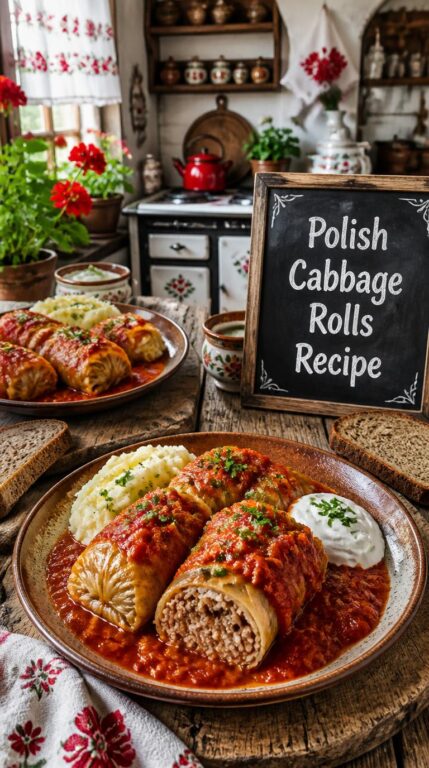
The Polish cabbage rolls recipe adapts beautifully to different occasions and preferences while maintaining its traditional appeal. The classic version uses a combination of ground beef and pork, but I often prepare an all-beef version or substitute ground turkey for a lighter option.
Meat Alternatives:
- Ground lamb mixed with rice for a richer flavor
- Ground chicken or turkey for reduced fat content
- Vegetarian versions with mushrooms, buckwheat, and lentils
- Beef and veal combination for extra tenderness
For Polish holiday recipes, I sometimes add dried mushrooms to the filling, which gives the Polish cabbage rolls recipe an earthy depth perfect for Christmas Eve celebrations. During Easter, I prepare my gołąbki with fresh herbs like dill and parsley for a brighter taste.
The sauce offers another opportunity for customization. While tomato-based sauces remain traditional in the Polish cabbage rolls recipe, I have experimented with cream-based versions and mushroom gravies. Some Polish cabbage rolls recipes call for sauerkraut leaves instead of fresh cabbage, creating a tangier profile known as gołąbki z kiszonej kapusty.
Rice Substitutions:
- Pearl barley for a nuttier texture
- Buckwheat groats (kasza) for authentic regional flavor
- Quinoa for a modern, protein-rich twist
Adding a touch of marjoram, caraway seeds, or smoked paprika to the filling creates distinct regional variations in the Polish cabbage rolls recipe. In some households, raw rice cooks within the cabbage, while others prefer partially cooked rice for better texture control.
Related Recipes
Explore other Polish comfort foods that pair beautifully with the Polish cabbage rolls recipe or share similar hearty qualities.
Pierogi recipes are an excellent starting point. These filled dumplings feature a tender dough wrapped around various fillings like potato and cheese, sauerkraut and mushroom, or ground meat. They complement the Polish cabbage rolls recipe perfectly on a traditional Polish dinner table. The technique of wrapping and sealing pierogi mirrors the careful folding required for gołąbki.
Kielbasa recipes offer another natural pairing. This Polish sausage can be prepared in countless ways—grilled, pan-fried, baked with sauerkraut, or simmered in beer. I often serve sliced kielbasa alongside the Polish cabbage rolls recipe for a complete meal. The smoky, garlicky flavors of the sausage balance the tangy tomato sauce used in gołąbki.
Other dishes to try include:
- Bigos (Hunter’s Stew) – A hearty stew combining sauerkraut, fresh cabbage, and various meats
- Żurek – A sour rye soup typically served with sausage and hard-boiled eggs
- Kotlet Schabowy – Breaded pork cutlets similar to schnitzel
- Placki Ziemniaczane – Crispy potato pancakes served with sour cream
These recipes share the comforting, filling nature of Polish cuisine. Mastering the Polish cabbage rolls recipe builds skills transferable to other traditional dishes, particularly those involving careful assembly and slow cooking methods. For more inspiration, check out the Polish Your Kitchen website for authentic Polish recipes and cooking tips.
Recipe Comparison
While researching the Polish cabbage rolls recipe, I noticed that this dish appears across Eastern European recipes with regional variations. The core components remain consistent: cabbage leaves, ground meat, rice, and tomato sauce.
Key Variations in Slavic Recipes:
| Element | Traditional Polish | Regional Variations |
|---|---|---|
| Meat | Ground pork or pork-beef mix | Some use only beef |
| Grain | White rice | Buckwheat or barley in some regions |
| Sauce | Tomato-based | Mushroom sauce alternative |
| Cooking Method | Baked or simmered | Primarily baked |
Eastern European food traditions treat the Polish cabbage rolls recipe similarly across borders, though naming differs. Ukrainians call them holubtsi, while some regions use halupki.
The tomato sauce preparation varies most between recipes. Some cooks add lemon zest for brightness, while others incorporate sugar for sweetness. Traditional versions from mountain villages often use a simpler sauce with fewer ingredients.
Common Filling Ratios:
- 1 pound meat to 1/2 cup uncooked rice
- 1 large onion per pound of meat
- Salt, pepper, and sometimes garlic
The meat-to-rice ratio in the Polish cabbage rolls recipe affects texture significantly. More rice creates a lighter filling, while meat-heavy versions offer richer flavor. The cabbage preparation method remains universal: blanching whole leaves until pliable enough to roll without tearing.
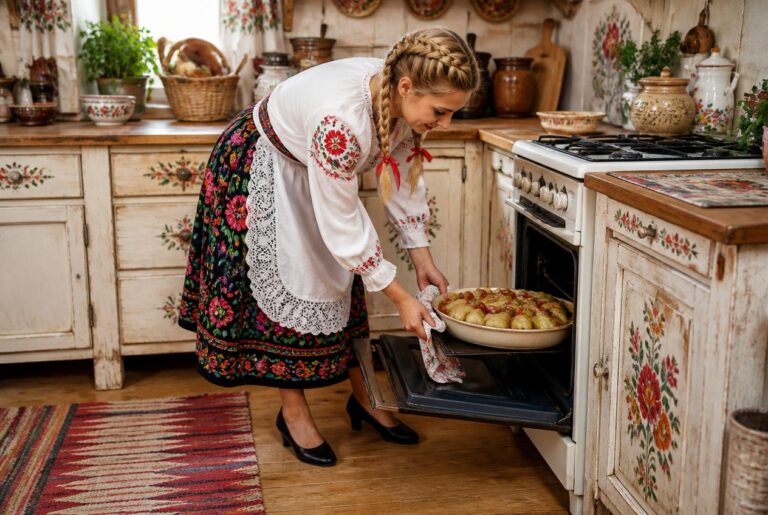
Polish Cabbage Rolls Recipe Cooking Tips
Polish Cabbage Rolls Recipe Cooking Tips
• Polish Cabbage Rolls, known as Gołąbki, are a beloved comfort food featuring tender cabbage leaves wrapped around a savory filling and slowly cooked until flavorful and tender.
• Large green cabbage heads are commonly used because the leaves separate easily and roll well.
• Blanch or steam the cabbage leaves to soften them and improve flexibility.
• Trim the thick center ribs of the leaves to make rolling easier and more uniform.
• Ground pork, beef, or a combination of meats are traditional choices for the filling.
• Rice is commonly added to provide texture and help bind the filling together.
• Finely chopped onions contribute sweetness and depth of flavor.
• Garlic, parsley, marjoram, and black pepper are frequently used seasonings.
• Mix the filling thoroughly to distribute ingredients evenly.
• Avoid overfilling the cabbage leaves, which can make rolling difficult and increase the risk of splitting.
• Roll the cabbage tightly enough to maintain shape while allowing room for the rice to expand during cooking.
• Arrange the rolls seam-side down in the cooking vessel to help keep them intact.
• Tomato sauce, broth, or a combination of both can be used to provide moisture and flavor during cooking.
• Slow cooking helps tenderize the cabbage and allows the flavors to fully develop.
• Baste occasionally if necessary to keep the rolls moist.
• Fresh parsley or dill provides a traditional garnish and fresh flavor contrast.
• The flavor should balance tender cabbage, savory meat, aromatic seasonings, rice, and rich cooking sauce.
• Serve hot with potatoes, rye bread, sour cream, or other traditional accompaniments.
Polish Cabbage Rolls Recipe Storage Tips
Polish Cabbage Rolls Recipe Storage Tips
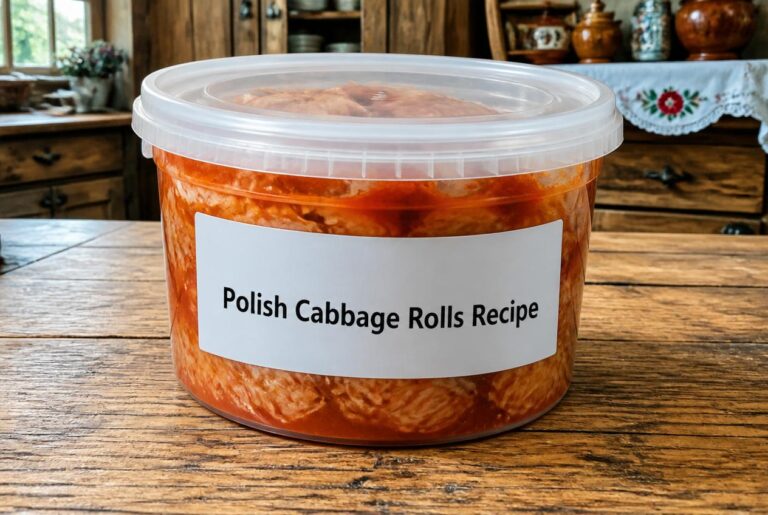
• Allow the cabbage rolls to cool before transferring them into storage containers.
• Store refrigerated in airtight containers to preserve freshness and moisture.
• Keep the rolls covered with some of their cooking sauce to help prevent drying out.
• Refrigeration often improves flavor as the cabbage, filling, and sauce continue to meld together.
• Reheat gently on the stovetop, in the oven, or in the microwave until thoroughly heated.
• Add a small amount of broth or sauce if the rolls appear dry during reheating.
• Cover while reheating to help retain moisture.
• Meat, rice, and herb flavors often become more pronounced after overnight refrigeration.
• Individual portions can be stored for convenient reheating.
• Freeze portions or full batches in airtight freezer-safe containers if desired.
• Wrap tightly to help prevent freezer burn and preserve quality.
• Defrost frozen cabbage rolls gradually in the refrigerator before reheating.
• Use clean utensils when serving leftovers to help maintain freshness.
• Keep away from strongly scented foods because cabbage dishes readily absorb surrounding odors.
• Label storage containers with the preparation date for easier inventory management.
• Avoid repeated freezing and reheating cycles, which can negatively affect texture and consistency.
• Check for signs of spoilage such as sour odors, slime, mold, unusual discoloration, or texture changes before consuming leftovers.
• For best quality, enjoy refrigerated and frozen portions while the cabbage remains tender and the filling retains its flavor.
Polish Cabbage Rolls Recipe
Ingredients
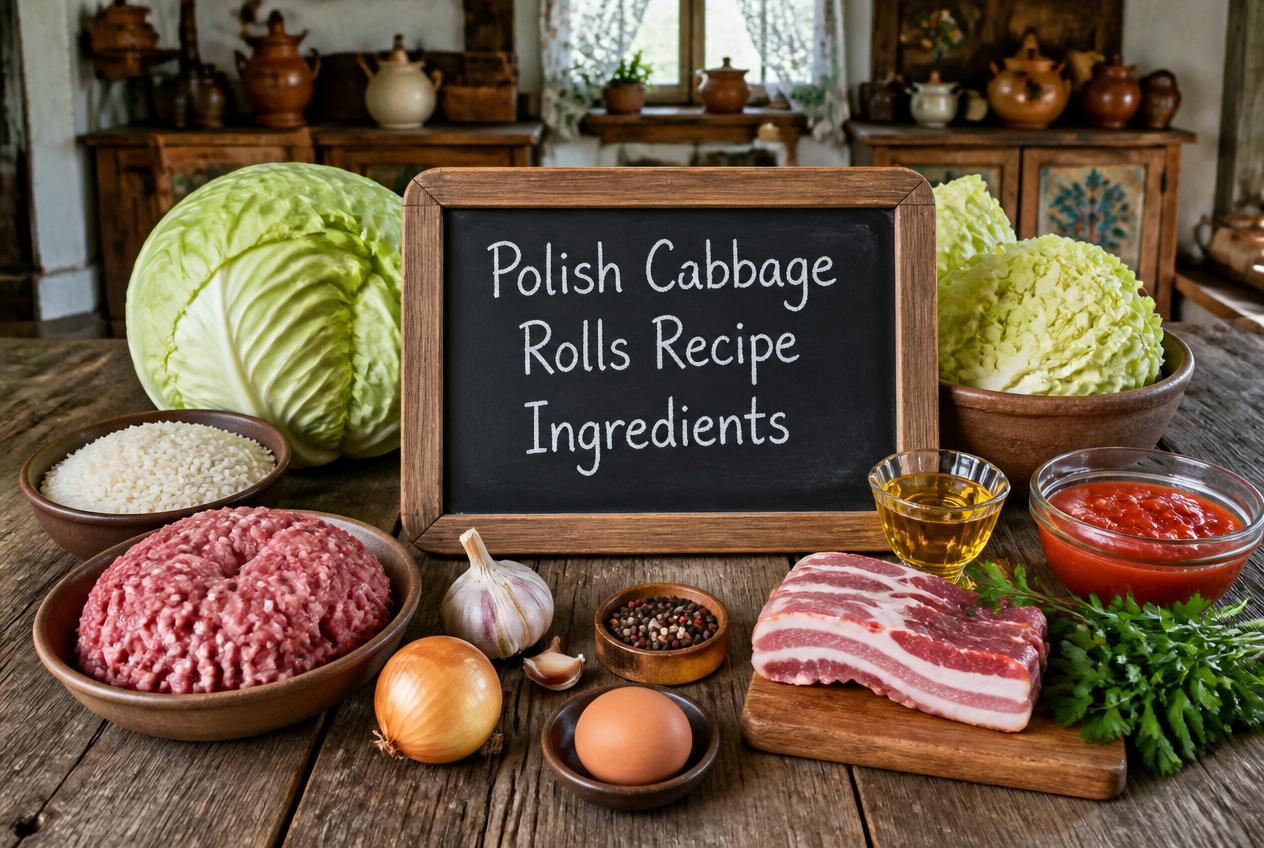
- 1 large cabbage white or savoy
- 1 ½ cup rice
- 2 lbs pork minced
- 3 onions
- 4 tbsps butter or oil
- salt pepper
- 4 pounds tomatoes
- 1 onion
- 2 garlic garlic cloves chopped
- 1 tbsp olive oil
- salt pepper,
- 10 oz mushrooms champignons
- 2 garlic cloves
Instructions
- Begin by cooking the rice according to the package instructions, but only for half of the recommended cooking time. The rice should be partially cooked and still slightly firm in the center. Since it will continue cooking inside the cabbage rolls, undercooking it at this stage helps prevent the filling from becoming mushy.
- Once the rice has reached a semi-cooked stage, drain it if necessary and allow it to cool slightly while preparing the cabbage and filling.
- Remove any damaged or tough outer leaves from the cabbage and set them aside. Do not discard them, as they will be used later to line the baking dish.
- Using a sharp knife, carefully cut out the tough core from the center of the cabbage. This allows the leaves to separate more easily during cooking.
- Bring a large pot of generously salted water to a boil. Carefully lower the whole cabbage into the boiling water.
- Cook the cabbage for approximately 10 minutes, although the exact time may vary depending on the size and variety of cabbage. The goal is to soften the leaves until they become flexible enough to roll without tearing.
- Remove the cabbage from the water and allow it to cool until it can be handled comfortably. Carefully separate the leaves one by one, setting them aside for assembling the gołąbki.
- Peel and finely chop the onions.
- Heat a small amount of oil or butter in a skillet over medium heat and sauté the onions until soft, translucent, and lightly golden. This step enhances their sweetness and adds depth to the filling.
- In a large mixing bowl, combine the partially cooked rice, sautéed onions, and raw ground meat. Traditionally, the meat is added raw rather than pre-cooked, allowing it to remain juicy during the long baking process.
- Season generously with salt and freshly ground black pepper.
- Mix everything together thoroughly until evenly combined. If the mixture feels dry or difficult to work with, add a small amount of melted butter or broth. The filling should be moist enough to hold together and easy to shape inside the cabbage leaves.
- Line the bottom of a large heat-resistant baking dish or casserole with the reserved outer cabbage leaves. This layer protects the rolls from direct heat and helps prevent sticking.
- Working with one cabbage leaf at a time, place a portion of the meat and rice filling near the base of the leaf.
- Fold the sides inward over the filling, then roll the leaf tightly from the bottom toward the top, creating a compact package. Repeat with the remaining leaves and filling.
- Arrange the completed cabbage rolls seam-side down in the prepared baking dish. Place them close together so they support one another during cooking and maintain their shape.
- Pour water or broth into the baking dish. The liquid should reach approximately one-fifth to one-half of the height of the rolls, but should not completely cover them.
- If desired, you can mix a little tomato purée into the liquid at this stage to begin creating a light tomato sauce while the rolls bake.
- Cover the baking dish tightly with a lid or aluminum foil.
- Place the dish into a preheated 355°F (180°C) oven and bake for approximately 1 to 1½ hours, or until the cabbage is tender and the filling is fully cooked.
- After about 40 minutes, carefully check the liquid level. If much of the liquid has evaporated, add a little more broth or water to prevent the cabbage rolls from drying out or burning.
- When fully cooked, remove the dish from the oven and keep warm while preparing the sauce.
- If serving with tomato sauce, begin by peeling and dicing the tomatoes.
- Place them in a saucepan with a small amount of water and bring to a gentle simmer.
- Meanwhile, heat a little oil in a skillet and sauté the minced garlic and chopped onion until softened and fragrant.
- Add the cooked onion and garlic mixture to the tomatoes and continue simmering until the vegetables are very soft.
- Using an immersion blender or standard blender, purée the mixture until completely smooth. Season with salt and pepper to taste.
- Keep warm until ready to serve.
- For a traditional mushroom sauce, peel and finely dice the onions and mushrooms.
- Melt butter in a skillet or saucepan over medium heat and add the onions, mushrooms, and minced garlic. Cook for 5 to 10 minutes, stirring occasionally, until softened and lightly golden.
- Pour in the broth or water and cover with a lid. Simmer for 10 to 15 minutes, allowing the mushrooms to become tender and the flavors to develop.
- In a small bowl, whisk together the flour and sour cream until smooth. Stir in 2 tablespoons of the hot mushroom sauce to temper the mixture.
- Slowly pour the sour cream mixture into the simmering sauce while stirring constantly. Continue cooking gently until the sauce thickens slightly.
- Season with salt and pepper to taste.
- Arrange the hot gołąbki on serving plates and spoon either the tomato sauce or mushroom sauce generously over the top.
- These traditional Polish cabbage rolls are the ultimate comfort food, featuring tender cabbage wrapped around a flavorful filling of meat, rice, and onions. Slow baking allows the flavors to meld together while keeping the filling moist and tender.
- Whether served with a rich tomato sauce or a creamy mushroom sauce, gołąbki are a beloved family dish often enjoyed during holidays, Sunday dinners, and special gatherings. Serve with crusty bread, boiled potatoes, or simply on their own for an authentic and satisfying meal.
Polish Cabbage Rolls Recipe Frequently Asked Questions
The Polish cabbage rolls recipe involves specific techniques and ingredients that often raise questions about preparation methods, traditional fillings, and cooking times. The dish also has cultural significance that extends beyond Poland’s borders.
What is the traditional filling used in Polish cabbage rolls?
The traditional filling for the Polish cabbage rolls recipe combines ground meat, rice, and onions. I typically use a mixture of ground pork and beef, though some recipes call for pork alone.
The rice is usually partially cooked before mixing with the raw meat. I season the filling with salt, pepper, and sometimes garlic or marjoram to enhance the flavor in the Polish cabbage rolls recipe.
How do you soften cabbage leaves for rolling without tearing them?
I soften cabbage leaves by removing the core and boiling the entire head in salted water for several minutes. As the outer leaves become pliable, I peel them away carefully with tongs.
Another method involves freezing the whole cabbage head overnight and then thawing it. This breaks down the cell walls naturally, making the leaves flexible without boiling.
Cutting out the thick rib from each leaf also prevents tearing during the rolling process in the Polish cabbage rolls recipe.
What is the best sauce to serve with cabbage rolls, and how do you make it?
I most commonly serve gołąbki with tomato sauce made from tomato paste or crushed tomatoes. The sauce includes sautéed onions, sometimes carrots, and I season it with salt, pepper, and a touch of sugar to balance the acidity. I simmer the sauce for at least 30 minutes to develop depth. If you want to brighten the flavor, add lemon juice or lemon zest. When preparing a Polish cabbage rolls recipe, this tomato sauce is a classic choice that complements the dish perfectly.
Mushroom sauce is another traditional option, particularly during holidays or special occasions. I use dried forest mushrooms reconstituted in water with cream or a roux base. For anyone looking to try a new twist on their Polish cabbage rolls recipe, mushroom sauce offers a rich and earthy flavor that pairs well with the filling. When you make a Polish cabbage rolls recipe for a festive meal, mushroom sauce can elevate the dish and impress your guests.
How long should cabbage rolls be baked or simmered to ensure the rice and meat are fully cooked?
I bake cabbage rolls covered at 350°F for approximately 1.5 to 2 hours. This extended cooking time ensures both the rice and meat cook through completely while the flavors meld together. When simmering on the stovetop, I maintain low heat for the same duration. I check that the internal temperature of the meat reaches 165°F and the rice is tender. The rolls should be nestled in enough sauce to keep them moist throughout cooking. I occasionally baste them with sauce if baking uncovered during the final 15 minutes to enhance the flavor of the Polish cabbage rolls recipe.
When preparing a Polish cabbage rolls recipe, always use enough sauce to cover the rolls, whether you bake or simmer them. This step ensures even cooking and prevents the cabbage from drying out. For more tips and a step-by-step Polish cabbage rolls recipe, visit Polish Your Kitchen.
Can you make cabbage rolls with sauerkraut instead of fresh cabbage, and how does it change the method?
You can make cabbage rolls using sauerkraut leaves, which creates a tangier, more assertive flavor profile. Rinse the sauerkraut leaves to remove excess salt and brine before use. These rolls don’t require pre-cooking the cabbage since fermented leaves are already soft. When making a Polish cabbage rolls recipe with sauerkraut, I find that this version pairs particularly well with hearty mushroom sauce rather than tomato. The cooking time remains similar, but I monitor the liquid level more closely since sauerkraut releases additional moisture during cooking.
Trying a Polish cabbage rolls recipe with sauerkraut offers a unique twist on the traditional dish. The tangy flavor of the sauerkraut leaves infuses the filling, creating a memorable meal. When you want to experiment with your Polish cabbage rolls recipe, using sauerkraut is an excellent choice for a bold and distinctive taste.
Whether you choose tomato or mushroom sauce, and whether you use fresh cabbage or sauerkraut, the Polish cabbage rolls recipe remains a beloved comfort food. By following these tips, you can master the art of making a delicious Polish cabbage rolls recipe at home. Enjoy experimenting with different sauces and fillings to create your ideal Polish cabbage rolls recipe.
What is the origin of cabbage rolls, and are they considered Polish or German?
Cabbage rolls appear in multiple Eastern European and Central European cuisines, making their exact origin difficult to pinpoint. The Polish cabbage rolls recipe, known as gołąbki, holds a special place in Poland’s culinary history. Similar versions exist in German, Ukrainian, Russian, Hungarian, and Turkish cooking traditions, but the Polish cabbage rolls recipe stands out for its unique flavors.
Poland has a long-standing tradition of making gołąbki, which translates to “little pigeons” due to their shape. Polish families have passed the Polish cabbage rolls recipe down through generations, and it became especially popular in Polish cuisine during the 18th and 19th centuries. The Polish cabbage rolls recipe combines cabbage leaves with fillings like rice, meat, and onions, then simmers them in tomato sauce.
Germans prepare their own version called Kohlrouladen, which typically uses different seasoning profiles. The Polish cabbage rolls recipe uses spices and ingredients that reflect Polish tastes, while German cabbage rolls have their own signature flavors. Each culture has adapted the basic concept to local tastes and available ingredients, but the Polish cabbage rolls recipe remains a beloved dish in Poland.
Families across Poland continue to make the Polish cabbage rolls recipe for holidays, celebrations, and everyday meals. If you want to try making your own, you can find a classic Polish cabbage rolls recipe at Polonist. The Polish cabbage rolls recipe offers a delicious way to experience traditional Polish cooking. Whether you are new to Eastern European cuisine or already a fan, the Polish cabbage rolls recipe is a must-try for anyone interested in authentic flavors.
The Polish cabbage rolls recipe brings people together at the table and showcases the rich heritage of Polish cuisine. By preparing the Polish cabbage rolls recipe at home, you can enjoy a taste of Poland and share this comforting dish with family and friends. The Polish cabbage rolls recipe continues to inspire cooks around the world, making it a timeless favorite.

Recipes are gathered in person and written for real-world cooking conditions.
- 10 Hungarian Dessert Recipes Passed Down Through Generations - July 25, 2026
- 11 Easy English Recipes Anyone Can Make - July 25, 2026
- Hungarian Kifli Recipe - July 25, 2026