
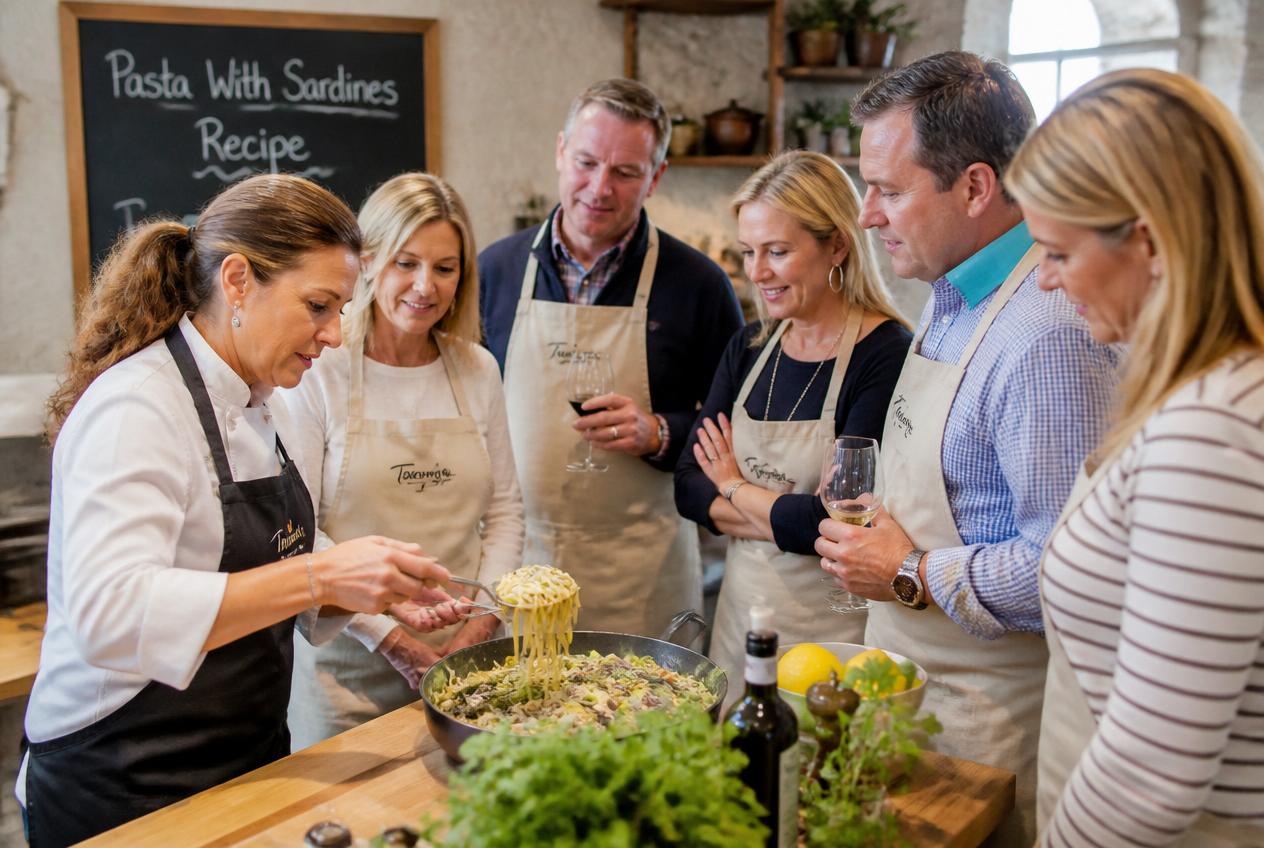
Traditional Sicilian pasta with sardines, known as pasta con le sarde, represents one of Sicily’s most iconic dishes. This flavorful Pasta With Sardines recipe combines fresh sardines with wild fennel, pine nuts, raisins, and saffron to create a uniquely balanced meal. Arab influences shaped Sicilian cuisine over a thousand years ago, and the Pasta With Sardines recipe highlights this culinary heritage.
I’ve gathered five authentic variations of this classic Sicilian Pasta With Sardines recipe that capture the traditional flavors while offering different approaches to preparation. Each version maintains the essential elements that make this dish special, from the savory sardines and aromatic fennel to the sweet-and-savory combinations that define Sicilian seafood recipes. Whether you want a simplified weeknight dinner or an authentic preparation method, these Pasta With Sardines recipe variations provide options for every skill level.
The beauty of pasta con le sarde lies in its accessibility and depth of flavor. I’ll walk you through five distinct approaches to the Pasta With Sardines recipe, including ingredient substitutions, cooking techniques, and tips for achieving the best results with fresh or canned sardines.
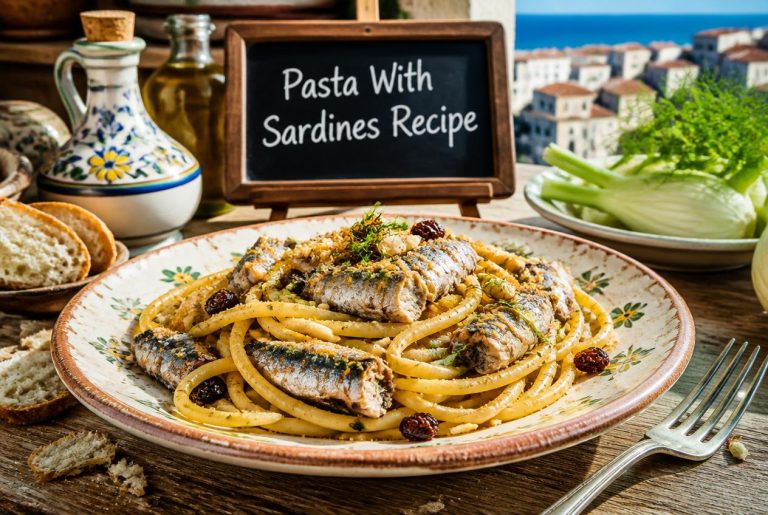
Pasta With Sardines Recipe
Key Takeaways
- Pasta con le sarde combines sardines, fennel, raisins, pine nuts, and saffron in a dish with Arab influences
- The Pasta With Sardines recipe offers flexibility with both fresh and canned sardines while maintaining authentic Sicilian flavors
- Five variations provide options ranging from simplified preparations to traditional methods from Palermo
Sicilian Recipes Overview
When I explore Sicilian cuisine, I find that it reflects the island’s complex history and Mediterranean location. Traditional Sicilian recipes showcase influences from Greek, Arab, Norman, and Spanish cultures that have shaped the island over centuries. The Pasta With Sardines recipe stands out as a prime example of this rich culinary tapestry.
Authentic recipes from Sicily often feature bold contrasts. Sweet and savory elements appear together, like raisins paired with sardines or pine nuts combined with anchovies. These flavor combinations set Sicilian cooking apart from other regional Italian recipes and make the Pasta With Sardines recipe unique.
Key Characteristics of Traditional Sicilian Cooking:
- Fresh seafood from surrounding Mediterranean waters
- Wild fennel, capers, and aromatic herbs
- Citrus fruits, almonds, and pistachios
- Olive oil as the primary cooking fat
- Simple preparation methods that highlight ingredients
Italian recipes from Sicily emphasize seasonal, local ingredients. Traditional foods from Sicily rely heavily on what’s available from the sea and land. Fishermen provide sardines, anchovies, and swordfish, while the volcanic soil yields exceptional produce for the Pasta With Sardines recipe and other classic dishes.
Southern Italian recipes from Sicily differ from Northern Italian cooking in several ways. I notice less use of butter and cream, more seafood than meat, and stronger spices reflecting Arab influence. These recipes from Southern Italy embrace rustic preparation styles that preserve authentic flavors, as seen in the Pasta With Sardines recipe.
Traditional Mediterranean cooking methods dominate Sicilian kitchens. I appreciate how these Mediterranean recipes balance nutrition with incredible taste. The traditional Sicilian dish pasta con le sarde exemplifies this approach perfectly, combining fresh sardines with fennel, raisins, and pine nuts in one harmonious plate. The Pasta With Sardines recipe truly showcases the essence of Sicilian cuisine.
Recipe Tips
I recommend using fresh sardines when possible, though canned sardines work well for this easy Sicilian dinner recipe when fresh aren’t available. Clean, debone, and fillet fresh sardines before cooking for the best Pasta With Sardines recipe experience.
Wild fennel is traditional in authentic Sicilian pasta with sardines, but I find fennel fronds or bulb fennel make suitable substitutes for homemade Sicilian recipes. Blanch the fennel first to soften its texture and mellow the flavor in your Pasta With Sardines recipe.
When preparing this dish at home, I toast the breadcrumbs separately in olive oil until golden. This creates a crunchy contrast to the soft pasta and is a signature element in traditional Sicilian cooking. The Pasta With Sardines recipe benefits from this classic touch.
Key preparation tips:
- Bloom the saffron threads in warm water for 10-15 minutes before adding
- Reserve pasta water to adjust sauce consistency
- Don’t overcook the sardines, as they become mushy quickly
- Use bucatini or spaghetti for the most authentic presentation
Make the sauce ahead of time to improve the flavor as the ingredients meld together. This approach makes the Pasta With Sardines recipe perfect for Sicilian meal planning when you want something impressive but manageable. The balance of sweet raisins and savory anchovies is crucial. Taste as you go and adjust these elements to your preference, since this Sicilian dish relies on the interplay between sweet, salty, and aromatic flavors in every Pasta With Sardines recipe.
Variations
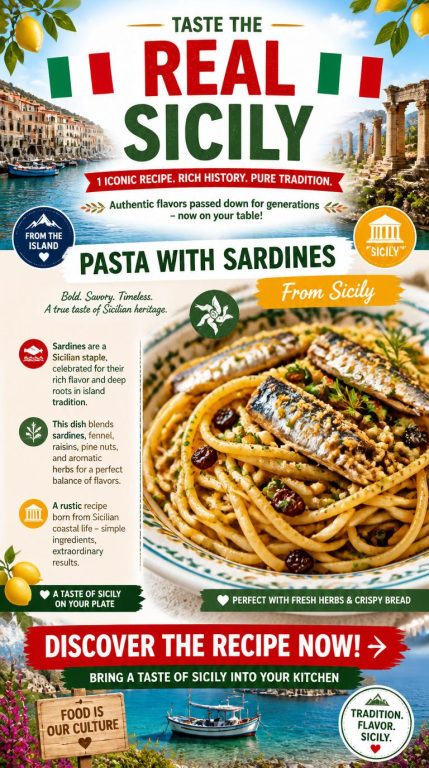
I’ve discovered that pasta con le sarde adapts beautifully to different preferences while maintaining its Sicilian character. The traditional Pasta With Sardines recipe uses wild fennel, but I often substitute with cultivated fennel bulb and fronds when wild fennel isn’t available. This makes the Pasta With Sardines recipe more accessible for home cooks.
Some cooks prefer fresh sardines, while others use canned sardines for convenience. Both work well, though fresh sardines provide a more delicate flavor. The choice of pasta varies too—bucatini is classic, but I’ve made the Pasta With Sardines recipe successfully with spaghetti, linguine, or even short pasta shapes.
Common ingredient swaps include:
- Nuts: Almonds instead of pine nuts
- Sweetness: Currants in place of raisins, or omitting dried fruit entirely
- Spice: Adding Calabrian chili for heat
- Breadcrumbs: Toasted plain or seasoned with garlic and herbs
I’ve seen simplified versions that skip the saffron or reduce the number of ingredients for weeknight cooking. Some Sicilian-inspired Pasta With Sardines recipe adaptations incorporate tomatoes and capers, creating a lighter, brighter sauce that departs from the traditional preparation.
The anchovy content varies by cook. I use them primarily to build umami in the base, but some recipes reduce or eliminate them entirely. Regional variations exist across Sicily itself, with coastal areas favoring different fish combinations in their Pasta With Sardines recipe.
For texture, I sometimes add extra toasted breadcrumbs on top or incorporate them throughout the dish. This creates pleasant contrast against the soft pasta and fish in any Pasta With Sardines recipe.
Related Recipes
If you enjoyed making pasta con le sarde, explore other traditional Sicilian pasta dishes that showcase the island’s distinctive flavors. These recipes share similar ingredients or cooking techniques, making them perfect companions to the Pasta With Sardines recipe.
Caponata Pasta combines the sweet and sour elements found in sardine pasta. It features eggplant, capers, olives, and tomatoes in a tangy sauce that pairs well with short pasta shapes and complements the Pasta With Sardines recipe.
Pasta alla Norma is another iconic Sicilian dish. I love how it highlights fried eggplant, tomato sauce, basil, and ricotta salata cheese for a vegetarian option that still captures Sicilian essence, much like the Pasta With Sardines recipe.
For seafood lovers, Spaghetti with Anchovies offers a simpler preparation. The dish uses many of the same pantry ingredients like garlic, olive oil, and breadcrumbs without the complexity of multiple components, providing a nice contrast to the Pasta With Sardines recipe.
Pasta chi Vruoccoli Arriminati features broccoli or cauliflower with anchovies, raisins, and pine nuts. This dish shows Arab influences similar to the Pasta With Sardines recipe.
I also suggest trying Busiate al Pesto Trapanese, which uses almonds, tomatoes, garlic, and basil. It’s a no-cook sauce from western Sicily that’s perfect for warmer months and pairs well with the Pasta With Sardines recipe for a Sicilian feast.
Pasta with Swordfish is popular along Sicily’s coast. The firm fish works beautifully with tomatoes, eggplant, and mint for a lighter alternative to sardines and offers a different take on the Pasta With Sardines recipe tradition.
Similar Dishes
Pasta con le sarde shares many characteristics with other classic Sicilian dishes that showcase the island’s unique culinary heritage. These recipes often feature the same Arabic-influenced ingredient combinations that make Sicilian cuisine so distinctive, just like in the Pasta With Sardines recipe.
Pasta con le Sarde Bianca is a white version of this dish that omits the tomatoes and saffron. It maintains the essential elements of fennel, sardines, and pine nuts while offering a lighter presentation of the Pasta With Sardines recipe.
Pasta chi Vruoccoli Arriminati uses cauliflower instead of fennel but incorporates similar ingredients like anchovies, raisins, and pine nuts. The sweet and savory balance mirrors what I love about the Pasta With Sardines recipe.
Another favorite among my Sicilian dishes is Spaghetti con le Acciughe, which focuses on anchovies as the primary fish component. It typically includes breadcrumbs, garlic, and olive oil for a simpler but equally flavorful result, providing another variation alongside the Pasta With Sardines recipe.
Pasta alla Norma represents another iconic Sicilian pasta featuring eggplant, tomatoes, ricotta salata, and basil. While it doesn’t share the seafood element, it exemplifies the same regional approach to combining bold Mediterranean flavors as the Pasta With Sardines recipe.
I also appreciate Busiati al Pesto Trapanese, a pasta from western Sicily that combines tomatoes, almonds, garlic, and basil. This demonstrates how different areas of Sicily put their own spin on pasta dishes using local ingredients, much like the Pasta With Sardines recipe.
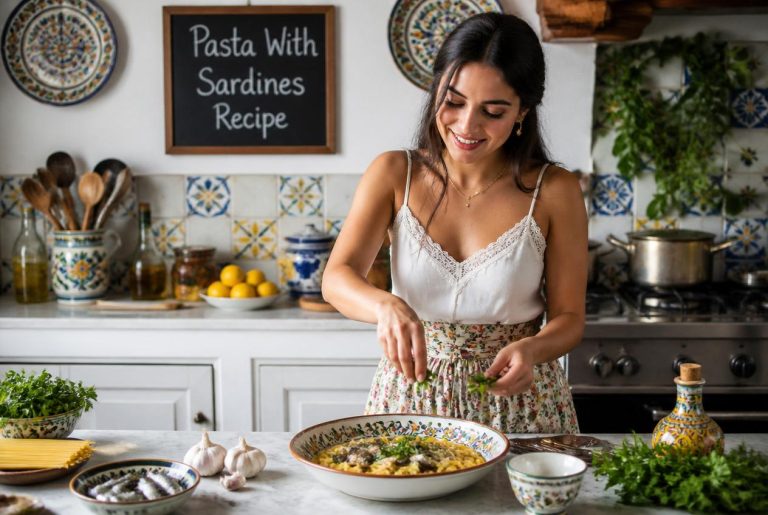
Pasta With Sardines Recipe Cooking Tips
Pasta With Sardines Recipe From Sicily Cooking Tips
• Pasta con le Sarde is one of Sicily’s most iconic dishes, known for its unique combination of seafood, fennel, raisins, pine nuts, and Mediterranean flavors.
• Fresh sardines provide the most authentic flavor and should be cleaned and deboned carefully.
• Wild fennel is a traditional ingredient and gives the dish its distinctive Sicilian character.
• Save the fennel cooking water to help flavor the pasta and sauce.
• Bucatini is the pasta most commonly used, though spaghetti can also be served.
• Extra-virgin olive oil forms the foundation of the sauce.
• Onions should be cooked slowly until soft and sweet.
• Raisins add the classic sweet element found in many Sicilian dishes.
• Pine nuts contribute texture and a delicate nutty flavor.
• Anchovies are often added to deepen the savory flavor of the sauce.
• Saffron is a traditional ingredient that provides color and subtle aroma.
• Toasted breadcrumbs are commonly sprinkled over the finished dish and are sometimes called “poor man’s Parmesan.”
• Avoid overcooking the sardines because they cook very quickly.
• Reserve a little pasta water to help create a silky sauce.
• Toss the pasta gently to distribute the ingredients evenly.
• The flavor should balance tender sardines, sweet raisins, aromatic fennel, pine nuts, saffron, and olive oil.
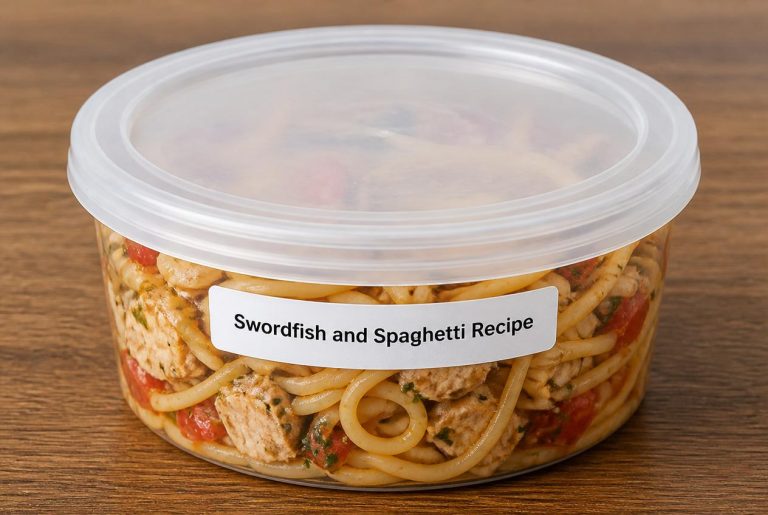
Swordfish and Spaghetti Recipe Storage Tips
Pasta With Sardines Recipe From Sicily Storage Tips
• Allow the pasta to cool before transferring it into storage containers.
• Store refrigerated in airtight containers to preserve freshness.
• Refrigeration often allows the sweet and savory flavors to blend even further.
• Reheat gently over low heat to avoid overcooking the sardines.
• Add a small splash of water or olive oil if the pasta seems dry during reheating.
• Toasted breadcrumbs are best stored separately and added just before serving.
• Fennel, saffron, and raisin flavors often deepen after overnight refrigeration.
• Freezing is possible, although the sardines and pasta may soften slightly after thawing.
• Defrost frozen portions gradually in the refrigerator before reheating.
• Fresh herbs can be added after reheating to brighten the dish.
• Use clean utensils when handling leftovers to help maintain freshness.
• Seafood pasta dishes are generally best enjoyed within a shorter refrigerated storage period for ideal quality and safety.
• Keep away from strongly scented foods because seafood readily absorbs odors.
• Slight softening of the pasta during storage is normal.
• Discard leftovers if the sardines, pasta, or sauce develop sour odors, slime, mold, or unusual discoloration.
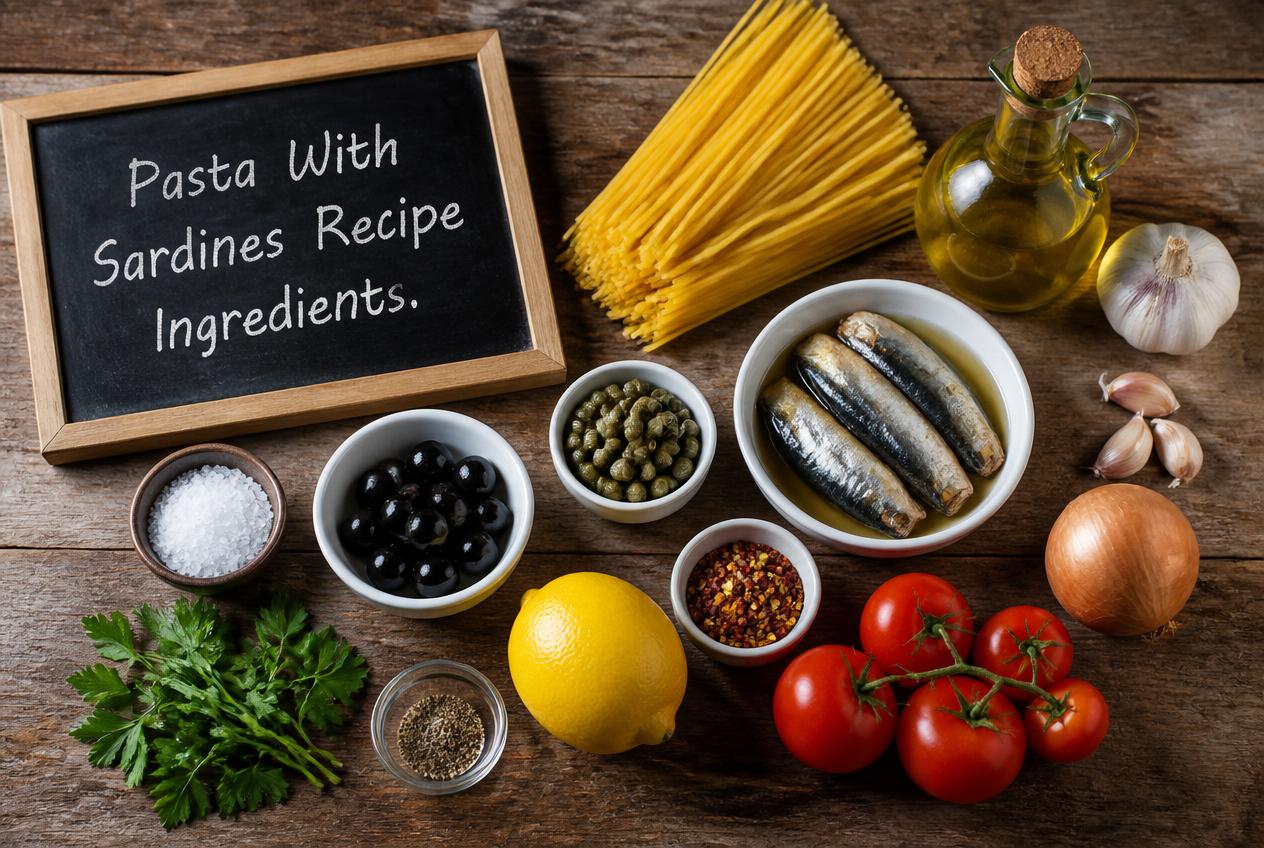
Pasta With Sardines Recipe From Sicily
Ingredients
- 2 teaspoons olive oil MINA brand is our fave!
- 3-4 garlic cloves minced
- 1 cup cherry tomatoes
- 2 cans sardines MINA is our favorite brand
- 1 1/2 Tablespoons capers Likewise MINA is our favorite
- 1/4 cup Herbs fresh basil and fresh oregano leaves
- 1/4 teaspoon salt and pepper
- 1 box spaghetti cooked
- 1/2 cup Pasta water to make a sauce
- Serving
- 1/4 cup olive oil MINA is our favorite
- 1 lemon zested
- 1/2 teaspoons chilli flakes optional
Instructions
- To prepare the sauce, place a large skillet or 10-inch sauté pan over medium heat and add a generous amount of high-quality extra virgin olive oil. Since olive oil is one of the primary flavors in this dish, choose the best quality oil you have available.
- Add the minced garlic and cook gently until fragrant, being careful not to let it brown. Stir frequently so the garlic softens and infuses the oil without becoming bitter.
- Add the cherry tomatoes and continue cooking, stirring occasionally. As they heat, the tomatoes will begin to soften, blister, and eventually burst, releasing their juices into the olive oil and creating the base of the sauce.
- Once the tomatoes have softened and released their juices, add the boneless sardines to the skillet.
- Gently break the sardines apart with a spoon as they warm through, allowing them to blend into the sauce. Boneless sardines are recommended for this recipe, as they create a smoother eating experience and eliminate the possibility of small bones in the finished pasta.
- Continue cooking for a few minutes, stirring gently so the sardines combine with the tomatoes without completely disappearing.
- Add the capers to the skillet and stir to distribute them throughout the sauce.
- Allow everything to cook together briefly so the briny flavor of the capers balances the richness of the sardines and olive oil. The combination of tomatoes, sardines, and capers creates the classic Mediterranean flavor profile that makes this dish so satisfying.
- Add a generous amount of freshly chopped basil and oregano to the sauce.
- The herbs provide brightness and freshness that complement the savory fish and rich olive oil. Season with salt and freshly ground black pepper to taste. If you enjoy a little heat, add a generous pinch of red pepper flakes as well.
- Stir everything together and reduce the heat to low while you finish cooking the pasta.
- While the sauce is simmering, bring a large pot of generously salted water to a rolling boil.
- Cook the spaghetti, linguine, or pasta of your choice according to the package directions until al dente.
- Before draining, reserve at least 1 cup of the pasta cooking water. This starchy water is the key to creating a silky, restaurant-style sauce.
- Drain the pasta and immediately transfer it to the skillet with the sardine sauce.
- Toss the pasta directly in the skillet with the sauce.
- Gradually add small amounts of the reserved pasta water while tossing continuously. The starch in the water will combine with the olive oil and tomato juices to create a light, glossy sauce that clings beautifully to the pasta.
- Continue adding pasta water a little at a time until the sauce reaches your desired consistency. The finished pasta should appear moist, silky, and well coated rather than dry.
- Just before serving, drizzle a generous amount of high-quality extra virgin olive oil over the pasta.
- Unlike the oil used earlier in the cooking process, this final drizzle remains uncooked, adding a rich, fruity flavor and luxurious finish to the dish.
- Toss lightly one final time to distribute the oil.
Pasta With Sardines Recipe Frequently Asked Questions
Pasta con le sarde raises practical questions about ingredient selection, preparation techniques, and flavor adjustments that can make or break this traditional Sicilian dish. The Pasta With Sardines recipe often sparks curiosity among home cooks eager to recreate authentic flavors.
What type of sardines works best for this dish: fresh, frozen, or canned?
Fresh sardines deliver the most authentic flavor and texture for the Pasta With Sardines recipe. They offer a tender, mild taste that pairs beautifully with the fennel and saffron without overwhelming the dish. This makes fresh sardines the top choice for any Pasta With Sardines recipe.
Frozen sardines work well as a second choice, especially when fresh ones aren’t available at your local market. Thaw them completely and pat them dry before cooking to prevent excess moisture in the sauce and achieve the best results with your Pasta With Sardines recipe.
Canned sardines in olive oil or water can work in a pinch, though they produce a different result. The texture becomes softer and the flavor more concentrated, so I use fewer canned sardines than the Pasta With Sardines recipe calls for with fresh. This adjustment helps maintain balance in your Pasta With Sardines recipe.
Which pasta shapes are most suitable for an authentic Sicilian-style sardine pasta?
Bucatini is the traditional choice for Pasta With Sardines recipe in Sicily. The hollow center of this thick spaghetti-like pasta captures the sauce perfectly and makes the Pasta With Sardines stand out. Bucatini lets the sauce cling to every bite, making it a favorite for Pasta With Sardines recipe fans.
Spaghetti serves as an excellent alternative that’s easier to find in most grocery stores. The long strands allow the sardine sauce to coat each piece evenly, ensuring your Pasta With Sardines still tastes authentic. Many home cooks use spaghetti for their Pasta With Sardines recipe when bucatini is unavailable.
I’ve also had success with linguine when bucatini isn’t available. The flat shape provides enough surface area for the sauce to cling without changing the dish’s character significantly. Linguine works well in a Pasta With Sardines, offering a reliable backup option.
How do you prepare and toast the breadcrumbs so they stay crisp on the pasta?
I toast breadcrumbs in a dry skillet over medium heat, stirring constantly until they turn golden brown. This method takes about 3 to 5 minutes and keeps the breadcrumbs perfect for topping a Pasta With Sardines recipe. I always watch carefully to prevent burning and ensure the breadcrumbs add crunch to the Pasta With Sardines.
Adding the breadcrumbs just before serving keeps them crisp. If I mix them into the hot pasta too early, they absorb moisture and lose their crunchy texture, which affects the Pasta With Sardines. Freshly toasted breadcrumbs make a big difference in the Pasta With Sardines recipe’s final taste.
I sometimes toast the breadcrumbs with a small amount of olive oil and a pinch of salt for extra flavor. Using fresh breadcrumbs rather than store-bought seasoned ones gives the Pasta With Sardines recipe a fresher taste. The added olive oil enhances the Pasta With Sardines with a richer texture.
Can this recipe be made without fennel, and what are the best substitutes?
Wild fennel is essential to authentic Pasta With Sardines recipe, giving the dish its distinctive anise-like flavor. Removing it fundamentally changes the character of the Pasta With Sardines recipe. If you want a true Pasta With Sardines recipe, try to find wild fennel whenever possible.
Fennel bulb can substitute for wild fennel in a modified Pasta With Sardines. I use both the bulb and the fronds, sautéing the sliced bulb until tender and adding chopped fronds at the end to keep the Pasta With Sardines recipe flavorful. This approach preserves the spirit of the Pasta With Sardines recipe even if wild fennel is unavailable.
Dill offers a completely different but interesting variation if you absolutely cannot source fennel. The flavor profile shifts away from traditional Sicilian taste, but it still complements the sardines and creates a pleasant Pasta With Sardines recipe. Dill can make your Pasta With Sardines recipe unique when fennel is not an option.
What is the best way to balance sweet and savory flavors when using raisins and pine nuts?
I start with modest amounts of raisins and taste as I go to get the right balance in my Pasta With Sardines. The sweet and savory balance reflects Arabic influences in Sicilian cooking and is key to a successful Pasta With Sardines recipe. Adjusting the quantity of raisins helps keep the Pasta With Sardines from tasting too sweet.
Toasting the pine nuts before adding them enhances their nutty flavor and helps balance the raisins’ sweetness. I toast them in a dry pan for 2 to 3 minutes until fragrant and lightly golden, which adds depth to the Pasta With Sardines recipe. The toasted pine nuts bring out the best in the Pasta With Sardines flavor combination.
The saltiness from anchovies and sardines naturally counteracts the sweet elements. If the dish tastes too sweet, I add a pinch more salt or a squeeze of lemon juice to brighten the flavors and keep the Pasta With Sardines recipe balanced. These adjustments ensure the Pasta With Sardines recipe delivers a harmonious taste every time.
How can you adapt the dish to a red sauce version while keeping the flavors in balance?
Adding tomato paste or crushed tomatoes creates a red sauce variation while maintaining the dish’s Sicilian roots. I use about 2 tablespoons of tomato paste or half a cup of crushed tomatoes for four servings. I always refer to this as my favorite Pasta With Sardines, especially when I want a twist on the classic.
Tomatoes add acidity, so I adjust the other flavors slightly. I reduce the amount of raisins by about a third since tomatoes add their own natural sweetness to the sauce. This Pasta With Sardines balances sweetness and acidity for a harmonious dish, and the Pasta With Sardines benefits from careful ingredient adjustments.
I include all the traditional elements like fennel, saffron, pine nuts, and sardines when making the red version. The tomato enhances the complex flavor profile that makes this Pasta With Sardines special. Whenever I prepare the Pasta With Sardines recipe, I make sure the flavors remain balanced, and the Pasta With Sardines recipe stands out as a delicious representation of Sicilian cuisine. For anyone looking to try something new, this Pasta With Sardines with red sauce offers a unique and flavorful experience. The Pasta With Sardines is versatile, and you can adjust ingredients to suit your taste. Enjoy experimenting with the Pasta With Sardines for a satisfying meal.

Recipes are gathered in person and written for real-world cooking conditions.
- 10 Hungarian Dessert Recipes Passed Down Through Generations - July 25, 2026
- 11 Easy English Recipes Anyone Can Make - July 25, 2026
- Hungarian Kifli Recipe - July 25, 2026