
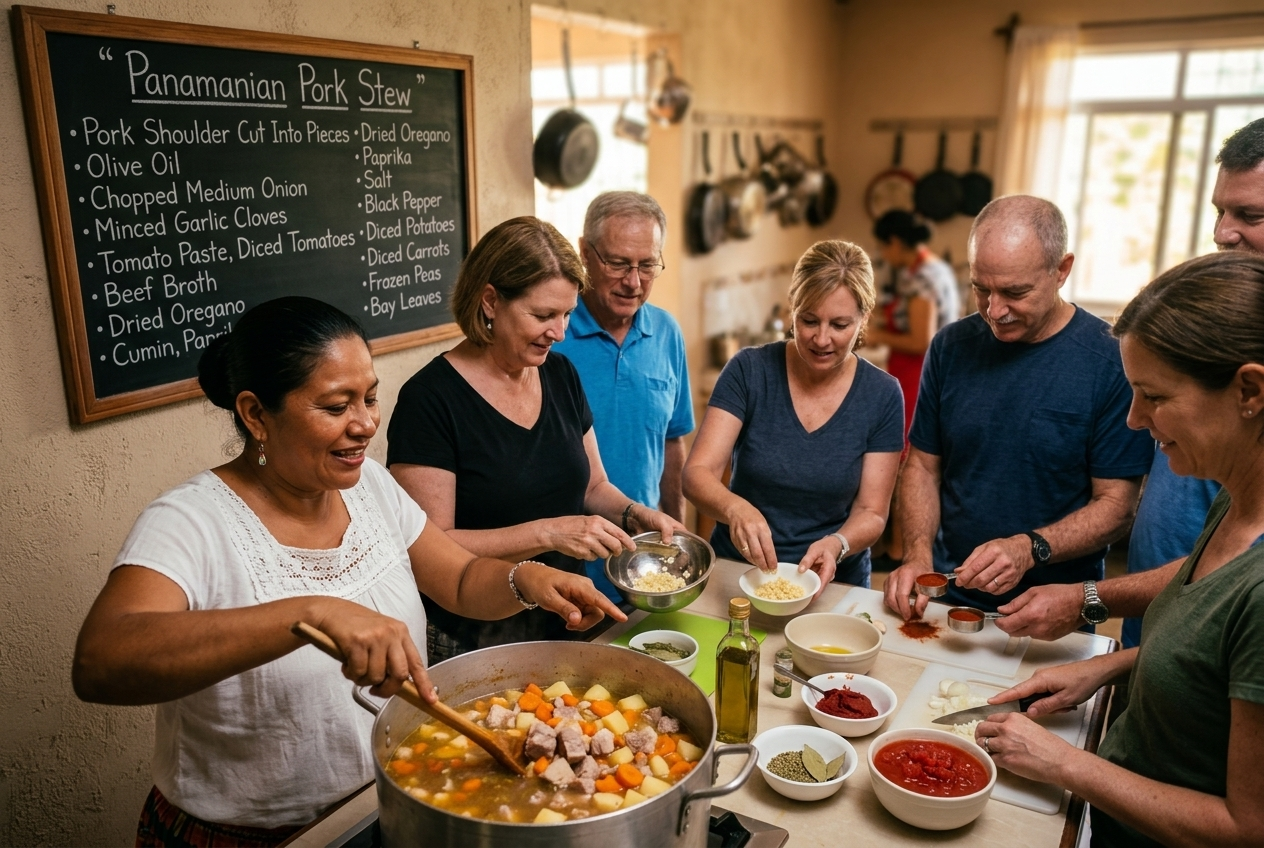
This traditional Panamanian Pork Stew recipe makes a tasty meal for loved ones. To make this stew, seasoning must be perfect. The right balance of spices can make a simple dish extraordinary.
Beginning with the pork shoulder, which is the stew’s star ingredient, season it thoroughly prior to preparing it. Oregano, cumin, and paprika in the Panamanian Pork Stew recipe enhance flavor and depth. These spices must be added at various cooking stages to ensure their flavors diffuse through the dish.
Exploring flavor in your cooking means playing with ingredients and methods. For this stew, stir in fresh herbs and adjust salt while you prepare for a much stronger flavor. Additionally, veggies like potatoes, carrots and peas add nutrition to the dish and brand new flavors and textures. When prepared with attention, Panamanian Pork Stew recipe is a balanced meal. This dish shows just how thoughtful seasoning and experimenting with flavors can elevate your cooking.
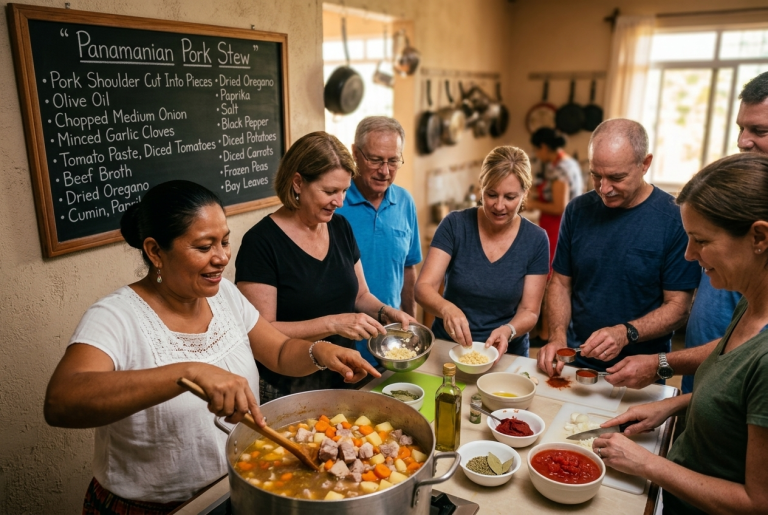
Panamanian Pork Stew Recipe CLass
5 Essiential Ingredients for Panamanian Food
Panamanian cuisine combines native, African, Spanish and Caribbean flavors. At the center of this are the ingredients that make up Panamanian dishes distinctive. Five basic ingredients in Panamanian food:
1. Culantro
One of the most important herbs in Panamanian cooking is culantro (sometimes mistaken for cilantro). Culantro has a distinctively strong, peppery flavor and is used in dishes like Sancocho (chicken stew) and Ropa Vieja (shredded beef). This leafy herb gives broths, soups and stews a deep, earthy flavor that distinguishes Panamanian fare from similar Latin American cuisines.
Culantro has a stronger aroma than cilantro and can withstand long cooking times; it is great for slow-cooked meals. It’s often served as a garnish or chopped into sauces and marinades and is a must in many traditional Panamanian recipes.
2. Plantains
Plantains are a starchy banana which can be prepared many different ways and are a popular component in Panamanian cuisine. They are eaten green (unripe) or yellow (ripe) to produce different flavors and textures. Green plantains are sometimes fried and flattened to make Patacones (a crispy, savory side dish with meals), while ripe plantains are sweeter and used in Tajadas (sliced and fried).
Many traditional dishes use plantains, whether mashed, fried, or boiled. Their adaptability permits them to be suitable for breakfast, snack foods and as a companion to main courses including fish, beef or chicken.
3. Yuca (Cassava)
Yuca (cassava) is a root vegetable used heavily in Panamanian food. Starchy and similar to potatoes in texture, yuca is boiled or fried. The most common use of yuca is in Carimaolas (deep fried yuca fritters stuffed with meat or cheese). Yuca is also boiled with sauces or mashed as a side dish.
It is a favorite ingredient for its mild flavor and versatility. Yuca was used by indigenous people for centuries and remains a staple in Panamanian food traditions, sometimes substituting potatoes in a number of food items.
4. Rice
Rice is a staple of Panamanian meals and it is served with virtually all meals. Rice is a staple in Panamanian homes, either in Arroz con Pollo (rice with chicken) or just cooked and served with beans. Panama’s tropical climate is ideal for growing rice; the grain is used in both everyday meals and special occasions.
Panamanians may season rice with various spices or mix with coconut milk and serve with stews or grilled meats. The simple rice balances the bold flavors of richer dishes.
5. Coconut
And coconut milk in particular is a staple in Panamanian coastal cuisine. Found mainly in Caribbean-style dishes, coconut milk lends spicing and a slightly sweet, tropical note to dishes like Arroz con Coco (coconut rice) and seafood stews. The use of coconut reflects Panama’s Afro-Caribbean heritage and proximity to the ocean.
Coconut oil can also be utilized for frying along with cooking and gives a subtle aroma and sweetness to foods. Whether in curries, rice dishes or desserts, coconut is a staple ingredient in Panama’s coastal areas reflecting its multifaceted culinary influences.
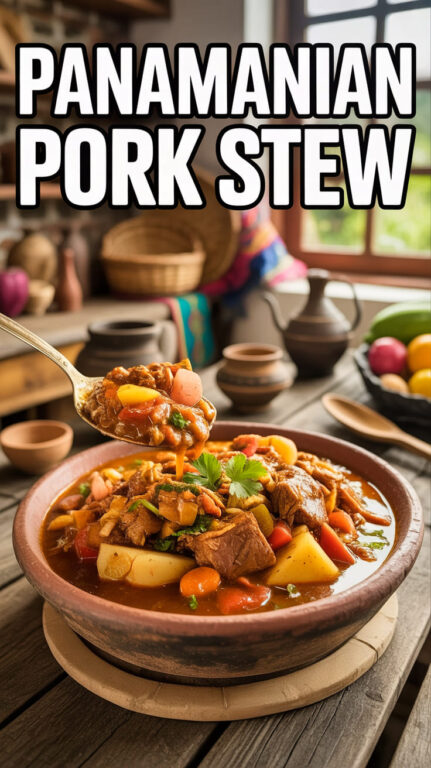
Ingredients For the Panamanian Pork Stew Recipe
Pork Shoulder Cut Into Pieces
Olive Oil
Chopped Medium Onion
Minced Garlic Cloves
Tomato Oaste
Diced Tomatoes Undrained
Beef Broth
Dried Oregano
Cumin
Paprika
Salt
Black Pepper
Diced Potatoes
Diced Carrots
Frozen Peas
Bay Leaves
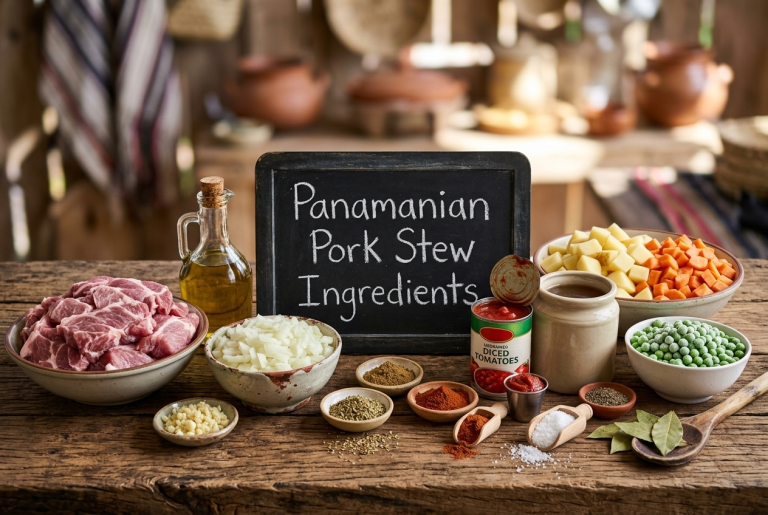
Panamanian Pork Stew Recipe Ingredients
Cooking Instructions For the Panamanian Pork Stew Recipe
In a large skillet or Dutch oven, heat the olive oil over medium-high heat. Add the pork pieces and cook until browned on all sides, about 5-7 minutes. Transfer the pork to a slow cooker.
Add the onion to the same skillet and sauté for 2-3 minutes until it begins to soften. Add the garlic and tomato paste and sauté for an additional minute.
Add the diced tomatoes, beef broth, oregano, cumin, paprika, salt, and pepper to the skillet and stir to combine. Bring the mixture to a boil and then pour it over the pork in the slow cooker.
Add the potatoes, carrots, peas, and bay leaves to the slow cooker and stir to combine.
Cook on high for 4-5 hours or low for 8-10 hours, until the pork is tender and the vegetables are cooked through.
Serve hot with crusty bread or rice, if desired.
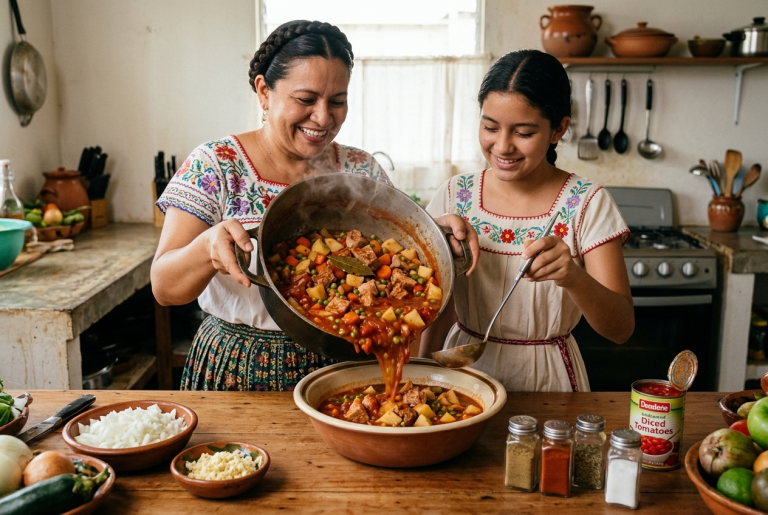
Panamanian Pork Stew Recipe Cooking TIps
Panamanian Pork Stew Recipe Cooking Tips
• Pork Stew is known for its tender pork, rich tomato-based sauce, and hearty vegetables.
• Pork shoulder works especially well because it becomes tender and flavorful during slow cooking.
• Browning the pork first adds deeper flavor and richer color to the stew.
• Garlic, onions, tomatoes, and sweet peppers create the classic savory flavor base.
• Culantro or cilantro adds fresh herbal flavor common in Panamanian cooking.
• Oregano, cumin, and black pepper provide warm earthy seasoning.
• Potatoes, carrots, yuca, or plantains are commonly added for extra heartiness.
• Tomato sauce should simmer slowly to develop rich balanced flavor.
• Habanero peppers can add gentle heat if desired.
• Simmer slowly so the pork becomes tender and absorbs the sauce fully.
• The sauce should stay thick and savory without becoming greasy.
• Fresh herbs added near the end brighten the stew beautifully.
• Serve hot with white rice, beans, or fried plantains.
• The flavor should balance savory pork, tomatoes, vegetables, herbs, and mild spices.
• Panamanian Pork Stew is especially popular for family meals and comforting weekend dinners.
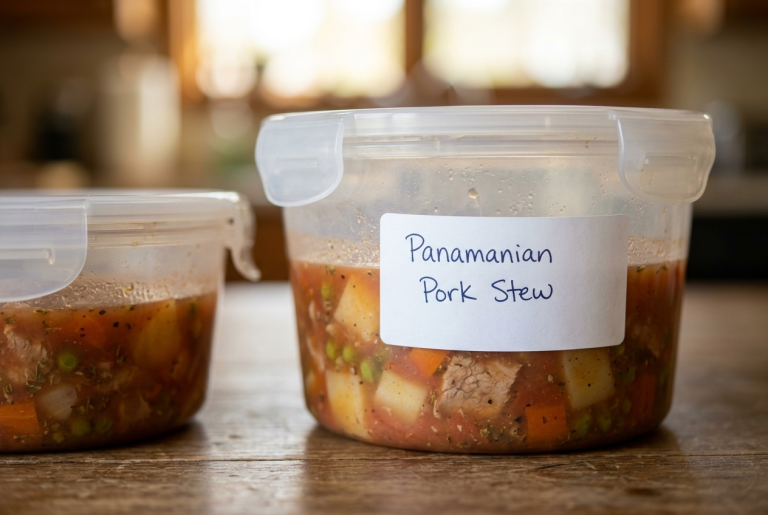
Panamanian Pork Stew Recipe Storage Tips
Panamanian Pork Stew Recipe Storage Tips
• Allow the stew to cool before transferring it into storage containers.
• Store the pork, vegetables, and sauce together to maintain moisture and flavor.
• Keep refrigerated in airtight containers to preserve freshness.
• Refrigeration may thicken the sauce slightly, which is normal.
• Reheat gently over low heat until steaming hot throughout.
• Add a small splash of broth or water during reheating if needed.
• Garlic, tomato, and spice flavors often deepen after overnight refrigeration.
• Vegetables may soften slightly more during storage, which is expected.
• Freeze extra portions in airtight freezer-safe containers if desired.
• Defrost frozen pork stew gradually in the refrigerator before reheating.
• Fresh cilantro or culantro should be added after reheating for brighter flavor.
• Use clean utensils when handling leftovers to help maintain freshness.
• Pork stews are generally best enjoyed within a shorter refrigerated storage period for ideal quality and safety.
• Keep away from delicate desserts because savory stew aromas may transfer.
• Discard leftovers if the pork, sauce, or vegetables develop sour odors, slime, mold, or unusual discoloration.
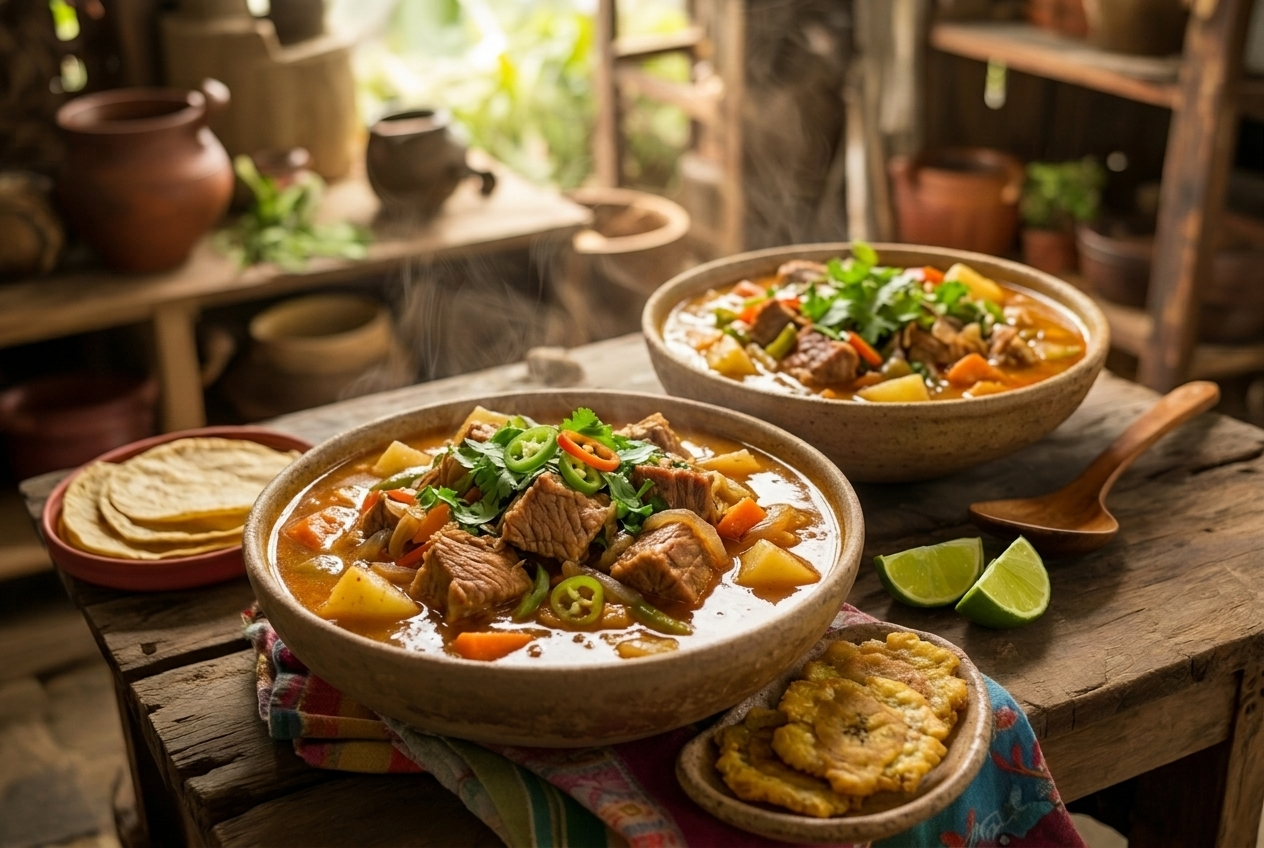
Panamanian Pork Stew
Ingredients
- 2 pounds pork shoulder cut into 1-inch pieces
- 1 Tbsp olive oil
- 1 medium onion chopped
- 3 garlic cloves minced
- 2 Tbsp tomato paste
- 1 14.5 oz. can diced tomatoes undrained
- 2 cups beef broth
- 1 Tbsp dried oregano
- 1 Tbsp cumin
- 1 Tbsp paprika
- 1 tsp salt
- ¼ tsp black pepper
- 2 cups potatoes diced
- 1 cup carrots diced
- 1 cup frozen peas
- 2 bay leaves
Equipment
- Dutch oven or heavy-bottomed pot
- Slow cooker or crockpot (optional)
- Large Cutting Board
- Chef's knife
- Wooden Spoon
- Measuring cups and spoons
- Tongs
Instructions
- In a large skillet or Dutch oven, heat the olive oil over medium-high heat. Add the pork pieces and cook until browned on all sides, about 5-7 minutes.
- Remove pork pieces to a bowl to add back in later
- Add the onion to the same skillet and sauté for 2-3 minutes until it begins to soften.
- Add the garlic and tomato paste and sauté for an additional minute.
- Add the diced tomatoes, beef broth, oregano, cumin, paprika, salt, and pepper to the skillet and stir to combine.
- Bring the mixture to a boil and then add the pork pieces back into the Dutch oven
- Add the potatoes, carrots, peas, and bay leaves to the dutch oven and stir to combine.
- Cook on high for 2-3 hours on low heat, or 1-2 hours on medium heat, until the pork is tender and the vegetables are cooked through.
- Serve hot with crusty bread or rice, if desired.
Notes
Tips and Tricks
▣ It's important to note that cooking times may vary based on the size and thickness of the meat pieces, so it's best to check the pork for doneness before serving. The internal temperature of the pork should reach 145°F (63°C) before it is considered safe to eat. ▣ Choose the right cut of meat: For a perfect pork stew, use pork shoulder or butt. These cuts are perfect for slow cooking and will give you a tender and juicy result. ▣ Brown the meat: To add extra flavor to your stew, brown the meat in a skillet before adding it to the slow cooker. ▣ Use a slow cooker liner: This will make cleaning up a breeze. ▣ Don't overcrowd the slow cooker: Make sure to leave enough room for the ingredients to cook evenly. ▣ Add the vegetables towards the end: Vegetables can become mushy if they are cooked for too long. Add them in the last hour of cooking.FAQ For the Panamanian Pork Stew Recipe
Q: What are the key ingredients in a Panamanian Pork Stew recipe?
A: A Panamanian Pork Stew recipe typically features several essential ingredients that contribute to its rich and hearty flavour. The main component is, of course, pork, often cut into cubes for even cooking. Alongside the pork, vegetables such as potatoes, carrots, and bell peppers add depth and texture to the stew. Aromatic spices, including cumin, oregano, and bay leaves, are also key to creating the distinctive taste. Additionally, many variations include tomato sauce or broth, which adds moisture and helps to meld all the flavours together. This combination of ingredients makes for a comforting dish that warms the heart.
Q: How do you prepare a Panamanian Pork Stew recipe from start to finish?
A: To prepare a Panamanian Pork Stew recipe, begin by searing the pork in a large pot or Dutch oven until it’s browned on all sides. This initial step enhances the flavour of the meat. Next, remove the pork and sauté onions and garlic in the same pot until softened. Then, return the pork to the pot and add chopped vegetables, spices, and enough liquid—such as broth or water—to cover the ingredients. Let the stew simmer on low heat for at least an hour, allowing the flavours to meld and the pork to become tender. Serve the stew warm, and enjoy a delicious, hearty meal that reflects the vibrant flavours of Panama.
Q: Can I customize the vegetables in a Panamanian Pork Stew recipe?
A: Yes, you can certainly customize the vegetables in a Panamanian Pork Stew recipe according to your taste preferences or what you have on hand. While traditional recipes often include potatoes and carrots, you can add other vegetables like green beans, corn, or even zucchini for extra flavour and nutrition. Additionally, incorporating seasonal vegetables can enhance the dish’s freshness. By adjusting the vegetables, you can create a stew that suits your palate and takes advantage of what is available, making the dish both versatile and delightful.
Q: What is the best way to serve a Panamanian Pork Stew?
A: When serving a Panamanian Pork Stew recipe, presentation can enhance the dining experience. It is often enjoyed warm and pairs well with a side of rice or warm tortillas, which help to soak up the delicious broth. For added flavour, consider garnishing the stew with fresh herbs like cilantro or parsley. This dish is perfect for family gatherings or cozy meals, offering a comforting and hearty option that everyone can enjoy. Additionally, a side salad can complement the stew, creating a well-rounded meal that satisfies all appetites.
Q: How should I store and reheat leftover Panamanian Pork Stew?
A: To store leftover Panamanian Pork Stew recipe, allow it to cool completely before transferring it to an airtight container. The stew can be kept in the refrigerator for up to three days or frozen for up to three months for longer storage. When reheating, it’s best to do so on the stovetop over medium heat, adding a splash of broth or water if it appears too thick. This method helps to maintain the stew’s texture and ensures it heats evenly. Enjoying leftover stew is a convenient way to savour the flavours of Panama for another meal.

Recipes are gathered in person and written for real-world cooking conditions.
- 10 Hungarian Dessert Recipes Passed Down Through Generations - July 25, 2026
- 11 Easy English Recipes Anyone Can Make - July 25, 2026
- Hungarian Kifli Recipe - July 25, 2026
4 comments
I made the Panamanian pork stew recipe, and it was an absolute winner! The pork was tender and full of flavor, and the spices really brought it to life.
I cant believe they didnt mention the secret ingredient in the Classic Panamanian Pork Stew Recipe! Are we just supposed to guess or do some kind of culinary detective work? Come on, spill the beans (or pork)!
I cant believe they didnt mention adding plantains to the Panamanian Pork Stew Recipe! Its a game-changer. Who else thinks plantains should be a must in this dish?
Im not sure about this Panamanian Pork Stew Recipe. Do you think it would taste better with some extra spice or maybe a twist with different veggies? Lets mix it up!
Comments are closed.