
If you’re hunting for comfort food that doesn’t take a culinary degree to pull off, this Iraqi layered rice and beans recipe might be your next go-to. The Iraqi layered rice and beans recipe brings together tender rice and fresh fava (or broad) beans, stacked and cooked until you get this fragrant, protein-packed main dish. It’s honestly just as good for a quick weeknight dinner as it is for a big family gathering.
Let’s dig into what makes the Iraqi layered rice and beans recipe special—how the layering isn’t just for looks but gives you that perfect mix of texture and flavor. I’ll walk you through cleaning beans (it’s not as bad as it sounds), par-cooking rice, and building those layers so each bite feels balanced and satisfying.
You’ll pick up some practical, real-world tips here—stuff that’ll help you turn basic pantry staples into an Iraqi layered rice and beans recipe that’s both authentic and honestly pretty impressive, thanks to fresh herbs and unfussy seasoning. No need to complicate things.
Background and Origins
Across Iraq, folks know this dish as m’tubuq or timman bagilla. The name literally translates to “layered rice,” which sums up the Iraqi layered rice and beans recipe vibe perfectly.
The heart of the dish? Fresh fava or broad beans, layered with rice and usually a handful of herbs like dill. It’s a seasonal thing, really, and you can check out a similar approach in other Middle Eastern cuisines.
Iraqi cuisine doesn’t exist in a vacuum. The Iraqi layered rice and beans recipe borrows from Persian, Levantine, and Mesopotamian traditions. You’ll see familiar steps—parboiling rice, steaming under a lid—that echo across the region. It’s kind of fascinating how these methods travel and evolve.
Depending on who’s cooking, the Iraqi layered rice and beans recipe changes up a bit. Some add onions and a splash of oil, others toss in meat if they’re feeling it. Traditionally, though, people whip up this Iraqi layered rice and beans recipe in spring or summer, right when those fresh fava beans hit the markets.
Looking for a little historical flavor? Iraq’s spot between Persia and the Levant shaped a lot of its rice dishes, especially ones like the Iraqi layered rice and beans recipe that focus on texture and layers. This recipe’s all about fresh produce, minimal seasoning, and that sense of gathering around the table—pretty classic Iraqi values, if you ask me.
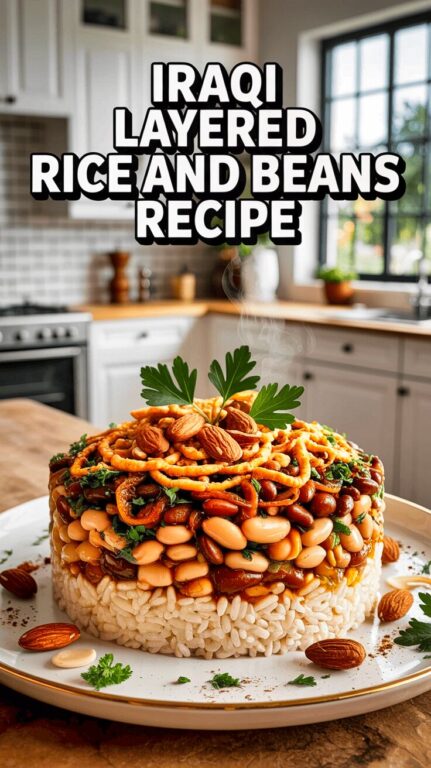
Expert Preparation Techniques
Peel fresh fava beans while they’re still cool—otherwise, those skins just tear apart and make a mess. I usually grab a paring knife, slit each pod, and pop the beans out. Then, I give them a quick blanch to loosen up those stubborn inner skins. It’s a bit fiddly, but honestly, that’s half the fun of an Iraqi layered rice and beans recipe.
When you start layering the beans and rice in the pot, try to spread everything evenly. It’s easy to get impatient here, but if you rush, you’ll end up with uneven flavors. I press each layer gently with the back of a spoon, letting the dill and onions nestle into the rice. Otherwise, they just hang out on top and don’t do much for the dish. If you ask me, this is one of those tiny tricks that makes an Iraqi layered rice and beans recipe really shine.
Give your rice a thorough rinse until the water runs clear—nobody likes gummy grains. If you use long-grain rice, let it soak for 20–30 minutes. It sounds like a hassle, but you’ll get fluffier rice and a shorter cook time. For me, that’s a fair trade-off, especially when I’m craving an Iraqi layered rice and beans recipe and want every grain just right.
Start by sautéing chopped onion and some of the fava beans. You want that gentle caramelization; it’s what gives the whole thing a deep, savory flavor. If you skip this, you risk biting into undercooked bean pockets, which—let’s be real—ruins the vibe of your Iraqi layered rice and beans recipe. I always take a few extra minutes here, and it pays off.
Control the steam by using a tight-fitting lid, and tuck a clean kitchen towel between the pot and lid to catch condensation. Keep the heat low for the last 20–30 minutes. That way, steam finishes the rice without burning the bottom. It’s a little nerve-wracking if you’re new to this, but once you get the hang of it, you’ll want to make an Iraqi layered rice and beans recipe every week.
For toppings, I like to mix it up—sometimes a dollop of plain yogurt, other times a drizzle of date syrup (dibis) if I’m feeling adventurous. The acidity or sweetness really brings out the best in the herbs, beans, and rice. Serve right away, so everything keeps its texture and the flavors stay bright. In my opinion, that’s the real secret to a memorable Iraqi layered rice and beans recipe. If you haven’t tried it yet, maybe now’s the time to see what all the fuss is about. An Iraqi layered rice and beans recipe just hits differently when it’s fresh and homemade, don’t you think?
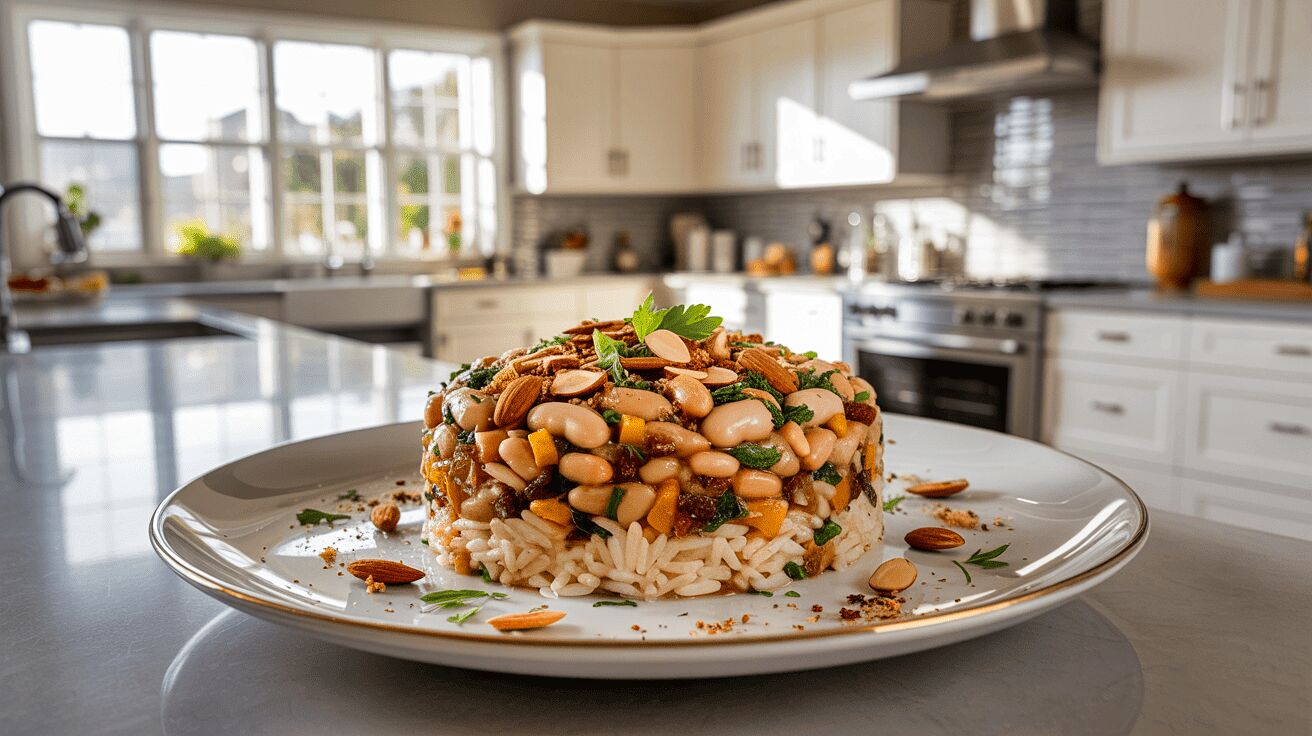
Iraqi Layered Rice and Beans Recipe
Ingredients
- 1 1/2 lbs beans fava
- 1 cup rice
- 1 -1 1/2 tablespoon dill chopped fresh
- 1 medium onion chopped
- 2 -3 tablespoons oil
- salt to taste
- yogurt or date syrup
Instructions
- If using a rice cooker, measure the amount of water normally required for the rice.
- Add the rice, mung beans, onions, and the remaining ingredients to the cooker, then stir everything together before starting the cooking cycle.
- For the stovetop method, combine all of the ingredients in a large pot.
- Pour in enough water so it stands about one finger's width above the rice.
- Cover the pot with a lid and bring the mixture to a boil over medium-high heat.
- Once boiling, reduce the heat to low and allow the rice and beans to steam gently for about 30 minutes, or until both are tender.
- Check the rice and beans near the end of the cooking time to make sure they are fully cooked.
- For the traditional preparation, cook the rice until it is about halfway done.
- Carefully remove half of the partially cooked rice and set it aside.
- Spread the mung beans and onions evenly over the remaining rice in the pot.
- Return the reserved rice to the top, creating distinct layers rather than mixing everything together.
- Cover the pot again and continue steaming until the rice and beans are fully cooked and the layered texture is complete.
- Top each serving with a spoonful of plain yogurt or drizzle with date syrup, according to your preference.

Recipes are gathered in person and written for real-world cooking conditions.
- 10 Hungarian Dessert Recipes Passed Down Through Generations - July 25, 2026
- 11 Easy English Recipes Anyone Can Make - July 25, 2026
- Hungarian Kifli Recipe - July 25, 2026