
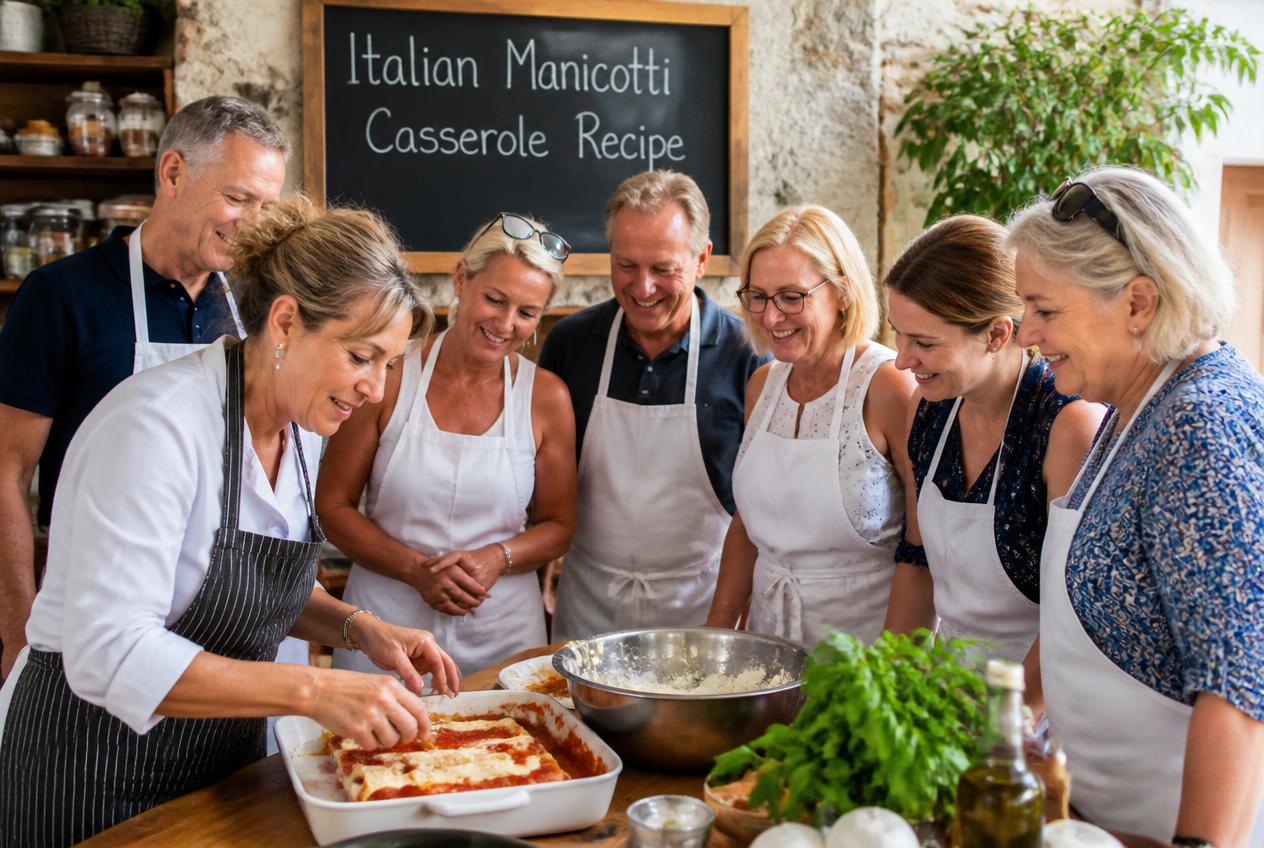
The Italian Manicotti Casserole recipe is a comforting, crowd-pleasing dinner that simplifies classic stuffed manicotti into an easier, all-in-one bake. This Italian Manicotti Casserole recipe delivers the same cheesy, Italian comfort—ricotta, mozzarella, savory sauce, and pasta—without the fuss of stuffing shells, so you can feed a family or bring a potluck dish with confidence.
I’ll walk you through a straightforward Italian Manicotti Casserole recipe that stays true to the flavors of classic Italian comfort food while offering tips for make-ahead prep and easy substitutions. Expect a hearty, family-friendly casserole that reworks the traditional dish into a quick, cheesy weeknight winner.
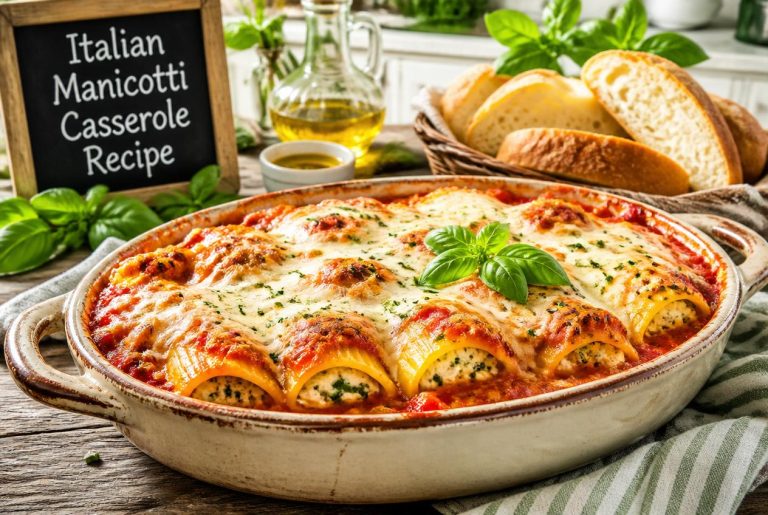
Italian Manicotti Casserole Recipe
Key Takeaways
- Keeps classic Italian comfort in an easy, family-friendly casserole.
- Includes practical tips for advance prep and simple ingredient swaps.
- Adapts well to variations while pairing neatly with salads and garlic bread.
Overview and Historical Context
Manicotti casserole belongs to the broader family of baked Italian pasta dishes that evolved through home kitchens and immigrant adaptations. These oven-baked Italian dishes combine stuffed pasta, cheese, and tomato sauce before a final bake, creating comforting layers familiar in Italian baked pasta recipes.
The term manicotti comes from the Italian word “manicotto,” meaning “large sleeve,” and fits within traditional Italian casseroles where pasta encases savory fillings. In Italy, hand-rolled stuffed pastas—like cannelloni—served similar roles; Italian-American communities adapted sizes, fillings, and baking methods to local ingredients.
Texture and practicality matter in the casserole form. Turning individual stuffed tubes into a layered or assembled bake simplifies service and scales better for family meals or gatherings. Many modern Italian Manicotti Casserole recipe versions mix ricotta with herbs or add ground meats, reflecting both vegetarian and meat-forward traditions.
Regional variation and historical change are common. Recipes shifted with migration and pantry availability, which is typical for many traditional Italian casseroles. For an accessible history and more on how manicotti sits among related dishes, see the background on manicotti and its pasta relatives in this concise Wikipedia entry on Manicotti.
Expert Preparation Tips
Preheat the oven and let the assembled Italian Manicotti Casserole recipe rest at room temperature for 15–20 minutes. This step helps the sauce settle and prevents a soggy top during baking.
Soften the pasta just shy of al dente before filling; the shells finish cooking in the oven. Par-cooking makes stuffing easier and yields a tender bite.
Season the cheese filling generously with salt, pepper, and a pinch of nutmeg for warmth. If you add spinach or herbs, squeeze out excess moisture to keep the Italian Manicotti Casserole recipe from becoming watery.
Spread a thin layer of sauce on the bottom of the baking dish to prevent sticking. Spoon sauce over each filled tube so every piece bakes in moisture and flavor.
Mix ricotta with grated Parmesan and shredded mozzarella for balance of tang and melt. For a meaty Italian Manicotti Casserole recipe, brown ground beef or Italian sausage well and drain fat before combining with sauce.
Assemble the Italian Manicotti Casserole recipe ahead when hosting; refrigerate tightly covered up to 24 hours before baking. For frozen storage, bake until just set, cool completely, wrap well, and freeze up to 3 months.
Bake uncovered for the last 5–10 minutes to brown the top. Let the Italian Manicotti Casserole recipe rest 10 minutes after removing from the oven for cleaner slicing and easier serving.
Advance Preparation Guidance
Prepare the filling and sauce separately for a true make-ahead Italian Manicotti Casserole recipe. The cheese mixture holds well for up to 24 hours in an airtight container; refrigerate promptly to maintain texture and food safety.
Assemble the Italian Manicotti Casserole recipe up to the point of baking and cover it tightly with foil. This layered, ready-to-bake approach lets you store the dish in the refrigerator for 24 hours or freeze it for up to 2 months.
For freezing, flash-chill the assembled pan until cold, then wrap it in plastic and foil to prevent freezer burn. Thaw overnight in the refrigerator before baking; add 10–15 minutes to the bake time if it’s still slightly chilled.
Label packages with contents and dates to avoid guesswork later. Use a checklist: filling made, sauce made, assembled, refrigerated/frozen, and thawed — this keeps meal prep efficient.
Reheat to an internal temperature of 165°F (74°C). Cover the Italian Manicotti Casserole recipe while baking to keep moisture, then uncover for the last 10 minutes to brown the cheese.
- Tip: Use high-quality jarred sauce when short on time; it speeds prep without compromising consistency.
- Tip: Prepare extra filling for another make-ahead Italian meal like stuffed shells or a layered pasta bake.
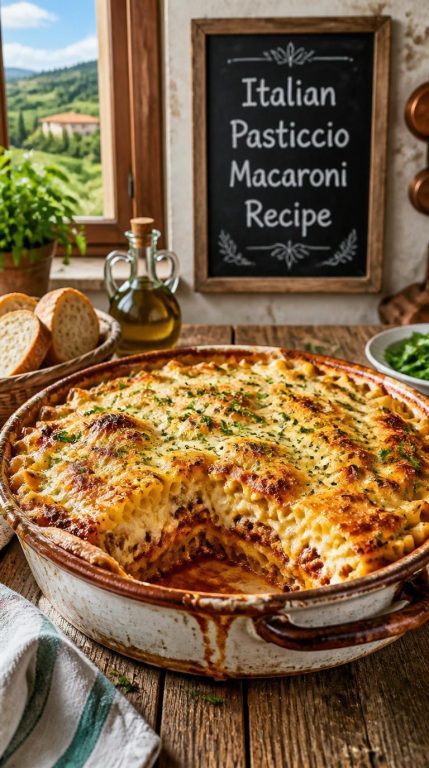
Creative Adaptations
Change the filling to suit what you have on hand. A classic ricotta-mozzarella blend works well, but try adding cooked spinach and sautéed mushrooms for extra texture and nutrition in your Italian Manicotti Casserole recipe.
For a heartier Italian Manicotti Casserole recipe, swap in Italian sausage or ground beef. Brown the meat with onions and garlic, drain excess fat, then fold it into the cheese mixture before assembling the casserole.
Experiment with sauces. Marinara keeps things bright, while a creamy béchamel or vodka sauce adds richness. Occasionally, layer a thin coating of pesto under the top cheese for aromatic contrast in your Italian Manicotti Casserole recipe.
Use toppings to vary flavor and presentation. Toasted breadcrumbs mixed with grated Parmesan give a crisp finish. Fresh basil or chopped parsley sprinkled just before serving brightens the Italian Manicotti Casserole recipe.
- Gluten-free option: Substitute gluten-free pasta or use thinly sliced roasted zucchini in place of pasta tubes.
- Vegetarian option: Omit meat and increase roasted vegetables like eggplant and bell pepper.
- Low-carb tweak: Replace pasta with riced cauliflower mixed into the cheese filling.
Try one adaptation at a time so you can judge its impact. Small changes help refine the balance of flavors without losing the comforting core of the Italian Manicotti Casserole recipe.
For recipe ideas and variations that inspired some of these choices, see this practical Manicotti Italian Casserole.
Recommended Complementary Dishes
Balance the rich, cheesy Italian Manicotti Casserole recipe with lighter, fresh elements that brighten the plate. A simple mixed green salad with a tangy vinaigrette cuts the richness and adds crisp texture.
Serve roasted or sautéed greens—such as broccolini or spinach—seasoned with garlic and lemon. These vegetables keep the meal feeling like classic Italian weeknight dinners without much fuss.
Bread makes the meal feel complete. Serve crisp garlic bread or soft focaccia for soaking up sauce and providing a warm, satisfying contrast to your Italian Manicotti Casserole recipe.
If you want a heartier side, choose a grain like herbed couscous or lemon-parmesan polenta. Both pair well with tomato-based sauces and match the comfort-food character of the Italian Manicotti Casserole recipe.
For a small, elegant starter, offer stuffed mushrooms or a Caprese salad. A Caprese uses fresh tomatoes and basil to echo the casserole’s flavors; stuffed mushrooms add an earthy counterpoint.
Quick reference:
- Salads: mixed greens, arugula, or Caprese
- Vegetables: roasted broccolini, sautéed spinach, or crispy eggplant
- Bread & grains: garlic bread, focaccia, polenta, or couscous
- Starters: stuffed mushrooms
Draw inspiration from other Italian weeknight dinners to keep these pairings simple, fast, and satisfying alongside your Italian Manicotti Casserole recipe.
Comparable Casserole Recipes
Compare this Italian Manicotti Casserole recipe to other Italian casserole recipes when planning a weeknight menu. Lasagna casserole recipes share the same layered, baked approach and use similar cheeses and tomato sauce, but they skip stuffing tubes and instead layer sheets of pasta for easier assembly.
Easy Italian casseroles work well when you want less prep. A dump-and-bake manicotti-style dish mimics the flavors with pre-cooked pasta and a simple ricotta-mozzarella blend, reducing hands-on time while keeping familiar taste and texture. See an example of a dump-and-bake method for comparison at Better Homes & Gardens.
When you want protein-focused comfort, Italian chicken casserole offers a lighter alternative. Replace beef or sausage with shredded or diced chicken, and keep the same herb, cheese, and sauce profile to maintain Italian character while lowering red meat content in your Italian Manicotti Casserole recipe.
Hybrid casseroles combine elements from multiple dishes. A manicotti-lasagna hybrid delivers stuffed-style flavors in a large casserole pan, useful for feeding a crowd. For a meat-forward option, the AllRecipes Italian casserole variations show how adding ground beef or sausage changes richness and depth of flavor in the Italian Manicotti Casserole recipe.

Italian Manicotti Casserole Recipe Cooking TIps
Italian Manicotti Casserole Recipe Cooking Tips
• Italian Manicotti Casserole is a comforting baked pasta dish known for its tender pasta tubes, creamy cheese filling, rich sauce, and bubbly baked topping.
• Manicotti shells are traditionally filled with a cheese mixture before baking.
• Cook the pasta just until al dente to prevent tearing during filling and baking.
• Allow cooked manicotti shells to cool slightly before handling.
• Ricotta cheese forms the foundation of the classic filling and provides a creamy texture.
• Mozzarella cheese adds richness and creates the signature melted, stretchy consistency.
• Parmesan cheese contributes savory depth and enhances the overall flavor profile.
• Eggs are often mixed into the filling to help bind the ingredients together.
• Fresh parsley, basil, oregano, and garlic provide traditional Italian flavor.
• A rich marinara or tomato sauce helps keep the pasta moist during baking.
• Spread a layer of sauce beneath the manicotti to prevent sticking.
• Arrange filled manicotti evenly in the baking dish for consistent cooking.
• Cover the pasta generously with sauce and cheese to prevent drying out.
• Avoid overfilling the shells, which can cause splitting during baking.
• Bake until the filling is heated through and the cheese is melted and lightly golden.
• Allow the casserole to rest briefly before serving so the filling can set properly.
• Fresh basil or parsley makes an attractive garnish.
• The flavor should balance tender pasta, creamy cheese filling, savory tomato sauce, herbs, and melted cheese.
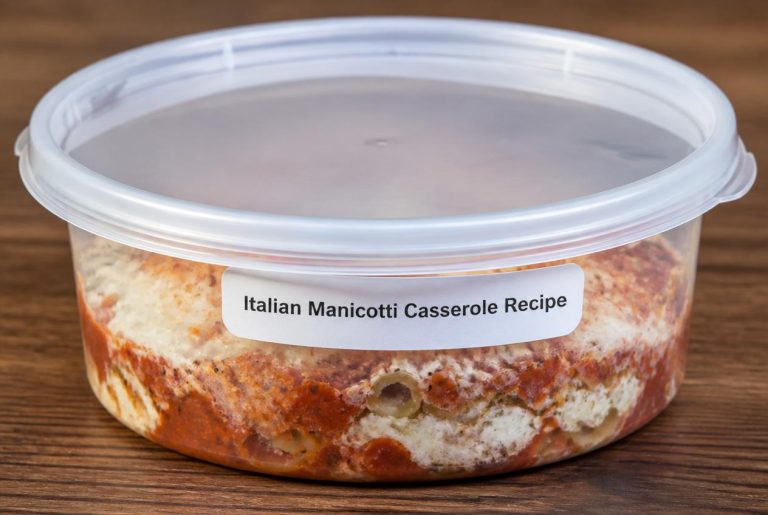
Italian Manicotti Casserole Recipe Storage Tips
Italian Manicotti Casserole Recipe Storage Tips
• Allow the casserole to cool before transferring it into storage containers.
• Store refrigerated in airtight containers to preserve freshness and texture.
• Whole casseroles can be covered tightly and refrigerated before portioning.
• Refrigeration often improves flavor as the sauce, herbs, and cheeses continue to blend.
• Reheat gently in the oven for the best texture and flavor.
• Cover with foil during reheating to prevent excessive browning of the cheese topping.
• Add a small amount of sauce if the casserole appears dry during reheating.
• Cheese-filled pasta dishes often develop deeper flavor after overnight refrigeration.
• Freeze individual portions or entire casseroles in airtight freezer-safe containers if desired.
• Wrap tightly to help prevent freezer burn and preserve quality.
• Defrost frozen portions gradually in the refrigerator before reheating.
• Use clean utensils when serving leftovers to help maintain freshness.
• Keep away from strongly scented foods because cheese readily absorbs surrounding odors.
• Label frozen containers with the storage date for easier inventory management.
• Avoid repeated freezing and reheating cycles, which can negatively affect texture and consistency.
• Check for signs of spoilage such as sour odors, mold, unusual discoloration, or texture changes before consuming leftovers.
• For best quality, enjoy refrigerated and frozen portions while flavor and texture remain at their peak.
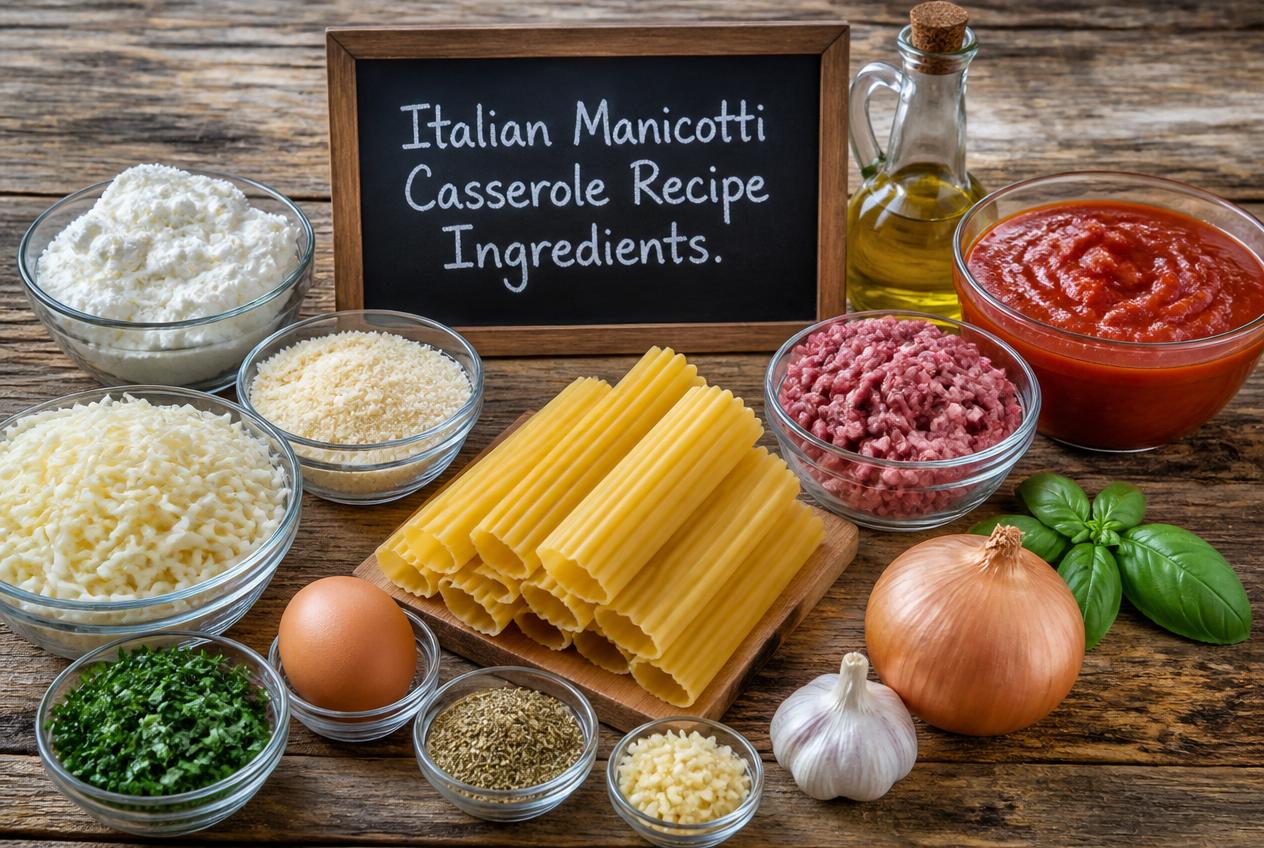
Italian Manicotti Casserole recipe
Ingredients
- 8 manicotti shells
- 15 oz ricotta cheese
- 2 cups mozzarella cheese shredded
- 1/2 cup Parmesan cheesem grated
- 1 egg large
- 1 tsp basil dried
- 1 tsp oregano dried
- 1/2 tsp salt
- 1/4 tsp black pepper ground
- 2 cups marinara sauce
- 2 tbsp olive oil
Instructions
- Begin by preheating your oven to 350°F (175°C). Having the oven fully heated before baking ensures the manicotti cooks evenly and the cheese melts beautifully.
- Bring a large pot of salted water to a boil and cook the manicotti shells according to the package directions until they are al dente. The shells should be tender enough to fill but still slightly firm, as they will continue cooking in the oven.
- Once cooked, drain the shells carefully and rinse them briefly with cool water to stop the cooking process. Arrange them on a baking sheet or tray in a single layer to prevent sticking while you prepare the filling.
- In a large mixing bowl, combine the ricotta cheese, 1 cup of the mozzarella cheese, Parmesan cheese, egg, basil, oregano, salt, and pepper.
- Mix everything together thoroughly until the ingredients are evenly incorporated and the filling becomes smooth and creamy. The ricotta provides richness, while the mozzarella and Parmesan add flavor and help create a wonderfully cheesy texture. The egg acts as a binder, helping the filling hold together during baking.
- Taste the mixture if desired and adjust the seasoning slightly to suit your preference.
- Using a small spoon, piping bag, or plastic bag with the corner snipped off, carefully fill each manicotti shell with the ricotta mixture.
- Take your time with this step to avoid tearing the shells. Fill each shell generously from both ends so that the filling is distributed evenly throughout.
- Once filled, set the manicotti aside while preparing the baking dish.
- Spread 1 cup of marinara sauce evenly across the bottom of a 9 x 13-inch baking dish.
- This layer of sauce prevents the pasta from sticking and creates a flavorful base that keeps the manicotti moist during baking.
- Use the back of a spoon to spread the sauce into an even layer covering the entire bottom of the dish.
- Arrange the stuffed manicotti shells in a single layer over the marinara sauce.
- Once all of the shells have been placed in the dish, pour the remaining marinara sauce evenly over the top. Make sure the shells are well covered, as the sauce helps keep the pasta tender while baking.
- Sprinkle the remaining mozzarella cheese evenly over the surface. The cheese will melt into a rich, bubbly topping as the manicotti bakes.
- For an extra touch of richness and flavor, drizzle the olive oil lightly over the top of the casserole.
- Cover the baking dish tightly with aluminum foil and place it in the preheated oven.
- Bake for 25 minutes, allowing the filling to heat through and the flavors to meld together.
- After 25 minutes, carefully remove the foil and return the dish to the oven. Continue baking for an additional 10 minutes, or until the cheese is fully melted, bubbling, and beginning to turn golden brown around the edges.
- The finished manicotti should be hot throughout, with a beautifully melted cheese topping and gently bubbling sauce.
- Remove the baking dish from the oven and allow it to rest for several minutes before serving.
- This brief resting period helps the filling set slightly and makes it easier to serve neat portions. It also allows the sauce and cheese to settle, creating a better overall texture.
- Serve the manicotti while warm, spooning extra marinara sauce from the baking dish over each portion if desired.
- This classic baked pasta dish combines tender manicotti shells with a creamy ricotta filling, fragrant herbs, rich tomato sauce, and plenty of melted cheese. The result is a comforting and satisfying Italian-inspired meal that is both simple and elegant.
- Pair it with garlic bread, a crisp green salad, or roasted vegetables for a complete dinner that is perfect for family meals, holidays, or casual entertaining. Every bite delivers creamy cheese, savory herbs, and rich marinara wrapped in perfectly baked pasta.
Italian Manicotti Casserole Recipe Frequently Asked Questions
Find answers to common technical and practical questions about making an Italian Manicotti Casserole recipe, including cheese choices, meat variations such as Italian sausage casserole, pasta handling, texture control, and freezing strategies. Follow precise steps and quantities to replicate reliable results.
What cheeses are typically used in a four-cheese manicotti filling?
Combine ricotta (whole‑milk) for creaminess, shredded mozzarella for melt and stretch, grated Parmesan for savory umami, and either grated Pecorino Romano or shredded provolone for sharpness. A typical ratio is 2 cups ricotta, 1½ cups shredded mozzarella, ½ cup grated Parmesan, and ½ cup Pecorino or provolone; adjust salt because Parmesan and Pecorino are salty for your Italian Manicotti Casserole recipe.
Can I make manicotti casserole with ground beef or Italian sausage?
Yes. Brown 1 pound of ground beef or Italian sausage (sweet or hot), drain excess fat, then mix into the filling or layer in the casserole. For an Italian sausage and pasta casserole, use half Italian sausage and half ground beef for balance; add 1 teaspoon fennel seed or extra oregano if using plain ground beef in your Italian Manicotti Casserole recipe.
What are the most common mistakes to avoid when making manicotti casserole?
Overfilling the pasta tubes causes splitting and leaking; fill each tube to about three‑quarters full. Using a thin sauce or too little sauce leads to dryness, while not draining cooked pasta well or adding watery fillings creates a soggy Italian Manicotti Casserole recipe.
Do manicotti noodles need to be boiled before baking in a casserole?
It depends. Boil traditional manicotti tubes to al dente and cool briefly before filling to ensure tenderness and avoid breakage. If using no‑boil or oven‑ready tubular pasta, skip boiling but increase sauce quantity and cover the dish tightly so the pasta hydrates during baking in your Italian Manicotti Casserole recipe.
How can I prevent the manicotti casserole from becoming watery or dry?
For the best Italian Manicotti Casserole recipe, use whole‑milk ricotta and drain excess moisture from fresh cheeses in a sieve for 15–30 minutes. Add 3 to 3½ cups of marinara or tomato sauce to a 9×13″ casserole, then cover with foil for the first 25–30 minutes. Uncover the Italian Manicotti Casserole recipe during the last 10–15 minutes so the cheese browns without drying the filling. This approach keeps your Italian Manicotti Casserole recipe moist and flavorful. When preparing the Italian Manicotti Casserole recipe, always monitor the sauce level to avoid a watery or dry texture. Consistently following these steps ensures your Italian Manicotti Casserole recipe comes out perfectly every time. For more tips on perfecting your Italian Manicotti Casserole recipe, visit Simply Recipes. Remember, the Italian Manicotti Casserole recipe benefits from quality cheese, proper draining, and the right amount of sauce. Enjoy a delicious Italian Manicotti Casserole recipe at every gathering. The Italian Manicotti Casserole recipe is a crowd-pleaser when you pay attention to these details.
Can manicotti casserole be assembled ahead of time and frozen for later?
Yes, you can assemble the Italian Manicotti Casserole recipe ahead of time. I prepare the casserole, wrap it tightly with plastic and foil, and freeze it for up to 3 months. When you want to enjoy the Italian Manicotti Casserole recipe, bake it from frozen at 375°F covered for about 60–75 minutes, then uncover and bake another 10–15 minutes until hot and bubbly. If you thaw the Italian Manicotti Casserole recipe overnight, you can reduce the covered bake time to 40–50 minutes. The Italian Manicotti Casserole recipe is perfect for meal prepping and busy weeknights. With this method, you always have a delicious Italian Manicotti Casserole recipe ready to go. Try making the Italian Manicotti Casserole recipe in advance to save time. The Italian Manicotti Casserole recipe remains flavorful and satisfying even after freezing. Make sure to label your Italian Manicotti Casserole recipe before storing it in the freezer. Enjoy the convenience and taste of the Italian Manicotti Casserole recipe whenever you need a hearty meal.

Recipes are gathered in person and written for real-world cooking conditions.
- 10 Hungarian Dessert Recipes Passed Down Through Generations - July 25, 2026
- 11 Easy English Recipes Anyone Can Make - July 25, 2026
- Hungarian Kifli Recipe - July 25, 2026