
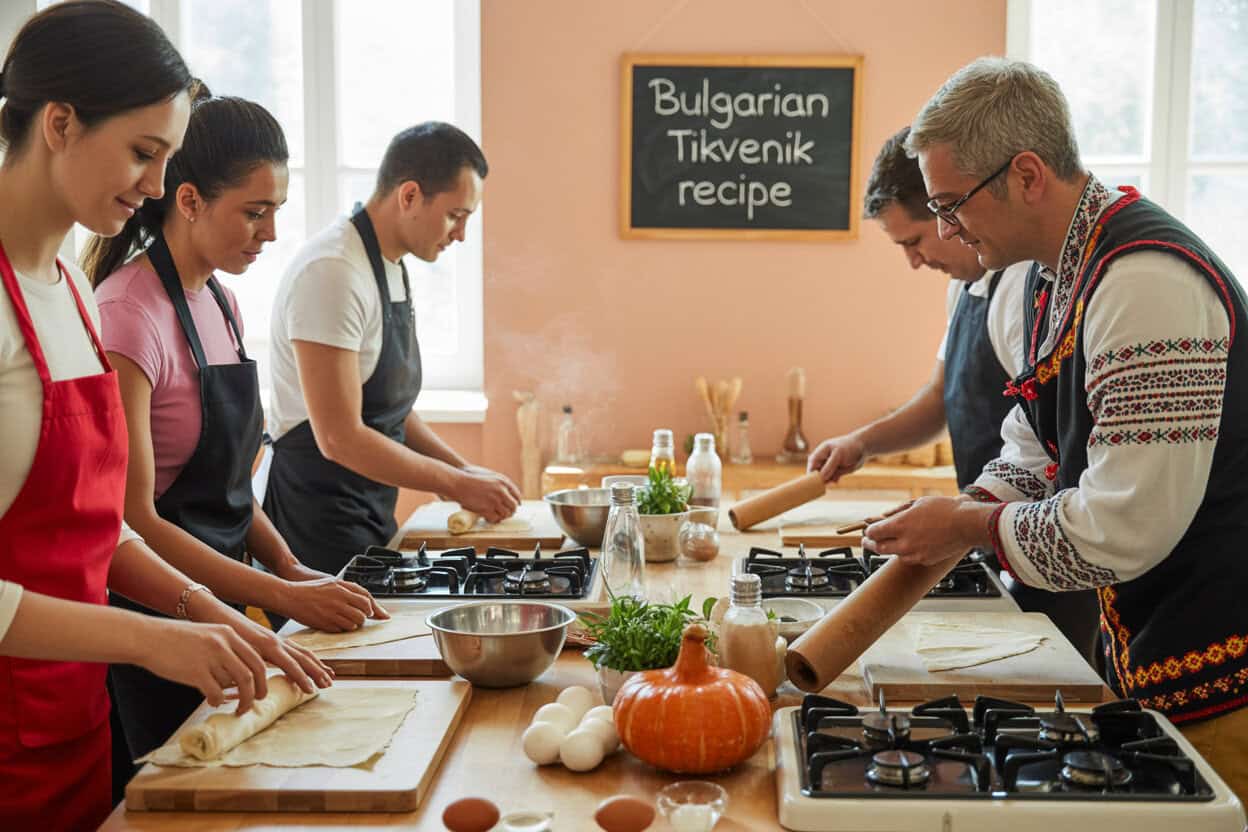
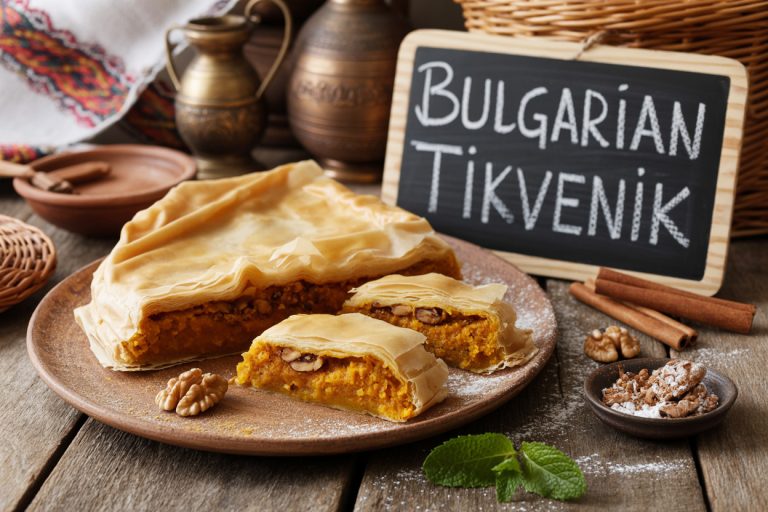
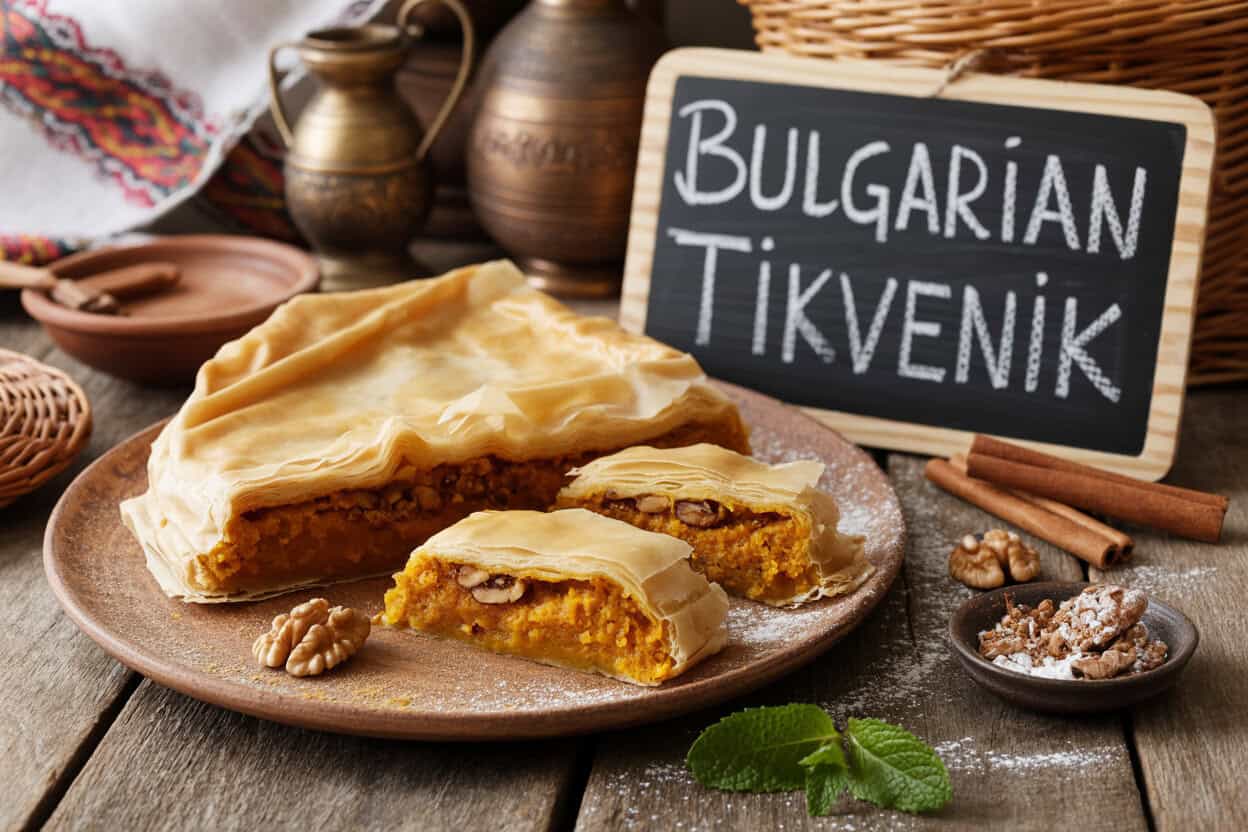
Bulgarian Tikvenik Recipe: Tikvenik is a beloved Bulgarian pastry that showcases the rich flavors of pumpkin wrapped in layers of flaky phyllo dough. This delightful pumpkin strudel not only highlights the warmth of autumn but also brings a touch of tradition to any table.
Making Tikvenik is an enjoyable way to experience Bulgarian culture and share delicious food with loved ones.
As we gathered recipes during our travels, Tikvenik stood out for its simplicity and wonderful taste. The blend of sweet pumpkin, sugar, and warm spices creates a filling that is both comforting and satisfying.
In this blog post, we will guide you through the steps to create your own Tikvenik, ensuring that you can capture the essence of this classic Bulgarian dish in your kitchen.
Join us as we explore the history and techniques behind this traditional pumpkin strudel recipe. With each bite, you’ll appreciate the effort put into this lovely pastry and the joy it brings to family gatherings and celebrations alike.
Bulgarian Tikvenik Recipe
Why You’ll Love This Bulgarian Tikvenik Recipe
We adore the Bulgarian Tikvenik for several reasons. This delightful pastry combines the sweetness of pumpkin with warm spices like cinnamon. It’s a great way to enjoy a unique dessert that’s full of flavor.
This traditional Bulgarian pastry, often known as bundevara, uses flaky phyllo dough that adds a satisfying crunch. The filling of grated pumpkin, sugar, and walnuts creates a wonderful contrast in texture.
Here are a few highlights of this recipe:
- Simple Ingredients: You’ll find common ingredients in many kitchens.
- Customizable Flavors: Adjust the sweetness or spice levels according to your taste.
- Perfect for Any Season: While it’s especially popular in the fall and winter, Tikvenik can be enjoyed year-round.
Making Tikvenik is a fun activity for families. We love sharing the process with friends, as it’s easy to prepare and brings everyone together.
Plus, this sweet treat can be served warm or cold, making it a versatile option for gatherings. Whether you savor it with a cup of coffee or serve it at a festive event, it never disappoints.
Join us in trying this charming recipe, and experience why Tikvenik is beloved in Bulgaria and beyond!
What Makes This Bulgarian Tikvenik Recipe Special
We find that Bulgarian Tikvenik stands out for several reasons. This dessert offers a delicious combination of flavors and textures that make it a delightful treat at any time of day.
Key Features:
- Unique Texture: The crisp phyllo pastry envelops a soft, sweet pumpkin filling. This contrast provides an enjoyable eating experience.
- Flavorful Ingredients: The pumpkin filling is often gently spiced with cinnamon, enhancing its sweetness. This warm spice makes Tikvenik a comforting choice, especially in cooler months.
- Cultural Heritage: Tikvenik reflects Bulgarian culinary traditions. Many families pass down their recipes, adding personal touches over generations.
- Versatile Snack: It can be enjoyed warm as a dessert or at room temperature as an afternoon snack. Tikvenik’s versatility makes it perfect for gatherings or quiet afternoons.
Making It Personal:
We love how this recipe allows for customization. From adjusting sweetness to adding nuts, each batch can feel unique. Making Tikvenik can be a special moment to share with loved ones.
Enjoying this flavorful pumpkin pie brings us closer to Bulgarian culture. We appreciate not just the taste, but also the story behind each bite.
Cooking Equipment Needed
To make delicious Tikvenik, we need a few essential pieces of equipment.
1. Baking Tray
A sturdy baking tray is crucial for holding the assembled Tikvenik. We recommend using one with a non-stick surface or lining it with parchment paper.
2. Mixing Bowls
We need mixing bowls for combining ingredients. A large bowl is ideal for the pumpkin filling and a smaller one for any spices or sugar.
3. Pot for Boiling Pumpkin
We can use a pot to boil or steam the pumpkin until it is tender. This will make it easy to mash or puree.
4. Fork or Masher
A fork or potato masher helps us to fully puree the cooked pumpkin. Smooth filling is key for a flavorful Tikvenik.
5. Rolling Pin
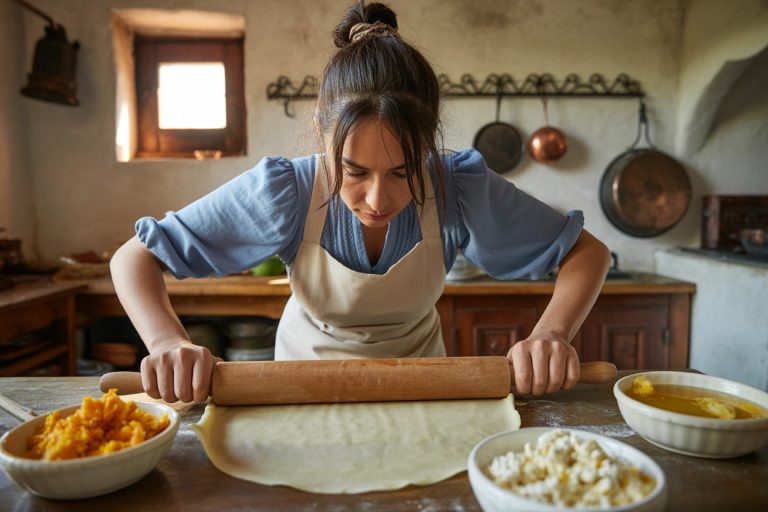
If we decide to make our own phyllo dough, a rolling pin is necessary for rolling out the dough sheets. Store-bought phyllo can be used for convenience.
6. Brush for Butter
A pastry brush is useful for applying melted butter between the layers of phyllo pastry. This keeps the Tikvenik flaky and delicious.
7. Sharp Knife
We will need a sharp knife for cutting the pastry into individual pieces after it is baked. This helps in serving and presentation.
With this equipment ready, we can enjoy the process of making Tikvenik!
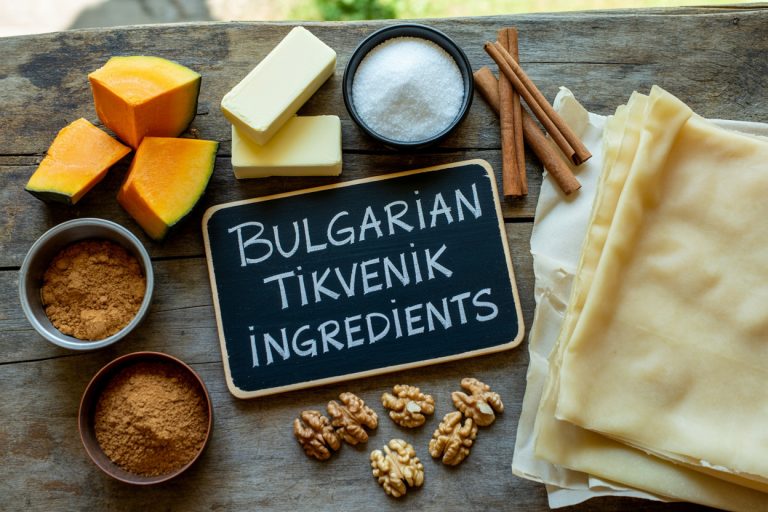
Ingredients For the Bulgarian Tikvenik Recipe
Filling
Pumpkin
Butter
Sugar
Cinnamon
Walnuts
Pastry
Butter
Filo Pastry
Sugar
Bulgarian Tikvenik Recipe Ingredients
Cooking Instructions For the Bulgarian Tikvenik Recipe
Pumpkin Pastry Coil Recipe
Preheat and Prepare the Skillet
Preheat the oven to 350°F (180°C).
Lightly butter a small skillet or frying pan (8in/20cm preferred, 7in/18cm also works).
Prepare the Pumpkin Filling
Peel and deseed the pumpkin, then coarsely grate it.
Melt butter in a large skillet over medium heat.
Add the grated pumpkin and cook for 1–2 minutes to soften.
Stir in the sugar and cinnamon, cooking for another 1–2 minutes, stirring occasionally to help evaporate excess moisture while maintaining texture.
Remove from heat and allow to cool slightly.
Prepare the Pastry
Melt butter for the pastry using a microwave or over low heat in a small pan.
Lay one sheet of pastry on a clean, dry surface and brush it with butter.
Place a second sheet of pastry on top, aligning the edges as best as possible.
Assemble the Rolls
Divide the pumpkin filling and walnuts into two equal portions.
Spread one portion of the pumpkin filling along one long edge of the pastry.
Sprinkle half of the walnuts next to or on top of the pumpkin filling.
Lightly brush the uncovered part of the pastry with butter.
Roll and Coil
Carefully roll the pastry from the edge near the filling to create a long log. Avoid rolling too tightly—some space makes coiling easier.
Pick up the roll and coil it inside the buttered skillet.
Repeat the process with the remaining pastry and filling. When placing the second roll in the skillet, connect its end to the previous coil to form one continuous spiral.
Bake and Serve
Brush the top of the coiled pastry with butter.
Bake for approximately 40 minutes, until golden brown and crisp.
Remove from the oven and let cool for a couple of minutes.
Dust with powdered sugar (icing sugar) before serving.
Serve warm or at room temperature, sliced through the coils.
Bulgarian Tikvenik Recipe Cooking Tips
Bulgarian Tikvenik Recipe Cooking Tips
• Use sweet pumpkin with low moisture content for the best filling texture.
• Grate the pumpkin finely so it cooks evenly inside the pastry.
• Phyllo dough creates the traditional flaky and delicate texture.
• Cinnamon, sugar, and walnuts add authentic Bulgarian flavor and warmth.
• Drain excess moisture from the pumpkin to help prevent soggy pastry.
• Brush the phyllo layers lightly with butter or oil for crispness and richness.
• Roll the filling evenly so the tikvenik bakes consistently throughout.
• Avoid overfilling because the pastry can tear during rolling or baking.
• Bake until the pastry becomes golden and crisp.
• Powdered sugar can add sweetness and improve presentation after baking.
• Let the tikvenik cool slightly before slicing for cleaner cuts.
• A touch of vanilla or lemon zest can brighten the filling flavor.
• Serve warm or at room temperature for the best texture.
• Pair with tea or coffee for a traditional dessert or snack.
Bulgarian Tikvenik Recipe Storage Tips
Bulgarian Tikvenik Recipe Storage Tips
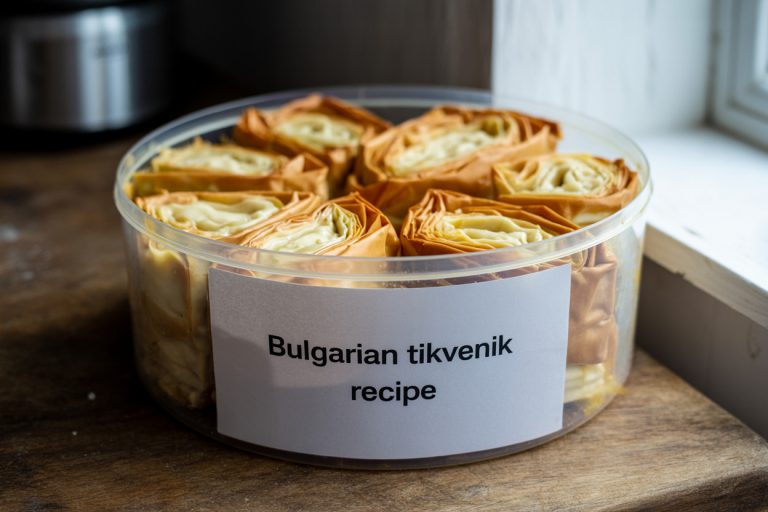
• Allow the tikvenik to cool completely before storing.
• Store in airtight containers or wrap tightly to help maintain freshness.
• Refrigeration may soften the flaky pastry slightly over time.
• Reheat gently in the oven to help restore crispness.
• Avoid microwaving too long because the pastry can become soggy.
• Powdered sugar toppings may absorb moisture during storage.
• Store whipped cream or extra toppings separately until serving.
• Freeze extra portions in tightly sealed freezer-safe wrapping or containers.
• Separate slices with parchment paper before freezing for easier serving later.
• Defrost frozen tikvenik gradually at room temperature or in the refrigerator.
• Walnut and cinnamon flavors may deepen slightly after storage.
• Keep the pastry away from strongly scented foods because it can absorb odors.
• Use clean utensils when handling leftovers to help maintain freshness.
• Discard leftovers if the filling develops sour odors, mold, or unusual texture changes.
Bulgarian Tikvenik Recipe
Ingredients
- 16 oz Pumpkin peeled and de-seeded
- 3 tbsp Butter
- 6 tbsp Sugar
- 2 tsp Cinnamon
- 4 tbsp Walnuts chopped
- 3 tbsp Butter
- 8 sheets Filo Pastry
- 1 tbsp Sugar icing sugar
Instructions
- Preheat and Prepare the Skillet
- Preheat the oven to 350°F (180°C).
- Lightly butter a small skillet or frying pan (8in/20cm preferred, 7in/18cm also works).
- Peel and deseed the pumpkin, then coarsely grate it.
- Melt butter in a large skillet over medium heat.
- Add the grated pumpkin and cook for 1–2 minutes to soften.
- Stir in the sugar and cinnamon, cooking for another 1–2 minutes, stirring occasionally to help evaporate excess moisture while maintaining texture.
- Remove from heat and allow to cool slightly.
- Melt butter for the pastry using a microwave or over low heat in a small pan.
- Lay one sheet of pastry on a clean, dry surface and brush it with butter.
- Place a second sheet of pastry on top, aligning the edges as best as possible.
- Divide the pumpkin filling and walnuts into two equal portions.
- Spread one portion of the pumpkin filling along one long edge of the pastry.
- Sprinkle half of the walnuts next to or on top of the pumpkin filling.
- Lightly brush the uncovered part of the pastry with butter.
- Carefully roll the pastry from the edge near the filling to create a long log. Avoid rolling too tightly—some space makes coiling easier.
- Pick up the roll and coil it inside the buttered skillet.
- Repeat the process with the remaining pastry and filling. When placing the second roll in the skillet, connect its end to the previous coil to form one continuous spiral.
- Brush the top of the coiled pastry with butter.
- Bake for approximately 40 minutes, until golden brown and crisp.
- Remove from the oven and let cool for a couple of minutes.
- Serve warm or at room temperature, sliced through the coils.
FAQ For the Bulgarian Red Pepper Stew Recipe
Question: What ingredients are needed for a Bulgarian Red Pepper Stew recipe?
A: A Bulgarian Red Pepper Stew recipe typically includes red peppers, tomatoes, onions, garlic, paprika, olive oil, and fresh herbs. Some variations may also include potatoes or beans for added texture.
Question: How do you make a Bulgarian Red Pepper Stew recipe?
A: To make a Bulgarian Red Pepper Stew recipe, sauté onions and garlic in olive oil, then add chopped red peppers and tomatoes. Season with paprika and simmer until the vegetables soften. Some versions include potatoes or beans for a heartier dish.
Question: Can a Bulgarian Red Pepper Stew recipe be made vegan?
A: Yes, a Bulgarian Red Pepper Stew recipe can easily be made vegan by using plant-based ingredients. The traditional recipe already consists mostly of vegetables, and you can enhance it with chickpeas or lentils for extra protein.
Question: What is the best way to serve a Bulgarian Red Pepper Stew recipe?
A: A Bulgarian Red Pepper Stew recipe is best served warm with crusty bread or over rice. It can also be garnished with fresh parsley or a dollop of yogurt for added texture and taste.
Question: How long does a Bulgarian Red Pepper Stew recipe last in the fridge?
A: A Bulgarian Red Pepper Stew recipe can be stored in an airtight container in the refrigerator for up to four days. Reheat on the stove over low heat or in the microwave before serving.

Recipes are gathered in person and written for real-world cooking conditions.
- 10 Hungarian Dessert Recipes Passed Down Through Generations - July 25, 2026
- 11 Easy English Recipes Anyone Can Make - July 25, 2026
- Hungarian Kifli Recipe - July 25, 2026
1 comment
I made Bulgarian Tikvenik for the first time, and it was delicious! The pastry was crisp, and the pumpkin filling was perfectly spiced. It was a wonderful balance of flavors, and it wasn’t too sweet. My guests were impressed with how light and flaky the pastry was, and they enjoyed the unique taste of the filling. This will definitely be a go-to recipe for future gatherings.
Comments are closed.