

Pfeffernüsse are traditional German spice cookies that pop up everywhere during Christmas in Germany and Austria. The name means “pepper nuts,” which pretty much nails what these little cookies are all about. You get that cozy, spicy kick from cinnamon, ginger, cloves, nutmeg, black pepper, and sometimes anise or cardamom—real winter flavors.
Honestly, I think these cookies stand out because they blend sweet and spicy in a way you don’t find in most American treats. The dough comes together with molasses or honey and a heap of ground spices. Usually, there’s a sugary glaze or a dusting of powdered sugar on top, which mellows out the peppery bite in the middle.
German spice cookies make fantastic homemade gifts during the holidays. They get even better if you leave them to sit for a day or two. The flavors deepen, and honestly, they’re perfect for dunking in coffee or hot chocolate. Cold days almost call for them.
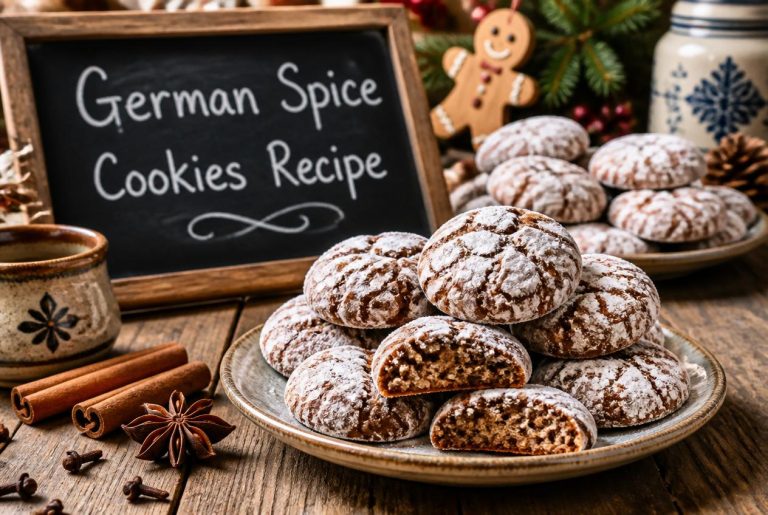
German Spice Cookies Recipe (Pfeffernuesse)
Key Takeaways
- Pfeffernüsse are small German Christmas cookies loaded with spices like cinnamon, ginger, cloves, and black pepper
- You can switch up the spice blend, and people often coat them in icing or powdered sugar
- Letting the cookies rest for a day or two really brings out the best in their flavor
English Recipe Description and Historical Information
I always say that Pfeffernüsse are small spice cookies that have a real place in German holiday traditions. The name means “pepper nuts,” which is both about the size and the punchy flavor.
Generations have baked these cookies during Advent and Christmas. I know traditional Pfeffernüsse are a staple of the German holiday table, and honestly, no German Christmas feels complete without them.
The German Spice Cookies recipe always leans on a mix of warming spices. I use cinnamon, cloves, nutmeg, anise, and yes, real black pepper. Molasses or honey brings richness and that unmistakable holiday vibe.
Key Ingredients:
- Ground spices (cinnamon, cloves, ginger, nutmeg)
- Black pepper
- Anise or anise oil
- Molasses or honey
- Flour and eggs
Over the years, German families started making the German Spice Cookies recipe with more aromatic spices, not just pepper. I’ve noticed the spice blend is what really makes Pfeffernuesse—it’s their whole personality.
The cookies are small and round, usually finished with powdered sugar or a simple glaze. Depending on the region, the German Spice Cookies recipe might be a touch sweeter or spicier. I always like them with coffee or tea, especially when it’s freezing outside.
Recipe Tips
I always chill my pfeffernusse cookie dough for at least an hour before rolling. It makes the dough a lot less sticky and helps them stay round in the oven.
With these German spice cookies, I always reach for fresh ground spices if I can. Old spices just don’t do the German Spice Cookies recipe justice, and you want that real, bold flavor.
I roll the dough into balls—about 3/4 inch across. They puff up a bit, so keeping them small gives you that classic, bite-sized German Spice Cookies recipe result.
Key Baking Tips:
- Take them out before they overbake or you’ll end up with rocks
- Wait until they’re totally cool before glazing
- Store in an airtight container for a few days before eating
- The German Spice Cookies recipe honestly improves as the spices meld
I’ve learned that the German Spice Cookies recipe shines when you let the cookies rest. The texture softens, and the flavors get way deeper. It’s one of my go-to German Spice Cookies recipe ideas because you can make them ahead—no last-minute stress.
For the glaze, I stir up powdered sugar with a splash of milk or water until it’s thick. I dip each cookie and let the extra drip off. Then I set them on parchment so they dry without sticking.
Room temp works for storage, but I usually toss a piece of bread or apple slice in the tin to keep the German Spice Cookies recipe from drying out.

Variations
Messing around with the German Spice Cookies recipe is half the fun. The traditional German spice cookies use ginger, cinnamon, and white pepper, but honestly, you can play with the spices and get some wild results.
Some folks add more anise for that licorice edge, others double up on cloves for extra punch. Sometimes I throw in cardamom or allspice for a twist on the usual German Spice Cookies recipe.
Common Spice Variations:
- Try black pepper instead of white for a sharper bite
- Mix in ground anise or star anise for that classic licorice hint
- Cardamom brings a floral, almost citrusy note
- More nutmeg gives the German Spice Cookies recipe a really warm, nutty vibe
I like to switch up the coating too. Powdered sugar is classic, but I’ve gone with a sugar glaze or sometimes just leave them plain. The German Spice Cookies recipe is flexible like that. Some people use a simple powdered sugar and milk icing.
Sweeteners change things up, too. Molasses gives the German Spice Cookies recipe a deep, rich flavor, while honey makes it lighter and softer. Brown sugar sits somewhere in the middle.
I’ve tried making the German Spice Cookies recipe bigger for a softer cookie, but the traditional small size comes out crunchier—better for dunking, if you ask me.
Alternate Recipes Substitutions
Sometimes I don’t have everything for the German Spice Cookies recipe, but the cookies still turn out great with a few swaps. These tricks help if you’re out of something or need to tweak for allergies.
If I’m out of molasses, I use dark corn syrup or honey—just swap them one-to-one. Both keep the German Spice Cookies recipe moist and give a nice color.
Spice Substitutions:
- Black pepper: White pepper works, or just use half as much
- Cardamom: Try cinnamon or ginger instead
- Anise: Fennel seeds or a dash of licorice extract can fill in
- Cloves: Allspice is a good stand-in at the same amount
I’ll swap all-purpose flour for whole wheat when I want a nuttier German Spice Cookies recipe. The cookies get a bit denser, which some people like. For grain-free German Spice Cookies recipe versions, almond flour works, but you’ll need another egg to hold it together.
If you don’t want powdered sugar, just glaze them. I mix 1 cup powdered sugar with 2 tablespoons milk for a thin, shiny finish on the German Spice Cookies recipe.
For vegan German Spice Cookies recipe, flax eggs swap in for regular eggs. Mix 1 tablespoon ground flaxseed with 3 tablespoons water per egg. Vegan butter works just like regular for the German Spice Cookies recipe.
Butter can be swapped with shortening or coconut oil in the German Spice Cookies recipe. Both keep the cookies tender, but the flavor changes a bit—sometimes in a good way.

German Spice Cookies Recipe (Pfeffernuesse) Cooking TIps
German Spice Cookies Recipe (Pfeffernüsse) Recipe Cooking Tips
• Pfeffernüsse are known for their soft texture, warm spice blend, and powdered sugar or glaze coating.
• Pfeffernüsse are especially popular during the Christmas season throughout Germany.
• Molasses, honey, or dark syrup provide rich flavor and help keep the cookies moist.
• Cinnamon, cloves, nutmeg, cardamom, allspice, and ginger are traditional spices used in the dough.
• White pepper is the ingredient that gives Pfeffernüsse their distinctive name and subtle warmth.
• Freshly ground spices create the most aromatic flavor.
• Chilling the dough before shaping can make handling easier.
• Roll the dough into evenly sized balls for consistent baking.
• Avoid overbaking because the cookies continue to firm up as they cool.
• The cookies should remain slightly soft inside rather than becoming crisp throughout.
• Powdered sugar coating is traditionally applied after the cookies have cooled.
• Some recipes use a sweet glaze instead of powdered sugar.
• The flavor should balance warm spices, subtle sweetness, and gentle pepper notes.
• Pfeffernüsse often taste even better after several days as the spices mature and blend.
• These cookies are a classic addition to German Christmas cookie platters.
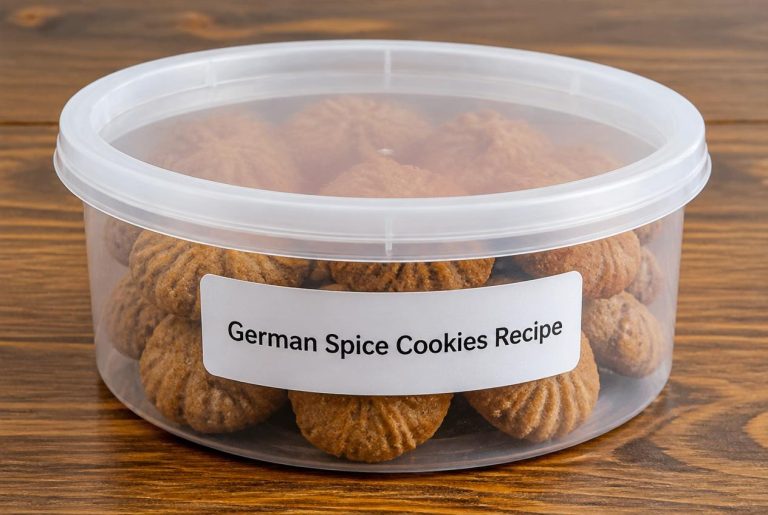
German Spice Cookies Recipe (Pfeffernuesse) Storage Tips
German Spice Cookies (Pfeffernüsse) Storage Tips
• Allow the cookies to cool completely before storing.
• Store in airtight containers to help maintain freshness and softness.
• Layer cookies between sheets of parchment paper if stacking.
• Room-temperature storage works very well for these cookies.
• The spice flavors often deepen and improve after several days of storage.
• Keep the cookies away from direct sunlight and excessive heat.
• If coated in powdered sugar, additional sugar may be dusted on before serving if needed.
• Freeze baked cookies in airtight freezer-safe containers if desired.
• Separate layers with parchment paper before freezing.
• Defrost frozen cookies at room temperature before serving.
• Use clean dry utensils when handling the cookies to help maintain freshness.
• Spice cookies are generally best enjoyed within a moderate to longer storage period because their flavor continues to develop.
• Keep away from strongly scented foods because cookies can absorb odors.
• Slight softening during storage is normal and often desirable.
• Discard leftovers if the cookies develop mold, rancid odors, or unusual texture changes.
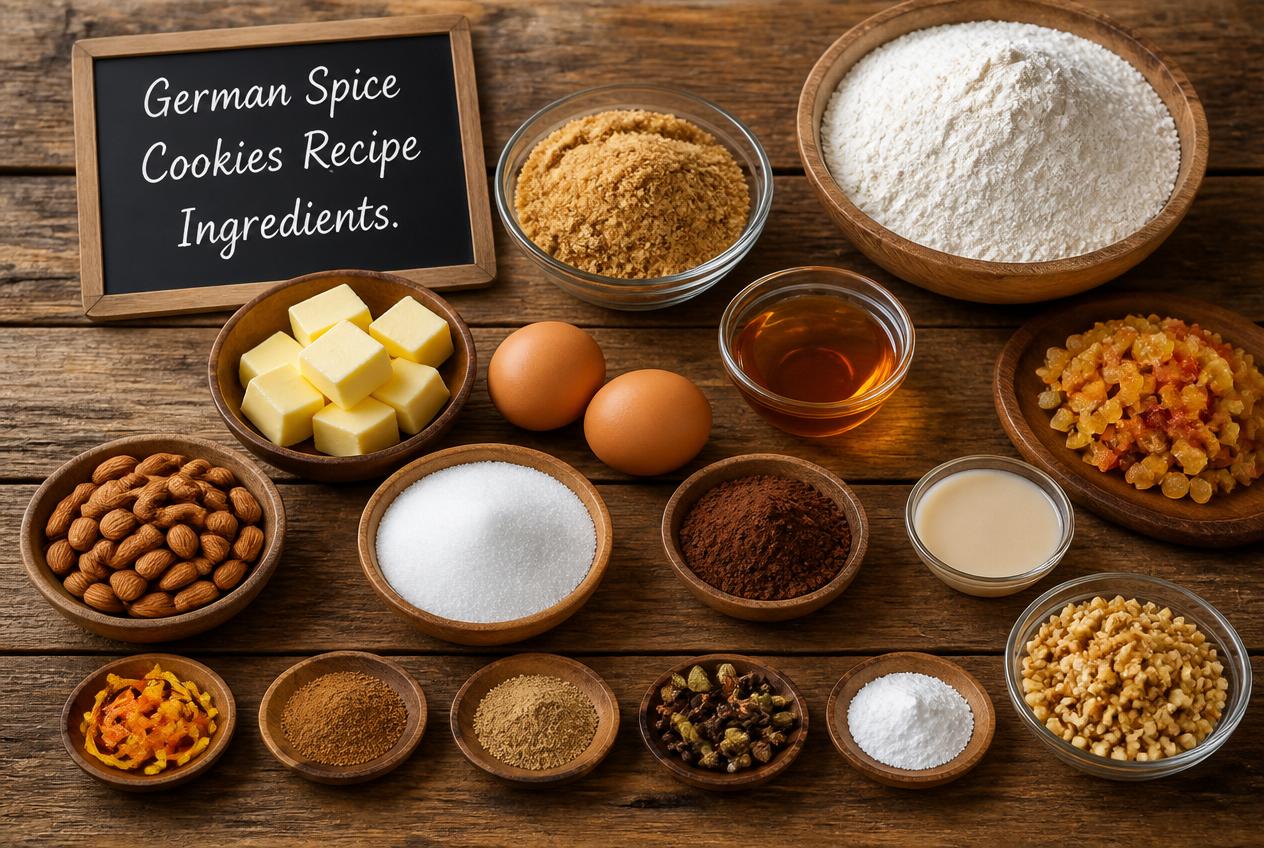
German Spice Cookies Recipe (Pfeffernuesse)
Ingredients
- ½ cup molasses
- ¼ cup honey
- ¼ cup shortening
- ¼ cup margarine
- 2 large eggs
- 4 cups all-purpose flour
- ¾ cup white sugar
- ½ cup brown sugar
- 2 teaspoons anise extract
- 2 teaspoons ground cinnamon
- 1 ½ teaspoons ground cardamom
- 1 ½ teaspoons baking soda
- 1 teaspoon ground cloves
- 1 teaspoon ground nutmeg
- 1 teaspoon ground ginger
- 1 teaspoon ground black pepper
- ½ teaspoon salt
- 1 cup confectioners' sugar for dusting
Instructions
- In a medium saucepan, combine the molasses, honey, shortening, and margarine. Place the saucepan over medium heat and stir continuously until the ingredients are fully melted and blended into a smooth mixture.
- Once everything is well combined, remove the saucepan from the heat and allow the mixture to cool to room temperature. This is important because adding the eggs while the mixture is still hot could cause them to cook prematurely.
- When the mixture has cooled, add the eggs and beat until fully incorporated and smooth.
- In a large mixing bowl, combine the flour, granulated sugar, brown sugar, anise extract, cinnamon, cardamom, baking soda, cloves, nutmeg, ginger, black pepper, and salt.
- Whisk the ingredients together thoroughly to ensure the spices and leavening are evenly distributed throughout the flour. Pfeffernüsse are known for their complex blend of warm spices, which gives them their distinctive holiday flavor.
- Pour the cooled molasses mixture into the bowl of dry ingredients.
- Using a sturdy spoon or spatula, stir until everything is fully combined and a thick, sticky dough forms. The dough will be dense and richly spiced.
- Cover the bowl tightly and refrigerate the dough for approximately 2 hours, or until thoroughly chilled. Chilling allows the flavors to develop and makes the dough much easier to shape.
- Preheat the oven to 325°F (165°C).
- Line baking sheets with parchment paper or leave them ungreased if preferred.
- Remove the chilled dough from the refrigerator and roll it into small balls approximately the size of an acorn. Keeping the cookies small helps them bake evenly and creates the traditional Pfeffernüsse appearance.
- Arrange the dough balls on the prepared baking sheets, leaving about 1 inch of space between each cookie.
- Place the baking sheets in the preheated oven and bake for 10–15 minutes.
- The cookies are ready when they feel firm to the touch and have developed small cracks on the surface. Avoid overbaking, as Pfeffernüsse should remain slightly tender inside while firming up as they cool.
- Remove the baking sheets from the oven and allow the cookies to cool on the pans for several minutes. This brief resting period helps them set without breaking apart.
- Transfer the cookies to a wire rack and allow them to cool completely before decorating.
- Once completely cool, generously dust the cookies with confectioners' sugar. The powdered sugar coating is one of the signature characteristics of traditional Pfeffernüsse and provides a sweet contrast to the richly spiced cookie beneath.
- For a heavier coating, place the cooled cookies and powdered sugar in a large zip-top bag and gently shake until evenly coated.
- Store and Enjoy
- Store the finished cookies in an airtight container at room temperature. Like many traditional German Christmas cookies, Pfeffernüsse often taste even better after a few days as the spices continue to develop and meld together.
- These classic German spice cookies feature a deep molasses flavor combined with warming spices such as cinnamon, cloves, nutmeg, ginger, cardamom, anise, and black pepper, creating the distinctive taste that has made Pfeffernüsse a beloved holiday treat for generations.
German Spice Cookies Recipe Frequently Asked Questions
Pfeffernüsse cookies are a big deal in German baking, and people always ask about the German Spice Cookies recipe—especially the spices, the texture, and why pepper is in a cookie at all.
What is the origin of Pfeffernüsse cookies and how did they become a traditional German holiday treat?
Pfeffernüsse, or “pepper nuts,” started out centuries ago in German-speaking Europe. The name comes from their tiny, nut-like shape and the pepper that went into the first German Spice Cookies recipe. These spiced cookies have always been part of Advent and Christmas in Germany and Austria.
Bakers eventually added more spices—cinnamon, cloves, nutmeg, anise—so the German Spice Cookies recipe became more complex and interesting.
People loved that you could bake them ahead and stash them for weeks. The German Spice Cookies recipe actually tastes better after a few days, which is kind of rare in baking.
Which spices are essential for authentic German spice cookies, and can any be substituted without losing flavor?
I swear by cinnamon, allspice, cloves, nutmeg, molasses, and freshly ground pepper in my German Spice Cookies recipe. Anise is classic too for that hint of licorice.
That blend is what gives the German Spice Cookies recipe its unmistakable taste. You can tweak the amounts, but if you skip cinnamon or cloves, you’ll definitely notice something’s missing.
Some people add a pinch of cayenne for heat. If you’re out of allspice, you can mix cinnamon, cloves, and nutmeg together, but it’s not quite the same as the real German Spice Cookies recipe.
Are Pfeffernüsse cookies supposed to be hard at first, and how do you soften them for the best texture?
Yep, Pfeffernüsse cookies usually start out firm. That’s part of the German Spice Cookies recipe tradition. They soften up as they sit in a sealed container, and the spice flavors blend together.
If you want the best texture, stash the German Spice Cookies recipe in a tin for at least two or three days. Some folks wait a whole week. If they’re still too hard, throw in a slice of bread or apple overnight—the cookies soak up the moisture.
What is the difference between Pfeffernüsse and other German spiced cookies like Spekulatius or Lebkuchen?
Pfeffernüsse are small, round, and dense, with a bold spice blend—especially black pepper. You usually finish the German Spice Cookies recipe with powdered sugar or a glaze.
Spekulatius are thin, crisp, and often stamped with patterns. They’re buttery and caramelized, not as spicy as the German Spice Cookies recipe.
Lebkuchen are bigger, softer, and sometimes chewy, with honey and nuts mixed in. They might be glazed or chocolate-covered. All three are German Christmas classics, but the German Spice Cookies recipe has its own spicy, punchy personality.
Where can you buy Pfeffernüsse cookies in the U.S., and which stores typically carry them seasonally?
Every year, I go on a bit of a hunt for Pfeffernüsse cookies, and honestly, it’s become a tradition. Many grocery stores roll out these spiced treats during the holiday season—usually from late October through December. You’ll probably spot them hiding in the specialty food aisles or tucked away in the international section, right next to other festive imports. I always keep an eye out for a good German Spice Cookies recipe, but sometimes, grabbing a box just feels easier.
Trader Joe’s, Whole Foods, and World Market tend to bring in Pfeffernüsse cookies when the weather cools down. If you’re lucky enough to live near a German specialty store or a European import shop, you might see them on shelves all year. There’s something about browsing those shops that makes me want to try every German Spice Cookies recipe I can find. Sometimes, I wonder if they ever run out, but honestly, they always seem stocked.
Aldi gets in on the action too, especially during their German Week promotions and right through Christmas. I’ve even seen people grab several boxes at once—can’t blame them. If you strike out at your local stores, Amazon usually has a bunch of options, so you won’t have to miss out. Shopping online might not be as fun as baking your own with a German Spice Cookies recipe, but hey, it’s convenient. And if you’re like me, you might just end up ordering both cookies and a new German Spice Cookies recipe book for good measure.
Why do Pfeffernüsse recipes sometimes include pepper, and does it make the cookies taste spicy?
That little hit of pepper in a German Spice Cookies recipe is honestly what sets these cookies apart. People sometimes expect a punch, but black pepper just brings a gentle warmth and an almost mysterious depth to the whole German Spice Cookies recipe experience. It doesn’t make the cookies taste hot—definitely not in a way that’ll make you reach for water.
Usually, bakers add just a pinch of pepper to a German Spice Cookies recipe, letting it mingle with all the other spices. When you mix it with molasses and roll the cookies in powdered sugar, the pepper sort of melts into the background. It doesn’t shout for attention; it just helps round out the German Spice Cookies recipe flavor in a way that feels classic, not overpowering.
I’ve noticed the pepper in a German Spice Cookies recipe actually lifts the other spices. It’s not there to take over. Instead, it gives the German Spice Cookies recipe this subtle, cozy warmth you won’t get from plain gingerbread. If you’re curious or a little hesitant, I’d say just try the German Spice Cookies recipe as written. You might be surprised by how balanced and inviting the result is—the pepper just feels right, not too bold, not too quiet, just a perfect part of the German Spice Cookies recipe tradition.

Recipes are gathered in person and written for real-world cooking conditions.
- 10 Hungarian Dessert Recipes Passed Down Through Generations - July 25, 2026
- 11 Easy English Recipes Anyone Can Make - July 25, 2026
- Hungarian Kifli Recipe - July 25, 2026